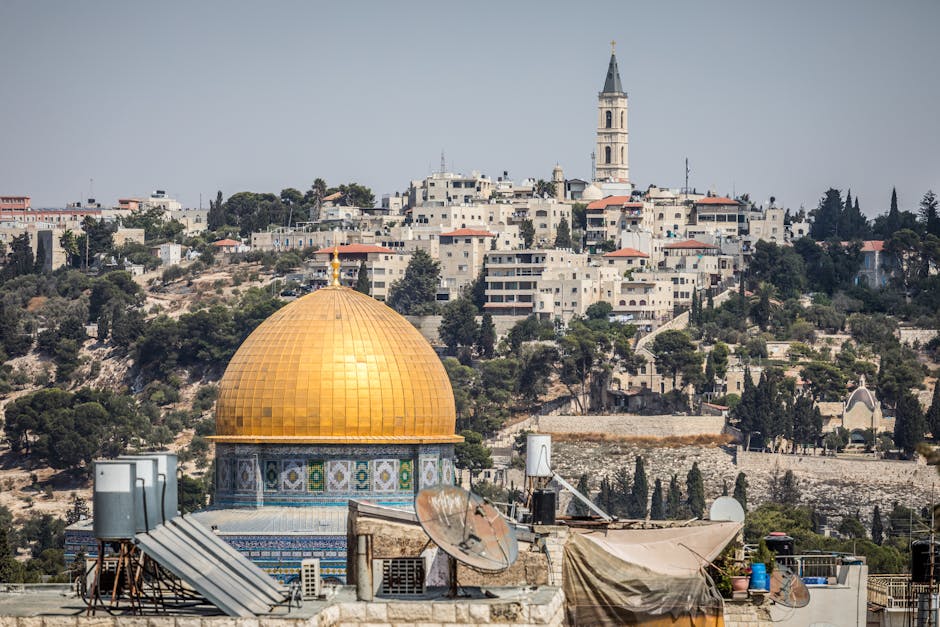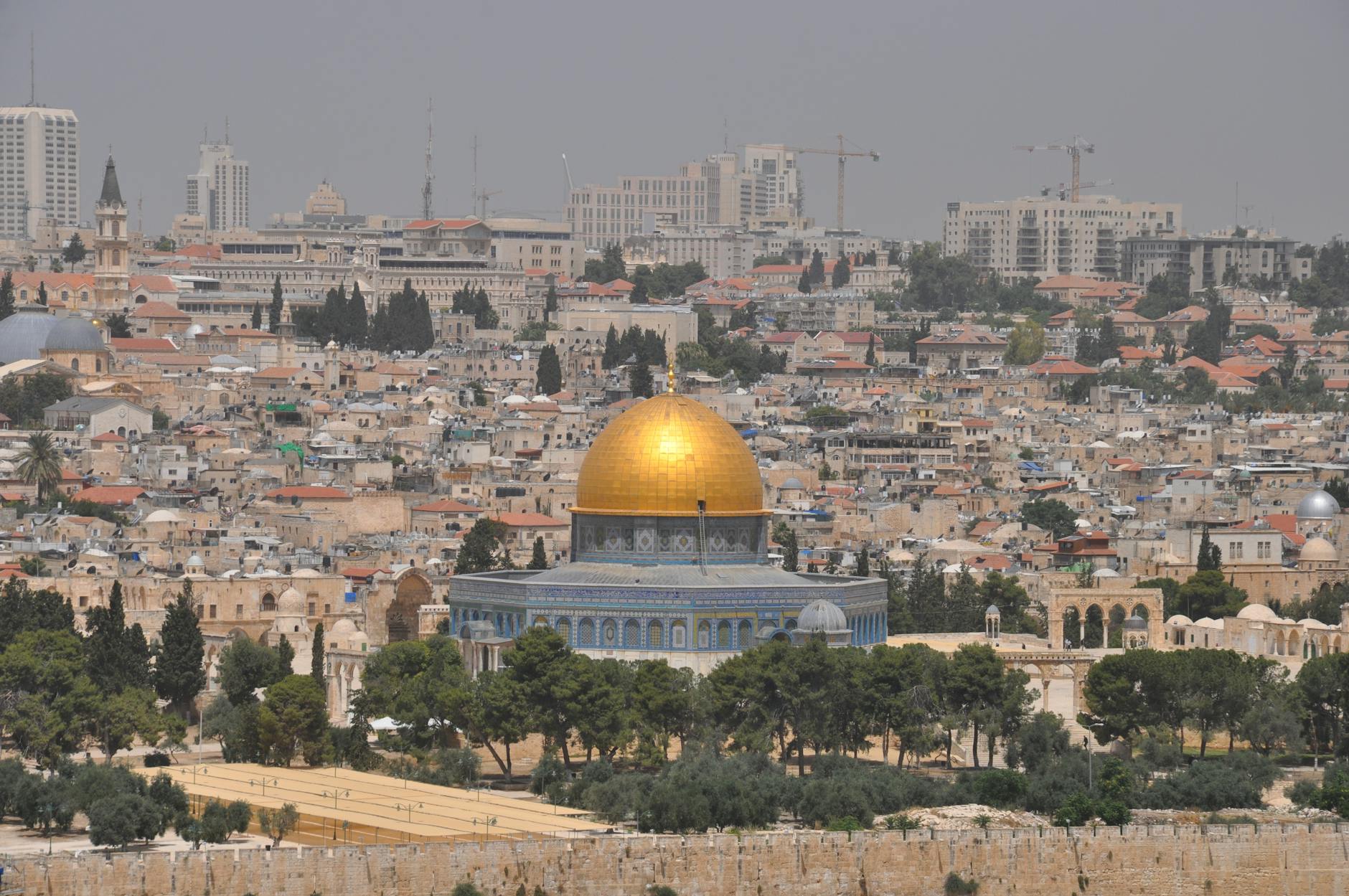
Planning a Jerusalem itinerary can feel overwhelming. This is a city where 5,000 years of history are compressed into walkable neighborhoods, where sacred sites from three major religions stand within steps of each other, and where modern culture and ancient tradition coexist at every corner. Whether you have one whirlwind day or a full week to explore, having a well-planned itinerary ensures you make the most of every hour in this extraordinary city.
This guide provides detailed day-by-day Jerusalem itineraries for every type of traveler — from a packed single-day overview to a comprehensive seven-day deep dive. Each itinerary has been designed with practical logistics in mind, grouping nearby attractions together to minimize transit time and maximize your experience. We have also included tips on the best times to visit each site, how to navigate Shabbat closures, and suggestions for where to eat along the way. For accommodation options near these attractions, see our guide to where to stay in Jerusalem.
One Day in Jerusalem: The Essential Highlights
If you have only one day in Jerusalem, focus on the Old City and its immediate surroundings. This itinerary covers the most important sites in roughly 10 hours of walking.
Morning (7:00 AM to 12:00 PM): Mount of Olives and the Old City
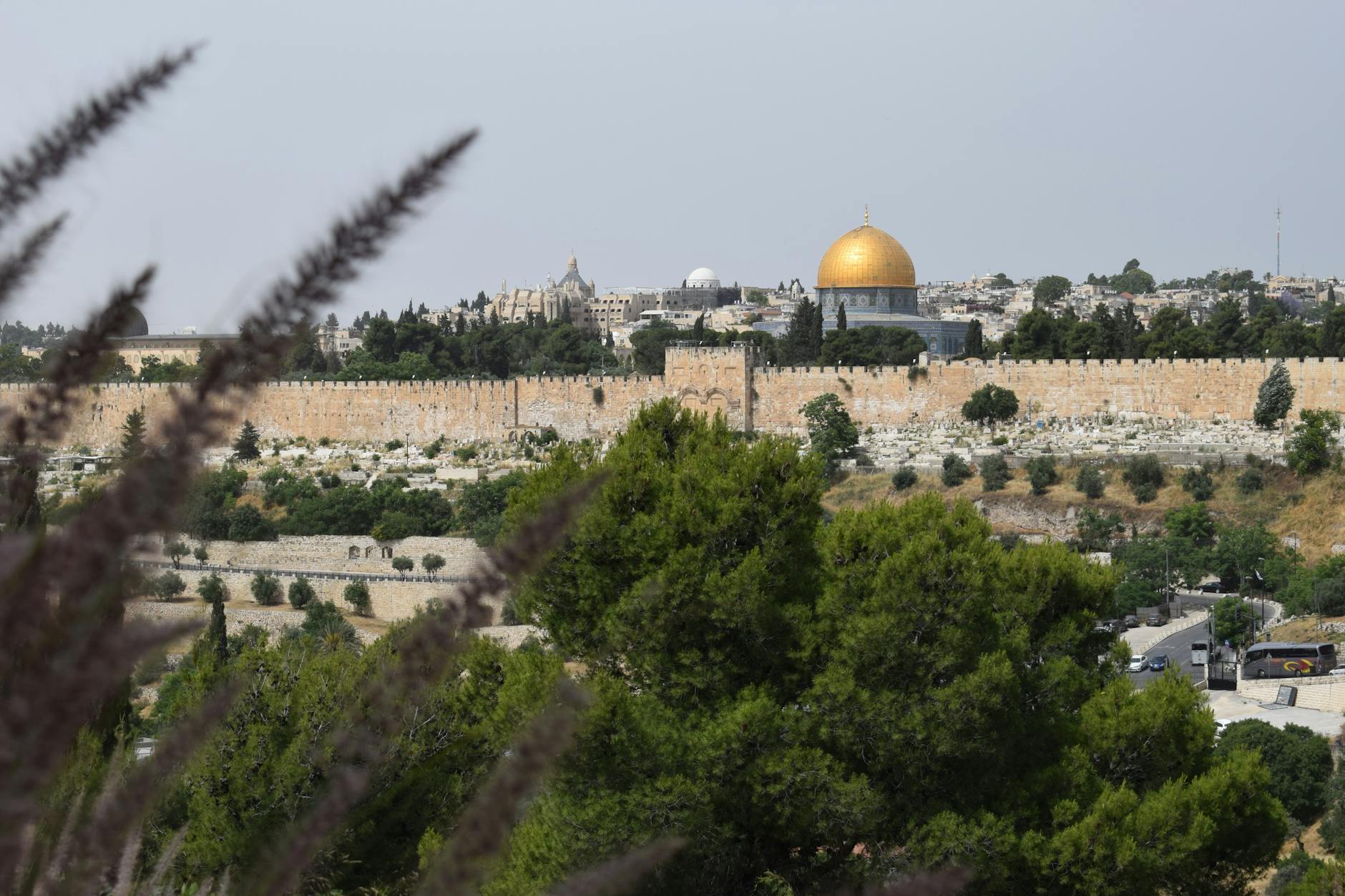
Start your day early at the Mount of Olives viewpoint for the most iconic panorama of Jerusalem. The golden light of early morning illuminating the Dome of the Rock and the Old City walls is a sight you will never forget. Take a taxi to the top (about 30 shekels from the city center) and walk downhill. Stop at the Church of Dominus Flevit, shaped like a teardrop to represent where Jesus wept over Jerusalem, which frames a stunning view of the Old City through its window. Continue down to the Garden of Gethsemane, where ancient olive trees that may be 2,000 years old still stand. Arrive at the Garden early — it gets very crowded by mid-morning.
Enter the Old City through the Lions’ Gate (St. Stephen’s Gate) and follow the Via Dolorosa, the path Jesus is believed to have walked to his crucifixion. The 14 Stations of the Cross wind through the narrow lanes of the Muslim Quarter, ending at the Church of the Holy Sepulchre. Spend at least 30 minutes inside this extraordinary church, which contains both the site of the crucifixion (Golgotha) and the tomb of Jesus. Then make your way through the bazaar of the Christian Quarter toward the Jewish Quarter.
Midday (12:00 PM to 2:00 PM): Western Wall and Temple Mount
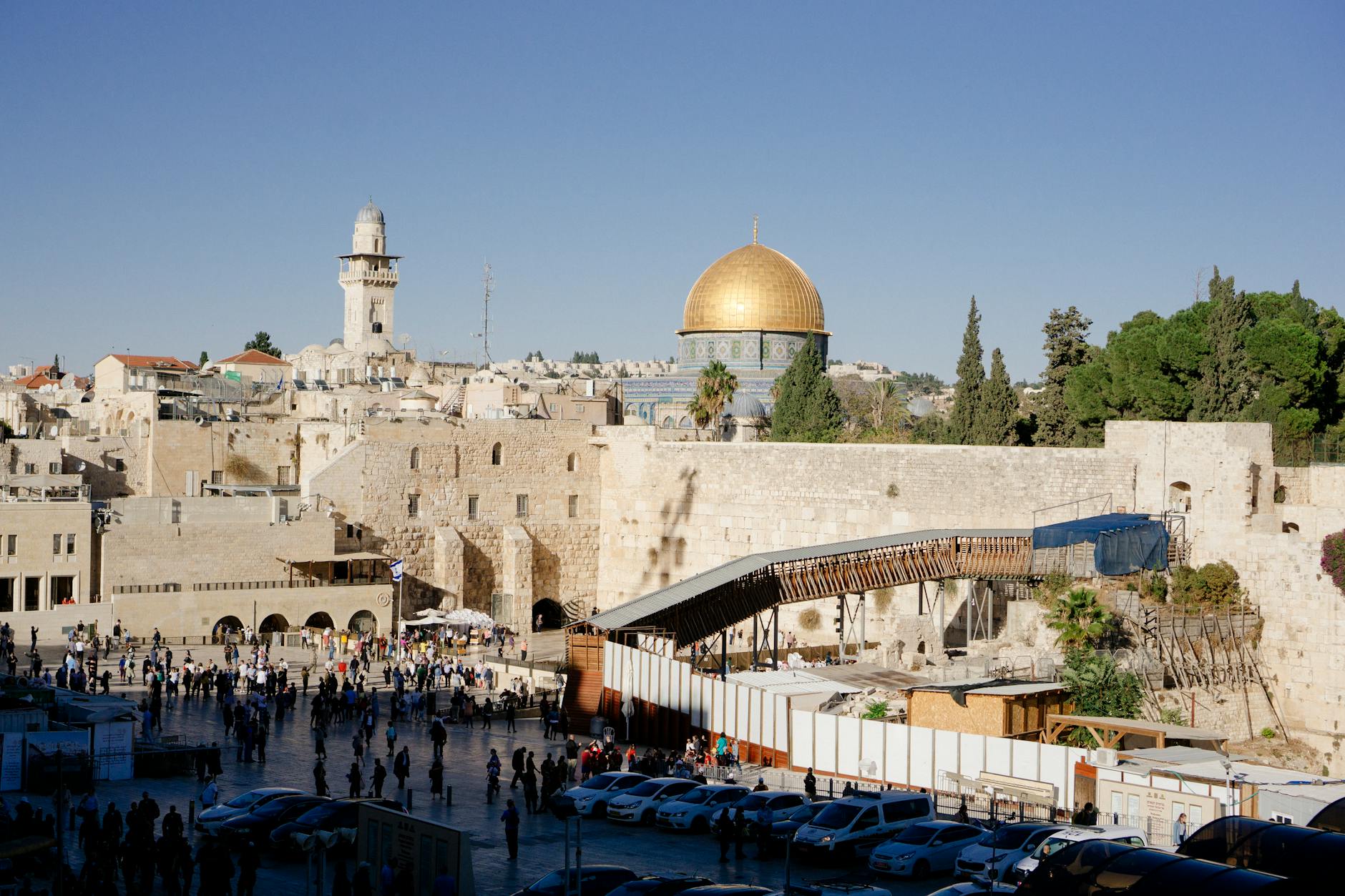
Walk through the Jewish Quarter, pausing at the Cardo — the excavated Roman-era main street — before descending to the Western Wall Plaza. The Western Wall (Kotel) is the holiest site in Judaism and one of the most emotionally powerful places in Jerusalem. Men and women access separate sections. You are welcome to approach the wall, touch it, and place a written prayer in the cracks between the ancient stones regardless of your faith. The Western Wall Tunnels tour (book in advance at thekotel.org) offers a fascinating underground walk along the full length of the wall.
The Temple Mount (Haram al-Sharif) is accessible to non-Muslim visitors through a dedicated entrance near the Western Wall, but only during limited hours (typically 7:30 to 10:30 AM and 12:30 to 1:30 PM, Sunday through Thursday). If your timing works, the Temple Mount is absolutely worth visiting to see the Dome of the Rock and Al-Aqsa Mosque exteriors. Non-Muslims cannot enter the mosque buildings. Dress modestly — shoulders and knees must be covered for both men and women.
Afternoon (2:00 PM to 5:00 PM): Markets and Mount Zion
Grab lunch in the Old City — Abu Shukri for hummus or one of the falafel stands near the Damascus Gate. Then exit through the Zion Gate to explore Mount Zion, home to the Room of the Last Supper (Cenacle) and King David’s Tomb. Both are free to enter and rarely crowded. The Dormition Abbey nearby is a beautiful church worth a quick visit. Walk back into the city center along the Old City walls or take a taxi to Mahane Yehuda Market, where you can spend the late afternoon browsing stalls, sampling street food, and soaking up the atmosphere. End your day watching the sunset from the Haas Promenade in Talpiot, which offers a sweeping view of the Old City from the south. For more on things to do in Jerusalem, see our comprehensive guide. With a second day to spare, a two-day Jerusalem itinerary adds the Israel Museum, Yad Vashem and a full evening at Mahane Yehuda without the sprint.
Two Days in Jerusalem: The Old City Plus One Theme
Two nights is the most common length of stay in Jerusalem and, in some ways, the most awkward. One day forces its choices on you; three days leaves room for a slow morning. Two days sits in between — enough to walk the Old City at a human pace and add one substantial thing beyond the walls, but not enough for the museums of West Jerusalem, the archaeology of the City of David and a day trip. The better approach is to give the first day entirely to the Old City and then pick a single theme for the second.
Day 1: The Old City at Walking Pace
Start at the Mount of Olives before 8:00 AM. Walk down through Dominus Flevit and the Garden of Gethsemane, cross the Kidron Valley and enter through the Lions’ Gate. Follow the Via Dolorosa west through the Muslim Quarter to the Church of the Holy Sepulchre, which is free, open seven days a week and — in the April to September season — runs roughly from 5:00 AM until around 8:45 PM, with noticeably shorter winter hours. Being inside before 8:00 AM is the difference between a contemplative visit and a queue. Then work south through the Christian Quarter souk into the Jewish Quarter, pausing at the Cardo, and reach the Western Wall Plaza by early afternoon.
Because you are not sprinting toward a sunset viewpoint, the afternoon has room for one paid site. The Western Wall Tunnels are the strongest choice if you booked ahead, since walk-up places are rarely available. If not, the Tower of David Museum at Jaffa Gate is the better fallback: it lays out the chronology of the city in one building, which makes everything you see over the next day legible. As of August 2026 its published hours are Sunday 12:00 to 6:00 PM, Monday and Wednesday to Thursday 9:00 AM to 6:00 PM, Tuesday until 8:00 PM, and Friday and Saturday 9:00 AM to 3:00 PM — one of the few major museums that opens on Shabbat. Finish on the ramparts walk or with dinner outside Jaffa Gate.
Day 2: Pick One Theme, Not Three
There are three sensible second days and you can only have one. The modern city day pairs the Israel Museum with Yad Vashem and ends at Mahane Yehuda Market; be honest that each of those museums wants three hours, so this is a full and fairly heavy day. The archaeology day runs the City of David, Hezekiah’s Tunnel and the Davidson Center, all within a few hundred meters of Dung Gate, and leaves you back in the Old City for the evening. The third option is a half-day to Bethlehem, which is close enough to be back for a late lunch.
Whichever you choose, keep the second afternoon lighter than the first. Two days of ten-hour walking on uneven limestone is how people end their Jerusalem trip limping. Our full two-day Jerusalem itinerary breaks each of these options down hour by hour, and if you are weighing two days against three, the three-day plan below is where the trip stops feeling rushed.
Three Days in Jerusalem: A Comprehensive Exploration
Three days is the ideal length for a first visit to Jerusalem. It allows you to explore the major sites at a comfortable pace, venture beyond the Old City, and experience the city’s food scene and neighborhoods. Our complete three-day plan maps out each of those days hour by hour, with meal stops and crowd-avoidance timings.
Day 1: The Old City Deep Dive
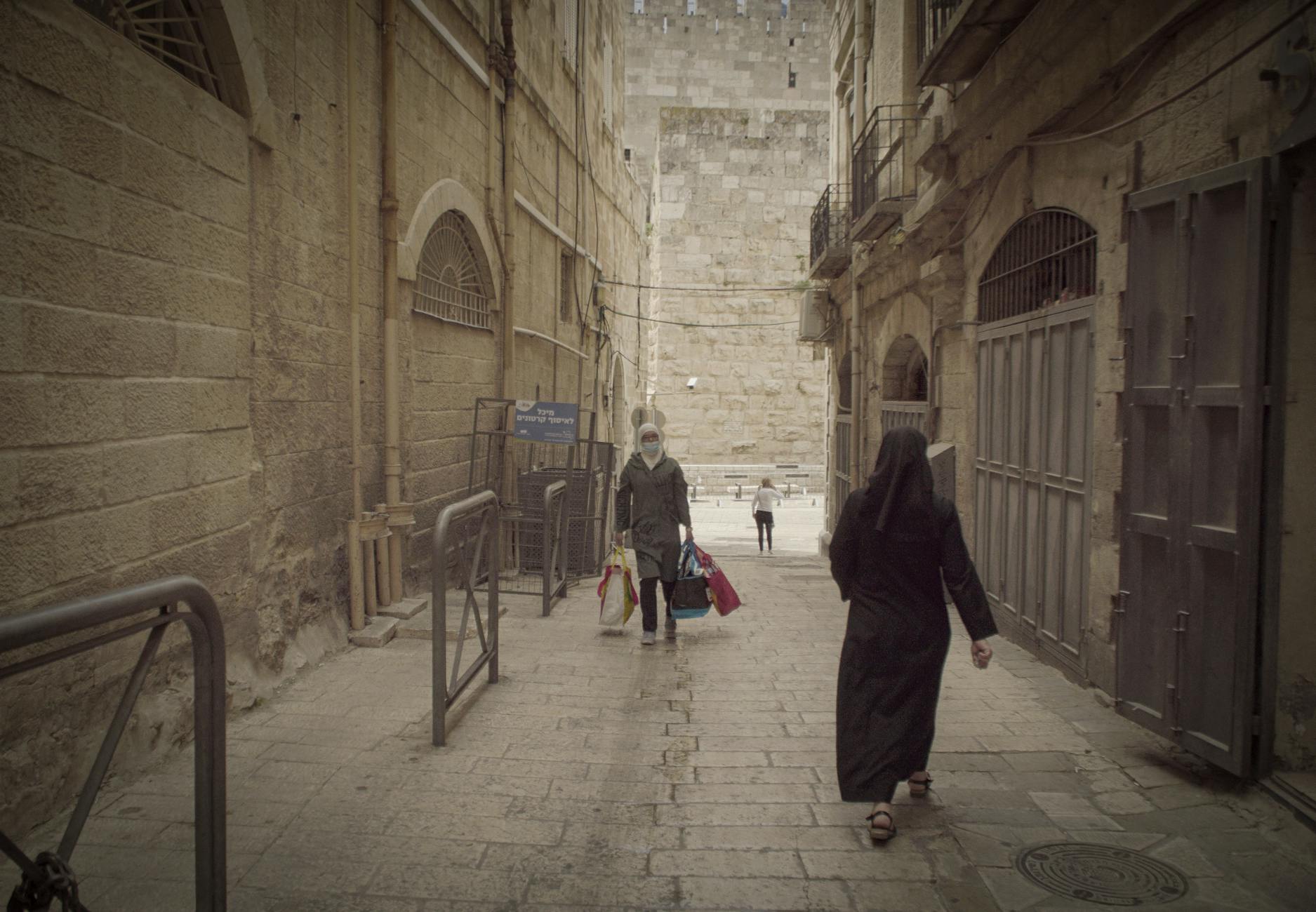
Dedicate your entire first day to the Old City. Follow the one-day itinerary above but at a more relaxed pace. Start at the Mount of Olives at sunrise, walk down through the Garden of Gethsemane, enter through Lions’ Gate, and explore the Via Dolorosa and Church of the Holy Sepulchre in the morning. After a leisurely hummus lunch, visit the Western Wall and (if open) the Temple Mount. In the afternoon, explore the Jewish Quarter’s synagogues and the Herodian Quarter archaeological museum. Walk the ramparts (the Old City walls walk) for unique aerial views — the southern section from Jaffa Gate to the Dung Gate is the most scenic. End at Mount Zion before sunset.
Day 2: New Jerusalem and Cultural Highlights
Spend your second day exploring West Jerusalem and its world-class museums and neighborhoods. Start at the Israel Museum, home to the Dead Sea Scrolls housed in the distinctive white dome of the Shrine of the Book, a scale model of Second Temple-era Jerusalem, and an outstanding collection of art and archaeological artifacts. Plan two to three hours here. From the museum, visit Yad Vashem, Israel’s national Holocaust memorial and museum. This profoundly moving museum requires at least two hours and is free to enter. Allow time for the outdoor memorials, particularly the Children’s Memorial and the Avenue of the Righteous Among the Nations.
In the afternoon, stroll through the charming neighborhoods of Yemin Moshe (with its iconic windmill) and the German Colony along Emek Refaim Street, which is lined with cafes, restaurants, and boutiques. End your day at Mahane Yehuda Market for an evening of food and drinks. For a deeper dive into the food scene, check our Jerusalem food guide.
Day 3: Beyond the Center
On your third day, explore some of Jerusalem’s less-visited but equally rewarding sites. Begin at the City of David, the archaeological site south of the Old City walls where Jerusalem was first settled 3,000 years ago. The highlight is Hezekiah’s Tunnel, a 2,700-year-old water tunnel carved through solid rock that you can wade through (bring water shoes and a flashlight). After the tunnel, visit the Davidson Center archaeological park near the Western Wall’s southern steps.
In the afternoon, take a bus or taxi to Ein Karem, a picturesque village on Jerusalem’s western edge that is traditionally believed to be the birthplace of John the Baptist. Its churches, art galleries, and charming restaurants make it perfect for a relaxed afternoon. If time permits, visit the Chagall Windows at Hadassah Hospital nearby — twelve stunning stained glass windows by Marc Chagall representing the twelve tribes of Israel. Return to the city center for a farewell dinner at one of Jerusalem’s top restaurants.
Five Days in Jerusalem: The Complete Experience
Five days allows you to cover Jerusalem thoroughly and add day trips that showcase the broader region. The extended five-day Jerusalem itinerary covers the same route in greater depth, including how far ahead to book Masada and what to expect at the Bethlehem checkpoint.
Days 1 to 3: Core Jerusalem (Follow the Three-Day Itinerary Above)
Use the detailed three-day itinerary above for your first three days, covering the Old City, museums, neighborhoods, and City of David.
Day 4: Dead Sea and Masada Day Trip

The Dead Sea and Masada are just an hour’s drive from Jerusalem and make for one of the most memorable day trips in Israel. Leave early (6:00 AM) to reach Masada for the sunrise cable car or the Snake Path hike to the top. The ancient fortress where Jewish zealots made their last stand against the Romans in 73 CE is a UNESCO World Heritage Site with stunning views across the Judean Desert to the Dead Sea. After Masada, head to one of the Dead Sea beaches (Ein Bokek has the best public beach with free access) to float in the mineral-rich waters — the highest salt concentration of any body of water on earth means you will bob on the surface like a cork. Slather yourself in the famous Dead Sea mud, rinse off, and return to Jerusalem by late afternoon. Tours can be booked through most hotels, or you can rent a car for more flexibility.
Day 5: Bethlehem and the Judean Hills
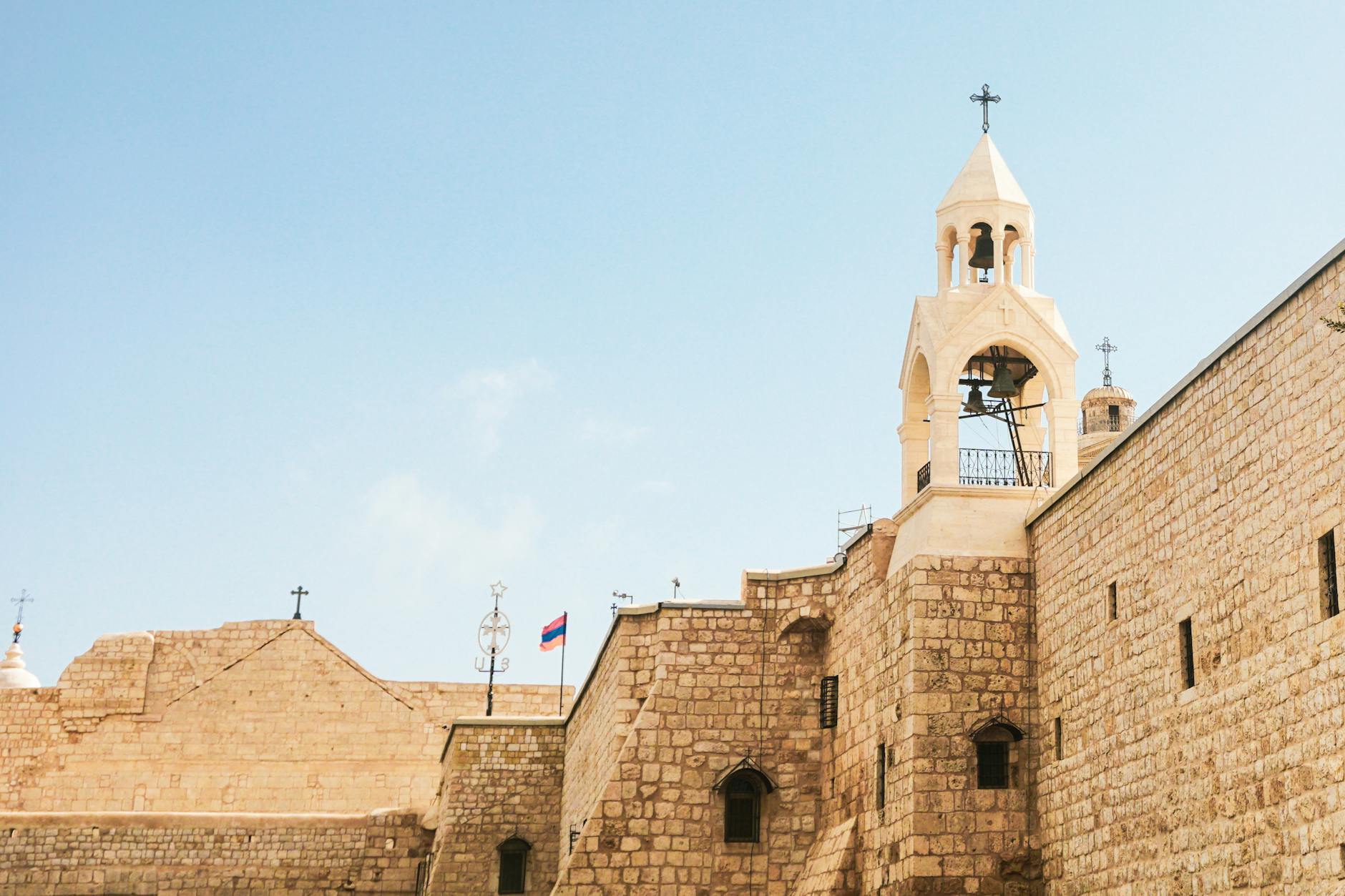
Bethlehem is just 10 kilometers south of Jerusalem and can be visited in a half-day. The Church of the Nativity, built over the site traditionally believed to be the birthplace of Jesus, is one of Christianity’s most sacred sites and the oldest church still in daily use. The Grotto of the Nativity below the church is marked by a 14-pointed silver star. In August 2026 it was closed for works until further notice, with only restricted visits. Also visit the adjacent Church of St. Catherine and the Milk Grotto nearby. Manger Square, the town’s central plaza, is surrounded by shops and restaurants. Note that Bethlehem is in the Palestinian Authority, so you will cross a checkpoint — bring your passport. Public bus 231 runs from Jerusalem, or you can take a taxi or organized tour.
In the afternoon, return to Jerusalem and explore any sites you may have missed. The Tower of David Museum near the Jaffa Gate offers an excellent overview of Jerusalem’s history, and their evening sound and light show is spectacular. Alternatively, visit the underground City of David if you have not already, or spend a relaxed afternoon in Ein Karem or the First Station complex. According to the iTravelJerusalem vacation planner, five days allows visitors to experience the city’s full depth.
Seven Days in Jerusalem: The Ultimate Deep Dive
A full week in Jerusalem lets you explore at a leisurely pace, revisit favorite spots, and include additional day trips.
Days 1 to 5: Follow the Five-Day Itinerary
Use the five-day itinerary above for your first five days.
Day 6: Northern Day Trip — Nazareth or Galilee
With a sixth day, consider a longer day trip northward. Nazareth, Jesus’s childhood home, is about a 90-minute drive and offers the magnificent Basilica of the Annunciation, a vibrant Arab market (the largest in Israel), and outstanding Arabic cuisine. Alternatively, drive to the Sea of Galilee (Lake Kinneret) to visit Capernaum, Tabgha (the site of the Multiplication of the Loaves and Fishes), and the Mount of Beatitudes. Both trips work well as guided tours or self-driven excursions. The Traveling Israel itinerary guide has helpful route planning resources.
Day 7: Flexible Exploration and Farewell
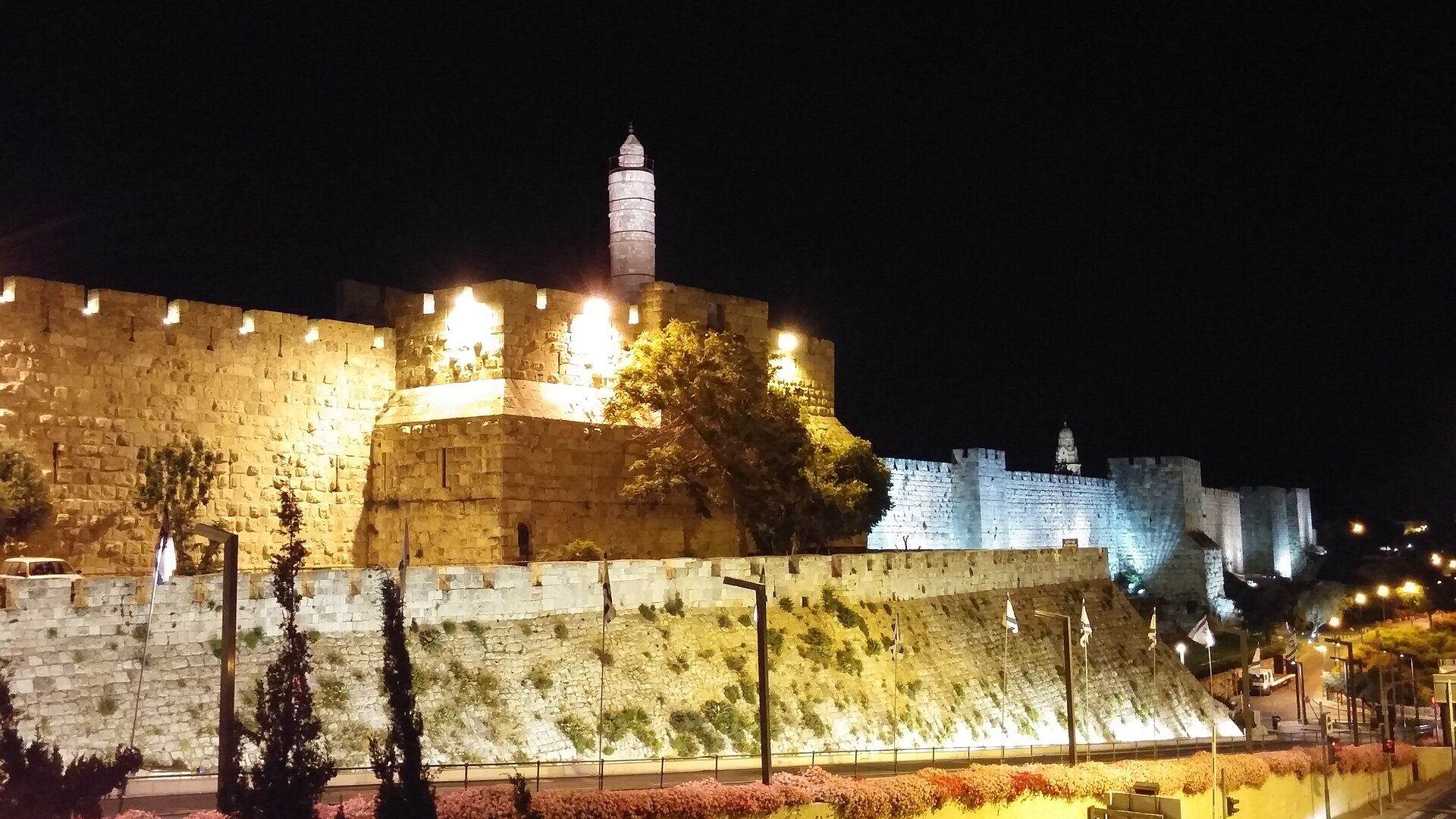
Your final day is best kept flexible for revisiting your favorite spots or exploring areas you missed. Return to the Old City for a morning walk when the lanes are quiet. Visit the Garden Tomb, a peaceful alternative site for the resurrection that offers a contemplative garden setting. Browse the shops in the Christian Quarter for olive wood crafts, Armenian ceramics, and other souvenirs. Spend the afternoon at the Rockefeller Archaeological Museum (free entry) near the Damascus Gate, or revisit the Israel Museum sections you did not have time for earlier. End your week in Jerusalem with dinner at a rooftop restaurant watching the sun set over the Old City, followed by a walk along the illuminated walls — a memory that will stay with you long after you return home.
Sequencing Your Itinerary Around Shabbat and Friday
The single most useful thing you can do when planning a Jerusalem itinerary is to work out which calendar days your trip covers, then build the plan around Friday afternoon and Saturday rather than discovering them. Shabbat runs from sunset on Friday to nightfall on Saturday, and in Jerusalem it is not a soft closure — public transport stops, most of West Jerusalem shuts, and the character of the city changes for about 25 hours. Travelers who plan for it call it the highlight of the week; travelers who do not call it the day they could not get anywhere.
What Actually Closes, and When
The closures are staggered rather than simultaneous, which is what catches people out. As of August 2026, the pattern looks like this:
- Buses and the light rail wind down on Friday afternoon, with the last services roughly an hour and a half before sunset, and restart about an hour after nightfall on Saturday. Egged and the light rail operator publish the exact times, which shift by season.
- Yad Vashem opens 9:00 AM to 1:00 PM on Friday and holiday eves and is closed all day Saturday and on Jewish holidays.
- The Israel Museum keeps short Friday hours, typically 10:00 AM to 2:00 PM. It is usually the exception that also opens on Saturday, but its weekend hours have changed more than once — confirm on the museum site the week you travel rather than trusting a blog.
- Mahane Yehuda Market trades from about 8:00 AM on Friday and most stalls are shuttered by around 3:00 PM. There is no market at all on Saturday until after nightfall.
- The City of David opens at 9:00 AM on Friday and closes early — around 2:00 PM in winter and 3:00 PM in summer.
- The Jewish Quarter of the Old City empties from Friday mid-afternoon. Shops, cafes and the Cardo’s stalls close, and they stay closed through Saturday.
- The Temple Mount is closed to non-Muslim visitors on Fridays and Saturdays entirely, so any plan that includes it has to land on a Sunday to Thursday morning.
- The Church of the Holy Sepulchre, the Christian Quarter, the Muslim Quarter souk, East Jerusalem restaurants and East Jerusalem buses all run seven days a week.
The Five Rules That Follow
First, put your main Old City day on a Sunday, Monday, Tuesday, Wednesday or Thursday if seeing the Temple Mount matters to you. The non-Muslim visiting window is short, it only exists on those days, and it is the one element of a Jerusalem itinerary that cannot be rescheduled around.
Second, treat Friday as a morning, not a day. Friday before noon is the best market morning of the week — Mahane Yehuda at full volume with families buying challah and flowers is genuinely one of the sights of Jerusalem. Friday after about 2:00 PM is the worst planning window of the week: sites closing, transport thinning, restaurants shutting their kitchens.
Third, avoid arriving on Friday afternoon if you have any choice. The light rail may already have stopped by the time you clear the airport, taxi fares climb, supermarkets are closed and many restaurants will not serve dinner. If your flight cannot move, book a private transfer in advance, choose a hotel that serves Shabbat dinner, and treat the evening as a rest night.
Fourth, make Saturday your walking day. With no buses and almost no traffic in West Jerusalem, the city is quiet in a way it never otherwise is. The Christian sites are open, the ramparts walk and the viewpoints over the Old City cost nothing, the Tower of David runs until 3:00 PM, and East Jerusalem and the hotel restaurants will feed you. Our guide to spending Shabbat in Jerusalem covers the etiquette, including photography at the Western Wall on Friday evening, which is best avoided.
Fifth, the city restarts on Saturday night rather than Sunday morning. Once Shabbat ends, restaurants reopen, Mahane Yehuda’s bars fill and Jerusalem after dark becomes a different city for a few hours. Sunday is an ordinary working day in Israel, so do not expect a quiet start to it.
Themed Itineraries: The Same Days, Rearranged
The plans above are built for a general first visit, but most travelers come with a reason. You rarely need a different itinerary so much as a different order and a different set of trade-offs. Below are five rearrangements of the same three to five days.
The Christian Pilgrimage Itinerary
Day one follows the Passion narrative in sequence rather than by geography: Mount of Olives, Gethsemane, the Via Dolorosa, the Church of the Holy Sepulchre, then Mount Zion for the Cenacle and the Dormition Abbey. Day two goes to Bethlehem for the Church of the Nativity in the early morning, before the coach groups, and returns via the Shepherds’ Fields. Day three covers Ein Karem, the traditional birthplace of John the Baptist, and the Garden Tomb. If you have a fourth day, the Sea of Galilee and the Jordan River are a long but rewarding drive. Our guide to Christian pilgrimage in Jerusalem sets out the liturgical schedules that make the difference between a crowded visit and a quiet one.
The Jewish Heritage Itinerary
This version weights the Old City south and east. Day one is the Western Wall, the Western Wall Tunnels, the Jewish Quarter, the Herodian Quarter mansions and the Southern Wall excavations at the Davidson Center. Day two is the City of David and Hezekiah’s Tunnel in the morning, then the Israel Museum for the Dead Sea Scrolls and the second-temple model of Jerusalem. Day three is Yad Vashem and Mount Herzl, which sit adjacent to each other and together make a heavy but coherent day. Time the trip so that Friday evening at the Western Wall falls inside your stay — the plaza as Shabbat comes in is the single most atmospheric hour in the city.
The History and Archaeology Itinerary
Archaeology travelers should invert the usual order and start with the Israel Museum, because the model of the city and the Dead Sea Scrolls give you a frame for everything else. Then work chronologically: the City of David and the ancient water systems for the Iron Age, the Davidson Center and the Herodian street for the Second Temple period, the Cardo and the Crusader remains in the Christian Quarter for the medieval city, and the walls themselves for the Ottoman rebuilding of 1537 to 1541. A fourth day at Masada and Qumran fits this theme better than any other.
First-Timers Who Cannot Walk All Day
The standard itineraries assume eight to ten kilometers a day on stone. If that is not realistic, the plan changes shape rather than shrinking. Take a taxi both ways to the Mount of Olives viewpoint. Enter the Old City at Jaffa Gate or Dung Gate, both close to the sites, rather than Lions’ Gate. Do the Jewish Quarter and Western Wall in one visit and the Christian Quarter on a different day. Use the light rail along Jaffa Street instead of walking to the market. Our notes on accessibility in Jerusalem and on travel in Jerusalem for older visitors cover which gates, ramps and step-free routes actually work, and the first-timer’s guide explains the arrival logistics.
Families with Children
Children tolerate about half as much walking and roughly a third as much church as adults expect. Build each day around one big hit and one release valve. Hezekiah’s Tunnel — wading through ankle-to-knee-deep water in the dark with a torch — is usually the trip highlight for anyone over about seven. The Tower of David’s galleries, the ramparts walk and the Biblical Zoo all work well. Yad Vashem is not suitable for younger children, though it has a dedicated approach for older ones. The family itinerary for Jerusalem sequences all of this around nap times and heat.
Where to Base Yourself for Each Itinerary Length
Where you sleep changes the itinerary more than most people expect, because Jerusalem’s sites cluster and its evenings do not. The right base depends almost entirely on how long you are staying.
For one or two nights, stay as close to Jaffa Gate as your budget allows. The Old City and the Mamilla area put you inside walking distance of the sites you will actually reach, and they let you be at the Church of the Holy Sepulchre at 7:00 AM without arranging transport. Hotels inside the Old City walls and the Christian guesthouses are the atmospheric options; be aware that many involve stairs and no vehicle access to the door.
For three days, the city center around Jaffa Street, Nachlaot or the King George area is the better base. You are ten to fifteen minutes’ walk from Jaffa Gate, on the light rail line for the museum day, and surrounded by restaurants that stay open in the evening — which the Old City largely does not. This is the sweet spot for most first visits, and the neighborhood-by-neighborhood comparison goes through the trade-offs street by street.
For five to seven days with day trips, prioritize access out of the city over access to the Old City. Somewhere near the Central Bus Station or with easy parking will save you an hour a day on Dead Sea, Masada and Galilee mornings. If your stay spans Shabbat, a hotel that serves Friday dinner is worth more than a hotel with a better view. The full accommodation guide covers price bands, and the cost breakdown for a Jerusalem trip shows how much the location premium near Jaffa Gate actually adds.
What to Cut When You Are Short on Time
Every Jerusalem itinerary you find online is overstuffed, this one included. Here is an honest ranking of what survives a schedule collapse and what does not.
Genuinely unmissable, in this order: the Church of the Holy Sepulchre, the Western Wall Plaza, the view from the Mount of Olives, and one walk through the Old City souk. Those four are the city. Everything else is an addition to them.
Nearly unmissable, and worth protecting: the Temple Mount if your dates allow it, Hezekiah’s Tunnel if you have children or any interest in Iron Age engineering, and Mahane Yehuda in the evening or on a Friday morning.
- Cut the Israel Museum before Yad Vashem, or the reverse — but do not do both in one day on a short trip. Each is a three-hour institution and doing them back to back means doing neither properly.
- Cut Mount Zion if the day is running late. The Cenacle and King David’s Tomb are free, quick and atmospheric, but they are the first things most people would skip on a second visit.
- Cut the Garden Tomb unless it matters to you theologically. It is peaceful and the guides are generous, but on a two-day trip it competes directly with time in the Old City.
- Cut the Dead Sea before Bethlehem on a three-day trip. The Dead Sea and Masada need a full day and a very early start; Bethlehem can be done in half a day.
- Cut the ramparts walk, not the souk. The walls are a fine hour, but the market lanes are where the Old City is a living city rather than a monument.
The thing people most often include out of obligation is a second museum. The thing they most often regret cutting is unstructured time in the Old City after dark, when the day groups have gone and the lanes belong to residents again. If you are trying to decide how much to fit in at all, our comparison of how many days Jerusalem really needs is a more useful starting point than any packing list — though the Jerusalem packing guide will at least keep you in shoes that survive the limestone.
Realistic Walking Times Between the Major Sites
Jerusalem looks small on a map and feels larger on foot, because almost every route involves stairs, a hill or a crowded lane. Use these approximate walking times to sanity-check your own plan. They assume an unhurried adult pace and no stops, and they will stretch by half again in the Old City souk during the middle of the day.
- Jaffa Gate to the Western Wall Plaza through the Jewish Quarter: about 12 to 15 minutes, mostly downhill, with steps near the end.
- Damascus Gate to the Church of the Holy Sepulchre through the souk: about 10 minutes, or 20 in Friday midday crowds.
- Lions’ Gate along the Via Dolorosa to the Holy Sepulchre: about 20 minutes of walking, but allow an hour or more if you are stopping at the stations.
- Mount of Olives summit down to Lions’ Gate via Gethsemane: about 25 to 30 minutes downhill on a steep road. Do not attempt this uphill in summer.
- Western Wall to the City of David visitor center via Dung Gate: about 8 minutes.
- Jaffa Gate to Mamilla Mall and the city center: about 5 and 15 minutes respectively.
- City center to Mahane Yehuda Market along Jaffa Street: about 15 to 20 minutes on foot, or four stops on the light rail.
- Israel Museum to Yad Vashem: not walkable in practice — around 10 minutes by taxi, or 25 to 35 minutes by bus.
- Old City to the Haas Promenade in Talpiot: 10 to 15 minutes by taxi. There is no sensible walking route.
Two practical consequences follow. First, budget 20 to 30 minutes of transition time between any two neighborhoods, not the five minutes the map suggests. Second, the total daily distance on a standard Jerusalem itinerary runs to eight or nine kilometers, most of it on uneven stone that is polished slick in the older lanes. If you are traveling on a tight budget and walking everywhere rather than taking taxis, add roughly an hour a day to your plan and take the light rail and bus network seriously — a Rav Kav card pays for itself on the first day.
Practical Jerusalem Itinerary Tips
Getting Around Jerusalem
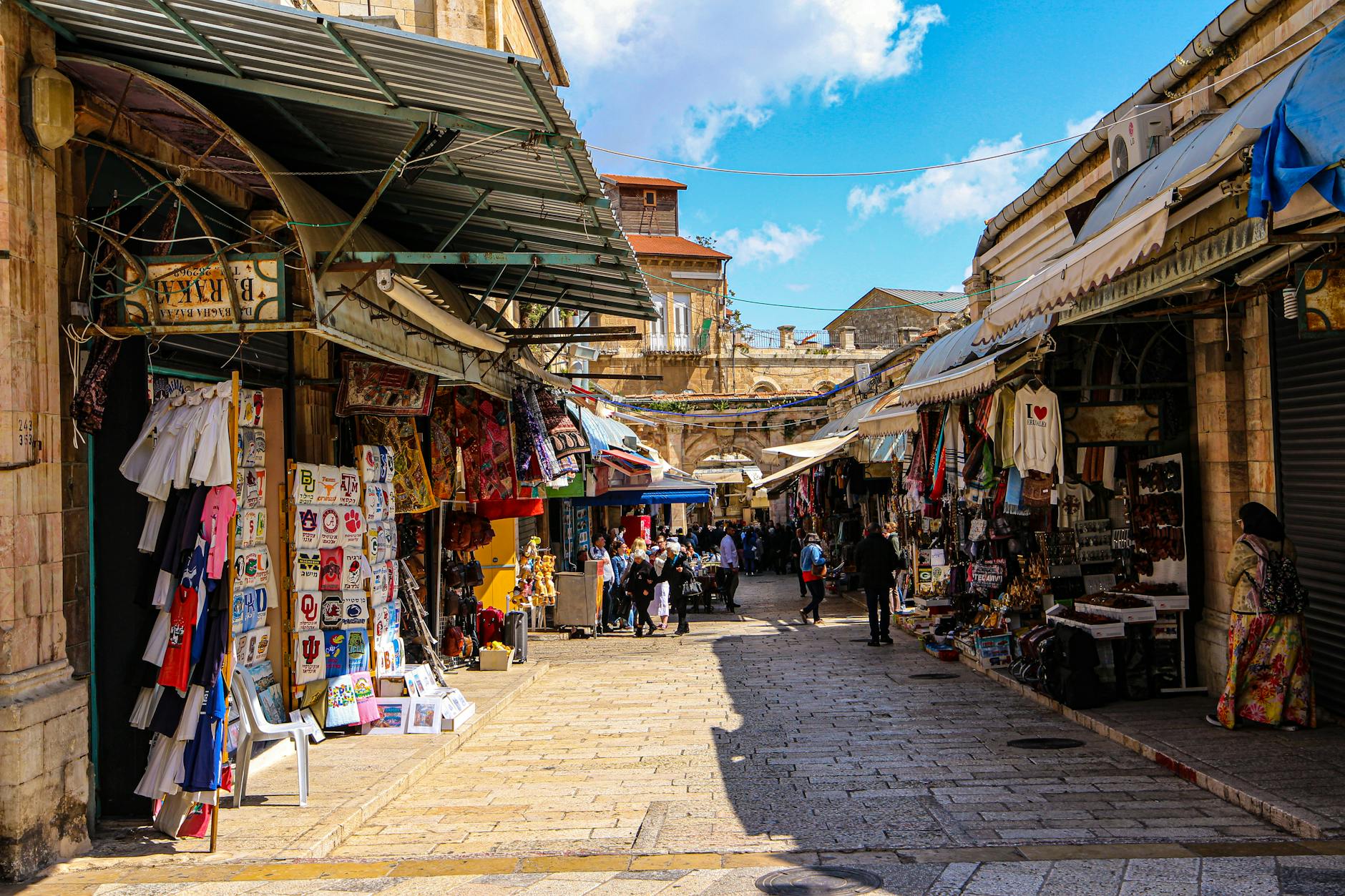
Jerusalem’s main attractions are surprisingly walkable. The Old City is entirely pedestrian, and most sites in the center are within 30 minutes’ walk of each other. The light rail runs a single line from Mount Herzl through the city center to Pisgat Ze’ev, with a stop at the Damascus Gate — useful for getting to Yad Vashem and the Israel Museum. Public buses are frequent and affordable (pay with a Rav Kav card, available at light rail stations). Taxis and ride-hailing apps (Gett and Yango are the local equivalents of Uber) are readily available. For day trips, renting a car gives the most flexibility, though organized tours handle all logistics.
Planning Around Shabbat
Shabbat (Friday evening to Saturday evening) dramatically affects your itinerary. Public transportation stops, most restaurants and shops close, and the Western Wall area fills with worshippers in their finest clothes. Rather than seeing Shabbat as a disruption, embrace it as a unique cultural experience. On Friday afternoon, watching the Shabbat preparations in the Mahane Yehuda Market is special — vendors selling their last produce, families rushing to buy challah, and the gradual quieting of the city. Saturday is perfect for walking — explore neighborhoods on foot, visit the Old City (sites remain accessible), or take a walk in the Jerusalem Forest. East Jerusalem and some hotel restaurants remain open for dining.
Best Times to Visit Each Site
Timing matters enormously in Jerusalem. The Church of the Holy Sepulchre is least crowded at opening time (5:00 AM for the truly dedicated, or 7:00 AM for a reasonable compromise). The Western Wall is most atmospheric at sunrise or on Friday evening as Shabbat begins. The Temple Mount is only open to non-Muslims during limited morning and early afternoon hours, Sunday through Thursday, and these hours can change without notice. Yad Vashem and the Israel Museum are best visited when they open to avoid the afternoon heat and crowds. Mahane Yehuda Market is liveliest on Thursday evenings and Friday mornings. The City of David and Hezekiah’s Tunnel should be visited in the morning before the heat builds, especially in summer.
What to Wear and Bring
Comfortable walking shoes are essential — Jerusalem is hilly with uneven stone surfaces. Dress modestly when visiting religious sites: shoulders and knees should be covered. Women may need a head covering at some sites. Carry a lightweight scarf that can double as a cover-up. Bring a refillable water bottle (Jerusalem has public water fountains), sunscreen, and a hat. In the Old City, pack light as you will be navigating narrow, crowded lanes. A small daypack with these essentials, plus your camera and phone, is all you need for a day of exploring. If this is your first trip to the city, our essential guide for first-time visitors covers arrival logistics, etiquette at religious sites and the mistakes newcomers most often make.
Frequently Asked Questions About Jerusalem Itineraries
How many days do you need in Jerusalem?
Three days is the minimum recommended for a meaningful visit to Jerusalem. This gives you a full day in the Old City, a day for museums and West Jerusalem neighborhoods, and a day for the City of David and outer areas. Five days is ideal if you want to include day trips to the Dead Sea, Masada, and Bethlehem. Seven days or more allows a truly comprehensive experience with time for deeper exploration and additional excursions. We compare each option side by side in our guide to how many days you need in Jerusalem.
Is Jerusalem safe for tourists?
Jerusalem is generally safe for tourists. The main tourist areas including the Old City, city center, and established neighborhoods are well-patrolled and frequently visited. Standard travel precautions apply — be aware of your surroundings, keep valuables secure, and stay informed about current events. The Old City’s Muslim Quarter can feel overwhelming but is safe during daytime hours. Some neighborhoods are best avoided at night. Your hotel concierge can provide up-to-date guidance on any areas to be cautious about during your visit.
What is the best time of year to visit Jerusalem?
Spring (March to May) and autumn (September to November) offer the most pleasant weather for sightseeing, with warm days, cool evenings, and clear skies. Summer (June to August) is hot and dry with temperatures reaching 35 degrees Celsius, but the long daylight hours extend your sightseeing time. Winter (December to February) is cooler with occasional rain, but offers smaller crowds and lower hotel prices. Major religious holidays (Passover, Easter, Sukkot, Christmas) bring larger crowds but also unique cultural experiences. Avoid planning major sightseeing during these holidays unless experiencing the celebrations is a priority.
Can you visit Jerusalem on a budget?
Yes, Jerusalem is surprisingly accessible on a budget. Many major sites including the Western Wall, Church of the Holy Sepulchre, and Mount of Olives are free to visit. Hostels and guesthouses start from around 80 to 120 shekels per night in a dorm. Street food at Mahane Yehuda Market and the Old City is excellent and affordable (30 to 50 shekels for a filling meal). Public transportation is inexpensive, and walking is the best way to explore the compact city center. The biggest budget impact is accommodation and dining — eating street food and staying in hostels can bring daily costs to around 200 to 300 shekels (55 to 80 US dollars). For a category-by-category breakdown of what a trip to Jerusalem actually costs, including mid-range and luxury figures, see our full budget guide.
Do I need a guide in Jerusalem?
While Jerusalem can be explored independently with a good guidebook or app, a licensed guide dramatically enriches the experience. The layers of history and religious significance at each site are difficult to appreciate without expert context. A half-day guided walking tour of the Old City (typically 200 to 400 shekels per person in a group, or 1,000 to 1,500 shekels for a private guide) is arguably the single best investment you can make in your Jerusalem trip. After the tour, you will have enough context to explore independently for the rest of your stay.
Is two days enough time in Jerusalem?
Two days is enough for a satisfying first visit if you accept its limits. Day one goes to the Old City in full, and day two goes to exactly one theme beyond the walls — either the museums of West Jerusalem, the archaeology around the City of David, or a half-day in Bethlehem. What two days cannot absorb is a Dead Sea or Masada excursion, which needs a full day and a pre-dawn start. If your dates are fixed at two days, our detailed 48-hour plan for Jerusalem shows the three viable versions side by side.
What can you actually do in Jerusalem on Saturday?
More than most people assume. The Church of the Holy Sepulchre, the Via Dolorosa, the Christian and Muslim Quarters, the Mount of Olives, the ramparts walk and the city’s viewpoints are all open and free, and the Tower of David runs Saturday hours until 3:00 PM. East Jerusalem restaurants and buses operate normally, and hotel dining rooms serve. What is closed is West Jerusalem — buses, the light rail, most restaurants, Mahane Yehuda, Yad Vashem and the Jewish Quarter’s shops. Plan a walking day within one area rather than a day that requires crossing the city.
Which day of the week is the best one to start a Jerusalem itinerary?
Sunday or Monday. Starting on a Sunday gives you a run of full working days in which the Temple Mount, the museums and the tunnels are all open, and it puts Friday morning at Mahane Yehuda and Shabbat near the end of the trip, when a slower day is welcome. The worst start is Friday afternoon, when transport is winding down and much of the city is closing for the next 25 hours. If you are arriving from the coast, the Tel Aviv to Jerusalem connection is fast on weekdays and unavailable for most of Shabbat.
Can you see Jerusalem as a day trip from Tel Aviv?
You can, and roughly half an hour on the fast train each way makes it tempting, but you will see the Old City only. A day trip realistically buys six or seven hours on the ground — the Church of the Holy Sepulchre, the Western Wall and one walk through the souk — and you miss the two best hours in Jerusalem, which are early morning and after dark. Stay at least one night if you possibly can. If you are weighing whether to stretch to three, five or seven, the five-day itinerary and the week-long version show exactly what each extra day adds. For a single day done properly, follow the one-day Jerusalem route.
Photo Credits
The Old City walls and Tower of David floodlit at night: מגדל דוד, חומת ירושלים, בלילה by עומר מרקובסקי, CC BY-SA 4.0, via Wikimedia Commons.
{"@context": "https://schema.org", "@type": "FAQPage", "mainEntity": [{"@type": "Question", "name": "How many days do you need in Jerusalem?", "acceptedAnswer": {"@type": "Answer", "text": "Three days is the minimum recommended for a meaningful visit to Jerusalem. This gives you a full day in the Old City, a day for museums and West Jerusalem neighborhoods, and a day for the City of David and outer areas. Five days is ideal if you want to include day trips to the Dead Sea, Masada, and Bethlehem. Seven days or more allows a truly comprehensive experience with time for deeper exploration and additional excursions. We compare each option side by side in our guide to how many days you need in Jerusalem."}}, {"@type": "Question", "name": "Is Jerusalem safe for tourists?", "acceptedAnswer": {"@type": "Answer", "text": "Jerusalem is generally safe for tourists. The main tourist areas including the Old City, city center, and established neighborhoods are well-patrolled and frequently visited. Standard travel precautions apply — be aware of your surroundings, keep valuables secure, and stay informed about current events. The Old City's Muslim Quarter can feel overwhelming but is safe during daytime hours. Some neighborhoods are best avoided at night. Your hotel concierge can provide up-to-date guidance on any areas to be cautious about during your visit."}}, {"@type": "Question", "name": "What is the best time of year to visit Jerusalem?", "acceptedAnswer": {"@type": "Answer", "text": "Spring (March to May) and autumn (September to November) offer the most pleasant weather for sightseeing, with warm days, cool evenings, and clear skies. Summer (June to August) is hot and dry with temperatures reaching 35 degrees Celsius, but the long daylight hours extend your sightseeing time. Winter (December to February) is cooler with occasional rain, but offers smaller crowds and lower hotel prices. Major religious holidays (Passover, Easter, Sukkot, Christmas) bring larger crowds but also unique cultural experiences. Avoid planning major sightseeing during these holidays unless experiencing the celebrations is a priority."}}, {"@type": "Question", "name": "Can you visit Jerusalem on a budget?", "acceptedAnswer": {"@type": "Answer", "text": "Yes, Jerusalem is surprisingly accessible on a budget. Many major sites including the Western Wall, Church of the Holy Sepulchre, and Mount of Olives are free to visit. Hostels and guesthouses start from around 80 to 120 shekels per night in a dorm. Street food at Mahane Yehuda Market and the Old City is excellent and affordable (30 to 50 shekels for a filling meal). Public transportation is inexpensive, and walking is the best way to explore the compact city center. The biggest budget impact is accommodation and dining — eating street food and staying in hostels can bring daily costs to around 200 to 300 shekels (55 to 80 US dollars). For a category-by-category breakdown of what a trip to Jerusalem actually costs, including mid-range and luxury figures, see our full budget guide."}}, {"@type": "Question", "name": "Do I need a guide in Jerusalem?", "acceptedAnswer": {"@type": "Answer", "text": "While Jerusalem can be explored independently with a good guidebook or app, a licensed guide dramatically enriches the experience. The layers of history and religious significance at each site are difficult to appreciate without expert context. A half-day guided walking tour of the Old City (typically 200 to 400 shekels per person in a group, or 1,000 to 1,500 shekels for a private guide) is arguably the single best investment you can make in your Jerusalem trip. After the tour, you will have enough context to explore independently for the rest of your stay."}}, {"@type": "Question", "name": "Is two days enough time in Jerusalem?", "acceptedAnswer": {"@type": "Answer", "text": "Two days is enough for a satisfying first visit if you accept its limits. Day one goes to the Old City in full, and day two goes to exactly one theme beyond the walls — either the museums of West Jerusalem, the archaeology around the City of David, or a half-day in Bethlehem. What two days cannot absorb is a Dead Sea or Masada excursion, which needs a full day and a pre-dawn start. If your dates are fixed at two days, our detailed 48-hour plan for Jerusalem shows the three viable versions side by side."}}, {"@type": "Question", "name": "What can you actually do in Jerusalem on Saturday?", "acceptedAnswer": {"@type": "Answer", "text": "More than most people assume. The Church of the Holy Sepulchre, the Via Dolorosa, the Christian and Muslim Quarters, the Mount of Olives, the ramparts walk and the city's viewpoints are all open and free, and the Tower of David runs Saturday hours until 3:00 PM. East Jerusalem restaurants and buses operate normally, and hotel dining rooms serve. What is closed is West Jerusalem — buses, the light rail, most restaurants, Mahane Yehuda, Yad Vashem and the Jewish Quarter's shops. Plan a walking day within one area rather than a day that requires crossing the city."}}, {"@type": "Question", "name": "Which day of the week is the best one to start a Jerusalem itinerary?", "acceptedAnswer": {"@type": "Answer", "text": "Sunday or Monday. Starting on a Sunday gives you a run of full working days in which the Temple Mount, the museums and the tunnels are all open, and it puts Friday morning at Mahane Yehuda and Shabbat near the end of the trip, when a slower day is welcome. The worst start is Friday afternoon, when transport is winding down and much of the city is closing for the next 25 hours. If you are arriving from the coast, the Tel Aviv to Jerusalem connection is fast on weekdays and unavailable for most of Shabbat."}}, {"@type": "Question", "name": "Can you see Jerusalem as a day trip from Tel Aviv?", "acceptedAnswer": {"@type": "Answer", "text": "You can, and roughly half an hour on the fast train each way makes it tempting, but you will see the Old City only. A day trip realistically buys six or seven hours on the ground — the Church of the Holy Sepulchre, the Western Wall and one walk through the souk — and you miss the two best hours in Jerusalem, which are early morning and after dark. Stay at least one night if you possibly can. If you are weighing whether to stretch to three, five or seven, the five-day itinerary and the week-long version show exactly what each extra day adds. For a single day done properly, follow the one-day Jerusalem route."}}]}