Deciding where to stay in Jerusalem is one of the most important choices you will make when planning your trip to the Holy City. Unlike many tourist destinations where accommodation is simply a place to sleep, your neighborhood in Jerusalem fundamentally shapes your experience — from the things to do in Jerusalem within walking distance to the dining options at your doorstep. Stay near the Old City walls and you wake to the sound of church bells and the call to prayer. Choose the German Colony and your mornings begin with artisan coffee on a tree-lined boulevard. Pick a hostel near Mahane Yehuda and your evenings are filled with live music and craft cocktails.
Jerusalem is a compact city, but its neighborhoods are remarkably distinct. Each one offers a different atmosphere, price point, and proximity to the sites most visitors come to see. This comprehensive guide breaks down every major area where to stay in Jerusalem, with honest assessments of the pros and cons, specific hotel and hostel recommendations across every budget, and practical advice to help you find the perfect base for your Jerusalem adventure.
Quick Guide: Best Areas to Stay in Jerusalem at a Glance
Before diving into the detailed neighborhood breakdowns, here is a quick summary to help you orient yourself, and our area-by-area guide to picking the right Jerusalem neighborhood weighs them side by side on price, noise and walking distance. If you are a first-time visitor, the City Center (Downtown Triangle) offers the best overall balance of convenience, dining, and transport links. For history immersion, the Old City puts you steps from the Western Wall and Church of the Holy Sepulchre. Luxury seekers should head to Mamilla, families will love the German Colony, budget travelers will find excellent value in East Jerusalem, nightlife lovers should base themselves near Mahane Yehuda, art enthusiasts will gravitate to Musrara, and those seeking tranquility should consider Ein Karem.
1. City Center (Downtown Triangle) — Best for First-Time Visitors
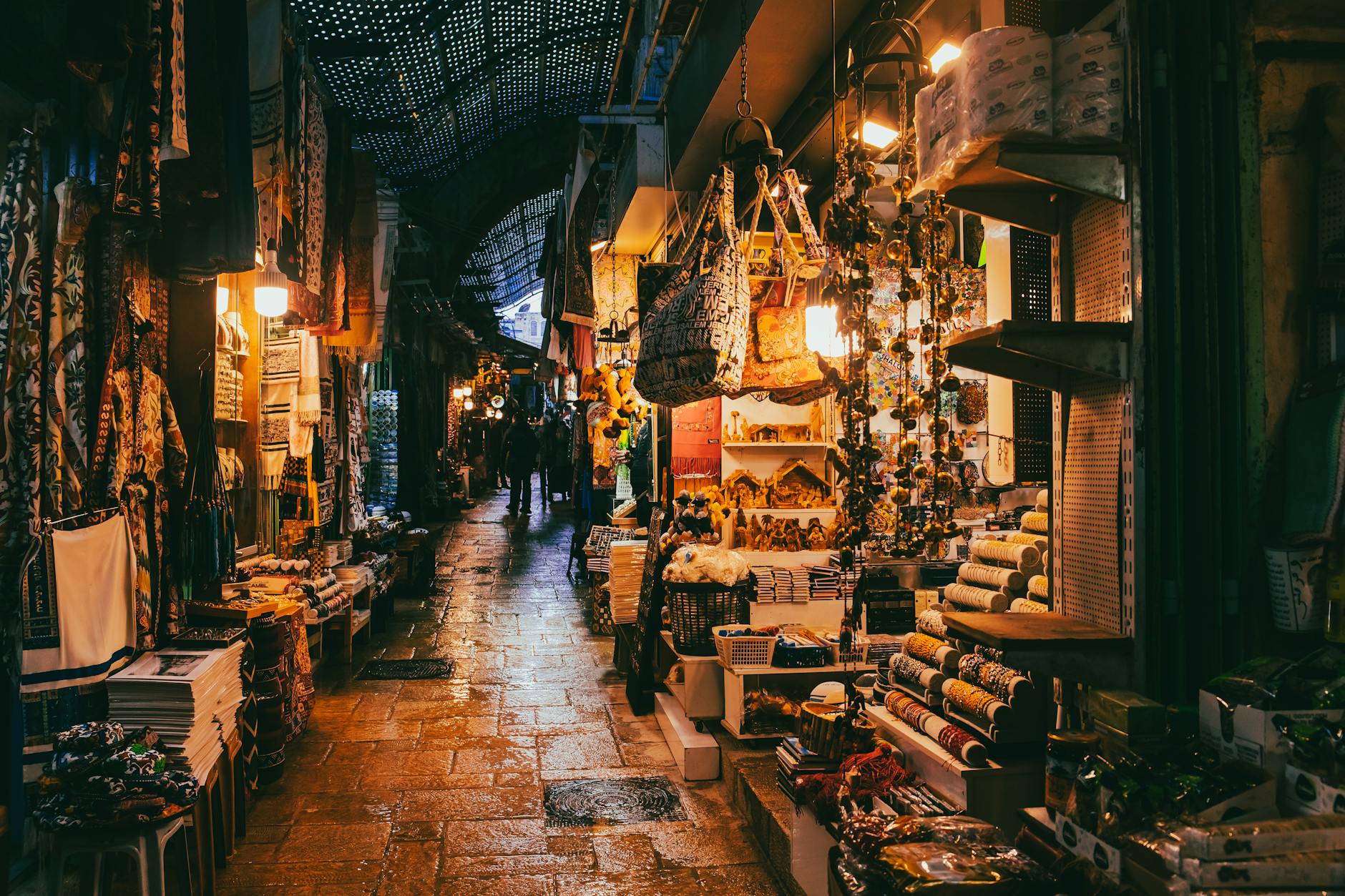
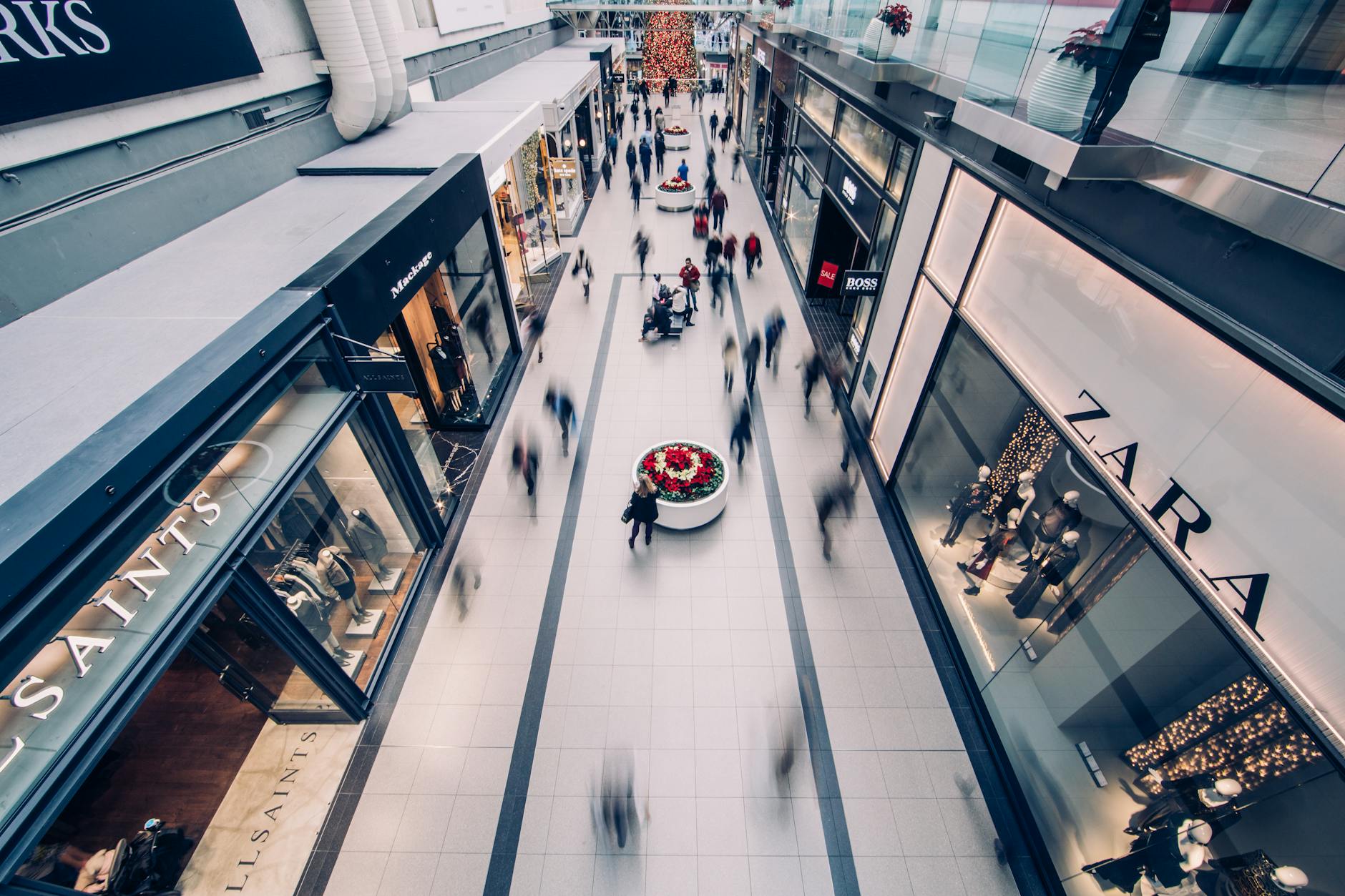
The City Center, often called the Downtown Triangle, is the pulsing commercial heart of modern West Jerusalem. Bounded roughly by Jaffa Road, King George Street, and the area around Zion Square and Ben Yehuda Street, this is where to stay in Jerusalem if you want to be in the middle of everything on your first visit. The Jerusalem Light Rail runs along Jaffa Road, connecting you to neighborhoods across the city, and the Old City’s Jaffa Gate is a pleasant 15-minute walk downhill through the Mamilla promenade.
The Downtown Triangle is packed with restaurants, cafes, street food stands, souvenir shops, and bars. Ben Yehuda Street is a bustling pedestrian promenade with street musicians and outdoor seating. Jaffa Road offers a mix of established eateries and trendy newcomers. The area is also home to several key landmarks, including the historic Machane Yehuda Market (a short walk west), the Great Synagogue, and Independence Park.
Where to Stay in Jerusalem City Center: Hotel Recommendations
Budget: The Post Hostel is widely regarded as the best hostel in Jerusalem. Set inside a beautifully converted former post office building, it offers clean dorms from around $25 per night, a rooftop terrace with Old City views, a well-equipped kitchen, and a social bar area. Cinema Hostel, themed around classic movies, is another excellent budget option with a prime location on Hillel Street.
Mid-range: The Eyal Hotel on Shamai Street offers modern rooms with a minimalist design aesthetic, a rooftop terrace, and an excellent central location for around $150 to $220 per night. The Herbert Samuel Hotel Jerusalem provides stylish rooms and a fantastic breakfast spread for similar prices.
Luxury: The David Citadel Hotel sits at the junction of the City Center and Mamilla, commanding sweeping views of the Old City walls. With its outdoor pool, full-service spa, and renowned dining, it is one of the finest hotels in the city at $350 to $600 per night.
Pros: Unbeatable convenience, excellent public transport, huge range of dining options, walkable to Old City. Cons: Can be noisy, limited parking, some streets feel commercial rather than atmospheric.
2. The Old City — Best for History and Atmosphere
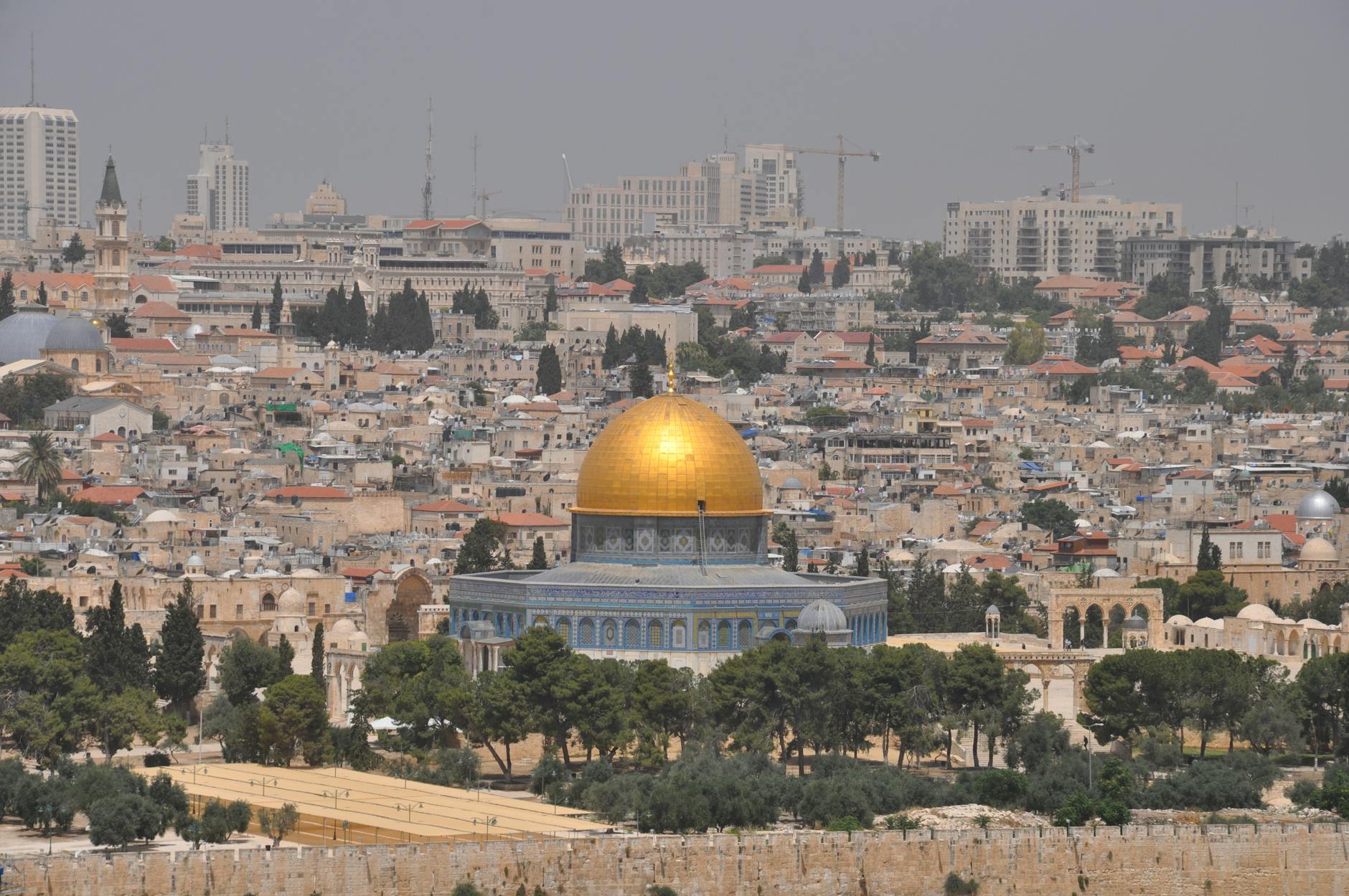
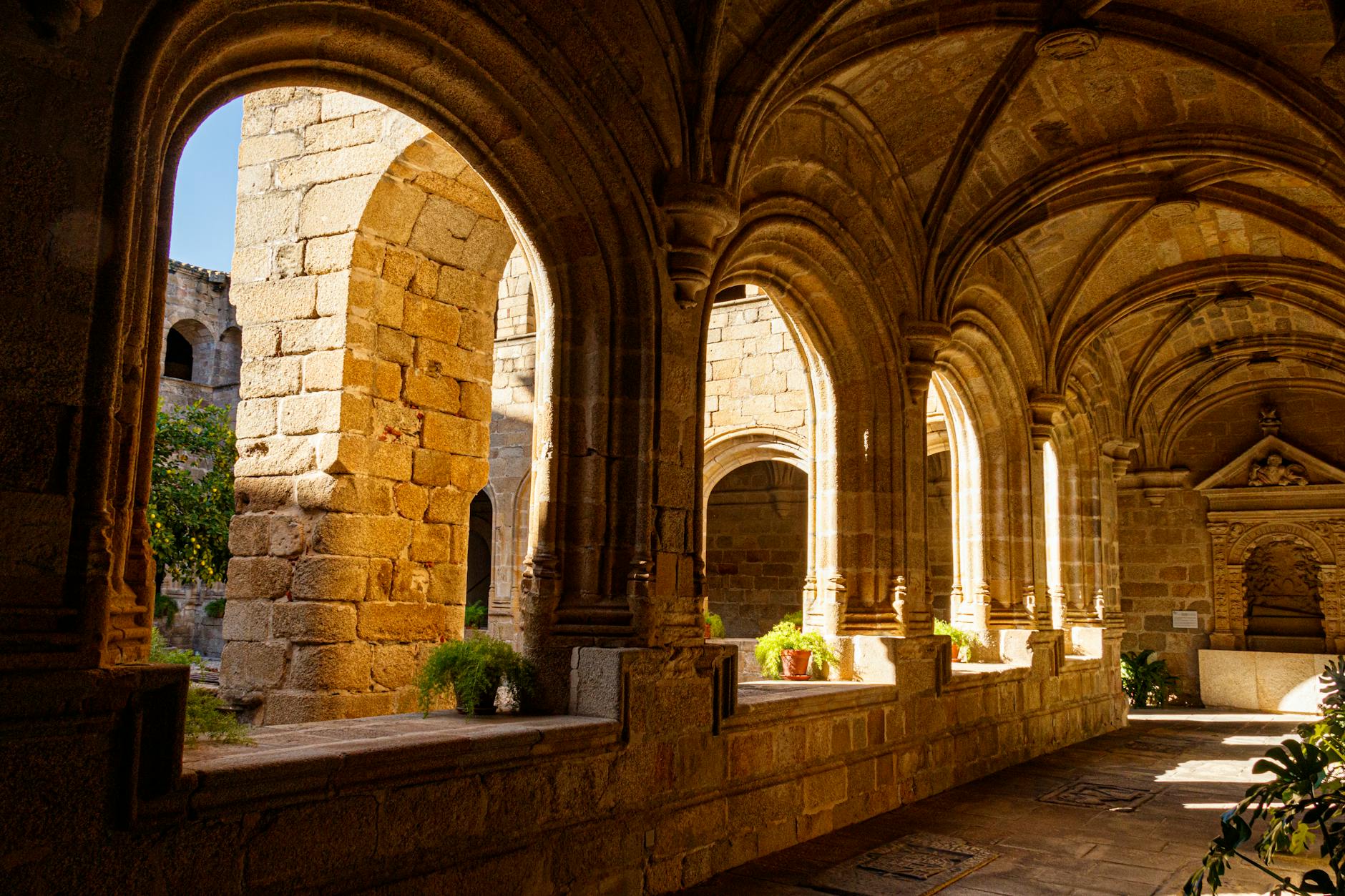
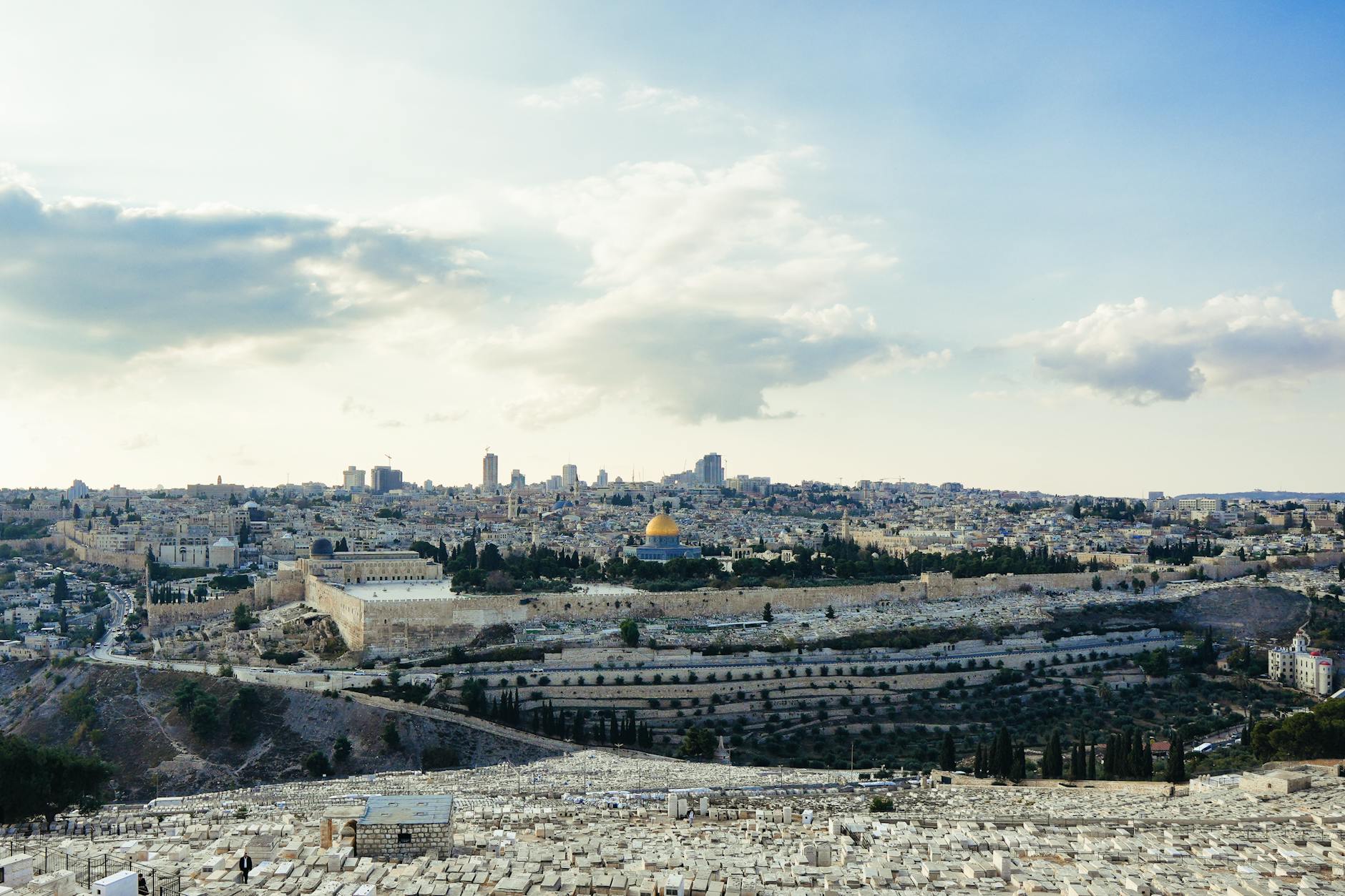
Staying inside the Old City walls is the most immersive accommodation experience Jerusalem offers. You sleep within a UNESCO World Heritage Site, surrounded by 4,000 years of history, and can walk to the Western Wall, Church of the Holy Sepulchre, or Temple Mount in minutes. The Old City is divided into four quarters — Jewish, Christian, Muslim, and Armenian — and each offers a different atmosphere for your stay. Accommodation options are more limited here than in modern Jerusalem, but what you sacrifice in convenience you gain in atmosphere.
The Christian and Muslim Quarters have the most accommodation options, and our roundup of hotels inside the ancient walls covers every property worth booking in each of them. The narrow stone streets are atmospheric but can be challenging with heavy luggage, so pack light or arrange for your hotel to meet you at a gate. At night, the Old City quiets down dramatically, and you may find yourself walking nearly empty lanes to your guesthouse, a magical experience that day-trippers never get to have.
Where to Stay in Jerusalem Old City: Hotel Recommendations
Budget: The Jaffa Gate Hostel offers clean, simple rooms and dorms right at the Jaffa Gate entrance with rooftop views for around $30 to $50 per night. The Hebron Hostel in the Muslim Quarter is another affordable option popular with backpackers.
Mid-range: The Hashimi Hotel, perched above the bustling market streets of the Muslim Quarter, has been family-run for decades and offers comfortable rooms with a rooftop terrace overlooking the Dome of the Rock for around $100 to $180 per night. The Austrian Hospice of the Holy Family on Via Dolorosa is a beautifully maintained 19th-century pilgrimage guesthouse with a legendary rooftop terrace and a Viennese cafe. It is one of the most unique places to stay in all of Jerusalem.
Luxury: Options are limited inside the walls, but the newly renovated Knights Palace Guesthouse offers upscale rooms in a converted Crusader-era building in the Christian Quarter.
Pros: Incomparable atmosphere, steps from major sacred sites, unique guesthouses, quiet at night. Cons: Limited dining options after dark, narrow streets difficult with luggage, most shops close by evening, basic room amenities compared to modern hotels.
3. Mamilla and Yemin Moshe — Best for Luxury
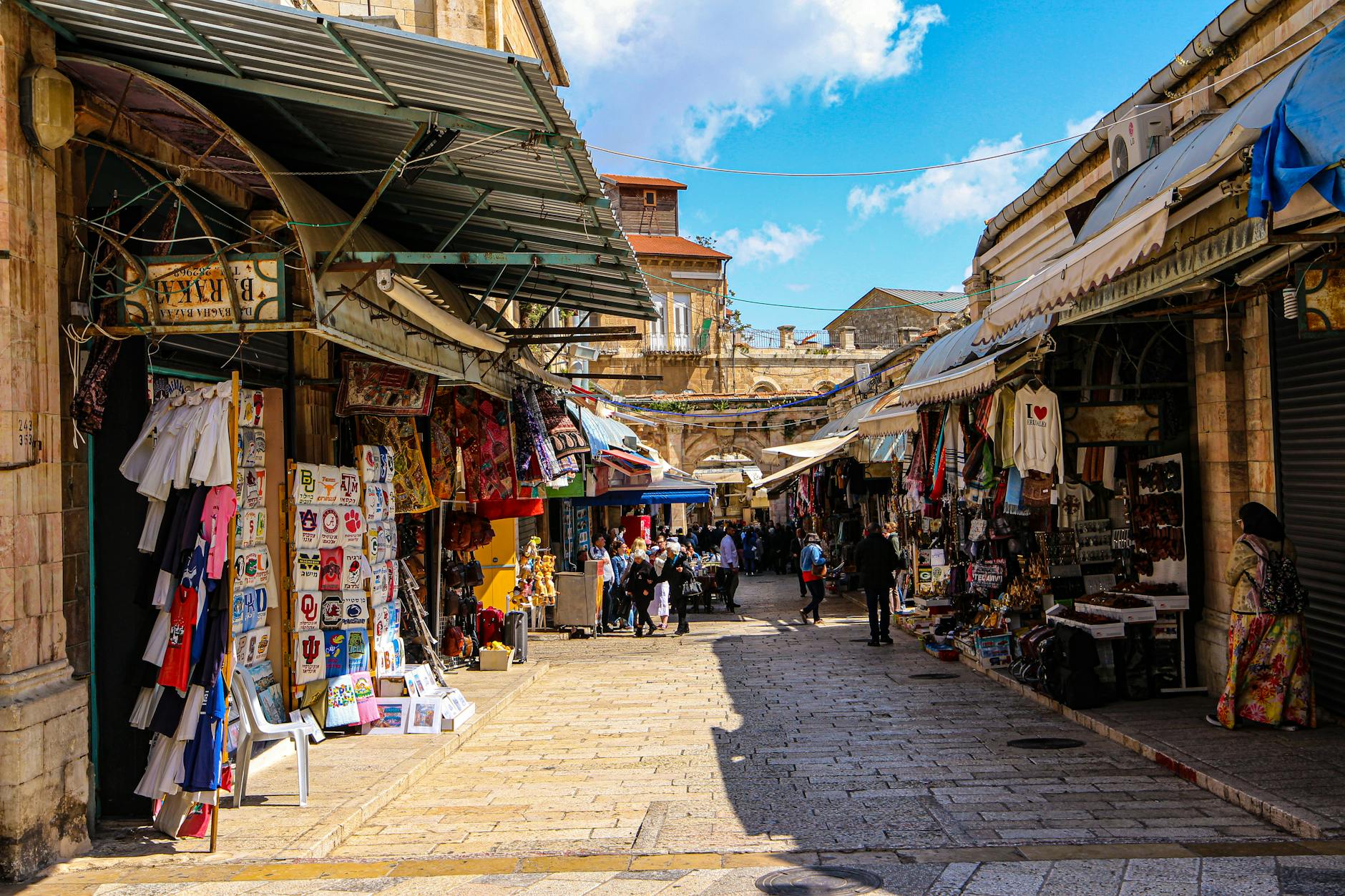
Mamilla is Jerusalem’s most upscale neighborhood for visitors, a slender strip of luxury that bridges the gap between modern West Jerusalem and the ancient Old City. The Mamilla Alrov Avenue, an open-air pedestrian promenade lined with designer boutiques, international fashion brands, galleries, and high-end restaurants, leads directly to the Jaffa Gate. This gives Mamilla an unbeatable combination of luxury amenities and proximity to the Old City. Adjacent Yemin Moshe, one of the first Jewish neighborhoods built outside the Old City walls in 1892, adds an artistic, residential charm with its stone windmill landmark and views across the Hinnom Valley.
If your budget allows, Mamilla is arguably the single best area to base yourself in Jerusalem. You can walk to the Old City in five minutes, reach the City Center in ten, and enjoy world-class dining and shopping at your doorstep. The neighborhood is also notably quieter and more polished than the bustling City Center, making it ideal for travelers who want easy access without the noise.
Where to Stay in Mamilla: Hotel Recommendations
Mid-range: The Mamilla Hotel by Isrotel is the area’s flagship property, with its modernist architecture, rooftop restaurant and lounge with stunning Old City views, full spa, and stylish rooms. Rates typically range from $250 to $500 per night depending on the season. For a more intimate experience, the Villa Brown Jerusalem offers 24 boutique rooms in a restored Ottoman-era building with a garden courtyard and rooftop terrace.
Luxury: The King David Hotel is a legendary Jerusalem landmark, built in 1931 and having hosted everyone from Winston Churchill to every Israeli prime minister. Its grand lobby, manicured gardens, outdoor pool, and sweeping views of the Old City walls make it one of the most storied hotels in the Middle East. Expect to pay $400 to $800 per night for its blend of history and five-star service. The David Citadel Hotel, at the top of Mamilla, is the other premier luxury option with its modern elegance and exceptional pool terrace.
Pros: Premium location between Old City and modern Jerusalem, designer shopping, excellent restaurants, elegant atmosphere. Cons: Expensive, limited budget options, can feel disconnected from local neighborhood life.
4. German Colony — Best for Families and Foodies
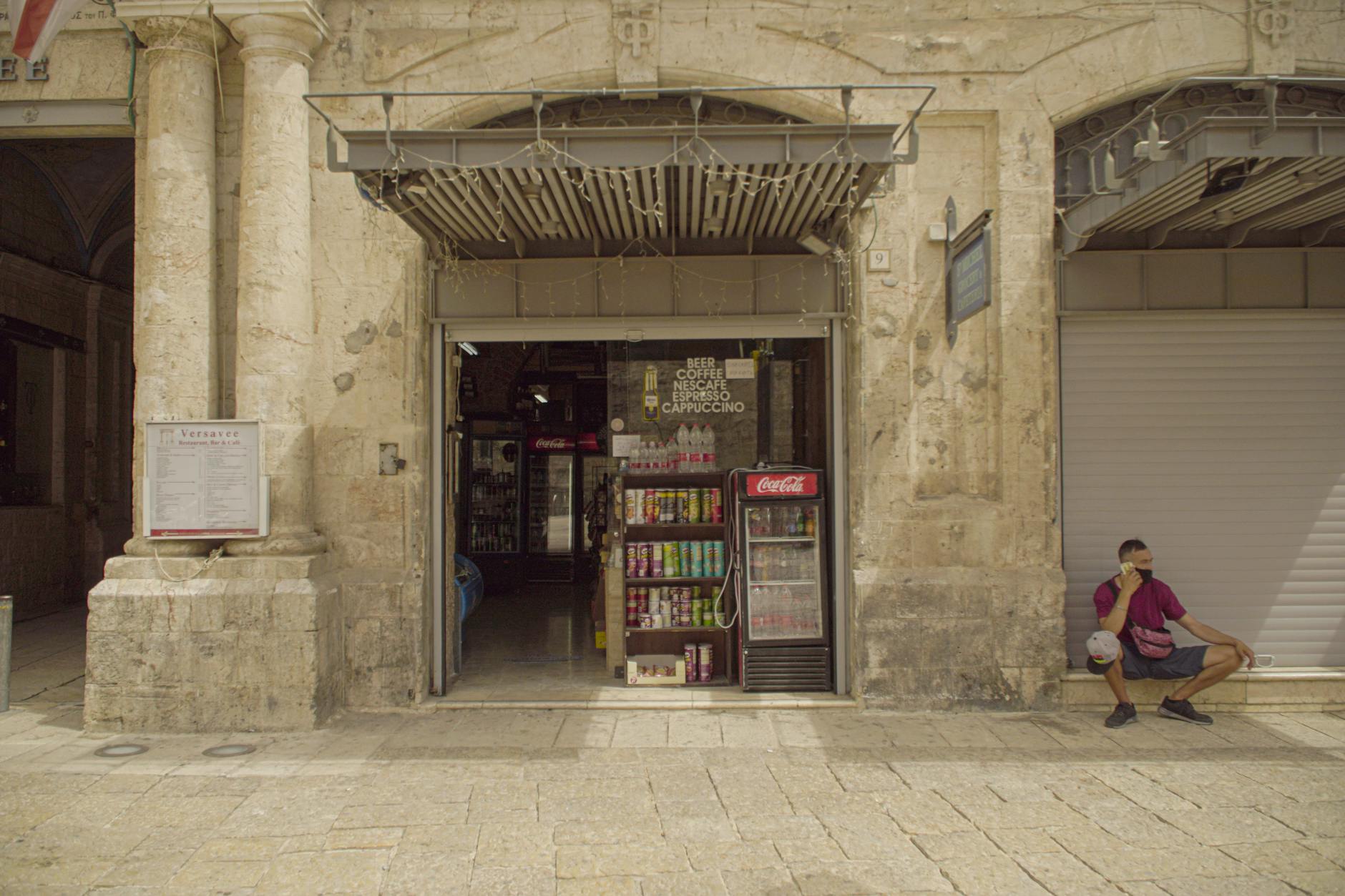
The German Colony is one of Jerusalem’s most livable and appealing neighborhoods, centered around Emek Refaim Street, a tree-lined boulevard packed with excellent restaurants, cozy cafes, bookshops, and boutiques. Founded by German Templer settlers in 1873, the neighborhood retains much of its original stone architecture and has a relaxed, almost European atmosphere that feels worlds apart from the intensity of the Old City. It is consistently recommended as where to stay in Jerusalem for families, longer visits, and anyone who values quality dining and a local neighborhood feel.
The German Colony is about a 25-minute walk or a short bus ride from the Old City, which makes it slightly less convenient for sightseeing but much more pleasant for downtime. The First Station (HaTachana HaRishona), a beautifully restored Ottoman-era railway station at the neighborhood’s northern end, hosts regular cultural events, craft markets, and family-friendly activities. The Liberty Bell Park nearby is a popular green space with a playground, making it especially attractive for families with young children, and our ranking of the most kid-friendly hotels in Jerusalem flags which properties offer connecting rooms and pools.
Where to Stay in the German Colony: Hotel Recommendations
Mid-range: The Colony Hotel, located in a converted Templer-era building, blends historic charm with modern comfort and places you right on Emek Refaim Street. Rates run $160 to $280 per night. Little House in the Colony is a charming boutique guesthouse known for its warm hospitality and excellent breakfast.
Luxury: The Orient by Isrotel Exclusive Collection is the German Colony’s crown jewel. Occupying two magnificently restored Templer buildings, it features a rooftop pool with city views, a world-class restaurant, a spa, and elegantly designed rooms. Rates start around $350 per night. Rafael Residence Boutique offers spacious apartment-style suites that are ideal for families or longer stays.
Apartment rentals: The German Colony is one of the best areas for vacation apartment rentals, which are an excellent option for families. A two-bedroom apartment near Emek Refaim typically costs $120 to $200 per night and gives you a kitchen, laundry, and more space than a hotel room.
Pros: Excellent restaurant scene, family-friendly, relaxed atmosphere, beautiful architecture, good for longer stays. Cons: Further from Old City than City Center or Mamilla, fewer nightlife options, can be quiet at night.
5. Mahane Yehuda Area — Best for Nightlife and Food Lovers
The area surrounding Mahane Yehuda Market has emerged as one of the most exciting places to stay in Jerusalem, particularly for travelers who prioritize food and nightlife. By day, the market is a sensory feast of fresh produce, baked goods, spices, and street food. By night, the shuttered market stalls reveal colorful murals and the narrow lanes transform into a bar-hopping strip with live music, craft cocktails, and a lively, youthful atmosphere. Staying nearby means you can enjoy both faces of the Shuk without worrying about getting home.
The neighborhood also connects easily to the City Center and the Old City via Jaffa Road and the light rail, and the adjacent Nachlaot neighborhood offers charming, quiet streets for daytime wandering. Accommodation options here tend toward hostels and mid-range hotels rather than luxury properties, which keeps the area accessible for younger and more budget-conscious travelers.
Where to Stay Near Mahane Yehuda: Hotel Recommendations
Budget: Abraham Hostel Jerusalem is one of Israel’s most popular hostels, a large, well-managed property with clean dorms, private rooms, a bar and lounge, daily activities, and organized tours. Dorms start around $25 per night. Its social atmosphere makes it particularly good for solo travelers.
Mid-range: The Prima Palace Hotel on Pines Street offers a traditional four-star experience with spacious rooms, a swimming pool, and a generous breakfast buffet for $150 to $250 per night. The Agripas Boutique Hotel puts you steps from the market in a stylish, modern setting.
Pros: Best food and nightlife access in Jerusalem, social hostel scene, well-connected by light rail, vibrant atmosphere. Cons: Can be noisy on Thursday and Saturday nights, limited luxury options, some streets feel gritty.
6. East Jerusalem — Best for Budget Travelers
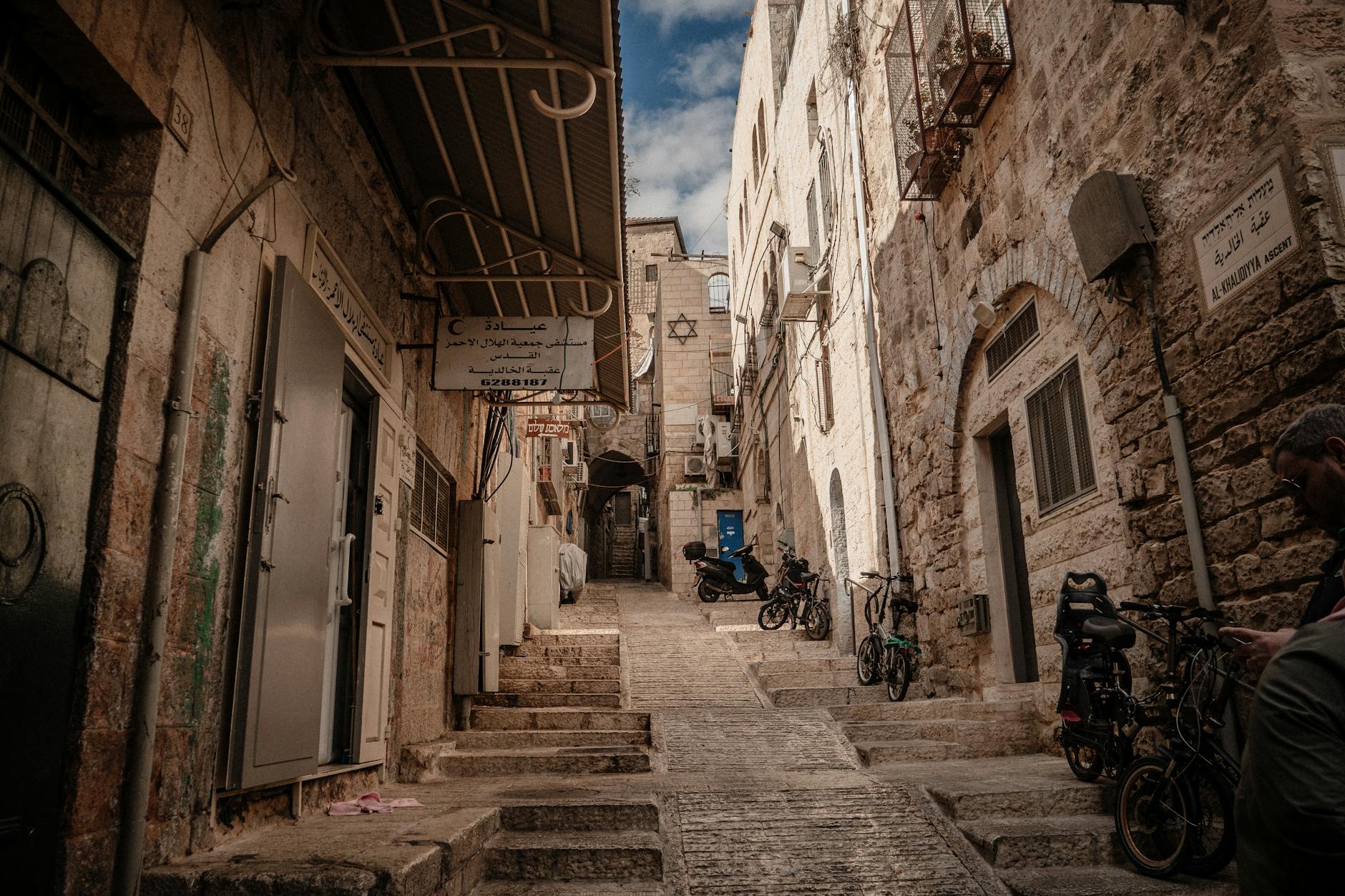
East Jerusalem refers to the predominantly Palestinian neighborhoods east and north of the Old City, including areas around Damascus Gate, the American Colony, Sheikh Jarrah, and the Mount of Olives. This is where to stay in Jerusalem if you want the most affordable accommodation, an authentic local atmosphere, and proximity to the Old City’s Damascus Gate and Lions Gate entrances. Hotels and guesthouses here are often significantly cheaper than their West Jerusalem counterparts, and you will find some of the city’s best Arabic restaurants, bakeries, and street food.
The cultural experience of staying in East Jerusalem is markedly different from the western side. Arabic is the primary language, the cuisine leans Palestinian and Levantine, and the pace of life has a distinct rhythm. For open-minded travelers, this adds a valuable dimension to your understanding of Jerusalem’s complex identity. The area around the American Colony is particularly pleasant, with a village-like atmosphere and some of the city’s most charming boutique hotels.
Where to Stay in East Jerusalem: Hotel Recommendations
Budget: The Faisal Hostel near Damascus Gate is a long-established backpacker favorite with rock-bottom prices (dorms from around $15 per night) and an unbeatable location for exploring the Old City’s Muslim Quarter. The Palm Hostel offers similar value with a rooftop terrace.
Mid-range: The Jerusalem Hotel on Nablus Road is a family-run gem occupying a beautiful Ottoman-era building with a vine-covered courtyard restaurant serving excellent Palestinian cuisine. Rooms run $80 to $140 per night. The St. George Landmark Hotel offers modern comfort at reasonable rates.
Luxury: The American Colony Hotel is the crown jewel of East Jerusalem, a legendary establishment housed in a 19th-century pasha’s palace with lush gardens, a pool, and a storied history as a meeting place for journalists, diplomats, and intellectuals. With rates from $350 to $600 per night, it rivals the King David as one of Jerusalem’s most prestigious addresses.
Pros: Best budget options in the city, authentic local culture, excellent Arabic food, close to Damascus Gate and Mount of Olives. Cons: Can feel unfamiliar to first-time visitors, fewer Western-style amenities, some areas less polished, further from West Jerusalem attractions.
7. Musrara — Best for Art Lovers and Creatives
Musrara is a small, increasingly hip neighborhood nestled between the Old City walls and the City Center, straddling the old dividing line between East and West Jerusalem. Once a neglected border area, it has undergone a remarkable transformation into a creative hub, home to the prestigious Musrara School of Art and numerous galleries, studios, and street art installations. Staying here gives you a genuinely local, off-the-beaten-path experience with easy walking access to both the Old City (Damascus Gate is a five-minute walk) and the City Center.
The neighborhood’s architecture is striking, a mix of Ottoman-era stone buildings and newer structures, and its elevated position provides unexpected views of the Old City walls. Musrara is also noticeably quieter than the nearby City Center while being just as walkable to major attractions. It appeals to travelers who want a less touristy base with genuine neighborhood character.
Where to Stay in Musrara: Hotel Recommendations
Budget: The Post Hostel, while technically in the City Center, is right on the Musrara border and serves as the best budget base for exploring this area.
Mid-range: The Legacy Hotel Jerusalem is a solid mid-range option on the edge of Musrara, offering modern rooms and a rooftop with panoramic views for $130 to $220 per night. Several vacation apartment rentals in converted Ottoman-era buildings offer unique character at competitive prices.
Pros: Authentic local atmosphere, artistic character, walkable to Old City and City Center, quieter than downtown, affordable. Cons: Limited hotel options, fewer restaurants and shops than other areas, can feel deserted at night.
8. Ein Karem — Best for Tranquility and Nature
Ein Karem is a picturesque hillside village on the western outskirts of Jerusalem that feels more like a Tuscan hamlet than a neighborhood of a major city. Known as the traditional birthplace of John the Baptist, this charming enclave is characterized by stone houses, cobblestone lanes, terraced gardens, churches, galleries, and boutique restaurants. It is where to stay in Jerusalem if you prioritize peace, natural beauty, and an escape from the urban intensity of the city center.
Ein Karem is about 20 minutes from the City Center by bus or car, which makes it less convenient for daily sightseeing but perfect for travelers seeking a retreat-like experience. The neighborhood has an active artistic community with regular gallery openings and cultural events. Several excellent restaurants, including well-known establishments serving gourmet Israeli cuisine, are hidden along its narrow streets. The surrounding hills offer beautiful walking paths, and the village atmosphere is at its most magical in the early morning and evening.
Where to Stay in Ein Karem: Hotel Recommendations
Mid-range: The Alegra Boutique Hotel is a beautifully restored stone house with individually designed rooms, a garden terrace, and an intimate atmosphere. Rates range from $150 to $280 per night. Several bed-and-breakfast establishments and vacation rentals offer charming alternatives.
Specialty: Ein Karem is also home to several pilgrimage guesthouses and religious retreat centers, including the Sisters of Zion convent, which offer simple but comfortable rooms in serene settings at very reasonable prices (often $50 to $90 per night including breakfast). These are open to all visitors regardless of religious affiliation and are some of the most peaceful places to sleep in all of Jerusalem.
Pros: Stunning village atmosphere, peaceful, excellent restaurants, artistic community, nature walks. Cons: Far from Old City and main attractions, limited public transport (especially on Shabbat), need to plan commuting time.
Types of Accommodation in Jerusalem
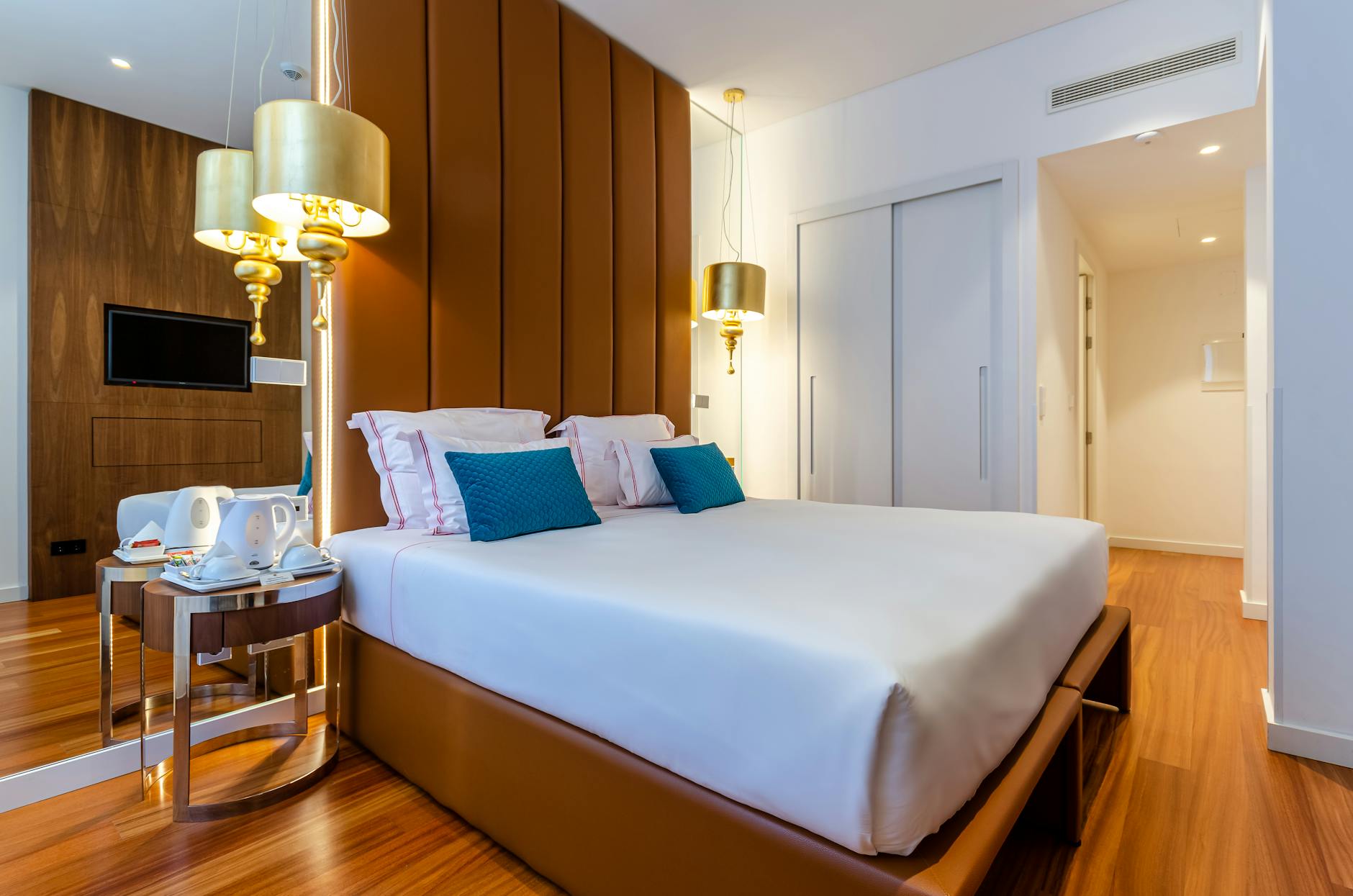
Understanding the types of accommodation available in Jerusalem helps you match your expectations with reality. The city offers a wider range of lodging styles than most visitors expect, and some of the most memorable options are unique to Jerusalem.
Luxury Hotels
Jerusalem’s luxury hotel scene is anchored by a handful of iconic properties. The King David Hotel, the Mamilla Hotel, the David Citadel, the American Colony Hotel, and the Orient by Isrotel are the top tier. Expect to pay $300 to $800 per night for five-star service, pools, spas, fine dining, and memorable views. Most luxury properties are concentrated in the Mamilla and German Colony areas.
Boutique Hotels
Jerusalem has seen an explosion of boutique hotels in recent years, many occupying beautifully restored historic buildings. Properties like the Villa Brown, the Colony Hotel, the Alegra, and the Jerusalem Hotel offer personality, design, and intimate service that chain hotels cannot match. Rates typically range from $150 to $350 per night.
Hostels

Jerusalem has excellent hostels, many of them modern, clean, and social. The Post Hostel and Abraham Hostel are standouts, offering dorm beds from $20 to $35 per night and private rooms from $70 to $120. Most hostels include communal kitchens, organized tours, social events, and free walking tours. They are an outstanding option for solo travelers and anyone on a budget.
Pilgrimage Guesthouses
One of Jerusalem’s most unique accommodation types is the pilgrimage guesthouse, operated by various Christian denominations and religious orders. These range from simple dormitory-style rooms to comfortable private accommodations with breakfast included. The Austrian Hospice, Notre Dame Guest House (run by the Vatican), Christ Church Guest House (Anglican), and the Sisters of Zion are among the best known. Rates typically range from $50 to $150 per night, well below comparable hotels, and the settings are often architecturally stunning and historically significant. Most are open to visitors of all faiths, and our directory of pilgrim guesthouses run by the churches lists rates, curfews and booking contacts for each one.
Vacation Rentals and Apartments
Vacation apartment rentals have become increasingly popular in Jerusalem and can be an excellent option for families, longer stays, or anyone who wants a kitchen and more living space. The German Colony, Nachlaot, Baka, and Rehavia neighborhoods offer the best selection. A one-bedroom apartment typically costs $80 to $150 per night, while a two-bedroom suitable for families runs $120 to $250. Platforms like Airbnb and Booking.com have extensive listings, and several local agencies specialize in Jerusalem vacation rentals.
Kibbutz Guesthouses Near Jerusalem
For a uniquely Israeli experience, consider staying at a kibbutz guesthouse in the Jerusalem hills. Ramat Rachel Resort, located on a kibbutz on the southern outskirts of the city with views toward Bethlehem and the Judean Desert, offers hotel-quality rooms, a pool, gardens, and a peaceful retreat atmosphere while remaining just 15 minutes from the city center by bus. The Ma’ale HaHamisha Kibbutz Hotel, set in forested hills west of the city, offers a countryside escape with easy access to Jerusalem. Rates are often competitive with mid-range city hotels at $120 to $200 per night.
Jerusalem Accommodation Budget Guide
Jerusalem’s accommodation prices vary significantly by season, neighborhood, and property type. Here is a realistic breakdown of what to expect in 2026 across different budget levels, based on double occupancy per night.
Budget (under $80 per night): Hostel dorms ($20 to $40), basic guesthouse private rooms ($50 to $80), pilgrimage guesthouses ($50 to $90), and budget hotels in East Jerusalem ($40 to $80). At this level you can still find clean, safe, and well-located options, particularly through hostels and religious guesthouses, and we have ranked fifteen Jerusalem stays under $100 a night that consistently deliver.
Mid-range ($80 to $250 per night): Three-star and four-star hotels ($120 to $250), boutique hotels ($150 to $300), vacation apartments ($80 to $200), and kibbutz guesthouses ($120 to $200). This is the sweet spot for most travelers, offering comfortable rooms, good locations, and amenities like breakfast and sometimes pools.
Luxury ($250 and above per night): Five-star hotels ($300 to $800), premium boutique properties ($250 to $500), and high-end apartment rentals ($200 to $400). Jerusalem’s luxury tier is genuinely world-class, with properties that combine historic grandeur with modern comfort.
Peak vs. off-peak: Prices surge during major holidays (Passover, Easter, Sukkot, Christmas) and can double or triple. The cheapest months are January and February, when you can find significant discounts across all categories. Booking well in advance is essential for holiday periods and recommended year-round for the best rates.
Practical Tips for Choosing Where to Stay in Jerusalem
Several practical considerations should inform your decision about where to stay in Jerusalem beyond just neighborhood preference and budget.
Shabbat Considerations
Shabbat (Friday sunset to Saturday evening) significantly affects life in Jewish areas of Jerusalem. Public transport stops, most shops and restaurants in Jewish neighborhoods close, and the city takes on a very different character. If you plan to be active on Saturdays, staying in the Old City, East Jerusalem, or the German Colony (which has some Shabbat-open restaurants) gives you more options. Hotels themselves remain operational on Shabbat, but elevators in some religious hotels may run on automatic schedules.
Getting Around from Your Hotel
Jerusalem is a walkable city for the most part, but hills can be steep. The Light Rail Red Line is the main public transport spine, running from Mount Herzl through the City Center and along Jaffa Road. Buses cover most neighborhoods, and taxis and ride-sharing services are readily available. If you plan to do day trips, having access to a central bus station or being able to easily reach one is valuable. The City Center and Mahane Yehuda areas have the best public transport connectivity.
Safety Across Neighborhoods
Jerusalem is generally safe for tourists across all neighborhoods. The Old City, City Center, Mamilla, German Colony, and Ein Karem all have very low crime rates affecting visitors. East Jerusalem is also safe for tourists but can feel less familiar. Standard travel precautions apply everywhere: be aware of your surroundings, secure your valuables, and stay informed about the current situation through your hotel and official advisories.
How Long Should You Stay?
For a comprehensive visit covering the major Old City sites, key museums, and a few neighborhoods, plan for at least three to four nights; our breakdown of how many days Jerusalem really needs matches trip length to what you actually want to see. Adding day trips to the Dead Sea, Masada, or Bethlehem requires five to seven nights. If you plan to explore Jerusalem in depth, experience Shabbat, and take multiple day trips, a week to ten days is ideal. Your neighborhood choice should reflect this: for shorter stays, prioritize proximity to the Old City (City Center, Mamilla, or Old City itself). For longer stays, the German Colony, Ein Karem, or a vacation apartment in a residential neighborhood offers a more sustainable, livable base.
When to Book and How Prices Move Through the Year
Jerusalem does not have one high season — it has several, driven by two religious calendars that do not line up with each other or with the Gregorian one. Get the timing right and you can halve what you pay for the same room. Get it wrong and you will find the city genuinely full.
The reliable spikes are the major Jewish festivals — Passover, Sukkot and the Rosh Hashanah to Yom Kippur stretch — plus Christmas and Easter, and July and August, when North American and European families travel and domestic tourism peaks. Aggregator data for mid-2026 puts average Jerusalem nightly rates somewhere around $250 to $260 in August against roughly $150 in January, and individual hotels swing far harder than that average suggests. Over Passover and Sukkot, rooms that sell for $180 in February routinely list at $400 and up, often as compulsory multi-night packages with half board.
The complication is that the Jewish dates move by up to a month between years. Sukkot falls in late September in 2026 but mid-October in 2027; Passover lands in late April in 2027; Western Easter is in late March 2027 while Orthodox Easter is over a month later in early May, which means the Old City has two distinct Holy Week surges. Check a Jewish holiday calendar against your dates before you book anything, because a shift of ten days can change your bill more than your choice of neighborhood does.
How far ahead to book
- Passover, Sukkot, Christmas and Easter week: six months out, and closer to nine for the small hotels inside the Old City walls or a room with a view over the walls. Church-run pilgrim guesthouses fill earliest of all for Holy Week and often take group bookings a year ahead.
- April to early June and mid-September to early November: two to four months. This is the best weather of the year and the most competitive shoulder demand.
- July and August: three to four months. Hot, busy and expensive, but family rooms and pools are what sell out rather than every category.
- Mid-January to early March, and mid-November to mid-December: a few weeks is usually enough, and last-minute rates are often the cheapest of the year. January and February are the genuine bargain months, with the trade-off of cold, wet and occasionally snowy weather.
Two practical habits save real money. First, book a refundable rate early to lock in a room, then check again six to eight weeks out — Jerusalem hotels discount unsold inventory in the shoulder months, and the five-star properties discount hardest because they have the most to lose from an empty floor. Second, watch the day of the week: Friday and Saturday nights carry a premium from domestic Shabbat travel, and Sunday is frequently the cheapest night to check in. Shifting a two-night stay off the weekend can be worth more than switching from a boutique property to a chain.
Finally, read the conditions over festivals. Minimum stays of three to seven nights are standard at Passover and Sukkot, many kosher hotels sell those weeks only as full-board packages, and holiday rates are usually non-refundable. If your dates are fixed and expensive, a serviced apartment or one of the well-located budget options will often beat a discounted four-star on both price and flexibility.
Frequently Asked Questions About Where to Stay in Jerusalem
What is the best area to stay in Jerusalem for first-time visitors?
The City Center (Downtown Triangle) is the best area for first-time visitors. It offers the greatest concentration of restaurants, shops, and nightlife, excellent public transport via the Light Rail, and an easy 15-minute walk to the Old City’s Jaffa Gate through the Mamilla promenade. You are centrally located with maximum flexibility to explore in all directions.
Is it better to stay inside or outside the Old City?
Staying inside the Old City offers an unmatched atmospheric experience and immediate access to the major sacred sites, but accommodation options are more limited and amenities more basic. Staying just outside (in Mamilla, City Center, or East Jerusalem) gives you the convenience of modern hotels with the Old City still within easy walking distance. For most travelers, staying just outside the walls with one or two nights inside is the ideal compromise. If praying at the Kotel at dawn is the priority, we rank the closest hotels to the Western Wall by actual walking time.
How much does a hotel in Jerusalem cost per night?
Budget hostel dorms start around $20 to $35 per night. Mid-range hotels average $150 to $250 per night. Luxury five-star hotels range from $300 to $800 per night. Prices increase significantly during major holidays like Passover, Easter, Sukkot, and Christmas. The cheapest months to visit are January and February, when rates can drop by 20 to 30 percent.
Is East Jerusalem safe for tourists?
East Jerusalem is generally safe for tourists. The areas most commonly used by visitors, including the American Colony neighborhood, the Mount of Olives, and the streets near Damascus Gate, are well-traveled and accustomed to international visitors. Exercise the same common-sense precautions you would in any unfamiliar city, stay informed about current conditions, and you will likely have a positive experience.
Should I book accommodation in advance for Jerusalem?
Yes, especially during peak seasons and religious holidays when the city fills to capacity. Booking two to three months in advance is recommended (the Israel tourism board also suggests checking holiday calendars) for spring (March to May) and autumn (September to November) visits. For major holidays like Passover, Easter, and Christmas, booking four to six months ahead is wise. During the quieter winter months (December to February), last-minute booking is usually possible and can yield significant savings.
When is the cheapest time to stay in Jerusalem?
January and February are consistently the cheapest months, with average nightly rates roughly $100 below the August peak, and mid-November to mid-December is a close second outside the Christmas run-up. The weather is the trade-off: expect rain, cold evenings and the occasional snow day. Avoid the weeks around Passover, Sukkot, Rosh Hashanah, Christmas and both Easters if price is your main concern.
Do Jerusalem hotels have minimum-stay requirements over holidays?
Frequently, yes. Over Passover and Sukkot most kosher hotels sell fixed packages of three to seven nights or longer, often with compulsory half or full board, and rates are typically non-refundable. Christmas and Easter bring shorter minimums, usually two to three nights, concentrated in the Old City and East Jerusalem. Read the cancellation terms carefully before you commit.
Do hotels operate normally on Shabbat?
Yes. Hotels stay open, reception is staffed and kosher hotels serve pre-prepared Shabbat meals, though restaurants may switch to a set menu and some properties run a Shabbat elevator that stops automatically on every floor. What changes outside the hotel matters more: buses and the light rail stop from Friday afternoon until Saturday nightfall, so choose your neighborhood with Saturday in mind.
Which neighborhood should I choose if it is my first trip?
For most first-time visitors the City Center, Mamilla or the streets just west of Jaffa Gate give the best balance of walkable access to the Old City, restaurants that stay open, and transport links. Our comparison of which Jerusalem neighborhood suits which kind of trip sets out the trade-offs, and if proximity to the holy sites is the priority, look at the hotels closest to the Western Wall.
{"@context": "https://schema.org", "@type": "FAQPage", "mainEntity": [{"@type": "Question", "name": "What is the best area to stay in Jerusalem for first-time visitors?", "acceptedAnswer": {"@type": "Answer", "text": "The City Center (Downtown Triangle) is the best area for first-time visitors. It offers the greatest concentration of restaurants, shops, and nightlife, excellent public transport via the Light Rail, and an easy 15-minute walk to the Old City's Jaffa Gate through the Mamilla promenade. You are centrally located with maximum flexibility to explore in all directions."}}, {"@type": "Question", "name": "Is it better to stay inside or outside the Old City?", "acceptedAnswer": {"@type": "Answer", "text": "Staying inside the Old City offers an unmatched atmospheric experience and immediate access to the major sacred sites, but accommodation options are more limited and amenities more basic. Staying just outside (in Mamilla, City Center, or East Jerusalem) gives you the convenience of modern hotels with the Old City still within easy walking distance. For most travelers, staying just outside the walls with one or two nights inside is the ideal compromise. If praying at the Kotel at dawn is the priority, we rank the closest hotels to the Western Wall by actual walking time."}}, {"@type": "Question", "name": "How much does a hotel in Jerusalem cost per night?", "acceptedAnswer": {"@type": "Answer", "text": "Budget hostel dorms start around $20 to $35 per night. Mid-range hotels average $150 to $250 per night. Luxury five-star hotels range from $300 to $800 per night. Prices increase significantly during major holidays like Passover, Easter, Sukkot, and Christmas. The cheapest months to visit are January and February, when rates can drop by 20 to 30 percent."}}, {"@type": "Question", "name": "Is East Jerusalem safe for tourists?", "acceptedAnswer": {"@type": "Answer", "text": "East Jerusalem is generally safe for tourists. The areas most commonly used by visitors, including the American Colony neighborhood, the Mount of Olives, and the streets near Damascus Gate, are well-traveled and accustomed to international visitors. Exercise the same common-sense precautions you would in any unfamiliar city, stay informed about current conditions, and you will likely have a positive experience."}}, {"@type": "Question", "name": "Should I book accommodation in advance for Jerusalem?", "acceptedAnswer": {"@type": "Answer", "text": "Yes, especially during peak seasons and religious holidays when the city fills to capacity. Booking two to three months in advance is recommended (the Israel tourism board also suggests checking holiday calendars) for spring (March to May) and autumn (September to November) visits. For major holidays like Passover, Easter, and Christmas, booking four to six months ahead is wise. During the quieter winter months (December to February), last-minute booking is usually possible and can yield significant savings."}}, {"@type": "Question", "name": "When is the cheapest time to stay in Jerusalem?", "acceptedAnswer": {"@type": "Answer", "text": "January and February are consistently the cheapest months, with average nightly rates roughly $100 below the August peak, and mid-November to mid-December is a close second outside the Christmas run-up. The weather is the trade-off: expect rain, cold evenings and the occasional snow day. Avoid the weeks around Passover, Sukkot, Rosh Hashanah, Christmas and both Easters if price is your main concern."}}, {"@type": "Question", "name": "Do Jerusalem hotels have minimum-stay requirements over holidays?", "acceptedAnswer": {"@type": "Answer", "text": "Frequently, yes. Over Passover and Sukkot most kosher hotels sell fixed packages of three to seven nights or longer, often with compulsory half or full board, and rates are typically non-refundable. Christmas and Easter bring shorter minimums, usually two to three nights, concentrated in the Old City and East Jerusalem. Read the cancellation terms carefully before you commit."}}, {"@type": "Question", "name": "Do hotels operate normally on Shabbat?", "acceptedAnswer": {"@type": "Answer", "text": "Yes. Hotels stay open, reception is staffed and kosher hotels serve pre-prepared Shabbat meals, though restaurants may switch to a set menu and some properties run a Shabbat elevator that stops automatically on every floor. What changes outside the hotel matters more: buses and the light rail stop from Friday afternoon until Saturday nightfall, so choose your neighborhood with Saturday in mind."}}, {"@type": "Question", "name": "Which neighborhood should I choose if it is my first trip?", "acceptedAnswer": {"@type": "Answer", "text": "For most first-time visitors the City Center, Mamilla or the streets just west of Jaffa Gate give the best balance of walkable access to the Old City, restaurants that stay open, and transport links. Our comparison of which Jerusalem neighborhood suits which kind of trip sets out the trade-offs, and if proximity to the holy sites is the priority, look at the hotels closest to the Western Wall."}}]}