Jerusalem for senior travelers is one of the most rewarding trips you can plan for an older visitor: the sites carry a lifetime of meaning, the city center is compact, hotels are comfortable, and seated, guided ways to experience the holy places are easy to arrange. The honest catch is the Old City itself, where cobblestones, steps and narrow lanes test anyone with limited mobility. With a sensible pace, the right hotel and a few smart choices about transport, those obstacles are manageable. This guide covers pacing, getting around by taxi and Light Rail, accessible sites, the summer heat, hotels, medical care and senior discounts, with realistic 2026 details.
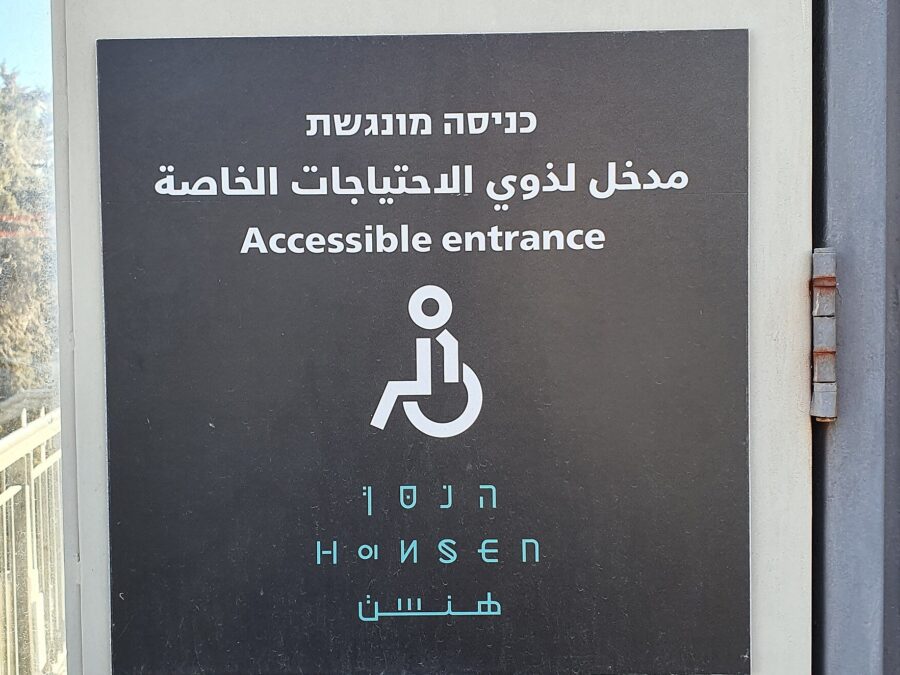
For the technical detail on ramps, lifts and step-free routes, read our Jerusalem accessibility guide alongside this one, plus our first time visiting Jerusalem guide, the Jerusalem travel tips and the full Jerusalem itinerary planner.
Why Jerusalem Works for Senior Travelers
Several things tip in your favor. The modern center is flat, paved and well served by the Light Rail Red Line, so you can reach most museums and neighborhoods without a long walk. English is widely spoken. Israel has excellent hospitals and pharmacies. And the city is so accustomed to pilgrims and tour groups of every age that slow-paced, seated and guided options are the norm rather than the exception.
- Compact and well connected: short taxi rides and the Light Rail link the main sights.
- Good infrastructure: modern hotels with lifts, accessible rooms and on-site dining.
- Senior fares and discounts: reduced admission at most museums and discounted public transport.
- Strong healthcare: internationally regarded hospitals with English-speaking staff.
- Guided everything: private guides and small-group tours that move at a gentle pace.
An Honest Look at Accessibility
It is worth being clear-eyed about the terrain. The Old City was built centuries before ramps, and many of its lanes are stepped, uneven and worn smooth. Some sites accommodate visitors with limited mobility better than others.
| Place | What to expect |
|---|---|
| Old City lanes | Cobblestones, steps and narrow alleys; tiring and tricky with a cane or wheelchair. Enter via the flatter Jaffa Gate or Dung Gate rather than the stepped Damascus Gate. |
| Western Wall plaza | The upper plaza is reached by a ramp and is wheelchair friendly; it is open 24/7 and free. |
| Church of the Holy Sepulchre | There are steps at the entrance and inside, including stairs up to Calvary; the ground floor is partly navigable but the church is not fully step-free. |
| Yad Vashem | Modern, largely step-free and wheelchair accessible, with loaner wheelchairs available. |
| Israel Museum | Accessible throughout with lifts and ramps; one of the easiest major sites for seniors. |
| Tower of David | Recently renovated with improved accessible routes, though the citadel still has some steps and ramparts. |
| Light Rail Red Line | Low-floor, level boarding and wheelchair accessible. |
The takeaway: do the modern city and the big museums on foot and by rail, and treat the Old City as a place to enter slowly through the easiest gates, with a guide who knows the flatter routes and where the rare benches are. For the full step-by-step access notes, our accessibility guide goes site by site.
Setting the Right Pace
The single biggest factor in enjoying Jerusalem at an older age is pace. The city rewards slow, and trying to cram it in is the surest way to wear yourself out on the stone.
- Give yourself five to seven days so you are never rushing between sites.
- Plan one or two major sites a day, not a checklist of six.
- Keep daily walking modest, roughly a couple of kilometers, with a taxi for the rest.
- Build in an afternoon rest back at the hotel, the way locals pause in the heat of the day.
- Book “standard” or “classic” tours, not the ones labeled active or strenuous.
- Start early. Mornings are cooler and the Old City is calmer before the groups arrive.
Managing the summer heat
From June through September, midday temperatures often sit in the low-to-mid 30s Celsius (the 90s Fahrenheit), and the sun is strong even when the dry air feels comfortable. Heat is a real risk for older visitors. Sightsee in the morning and again from late afternoon, and avoid being out between roughly noon and 3 pm. Carry water everywhere, wear a wide-brimmed hat and sunscreen, and use the cool, air-conditioned museums as your midday plan. Our best time to visit guide makes the case for spring and autumn, which are far kinder for an unhurried trip.
Getting Around Comfortably
You do not need to walk far if you do not want to. Two systems do most of the work.
- Taxis are plentiful and the easiest door-to-door option. Insist on the meter or agree a price first; short city hops typically run 30–60 shekels. Apps like Gett make hailing one straightforward, and a taxi is the sensible way up to the Mount of Olives or between sites the rail does not link.
- The Light Rail Red Line is modern, level-boarding and wheelchair accessible, running along Jaffa Road through the center to Mahane Yehuda and out toward Mount Herzl. A single ride is about 6 shekels.
- A Rav-Kav card stores fares for the rail and buses; ask whether you qualify for the senior fare. As a rule, reduced fares apply for older riders, and travel is free for residents over 75, though tourists should confirm what applies to them.
More detail on routes and tickets is in our Jerusalem transportation guide.
A Five-Day Senior-Friendly Itinerary
This plan keeps to one main focus a day, with afternoons free to rest. Shift things so the museum days (Yad Vashem, the Israel Museum) do not fall on Saturday, when both close for Shabbat.
- Day 1 — Arrive and settle. Check in, take a gentle stroll through the Mamilla promenade, and have dinner at the hotel.
- Day 2 — Old City, guided. A morning guided tour of three to four hours with built-in breaks, lunch at a sit-down restaurant in the Jewish Quarter, then time at the Western Wall before resting.
- Day 3 — Christian Quarter. The Church of the Holy Sepulchre in the morning, a relaxed lunch, and as much of the Via Dolorosa as you feel like, or a quiet afternoon off.
- Day 4 — Yad Vashem. A profound morning at the Holocaust memorial (free, allow three-plus hours, fully accessible), then an afternoon back at the hotel.
- Day 5 — Views and the Israel Museum. A taxi up to the Mount of Olives lookout and the mostly seated Garden of Gethsemane, then the accessible Israel Museum and the Dead Sea Scrolls.
If you have more time, our 5 days in Jerusalem itinerary and the gentler day trips from Jerusalem, such as a guided Dead Sea visit, add variety without too much walking.
Choosing the Right Kind of Tour
A good guide is worth the money at this pace, both for the storytelling and because they know the flatter routes, the lifts and where to sit down. Options range from fully private to small groups.
- Private licensed guides set the pace entirely around you and can build a step-light route; budget roughly 1,000–1,800 shekels for a full day for the group.
- Small-group tours of eight to twelve people run a standard pace at a far lower per-person cost, often around 300–550 shekels.
- Wheelchair-accessible tours exist but should be arranged in advance so the operator can plan an appropriate route and vehicle.
- Christian pilgrimage tours tend to be naturally senior-friendly, with a religious focus and a measured rhythm.
- Hotel-arranged tours use vetted operators and save you the legwork of booking.
Our roundup of the best Jerusalem tours can help you compare operators.
Where to Stay
Choose a central hotel with a lift, an on-site restaurant and an accessible bathroom, so you can return easily for an afternoon rest. The city-center cluster around Mamilla and King David Street keeps you close to the Old City and the rail.
- Established luxury: the historic King David Hotel and the modern David Citadel and Mamilla Hotel, all near Jaffa Gate with full services.
- Comfortable central options: the Inbal and Dan-brand hotels, with pools and reliable accessibility.
- Quieter and good value: the Notre Dame Center, a Christian guesthouse with a lift and a calm atmosphere.
- What to confirm when booking: a lift, a roll-in or grab-bar bathroom if needed, an on-site restaurant and English-speaking reception.
Compare areas in our where to stay in Jerusalem guide.
Medical Care and Pharmacies
Jerusalem’s medical care is excellent and accustomed to international patients. The major hospitals, Hadassah Medical Center and Shaare Zedek, have English-speaking staff. For an ambulance, call Magen David Adom on 101. The Super-Pharm chain has branches across the city for everyday needs and over-the-counter medicines. Two essentials before you travel: arrange comprehensive travel insurance that covers medical care and evacuation, and bring your prescription medicines in their original packaging with a copy of the prescription.

Eating Well at a Relaxed Pace
Israeli food suits older travelers: the Mediterranean diet of salads, hummus, grilled fish and vegetables is light and easy on the stomach, and vegetarian choices are everywhere. Favor sit-down restaurants and hotel dining rooms over standing at market counters. Lunch is traditionally the larger meal, which fits a plan that keeps evenings quiet. Most places handle dietary needs, including kosher, vegan and gluten-free, and a service charge or tip of around 10–12 percent is customary. Many Jewish restaurants close for Shabbat from Friday afternoon to Saturday night, so plan those meals around the Old City, East Jerusalem or your hotel.
Practical Tips and Discounts
- Wear supportive, broken-in shoes, ideally with good grip for the polished stone of the Old City.
- Bring a walking stick or trekking pole for stability on uneven surfaces, even if you do not normally use one.
- Sun protection is non-negotiable: hat, sunglasses, sunscreen and a refillable water bottle.
- Plan around toilets. Hotels, museums and restaurants have them; public facilities inside the Old City are limited, so go before you set out.
- Ask for the senior rate. Most museums and sites give roughly a 50 percent discount to visitors over 65, so carry photo ID showing your age.
- Carry both cash and card, with small notes for market stalls and taxis.
- Keep a copy of your insurance details and any key medical information with you.
Worth handling early, too: passports need at least six months’ validity and, since 2025, visa-exempt visitors must hold an approved ETA-IL before boarding, which our Israel entry requirements guide walks through step by step.
Check one date in particular if you are travelling in late May or early June. On Jerusalem Day, large crowds, road closures and a packed Western Wall plaza make the Old City slow and tiring to move through from mid-afternoon, and taxis cannot reach the gates. It is an easy day to plan around: see the Old City in the morning, and spend the afternoon at a museum in West Jerusalem. Our Jerusalem Day guide has the details.
Arriving by cruise ship adds one more decision. A coach excursion moves at the pace of its slowest passenger and cannot adapt the route, while a private guide can plan a step-light day and drop you at the nearest gate; on the other hand, only the ship’s own tour guarantees the ship will wait. Our guide to choosing between a ship excursion and a private tour in Israel weighs both.
Final Word
Jerusalem for senior travelers is about doing less, more deeply. Stretch the trip over five days or more, take the city one or two sites at a time, use taxis and the rail instead of long walks, dodge the midday heat, and let a good guide handle the Old City’s terrain. Keep planning with our accessibility guide, the Jerusalem travel tips and the Jerusalem itinerary planner.
Photo Credits
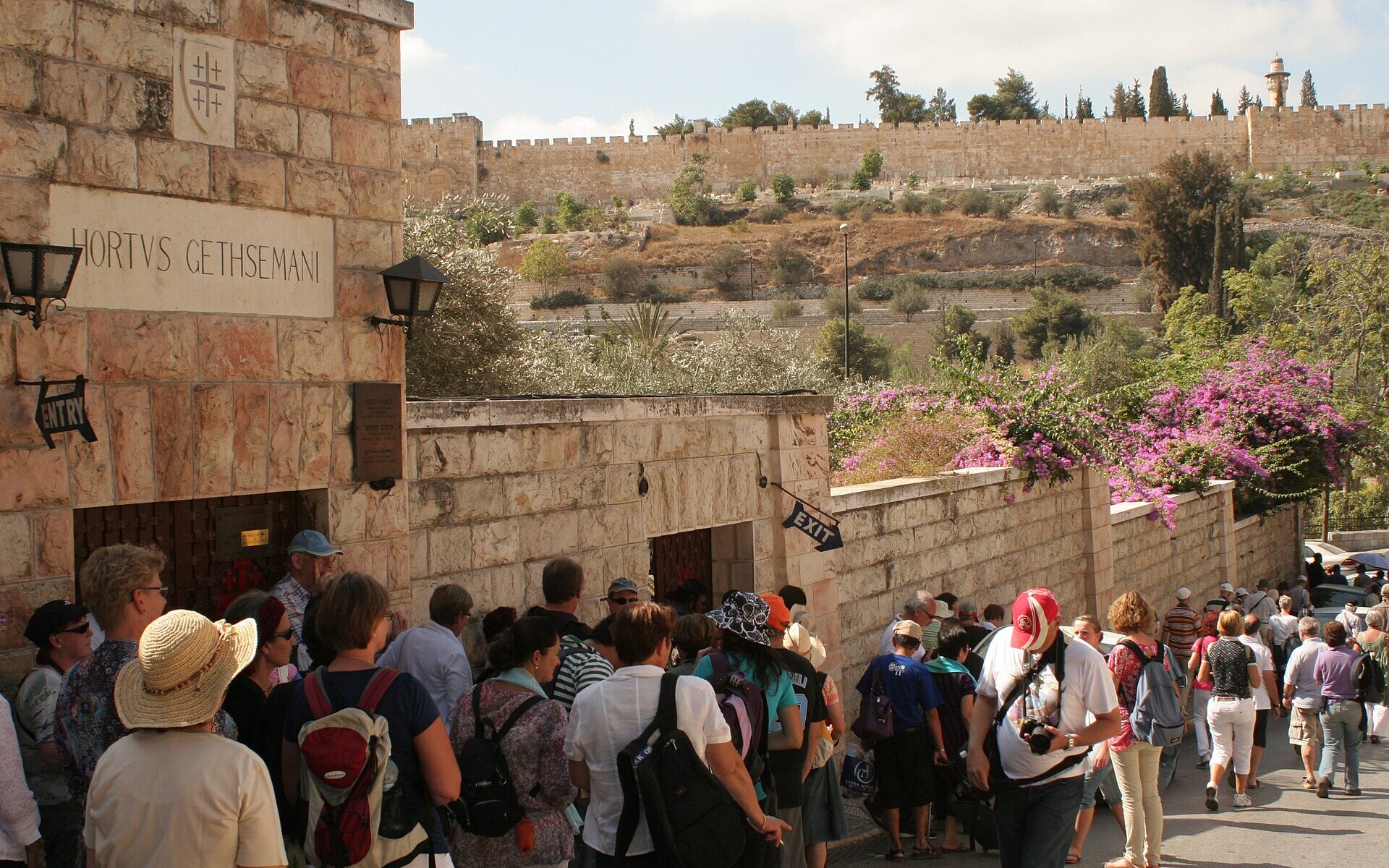
A tour group at the entrance to the Garden of Gethsemane: Jerusalem IMG 4603 (5172199768) by Ana Paula Hirama, CC BY-SA 2.0, via Wikimedia Commons.
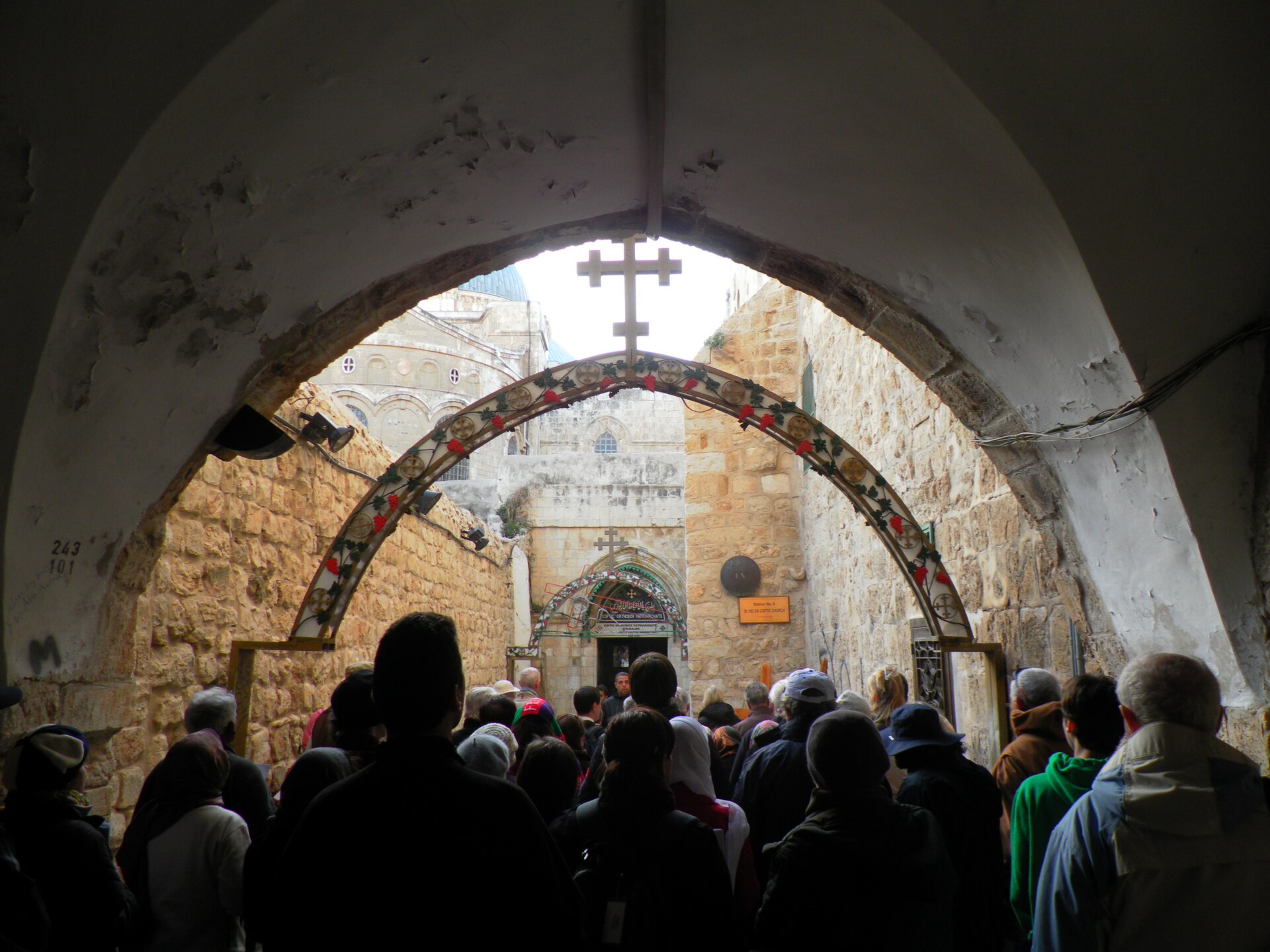
A tour group on the Via Dolorosa approaching the Ninth Station: תיירים הולכים בדרך הייסורים by לין קנטובר, CC BY-SA 3.0, via Wikimedia Commons.
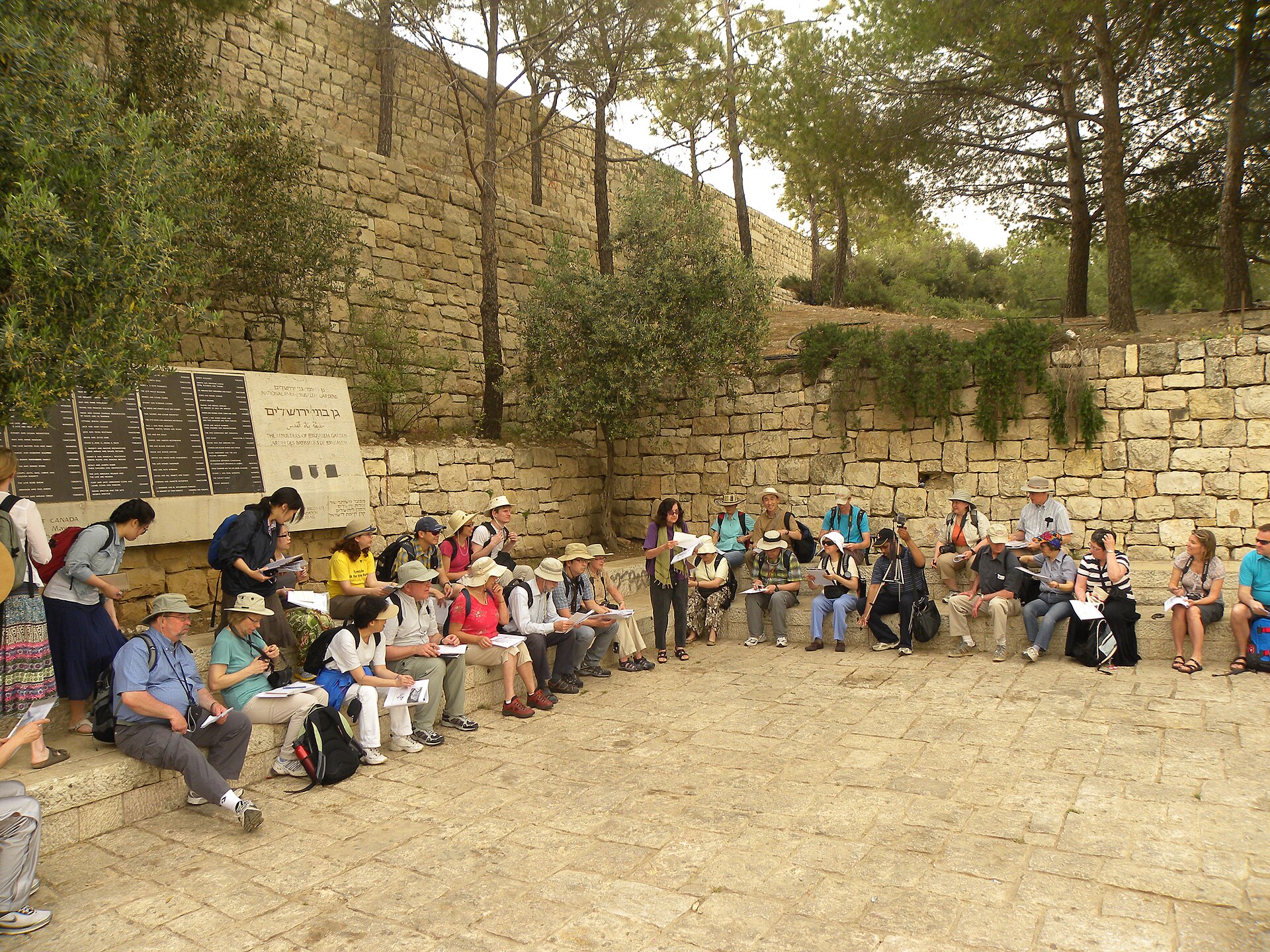
A guide briefing a study group outside the Old City’s south-west corner: Ginger Caessens and our tour group on site (5762744740) by Ian Scott, CC BY-SA 2.0, via Wikimedia Commons.