Jerusalem art galleries span an unusually wide range, from a world-class museum with Rembrandts and a Noguchi-designed sculpture garden to political contemporary art on the old city divide, painters’ studios in a cobbled hillside colony, and the spray-painted shutters that turn the Mahane Yehuda Market into a street-art gallery after closing. It is not a Tel Aviv-scale commercial art market, but the mix of fine art, religious craft and urban art, set against this particular city, is distinctive. This guide covers the major institutions, the independent gallery neighborhoods, where to find street art, the religious art traditions, opening hours that hinge on Shabbat, and how to plan an art-focused day.
Pair this with our Jerusalem archaeology museums guide for the historical collections and our wider guide to culture and the arts in Jerusalem. Hours and entry fees change, so confirm with each institution before a special trip.
The Major Art Museums
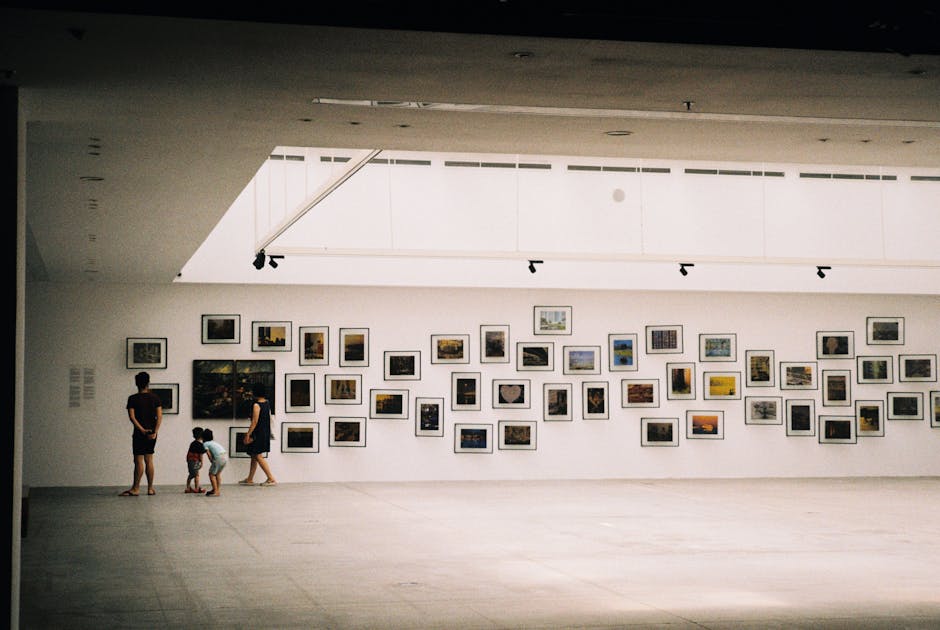
The Israel Museum (art wings)
The anchor of the city’s art scene. Beyond its famous archaeology and the Shrine of the Book, the Israel Museum holds deep collections of European, modern, contemporary and Israeli art, with works by names such as Rembrandt and Picasso alongside major Israeli artists. Outside, the Billy Rose Art Garden, designed by the sculptor Isamu Noguchi, sets modern sculpture against the Judean hills. Give the art wings two to three hours; admission is included in the general museum ticket. For the museum’s archaeological side, see our archaeology museums guide, and families can use the Israel Museum with kids guide.
Museum on the Seam
A socio-political contemporary art museum housed in a building that once sat on the divide between the eastern and western parts of the city, its stonework still marked from that period. Its rotating exhibitions tackle themes of conflict, identity and coexistence, and it has an international reputation for serious, thought-provoking shows. Entry is typically around 38 shekels and a visit takes about two hours. It is the place to go for art that engages directly with the city’s complexities, presented in a measured, non-partisan curatorial frame.
Anna Ticho House
The historic home of the artist Anna Ticho, near the Russian Compound, is now a small museum showing her delicate landscape drawings and watercolors of the Jerusalem hills, along with changing exhibitions. The building and its garden are lovely, and the on-site cafe makes it an easy, relaxed stop. It is operated under the Israel Museum, so check whether your museum ticket covers entry.
Tower of David
The citadel by Jaffa Gate, primarily a history museum, also stages contemporary art and installation projects within its ancient walls, an arresting contrast of old and new. Exhibitions rotate through the year and are generally included with museum admission. The Tower of David guide covers the wider museum and its evening light show.
Independent Gallery Neighborhoods
Yemin Moshe
The most atmospheric place to browse. This restored 19th-century quarter on the slope facing the Old City has long been an artists’ colony, and its cobbled lanes are dotted with private galleries showing Israeli, modern and religious-themed work. It is as much a pleasant walk as a gallery crawl; come in the late afternoon when the light on the stone is at its best, and combine it with a stroll along the nearby Mamilla promenade.
The German Colony
Along and around Emek Refaim Street, the German Colony mixes upmarket galleries with cafes and restaurants, leaning toward established and decorative art. It is an easy area to spend a browsing afternoon, pairing a gallery or two with a long coffee. The pace is relaxed and the neighborhood pleasant to wander.
Talpiot industrial area
For the edgier, more contemporary end, head to the Talpiot industrial zone south of the center, where former workshops and warehouses have become studios and galleries for emerging artists. It has an industrial-chic feel and hosts regular openings, and it is also where you will find some of the city’s design and maker spaces. Check listings for opening events, which are the best time to visit.
Mamilla promenade
The open-air Mamilla shopping street between the new city and Jaffa Gate doubles as a sculpture promenade, with rotating outdoor works by Israeli and international sculptors displayed along its length, free to see as you walk. It is a convenient art fix on the way into or out of the Old City, and because it is outdoors and always accessible, it is a rare option for a Saturday when the indoor galleries are closed. Our romantic things to do guide folds this into an evening stroll.
Street Art and Urban Murals
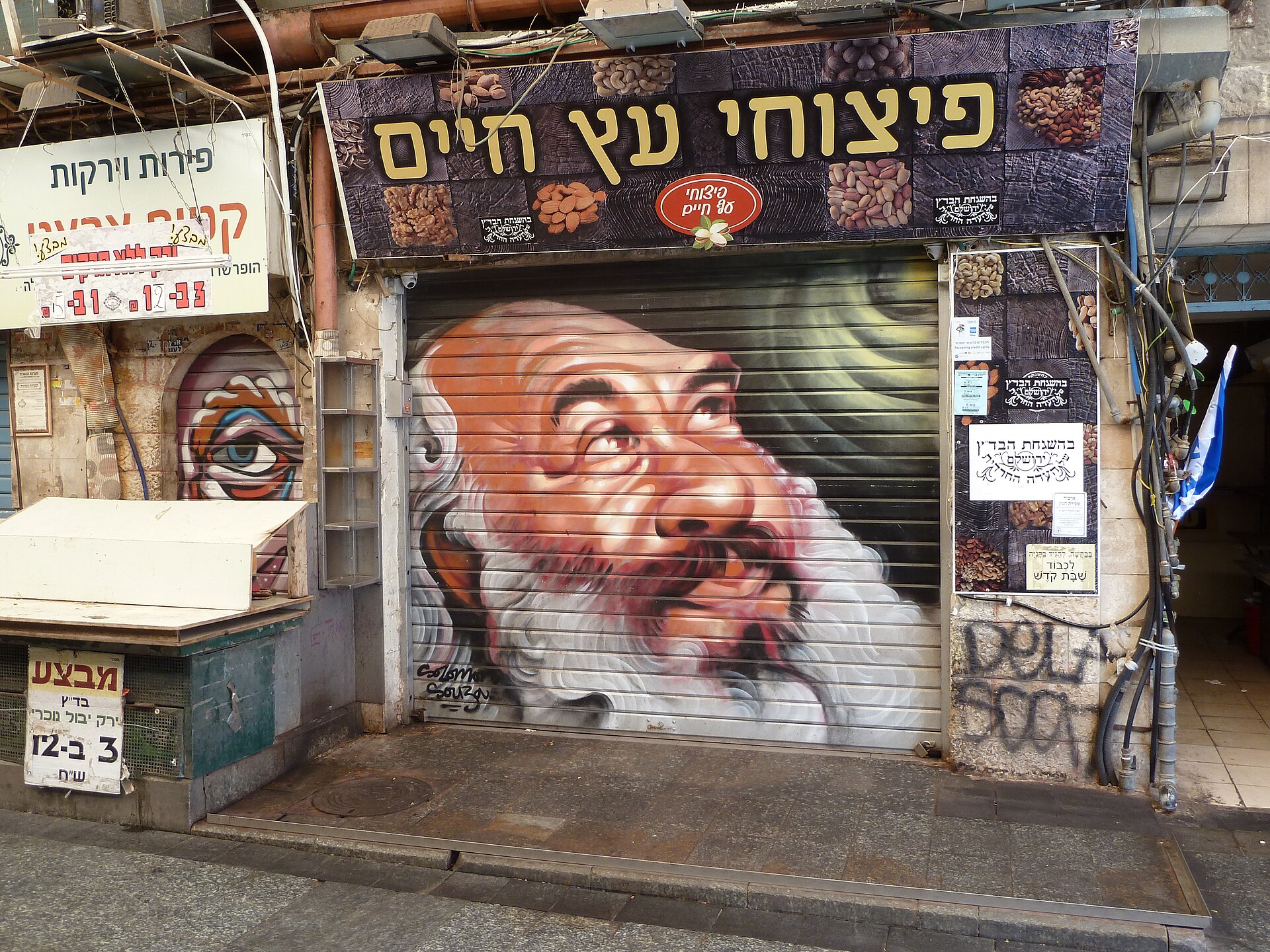
The city’s most famous public art is hiding in plain sight at the Mahane Yehuda Market. When the stalls close, their metal shutters reveal a sprawling series of painted portraits and scenes, turning the empty market into an open-air gallery best seen in the evening or on Shabbat when everything is shut. Beyond the market, the adjacent Nachlaot neighborhood has murals tucked through its lanes, and the Talpiot industrial area carries larger contemporary pieces. Guided street-art walks are available if you want the stories behind the work. On a day trip to Bethlehem in the West Bank, the separation wall carries well-known political murals, including pieces associated with Banksy; our shopping and day-trip guides cover the practicalities of crossing.
Religious and Traditional Art
Jerusalem is also a place to see and buy living religious art, often straight from the workshop. In the Christian Quarter, Greek Orthodox and other studios paint icons in the traditional manner. Jewish ceremonial art, from silver Judaica to intricate papercuts and hand-lettered ketubot, is made and sold across the city. Islamic calligraphy appears in Muslim Quarter studios, and Armenian artisans continue traditions of manuscript illumination and the distinctive hand-painted ceramics for which their quarter is known. Buying directly from makers is part of the experience; our Armenian ceramics guide goes deeper on one of the most collectible crafts.
Opening Hours and What to Expect
This is where planning matters, because Jerusalem art galleries do not keep uniform hours. The big museums generally open daily but close or shorten hours for Shabbat, from Friday afternoon to Saturday evening, with Saturday sometimes an exception at the Israel Museum. Independent galleries are trickier: many open mainly on weekday afternoons, often Tuesday to Thursday, plus Friday morning, and may close Saturday and even Sunday. Always check ahead for the small galleries rather than turning up. The table below summarizes the pattern.
| Venue type | Typical opening | Entry |
|---|---|---|
| Major museums | Most days; reduced on Friday, closed/limited Shabbat | Paid (often 30–60 ILS) |
| Museum on the Seam | Set days; check ahead | Around 38 ILS |
| Independent galleries | Mainly weekday afternoons + Friday morning | Usually free |
| Street art (Mahane Yehuda shutters) | Best after closing / on Shabbat | Free |
| Mamilla sculpture promenade | Open-air, anytime | Free |
Independent galleries are usually free to enter and happy for you to browse, and most will sell, arranging international shipping for larger pieces. Photography without flash is often permitted, but ask first, especially in commercial galleries and at religious-art studios.
Art Festivals and Special Events
If you can time it, a few events concentrate the art calendar. The Jerusalem Biennale, held roughly every two years, is a large exhibition exploring contemporary Jewish art across multiple venues. The Israel Festival in late spring or early summer includes visual art and installations alongside its performing-arts program, and the June Light Festival is itself a citywide showcase of light art. Open-house architecture weekends and seasonal art events around the autumn holidays add further opportunities. The festivals calendar tracks dates as they are confirmed.
A Sample Art Day
Start in the morning at the Israel Museum, giving the art wings and the Billy Rose garden a couple of hours. Break for lunch, then visit the Museum on the Seam in the early afternoon for a contrasting, contemporary perspective. In the late afternoon, wander the galleries and lanes of Yemin Moshe as the light softens, and continue down to the Mamilla sculpture promenade. As evening falls, head to the Mahane Yehuda Market to see the painted shutters and stay for dinner and a drink. It is a full but very doable day that captures the museum, independent and street-art sides of the city in one go. Our transportation guide helps you string the stops together.
Understanding the Israeli Art Scene
It helps to know what you are looking at, because the Jerusalem art galleries you visit reflect it directly. Israeli art draws on a unique blend of influences: European modernism brought by immigrant artists, Middle Eastern and Mediterranean color and light, biblical and Jewish themes, and the lived reality of a young country in an ancient land. In Jerusalem specifically, that tension between the contemporary and the sacred is everywhere, and many local artists work directly with it, whether by setting modern installations inside the Tower of David’s medieval walls or by responding to the city’s religious and political fault lines at the Museum on the Seam. The Bezalel Academy of Arts and Design, Israel’s leading art school, is based in the city, which feeds a steady stream of young artists and graduate shows into the local galleries, particularly in the industrial spaces of Talpiot. Watching for student and graduate exhibitions is one of the best ways to catch new work before it reaches the commercial galleries.
Where to Eat and Rest Between Galleries
An art day involves a lot of walking, so plan your breaks. The Israel Museum has cafes on site, and the Anna Ticho House cafe, set in a historic building with a garden, is a destination in its own right for coffee or lunch. The German Colony is full of cafes and restaurants right among its galleries, making it the easiest neighborhood to combine browsing with a long sit-down meal. In Yemin Moshe and nearby Mamilla you will find terraces with Old City views, and if you end the day at the Mahane Yehuda Market, you are spoiled for late food and drink among the painted shutters. For full dining options, our broader Jerusalem food and market food guides have you covered.
One of the city’s great works of modern art hangs in a parliament. Marc Chagall’s three monumental tapestries and his mosaics fill the State Hall of the Knesset, and you can see them on a free guided Knesset tour in English on Sundays and Thursdays. Bring your passport and arrive half an hour early.
Photo Credits
Solomon Souza’s portrait of Shlomo Carlebach on a closed shutter at Mahane Yehuda Market: Jerusalem Mahane Yehuda market P1060207 by Utilisateur:Djampa, CC BY-SA 4.0, via Wikimedia Commons.