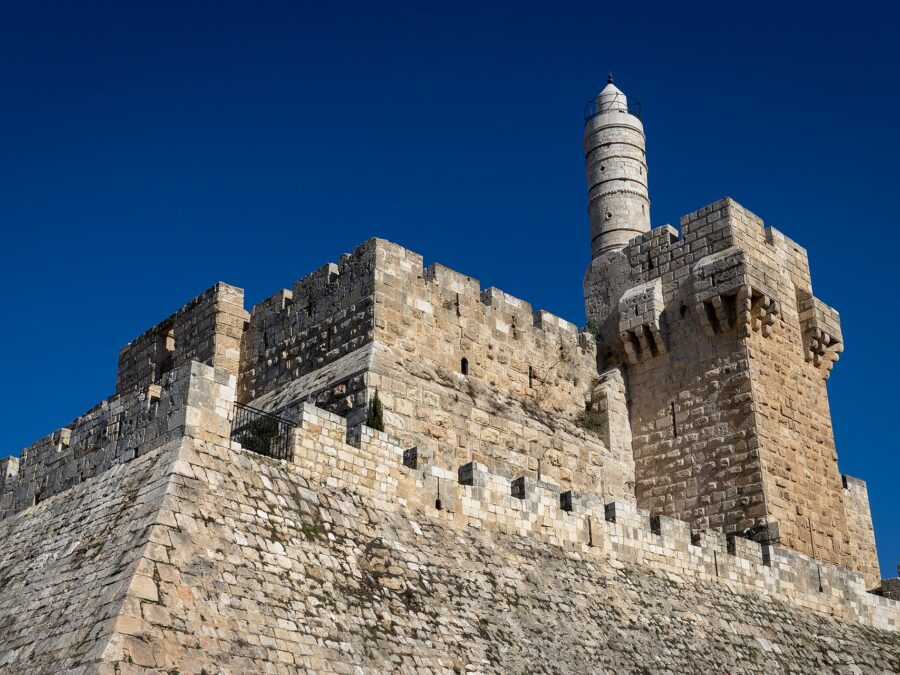
Walking along the top of Jerusalem’s ancient ramparts is one of the most rewarding and least crowded things to do in the Old City. The Jerusalem Old City walls walk, known as the Ramparts Walk, lets you stroll the very battlements built by Suleiman the Magnificent in the 1530s, looking down into the four quarters on one side and out over the modern city on the other. For the price of a coffee and an hour or two of your time, you get a perspective on Jerusalem that almost no other visitors take. This guide covers both routes, hours, ticket prices in shekels, accessibility, the best times to go, and the views you will see along the way.
The walls connect the gates and quarters of the Old City into a single circuit, and walking them is the clearest way to grasp how the walled city fits together. To understand the doorways you will pass above, see our guide to the gates of Jerusalem’s Old City, and for the sacred sites you will glimpse from the ramparts, our guide to holy sites in Jerusalem.
What Is the Ramparts Walk?
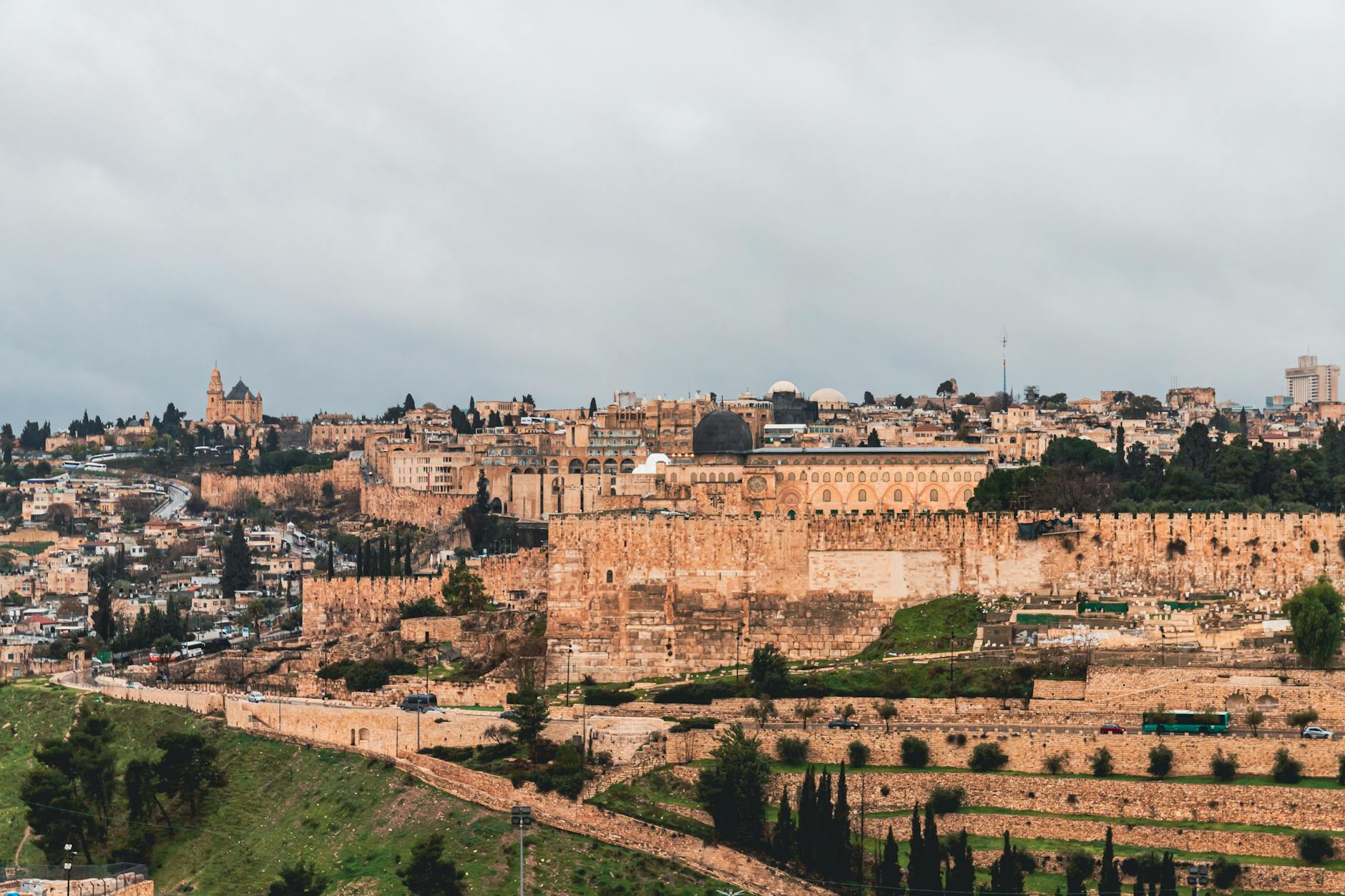
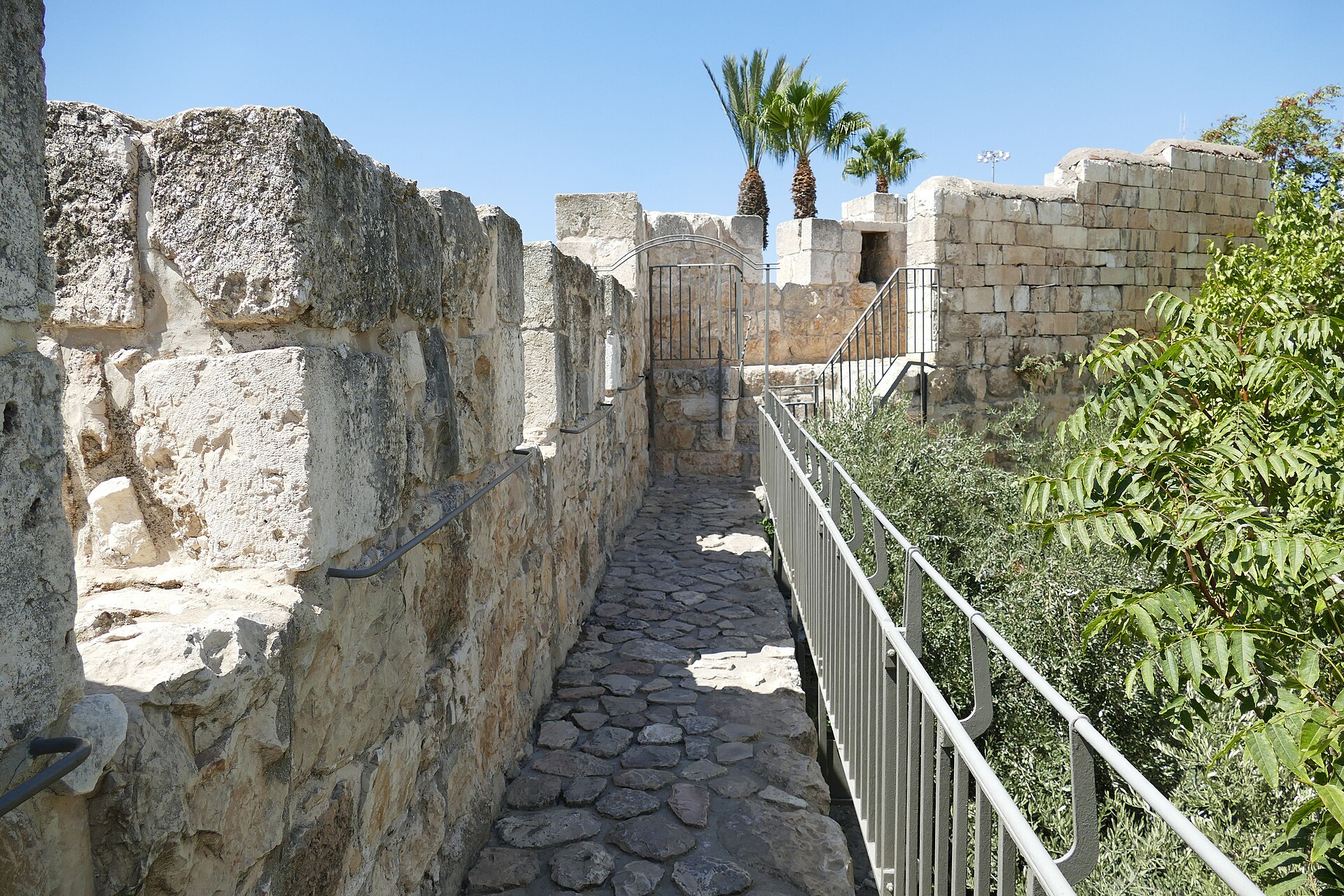
The Ramparts Walk is a path along the top of the Old City walls, open to visitors as part of the Tower of David and national park network. The current walls date to the Ottoman rebuilding of 1535 to 1542, raised on far older foundations, and they run for roughly four kilometres with dozens of watchtowers. The walkable sections are divided into two one-way routes, a longer northern route and a shorter southern route, both starting at Jaffa Gate. You walk single-file in places along the parapet, with the crenellated battlements beside you and the city laid out below. It is part history lesson, part scenic stroll, and entirely memorable.
Hours, Tickets, and Entrance
The details below are typical; confirm current times when you arrive, as they shift with the season and the religious calendar.
| Detail | Information |
|---|---|
| Hours | Roughly Sunday to Thursday 9am to 4pm (last entry around 3pm); Friday 9am to 2pm. Closed Saturday (Shabbat). |
| Tickets | Around 20 shekels for adults, less for children; typically valid for two days. |
| Main entrance | Jaffa Gate, inside the Tower of David citadel courtyard. |
| Route type | Each route is one-way; to do both, plan two separate walks. |
A single ticket usually covers both routes within its validity, but because they run in opposite directions from Jaffa Gate, you generally do them as two outings. Tickets are sold at the Jaffa Gate entrance and sometimes at other access points.
The Northern Route (about 1.5 hours)
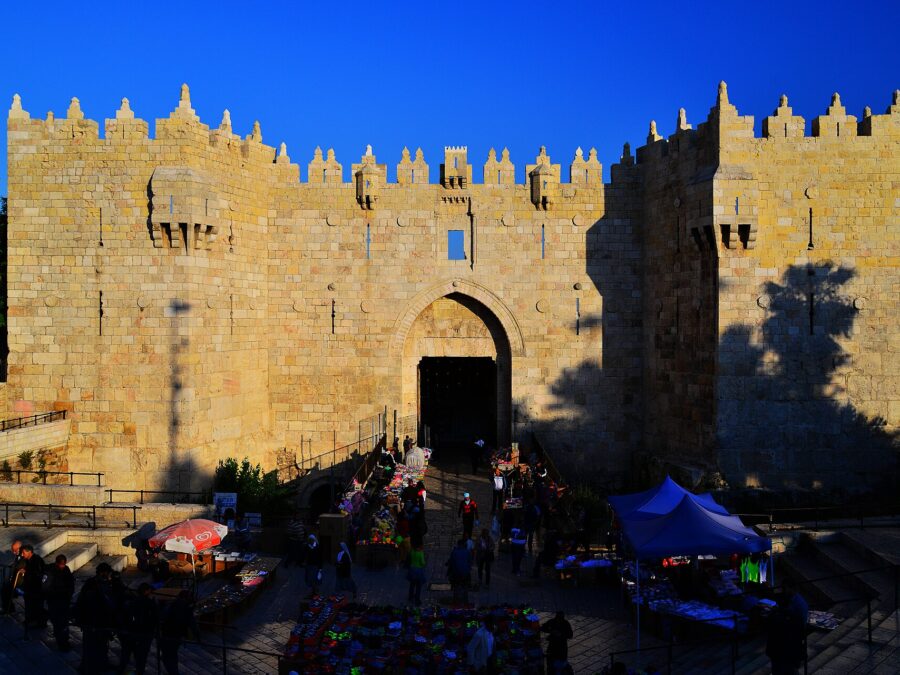
The longer and more scenic route heads north and east from Jaffa Gate, passing above the Christian and Muslim Quarters and ending near Lions’ Gate (St. Stephen’s Gate). Along the way you look down into church courtyards and market lanes, pass New Gate, Damascus Gate, and Herod’s Gate from above, and get sweeping views toward the Mount of Olives and the domes of the Old City. This is the route to choose if you only have time for one, for both the length and the variety of the views.
The Southern Route (about 45 minutes)
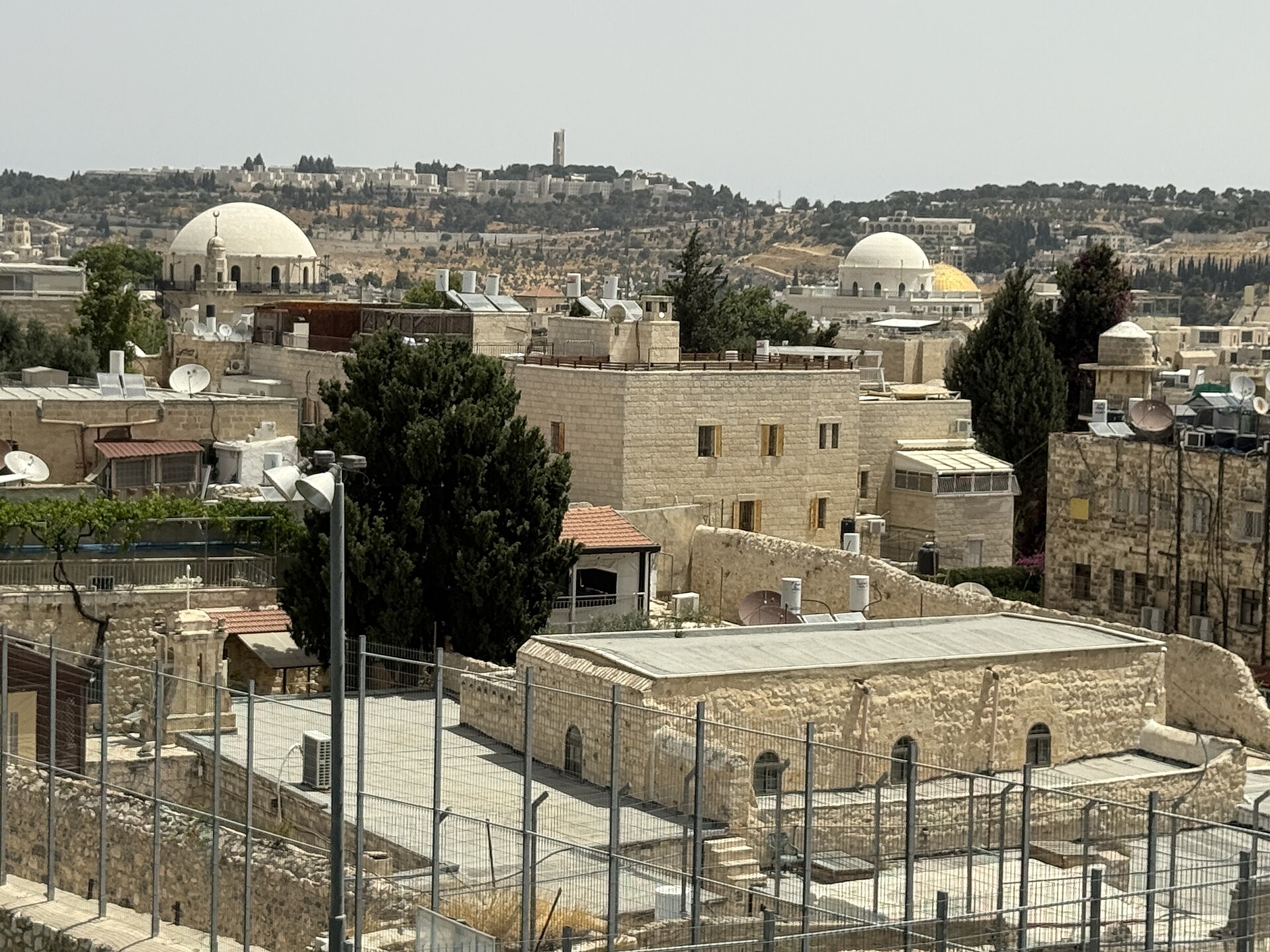
The shorter southern route runs from Jaffa Gate around the Armenian and Jewish Quarters toward Zion Gate and Dung Gate, with views over Mount Zion, the Hinnom Valley, and toward the Western Wall area. It is quicker and a little gentler, and it pairs well with a visit to Mount Zion or the Western Wall afterward. Note that for security reasons the ramparts do not pass directly above the Temple Mount, so the eastern stretch by the Haram is not walkable.
What You See Along the Way
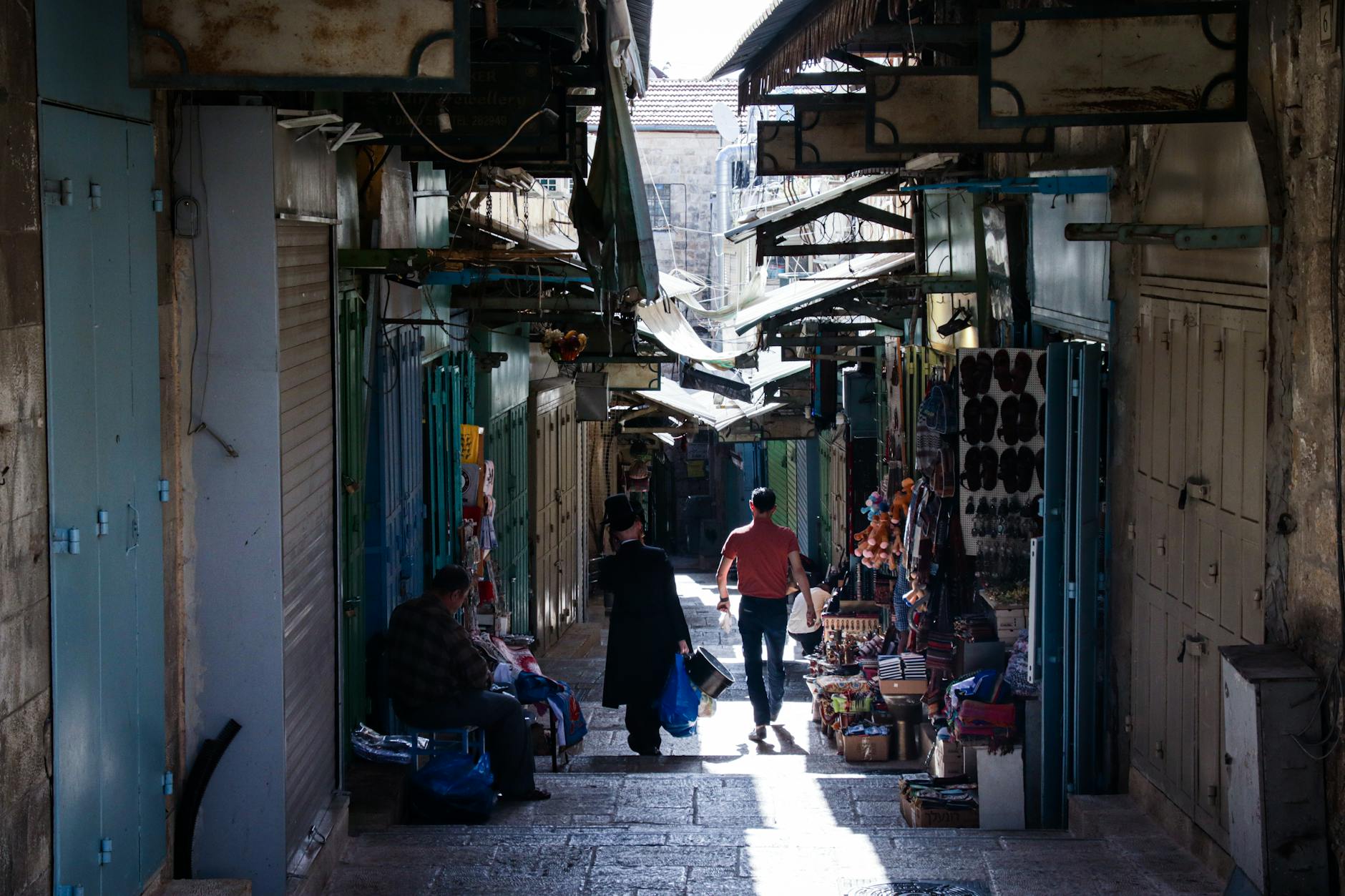
The joy of the walk is the constant double view: intimate glimpses down into the quarters, courtyards, rooftops, washing lines, school yards, market awnings, on one side, and on the other the wider city, the Mount of Olives, the Kidron and Hinnom Valleys, and the spread of West Jerusalem. You pass watchtowers and arrow slits, see the gates from a vantage their builders intended for sentries, and understand the city’s defensive logic in a way no ground-level walk can offer. At several points the parapet widens enough to stop, lean on the warm stone, and simply watch the life of a quarter unfold below, a call to prayer drifting up, bells answering from a church, children crossing a courtyard. These small, unhurried moments are what most walkers remember best. Bring this together with our best viewpoints in Jerusalem guide for more high places to seek out.
A Short History of the Walls
The walls you walk today were commissioned by the Ottoman sultan Suleiman the Magnificent and built between 1535 and 1542, but they sit on layers of far older fortifications stretching back to the First and Second Temple periods, the Hasmoneans, the Romans, and the Crusaders. Suleiman’s engineers reused ancient stone and followed earlier lines, which is why the circuit encloses the historic city so neatly. According to a well-known legend, two of Suleiman’s architects were executed for failing to include Mount Zion and King David’s traditional tomb within the walls, and they are said to be buried just inside Jaffa Gate. Whether or not the story is true, it captures how seriously the walls were taken. Walking them, you trace a line that armies besieged, pilgrims approached, and rulers reinforced for five centuries.
Combining the Walk With Other Sites
The Ramparts Walk slots neatly into a wider Old City day. Start at the Tower of David Museum in the citadel for the city’s full story, then take the northern ramparts route to Lions’ Gate, descending to walk the Via Dolorosa back through the markets. Alternatively, do the shorter southern route to Dung Gate and continue straight to the Western Wall, or up to Mount Zion. Because the walk closes in the afternoon, do it earlier in the day and save indoor sites or the souk for later. To build a full itinerary through the walled city, use our Old City guide.
Best Time to Walk the Ramparts
Early morning, soon after opening, is ideal: the light is soft, the heat is mild, and the parapet is quiet. Late afternoon brings golden light on the limestone, though you must finish before the relatively early closing time, so start the longer northern route by mid-afternoon at the latest. Avoid the midday summer sun, when the exposed walls offer little shade and the stone radiates heat. Spring and autumn are the most comfortable seasons overall. Remember the walk is closed on Saturday for Shabbat and closes early on Friday. Our best time to visit Jerusalem guide has month-by-month detail.
Photography Tips
The ramparts are a photographer’s favorite. Morning light suits the eastern and northern views toward the Mount of Olives; late afternoon flatters Jaffa Gate, the citadel, and the western walls. Shoot down into the quarters for layered street scenes, and frame the gates and domes through the crenellations. A wide lens captures the sweep of the city; a longer lens picks out rooftop life below. Be discreet when photographing into private courtyards and homes, and avoid photographing holy sites on Shabbat and Jewish holidays. The nearby Tower of David ramparts give further angles if you want more.
Accessibility
The Ramparts Walk involves many stairs, narrow passages, and uneven stone, and it is not wheelchair accessible or suitable for strollers; you would need to carry a small child in parts. There are few facilities along the route and limited shade, so go prepared. Visitors with mobility limitations can still enjoy the city’s walls and views from ground level, particularly around Jaffa Gate and the Tower of David, and from the Mount of Olives lookout. For broader guidance on navigating the city with mobility needs, see our Jerusalem accessibility guide.
How to Get There
The walk starts at Jaffa Gate, a short walk from the City Hall stop on the Light Rail Red Line (around 6 shekels a ride; no service on Shabbat), which makes it easy to reach from the New City. Taxis can drop you near Jaffa Gate but cannot enter the Old City lanes. Enter the citadel courtyard just inside the gate to buy your ticket and access the northern route; the southern route also begins nearby. See our Jerusalem transportation guide for getting to the Old City.
Practical Tips
- Go early or late. Soft light and cooler air make the walk far more pleasant; avoid midday heat on the exposed stone.
- Wear sturdy shoes. The path has stairs, narrow sections, and uneven, polished stone.
- Carry water and sun protection. There is little shade and few facilities up on the walls.
- Mind the closing time. The walk closes relatively early, around 4pm most days and 2pm on Friday, and all day Saturday.
- Keep your two-day ticket. It usually lets you do the second route on another day.
- Not for everyone. The stairs and drops make it unsuitable for wheelchairs, strollers, or those uneasy with heights.
- Combine with the Tower of David. The citadel at the start pairs naturally with the walk.
Free Alternative: Walk Outside the Walls
If the ticket or the stairs do not suit you, you can walk along the outside base of the walls for free, particularly the impressive stretch from Jaffa Gate around past the citadel and toward Mount Zion and Dung Gate. The gardens below the southern and western walls make a pleasant circuit, and you still get a sense of the fortifications’ scale. It lacks the down-into-the-quarters views of the ramparts, but it is open any time and costs nothing.
On the northern stretch of the ramparts, look out across Sultan Suleiman Street near Herod’s Gate for the octagonal tower of the Rockefeller Museum. The walls give you the best view of it, which matters, because the museum has been closed to walk-in visitors since 2023 and getting inside means booking one of its occasional guided tours.
Photo Credits
The Jewish Quarter from the southern Ramparts Walk: 132736 jerusalem – sights from the southern walls promena PikiWiki Israel by שלמה רודד, CC BY 2.5, via Wikimedia Commons.
The Ramparts Walk path between Jaffa Gate and New Gate: Jerusalem-walls-30878 by Bukvoed, CC BY 4.0, via Wikimedia Commons.