Knowing what to pack for Jerusalem makes the difference between a comfortable trip and one spent searching for shawls and Band-Aids. The city’s combination of religious-site dress codes, uneven Ottoman stone, dramatic temperature swings, and high-altitude sun mean that careful packing pays off every single day. The good news: you don’t need much, and most of what you do need is light, quick-drying, and easy to find at home.
This is the most complete what to pack for Jerusalem guide for 2026 — clothing by season, religious-site essentials, electronics, toiletries, and the small items that locals quietly rely on. Pair this with our Jerusalem Travel Tips and First Time Visiting Jerusalem guide.

The Non-Negotiable Essentials
- Sturdy walking shoes — the single most important item. The Old City is uneven Ottoman stone with stairs and slick patches.
- Modest clothing layers — shoulders and knees covered for holy sites. Same applies to all genders.
- Lightweight scarf or pashmina — weighs nothing, saves the day at every holy site entrance. Doubles as evening warmth.
- Refillable water bottle — tap water is safe.
- Sunscreen (SPF 30+) and a hat — Israeli sun at 800m elevation is fierce.
- Day backpack — for water, snacks, layers, camera.
- Phone + portable charger — you’ll use GPS and camera all day.
- Cash in small shekel bills — for street food, taxis, holy site donations.
What to Pack for Jerusalem — Women
- 3-4 modest tops with sleeves (3/4 or long). T-shirts are fine if not too tight.
- 2-3 pairs of long pants or maxi skirts.
- 1 long midi or maxi dress for dinners.
- Light cardigan for layering.
- 2 lightweight scarves — one for daily wear, one for the bag.
- Comfortable walking shoes (broken in!) plus one pair of dressier flats.
- Modest swimsuit if visiting the Dead Sea — one-piece preferred.
- Underwear and socks — slightly more than your trip length.
What to Pack for Jerusalem — Men
- 3-4 short or long-sleeve shirts — collared shirts work for both casual and dinner.
- 2-3 pairs of long pants or jeans. Long shorts (knee-length) okay in modern city.
- 1 button-down for dinners.
- Light jacket or sweater.
- Comfortable walking shoes plus one pair of casual leather shoes.
- Kippah if Jewish; head coverings are also provided free at the Western Wall.
- Modest swim trunks for Dead Sea.
Modest Dress Rules, Site by Site
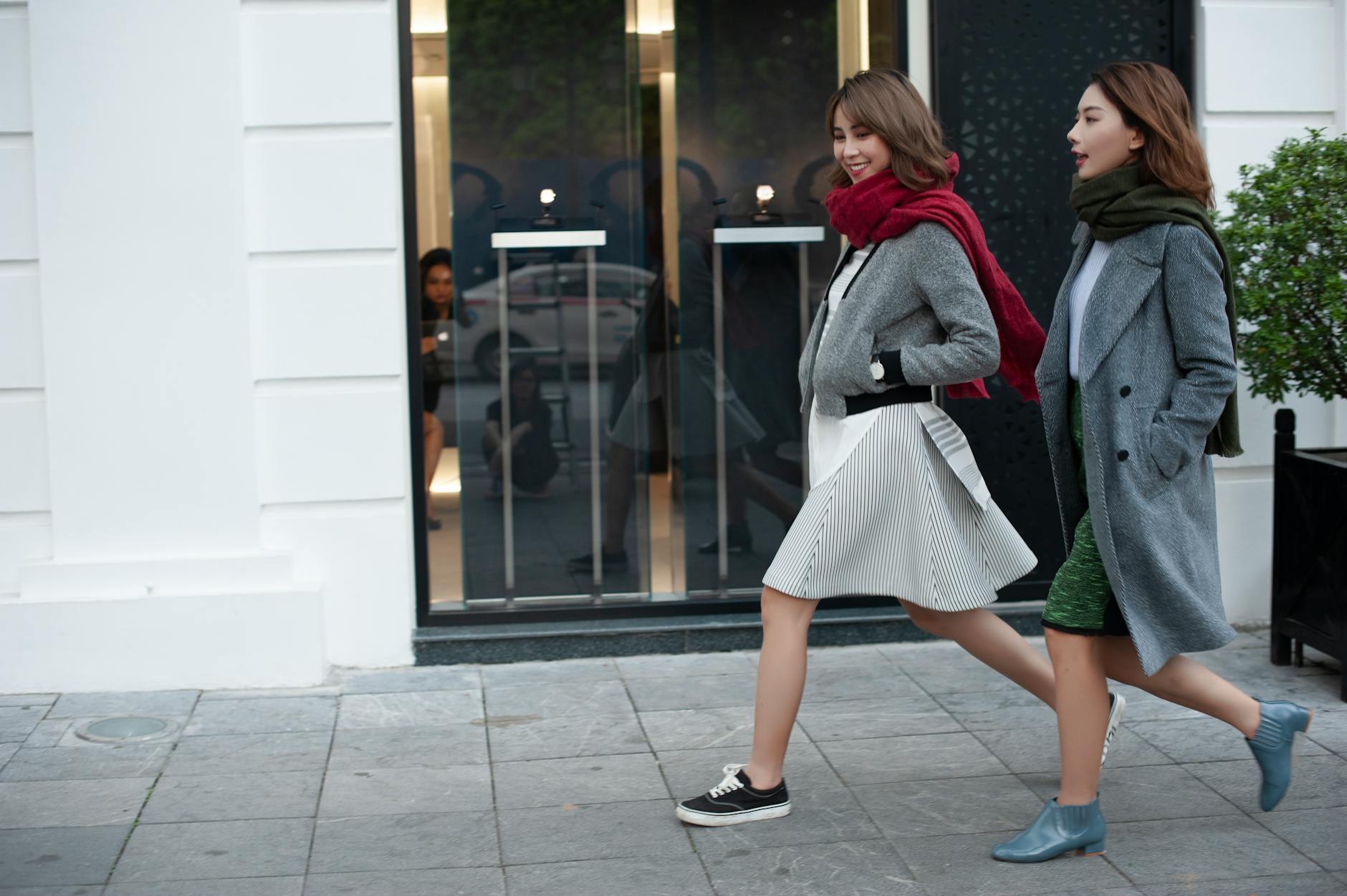
Packing modest layers only helps if you know where the bar actually sits — and it moves, sometimes within a hundred meters:
- Western Wall: shoulders and knees covered. Free cardboard kippot for men at the entrance, and attendants hand shawls to under-dressed visitors, so a slip-up costs only mild embarrassment. Details in our Western Wall guide.
- Temple Mount / Haram al-Sharif: the strictest site in the city, with nothing to borrow at the gate. Men need long trousers; women need loose long sleeves and ideally a headscarf. Tight leggings, sheer fabric, and knee-length shorts all get turned away.
- Church of the Holy Sepulchre: knees and shoulders covered, hats off for men; the wardens enforce it at the door. The same standard applies in most Old City churches.
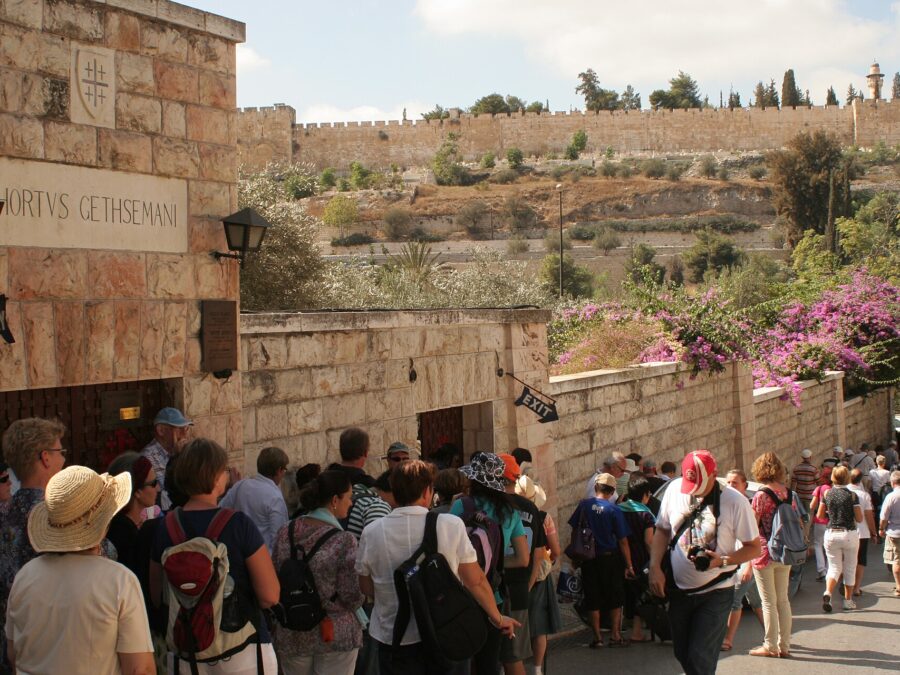
- Garden of Gethsemane, Dominus Flevit, Pater Noster: standard church modesty — the scarf in your bag solves it.
- Mea Shearim: a residential ultra-Orthodox quarter, not an attraction. Women should wear long skirts rather than trousers; everyone should cover arms and skip photographing residents.
The pattern: one packable scarf plus one pair of lightweight long trousers handles every site in the city. Hours and entry rules live in our holy sites guide, and our rundown of Jerusalem’s dress code covers what each entrance actually enforces.
Why Jerusalem’s Weather Surprises People
Jerusalem is a mountain city. At roughly 800 meters (2,600 feet), it runs 5–8°C cooler than Tel Aviv year-round, with dry air and a large day-night swing. Summer visitors who packed for the Mediterranean coast end up buying a fleece; winter visitors who expected desert heat discover that January here means 8–12°C days, rain in hard bursts, stone buildings that hold the cold, and a night or two each winter when snow actually settles on the Dome of the Rock. Our month-by-month temperature and rainfall figures let you pack to the real numbers rather than the averages you imagine.
The swing matters as much as the averages. An October day can open at 12°C and peak at 26°C, which is why every season’s list below leans on layers rather than single heavy items. And if your itinerary includes the Dead Sea — 430 meters below sea level and 15–20°C warmer — you will want a sweater and a swimsuit in the same daypack. Our day trips guide notes what each destination demands.
Packing by Season
Spring (March–May)
Best season overall. Warm days (20-25°C/68-77°F), cool nights (10-15°C/50-59°F). Pack light layers, one light jacket, no heavy coat.
Summer (June–August)
Hot and dry. 28-33°C/82-91°F days, 18-22°C/64-72°F nights. Pack breathable cotton/linen, multiple lightweight modest tops, sun hat, strong sunscreen. Note: modest dress still required at holy sites even in summer heat.
Autumn (September–November)
Warm days cooling to mild. 20-28°C/68-82°F. Pack like spring with one extra layer for late November.
Winter (December–February)
Cool and sometimes rainy. 8-15°C/46-59°F days, can drop to 3°C/37°F nights. Pack warm jacket (water-resistant ideal), sweater, scarf, waterproof shoes or boots. Snow is rare but possible 1-2 times per winter.
The Shoe Question, Settled
Every Jerusalem packing thread eventually becomes an argument about shoes, so here is the short version. The Old City is polished Ottoman-era stone — slick when wet, uneven everywhere, with shallow steps that appear without warning. Sneakers or trail runners with grippy rubber soles win. Leather-soled dress shoes are actively dangerous on rainy days, and brand-new shoes of any kind will produce blisters by day two; whatever you bring, put 20 kilometers on them at home first.
Sandals work in summer, with two caveats: closed toes survive the souk’s cart traffic better, and a normal sightseeing day here runs 15,000 steps or more, which open sandals handle worse than you hope. One walking pair plus one casual-dinner pair covers even a two-week trip.
Electronics
- Phone + charging cable.
- Portable charger (10,000+ mAh).
- Camera — smartphone works well; a mirrorless or DSLR shines at golden hour.
- European Type C plug adapter (Israel uses Type C/H, 230V).
- Headphones.
- Optional: small tripod for blue-hour photography.
Toiletries and Medication
- Sunscreen SPF 30+.
- Lip balm with SPF.
- Hand sanitizer.
- Tissue packets.
- Personal medication with extra supply (carry in original packaging).
- Band-Aids and blister pads — non-negotiable for Old City walking.
- Insect repellent for evening (especially summer).
- Travel pack of laundry soap for washing in hotel sinks.
Carry-On or Checked Bag?
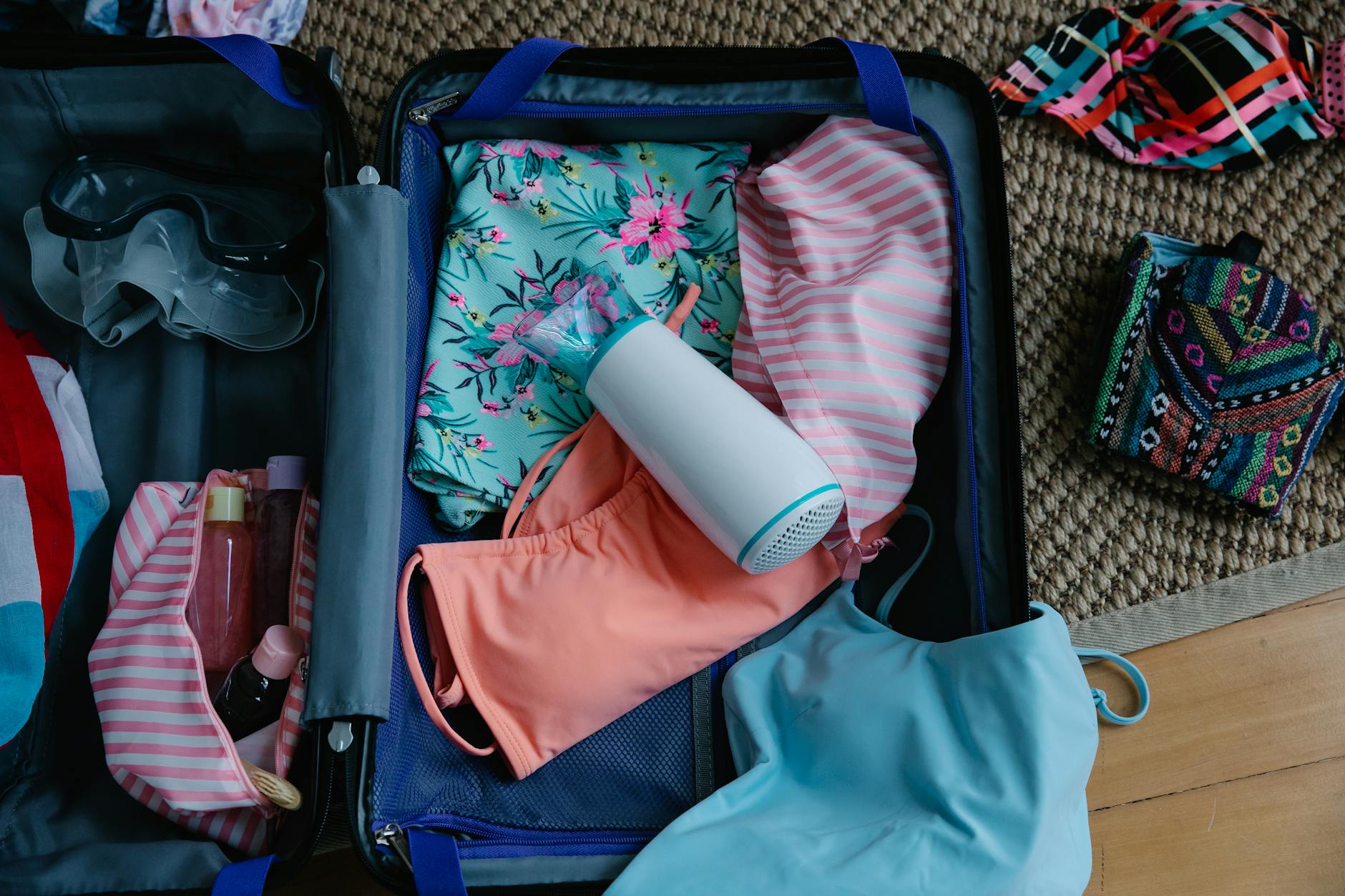
A week in Jerusalem fits comfortably in a carry-on, and there are two local reasons to try. First, if you stay inside the Old City, your bag travels the last stretch by hand over stone alleys and stairs — wheeled giants become a genuine ordeal, and porters charge 20–50 ILS. Second, Ben Gurion’s baggage halls slow noticeably around the holiday peaks, and a carry-on gets you to the Jerusalem train twenty minutes sooner. The exception: winter trips, when a real jacket and waterproof shoes push most travelers into a checked bag. If that’s you, keep one full modest outfit, medication, and your scarf in the cabin bag in case the rest arrives a day late. If your dates are still open, our guide to the best time to visit Jerusalem shows exactly which weeks those holiday peaks fall on.
Documents and Money
- Passport with at least 6 months validity. Carry a photocopy separately.
- Visa — most Western passport holders get a free 3-month tourist visa on arrival. Confirm with your embassy.
- Travel insurance documents.
- Credit/debit cards — notify your bank of travel.
- Small amount of cash in shekels on arrival; ATMs are widely available.
- Backup ID (driver’s license).
One change worth checking while you assemble that folder: since 2025 most visa-exempt visitors also need an approved ETA-IL before they fly, as our Israel entry requirements guide explains.
Forgot Something? What It Costs to Buy There
Nothing on this list is unobtainable in Jerusalem — the question is price and hassle. 2026 figures from the city’s pharmacies and shops:
- Sunscreen: 50–80 ILS at Super-Pharm (branches on Jaffa Road and in Mamilla) — roughly double typical US prices. Pack it.
- Scarf or shawl: 20–40 ILS in the Old City souk after friendly haggling. A decent souvenir anyway.
- Umbrella: 25–50 ILS; sellers materialize on Jaffa Road within minutes of the first winter rain.
- Blister pads and basic medication: Israeli pharmacies are excellent and pharmacists speak English; expect 20–40 ILS for blister care.
- Charger or plug adapter: 30–60 ILS at the electronics kiosks around Zion Square.
- SIM or eSIM: 60–100 ILS for a tourist data package in town, or buy an eSIM online before you fly for less.
- Modest clothing: Mamilla Mall has international chains, Jaffa Road has budget shops, and souk stalls sell light cotton trousers and shawls for 30–60 ILS.
Prescription medication is the one item with no workaround — bring your full supply in original packaging, plus a few spare days’ worth in your hand luggage.
Packing for Day Trips and Hikes
Most Jerusalem itineraries include at least one day outside the city, and each destination adds an item or two:
- Dead Sea: water shoes (the salt crust is sharp), flip-flops, an old swimsuit the minerals can stain, and plenty of drinking water. Leave jewelry at the hotel — salt and silver disagree.
- Masada: hiking the Snake Path for sunrise means starting in genuine cold and finishing in heat. Layers, a headlamp, and 2–3 liters of water per person.
- Trails near the city: the Sataf terraces and the spring paths around Ein Karem are fine in sturdy sneakers; proper hiking shoes earn their bag space only for Wadi Qelt or longer desert routes. See our hiking near Jerusalem guide.
- Bethlehem and other West Bank sites: passport required at the checkpoint, plus the same modest dress as Jerusalem churches.
What NOT to Bring
- Drones — illegal over the Old City and central Jerusalem. Confiscation possible.
- Religious texts of other faiths at the Temple Mount — restricted.
- Heavy formal wear — even the King David Hotel is dressy-casual.
- Too many shoes — one walking pair + one dressier is enough.
- Hair dryer — most hotels provide.
- Excessive cash — ATMs are plentiful.
Final Word: Pack Light, Layer Smart
What to pack for Jerusalem boils down to comfortable layers, modest options, and the right shoes. With those three, you’ll handle every situation — holy site visits, market grazing, sunset hikes, rooftop dinners — without fuss. Pair this with our Jerusalem Travel Tips, First Time Visiting Jerusalem guide, and Itinerary planner.