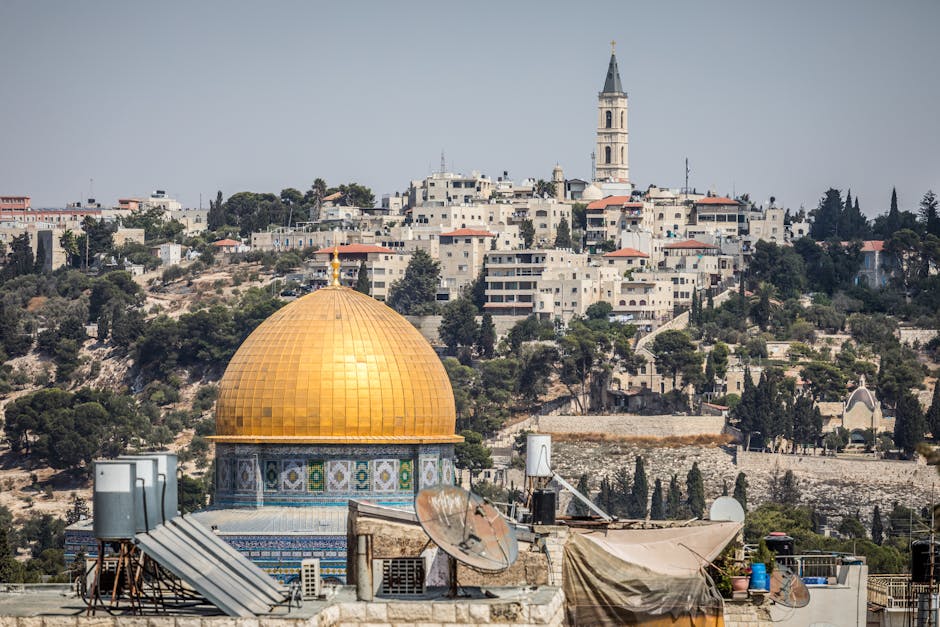
Jerusalem has a reputation as an expensive destination, but the truth is more nuanced. Hotels at the top tier are genuinely costly. The middle tier is fair. The bottom tier — hostels, falafel, free attractions — is one of the best price-to-experience ratios of any major city in the world. With smart planning, you can have a transformative Jerusalem trip on $50–$80 per day total. This guide shows how.
This is the complete Jerusalem on a budget guide for 2026 — accommodation, food, transit, attractions, and the money-saving habits that let backpackers stretch a week in Jerusalem to the cost of two nights at a luxury hotel. Pair this with our Jerusalem Travel Tips and Free Things to Do guide.

Daily Budget Tiers
- Shoestring ($35-50/day): Hostel dorm, falafel/hummus meals, free attractions only, walking everywhere.
- Budget ($55-90/day): Hostel private room or basic hotel, mix of street food and casual sit-down, 1-2 paid attractions, Light Rail.
- Mid-range ($120-200/day): 3-star or boutique hotel, sit-down restaurants, several paid attractions, taxis as needed.
Cheap Accommodation in Jerusalem
- Hostel dorm beds: $25-40/night. Best options: The Post Hostel, Abraham Hostel, Petra (inside Old City), HI Agron.
- Hostel private rooms: $70-120/night. Quieter than dorms, still half the price of a hotel.
- Christian guesthouses: $50-100/night. Atmospheric and inexpensive. See Christian Guesthouses guide.
- Airbnb in Nachlaot or Talbiya: $60-100/night for a private space.
- Heritage House: Free Jewish pilgrim guesthouse for travelers in their 20s-30s. Donation appreciated.
A note on what those bands buy. At $25–40 you get a clean dorm, lockers, strong Wi-Fi, and usually a rooftop social scene — Abraham and The Post both run free or cheap nightly events. At $70–120, a hostel private room feels like a simple hotel. Booking direct often shaves 5–10% off the listed rate, and winter prices drop by another third. If you want walls with history, the Austrian Hospice on the Via Dolorosa books out months ahead at around $100–150 a night; for the location, nothing at triple the price comes close.
Eating Cheap in Jerusalem
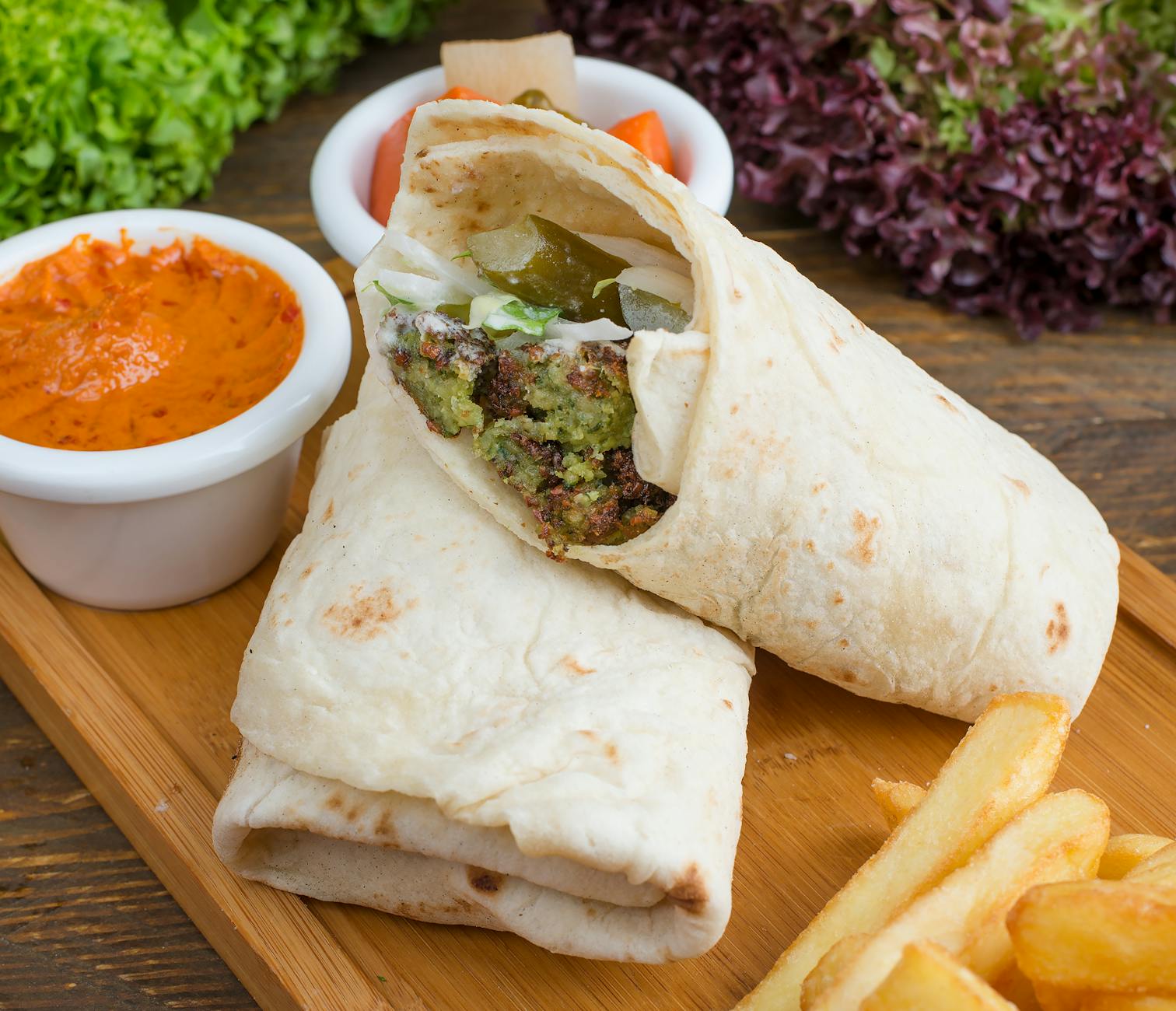
- Falafel wrap: $5-8 — try Shalom Falafel on Bezalel.
- Sabich: $8-12 — Aricha Sabich on Agripas 83.
- Hummus + pita: $6-10 — Lina or Abu Shukri in Old City.
- Sambusak, borekas, samboosak: $3-6 — Mahane Yehuda stalls.
- Mahane Yehuda Market lunch: $10-15 — Pasta Basta, Hamarakia.
- Supermarket meal prep: Rami Levy or Shufersal Deal for ingredients. Pita + hummus + tomatoes + olives = $5-7 picnic lunch.
- Free samples: Most spice, halva, cheese, and date vendors offer samples.
- Hostel kitchens: Cook your own breakfast.
- Free breakfast at hostels: Abraham, The Post, HI Agron include continental breakfast.
Cheap Transit
- Rav-Kav card — rechargeable smart card for buses and Light Rail. Get at major stations.
- Single ride: ~6 NIS ($1.70).
- Day pass: ~17.50 NIS ($5) — unlimited rides for the day.
- Train from Ben Gurion Airport: ~25 NIS ($7) instead of $80 private taxi.
- Walk most central trips — Jerusalem is compact.
- Avoid Shabbat transit costs by walking; private rides are pricey on Fridays after sunset.
The Rav-Kav, Explained Properly
Every bus and Light Rail ride in Jerusalem runs on the Rav-Kav, a rechargeable green smart card, and the system confuses more visitors than it should. The card itself costs 5 ILS from ticket machines at Yitzhak Navon station, at Light Rail stops along Jaffa Road, or at the CityPass service center; an anonymous card works fine for tourists. Load credit with cash or a foreign card at any machine.
The numbers that matter in 2026: a single ride is 6 ILS and includes free transfers between bus and Light Rail for 90 minutes. Daily spending caps at roughly 17.50 ILS, after which the rest of the day rides free — so you never need to calculate whether a day pass is worth it. The airport train to Yitzhak Navon costs about 25 ILS and draws on the same card. One card per person, and drivers no longer sell rides for cash.
If you would rather skip the card entirely, the HopOn and Moovit apps sell QR-code rides at the same prices. Honestly, though, central Jerusalem is so compact that many budget travelers spend under 20 ILS on transit across a whole week.
Free and Cheap Attractions
- Western Wall — free, 24/7.
- Church of the Holy Sepulchre — free.
- Mount of Olives Viewpoint — free.
- Old City walking — free.
- Via Dolorosa — free.
- Yad Vashem — free, closed Saturday.
- Knesset and Supreme Court tours — free.
- Mahane Yehuda Market — free to wander.
- Garden of Gethsemane — free.
- Garden Tomb — free.
- Tip-based walking tours — Sandeman’s, Abraham Hostel daily 11 AM. Tip 50-100 NIS.
- Israel Museum free days — periodic; check website.
- Free music and cultural events — Light Festival, Festival of Light, Sukkot, Hanukkah candle-lighting.
See our complete 25 Free Things to Do in Jerusalem guide.
A Full Day of Eating for Under 100 Shekels
Here is what a real, satisfying food day looks like at 2026 prices — no cooking required:
- Breakfast (12–20 ILS): a cheese boureka and black coffee from a Mahane Yehuda bakery, or free toast and eggs if your hostel includes breakfast.
- Lunch (25–38 ILS): hummus with fresh pita at Abu Shukri in the Old City or Lina nearby — both around 30 ILS and genuinely filling. Hummus joints close by late afternoon, so this is firmly a lunch move. Our best hummus guide ranks the contenders.
- Snack (8–15 ILS): halva grazing through the market, a kanafeh slice, or fresh pomegranate juice.
- Dinner (30–50 ILS): sabich at Aricha on Agripas, a shawarma laffa near Damascus Gate, or a heaping bowl at Pasta Basta inside the market.
Total: 75–110 ILS, about $20–30, eating extremely well. For the stall-by-stall map, see our Mahane Yehuda food guide.
Paid Attractions Worth the Money
- Western Wall Tunnels: ~40 NIS ($12). Best value paid attraction in the Old City.
- City of David + Hezekiah’s Tunnel: ~35-40 NIS. Unique experience.
- Tower of David Museum: ~50 NIS. Citadel + 360° view.
- Lutheran bell tower: ~15 NIS. Best price-to-view ratio in the city.
- Israel Museum: ~54 NIS. Free for kids under 5.
A Zero-Shekel Sightseeing Day
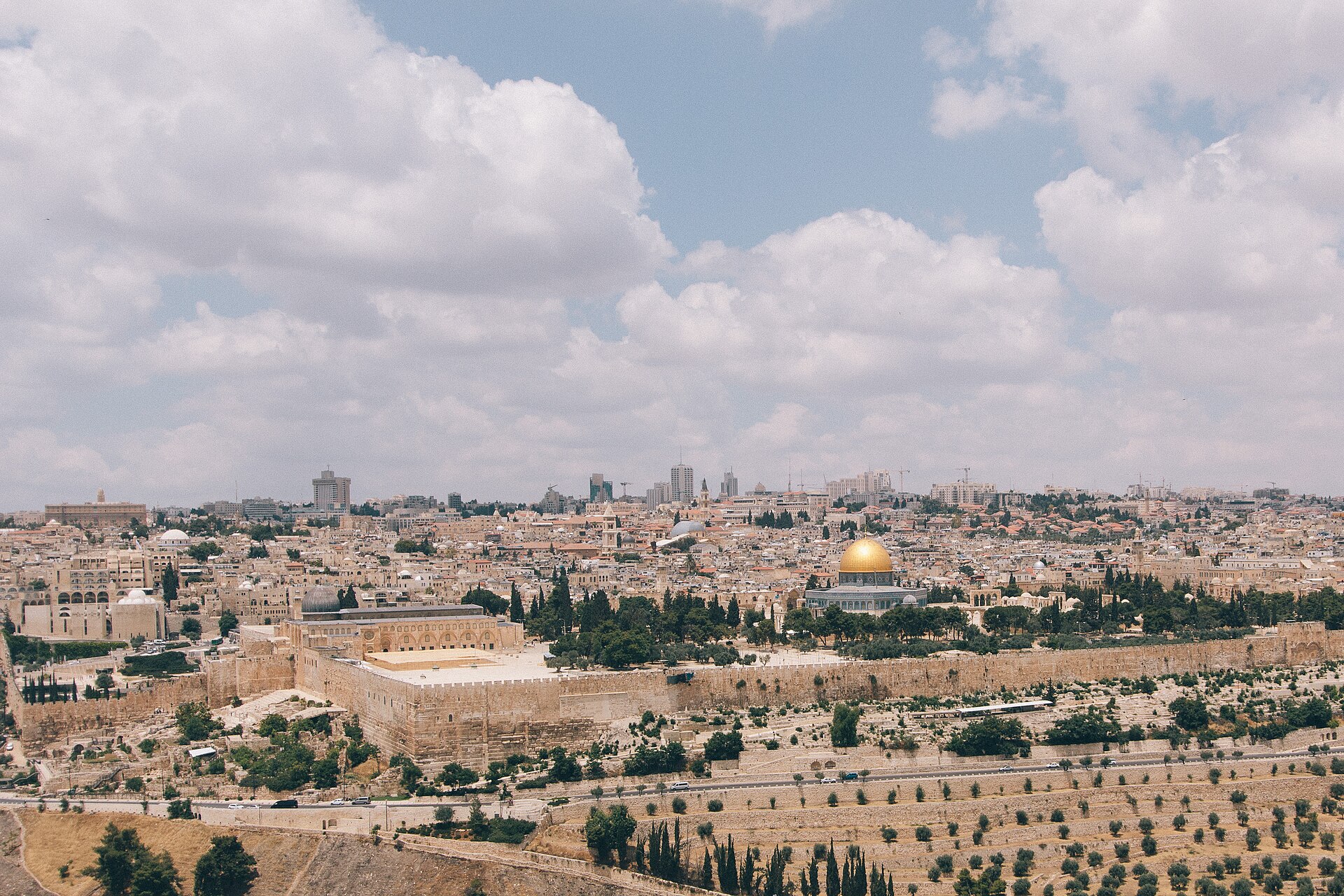
One of Jerusalem’s quiet miracles: the most famous sights charge nothing. Start at the Western Wall at 7 AM, before the crowds. Walk the Via Dolorosa as the souk shutters rattle open, and give the Church of the Holy Sepulchre a full, unhurried hour. After a market lunch, cross the Kidron Valley to the Garden of Gethsemane, then climb the Mount of Olives for the panorama every photographer in history has shot — free, and best from mid-afternoon onward as the light warms the Dome of the Rock.
That single day covers more world heritage than most cities offer at any price. Our self-guided walking tour strings it together with turn-by-turn directions and timing notes. Stretch the same free-first approach across a weekend with our short two-day Jerusalem visit, which keeps almost every highlight on the no-cost list.
Shabbat Without Spending Extra
Friday sunset to Saturday night is where unprepared budgets leak. Transit stops, kosher restaurants close, and the taxi apps add a weekend premium of 30–50%. The fix is simple: shop at Mahane Yehuda on Friday morning — vendors discount bread and produce hard in the last hour before closing — and stock pita, hummus, olives, and fruit for about 30–40 ILS. That covers Friday dinner and Saturday lunch.
Then treat Saturday as your big walking day. The Old City stays open, East Jerusalem and the Christian Quarter restaurants keep serving, and the streets of the Jewish quarters are at their calmest. When the city reopens Saturday night, join locals for the week’s liveliest dinner shift — and its business-lunch prices do not apply, so this is the night to keep it cheap with street food.
Top Money-Saving Tips
- Refillable water bottle. Tap water is safe; saves $3-5/day on bottled water.
- Cook some meals. Hostel kitchens + Rami Levy groceries save substantially.
- Take tip-based tours instead of paid guided tours. 50-100 NIS tip vs $80-150 paid.
- Visit Yad Vashem and Knesset for free instead of paying for similar museums.
- Off-season travel (Nov-March, avoiding holidays) cuts hotel rates 30-50%.
- Avoid taxis for short rides — most central trips are walkable.
- Skip alcohol. Israeli wine is good but at $10-15 a glass at sit-down places, adds up fast. Drink coffee or fresh juice.
- Couchsurfing for free lodging — Jerusalem has an active host community.
- Book direct. Most hostels offer 5-10% off direct bookings.
- Eat your big meal at lunch. Many restaurants offer business lunch specials.
Day Trips Without the Tour-Bus Markup
Organized day trips are where budgets quietly die — $90–150 per person for destinations you can often reach by public bus. The do-it-yourself versions:
- Bethlehem: Arab bus 231 or 234 from the Damascus Gate station, about 8–10 ILS each way, 40 minutes. Walk or share a taxi up to the Church of the Nativity. Total day cost under 40 ILS versus $80+ on a tour.
- Dead Sea: Egged bus 486 from the Central Bus Station, roughly 40–50 ILS round trip. Kalia Beach charges around 60 ILS entry; check beach status before you go, as access points change.
- Ein Karem: technically still Jerusalem — Light Rail to Mount Herzl plus a short bus ride or a 25-minute downhill walk. A village afternoon for the cost of one transit fare.
Masada is the one trip where a tour earns its price, since sunrise timing beats any bus schedule. Compare options in our day trips guide.
When the Same Trip Costs Half
Timing moves your budget more than any other single decision. From mid-November through mid-March — Christmas week excepted — Jerusalem hotel rates fall 30–50%, and the $40 dorm becomes a $25 dorm. The trade-off is real winter: this is a mountain city at 800 meters, so expect 8–15°C days, cold rain, and nights near 5°C. Pack a proper jacket (our packing list has the winter specifics) and you will have the Old City’s alleys nearly to yourself.
The dates to avoid on a budget: Passover and Easter week (usually April), Sukkot (September or October), and July–August, when school holidays push everything up 30% or more. Shoulder months — May, early June, late October — split the difference: decent weather, fair prices.
Sample One-Week Budget
- Hostel: $30/night × 7 = $210
- Food: $20/day × 7 = $140
- Transit: $5/day × 7 = $35
- Paid attractions: 3 × $15 = $45
- Day trip (shared): $50
- Tour tips: $20
- Buffer/extras: $50
Total: ~$550 for one week in Jerusalem on a tight budget. Shorter stays scale down almost linearly, so it pays to settle how many days in Jerusalem you actually need before booking, then run any of the day-by-day Jerusalem itineraries at these prices.
Jerusalem’s public transport got more useful in August 2026, when the Green Line opened alongside the original Red Line, giving the city its first light rail network. One fare includes free transfers between tram and bus within a time window, which makes a day of sightseeing cheap if you plan your route. Our Jerusalem light rail guide lists the best stops for visitors.
Final Word: Jerusalem Might Be the Best Cheap City on Earth
Jerusalem on a budget reveals what the city is actually about — the free walking, the cheap food, the holy sites, the streets themselves. Wealthy travelers see the same things, just from inside more comfortable hotels. Pair this with our Free Things to Do guide, Budget Hotels guide, and the stalls and street eats worth hunting down.
Photo Credits
The Old City from the Mount of Olives: Mount of Olives, Jerusalem (Unsplash) by Rob Bye robertbye, CC0, via Wikimedia Commons.