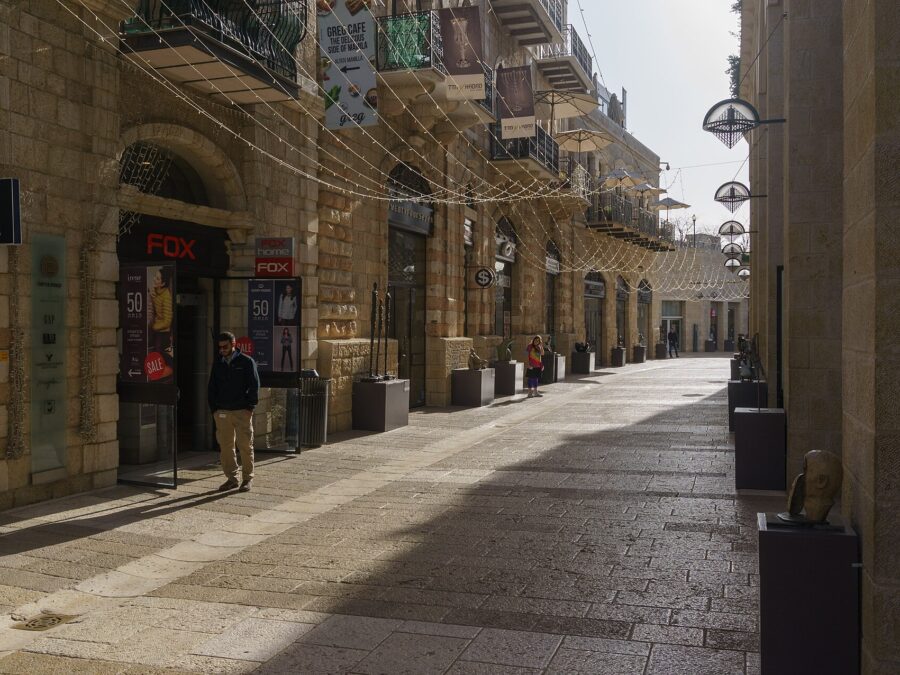
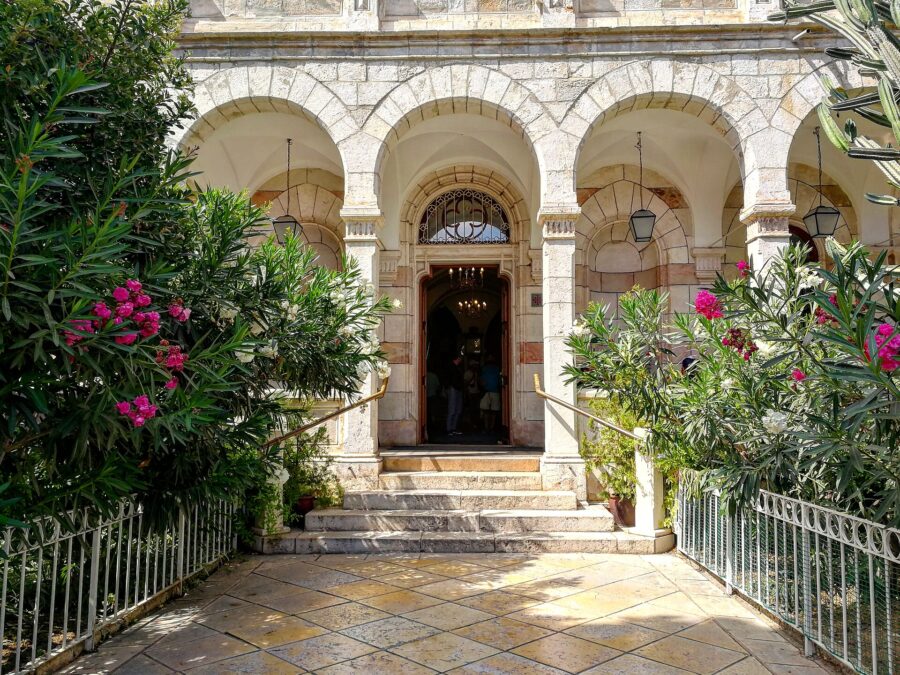
Choosing the right neighborhood is the most important decision a Jerusalem visitor makes. The city is small enough to walk between major districts, but each neighborhood has a fundamentally different character — luxury and shopping in Mamilla, leafy residential calm in the German Colony, foodie nightlife around Mahane Yehuda, ancient stone alleys in the Old City, residential tranquility in Talbiya. The neighborhood you choose shapes the rhythm of every day of your trip.
This guide is the most complete resource on the best neighborhoods in Jerusalem to stay for tourists, updated for 2026. Below you’ll find a detailed profile of each major area: who it’s best for, what’s nearby, what to expect for restaurants and shopping, recommended hotels, and the practical considerations (transit, walkability, safety, kid-friendliness) that should shape your decision. Pair this with our Where to Stay in Jerusalem guide and the specific hotel guides linked throughout.
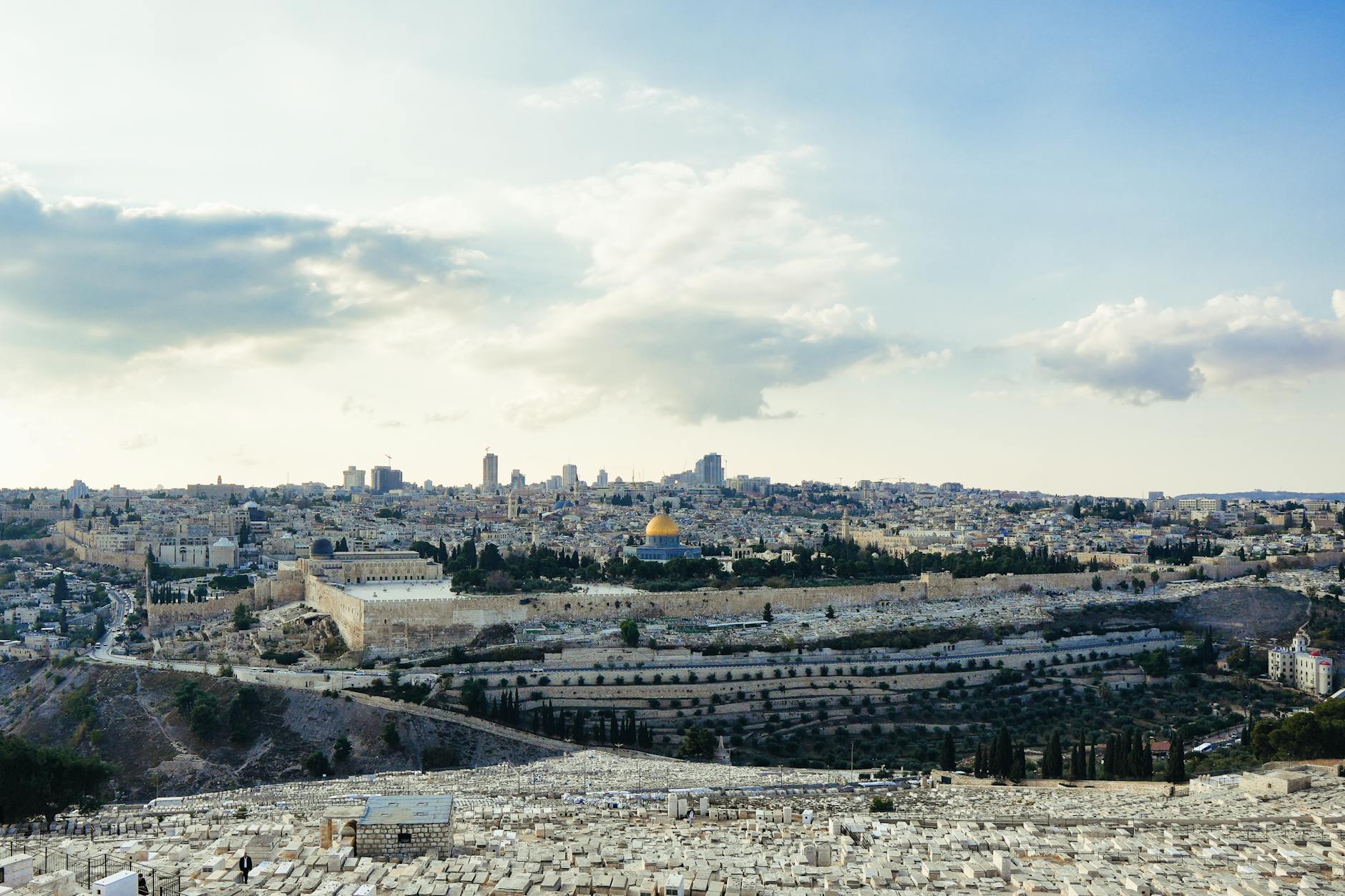
How to Choose Your Jerusalem Neighborhood
Three questions will narrow your choice quickly:
- What’s your top priority? Old City proximity → Mamilla or Old City. Foodie/nightlife → Mahane Yehuda. Quiet residential → German Colony or Talbiya.
- What’s your budget? Luxury → Mamilla. Mid-range → Mahane Yehuda or Nahalat Shiv’a. Budget → Mahane Yehuda or Old City.
- How long are you staying? 1–3 nights: stay closer to Old City (our classic three-day Jerusalem plan assumes exactly that). 4+ nights: residential neighborhoods like German Colony or Talbiya let you experience local life.
1. Mamilla — Luxury & Shopping
Best for: Luxury travelers, first-time visitors, those wanting to be steps from the Old City.
Vibe: Upscale, polished, busy with tourists.
Walkability: Excellent. Old City is a 2-minute walk via Mamilla Mall.
Hotels: The most concentrated luxury district — Mamilla Hotel, Waldorf Astoria, David Citadel, King David. Plus several mid-tier options.
Restaurants: Mamilla Mall has chains (Aroma, Café Café) and several upscale restaurants. Better dining lies a few minutes away in other neighborhoods.
Shopping: Mamilla Mall is the city’s premier open-air pedestrian shopping street.
Drawbacks: Tourist-heavy; not the most authentic local atmosphere.
See our Best Luxury Hotels in Jerusalem guide for full property reviews, and our standalone Mamilla Hotel review for the neighborhood’s namesake property.
2. Old City — Inside the Walls
Best for: Travelers wanting the most atmospheric, deep-immersion stay.
Vibe: Historic, sometimes intense by day, profoundly quiet by night.
Walkability: All Old City sites within 5–10 minutes; modern city outside the gates.
Hotels: Limited but distinctive — Austrian Hospice, Lutheran Guesthouse, Hashimi Hotel, Petra Hostel, Notre Dame (just outside New Gate).
Restaurants: Hummus Lina, Abu Shukri, Austrian Hospice café, Armenian Tavern. Most close after dark.
Drawbacks: Most accommodations are basic; few elevators; uneven stone.
See our dedicated Best Hotels in Jerusalem Old City guide. Two sub-categories worth knowing: the pilgrim houses covered in our Christian guesthouses guide (the Austrian Hospice and Lutheran Guesthouse are the standouts), and the Jewish Quarter options in our hotels near the Western Wall roundup.
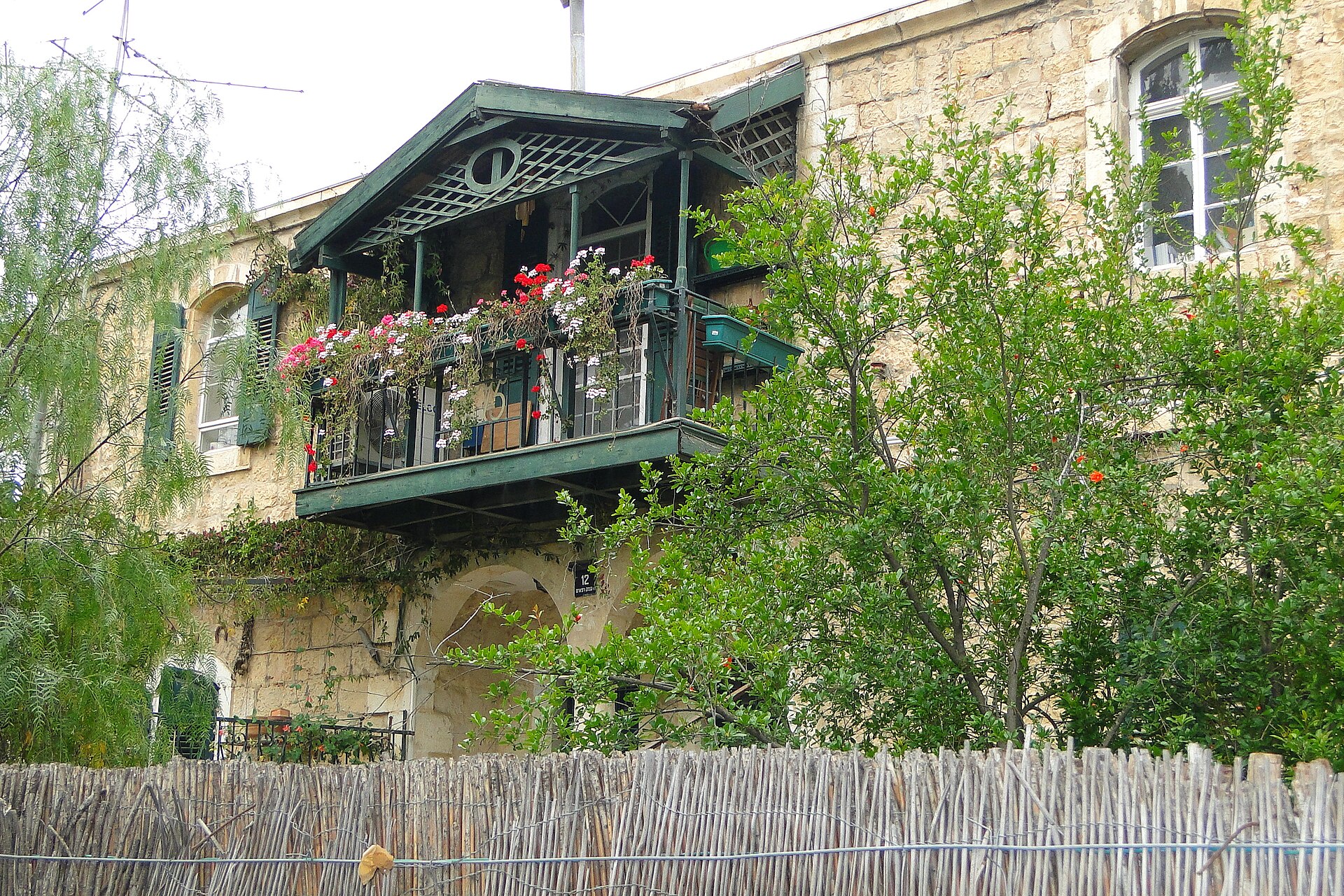
3. German Colony (Moshava) — Leafy Residential Charm
Best for: Families, longer stays, travelers wanting authentic local life.
Vibe: Charming, leafy, restored late-Ottoman German Templer houses.
Walkability: Excellent within the neighborhood. 25 minutes’ walk to Old City; 5 minutes by taxi.
Hotels: The Orient Jerusalem (boutique-luxury), small inns, vacation rentals.
Main street: Emek Refaim — Jerusalem’s prettiest pedestrian-friendly avenue, lined with boutique cafés, ice cream shops, restaurants, and small shops. Café Kadosh has the best pastries in the city.
Drawbacks: Limited hotel inventory; further from the Old City. For full property picks here, see our family hotels in Jerusalem guide — several of its best entries cluster in the German Colony and neighboring Baka.
4. Baka — Family Territory South of the Tracks
Best for: Families on longer stays, vacation-rental travelers, anyone who wants the German Colony at slightly lower prices.
Vibe: Residential and unhurried — restored Arab houses with arched windows, young families, a strong Anglo expat presence.
Walkability: Excellent locally; 30–35 minutes’ walk to Jaffa Gate, or 10 minutes to First Station and onward by bus or taxi.
Hotels: Almost none — this is vacation-rental country, and the inventory is deep and well-priced ($120–$250/night for full apartments).
Main street: Derech Beit Lechem (Bethlehem Road), a low-key strip of bakeries, café-restaurants like Grand Café, and neighborhood shops. First Station’s restaurants and weekend events sit at the neighborhood’s northern edge.
Drawbacks: The farthest “central” option from the Old City; near-total Shabbat shutdown; you’ll use taxis or buses daily if sightseeing is your priority.
5. Mahane Yehuda & Nachalaot — Foodie Heart
Best for: Foodies, young travelers, nightlife lovers, design-savvy travelers.
Vibe: Loud and lively by day (the famous market), genuinely buzzing after 8 PM with bars.
Walkability: 15-minute walk to Old City and Mamilla.
Hotels: Bezalel Hotel, Stay Inn Hostel, Market Courtyard Suites, several mid-budget options. Brown Machne Yehuda for design-forward stays.
Highlights: Mahane Yehuda Market by day; the bar district that emerges after the shutters close at night; Solomon Souza’s 250+ painted shutter portraits revealed only when the market closes. Our Mahane Yehuda food guide maps the stalls worth queuing for.
Drawbacks: Can be noisy; not the best for very early sleepers.
6. Talbiya — Quiet Residential Elegance
Best for: Mature travelers, longer stays, those wanting calm.
Vibe: Tree-lined streets, restored 1920s–1940s villas, quiet.
Walkability: 15-minute walk to Old City and city center; well-served by buses.
Hotels: Villa Brown Jerusalem, Prima Royale.
Highlights: Old-Jerusalem aesthetic, beautiful gardens, the Israel Museum is nearby.
Drawbacks: Fewer dining options inside the neighborhood.
7. Nachalat Shiv’a & City Center — Lively Pedestrian Core
Best for: Travelers wanting easy access to everything, mid-budget.
Vibe: 19th-century pedestrian alleys with galleries and cafes; busy.
Walkability: 10 minutes to Old City and 5 minutes to Mahane Yehuda.
Hotels: Harmony Hotel, Arthur Hotel, Jacob Harmony Hotel.
Highlights: Boutique galleries, jewelry studios, wine bars, the city’s pedestrian core.
Drawbacks: Can be crowded; some properties are older buildings without elevators.
8. East Jerusalem — Near Damascus Gate
Best for: Travelers wanting authentic Arab East Jerusalem character; budget-conscious.
Vibe: Lively, mixed Arab-Christian-Muslim neighborhoods; less polished than West Jerusalem.
Walkability: 10 minutes to Damascus Gate; somewhat fewer Western dining options.
Hotels: American Colony Hotel (legendary), Jerusalem Hotel, National Hotel, St. George’s Cathedral Pilgrim Guesthouse.
Highlights: Cellar Bar at the American Colony; access to Damascus Gate market.
Drawbacks: Some travelers find West Jerusalem more familiar; check current travel advisories before booking.
9. Ein Kerem — Village Outside the City
Best for: Couples, romantic getaways, longer stays seeking a quiet retreat.
Vibe: Picturesque village with stone alleys, Christian churches, boutique restaurants.
Walkability: Within the village; 20 minutes by taxi to Old City; bus 28.
Hotels: Alegra Boutique Hotel, Khan Ein Karem.
Highlights: Mary’s Spring, Church of the Visitation, Sataf hike trailhead, romantic restaurants.
Drawbacks: Not a base for high-tempo Old City sightseeing.
10. Rechavia & Shaarei Chesed — Modernist Calm
Best for: Mature travelers, longer stays, modernist architecture lovers.
Vibe: Quiet residential with 1930s Bauhaus architecture, leafy streets.
Walkability: 15 minutes’ walk to Old City and Mamilla.
Hotels: Limited; mostly vacation rentals and small inns.
Highlights: Architecture, parks, walking distance to Mahane Yehuda.
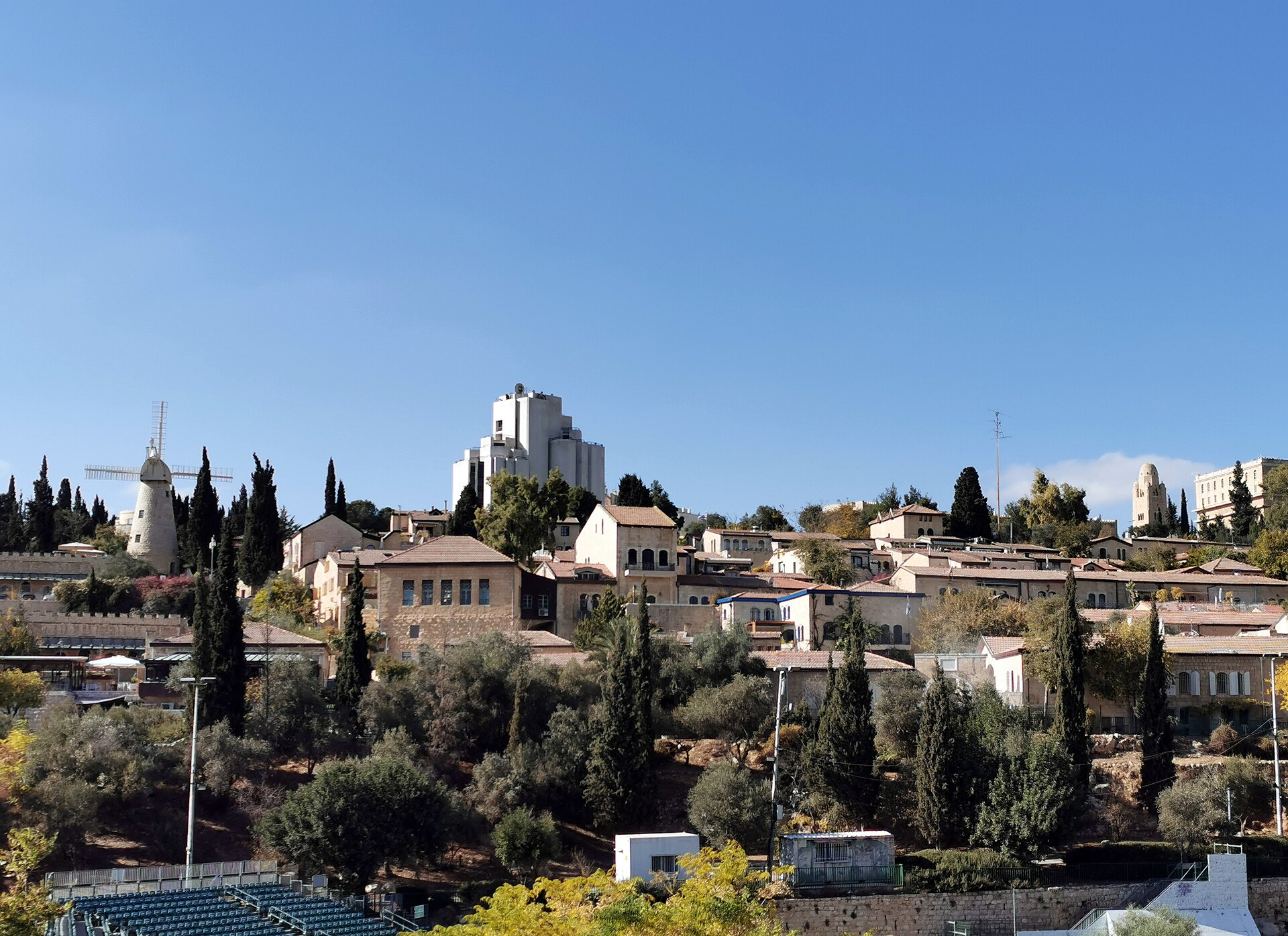
11. Liberty Bell Park & Yemin Moshe — Old-City-Adjacent
Best for: Travelers wanting a quiet, photogenic base with luxury options.
Vibe: Yemin Moshe is the city’s prettiest 1860s neighborhood; Liberty Bell Park is a wide green space.
Walkability: 5–10 minutes to Old City.
Hotels: Inbal Jerusalem, several Yemin Moshe villas.
Highlights: Montefiore Windmill views, photogenic alleys, walking distance to everything.
Quick Neighborhood Comparison
- Most central / luxury: Mamilla
- Most atmospheric: Old City
- Most family-friendly: German Colony and Baka
- Most foodie: Mahane Yehuda & Nachalaot
- Quietest residential: Talbiya, Rechavia
- Most pedestrian-lively: Nachalat Shiv’a
- Most authentic Arab: East Jerusalem
- Best for couples / village vibe: Ein Kerem
- Best photo & near Old City: Yemin Moshe
The Trade-Offs Nobody Mentions
Every neighborhood guide lists the upsides. Here’s what actually surprises people after check-in.
- The Shabbat shutdown is real. From Friday mid-afternoon to Saturday after dark, West Jerusalem — Mamilla’s shops, Mahane Yehuda, Emek Refaim, Jaffa Road — closes almost completely, and the Light Rail stops running. If your only full day in the city is a Saturday, base yourself near the Old City or in East Jerusalem, where the Christian and Muslim Quarters and the Damascus Gate area trade normally.
- Noise has a religious schedule. Near the Muslim Quarter and Damascus Gate, the muezzin’s call starts around 4:30 AM; near the Christian Quarter, church bells take over from 6. In Nachalaot and around the market, bar noise runs to 1–2 AM Thursday through Saturday night. Yemin Moshe and Talbiya are the genuinely silent options.
- Old City stays involve cobblestones and stairs. Cars can’t reach most addresses inside the walls — you’ll wheel your suitcase from Jaffa Gate over uneven stone, and Yemin Moshe, for all its postcard looks, is built almost entirely on staircases. Travelers with mobility issues should book Mamilla or King David Street instead.
- Light-rail access is uneven. The Red Line serves Jaffa Road, Mahane Yehuda, and Damascus Gate brilliantly; the German Colony, Baka, and Ein Kerem barely benefit. If you won’t rent a car, that’s a daily 25–45 ILS taxi habit from the southern neighborhoods.
- Price bands, roughly: Mamilla $350–900; Old City $60–250 (guesthouses and small hotels); City Center/Nachalat Shiv’a $150–300; Mahane Yehuda $90–250; German Colony and Baka $120–300 (mostly rentals, plus the Orient at $400+); East Jerusalem $80–450 (National Hotel to American Colony); Ein Kerem $180–350.
Practical Tips by Neighborhood
- Light Rail access: Mamilla, Mahane Yehuda, Mount Herzl, and Damascus Gate (East Jerusalem) all have Light Rail stops. German Colony and Talbiya require a 10-min walk to nearest stop.
- Friday-Saturday Shabbat: Mamilla, Mahane Yehuda, Nachalat, German Colony, Talbiya, Rechavia largely shut from Friday afternoon to Saturday evening. East Jerusalem and the Christian Quarter remain open.
- Parking: Available at Mamilla (paid), King David Street, German Colony streets. Old City parking near Jaffa Gate (Karta).
- Best for short stays (1–3 nights): Mamilla or Old City. Walk to everything.
- Best for longer stays (5+ nights): German Colony or Talbiya. Live like a local.
- Best for honeymoons: Ein Kerem or Mamilla.
- Best for digital nomads: Mahane Yehuda or Nachalat Shiv’a — cafés, fast Wi-Fi, walkability.
Getting Between Neighborhoods
- Walk: Most central neighborhoods (Mamilla, Old City, Mahane Yehuda, Nachalat, Yemin Moshe) are within 15–25 minutes of each other.
- Light Rail Red Line: Connects Mount Herzl through Damascus Gate. Useful for Yad Vashem and Mahane Yehuda.
- Buses: Comprehensive but require Hebrew or app navigation.
- Taxis: Use Gett or Yango apps. Most rides under 30 NIS within central neighborhoods.
- Walking distances:
– Mamilla → Old City: 2 min
– Mamilla → Mahane Yehuda: 15 min
– German Colony → Old City: 25 min
– Old City → Mount of Olives: 30 min (uphill)
Final Word: Pick the Vibe, Then the Hotel
The biggest mistake we see Jerusalem visitors make is picking a hotel based on price or chain affiliation alone, then realizing on day 1 that the neighborhood doesn’t match their travel style. Pick the vibe first — luxury, foodie, residential, atmospheric, romantic, family — and then choose the property within that neighborhood. The right neighborhood will make every day of your trip feel naturally flowing rather than logistically taxing.
Pair this with our Where to Stay in Jerusalem guide, the Best Luxury Hotels guide, the Best Budget Hotels guide, and the Best Boutique Hotels guide to dial in the perfect property.
Photo Credits
An old stone house on Emek Refaim Street in the German Colony: Architecture in the German Colony – Jerusalem – Israel – 01 (5681306162) by Adam Jones from Kelowna, BC, Canada, CC BY-SA 2.0, via Wikimedia Commons.
Yemin Moshe and the Montefiore Windmill seen from the Hinnom Valley: PikiWiki Israel 59663 yemin moshe neighborhood by ישראל פרקר, CC BY 2.5, via Wikimedia Commons.