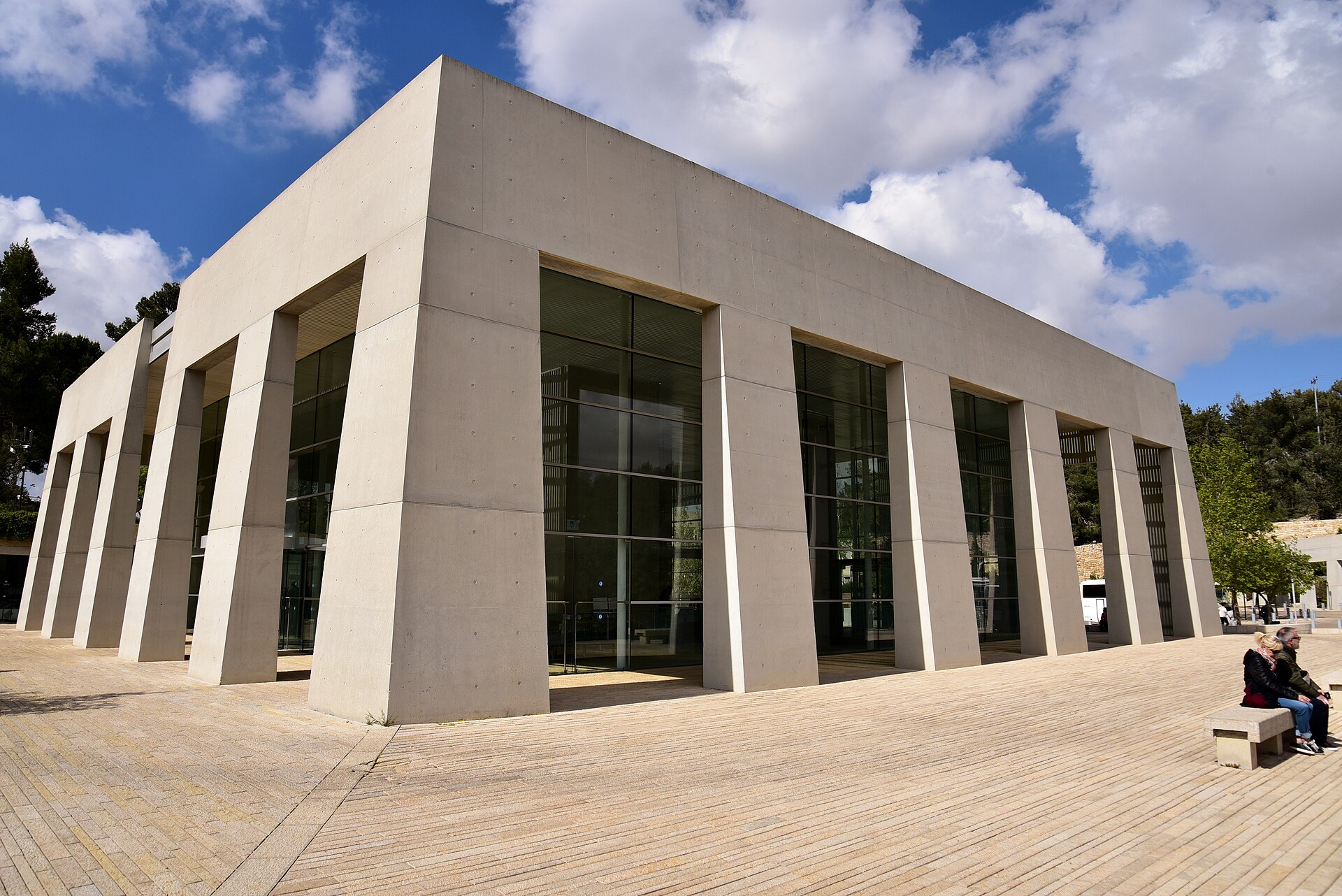
Visiting Yad Vashem with children is one of Jerusalem’s most powerful and most demanding family experiences. Yad Vashem’s official policy is clear: entry to the Holocaust History Museum is permitted only from age 10 and up, with ID, and children under 10, including babies in strollers or carriers, are not admitted to the museum because the historical material is too intense. The wider memorial campus is open to all ages. Many parents go further than the minimum and wait until 12 or 13, and Israeli school groups typically visit around eighth grade. This guide explains the age rules, which parts of the site suit younger visitors, how to prepare a child, and how to help them process what they see.
Approach this guide as a companion to our parent Jerusalem with kids guide and our general Yad Vashem visitor guide, which covers the museum in full for adult visitors.
Why Families Choose to Visit
Some parents wonder whether a Holocaust memorial belongs on a family trip at all. For many, the answer is yes, with the right child and the right preparation. Yad Vashem is not designed as entertainment; it is a place of memory and education, and an older child who has begun to learn about the Holocaust at school can find a visit clarifying rather than simply distressing. Seeing names, faces, and personal objects gives a human scale to something that can otherwise feel abstract. Just as important, the site does not dwell only on cruelty: the Avenue of the Righteous and the stories of rescue show children that people made brave, moral choices even in the darkest circumstances. Approached thoughtfully, visiting Yad Vashem with children becomes a conversation about memory, responsibility, and resilience rather than a single overwhelming morning.
Age Rules and Recommendations
It helps to separate the official rule from the judgment call. The rule applies to the main Holocaust History Museum. The judgment call is about your particular child, since maturity varies widely at these ages and the subject matter is heavy by design.
- Under 10: not admitted to the Holocaust History Museum, by official policy. The rest of the campus is open to them.
- Ages 10 to 12: permitted to the museum with a parent’s discretion; preview the content and choose a focused route.
- Ages 13 to 15: the age at which most Israeli school groups visit.
- Ages 16 and up: ready for the full experience.
- Every child differs: only you can judge your child’s emotional readiness.
If You Are Traveling With Younger Children
Because under-10s cannot enter the museum, families with mixed-age children need a plan, and it is worth sorting out before you arrive rather than at the entrance. The grounds are extensive and meaningful in their own right, so one parent can stay with younger children in the open-air memorials while another takes an older child or teen through the museum, then swap roles for a coffee and a debrief. Areas generally open to all ages include the Hall of Remembrance, the Avenue of the Righteous Among the Nations, the outdoor monuments, and the Valley of the Communities. These spaces are quiet and reflective rather than graphic, and they give younger children a way to take part respectfully without exposure to the museum’s hardest images.
Preparing Children Beforehand
Preparation makes the difference between a visit that lands meaningfully and one that overwhelms. Talk about it at home first, at a level that fits your child, so the day is not the first time they encounter these ideas. Children who arrive with some background, whether from a book, a class, or a family conversation, tend to engage rather than freeze, and they ask better questions. Keep the framing honest but not gratuitous: the goal is understanding and remembrance, not shock.
- Read together first: age-appropriate books such as Number the Stars or The Diary of Anne Frank give context.
- Explain prejudice and the Holocaust honestly, at a level the child can handle.
- Give it a purpose: remembering the victims, honoring survivors, and standing against hatred today.
- Set expectations: the exhibits are upsetting, and it is okay to feel sad.
- Agree a signal the child can use if they need to step out of a room.
- Plan a debrief: protected time afterward to talk it through.
Where to Focus With Older Children
With a 10-to-13-year-old, do not try to see everything. Choose two or three areas, weighting the visit toward sections that personalize the history or offer a counterweight of courage and hope rather than the most graphic galleries.
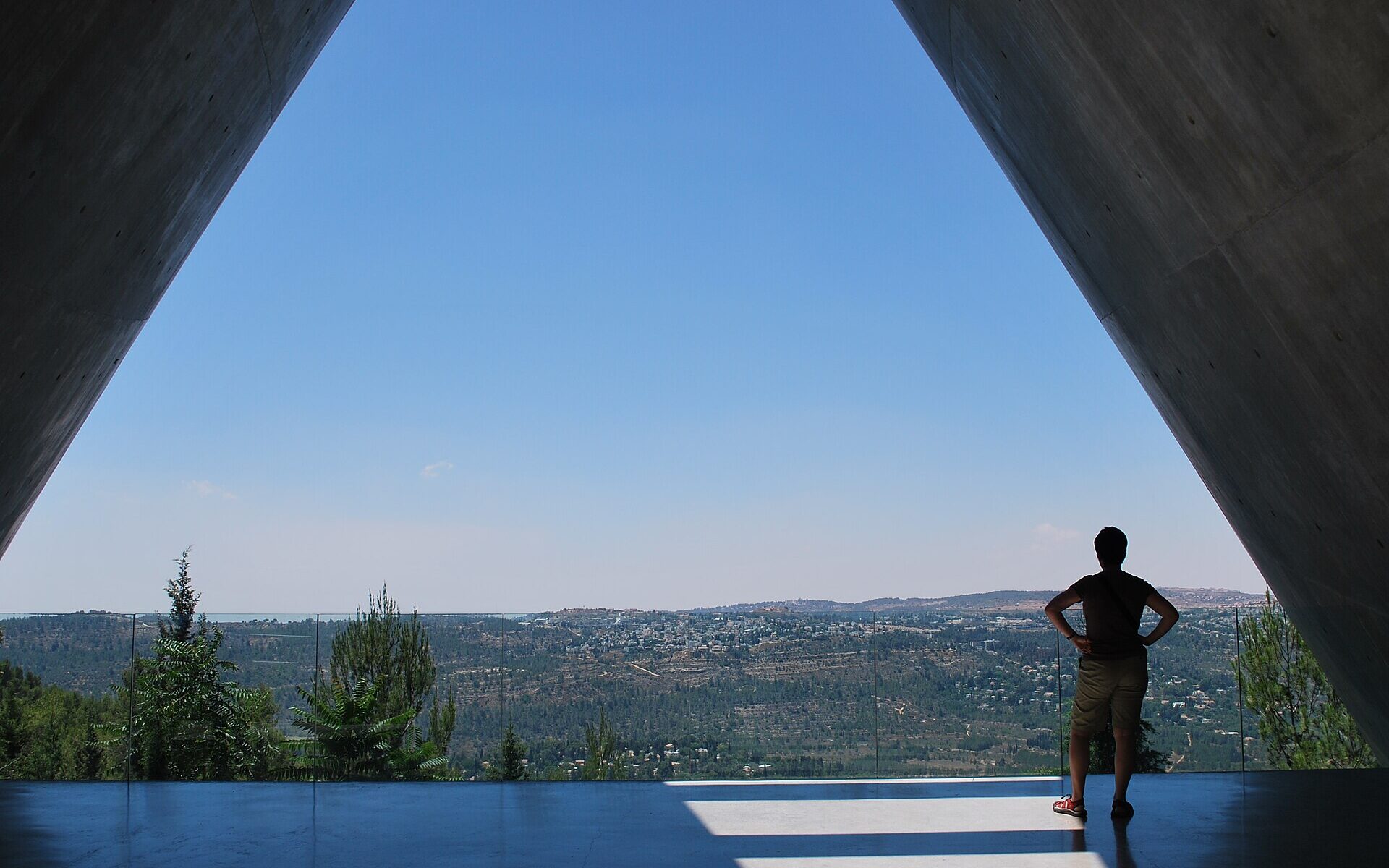
The Holocaust History Museum tells the story chronologically, beginning with Jewish life in Europe before the war, moving through the rise of Nazism, the ghettos, and the camps, and ending with liberation and the survivors who rebuilt their lives. The prism-shaped building cuts through the hillside and opens at the end onto a bright view of Jerusalem, a deliberate move from darkness toward light. Knowing this arc in advance helps you pace a visit with a child and reassure them that the path leads somewhere hopeful.
The Children’s Memorial
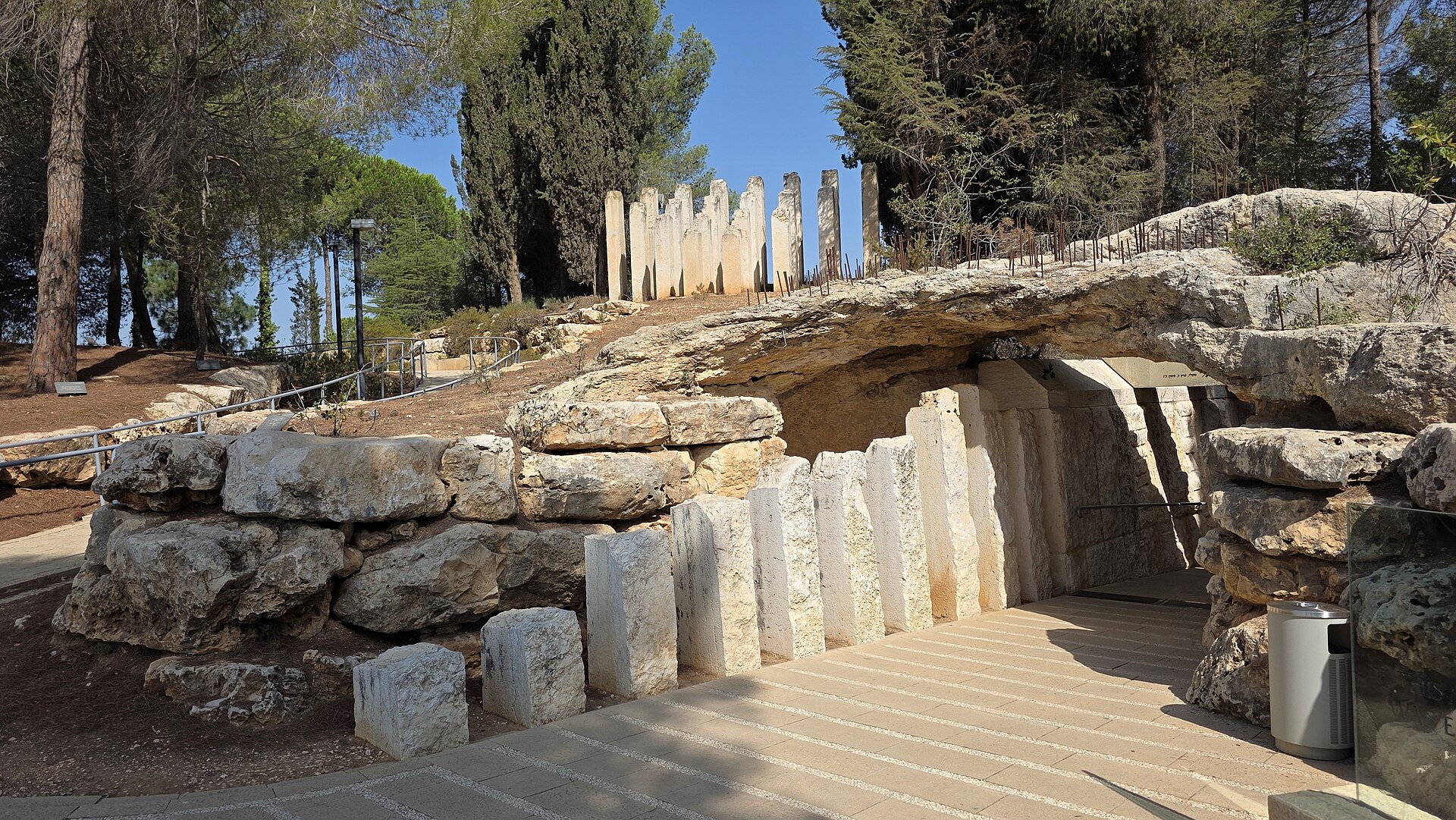
Designed by the architect Moshe Safdie, the Children’s Memorial commemorates the roughly 1.5 million Jewish children murdered in the Holocaust. Inside, a small number of memorial candles are reflected endlessly by mirrors into what looks like a sky full of stars, while a recorded voice reads the names, ages, and countries of children. It is brief, dark, and deeply affecting rather than graphic, and many families find it the most powerful stop on the grounds.
- Best for ages: generally 10 and up, with many parents preferring 12 and up.
- What to expect: darkness, candlelight, and spoken names; short but unforgettable.
Hall of Names
- A circular hall lined with photographs of victims and their Pages of Testimony.
- It turns an unimaginable number into individual faces and names.
- Part of the main museum, so the 10-plus rule applies.
Avenue of the Righteous Among the Nations
- An outdoor path and garden honoring non-Jews who risked their lives to save Jews.
- Stories of courage that balance the darkness of the museum.
- Honorees include Oskar Schindler and Raoul Wallenberg, among thousands.
- Open to all ages and a good place to start or end with children.
Synagogue and Visual Center
- The synagogue holds artifacts rescued from destroyed European communities, with a focus on memory and renewal.
- The Visual Center offers curated films and survivor testimonies; ask staff for age-appropriate choices.
What to Approach With Care
Some parts of the Holocaust History Museum are graphic, and it is reasonable to move a younger teen through them quickly or skip them entirely. Walk ahead and preview where you can, and trust your read of your child in the moment; there is no obligation to linger in a gallery that is clearly too much. The point is comprehension and respect, not endurance.
- Sections on the death camps: some galleries include difficult historical photographs.
- Graphic imagery in parts of the chronological exhibition.
- Long testimony films can be a lot for the youngest permitted visitors.
- Resist completeness: a focused two or three areas is better than the whole museum.
Practical Information
Yad Vashem sits on the Mount of Remembrance next to Mount Herzl, reachable on the Light Rail Red Line. The Biblical Zoo in Malha is a short ride further south, which helps if younger children need somewhere to be while an older sibling goes through the museum. Entry is free, though a reservation may be required at busy times and for guided tours, so check the official site before you go. The campus closes for Shabbat and Jewish holidays, which catches many visitors out.
| Detail | Information |
|---|---|
| Entry | Free; donations welcome |
| Museum age policy | 10 and up only, with ID |
| Hours | Sun-Wed about 9am-5pm, Thu until later, Fri about 9am-2pm |
| Closed | Saturday (Shabbat) and Jewish holidays |
| Getting there | Light Rail to Mount Herzl, then a short walk or shuttle |
| Audio guides | Available in several languages (small fee) |
| Time needed | 2 to 5 hours depending on age |
For transport timings and the Shabbat closure, see our transportation guide and Shabbat guide.
How Long to Plan
- With kids aged 10 to 12: 2 to 3 hours, focused.
- With teens 13 and up: 3 to 5 hours.
- With young adults: a half-day or more.
- Add debrief time: at least an hour together quietly afterward.
Talking About It Afterward
The conversation after the visit matters as much as the visit itself. Let your child lead, validate whatever they feel, and keep it open rather than turning it into a lesson.
- How did you feel? Accept all of it, including numbness or confusion.
- What surprised you? Often it is a single personal story.
- What is our responsibility? Remembering, and standing against prejudice now.
- The rescuers: who were the Righteous, and what did they risk?
- Today: where do hatred and intolerance still show up, and how do we respond?
- Connect it to school history, books, and films they know.
Practical Tips for Families
- Avoid Friday: hours are short and the site is busy before the Shabbat closure.
- Carry water: the campus is large, partly outdoors, and can be hot in summer.
- Wear comfortable shoes: expect a lot of walking across the hillside campus.
- Eat lightly beforehand: heavy content and a heavy meal do not mix.
- Stay flexible: be ready to leave early if a child is overwhelmed.
- Plan something gentle afterward: the nearby Botanical Gardens, a quiet park, or a simple ice cream gives everyone room to decompress.
For a calm follow-on, our parks guide and kid-friendly attractions guide suggest places to land after a heavy morning, and our family day-planner shows how to schedule a visit so it does not anchor the whole day.
A Meaningful Visit, Handled With Care
Visiting Yad Vashem with children aged 10 and over can be one of the most meaningful experiences a family shares in Jerusalem. Respect the museum’s age policy, prepare your child in advance, choose a focused route, and protect time afterward to talk. Handled with care, it teaches both the depths of human cruelty and the courage of those who resisted it. Plan around it with our suggested family schedules and our broader Yad Vashem guide.
Photo Credits
The balcony at the end of the Holocaust History Museum, Yad Vashem: View from Yad Vashem (2658883450) by Chadica from Jerusalem, Israel, CC BY 2.0, via Wikimedia Commons.
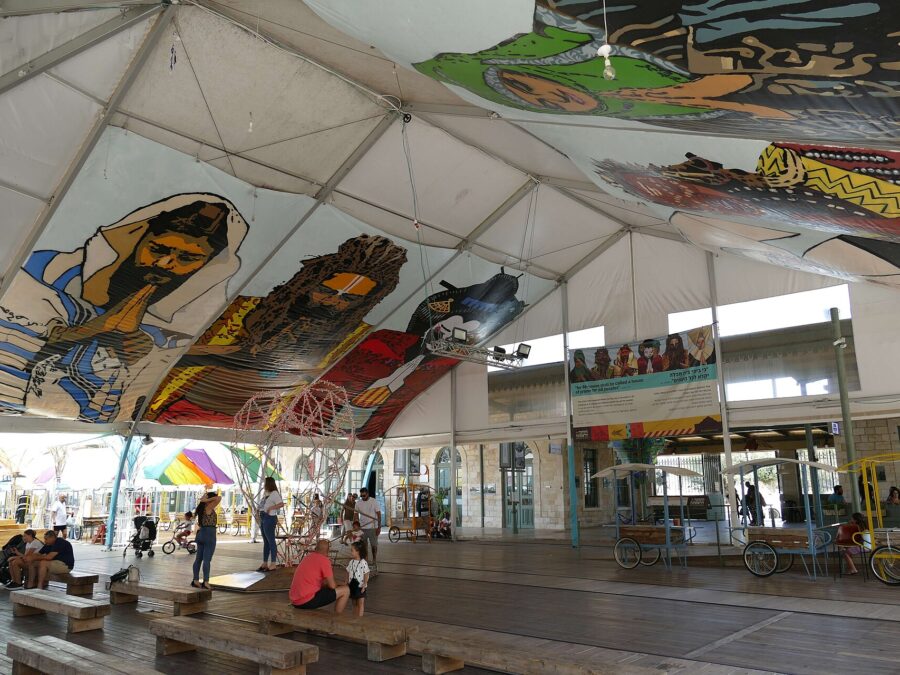
The visitors’ centre on the entrance plaza at Yad Vashem: Visitors’ Center, Yad Vashem, 2019 (02) by Bahnfrend, CC BY-SA 4.0, via Wikimedia Commons.
The entrance to the Children’s Memorial at Yad Vashem: 135879 yad laeled yad vashem jerusalem PikiWiki Israel by זאב שטיין, CC BY 2.5, via Wikimedia Commons.