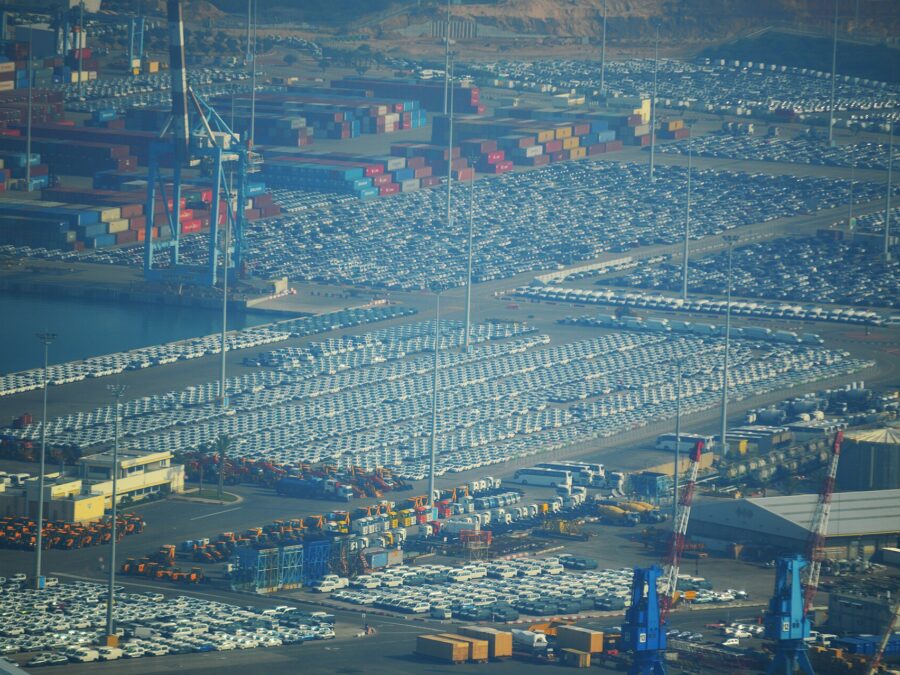
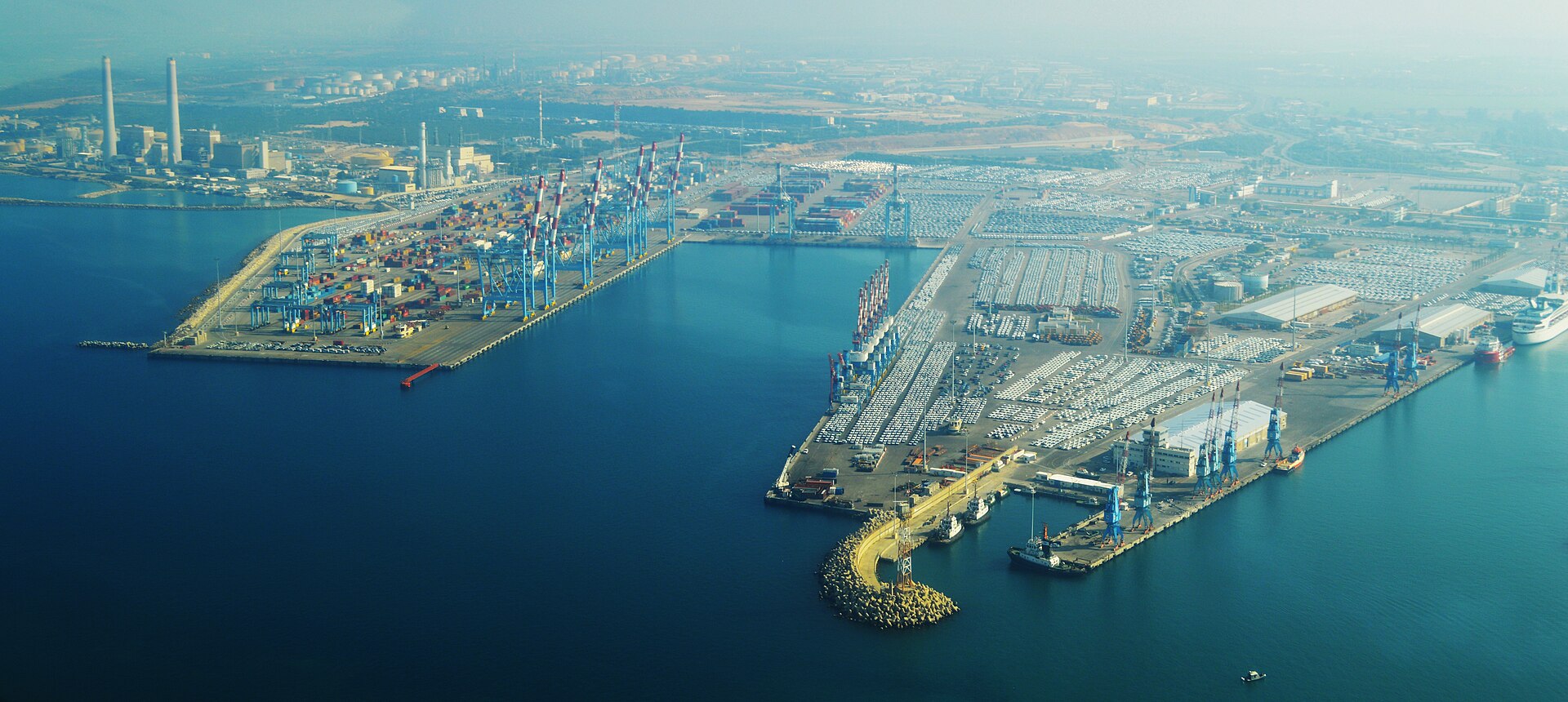
Check the itinerary on almost any Eastern Mediterranean cruise that stops in Israel and you will find a port called something like “Jerusalem (Ashdod)”. It is a generous piece of labelling. The ship ties up inside one of the busiest cargo harbours in the country, between the container cranes and acres of newly imported cars, seventy kilometres and a range of hills away from the Old City. There is no Jerusalem cruise port, because Jerusalem is eight hundred metres above sea level and a long way inland. What there is instead is a very full day, a hard deadline and a decision that has to be taken before you leave home.
This page is the starting point for anyone reaching Jerusalem from a cruise ship. It covers the two ports that serve the city, how long it really takes to get there, what the ship will and will not do for you, the ways to spend the day, what is closed on which day of the week, how Bethlehem fits in, what to wear and carry, and what to cut when time runs short. Travel times and arrangements were checked in September 2026. Cruise itineraries in the region have been changing at short notice since 2023, so treat everything here as a guide to planning rather than a guarantee that your ship will call.
Jerusalem From a Cruise Ship at a Glance
| Ashdod | Haifa | |
|---|---|---|
| Where | Southern coast, south of Tel Aviv | Northern coast, below Mount Carmel |
| Road distance to Jerusalem | About 70 km | About 150 km |
| Typical drive | 1 hour to 1 hour 30 minutes | 2 hours to 2 hours 30 minutes |
| Time in Jerusalem on a typical call | 5 to 6 hours | 3 to 4 hours |
| Can you walk out of the port? | No | Terminal is close to the city centre, but Jerusalem is not walkable |
| Best use of the day | Jerusalem, or Jerusalem with Bethlehem | Galilee and Nazareth, Akko, or Haifa itself; Jerusalem only if it is the one thing you came for |
| Other options | Dead Sea and Masada, Tel Aviv and Jaffa | Caesarea, Rosh HaNikra, the Bahá’í Gardens |
Are Cruise Ships Calling in Israel?
It is the first question to answer, because it changes everything else. After October 2023, almost every major cruise line removed Israeli ports from its itineraries, typically substituting Cyprus, Greece or Turkey. The picture in 2026 is a gradual return rather than a full one. Haifa Port opened a new cruise terminal for the 2026 season, built for two large ships at once, with 28 border-control booths, and some international lines have published autumn 2026 calls there. Israeli operator Mano Maritime runs short cruises out of Haifa. Other lines, including some of the largest, said in 2026 that they intended to return when regional conditions allowed, without naming dates.
The practical consequences:
- Read the small print. Most cruise contracts allow the line to change or drop a port for security reasons without compensation beyond any port taxes.
- Do not prepay non-refundable private tours far in advance unless the operator offers a full refund if the call is cancelled. Reputable Israeli shore-excursion companies know the risk and generally do.
- Check official travel advice for Israel, Jerusalem and the West Bank in the week you sail, and check both the US State Department and the UK Foreign, Commonwealth and Development Office pages if you hold either passport, as their positions are not always the same. Your travel insurance may depend on it. Our Jerusalem safety guide explains how to read that advice; this page does not tell you whether to go.
The Two Ports That Serve Jerusalem
Ashdod: The Jerusalem Port
Ashdod, on the southern coast, is the port that cruise lines sell as Jerusalem, and for good reason: it is the closest deep-water harbour to the city. The drive runs east across the coastal plain, joins Route 1 near Latrun and climbs through the Judean Hills, arriving at the western edge of the city. With no traffic it is a little over an hour; with morning traffic on Route 1 it can be an hour and a half or more, and the return in the late afternoon is often slower.
The cruise berth is inside a commercial port with strict security, and pedestrians are not allowed to walk through the working harbour to the gate. Passengers leave by ship tour coach, by the tour operator’s vehicle collecting them at the pier, or by taxi or port shuttle to the gate. Ashdod itself is a modern city with good beaches and very little of interest to a one-day visitor, which is why almost nobody spends a port day there.
From Ashdod a day in Jerusalem gives you, realistically, five to six hours in the city. That is enough for the Old City’s essentials, or the Old City plus the Mount of Olives viewpoint, or a shorter Old City visit plus Bethlehem. It is not enough for all three done properly, and pretending otherwise is how passengers end up running for the gangway.
Haifa: The Northern Port
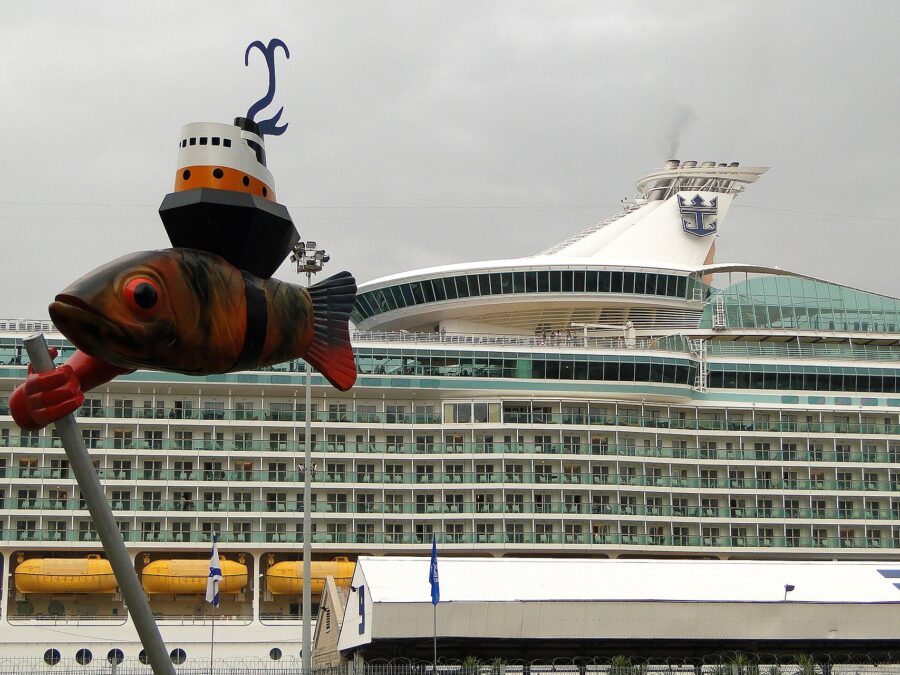
Haifa’s port sits at the foot of Mount Carmel, right beside the lower city, and the new terminal is a short hop from Haifa’s own sights and railway. The problem is distance. Jerusalem is about 150 kilometres away, which means two to two and a half hours each way by road, and four to five of your hours on a coach.
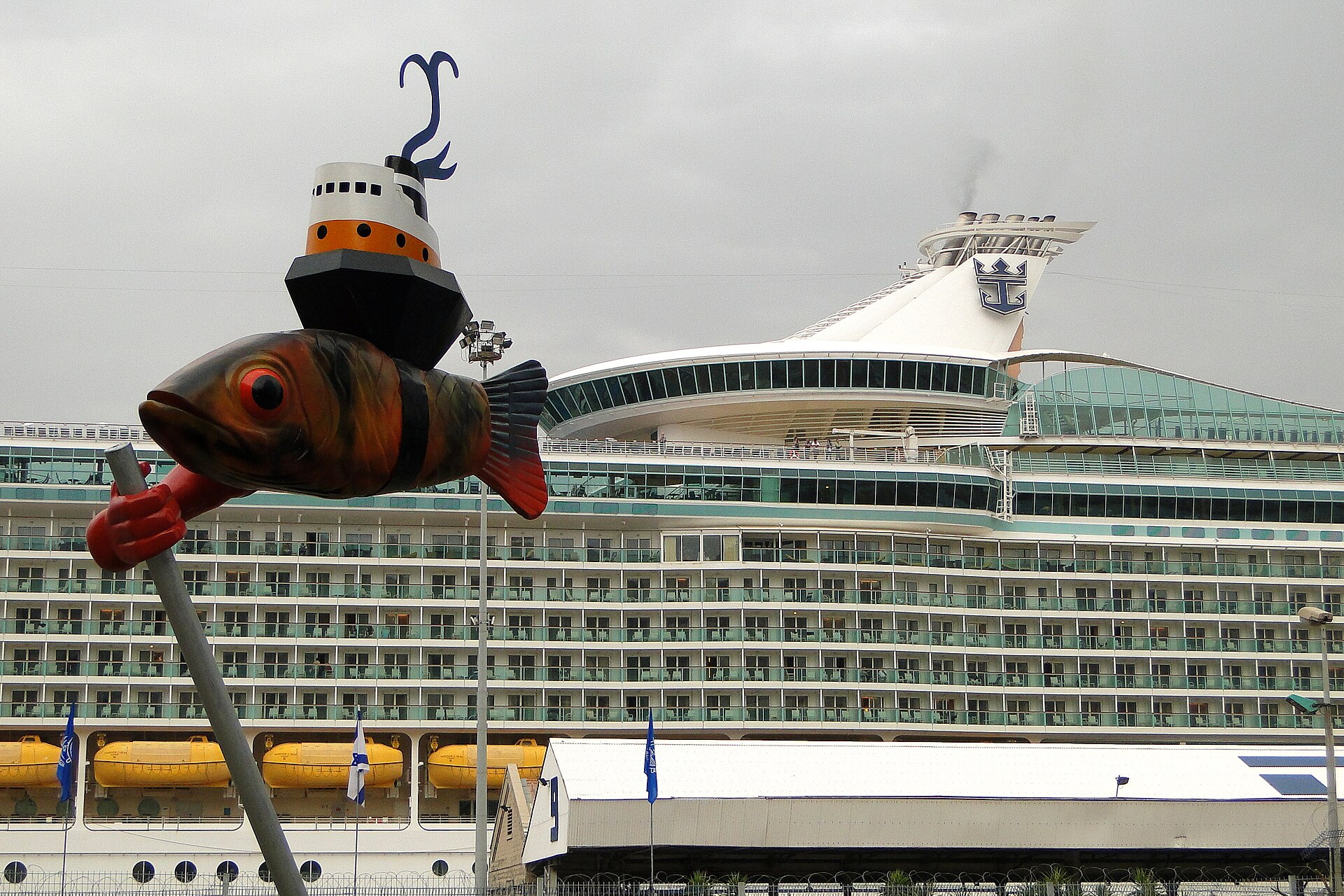
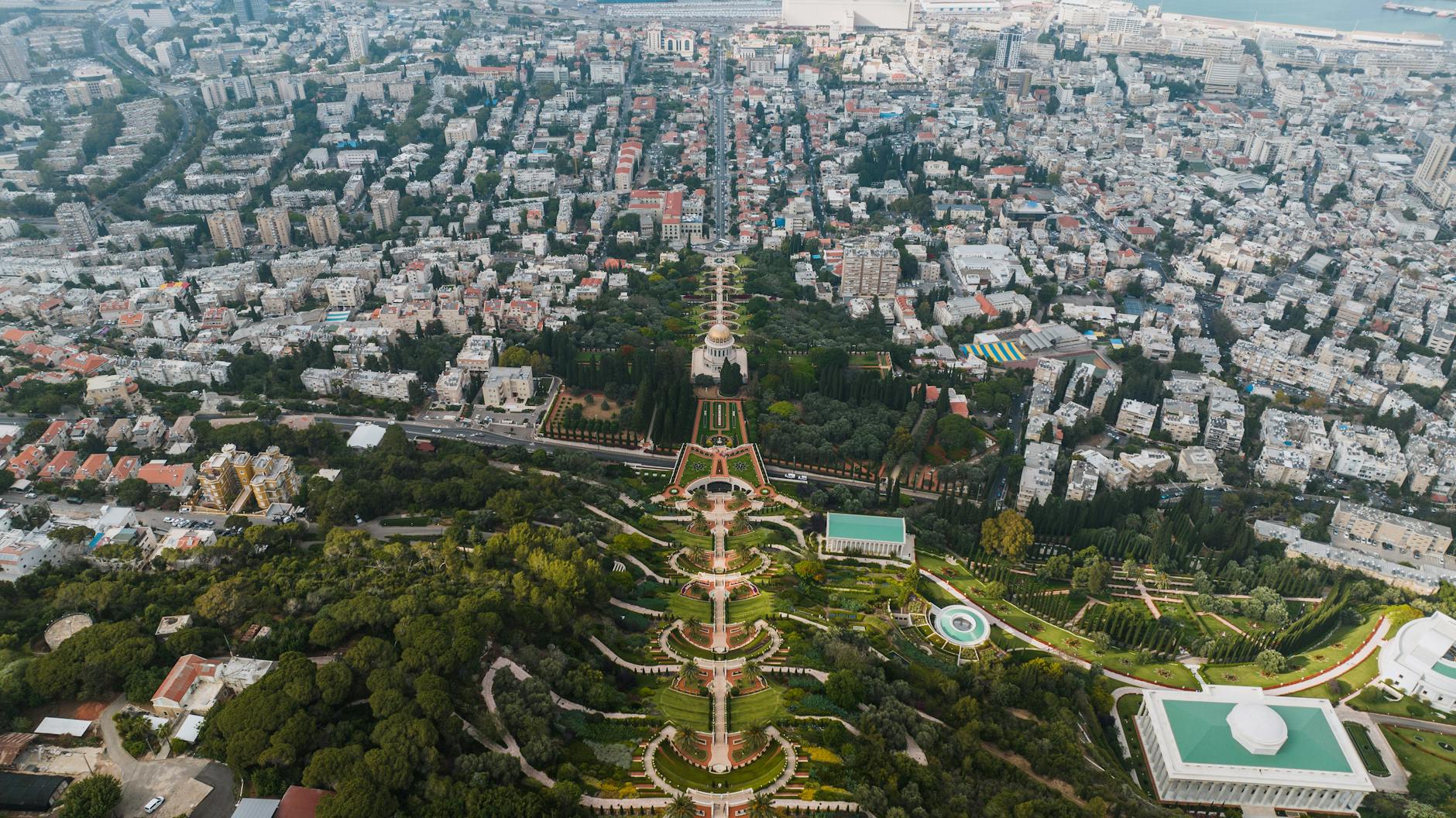
Here is the honest verdict: for most passengers, a Haifa call is better spent in the north. Nazareth is 40 minutes away, the Sea of Galilee about an hour and a quarter, the Crusader port of Akko half an hour, and the Bahá’í Gardens are on the slope above the ship. If Jerusalem is the single thing you came to Israel to see and the ship calls only at Haifa, go, with eyes open about how much of it you will actually see. If your itinerary includes both Haifa and Ashdod, do the north from Haifa and Jerusalem from Ashdod. Our Nazareth and Galilee guide gives an idea of what the north offers.
Eilat
A few itineraries through the Red Sea call at Eilat, Israel’s southernmost city. Jerusalem is more than 300 kilometres to the north. It is not a realistic port day for Jerusalem at all; Petra, in Jordan, or the local coral reefs are the usual excursions.
Arriving: Formalities and the First Hour
Israel carries out passport control for cruise passengers either on board before arrival or in the terminal, depending on the ship and the port. The points worth knowing:
- Carry your passport ashore. Not a photocopy. Police and security staff can ask for identification anywhere, and if you go to Bethlehem you cannot get back through the checkpoint without it.
- Keep the entry slip. Israel does not stamp passports on entry; it issues a small printed slip instead. Keep it with your passport all day.
- Check the ETA-IL position with your cruise line. Visa-exempt travellers flying into Israel need an electronic travel authorisation; ask your line in writing how this applies to your call, and read our Israel visa and ETA-IL guide.
- Expect security questions. Israeli border officers ask more questions than most. Answer simply.
- Allow time. On a large ship, the first coach does not leave until everyone on it has cleared immigration. An 07:00 arrival rarely means an 07:15 departure.
Three Ways to Spend the Day
Every cruise passenger arriving at Ashdod or Haifa faces the same choice: the ship’s excursion, a private or small-group tour booked independently, or going it alone. Each wins in different circumstances, and none is right for everybody.
| Ship excursion | Private or small-group tour | Independent (taxi or train) | |
|---|---|---|---|
| Missed-ship guarantee | Yes: the ship waits, or gets you to the next port | Only a promise from the operator; some offer their own guarantee | None |
| Group size | Usually a full coach | Just you, or a small group | Just you |
| Guide | Licensed guide | Licensed guide | None, unless you hire one in Jerusalem |
| Flexibility | None | High | Total |
| Price logic | Per person | Per vehicle or per person, depending on tour | Taxi per vehicle |
| Bethlehem | Handled, including the checkpoint | Needs a Palestinian guide or a hand-over at the checkpoint | Possible but risky on a tight clock |
| Best for | Solo travellers and couples who value certainty; anyone doing Bethlehem | Families and groups of four or more; repeat visitors; people with mobility needs | Experienced travellers with a late all-aboard time and a relaxed attitude to risk |
The Ship’s Excursion
The ship’s tour is the simplest and, for many passengers, the right call. Its real value is not the guide or the coach but the guarantee: if the tour is delayed by traffic or a closure, the ship will not leave without you. On a day built around a 70-kilometre drive through a city with checkpoints, roadworks and sudden road closures, that guarantee is worth something. The downsides are the size of the group, the time lost collecting forty people at every stop, and the fixed itinerary.
A Private or Small-Group Tour
Israeli tour companies meet cruise ships at both ports every day there is a call. The good ones time the day backwards from the all-aboard time, build in a buffer and know the traffic. A private tour for a family of four or more often costs little more per head than the ship’s excursion and gets far more done, because a car with five people moves through the Old City much faster than a coach with forty. Look for a licensed Ministry of Tourism guide, a written return-time commitment and a clear policy if the ship’s call is cancelled. Our guide to the best Jerusalem tours explains what separates a good guide from a mediocre one.
Going Independently
It can be done. A taxi from Ashdod to Jerusalem and back is the most direct method, but agree the fare and the pickup time in writing and have a second number to call. Israel Railways connects Ashdod with Jerusalem only with a change of train, which on a port day costs time you cannot spare, and trains do not run on Shabbat, from Friday afternoon to Saturday night. Once in Jerusalem you would have no guide, and the Old City is a maze on a first visit. For a first visit with a tight all-aboard time, independence is the option with the least margin for error.
What You Can See in Five Hours
This is where cruise days go wrong. Jerusalem is a city where every stone has a story, and a guide will happily fill two hours inside the Church of the Holy Sepulchre alone. A one-day visitor has to choose, and the choice is easier if you accept up front that you will not see everything.
The Old City Essentials
- The Western Wall. Free, open all hours, and moving even for people who have seen a thousand photographs of it. Allow 30 minutes including security.
- The Church of the Holy Sepulchre. Free, and open daily. The queue for the Edicule over the tomb can be an hour or more at peak times; a tour group will usually look from outside.
- The Via Dolorosa. The traditional route of the Stations of the Cross, through the Muslim and Christian Quarters. Most tours walk part of it.
- The Jewish Quarter and the Cardo, which usually come on the way to or from the Wall.
- The markets. The Old City souq is where most cruise passengers buy their souvenirs, and where a little knowledge of bargaining pays for itself.
The Mount of Olives
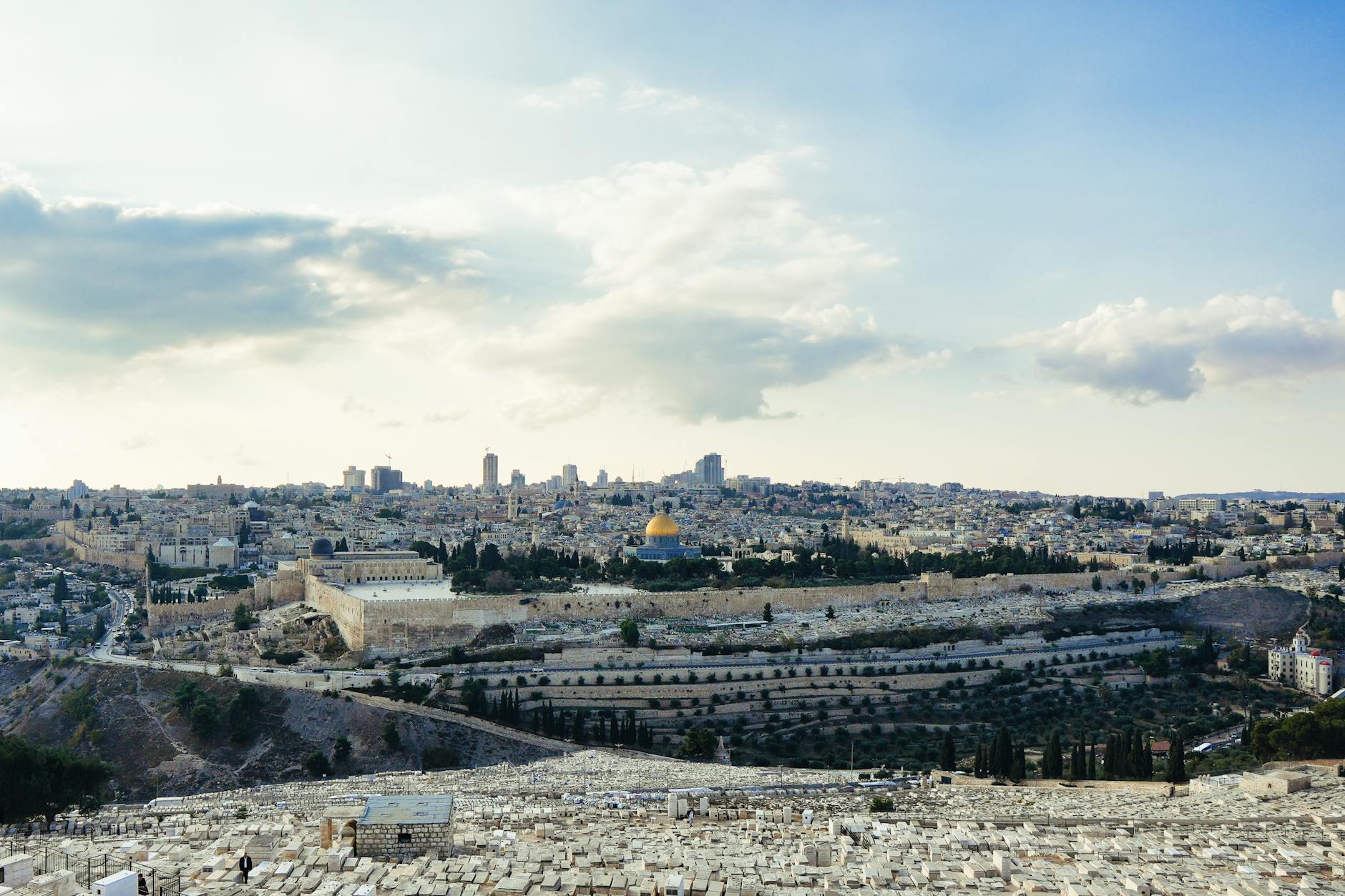
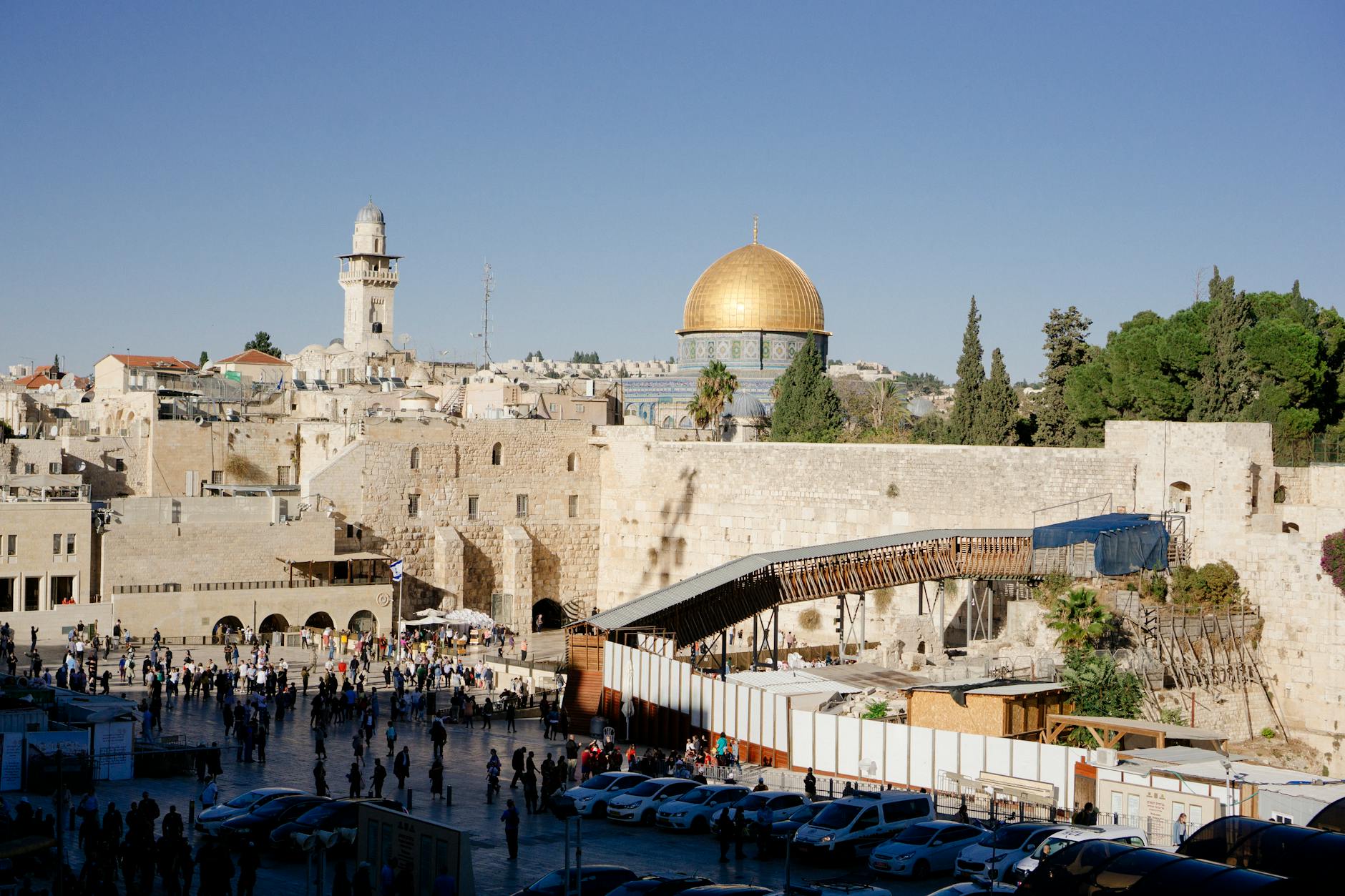
Most Jerusalem tours start at the top of the Mount of Olives because the view over the Old City, the Dome of the Rock and the Kidron Valley is the best orientation there is, and the coach can park. From there, some walk down to the Garden of Gethsemane before driving to the Old City gates. It is a very good first half-hour and not something to skip if a ship’s itinerary includes it.
What Usually Gets Cut
Be honest about these before you leave the ship:
- Yad Vashem, the Holocaust memorial, needs three hours to do justice to and sits on the western edge of the city. It does not combine with the Old City in a port day, and it is closed on Saturdays.
- The Temple Mount / Haram al-Sharif. Non-Muslim visiting hours are limited to short morning windows from Sunday to Thursday, with long security queues, and it is closed to non-Muslims on Fridays, Saturdays and Muslim holidays. See our Al-Aqsa Mosque guide for the arrangements.
- The City of David and Hezekiah’s Tunnel, which are wonderful and take at least two hours.
- The Israel Museum and the Dead Sea Scrolls, which deserve half a day.
- The Tower of David, a superb museum that a cruise day rarely has time for.
If you know you will come back to Israel one day, a port call is a very good reconnaissance: see the essentials, note what you want more time for, and plan a longer stay using our one day in Jerusalem and Jerusalem itinerary guides.
A Realistic Timeline From Ashdod
This is the shape of a well-run day for a ship arriving at 07:00 with all aboard at 18:30. Your own times will differ; the principle is to work backwards from the all-aboard time and leave an hour of margin.
| Time | What happens |
|---|---|
| 07:00 | Ship docks; immigration formalities |
| 08:00 | Leave the port |
| 09:15 | Mount of Olives viewpoint |
| 09:45 | Garden of Gethsemane, then drive to the Old City |
| 10:30 | Enter the Old City; Via Dolorosa, Church of the Holy Sepulchre |
| 12:00 | Lunch, in the Christian or Muslim Quarter or just outside the walls |
| 13:00 | Jewish Quarter and the Western Wall |
| 14:30 | Souq and souvenirs |
| 15:30 | Leave Jerusalem |
| 17:00 | Back at the port, with 90 minutes in hand for traffic |
| 18:30 | All aboard |
Leaving Jerusalem at 15:30 feels early when you are standing in the souq. It is not. Afternoon traffic leaving the city on Route 1 is heavy on weekdays, and a single accident can add an hour. The guides who have missed a ship once do not do it twice.
Bethlehem From a Cruise Ship
Bethlehem is the other name on many cruise itineraries, and a Jerusalem and Bethlehem combination is a classic ship excursion. It is about ten kilometres south of Jerusalem, but it is in the West Bank, under the Palestinian Authority, and getting there and back means crossing the Israeli separation barrier at a checkpoint. Israeli regulations bar Israeli citizens from entering Palestinian-controlled areas, so an Israeli guide cannot take you in; tours either use a Palestinian guide for that part of the day or hand you over at the checkpoint.
Going in is usually quick. Coming back into Jerusalem can take a few minutes or an hour, and nobody can tell you which in advance. That uncertainty against a fixed all-aboard time is the whole problem, and it is why Bethlehem is the part of a cruise day where the ship’s own excursion earns its guarantee. The Church of the Nativity and Manger Square are covered in detail in our Bethlehem day trip guide.

Other Excursions From Ashdod and Haifa
Jerusalem is not the only choice, and for some passengers it is not the best one. These are the main alternatives offered by ships and by local tour companies.
| Excursion | From | Worth it? |
|---|---|---|
| Dead Sea swim (with or without Masada) | Ashdod | A good choice on a second Israel call, or for someone who has already seen Jerusalem. Masada plus the Dead Sea is a full day on its own; see the Masada and Dead Sea tour guide |
| Jerusalem and the Dead Sea in one day | Ashdod | Usually a poor trade: a short swim and a rushed Old City. Pick one |
| Tel Aviv and Jaffa | Ashdod or Haifa | Relaxed and close, with beaches, food and old Jaffa. Our Tel Aviv day trip guide covers the highlights |
| Nazareth and the Sea of Galilee | Haifa | The best use of a Haifa call for Christian pilgrims |
| Akko and Rosh HaNikra | Haifa | Crusader halls, a working harbour and sea grottoes; short drives |
| Caesarea and Haifa’s Bahá’í Gardens | Haifa | Roman harbour and terraced gardens; a gentle day |
| Jerusalem | Haifa | A long, tiring day with three to four hours in the city. Only if Jerusalem is non-negotiable |
Which Day of the Week Is Your Call?
This matters more in Jerusalem than in almost any other cruise destination, because three religions keep three different days of rest, and the city changes shape around them.
| Day | What changes |
|---|---|
| Sunday to Thursday | Everything open. Temple Mount / Haram al-Sharif visiting hours for non-Muslims operate in the mornings |
| Friday | Muslim Friday prayers mean heavy crowds and security around Damascus Gate and the Muslim Quarter around midday, and the Temple Mount is closed to non-Muslims. Jewish businesses close from early afternoon ahead of Shabbat. Trains stop running in the afternoon |
| Saturday (Shabbat) | Jewish Quarter shops and West Jerusalem largely closed, no trains, no light rail. Yad Vashem closed. The Western Wall is open, but no photography is allowed there on Shabbat. Christian and Muslim Quarters open. Tour coaches run normally. See Shabbat in Jerusalem |
| Sunday | Some Christian sites close to visitors during morning services; the Garden Tomb is closed all day. Everything else runs normally |
A Saturday call is not a disaster; many cruise passengers find the Old City pleasantly calmer. It does mean the Western Wall photo has to wait, and that you should buy souvenirs in the Christian Quarter rather than the Jewish Quarter. Jewish and Muslim holidays can close sites entirely, so check our religious holidays calendar against your date.
What to Wear and What to Carry
The dress code is the thing that trips up most cruise passengers, who come ashore dressed for a Greek island.
- Cover shoulders and knees. Churches and the Western Wall require it, and the Temple Mount is stricter still. Shorts and sleeveless tops will keep you out of the Church of the Holy Sepulchre. A light scarf and trousers or a long skirt solve the problem. Read our Jerusalem dress code before you pack your day bag.
- Wear proper walking shoes. The Old City is steep steps and polished limestone, slippery even when dry.
- Bring water and a hat from April to October. Jerusalem is cooler than the coast, but the summer sun is fierce. The weather by month guide has the averages.
- Carry some shekels in small notes for the souq, drinks and toilets, although cards are widely accepted. US dollars and euros are often taken by traders, at a poor rate.
- Carry your passport and entry slip, plus the ship’s card and the port agent’s emergency number.
- Leave the drone on board. Flying one in Israel needs a permit, and the airspace over Jerusalem is restricted.
Food, Shopping and Souvenirs
You will eat lunch on the run, and that is fine: Jerusalem’s street food is excellent. Falafel and hummus near Damascus Gate or in the Christian Quarter, sesame ka’ak bread from a street cart, and fresh pomegranate or orange juice from the stalls are all quick, cheap and very good. See our guide to Jerusalem street food for where to look.
For souvenirs, the classic purchases are olive-wood carvings, Armenian ceramics, Dead Sea cosmetics, spices and Judaica. The Jerusalem souvenirs guide explains what is genuinely local, and our page on olive-wood carvings explains how to tell handmade Bethlehem work from imports. Keep your receipts: Israel refunds VAT to tourists on eligible purchases at the airport, but cruise passengers leaving by sea should check with the shop and the ship whether and how a refund can be claimed.
Accessibility and Travellers With Limited Mobility
The Old City is hard going for anyone with limited mobility: stepped lanes, steep slopes and polished stone. Ship excursions are graded by activity level, and the gentle options generally stick to viewpoints and the Western Wall plaza, which can be reached by vehicle through the Dung Gate. A private tour with a guide who knows the step-free routes is often the better answer. Our Jerusalem accessibility guide and advice for senior travellers cover both.
Starting or Ending a Cruise in Israel
With Haifa’s new terminal and Mano Maritime’s sailings, some passengers now board or leave a ship in Israel rather than visiting on a port day. If that is you, the advice changes completely: come a day or two early, fly into Ben Gurion, and give Jerusalem the time it deserves before you sail. Our guide to the airport transfer covers getting from Ben Gurion to the city, and how many days in Jerusalem will help you decide how early to arrive.
Six Mistakes Cruise Passengers Make in Jerusalem
Guides who meet ships every week see the same things go wrong again and again. None of them is dramatic, and all of them are avoidable.
- Dressing for the beach. The single most common problem. A guide can lend a scarf, but not a pair of trousers, and a passenger in shorts spends the Church of the Holy Sepulchre visit waiting outside.
- Trying to see everything. Old City, Bethlehem, Yad Vashem and the Dead Sea do not fit in one port day. Neither do Old City, Bethlehem and a long lunch. Choose two things and do them properly.
- Ignoring the day of the week. A Friday or Saturday call changes what is open, and a Muslim or Jewish holiday can close the Temple Mount or empty the Jewish Quarter entirely.
- Shopping at the end. The souq is the last stop on many tours, which means buying in a hurry and bargaining badly. If souvenirs matter to you, ask the guide to build in time earlier in the day.
- Trusting a handshake. An independent taxi driver who promises to wait at Jaffa Gate at three o’clock may be there. Get the arrangement in writing, with a phone number, and a backup plan.
- Underestimating the walk. The Old City is small on a map and exhausting on foot: steps, slopes, crowds and hot stone. Passengers who struggle with stairs on the ship will struggle more here, and should say so when booking.
If your ship docks at Ashdod, the transfer itself deserves careful planning: the shuttle to the port gate, the taxi rank, the choice between a ship’s coach, a transfer-only coach, a private operator or the train, and above all the return. Our step-by-step guide to getting from Ashdod port to Jerusalem sets out door-to-door times for each option and where to be dropped in the city.
Once you know how you are getting to the city, the next job is deciding what to see. Our Jerusalem shore excursion planner works backwards from the all-aboard time and sets out timed walking routes for a standard Ashdod call, a short call, a late sailing, a Christian pilgrimage and a Jewish heritage day, with an honest list of what to leave out.
If Haifa is your port, the arithmetic is harder: about 150 kilometres each way, four to five hours on the road and three to four hours in the city. Our guide to getting from Haifa port to Jerusalem sets out the timings for tours, trains, buses and taxis, and compares a Jerusalem day with Nazareth, the Sea of Galilee and Akko, which most passengers will find closer and more relaxed.
Still torn between the ship’s tour and an independent guide? The difference comes down to a handful of things: whether the ship will wait for you, how the price works out per head for your party, group size, and whether Bethlehem is on the plan. Our side-by-side comparison of a ship excursion vs a private tour in Israel works through each, with a plain list of when the ship’s tour genuinely wins.
Final Word on Reaching Jerusalem From a Cruise Ship
There is no pretending that five hours is enough for Jerusalem. But five well-planned hours can take you to the Mount of Olives at nine in the morning, the Church of the Holy Sepulchre before the crowds, the Western Wall after lunch and a cup of mint tea in the souq before the drive back, and that is a day that people talk about for years. Plan it backwards from all-aboard, dress for churches rather than beaches, and cut ruthlessly. Then, if the city gets under your skin, come back properly: start with our guide to the Old City, browse things to do in Jerusalem, and look at Christian pilgrimage in Jerusalem or the wider day trips from Jerusalem for everything a port day leaves out.
Photo Credits
Ashdod Port from the air, with a cruise ship berthed: Ashdod Port Aerial View by Amos Meron, CC BY-SA 3.0, via Wikimedia Commons.
A cruise ship at Haifa Port: Cruise Ship in Port – Haifa – Israel (5689921045) by Adam Jones from Kelowna, BC, Canada, CC BY-SA 2.0, via Wikimedia Commons.