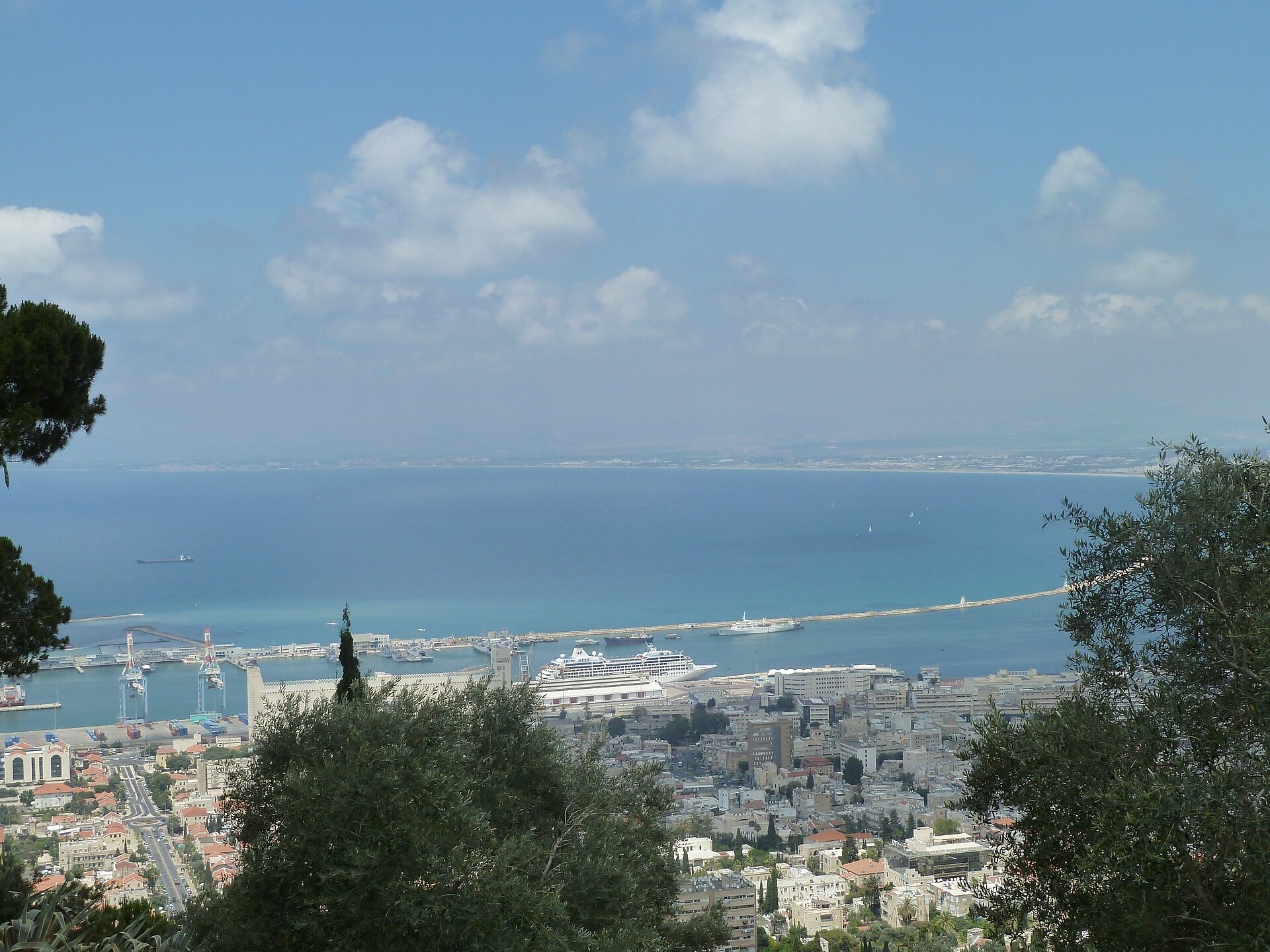
From the upper terraces of the Bahá’í Gardens you can look straight down the slope of Mount Carmel at your own cruise ship, parked in the harbour like a white apartment block that has wandered down to the sea. Turn a little to the left and the whole of Haifa Bay curves away north towards Akko. What you cannot see from up there, and what the brochure did not quite make clear, is that Jerusalem is a hundred and fifty kilometres behind you, on the far side of the country’s central hills. Getting from Haifa to Jerusalem and back in a day is entirely possible. Whether it is the best use of the day is another question, and this page tries to answer both honestly.
It is written mainly for cruise passengers whose ship calls at Haifa, but the transport sections work just as well for anyone making the trip overland as part of a longer journey through Israel. It covers the port, every way of getting to Jerusalem, realistic timings, what you can see when you get there, and the northern alternatives that most passengers will enjoy more. Timings and routes were checked in September 2026; fares and timetables change, so confirm them before you travel.
Haifa to Jerusalem at a Glance
| Method | Time, one way | Notes |
|---|---|---|
| Ship’s excursion or private tour | 2 to 2 hours 30 minutes | The only realistic option on a cruise day for most passengers |
| Train | About 2 hours | No direct train: change in Tel Aviv. Frequent on weekdays; no service Friday afternoon to Saturday night |
| Intercity bus | About 1 hour 45 minutes to 2 hours 15 minutes | Egged’s long-standing 960 express from Haifa Merkazit HaMifratz to Jerusalem Central Bus Station. No service on Shabbat |
| Taxi | 2 hours or more | Expensive; quoted at ₪700–800 each way in 2022, and more now |
| Rental car | 2 hours or more | About 150 km via Route 6, a toll road, or the coast road and Route 1 |
The Honest Verdict for Cruise Passengers
If your ship calls at Haifa and you have one day, Jerusalem gives you four to five hours on a coach and three to four hours in the city. That is enough to stand in the Church of the Holy Sepulchre and at the Western Wall, and not much more. From the same port, Akko’s Crusader city is half an hour away, Nazareth about forty minutes, the Sea of Galilee around an hour and a quarter, and Haifa’s own Bahá’í Gardens are a short taxi ride uphill.
So the rule of thumb is this:
- If your itinerary also calls at Ashdod, see the north from Haifa and Jerusalem from Ashdod. Everyone wins. Our guide to getting from Ashdod port to Jerusalem explains that side of the trip.
- If Haifa is your only Israeli port and Jerusalem is the reason you booked the cruise, go. It is a long day, but standing in the Old City for three hours is better than not standing in it at all.
- If you are a Christian pilgrim, think hard about Nazareth and the Sea of Galilee. They are the places of Jesus’s life and ministry, they are close, and you will see them properly.
- If you are simply curious about Israel, Akko and Haifa, or Caesarea, make a more relaxed and more rewarding day.
Our wider guide to Jerusalem from a cruise ship compares both ports and all the options.
Haifa Port and the Cruise Terminal
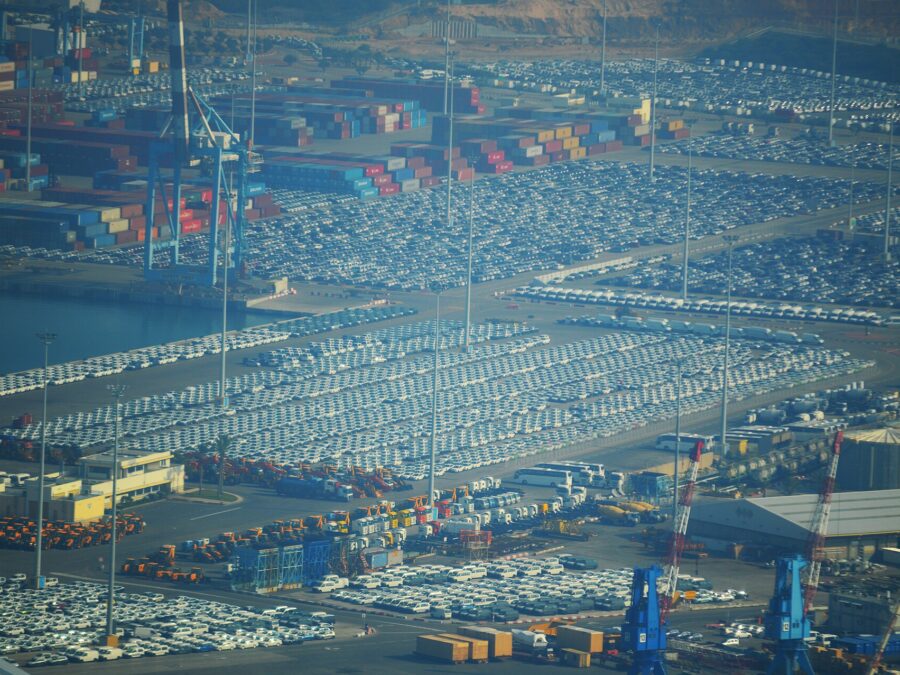
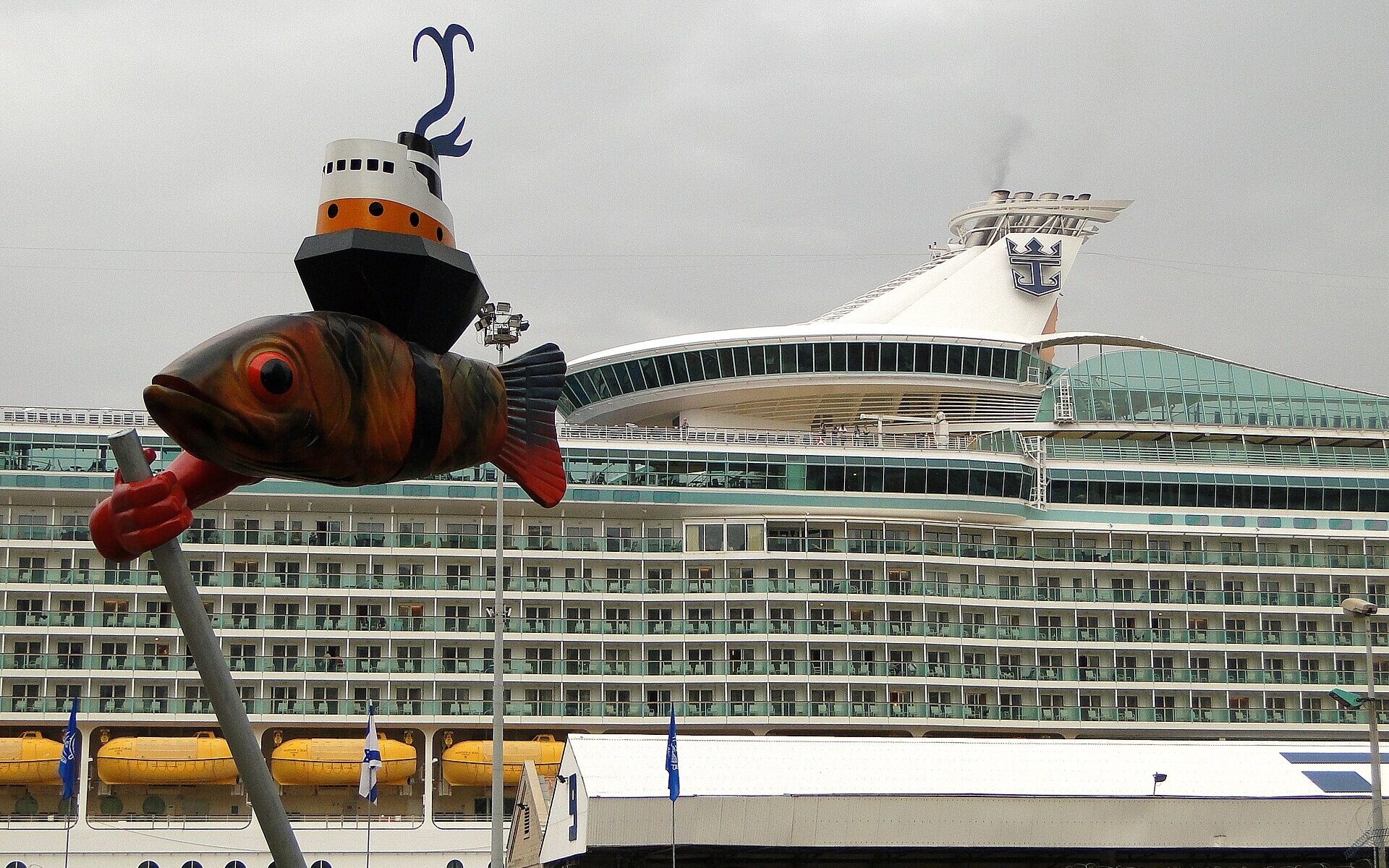
Haifa is Israel’s largest northern port and one of its two main cargo harbours. Unlike Ashdod, it sits right beside the city: the port runs along the edge of Haifa’s lower town, below the slopes of Mount Carmel. For the 2026 season, the Haifa Port Company opened a new cruise terminal, built to handle two large ships at once, with 28 border-control booths, check-in halls and duty-free shopping. Some international lines have scheduled calls there in 2026 and the Israeli operator Mano Maritime sails from the port, although many cruise lines have not yet returned to Israel, and calls can still be cancelled at short notice.
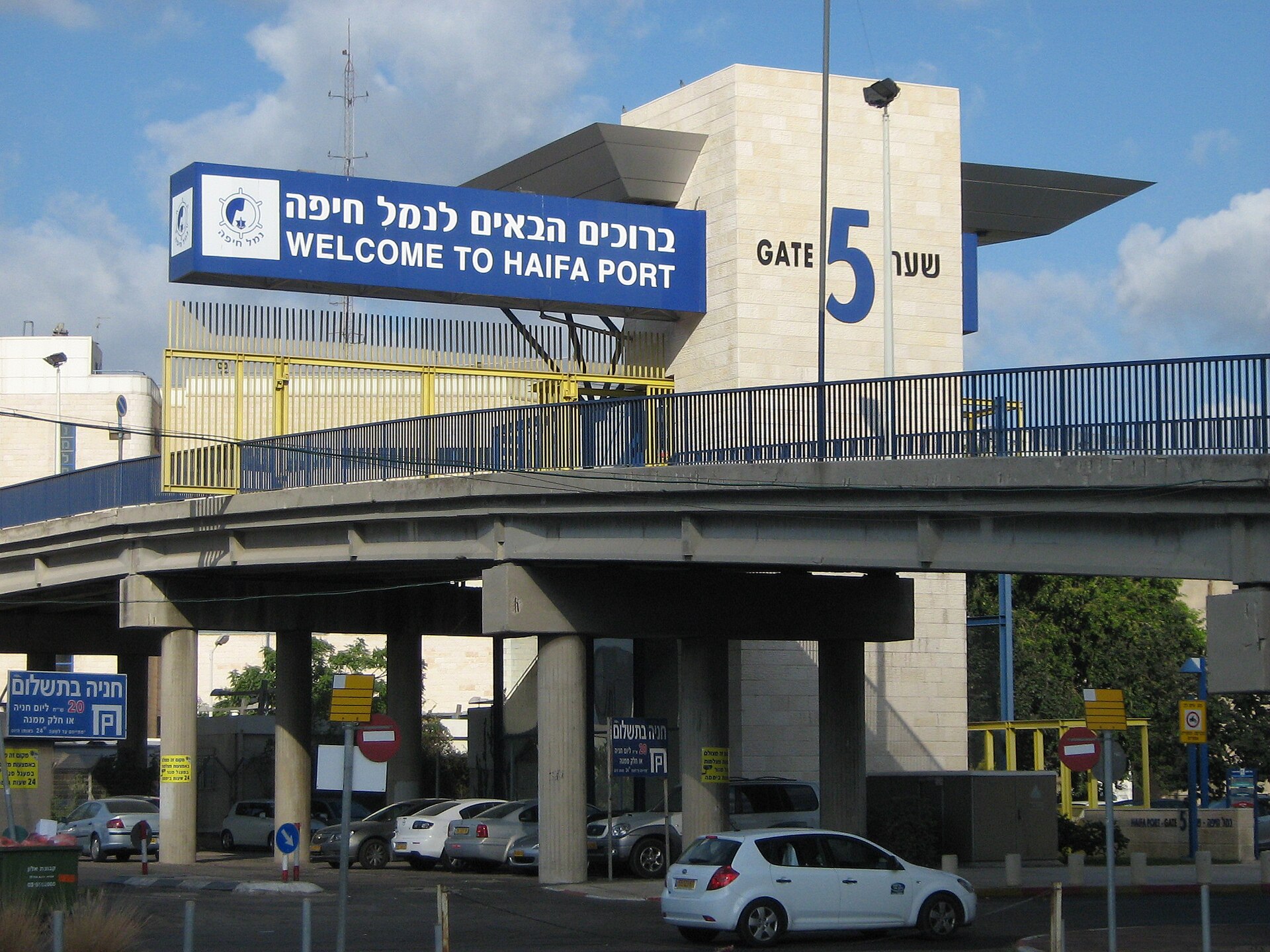
What this means in practice:
- Formalities are handled on board or in the terminal. Carry your passport and keep the small entry slip Israel issues instead of a passport stamp.
- Tour coaches and private drivers meet passengers at the terminal.
- Taxis wait outside the port on ship days.
- The lower city and Haifa Center HaShmona railway station are close to the port, which makes the train more practical from Haifa than from Ashdod, although it is still a long way to Jerusalem.
Check your cruise line’s port information for the exact berth and exit arrangements on your call, and read our Israel visa and ETA-IL guide for entry rules.
Option 1: Ship’s Excursion or Private Tour
For a cruise passenger, this is the only way to do Jerusalem from Haifa without constant anxiety about the clock. The coach or car leaves from the terminal, drives south along the coast and inland to Jerusalem, and brings you back in time.
The ship’s excursion carries the usual guarantee: if the tour is late back, the ship waits. On a 300-kilometre round trip, with two stretches of Israel’s busiest motorways, that guarantee is worth more from Haifa than from any other port in the country. A private tour gets more done in the city, and for a family or a group of four or more often costs little more per head, but make sure the operator commits in writing to a return time and explains what happens if they are late.
A Realistic Timeline
| Time | What happens |
|---|---|
| 07:00 | Ship docks; formalities |
| 07:45 | Leave the port |
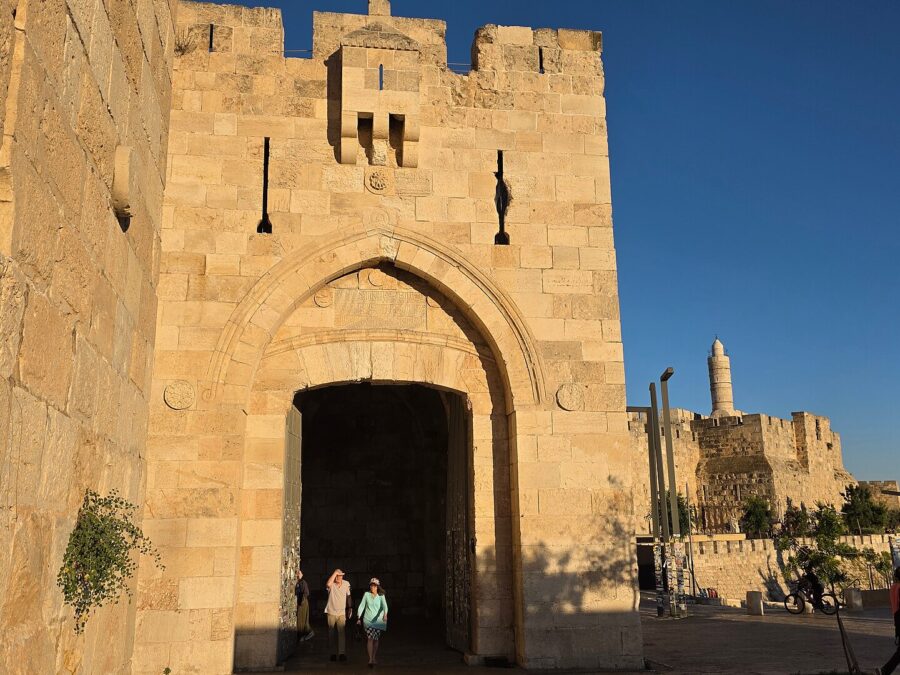
| 10:15 | Arrive in Jerusalem (Mount of Olives or Jaffa Gate) |
| 10:15–14:00 | The Old City: the Church of the Holy Sepulchre, the Western Wall, a quick lunch, a walk through the souq |
| 14:00 | Leave Jerusalem |
| 16:30 | Back at the port, with time in hand for traffic |
| 18:00 | All aboard |
That is under four hours in the city, and it assumes nothing goes wrong. Our guide to Jerusalem in one day from a cruise ship sets out a short route designed for exactly this kind of call.
Option 2: The Train
For independent travellers, the train is the most comfortable option, and the one most people use when they are travelling around Israel rather than on a cruise. There is no direct service between Haifa and Jerusalem. Trains leave from Haifa’s stations, including Haifa Center HaShmona near the port, Bat Galim and Hof HaCarmel, and you change in Tel Aviv, or at Ben Gurion Airport on some services, for the high-speed line to Jerusalem Yitzhak Navon station. The whole journey takes about two hours, including the change.
- Tickets: pay with a Rav-Kav card or a contactless bank card. Reservations are not needed on most services.
- Frequency: generally every half hour to hour on weekdays, less often late in the evening.
- Shabbat: no trains from Friday afternoon until Saturday night, and none on Jewish holidays.
- In Jerusalem: Navon station is deep underground on the western edge of the city. Take the Red Line light rail from the Central Station stop to City Hall or Damascus Gate for the Old City, about 20 minutes.
For a cruise passenger, the train is workable only with a late all-aboard time and a plan B. For everyone else, it is the best way to make the journey. Our guide to Jerusalem transport explains the light rail and local buses at the other end.
Option 3: The Bus
Egged’s 960 express has for years been the main direct bus between the two cities, running from Haifa Merkazit HaMifratz, the large bus and rail interchange on the bay, to Jerusalem Central Bus Station, close to Navon railway station. The journey takes around one hour 45 minutes to two and a quarter hours, depending on traffic. Other routes leave from Haifa’s southern Hof HaCarmel terminal. Check the Moovit app for current line numbers, times and fares before you travel, as routes are periodically reorganised, and remember that buses do not run on Shabbat.
The bus is cheap and comfortable, and it is the obvious choice for backpackers and budget travellers. It is not a sensible choice for a cruise passenger: getting from the port to Merkazit HaMifratz takes time, and a single delayed bus can wreck the day.
Option 4: Taxi or Rental Car
A taxi from Haifa to Jerusalem is expensive: guides quoted ₪700–800 each way in 2022, and fares have gone up since. A driver who waits all day and drives you back will charge considerably more. For a group of four or more, a private tour with a guide usually costs about the same as a taxi and gives you far more for the money.
Driving yourself is straightforward on Israel’s good roads. The fastest route is usually Route 6, the cross-country toll motorway, which bills you by number-plate camera; rental companies pass the charges on with a fee. The alternative is the coast road south towards Tel Aviv and then Route 1 inland to Jerusalem. Allow at least two hours and a quarter, much more at rush hour, and bear in mind that parking near the Old City is limited and expensive. Our guide to getting from Tel Aviv to Jerusalem covers the Route 1 climb and parking in more detail.
What You Can See in Three to Four Hours
Be ruthless. With under four hours in the city, the realistic plan is:
- A quick panorama, from the Mount of Olives if the driver can get there fast, or the Haas Promenade (Tayelet) in the south.
- Jaffa Gate and David Street into the souq.
- The Church of the Holy Sepulchre, without queuing for the tomb.
- The Western Wall, through the Jewish Quarter.
- A snack on the move, and one shop on the way back.
Leave out Yad Vashem, the Israel Museum, the Temple Mount, the tunnels and Bethlehem entirely. None of them fits. Dress for churches, with shoulders and knees covered, as explained in our Jerusalem dress code guide, and read the Old City guide the night before so that you know where you are going.
The Better Day for Most Passengers: The North
The north of Israel is compact, green and full of places that most visitors never find time for. From Haifa, it is on your doorstep.
| Excursion | Drive from Haifa | Time on site | Best for |
|---|---|---|---|
| Nazareth and the Sea of Galilee | 40 minutes to Nazareth, about 1 hour 15 minutes to the lake | 5 to 6 hours | Christian pilgrims; anyone who wants biblical landscape rather than a city |
| Akko (Acre) and Rosh HaNikra | 30 minutes to Akko | 5 to 6 hours | History lovers; a relaxed day with the sea never far away |
| Caesarea and Zikhron Ya’akov | 40 minutes | 5 hours | Roman ruins, a winery town and a gentle pace |
| Haifa itself | None | As long as you like | A day with no coach at all: gardens, the German Colony, Stella Maris |
| Jerusalem | 2 to 2 hours 30 minutes | 3 to 4 hours | People for whom Jerusalem is the whole point |
Nazareth and the Sea of Galilee
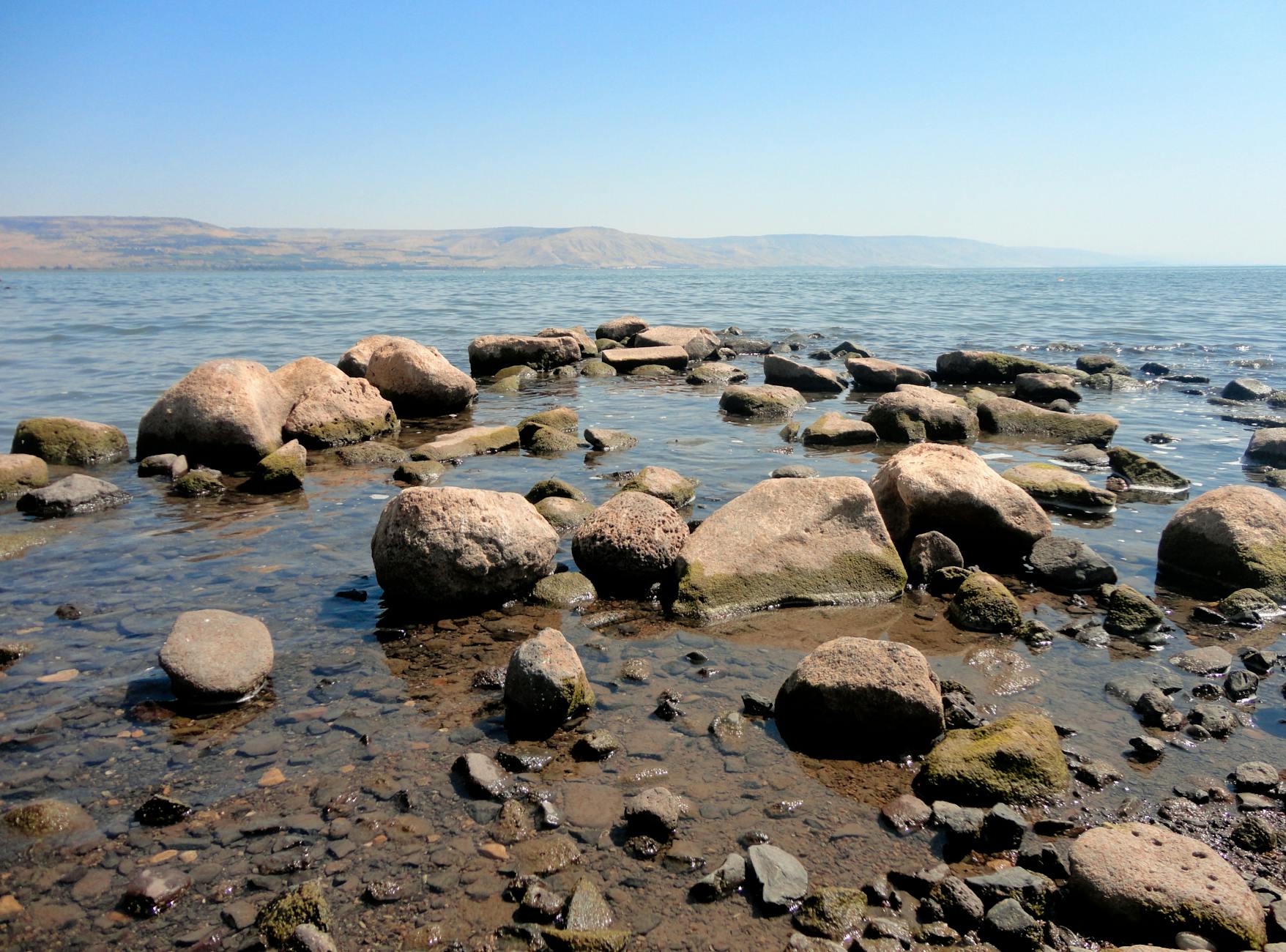
Nazareth is Israel’s largest Arab city, and its Basilica of the Annunciation, built over the traditional site of Mary’s home, is one of the most important churches in the Holy Land. From there it is a short drive down to the Sea of Galilee, where Capernaum, Tabgha and the Mount of Beatitudes sit along the northern shore. A day that combines the two covers more of the Gospel story than a rushed Jerusalem day ever could. Our Nazareth and Galilee day trip guide describes the sites.
Akko
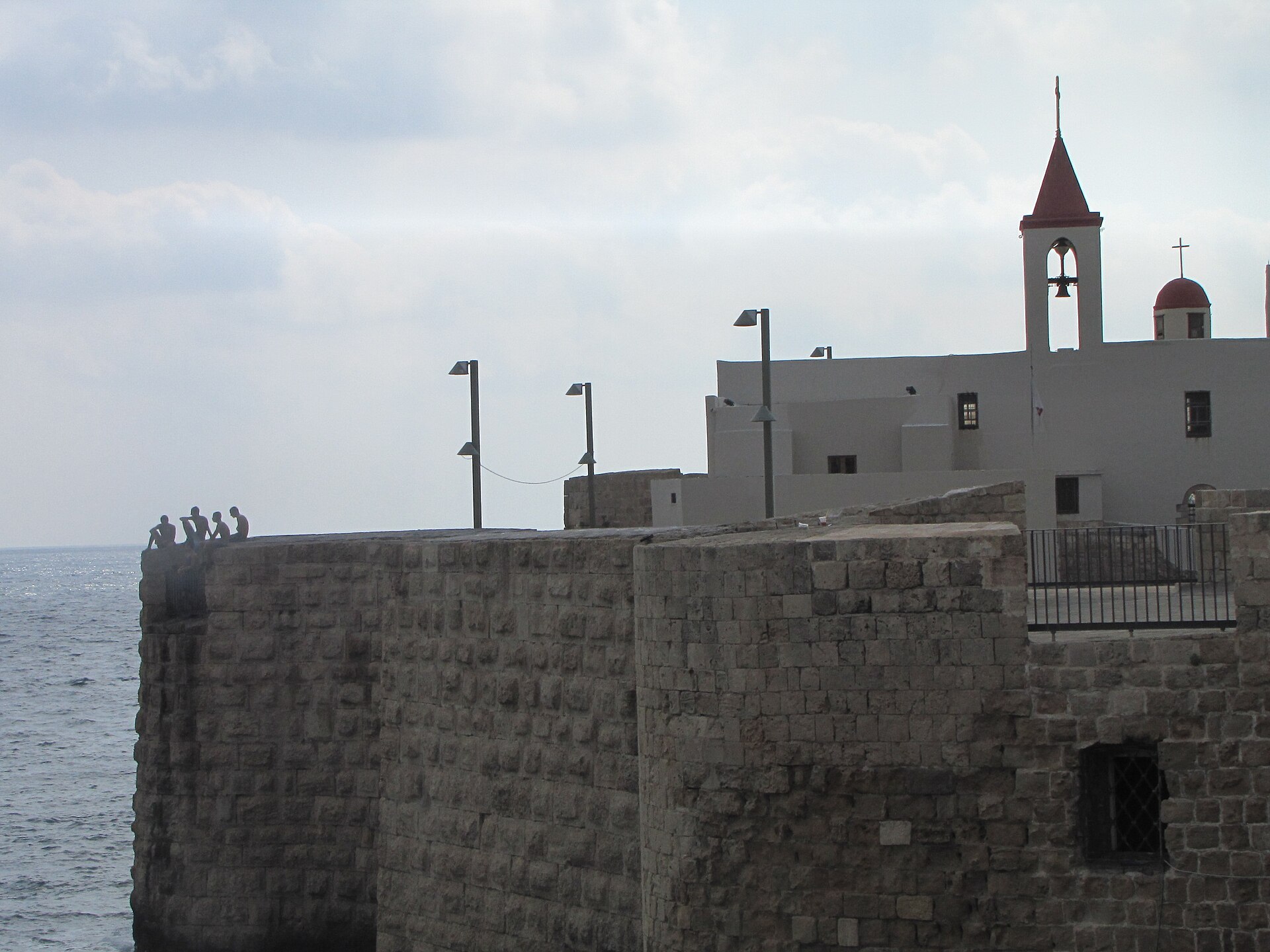
Akko, or Acre, is one of the oldest continuously inhabited ports in the world, and its old city, a UNESCO World Heritage Site, is a walled Ottoman town sitting on top of a remarkably complete Crusader city. The vaulted Knights’ Halls, the Templars’ Tunnel running beneath the streets to the old harbour, the Turkish bathhouse and the sea walls make for a superb half day, followed by lunch on the harbour. Boys jump off the walls into the sea all summer, as they have for generations. Rosh HaNikra, the chalk sea grottoes on the Lebanese border, is often paired with Akko; sites near the border have been closed for long periods since 2023, so check that it is open, and read your government’s advice on the northern border area.
Haifa Itself
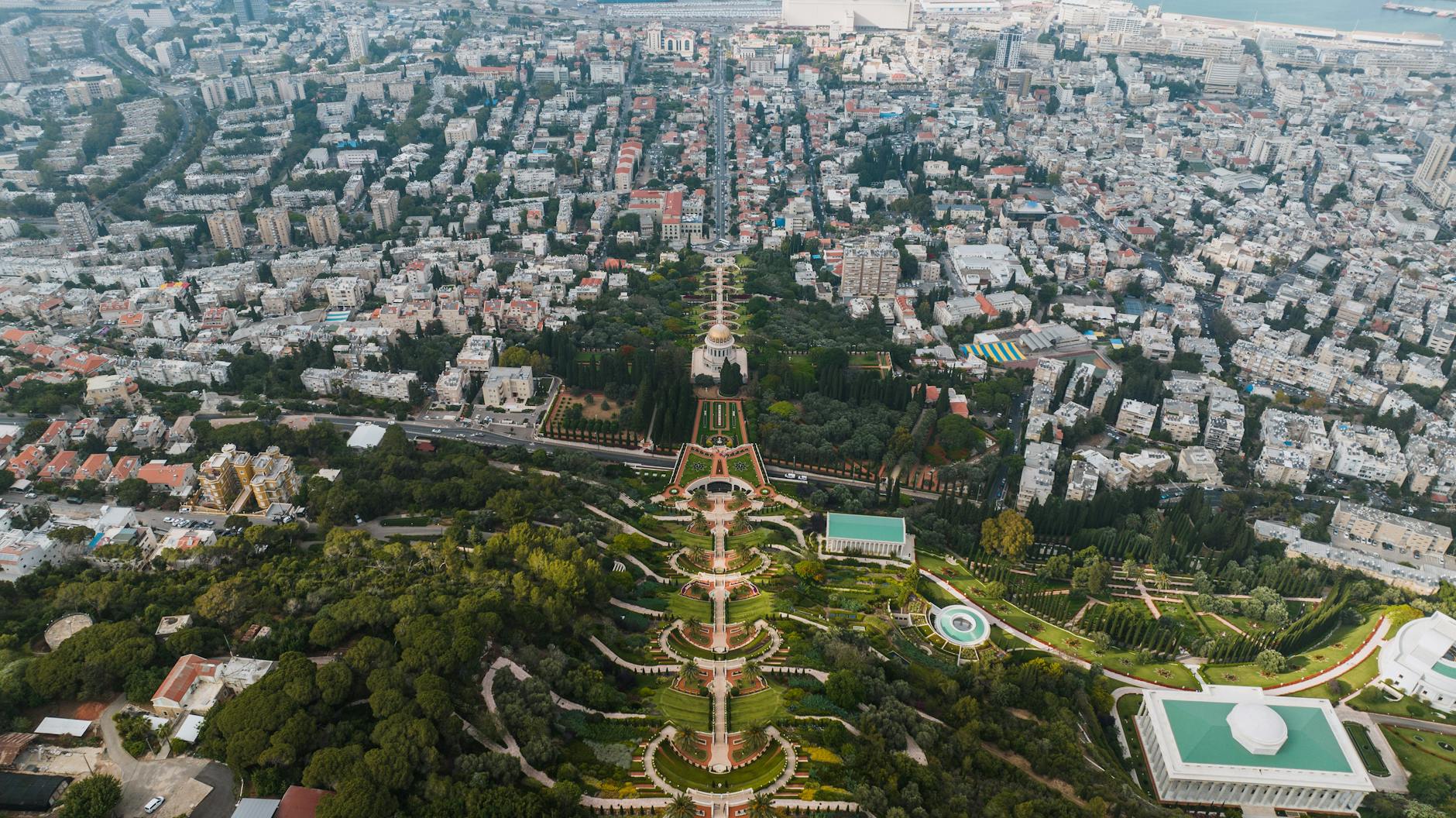
Haifa is underrated, and a day there needs no coach at all. The Bahá’í Gardens, nineteen terraces cascading down Mount Carmel around the golden-domed Shrine of the Báb, are the city’s signature sight, with free entry and guided tours on set routes; check the current tour times and closures before you go. At the foot of the gardens, Ben Gurion Boulevard runs through the German Colony, built by the Templer movement in the nineteenth century, now lined with cafés. The Carmelite monastery of Stella Maris sits on the headland above the sea, reached by cable car from the Bat Galim promenade when it is running, or by a short taxi ride.
Travelling Haifa to Jerusalem Overland
If you are not on a cruise, the calculation is completely different: the journey is easy, and the right answer is to stay the night. Most visitors to Israel spend two to four days in Jerusalem, and our guide to how many days in Jerusalem will help you decide. Take the train on a weekday morning, drop your bags, and start with the Old City in the afternoon. Our Jerusalem itinerary guide has plans for every length of stay.
Two practical warnings. First, if you are travelling on a Friday, leave Haifa by late morning: trains and buses stop in the afternoon ahead of Shabbat, and do not resume until Saturday night. Our guide to Shabbat in Jerusalem explains what closes. Second, Jewish holidays close the rail network entirely on the day itself, so check the date against our religious holidays calendar.
Safety and Travel Advice
Travel advice for Israel changes often, and it sometimes treats the north, Jerusalem and the West Bank differently. Check the US State Department and UK Foreign, Commonwealth and Development Office pages before your trip; their positions do not always match, and your insurance may depend on them. This site does not advise on whether to travel. Our Jerusalem safety guide explains how the city works day to day.
Final Word on Getting From Haifa to Jerusalem
For an overland traveller, Haifa to Jerusalem is a pleasant two-hour train ride and the start of something good. For a cruise passenger, it is a long day that buys you a few hours at the heart of the city, and in most cases the north will give you more. Make that choice with your eyes open, and if you do head south, go with a guarantee and a short, sharp plan. Our guides to the Church of the Holy Sepulchre, Jerusalem’s holy sites and day trips from Jerusalem will help you plan either way.
Photo Credits
Haifa port and the lower city seen from the Bahá’í Gardens: Bahai Gardens P1020951 by deror_avi, CC BY-SA 3.0, via Wikimedia Commons.
The Gate 5 entrance to Haifa Port: 211 2010-09-05 15-48-39 Haifa Port by Manuel Schneider, CC BY 3.0, via Wikimedia Commons.
Akko’s sea wall: 2011-09 Acre sea wall by Ziko, CC BY-SA 3.0, via Wikimedia Commons.