The best Jerusalem souvenirs are the ones with a real story behind them: hand-painted Armenian ceramics, olive wood carved in the Holy Land, mineral cosmetics from the Dead Sea, hand-embroidered textiles, spice blends, and religious pieces for Jewish, Christian, and Muslim travelers alike. This guide walks through the items worth carrying home, realistic 2026 prices in shekels (ILS), where each is genuinely made, how to tell authentic from mass-produced, and the practical side most guides skip: where you can bargain, where prices are fixed, the VAT refund at the airport, and what you can and cannot legally take out of the country.
Buying good Jerusalem souvenirs is less about price and more about knowing what you are looking at. Use this alongside our broader guide to Jerusalem’s markets and souks, and the deep-dive companions on Armenian ceramics and olive wood.
The Souvenirs Worth Buying
Ten categories stand out above the trinket racks: Armenian ceramics, olive wood carvings, Dead Sea cosmetics, hand-embroidered textiles, religious items, spice blends, halva and sweets, Israeli wine, jewelry such as Roman glass and silver, and locally made art and books. Each of the sections below tells you what to look for, a realistic price band, and where the genuine article is actually produced rather than imported and relabeled.
Armenian Ceramics
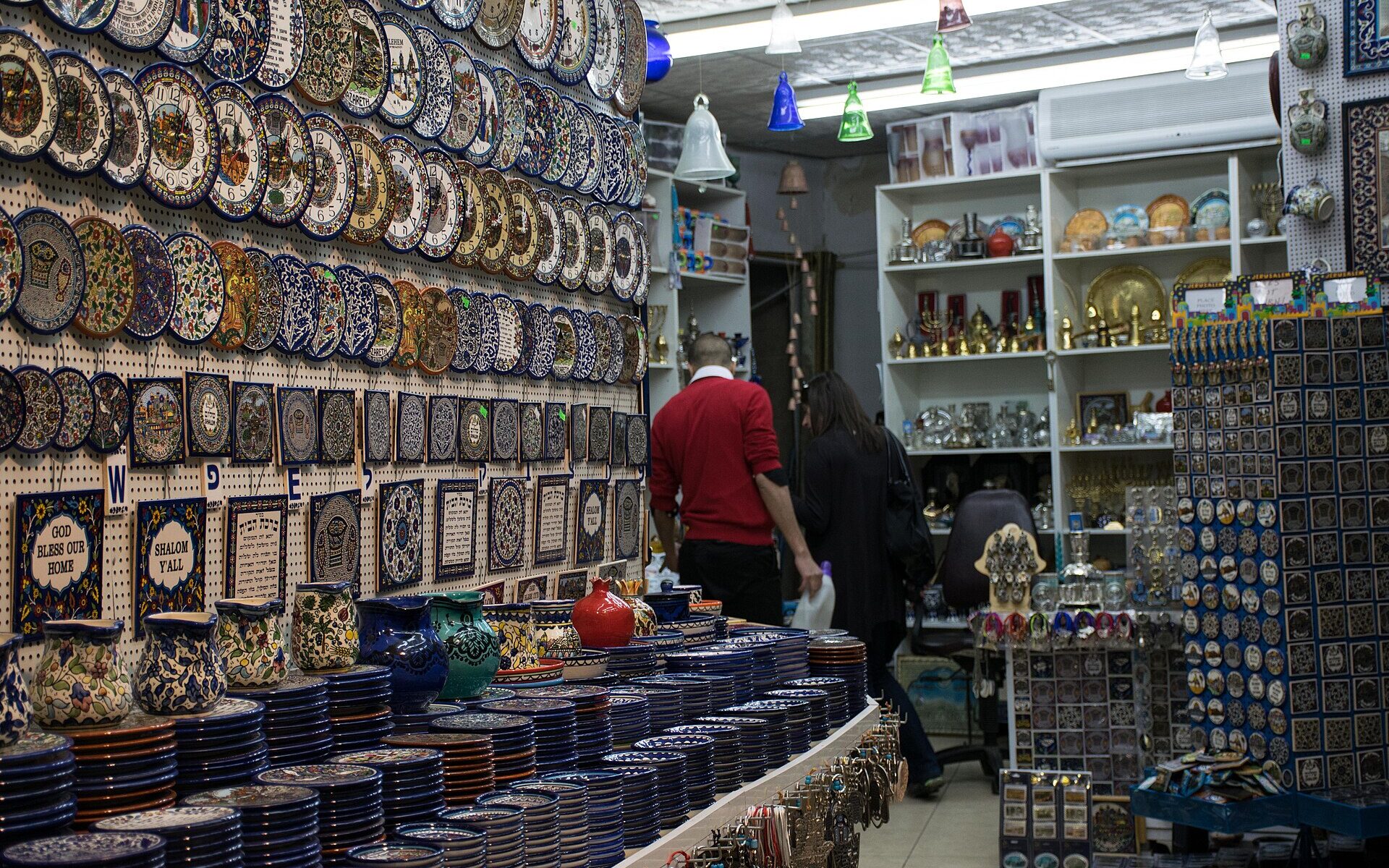
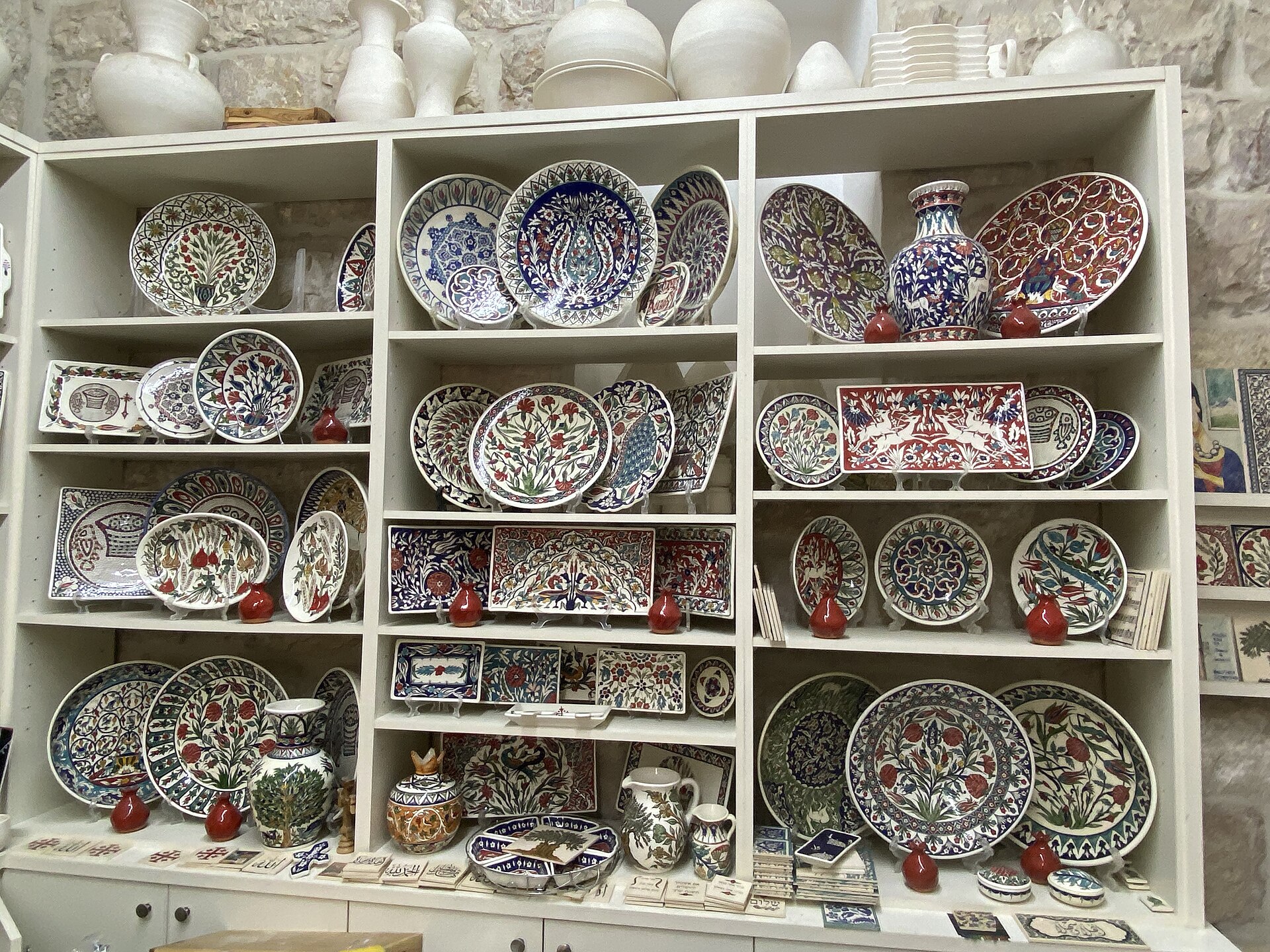
Hand-painted Armenian pottery has been made in Jerusalem for more than a century, since families arrived in the early 1920s to restore the tiles of the Dome of the Rock and stayed to build a craft tradition. The look is unmistakable: deep blues, greens, and golds in floral, bird, and tree-of-life motifs, painted onto tiles, plates, bowls, mezuzah cases, and ornaments. Small ornaments start around 80 shekels, mid-size bowls run 150–250 shekels, and a large hand-painted serving plate can reach 300–600 shekels or more.
To tell hand-painted from printed, look closely at the brushwork: genuine pieces show slight variation in line weight and tiny imperfections where the brush lifted, while transfer-printed copies are uniform and often slightly blurred at the edges. Buy from the established Armenian Quarter and Christian Quarter workshops, where you can often watch painting in progress. Our full Armenian ceramics guide covers the named studios and how to ship safely.
Olive Wood Carvings
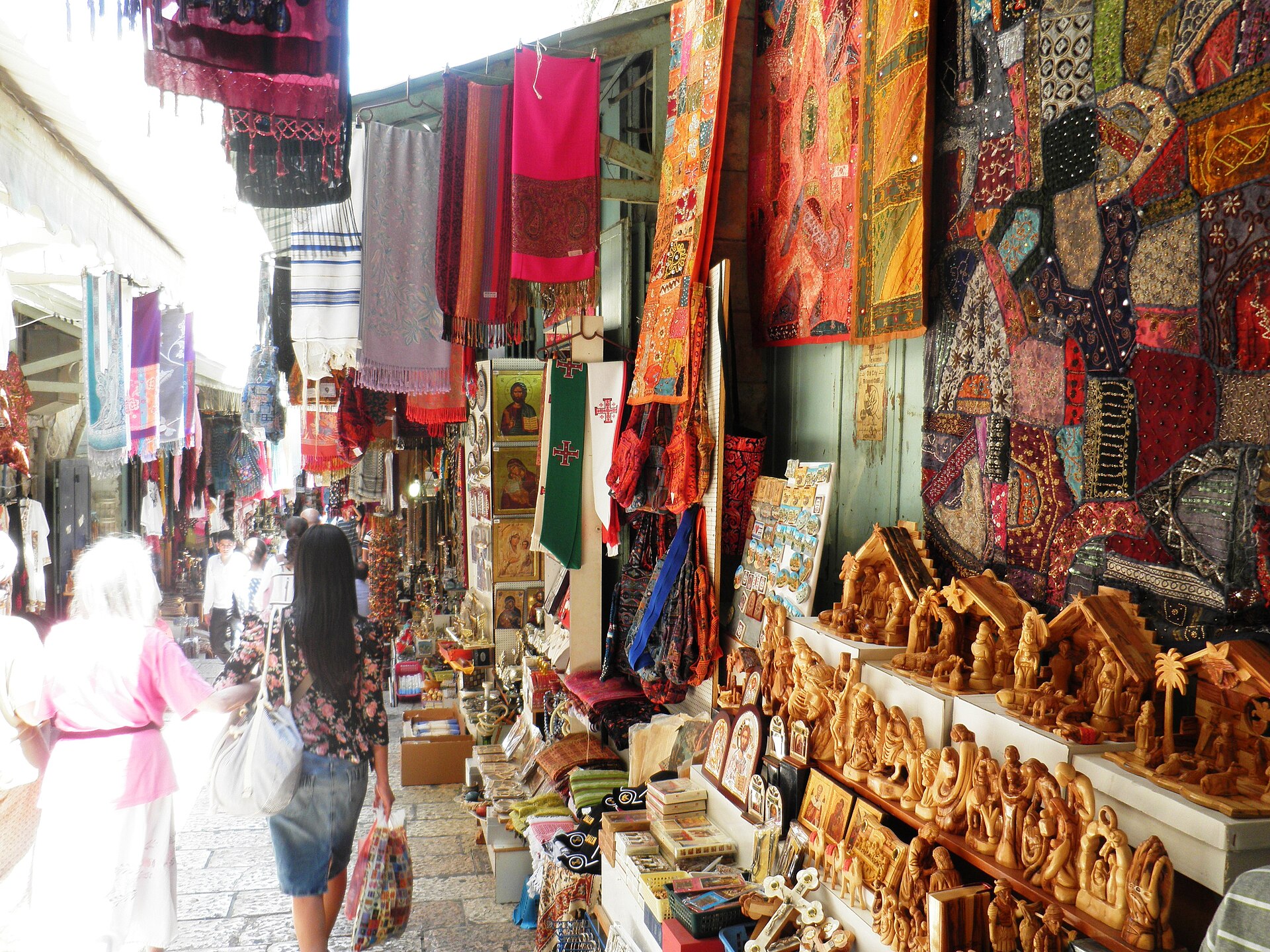
Olive wood carving is centuries old in the region, centered on Bethlehem and the surrounding villages. Common pieces include nativity scenes, crosses, candle holders, rosaries, and kitchen utensils, all valued because the wood comes from the same olive trees that define the landscape. A small carved cross might cost 30–60 shekels, a comb or spoon a similar amount, and a detailed nativity set 200–600 shekels depending on size and the number of figures.
Real olive wood has a dense, irregular grain with swirling dark streaks, feels heavy for its size, and gives off a faint olive scent if you lightly scratch an unfinished spot. Be wary of suspiciously cheap, uniformly pale “olive wood” that may be a lesser timber stained to imitate it. The Christian Quarter shops are the convenient option in Jerusalem; prices are often lower if you buy directly in Bethlehem. See our olive wood guide for authenticity checks in detail.
Dead Sea Cosmetics
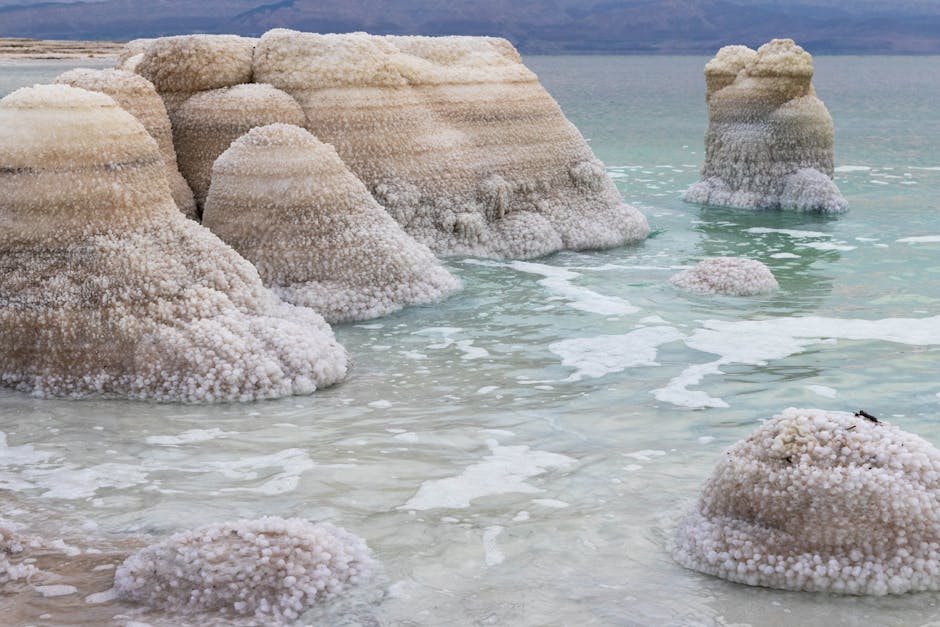
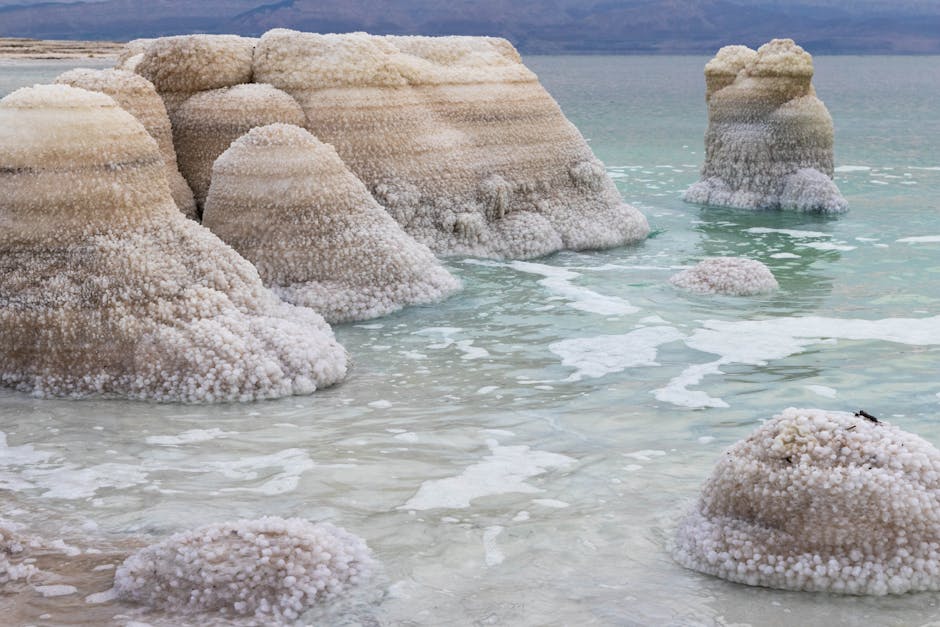
The Dead Sea’s mineral mud and salts are the base for masks, scrubs, bath salts, and creams sold all over Jerusalem. Established Israeli brands include Ahava, Premier, and Sea of Spa, and you will find them in Mamilla Mall, dedicated brand shops in the city center, pharmacies, and at Ben Gurion Airport. A single mineral mud mask typically costs 60–150 shekels, while gift sets run 200–400 shekels and up.
Buy from named brands and proper shops rather than unmarked street stalls, where products may be diluted or repackaged. Prices at airport duty-free and in-city brand stores are broadly similar; the real savings come from VAT refunds on larger purchases (covered below). If you are heading to the Dead Sea itself on a day trip, you can sometimes buy at factory shops near the shore. Our Dead Sea products guide compares brands and where to buy.
Hand-Embroidered Textiles
Palestinian cross-stitch embroidery, known as tatreez, is a centuries-old craft passed down through generations, with patterns that traditionally signaled a maker’s village or region. You will find it on pillow covers, table runners, scarves, dresses, and framed wall hangings. A hand-embroidered cushion cover commonly runs 150–300 shekels, while a large, densely worked piece or a full dress can reach 500–1,500 shekels and beyond, reflecting the many hours of handwork involved.
Hand-stitched embroidery shows tiny irregularities and a slightly raised, textured back; machine-made versions are flat and perfectly uniform. The Old City’s Arab markets and shops in Bethlehem are good sources, and some pieces are sold through women’s cooperatives, where your money more directly supports the makers.
Religious Items
As a city sacred to three faiths, Jerusalem offers religious items for each, and these are among the most meaningful things to carry home. Treat all of them respectfully and buy from shops in the relevant quarter, where the selection and quality are best.
Jewish items
Look for menorahs in brass, ceramic, or silver; decorative mezuzah cases for doorposts; hand-loomed tallit prayer shawls; and kippot in crocheted, embroidered, or silk styles. Small items start under 50 shekels, while a quality silver piece can run into the hundreds. The Jewish Quarter and Mamilla are the most convenient places to browse, with a route map in our Jewish Quarter guide.
Christian items
Crosses in olive wood, mother-of-pearl, or metal; rosaries in wood, stone, or glass beads; Orthodox-style painted icons; and small vials of water are widely sold. The Christian Quarter near the Church of the Holy Sepulchre has the deepest selection; our Christian Quarter guide maps it out. Many pilgrims buy items here to be blessed at a holy site.
Islamic items
Prayer beads (misbaha) in stone or wood, framed Arabic calligraphy of Quranic verses, and prayer rugs are typically found in the Muslim Quarter along the main souk streets. The same lanes are covered in our Muslim Quarter guide. Quality and price vary widely, so compare a few stalls before buying.
Spices, Sweets, and Wine
Edible souvenirs are the easiest to pack and among the most appreciated. Za’atar, the herb-and-sumac blend, plus baharat, sumac, and ras el hanout are sold by weight for a few shekels per 100 grams. Halva, the sesame confection, runs roughly 60–90 shekels per kilo in dozens of flavors. Sealed Israeli olive oil, date honey (silan), and tahini travel well, and Israeli wines from established wineries make a sturdy gift if you pack bottles carefully in checked luggage.
For spices and halva, the best selection is at Mahane Yehuda Market and in dedicated Old City spice shops. Our spice market guide covers what each blend is for and how to keep it fresh, and the Mahane Yehuda Market guide shows you around the stalls.
Jewelry
Jerusalem jewelry has a few local specialties. Roman glass jewelry sets shards of genuinely ancient, iridescent glass into silver pendants and earrings, usually sold with a certificate; expect 150 shekels for a small piece up into the hundreds for larger settings. Silver Star of David and hamsa pendants are everywhere, Bethlehem mother-of-pearl inlay is a regional craft, and Yemenite silver filigree is a traditional fine-work style. Mamilla Mall, the Jewish Quarter, and Old City shops are the main hunting grounds; for higher-value pieces, buy from a shop that issues a receipt and certificate.
Where to Shop
| Place | Best for | Prices |
|---|---|---|
| Old City Arab markets (souk) | Textiles, jewelry, religious items, mixed crafts | Negotiable — bargain |
| Armenian Quarter | Hand-painted ceramics direct from studios | Mostly fixed |
| Christian Quarter | Olive wood, crosses, icons, rosaries | Some negotiation |
| Jewish Quarter | Judaica, menorahs, mezuzahs, ceramics | Mostly fixed |
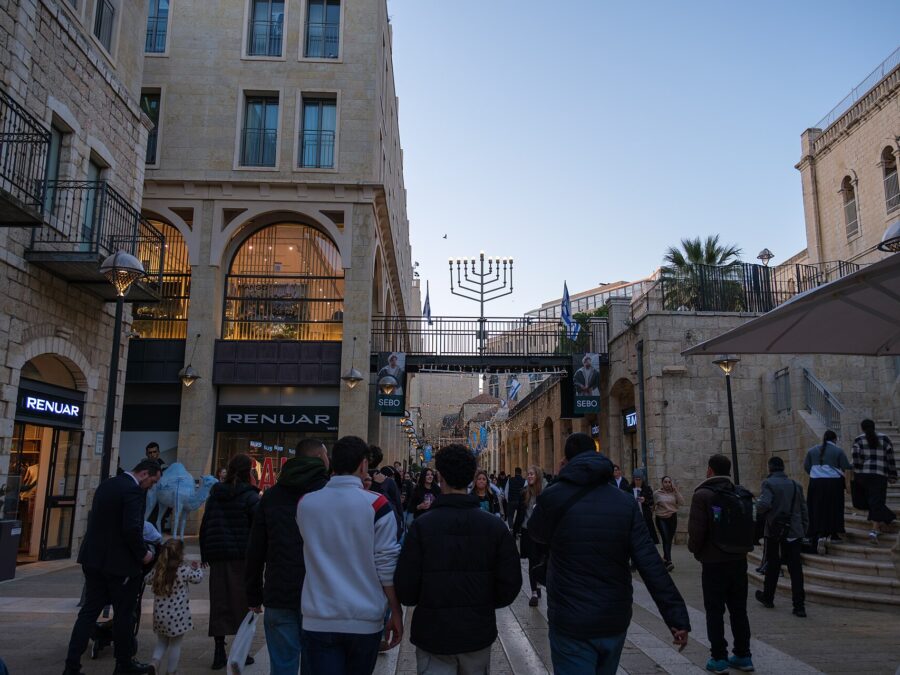
| Mamilla Mall | Dead Sea brands, jewelry, modern design | Fixed prices |
| Mahane Yehuda Market | Spices, halva, dried fruit, olive oil | Mostly fixed |
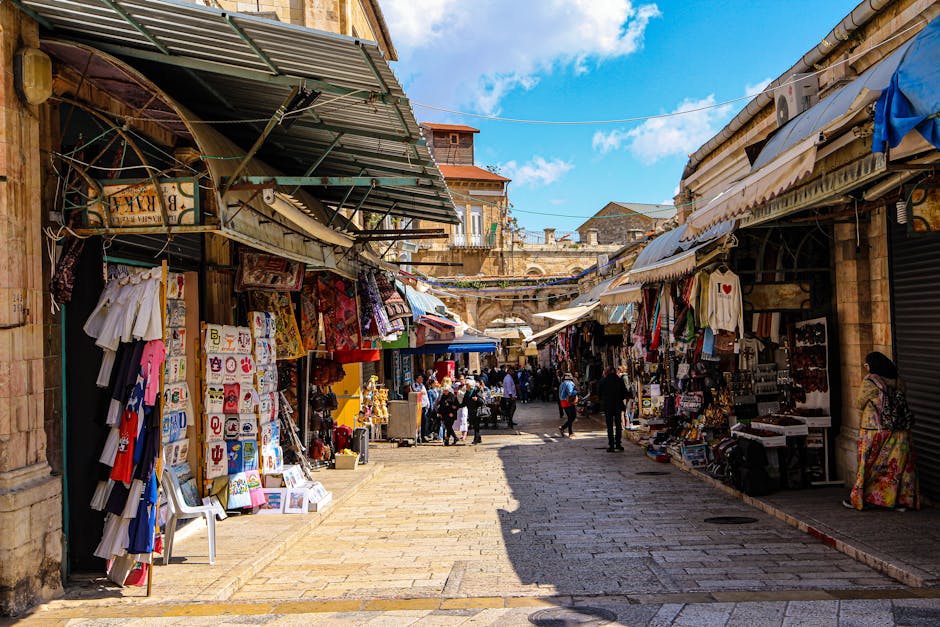
A practical rhythm is to browse the Old City quarters for crafts and religious items, then handle cosmetics, brand jewelry, and anything you want at a set price at Mamilla Mall, which sits just outside Jaffa Gate. Remember that almost everything in the Old City closes or quietens on Friday afternoon and Sunday around Christian services, and Jewish-owned shops close for Shabbat.
Bargaining: Where Yes, Where No
Knowing where haggling is expected saves money and avoids awkwardness. In the Old City Arab markets, bargaining is part of the transaction: a friendly counter-offer of roughly half the first asking price is a normal opening, and politely walking away often produces the real price. Cash usually earns a better deal than card. By contrast, Mamilla Mall and other modern shops have fixed prices, and Mahane Yehuda and the Armenian and Jewish Quarter craft shops are largely fixed too. Our dedicated bargaining guide for Jerusalem markets goes through the etiquette step by step.
VAT Refunds, Shipping, and Customs
Tourists can usually reclaim Israel’s value-added tax (VAT) on eligible goods bought from participating stores, provided a single invoice meets the minimum threshold (commonly a few hundred shekels) and you carry the items out unused. Ask the shop for a VAT refund invoice at the time of purchase, keep the goods accessible, and process the refund at the dedicated counter at Ben Gurion Airport before you fly. The refund is partial, not the full tax, after the operator’s fee.
For fragile or bulky pieces like large ceramics, many established workshops will pack and ship internationally; get a written quote and ask about insurance, since shipping can rival the price of the item. Check your home country’s customs rules on food, plant material, and value limits before you buy in quantity. Two cautions matter most: first, do not buy items sold as genuine “antiquities” unless the dealer is licensed and provides an official export certificate, because exporting antiquities without authorization is illegal. Second, holy water and liquids over the cabin limit belong in checked luggage.
What to Skip
A few things are best avoided. Cheap “antiquities” sold from market tables are almost always modern reproductions, and any genuine artifact would require an export license. Suspiciously pale, uniform “olive wood” at bargain prices is often dyed lesser timber. Unbranded “Dead Sea” creams from street stalls may be diluted. Generic plastic “Holy Land” trinkets add little and rarely survive the trip. And never accept paperwork that misrepresents an item’s age or value to clear customs. When in doubt, spend a little more at a reputable shop and take a receipt.
Buying With Meaning
The Jerusalem souvenirs worth keeping are the authentic, locally made ones that support the city’s artisans, from Armenian ceramics and olive wood to Dead Sea cosmetics and hand-stitched textiles. Plan your shopping with our main shopping guide for the city, dig into the crafts in our Armenian ceramics and olive wood guides, and brush up on the souk before you go with our bargaining guide.
Photo Credits
A souvenir shop in the Old City market: Jerusalem (13319227674) by Mark Nakasone from Haifa, Israel, Israel, CC BY 2.0, via Wikimedia Commons.
Hand-painted Armenian ceramics in an Old City workshop near New Gate: 114793 jerusalem – the old city – PikiWiki Israel by שלמה רודד, CC BY 2.5, via Wikimedia Commons.
Olive-wood carvings and embroidery at a souvenir stall on David Street in the Old City: Jerusalem, Old City Market ap 029 by Ariel Palmon, CC BY-SA 3.0, via Wikimedia Commons.