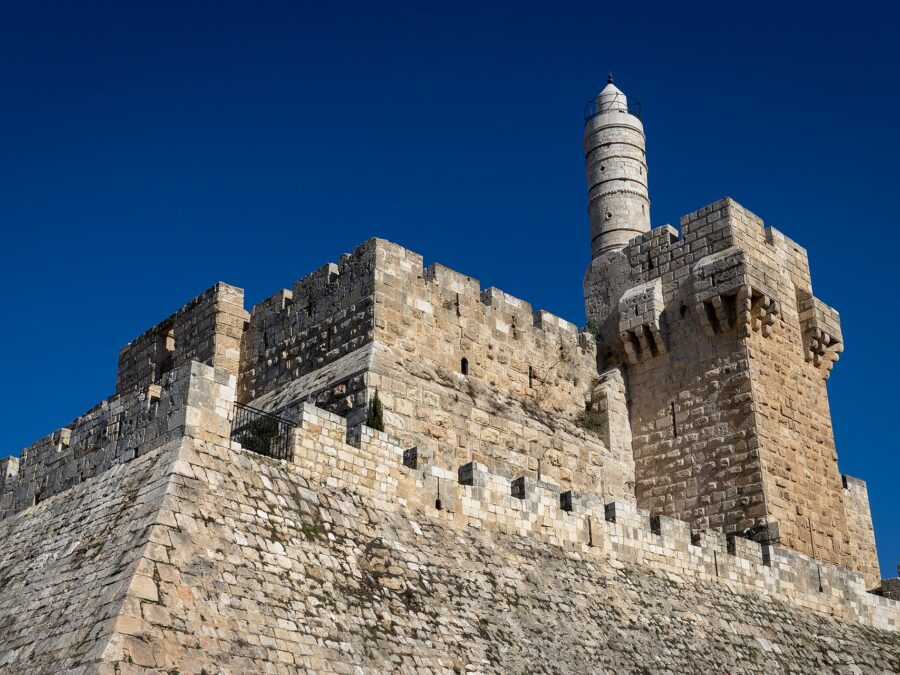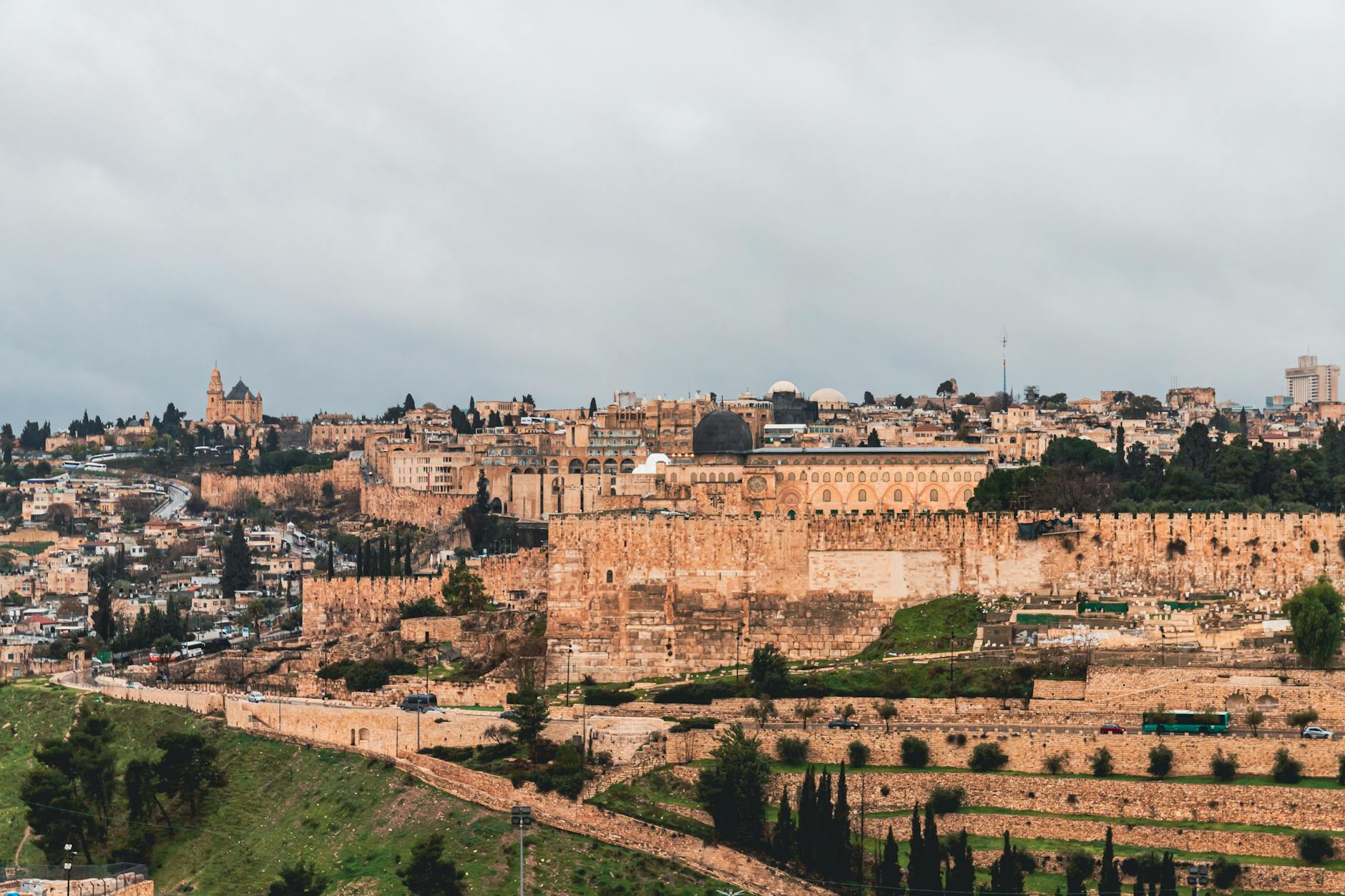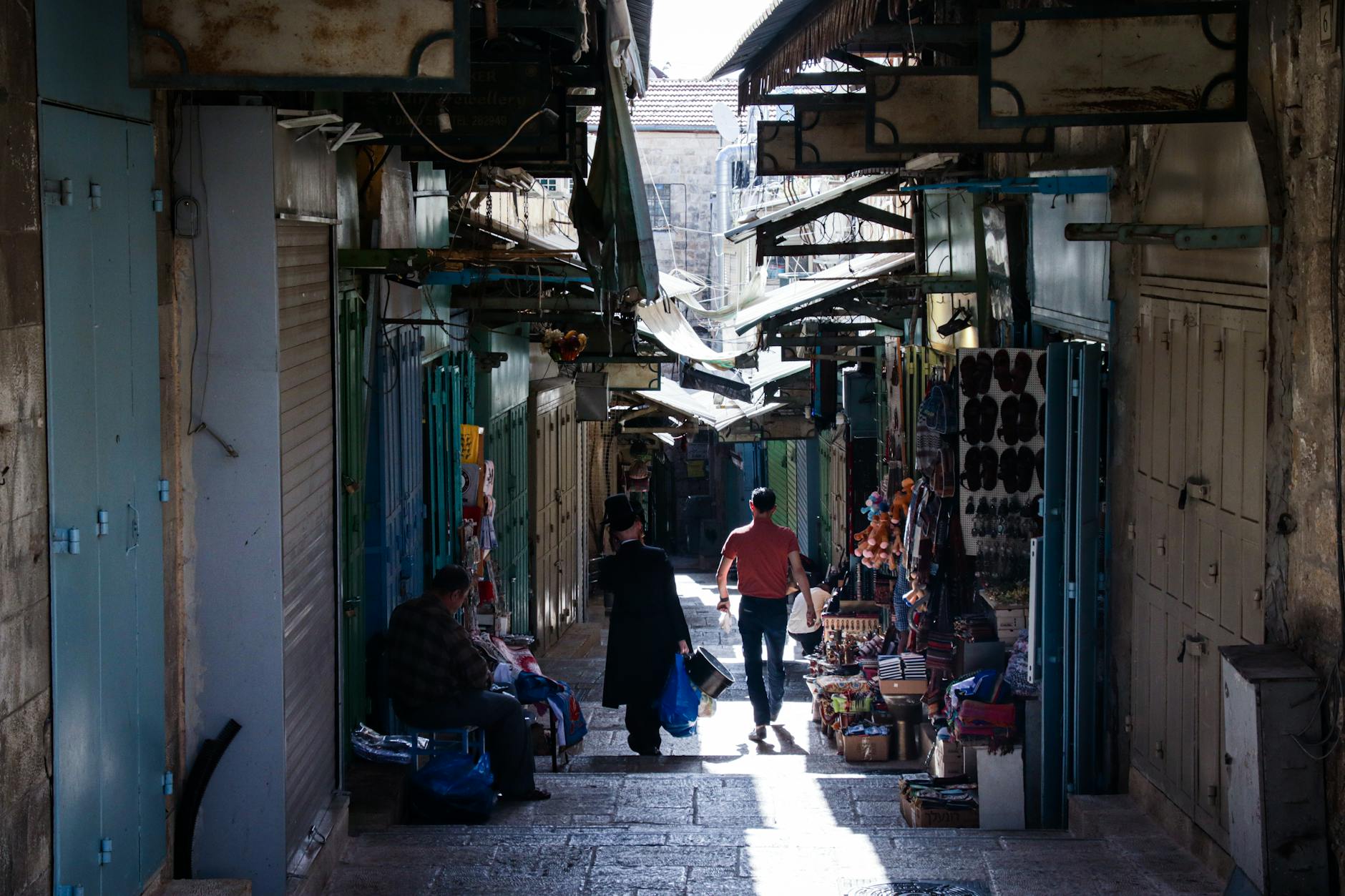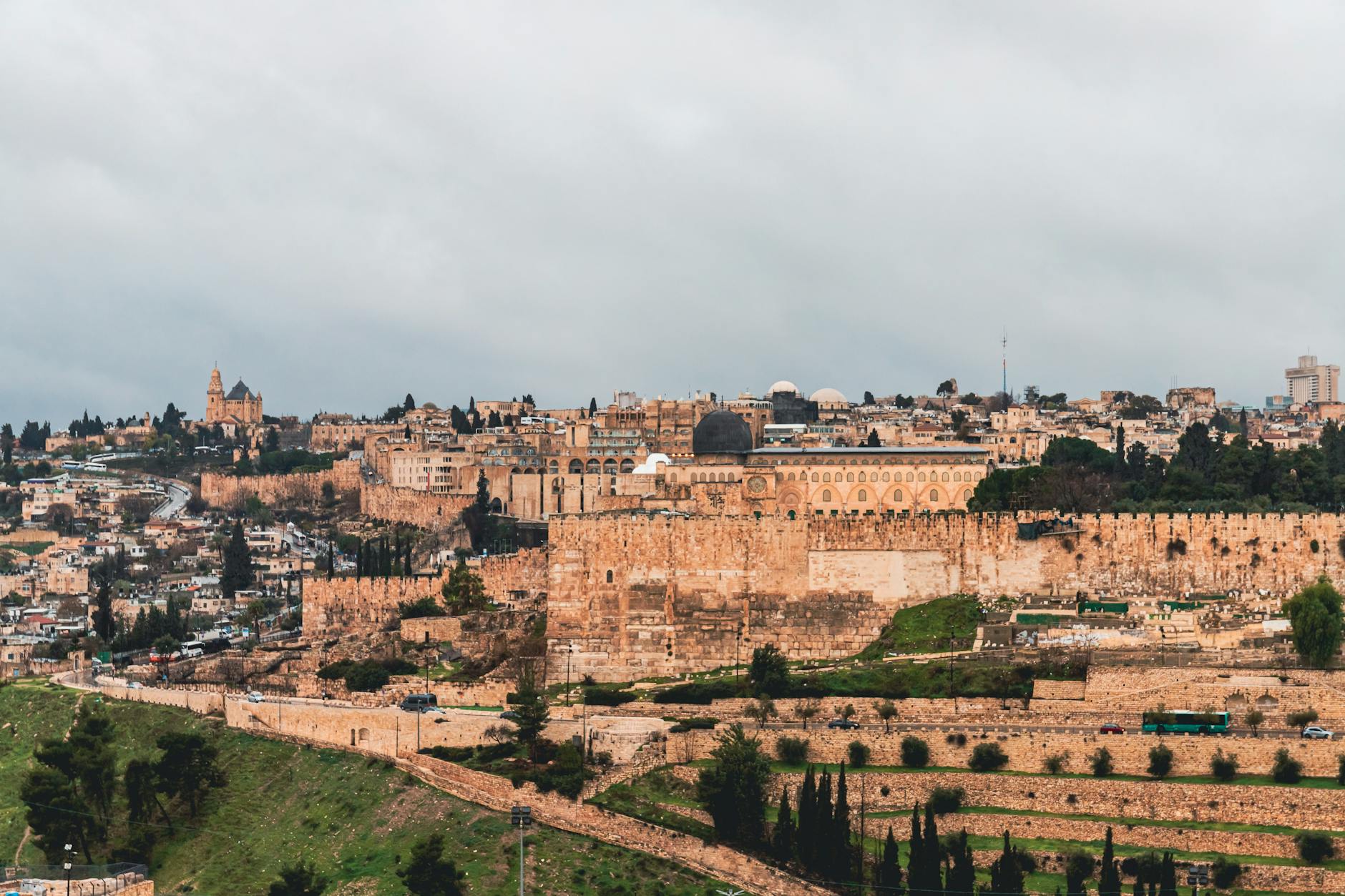
The Jerusalem Old City is unlike anywhere else on the planet. Enclosed within 16th-century Ottoman walls built by Sultan Suleiman the Magnificent, this roughly one-square-kilometer area contains some of the holiest sites in Judaism, Christianity, and Islam. Walking through its ancient gates, you enter a living mosaic of four distinct quarters — Jewish, Christian, Muslim, and Armenian — each with its own character, history, and rhythm of daily life.
This comprehensive Jerusalem Old City guide covers everything you need to know to explore this extraordinary place. Whether you have a few hours or several days, you will find detailed information on each quarter, the major gates, essential sites, practical walking routes, and insider tips that will transform your visit from a standard tourist experience into something truly memorable. The Old City is a UNESCO World Heritage Site, and understanding its layers of history is key to appreciating its significance.
Before you go — checked 15 August 2026. The Old City is open and its holy sites are operating, but conditions in Jerusalem can change quickly. Between 28 February and 9 April 2026 the Israeli authorities closed the Old City’s holy sites entirely for 41 days and ordered shops shut, and the closure spanned Ramadan and the Latin Easter. Sites reopened on 9 April 2026. Closures of individual sites, and occasional restrictions on entry through particular gates, can still be imposed at a few hours’ notice, usually around religious festivals or periods of heightened tension.
Government travel advice currently differs in tone. The US State Department places Israel at Level 3, “Reconsider Travel,” and names the Old City among areas where it may restrict its own personnel. The UK Foreign Office does not advise against travel to Jerusalem, but lists the Old City among places that could be affected by indiscriminate attacks. Check both before you book and again before you travel — this guide is not a substitute for live official advice.
Understanding the Four Quarters of Jerusalem’s Old City
The four quarters of the Old City were formally established during the Ottoman period, though the basic divisions date back centuries earlier. Each quarter occupies a roughly defined section of the walled city, and together they create a tapestry of faith, culture, and everyday life that has no parallel anywhere in the world. Before diving into each quarter, it helps to understand that the boundaries between them are not rigid walls but rather gradual transitions marked by changes in architecture, signage, sounds, and the goods sold in the local shops.
The Jewish Quarter: Heritage and Resilience
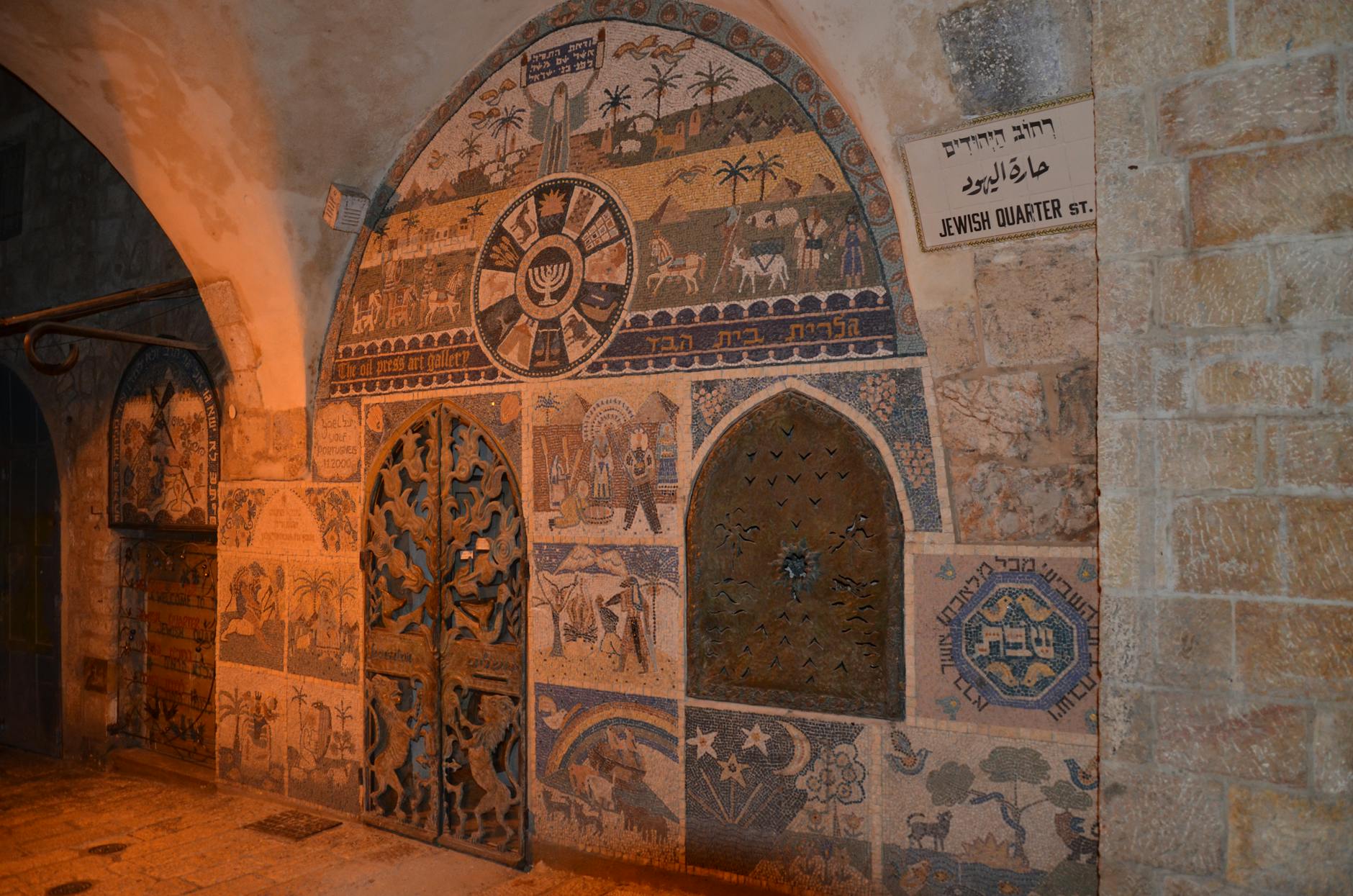
The Jewish Quarter occupies the southeastern section of the Old City and is the most recently rebuilt of the four quarters. After being heavily damaged during the 1948 Arab-Israeli War, the quarter underwent extensive reconstruction following 1967, revealing remarkable archaeological discoveries in the process. Today it is a harmonious blend of ancient ruins and modern residential life, with clean stone walkways, well-maintained buildings, and a peaceful atmosphere that belies its turbulent history.
The centerpiece of the Jewish Quarter — and indeed the entire Old City — is the Western Wall (Kotel), the last remaining retaining wall of the Second Temple compound and the holiest site where Jews can pray. The vast plaza before the Wall hosts daily prayers and bar mitzvah celebrations, and the experience of placing your hand on its massive Herodian stones is profoundly moving regardless of your faith. Nearby, the Western Wall Tunnels offer a fascinating underground tour along the full length of the ancient wall, revealing massive foundation stones that weigh hundreds of tons.
Other must-see sites in the Jewish Quarter include the Hurva Synagogue, destroyed and rebuilt multiple times throughout history and now beautifully restored with its distinctive white dome. The Cardo, the main boulevard of Byzantine Jerusalem, has been partially excavated and now serves as an upscale shopping arcade. The Burnt House and Herodian Quarter provide vivid windows into life in Jerusalem two thousand years ago, with well-preserved mosaics, ritual baths, and artifacts from the Second Temple period.
The Christian Quarter: Pilgrimage and Devotion
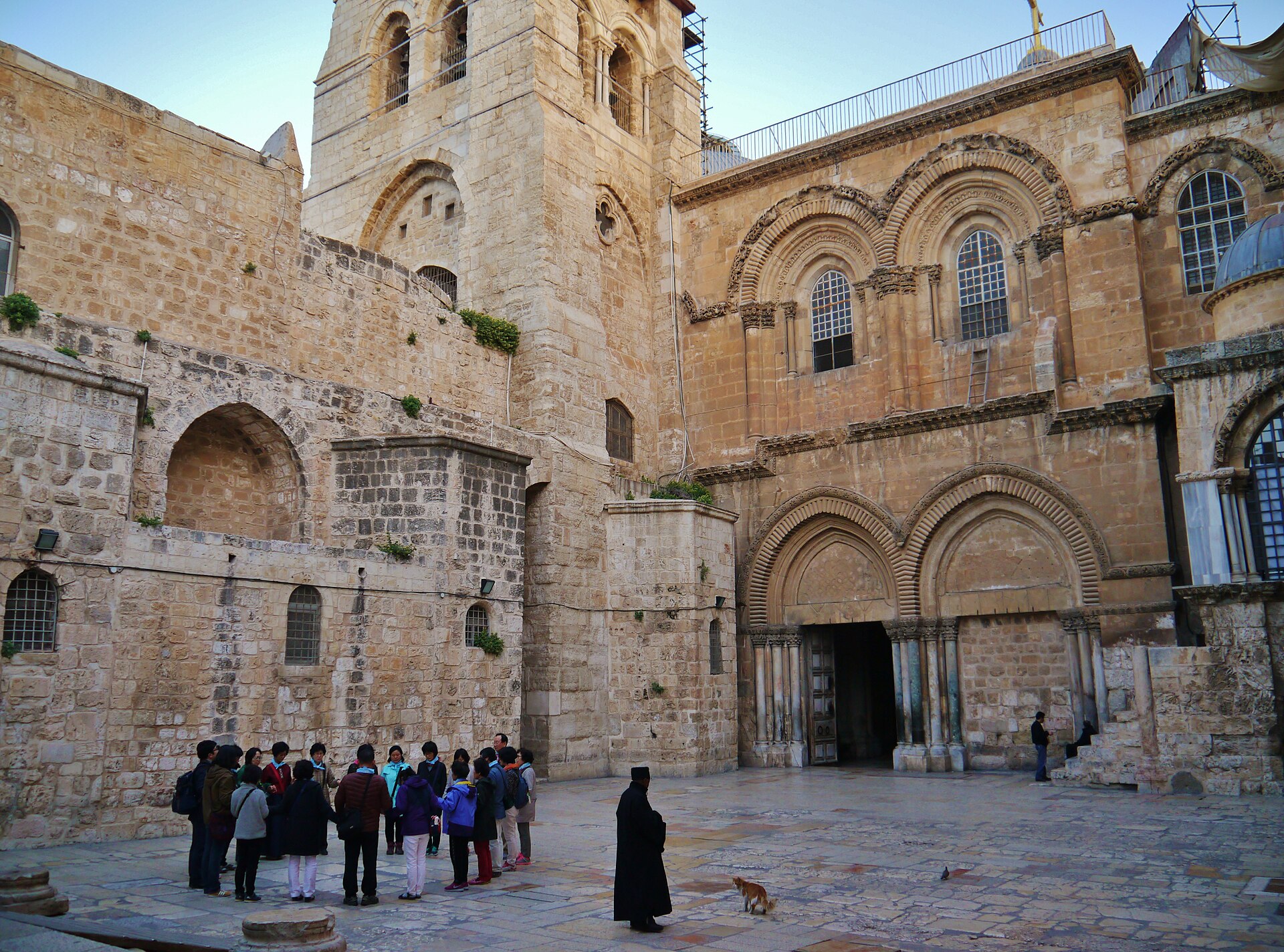
The Christian Quarter covers the northwestern section of the Old City and is the spiritual heart of Christianity in Jerusalem. Its narrow streets are lined with churches, monasteries, pilgrim hostels, and shops selling religious items, olive wood carvings, and traditional crafts. The atmosphere here is one of quiet devotion mixed with the bustle of daily commerce, and the sound of church bells regularly punctuates the air. Our complete Christian Quarter guide covers the churches, opening hours and pilgrimage routes in far more depth.
The crown jewel of the Christian Quarter is the Church of the Holy Sepulchre, which stands on the site traditionally believed to be where Jesus was crucified, buried, and resurrected. This massive church is shared by six Christian denominations — Greek Orthodox, Roman Catholic, Armenian Apostolic, Coptic Orthodox, Syriac Orthodox, and Ethiopian Orthodox — and its complex arrangement of chapels, altars, and sacred spaces reflects centuries of negotiation. Key areas within the church include the Stone of Anointing at the entrance, the Chapel of the Crucifixion (Golgotha), and the Aedicule housing the Holy Tomb.
The Via Dolorosa, or Way of Sorrows, begins in the Muslim Quarter and winds through to the Christian Quarter, tracing what tradition holds as Jesus’s path to crucifixion. The route is marked by fourteen Stations of the Cross, each commemorating a specific event during the Passion. Walking the Via Dolorosa is one of the most powerful experiences available in Jerusalem, especially on Friday afternoons when the Franciscan procession makes its way along the route. Other notable sites include the Lutheran Church of the Redeemer with its panoramic tower, and the Church of St. Anne near the Pools of Bethesda.
The Muslim Quarter: Markets and Atmosphere
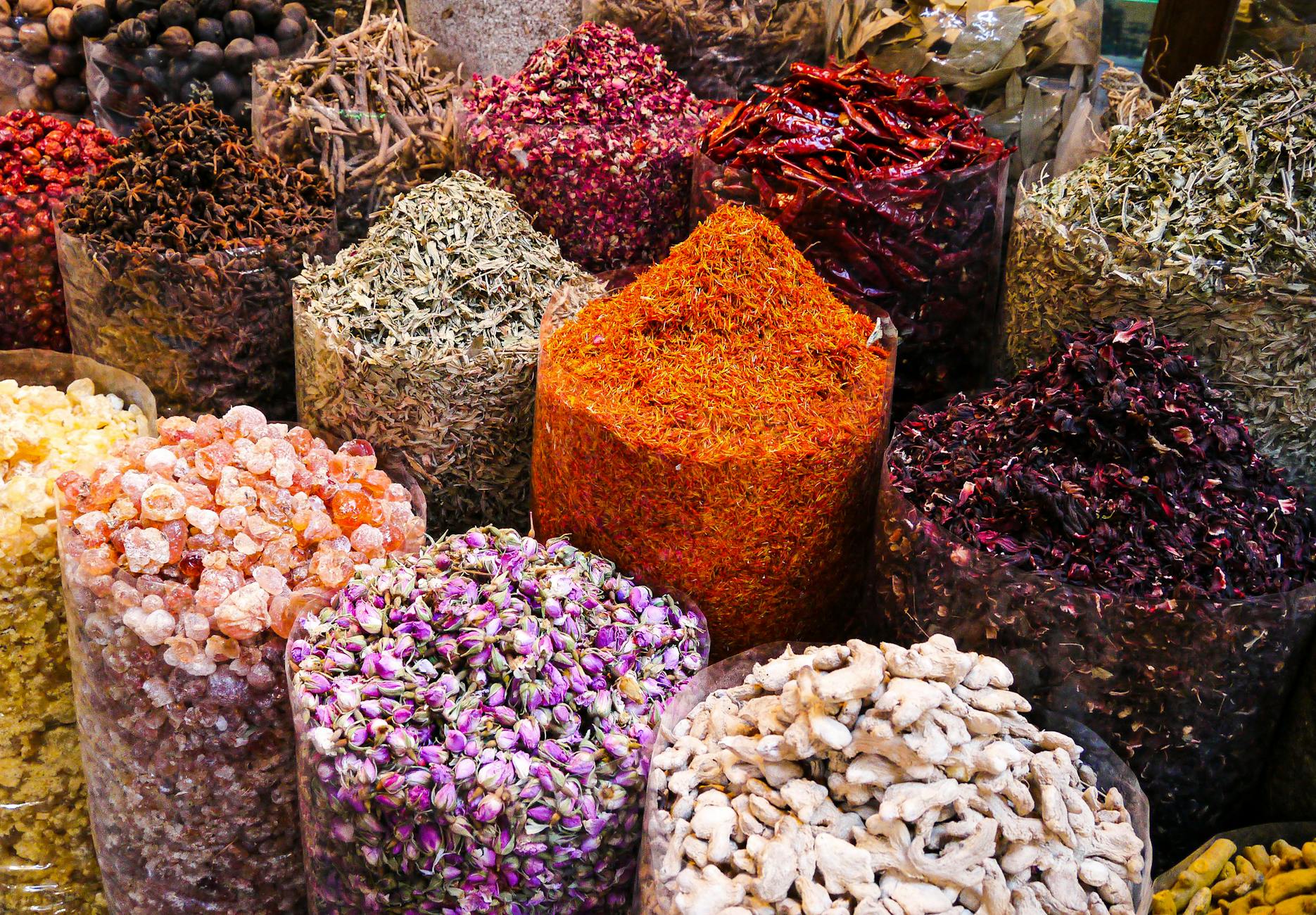
The Muslim Quarter is the largest and most densely populated of the Old City’s four quarters, occupying the northeastern corner. It is also the most vibrant and commercially active, with bustling souks that overflow with spices, textiles, ceramics, leather goods, and fresh produce. The narrow covered streets create a sensory experience unlike anything else — the aroma of freshly baked bread and roasting coffee mixing with calls from shopkeepers and the chatter of locals going about their daily business. If you plan to spend real time here, our guide to the Muslim Quarter breaks down its streets, sites and quietest hours to visit.
While the Muslim Quarter’s primary draw is its incredible market atmosphere, it also contains several important historical and religious sites. The first seven stations of the Via Dolorosa actually lie within the Muslim Quarter, not the Christian Quarter. The quarter is also home to numerous madrassas (Islamic schools), historical caravanserais, and beautifully decorated Mamluk-era buildings that are often overlooked by tourists rushing to the more famous sites. Look up as you walk through the covered markets to notice the stunning architectural details above the shop fronts.
The Temple Mount (Haram al-Sharif) is accessed from the Muslim Quarter and represents one of the most important and sensitive religious sites in the world. The golden Dome of the Rock and the silver-domed Al-Aqsa Mosque dominate the Jerusalem skyline and are among the most photographed structures on Earth. Non-Muslim visitors may enter the Temple Mount compound during limited visiting hours but cannot enter the mosques themselves. The experience of standing on this plateau, sacred to all three Abrahamic faiths, is unforgettable.
The Armenian Quarter: Quiet Beauty
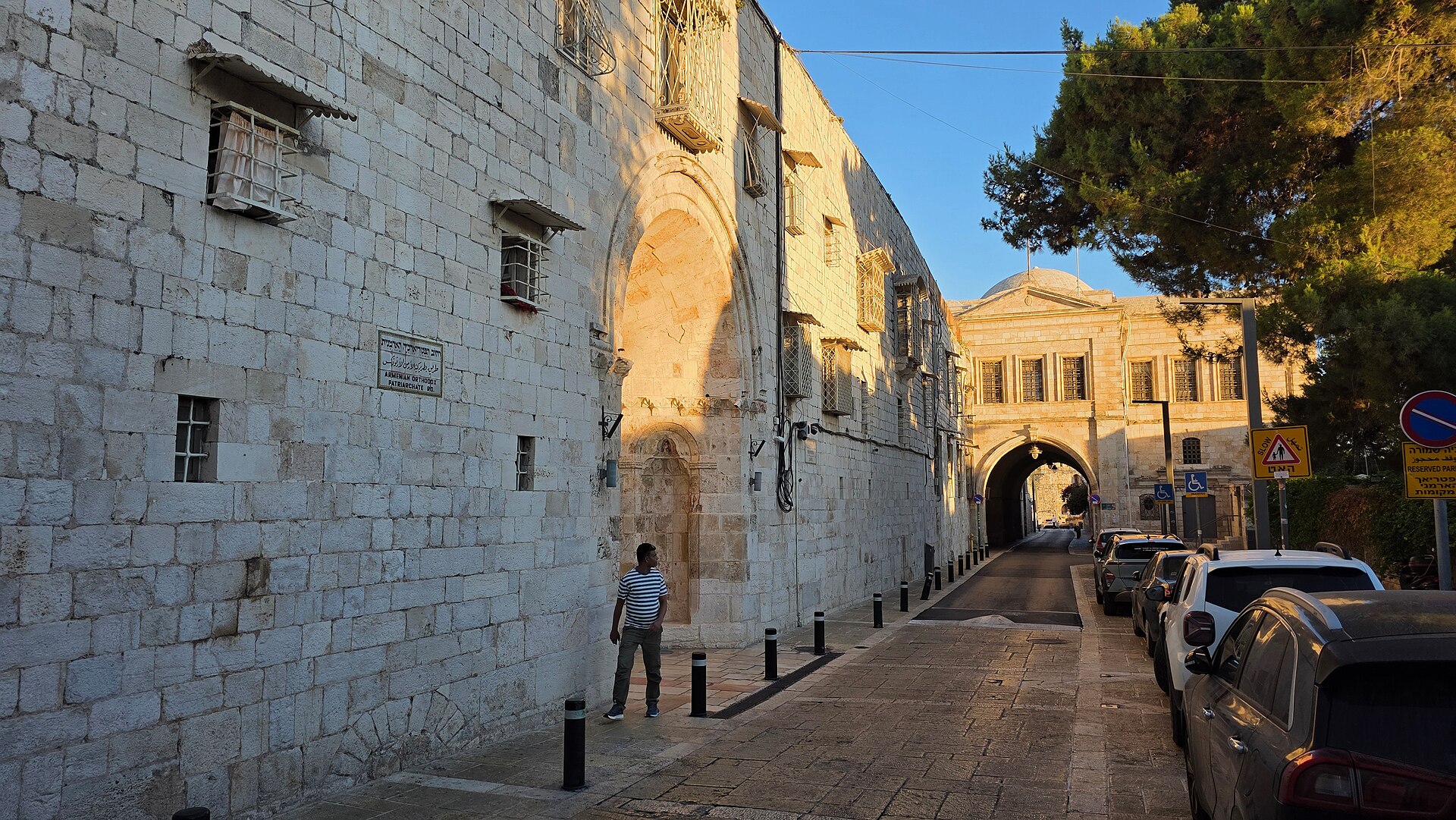
The Armenian Quarter is the smallest and most tranquil of the four quarters, tucked into the southwestern corner of the Old City. The Armenian community has maintained a continuous presence in Jerusalem for over 1,600 years, making it one of the oldest diaspora communities in the world. Despite its small size, the quarter has a distinct identity, with its own patriarch, seminary, and a close-knit residential community that numbers several hundred people.
The Cathedral of St. James is the spiritual center of the Armenian Quarter and one of the most beautiful churches in Jerusalem. Its interior is richly decorated with hanging lamps, blue-and-white Iznik tiles, ancient manuscripts, and ornate religious art. The cathedral is only open during services, typically in the mid-afternoon, so plan your visit accordingly. Adjacent to the cathedral, the Mardigian Museum showcases Armenian art, history, and the community’s experience of the Armenian Genocide. The Edward and Helen Mardigian Museum of the Armenian Patriarchate includes ceramics, manuscripts, and liturgical objects spanning centuries.
Visiting the Temple Mount (Haram al-Sharif)
The Temple Mount, known to Muslims as Haram al-Sharif, is the most sensitive site in the Old City and the one most often missed by visitors who simply turn up at the wrong time. The 37-acre esplanade holds the golden Dome of the Rock and the silver-domed Al-Aqsa Mosque, and it is sacred to Jews as the site of the First and Second Temples. Entry is free, but access for non-Muslims is tightly controlled and the visiting window is short.
Hours, entry and the one gate you can use
Non-Muslim visitors may enter only through the Mughrabi Bridge, the covered wooden ramp that rises from the southern end of the Western Wall plaza near Dung Gate. You reach it from outside the Kotel prayer area, not from within it. No other gate admits non-Muslims, and you cannot come back out the same way — you exit through one of the northern or eastern gates, which delivers you into the Muslim Quarter souk.
Visiting hours are typically Sunday to Thursday, roughly 07:30 to 11:00 and again from about 13:30 to 14:30 in summer, shifting around 90 minutes earlier in winter. The compound is closed to non-Muslims all day Friday and Saturday and on Muslim holidays. During Ramadan the afternoon slot disappears and non-Muslims are barred entirely during the final ten days. These hours change, so confirm them with the Christian Information Center before you set out.
Queues are the real constraint. Only limited numbers are admitted, security screening is slow, and there is no shade whatsoever in the line. Join the queue before the morning opening rather than after it — the afternoon slot is short enough that a long queue can consume the entire window. Bring water, a hat and sunscreen.
The rules, and why they matter
- You cannot enter the buildings. The interiors of the Dome of the Rock and Al-Aqsa Mosque are closed to non-Muslims at all times. Visitors see the esplanade only.
- Non-Muslim prayer is prohibited on the compound under the long-standing Status Quo arrangement.
- Religious items are refused at the checkpoint. Bibles, prayer books, crosses, rosaries, tefillin and tallitot are all routinely turned away, whatever the faith. Carrying them can get you denied entry — leave them at your accommodation.
- Dress modestly. Shoulders covered, long trousers or a long skirt. No shorts, for men or women.
- Follow police instructions without argument. The compound is policed closely and tensions here are political as well as religious.
The compound closes without warning during periods of unrest, and did so for six weeks in early 2026. Treat a Temple Mount visit as something to attempt early in your trip, so you have a second chance if the first attempt fails.
The Eight Gates of Jerusalem’s Old City
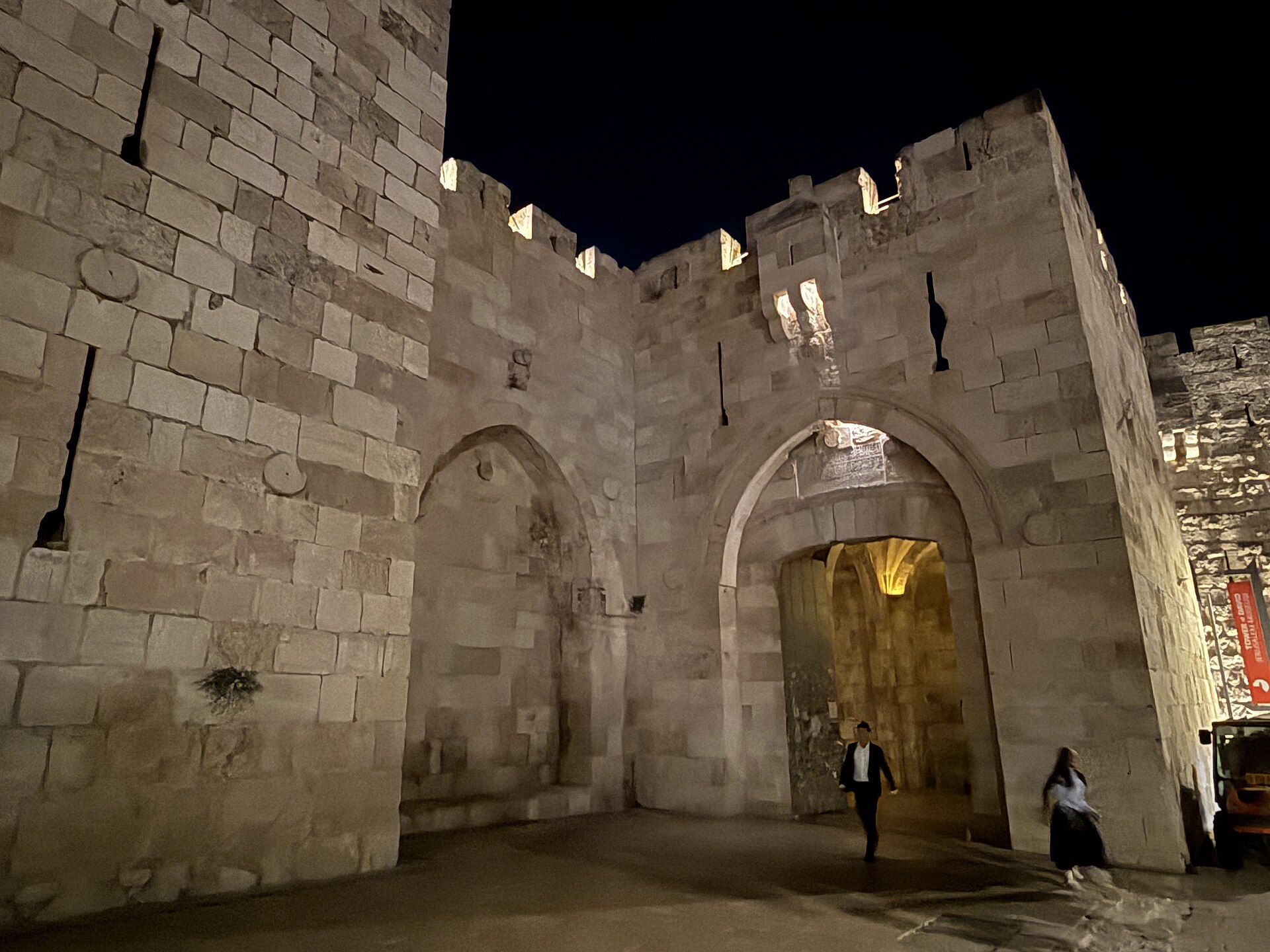
The Old City walls feature eight gates, seven of which are open. Each gate has its own history and leads to different areas of the Old City. Understanding the gates is essential for navigating effectively and planning your walking routes.
Jaffa Gate (Bab al-Khalil) is the main entrance on the western side and the most convenient starting point for most visitors. It leads directly to both the Christian and Armenian Quarters and is adjacent to the Tower of David Museum. Damascus Gate (Bab al-Amud) on the northern wall is the most impressive architecturally, with its decorated facade and wide staircase leading down to the Muslim Quarter. Dung Gate (Bab al-Maghariba) on the southern wall is the closest entrance to the Western Wall and Jewish Quarter. Lions’ Gate (Bab al-Asbat) on the eastern wall marks the beginning of the Via Dolorosa and is near the Pools of Bethesda.
The other gates include Zion Gate, connecting to Mount Zion and bearing bullet holes from the 1948 war; Herod’s Gate (Bab al-Zahra), a quieter northern entrance to the Muslim Quarter; New Gate, the most recently opened (1889) leading to the Christian Quarter; and the Golden Gate (Gate of Mercy), the oldest and most mystically significant gate, which has been sealed since medieval times and holds deep eschatological meaning in all three Abrahamic faiths.
Getting to the Old City
The Old City sits at the heart of Jerusalem and is easy to reach, but the gate you aim for matters more than the transport you choose. Arriving at the wrong gate can add 20 minutes of uphill walking through crowded alleys.
By light rail and bus
The Red Line light rail is the simplest approach. City Hall station, by Safra Square, is about a 10 to 15 minute walk from Jaffa Gate and roughly five minutes from New Gate. Damascus Gate station puts you at the northern wall and the East Jerusalem bus hubs. A single urban ride was ₪8 as of August 2026, with free transfers for 90 minutes; a day pass covering the city was around ₪17.50. Buy an anonymous Rav-Kav card, as personal cards require Israeli ID, or use a ticketing app.
Bus lines 1 and 3 run into the Old City and reach the Western Wall directly, and line 38 loops the Jewish Quarter. East Jerusalem buses depart from three clusters within 200 metres of Damascus Gate and, unusually for Israel, accept cash. They also run seven days a week, including Shabbat, which makes them genuinely useful on a Saturday.
By car, taxi and on foot
Jaffa Gate is the only gate through which vehicles can enter, and then only during set hours and mostly for residents, permit holders and small shuttles. Taxis are allowed through, so you can be dropped close to the Western Wall. There is no taxi rank inside the walls; drivers wait outside Jaffa Gate, at Dung Gate and by the Kotel.
For parking, the Karta car park at Jaffa Gate is the standard choice and its great advantage is that you can drive out on Shabbat — many Jerusalem car parks close, and a car left in one is stuck until it reopens. Published rates vary considerably between sources, so check the sign at the entrance, which is the legally binding price. Mamilla’s underground car park is the other main option.
Which gate for which destination
- Jaffa Gate — Tower of David, Christian and Armenian Quarters, David Street souk
- Damascus Gate — the Muslim Quarter souk and East Jerusalem buses
- Lions’ Gate — the start of the Via Dolorosa and St Anne’s Church
- Dung Gate — the Western Wall plaza, Davidson Center and City of David, and the only wheelchair-accessible route to the Kotel
- Zion Gate — the Jewish Quarter and Mount Zion, with a car park outside
- New Gate — the Christian Quarter, opposite Notre Dame
Our guide to the gates of Jerusalem’s Old City covers the history and character of each entrance in more detail.
Walking Routes Through the Old City
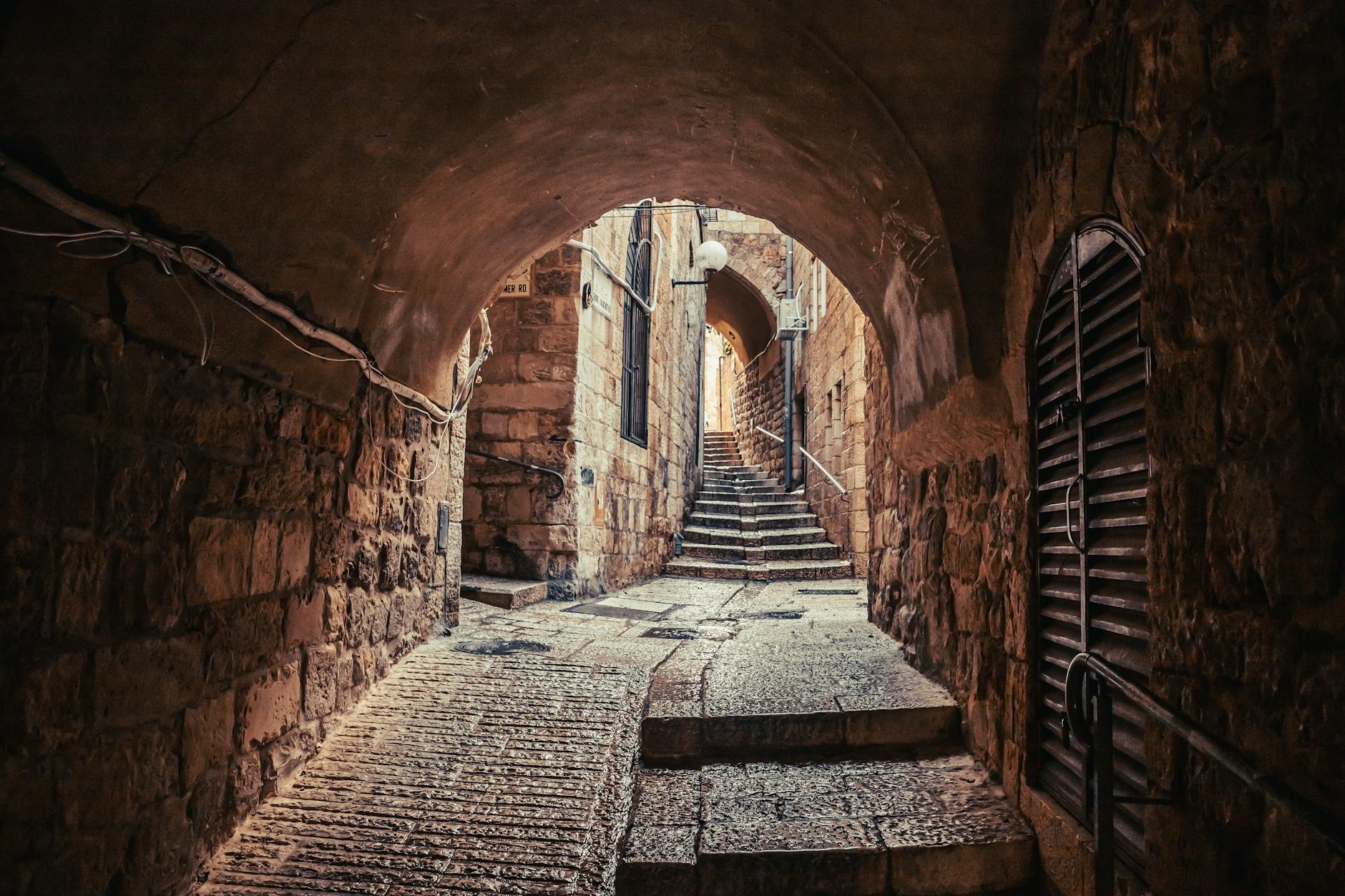
Planning a walking route through the Old City depends on your available time, interests, and physical capabilities. The cobblestone streets are uneven in places, and the many stairways can be challenging for those with mobility issues. Here are three recommended routes that cover the major highlights.
The Essential Half-Day Route (3-4 Hours)
Start at Jaffa Gate and walk through the Armenian Quarter to the Jewish Quarter. Visit the Cardo, then continue to the Western Wall. From there, exit through the Dung Gate, walk outside the walls to Lions’ Gate, and enter to follow the Via Dolorosa through the Muslim Quarter to the Church of the Holy Sepulchre in the Christian Quarter. This route hits all the major highlights and gives you a taste of each quarter. Allow extra time if you want to visit sites thoroughly rather than just passing through.
The Full-Day Deep Dive (6-8 Hours)
Begin early at Damascus Gate to explore the Muslim Quarter’s markets when they are freshest and quietest. Walk the Via Dolorosa to the Church of the Holy Sepulchre, spending time inside. Continue to the Muristan area and the Lutheran Church of the Redeemer tower for panoramic views. Head through the Armenian Quarter, visiting St. James Cathedral during afternoon services. Proceed to the Jewish Quarter for the Hurva Synagogue, Cardo, and Burnt House museum before arriving at the Western Wall for sunset prayers. This is the most rewarding way to experience the Old City if you have time.
The Ramparts Walk
For a completely different perspective, walk atop the Old City walls themselves. The Ramparts Walk is divided into two sections — a northern route from Jaffa Gate to Lions’ Gate, and a southern route from Jaffa Gate to Dung Gate. The northern section offers the best views, including panoramas over the Temple Mount, the Muslim Quarter rooftops, and the Mount of Olives. Tickets can be purchased at Jaffa Gate or Damascus Gate. Allow about 45 minutes for each section, and bring water as there is no shade.
Planning Around Friday, Saturday and Sunday
This is the single most useful thing to understand about the Old City, and the thing most visitors get wrong. Three faiths observe three different holy days in the same square kilometre, so something is always closed — but never everything, and rarely the same thing twice.
Friday: the Muslim day of prayer
The Temple Mount is closed to non-Muslims all day. Communal prayers draw enormous crowds — often more than 100,000 worshippers — approaching through Damascus, Lions’ and Herod’s Gates, with heavy police deployment and occasional entry restrictions. Prayers fall around midday, shifting with the season, and most experienced visitors avoid the Muslim Quarter and the Via Dolorosa between roughly 10:00 and 14:00.
The Muslim Quarter souk typically opens around 09:00 and shuts by about 15:00 on Fridays, closing over midday prayer. From early Friday afternoon the Jewish Quarter begins shutting for Shabbat, shutters coming down and a siren sounding across the city before sunset. The compensation is the Franciscan Way of the Cross procession, which has walked the Via Dolorosa every Friday since the 14th century, setting off mid-to-late afternoon depending on the season.
Saturday: Shabbat
Shabbat runs from sunset Friday to nightfall Saturday, and in Jerusalem it starts remarkably early in winter — candle-lighting can be as early as 15:54 in December and as late as 19:08 in midsummer. That three-hour swing catches people out, and the two daylight-saving weekends shift it by more than an hour in a single week.
Closed: the entire Jewish Quarter, including all its shops, restaurants and sites, plus the City of David, Zedekiah’s Cave and the covered Cardo shops. You can still walk through the quarter freely, and the open excavated Cardo is accessible at any time.
Open: a great deal more than most visitors expect. The Muslim and Christian Quarter souks trade as normal, the Church of the Holy Sepulchre keeps its usual hours, and the Arab-owned restaurants are the practical answer to Saturday lunch. The Western Wall is open, as it is 24 hours a day year-round — but from Friday sunset to Saturday nightfall, no photography of any kind is permitted at the Wall, including phone photos, and phones should be switched off rather than silenced. Ushers enforce this firmly.
Friday evening at the Kotel is the best free spectacle of the week, as yeshiva students arrive singing and dancing to welcome Shabbat. Arrive about half an hour before candle-lighting. Note that Israeli public transport stops entirely for Shabbat; East Jerusalem buses and private taxis keep running, the latter on a higher regulated tariff.
Sunday: the Christian day
Christian Quarter shops close, including the Muristan market, while the Muslim Quarter souk stays open. Several sites that catch out Via Dolorosa walkers are shut on Sundays — the Basilica of St Anne and the Pools of Bethesda just inside Lions’ Gate, the Garden Tomb, and the Lutheran Church of the Redeemer bell tower. The Armenian Museum closes Sunday and Monday both.
The practical takeaway: if you have only one day, make it Sunday to Thursday. If your visit includes a weekend, plan the Jewish Quarter and Western Wall Tunnels for a weekday, the souks and the Holy Sepulchre for Saturday, and keep Friday midday free of anything time-critical.
Shopping in the Old City Souks
The Old City souks are among the most atmospheric markets in the Middle East, and shopping here is as much about the experience as the purchases. The main market streets run from Damascus Gate south through the Muslim Quarter, branching in several directions. You will find everything from hand-painted Armenian ceramics and olive wood nativity scenes to embroidered Palestinian textiles, hand-blown Hebron glass, spices, leather goods, and religious items from all three faiths.
Bargaining is expected and part of the culture in the souk — a good rule of thumb is to start at about half the asking price and negotiate from there. Cash is preferred, especially in smaller shops, and while Israeli shekels are the standard currency, US dollars and euros are widely accepted. Be cautious with credit cards in very small shops, as card skimming has been reported. The best shopping experiences come from engaging with shopkeepers, accepting their offers of tea, and taking time to learn about their crafts. For more about the local food scene and market snacks, check our dedicated guide.
Where to Eat Inside the Old City
Old City eating is overwhelmingly a daytime proposition. The famous hummus houses shut by mid-afternoon, and once the souks close the walled city empties quickly. Plan lunch inside the walls and dinner outside them, unless you have booked a rooftop table.
The hummus institutions
Abu Shukri, on Al-Wad Street beside the Fifth Station of the Cross, has been run by the same family for over 70 years and serves essentially one thing. Lina, behind distinctive blue doors on Al-Khanqah Street in the Christian Quarter, opened in 1966 and inspires equal devotion. Both open around 08:00 and close by 17:00 or 17:30. Expect roughly ₪30 to ₪45 for a hummus plate with pita and onion, though prices move and neither publishes a menu online.
Beyond hummus
- Abu Kamel, in the Muristan — third-generation, open since 1935, with maqluba on Saturdays.
- Kebab Abu Shaheen in the Butchers’ Market — lamb hand-chopped with a half-metre sword and grilled over charcoal. No fries, no extras, no menu to speak of.
- Ja’far Sweets on Khan el-Zeit — founded 1951 and the benchmark for knafeh, the hot cheese and semolina dessert, made with cheese from Nablus.
- The ka’ak carts by the Church of the Redeemer — sesame bread rings with za’atar, baked in an olive-wood oven and the cheapest honest snack inside the walls.
- Bulghourji and the Armenian Tavern in the Armenian Quarter — Armenian cooking in vaulted historic rooms, and the best sit-down meals in that corner of the Old City.
The Austrian Hospice café on the Via Dolorosa is a genuine oddity worth knowing about: Viennese coffee, apple strudel and schnitzel in a walled garden, open daily from 10:00 and — usefully — open on Shabbat. Christ Church’s café near Jaffa Gate is among the cheapest sit-down options inside the walls and also opens Saturday.
Two practical notes. Jewish Quarter restaurants are kosher, mostly dairy, and close from Friday afternoon through Saturday night. And always ask for a menu with prices — see the warnings below. For the wider city, our Jerusalem food guide covers neighbourhoods where the Old City runs out of options.
Rooftops and Viewpoints
Getting above the alleys transforms your sense of the Old City. From street level it is a warren; from 20 metres up, the geography of the four quarters and the Temple Mount suddenly makes sense. There are four legitimate ways up, and prices below were current in August 2026.
- Austrian Hospice terrace — around ₪5, open daily 10:00 to 22:00, and reached by lift. This is the only genuinely step-free rooftop in the Old City. Views over the Temple Mount, the Mount of Olives and, on a clear day, the mountains of Jordan.
- Lutheran Church of the Redeemer bell tower — around ₪15, including the excavations beneath the church. Monday to Saturday, 10:00 to 17:00, closed Sunday. It is 178 steps up a narrow spiral staircase with no lift and no room to pass, but the 360-degree panorama is widely considered the best paid view inside the walls.
- The Ramparts Walk — around ₪25 for a ticket valid on both routes. The northern section gives the finest views. See the walking routes section above.
- Tower of David — the Phasael Tower observation point is included in museum admission, around ₪55 for an adult. Our Tower of David guide covers the museum and its evening sound-and-light shows.
The classic postcard view is not inside the walls at all. The viewpoint by the Seven Arches Hotel on the Mount of Olives takes in the entire walled city with the Dome of the Rock at its centre. It is free, open at any hour, and best at sunrise when the Dome catches the first light. Any taxi driver knows the Seven Arches; East Jerusalem bus 275 from Sultan Suleiman Street also runs there. Be firm with the camel and donkey photo touts, who will quote a price only after you are sitting on the animal.
One thing to avoid: informal rooftop “tours” offered in the souk. The Old City rooftops are residential, access runs over people’s homes, and the area near the Cotton Merchants’ Gate abuts the Temple Mount, where climbing is extremely sensitive. “Come, I show you the roof” is a well-documented approach to a sales pitch or worse.
Accessibility in the Old City
The Old City is more accessible than it was, and less accessible than the marketing suggests. Between 2009 and the early 2020s a municipal programme ramped or levelled somewhere between four and six kilometres of lanes, described officially as covering up to 95 per cent of public routes. A spokesperson for the project put the starting point memorably: “the steps in the Old City were built for camels.”
The honest picture is mixed. The walled city sits on five hills and the New Gate stands some 80 metres above Dung Gate, so gradients are unavoidable. Ramp styles and locations change without warning, the polished limestone stays slippery, and the same ramps have made it easier for motorbikes and delivery carts to move fast through narrow alleys. The project itself concedes that “manoeuvring the path is still an effort.”
What is known to work
- The Western Wall is reachable, but only via Dung Gate. This is the one hard official rule — wheelchair access to the plaza is from the Dung Gate entrance only.
- The Tower of David is fully accessible following its 2023 renovation, with glass lifts and ramps to every gallery, sign-language and audio-described guides included in admission. Only the Phasael Tower observation deck is out of reach, with a 360-degree digital panorama substituted.
- The Austrian Hospice terrace is reached by lift — the one step-free view from above.
- The Holy Sepulchre courtyard has been ramped, and the Stone of Unction just inside the door is effectively at floor level. Calvary, up a very steep stair, and the Aedicule itself are not accessible.
- The free “Accessible JLM – Old City” app navigates using accessible routes only, and a printed accessibility map is available at the tourist information office inside Jaffa Gate.
What does not work: the Ramparts Walk is explicitly inaccessible, with stairs and uneven flooring throughout — the free alternative is to walk the outside base of the walls from Jaffa Gate around the citadel. The Jewish Quarter was not included in the original accessibility programme and wheelchair users consistently report it as the hardest of the four quarters. David Street, the main route in from Jaffa Gate, is narrow and stepped.
Two practical points. Accessible taxis operate in Jerusalem and must be booked ahead. And the lifts in the Western Wall Tunnels are inspected each morning but can fail because of humidity underground, so call ahead if a lift is essential to your visit.
Common Mistakes, Scams and How to Avoid Them
Violent crime against tourists is not the risk profile in the Old City — security presence is heavy and most visitors report feeling entirely safe, including in the Muslim Quarter. What you should guard against is sharp commercial practice, which is concentrated in a handful of predictable places.
The ones worth knowing
- Menus without prices. The most common trap. You order a falafel or shawarma in a pita at a reasonable price and are served the plate version at three times the cost. Ask for a printed menu with prices before ordering anything, and state explicitly which version you want. A restaurant that will not show you prices is telling you something.
- The red string. On the steps down to the Western Wall from the Jewish Quarter, someone ties a string around your wrist, offers a blessing, then demands payment. Decline and keep walking.
- Jaffa Gate ATMs and money changing. Use bank-owned ATMs elsewhere. Avoid the unlicensed guides who congregate here — they exist to walk you to a relative’s jewellery shop.
- Card terminals. Check the amount and the currency on the screen before approving. There is a documented case of a ₪360 bill charged as $36,000.
- Taxi meters. “The meter is broken” is not an excuse; it is illegal to carry fares without a working meter. Insist on the meter and a printed receipt, or use a ride app. The worst offenders wait just outside Dung Gate and inside Jaffa Gate.
- Saffron. A very large share of saffron sold worldwide is adulterated, and the souks are a known hotspot. Buy whole threads rather than powder, and be suspicious of anything cheap. Real saffron releases its colour slowly over 10 to 15 minutes in warm water; safflower colours it almost instantly.
- Antiquities. The trade is legal in Israel only through dealers licensed by the Israel Antiquities Authority, who must display the licence and can issue an export permit. No licence and no permit means the object is either fake or cannot legally leave the country.
Bargaining, and when not to
Haggling is expected in the souvenir and craft shops. Aim to land at around half the opening price, open below that, and be willing to walk away — it is the single most effective tactic. Do not buy on your first pass; price the same item in three shops first. But you do not bargain for food, anywhere in Israel. Fruit, spices, bread and pastries are sold at the asked price, and haggling over them reads as rude. The same goes for church shops and fixed-price stores. Our Old City market guide goes deeper on what is worth buying and what to pay for it.
The planning mistakes
The most common wasted morning is turning up at the Temple Mount outside its narrow visiting hours. After that: arriving at the Jewish Quarter on a Saturday, the Redeemer tower on a Sunday, or St Anne’s Church on a Sunday. And the most underrated practical tip of all is footwear. The limestone paving has been polished by centuries of feet and is genuinely treacherous on stepped descents, particularly after rain. Wear shoes with a non-slip sole and no heel.
Practical Tips for Visiting the Old City
Best Time to Visit: Early morning (before 9am) is ideal for avoiding crowds and heat. The Old City is most atmospheric at dawn and dusk. Avoid midday in summer months when temperatures can exceed 35°C (95°F). Friday afternoons are busy with the Franciscan procession along the Via Dolorosa but also incredibly atmospheric.
Dress Code: Modest clothing is essential throughout the Old City. Cover your shoulders and knees at all religious sites. Women should carry a scarf for head covering at some sites. Men need a kippah (head covering) at the Western Wall — these are available for free at the entrance.
Footwear: Wear comfortable, sturdy shoes with good grip. The cobblestone streets are uneven and can be slippery, especially after rain. Avoid sandals or heels. You will do a lot of walking — most visitors cover 5 to 8 kilometers during an Old City visit.
Navigation: The Old City’s labyrinthine streets can be confusing, but getting lost is part of the charm. Google Maps works reasonably well within the walls, though it sometimes struggles in the covered souks. Signs in Hebrew, Arabic, and English mark most major routes. If genuinely lost, head downhill toward the Jewish Quarter or follow the main market streets.
Security: The Old City is generally safe for tourists. You will pass through security checkpoints at the entrances to the Western Wall plaza and the Temple Mount. Bag searches are routine and efficient. Be respectful of any security personnel and avoid photographing checkpoints. For comprehensive safety guidance, see our Jerusalem travel tips.
The Old City of Jerusalem is a place that rewards repeated visits and slow exploration. Beyond the famous sites, every corner reveals unexpected details — a carved stone lintel from the Crusader period, a hidden garden behind a heavy wooden door, the sound of a choir practicing in a church basement. Whether you are drawn by faith, history, or simple curiosity, the Old City will leave an indelible impression. Plan your complete trip with our Jerusalem itinerary guide and discover all things to do in Jerusalem.
Frequently Asked Questions About Jerusalem’s Old City
How big is the Old City?
About 0.9 square kilometres, or roughly 0.35 square miles — small enough to cross corner to corner in 20 to 30 minutes if the alleys were straight, which they are not. Some sources mistakenly give the figure in square miles, which overstates it by more than double.
Is the Old City free to visit?
Yes. Entry through the gates is free, and so is the Church of the Holy Sepulchre and the Western Wall plaza, neither of which requires a ticket or reservation. You pay only for specific attractions: the Ramparts Walk (around ₪25), the Redeemer bell tower (₪15), the Western Wall Tunnels (₪38 for an adult, and booking is essential), the Tower of David (₪55) and the Austrian Hospice terrace (₪5). Prices were current in August 2026.
Can non-Muslims enter the Dome of the Rock or Al-Aqsa Mosque?
No. Non-Muslims may walk the Temple Mount esplanade during set visiting hours but cannot enter either building at any time.
How many days do you need for the Old City?
You can see all four quarters in a single day — a standard two-hour walking tour covers them. Doing the major sites justice takes two to three days. If you have one day only, follow the half-day route above and choose two sites to visit properly rather than six to pass through. Our Jerusalem itinerary guide sets out how the Old City fits into a longer trip.
Are there really only four quarters?
The four-quarter division is useful but less ancient than it sounds — the boundaries as drawn today may date only to a British map of the 1840s rather than to antiquity. The Temple Mount, which sits outside the quarter scheme entirely, effectively forms a fifth zone. The quarters are also markedly uneven in size, with the Muslim Quarter the largest and the Armenian by far the smallest.
Can you stay overnight inside the walls?
Yes, though the choice is limited and has shrunk in recent years. The Austrian Hospice, Christ Church Guest House and a handful of small hostels take guests inside the walls. Check listings carefully, as some properties marketed as “Old City” are outside the gates. Our guide to hotels in the Old City covers what is available and where.
Do you need a guide?
Not legally, and the area is compact enough to navigate alone, but signage is poor and context is everything here. Israeli guides are licensed by the Ministry of Tourism after a two-year course and must wear a badge on duty; unlicensed guiding is illegal. Private guides run from roughly $400 a day. Tip-based group walks from Jaffa Gate are the budget alternative, though availability has been irregular.
When is the best time to visit?
Early morning, before about 09:00, for the Old City itself — the light is better, the souks are quieter and the tour groups have not arrived. Sunrise for the Mount of Olives viewpoint. Spring and autumn are the most comfortable seasons; July and August are both the hottest and the most crowded. See our guide to the best time to visit Jerusalem for a month-by-month breakdown.
Photo Credits
A pilgrim group in the parvis of the Church of the Holy Sepulchre: Jerusalem Grabeskirche Fassade 3 by Zairon, CC BY-SA 4.0, via Wikimedia Commons.
Armenian Orthodox Patriarchate Road in the Armenian Quarter: Armenian Orthodox Patriarchate Road-3 by Yair-haklai, CC BY-SA 4.0, via Wikimedia Commons.
Jaffa Gate floodlit at night: 148152 jerusalem-jaffa gate night view PikiWiki Israel by שלמה רודד, CC BY 2.5, via Wikimedia Commons.
{"@context": "https://schema.org", "@type": "FAQPage", "mainEntity": [{"@type": "Question", "name": "How big is the Old City?", "acceptedAnswer": {"@type": "Answer", "text": "About 0.9 square kilometres, or roughly 0.35 square miles — small enough to cross corner to corner in 20 to 30 minutes if the alleys were straight, which they are not. Some sources mistakenly give the figure in square miles, which overstates it by more than double."}}, {"@type": "Question", "name": "Is the Old City free to visit?", "acceptedAnswer": {"@type": "Answer", "text": "Yes. Entry through the gates is free, and so is the Church of the Holy Sepulchre and the Western Wall plaza, neither of which requires a ticket or reservation. You pay only for specific attractions: the Ramparts Walk (around ₪25), the Redeemer bell tower (₪15), the Western Wall Tunnels (₪38 for an adult, and booking is essential), the Tower of David (₪55) and the Austrian Hospice terrace (₪5). Prices were current in August 2026."}}, {"@type": "Question", "name": "Can non-Muslims enter the Dome of the Rock or Al-Aqsa Mosque?", "acceptedAnswer": {"@type": "Answer", "text": "No. Non-Muslims may walk the Temple Mount esplanade during set visiting hours but cannot enter either building at any time."}}, {"@type": "Question", "name": "How many days do you need for the Old City?", "acceptedAnswer": {"@type": "Answer", "text": "You can see all four quarters in a single day — a standard two-hour walking tour covers them. Doing the major sites justice takes two to three days. If you have one day only, follow the half-day route above and choose two sites to visit properly rather than six to pass through. Our Jerusalem itinerary guide sets out how the Old City fits into a longer trip."}}, {"@type": "Question", "name": "Are there really only four quarters?", "acceptedAnswer": {"@type": "Answer", "text": "The four-quarter division is useful but less ancient than it sounds — the boundaries as drawn today may date only to a British map of the 1840s rather than to antiquity. The Temple Mount, which sits outside the quarter scheme entirely, effectively forms a fifth zone. The quarters are also markedly uneven in size, with the Muslim Quarter the largest and the Armenian by far the smallest."}}, {"@type": "Question", "name": "Can you stay overnight inside the walls?", "acceptedAnswer": {"@type": "Answer", "text": "Yes, though the choice is limited and has shrunk in recent years. The Austrian Hospice, Christ Church Guest House and a handful of small hostels take guests inside the walls. Check listings carefully, as some properties marketed as \"Old City\" are outside the gates. Our guide to hotels in the Old City covers what is available and where."}}, {"@type": "Question", "name": "Do you need a guide?", "acceptedAnswer": {"@type": "Answer", "text": "Not legally, and the area is compact enough to navigate alone, but signage is poor and context is everything here. Israeli guides are licensed by the Ministry of Tourism after a two-year course and must wear a badge on duty; unlicensed guiding is illegal. Private guides run from roughly $400 a day. Tip-based group walks from Jaffa Gate are the budget alternative, though availability has been irregular."}}, {"@type": "Question", "name": "When is the best time to visit?", "acceptedAnswer": {"@type": "Answer", "text": "Early morning, before about 09:00, for the Old City itself — the light is better, the souks are quieter and the tour groups have not arrived. Sunrise for the Mount of Olives viewpoint. Spring and autumn are the most comfortable seasons; July and August are both the hottest and the most crowded. See our guide to the best time to visit Jerusalem for a month-by-month breakdown."}}]}