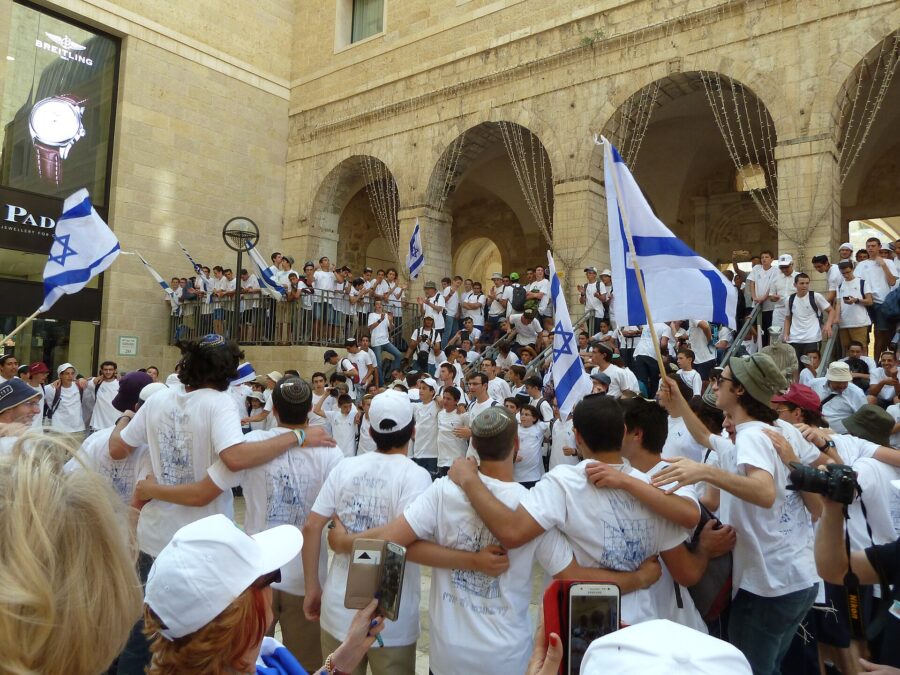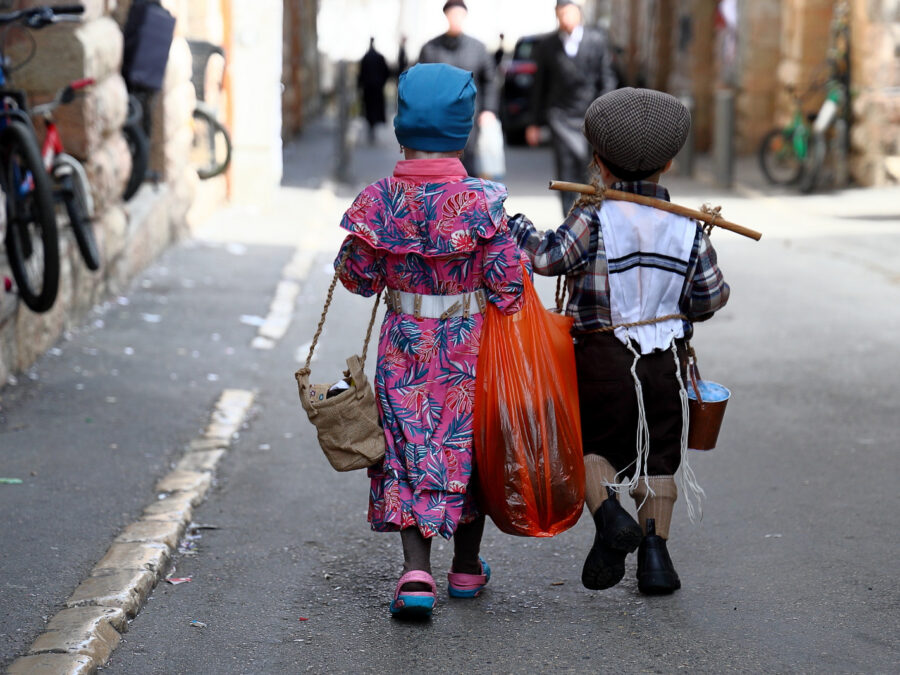
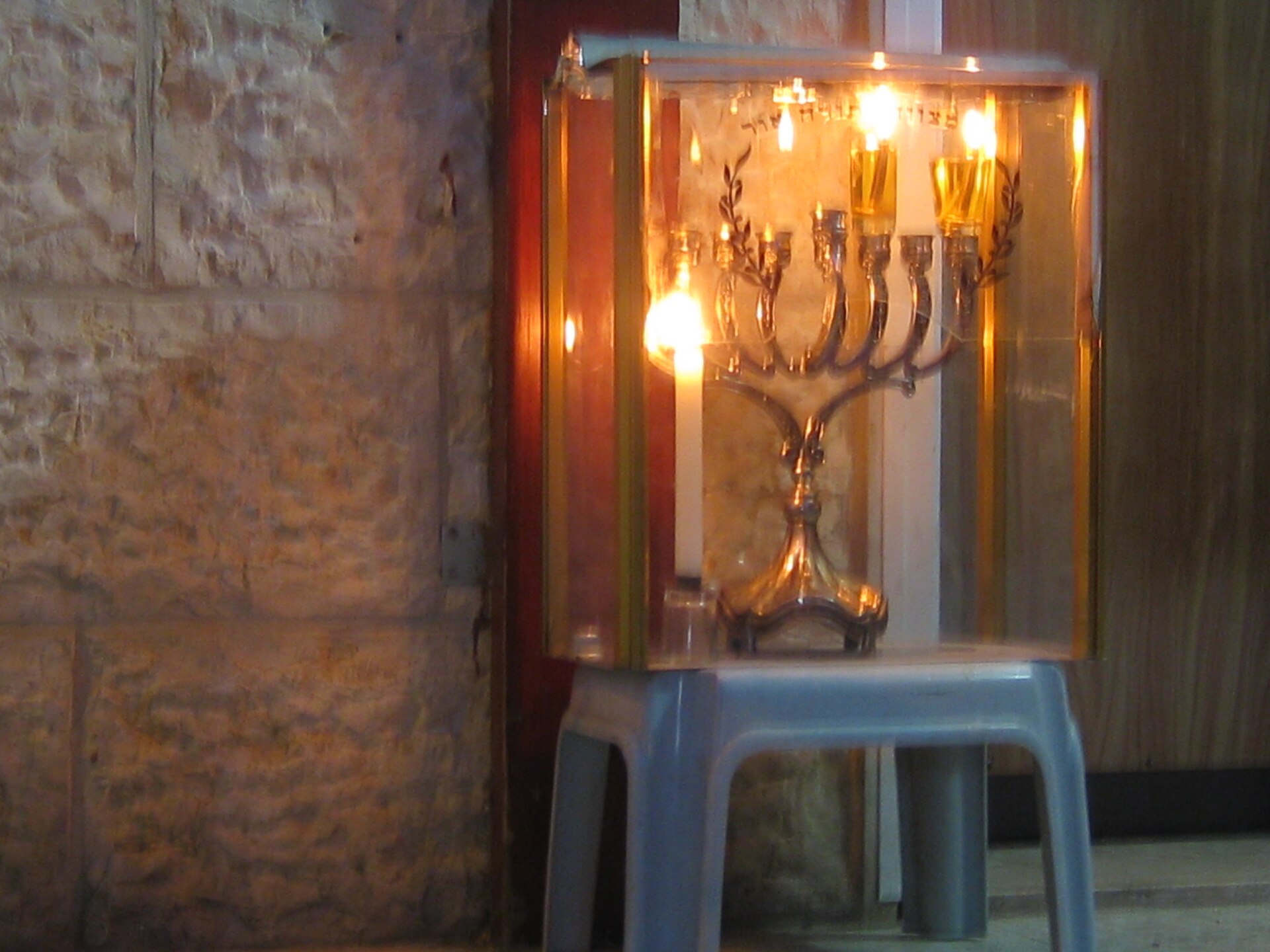
Walk down a Nachlaot alley at half past five on a December evening and there is a glass box outside almost every front door, at knee height, on a plastic stool, with live flame inside it. Not one or two — every door, the whole length of the lane, and the next lane, and the one after that. Nobody is charging admission and nothing is signposted. Hanukkah in Jerusalem is the least advertised and quietly the loveliest week in the city’s year, and it closes absolutely nothing.
This page covers the eight nights: where the menorah trail actually is, what to eat, what is open, and how the festival behaves in years like 2027 when it overlaps Christmas exactly. Details were checked in September 2026 — municipal programming is announced in November and varies annually.
The Dates, and the Christmas Overlap
| Year | First candle (eve of) | Last night | Notes |
|---|---|---|---|
| 2026 | Fri 4 December | Sat 12 December | Begins on a Friday, so the first candle is lit before Shabbat |
| 2027 | Fri 24 December | Sat 1 January 2028 | Overlaps Christmas and New Year exactly |
| 2028 | ~Mon 11 December | ~Tue 19 December | Back to a normal December slot |
2027 is the unusual one. Hanukkah begins on Christmas Eve and runs to New Year’s Day, which means the Christian Quarter is decorated for Christmas, Bethlehem is holding Midnight Mass, and every Jewish doorway in West Jerusalem has a lamp burning outside it — simultaneously, for a week. If you want a single trip that shows you what this city actually is, that fortnight is it. It is also, predictably, extremely difficult to find a room in; our guides to Christmas in Jerusalem and Bethlehem and where to stay are both worth reading well in advance.
Nothing Closes
This deserves stating clearly, because visitors assume otherwise. Hanukkah is not a festival with work restrictions. Shops, museums, restaurants, buses and the light rail all run entirely normally for all eight days. Schools are on holiday, so families are out and attractions are busier than usual, but nothing shuts. The only exceptions are the Shabbat that falls inside the festival, which behaves as Shabbat always does — see Shabbat in Jerusalem.
That combination — full atmosphere, zero disruption, low-season prices outside the Christmas week — makes Hanukkah arguably the best-value festival in the calendar. Compare it with Passover or Sukkot, both of which cost you closed days and peak rates.
The Menorah Trail
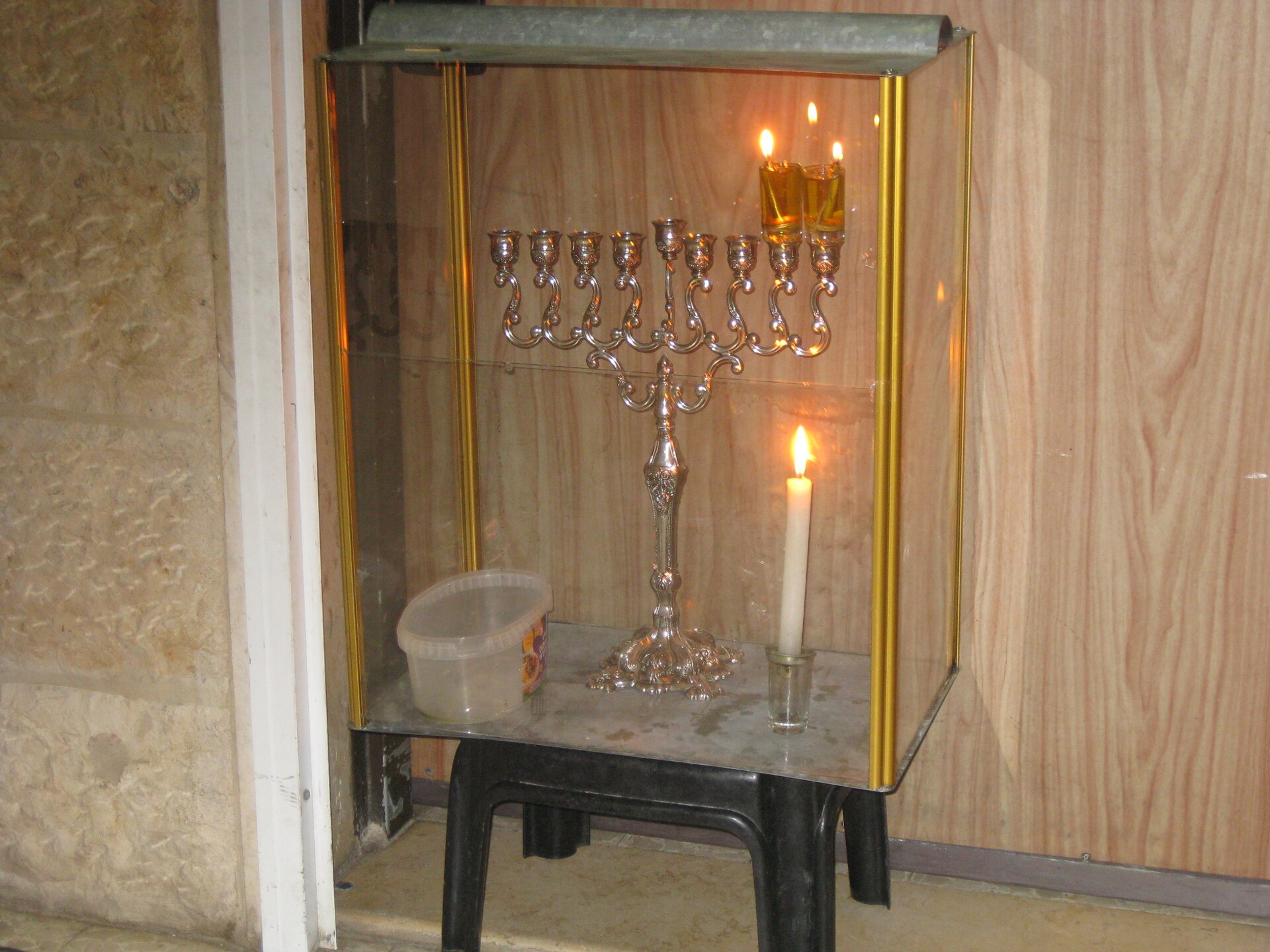
The custom is pirsumei nisa — publicising the miracle — and it is why the lamp goes outside the door rather than in a window. Jerusalem observes it more thoroughly than anywhere else, and the result is free, open to everyone, and available every night for a week.
Where to walk
- Nachlaot. The best of it. A warren of nineteenth-century courtyards and alleys behind Mahane Yehuda, with dozens of small synagogues and a very high density of doorways. Start at the market end and let yourself get lost.
- The Jewish Quarter of the Old City. Fewer lamps, but the setting is unbeatable — flame against Herodian stone, and the Western Wall plaza with its large menorah at the end of the walk.
- Mea Shearim and Geula. The most traditional version, with oil lamps rather than candles in many doorways. Dress very modestly and do not photograph people.
- The Old Yishuv courtyards and the small Sephardi synagogues, several of which light publicly and welcome onlookers.
- Public lightings. Large menorahs are lit at the Western Wall, at Jaffa Gate, at the Knesset and in the main squares, generally with a short ceremony.
Timing and etiquette
- Go at nightfall, which in late December in Jerusalem is around 16:45–17:00. The lamps burn for at least half an hour and often much longer, so the window is roughly 17:00 to 19:00.
- The number of lights increases by one each night, plus the shammash, the servant candle used to light the others. The eighth night, with every branch burning in every doorway, is the one to be there for.
- Photograph the lamps freely. Do not photograph families through their windows or children in religious neighbourhoods.
- Do not touch anything. Obvious, but the cases are at knee height and there is open flame inside them.
- On Friday the candles are lit before Shabbat begins, so unusually early — around 16:00. On Saturday night they are lit after nightfall.
The History, and Why It Happened Here
Hanukkah is the only major Jewish festival commemorating an event that took place in Jerusalem itself and is documented outside the Bible — which makes walking the city during it a slightly different experience from reading about it elsewhere.
In the second century BCE, Judea was under Seleucid rule. Antiochus IV Epiphanes prohibited Jewish practice and the Temple was rededicated to Olympian Zeus. A revolt led by Mattathias and his sons — the Maccabees, of whom Judah is the best known — eventually retook Jerusalem, and in 164 BCE the Temple was purified and rededicated. Hanukkah means dedication. The rabbinic tradition of the single cruse of pure oil that burned for eight days is a later addition to the story; the books of Maccabees, which are the earliest sources, describe an eight-day festival modelled on Sukkot instead.
The relevant point for a visitor is geographic. The Temple stood on the platform now occupied by Haram al-Sharif / the Temple Mount, the Maccabean fighting took place in and around the city, and the Hasmonean dynasty that followed left physical traces you can still visit — stretches of wall and water systems in the City of David and the Western Wall Tunnels, and material in the archaeology museums. Our Jerusalem history guide covers the period in sequence.
A Suggested Hanukkah Evening
| Time | Where | What |
|---|---|---|
| 15:00 | Mahane Yehuda | Doughnuts, coffee, and the market at its most crowded and cheerful |
| 16:15 | Nachlaot, western edge | Walk in as the light goes. Lamps start appearing on doorsteps |
| 16:45–17:00 | Nachlaot alleys | Lighting time. Get lost deliberately — the courtyards are the best of it |
| 17:45 | Towards the city centre | Public menorah at Safra Square or the Jaffa Road lightings |
| 18:30 | Old City, Jewish Quarter | Fewer lamps, better setting; walk down to the Western Wall menorah |
| 19:30 | Dinner | Everything is open. Nothing needs booking except at Christmas |
Two hours on foot covers it, and you can repeat the walk on a different night to see the count go up. The eighth night is worth saving for the Old City, when the Western Wall plaza menorah and the doorways of the Jewish Quarter are all at full strength at once. For the route in daylight, our self-guided walking tour covers the same ground, and the viewpoints guide notes where to stand for the city lights.
A note on other winter visitors
December is quiet in Jerusalem for international tourism and busy for domestic and diaspora travel, which produces an odd mix: sites are empty of tour groups and full of Israeli families on school holiday. In practice that means short queues at the archaeology sites and long ones at the zoo. If you want the Old City to yourself, go in the mornings on weekdays — in late December you will occasionally have entire lanes to walk alone, which is close to impossible at any other time of year. See the best time to visit.
What to Eat
The festival commemorates a small quantity of oil lasting eight days, and the culinary logic follows: everything is fried.
- Sufganiyot. Jam doughnuts, and a national obsession. They appear in bakeries from about mid-November and the good bakeries in and around Mahane Yehuda produce increasingly baroque versions — pistachio, halva, dulce de leche, alcoholic fillings — at increasingly baroque prices. The plain jam-and-sugar original is still the best one.
- Levivot. Potato latkes, fried, eaten with apple sauce or sour cream.
- Everything else fried. Bakeries and cafés lean into it for the week.
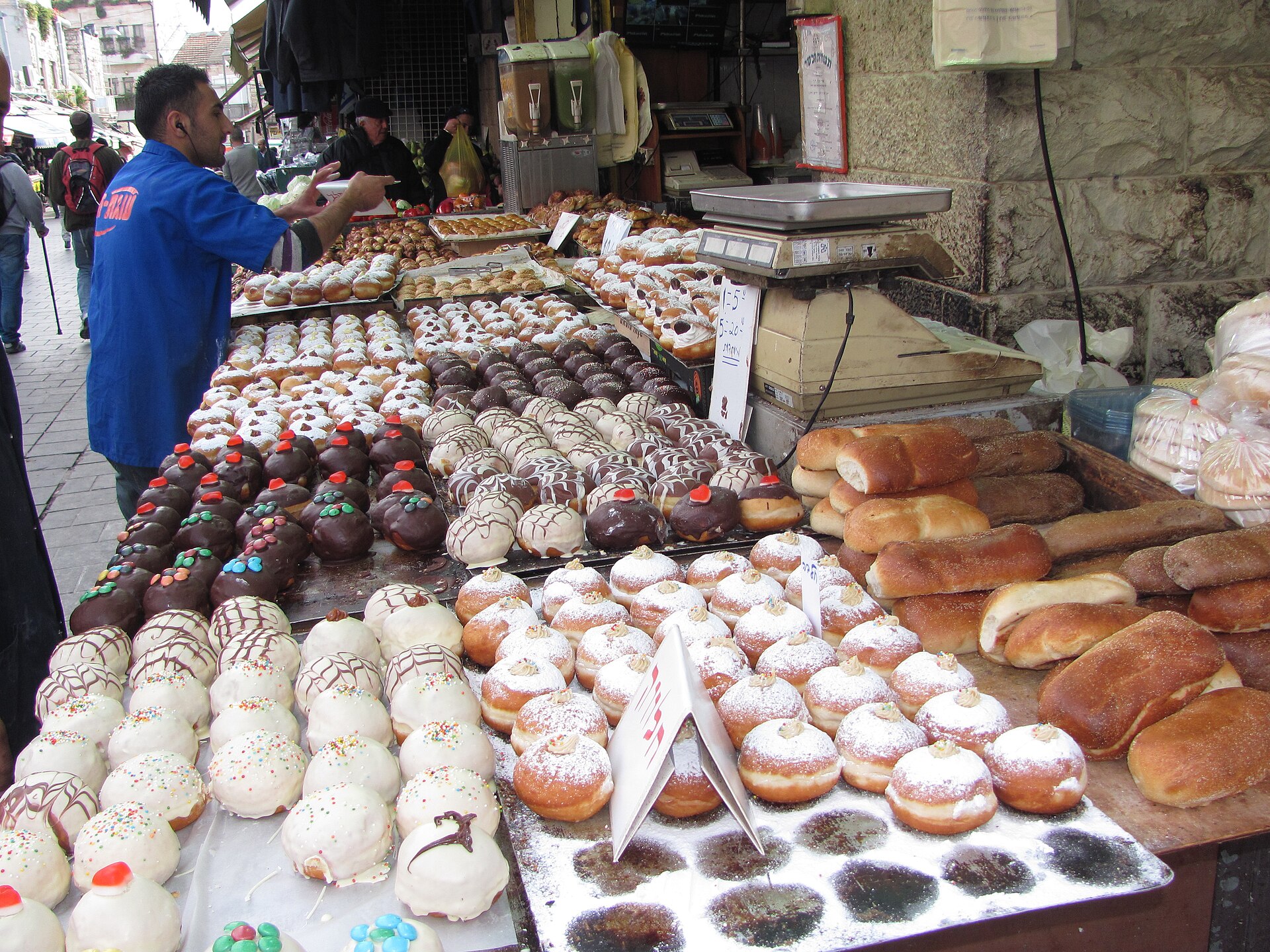
Our traditional food guide and street food guide cover the rest of the repertoire, and food tours run through the winter.
What Else Is On
- Museum programming. Because schools are on holiday, every museum in the city runs a Hanukkah programme — the Tower of David, the Israel Museum, the Biblical Zoo and the science museum all get busy. Good for families; see Jerusalem with kids.
- Concerts and street events. The municipality runs a winter programme through the week, much of it free. See our festivals and events guide.
- The Old City after dark. Quiet, cold and almost empty in late December, which is a very different experience from the same lanes in April. Jerusalem at night has the routes.
- Christmas, in 2027. Both calendars at once. The Christian Quarter is decorated and the churches are full while the Jewish neighbourhoods are lit.
Practicalities
- Weather. December in Jerusalem is cold and often wet — daytime highs around 12–14°C, nights near freezing, and occasional snow. The city sits at 750 metres and people consistently underestimate it. See weather by month and what to pack.
- Prices. Low season, except in years when Hanukkah collides with Christmas and New Year, as it does in 2027. In an ordinary year this is one of the cheapest weeks to visit — see what a trip costs.
- Where to stay. Anywhere within walking distance of Nachlaot and the city centre, since the menorah walk is the main event and it happens on foot in the dark. See the best neighbourhood to stay in.
- Daylight. Very short — dark by five. Plan sightseeing for the mornings and the menorah walk for the early evening, which works out rather neatly.
Hanukkah is also a good week for two collections that most visitors overlook. The Israel Museum’s Jewish Art and Life wing displays Hanukkah lamps made by Jewish communities across the world, and Ticho House, its free downtown branch, shows the lamps collected by Dr Abraham Ticho in the house where he lived. Expect both to be busy with Israeli families during the school holiday. Our guide to museums in Jerusalem has the hours and prices, and the Israel Museum’s Tuesday quirk that catches out so many visitors.
Final Word on Hanukkah in Jerusalem
There is no ticket, no timetable and no closure to plan around. There is simply a week in December when a whole city puts fire outside its front doors at dusk, and anyone who happens to be walking past gets to see it. Bring a warm coat, do your museums in the morning, be in Nachlaot by five, buy a doughnut on the way, and go back on the eighth night when every branch is burning. Then read our religious holidays calendar for the rest of the year, Christmas in Jerusalem and Bethlehem if your dates overlap, and things to do in Jerusalem for the daylight hours, of which December gives you regrettably few.
Photo Credits
A hanukkiah outside a doorway in Nachlaot: 108764 hanukkah in nachalot in jerusalem PikiWiki Israel by שלמה רודד, CC BY 2.5, via Wikimedia Commons.
Olive oil lights and the shammash: 108766 hanukkah in nachalot in jerusalem PikiWiki Israel by שלמה רודד, CC BY 2.5, via Wikimedia Commons.
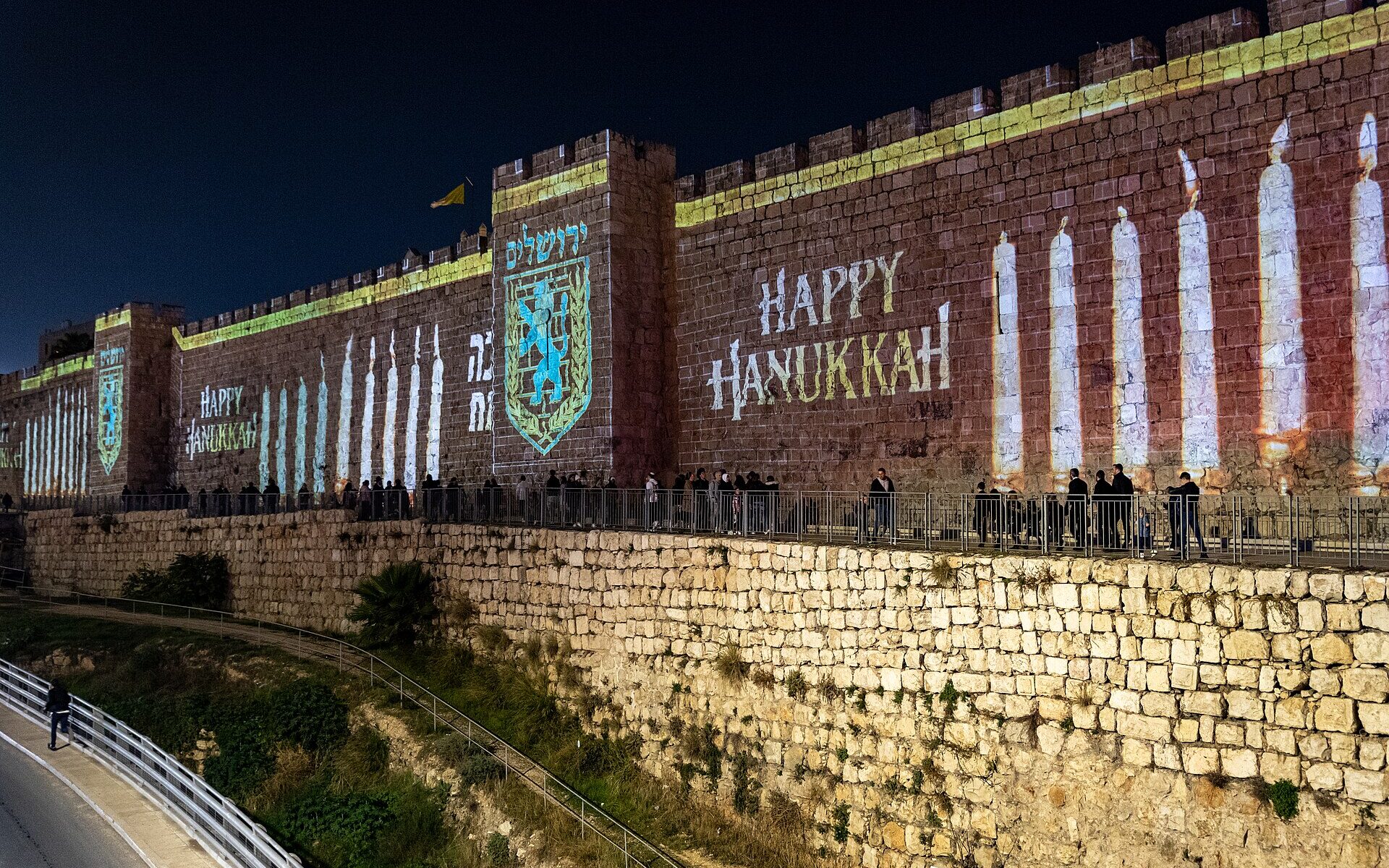
Hanukkah candles projected onto the Old City walls: Hanukkah Jerusalem 22122022 02 by Oren Rozen, CC BY-SA 4.0, via Wikimedia Commons.
Sufganiyot on a bakery stall in Mahane Yehuda Market: Sufganiyot at Mahane Yehuda shuk by Yoninah, CC BY-SA 4.0, via Wikimedia Commons.