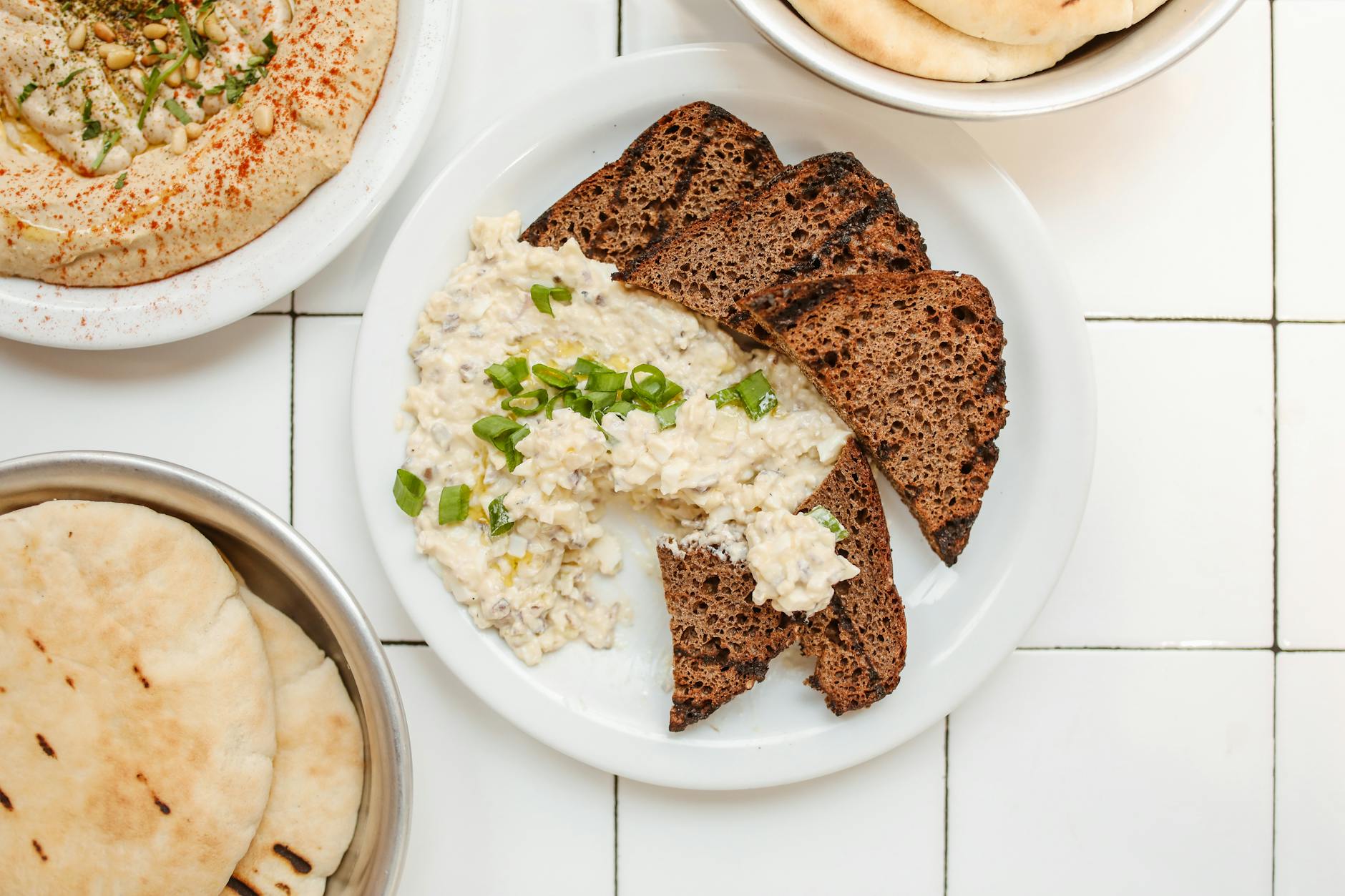
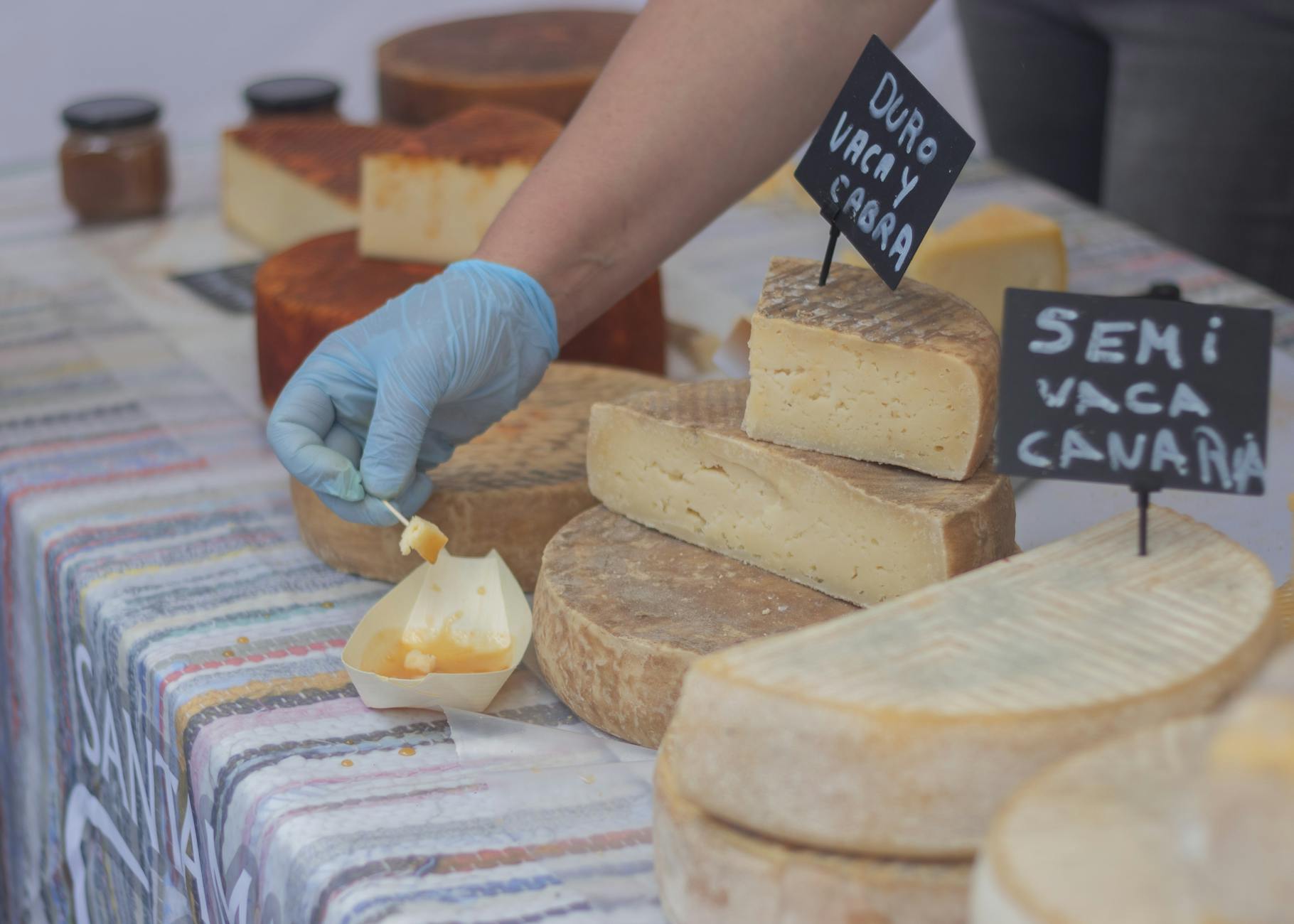
Traditional Jerusalem food is a layered conversation. Five thousand years of trade routes, religious pilgrimage, and immigration have left the city with a culinary inheritance unlike any other in the Middle East. Iraqi-Jewish sabich coexists with Palestinian knafeh; Yemenite jachnun is sold next to Russian borscht; Moroccan mufleta and Georgian khachapuri are neighbors at the same market. Each dish carries its own migration story and family memory, and tasting your way through them is one of the most rewarding ways to understand the city.
This guide covers traditional Jerusalem food for 2026 — the 18 most iconic dishes you should try, plus the cultural and historical context that makes each one matter. We organize by community of origin, with what to order, where to find the best version, and the history behind each dish. Pair this with our complete Jerusalem food guide and the guide to the city’s best street eats.
Why Traditional Jerusalem Food Matters
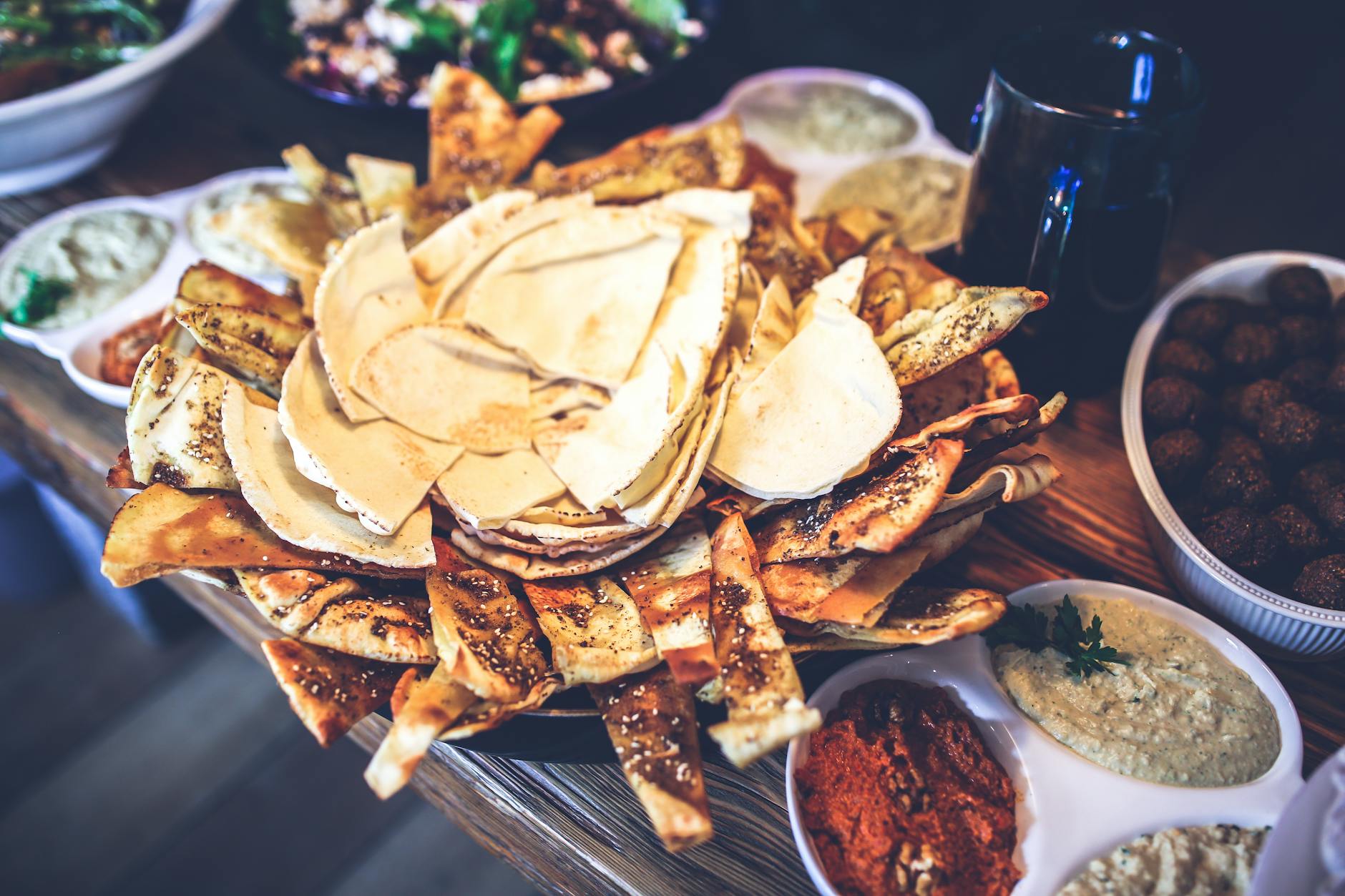
Traditional Jerusalem food is not a single cuisine — it’s a constellation of cuisines that all happen to live in one city. The Iraqi Jews brought sabich. The Yemenite Jews brought jachnun and malawach. The Palestinians brought knafeh, maqluba, and mansaf. The Moroccan Jews brought tagine and mufleta. The Eastern European Jews brought rugelach, blintzes, and gefilte fish. The result is a city where every meal can taste like a different country, and every dish can teach you a small piece of Middle Eastern, Mediterranean, or Diaspora history.
1. Jerusalem Mixed Grill (Me’orav Yerushalmi) — The Local Original
What it is: Chicken hearts, spleens, livers, and bits of lamb fried together with onions, garlic, turmeric, cumin, and black pepper, then served in pita.
Origin: Mahane Yehuda Market, mid-20th century. Multiple restaurants claim invention.
Where to find the best: HaTzot Steakhouse and Sima on Agripas Street.
Why try it: The single dish that’s most uniquely Jerusalem-born, not borrowed from elsewhere. Bold, spicy, and immensely satisfying after a long day.
2. Sabich — The Iraqi-Jewish Breakfast Pita
What it is: Fried eggplant, hard-boiled egg, hummus, tahini, Israeli salad, pickles, amba (mango pickle), inside a pita.
Origin: Iraqi-Jewish Shabbat morning breakfast, brought to Israel in the 1940s-50s when Iraqi Jews migrated. Originally home-cooked, evolved into street food when Iraqi-Jewish families opened market stalls.
Where to find the best: Aricha Sabich at Agripas Street 83.
Why try it: Perfect handheld lunch with multiple textures and flavors in one bite.
3. Knafeh — The Layered Palestinian Sweet
What it is: Shredded phyllo or semolina pastry layered with stretchy white cheese, seared on both sides, soaked in sugar syrup with rose water, sprinkled with crushed pistachios.
Origin: Levantine. Documented in Sidon and Jerusalem by 1935. Some attribute the recipe to caliphs needing sustenance during Ramadan, though the cheese-filled version doesn’t appear in records before the 19th century.
Where to find the best: Jaffer Sweets in the Christian Quarter, Damascus Gate sweet shops.
Why try it: Best eaten warm, when the cheese is still stretchy. Genuinely transformative pastry.
4. Maqluba — The “Upside-Down” Palestinian Casserole
What it is: Rice, meat (chicken, lamb, or beef), eggplant, cauliflower, and carrots layered in a pot and slowly cooked together. The pot is flipped upside down when served — hence the name (literally “upside down” in Arabic).
Origin: Palestinian Levantine cuisine. Recipes documented since at least the 13th century.
Where to find the best: Askadinya in Sheikh Jarrah, Armenian Tavern in the Old City.
Why try it: The flip itself is theater; the rice picks up the spices from the layers above. A ceremonial dish often served on Friday.
5. Kubbeh Soup — The Iraqi-Jewish Comfort
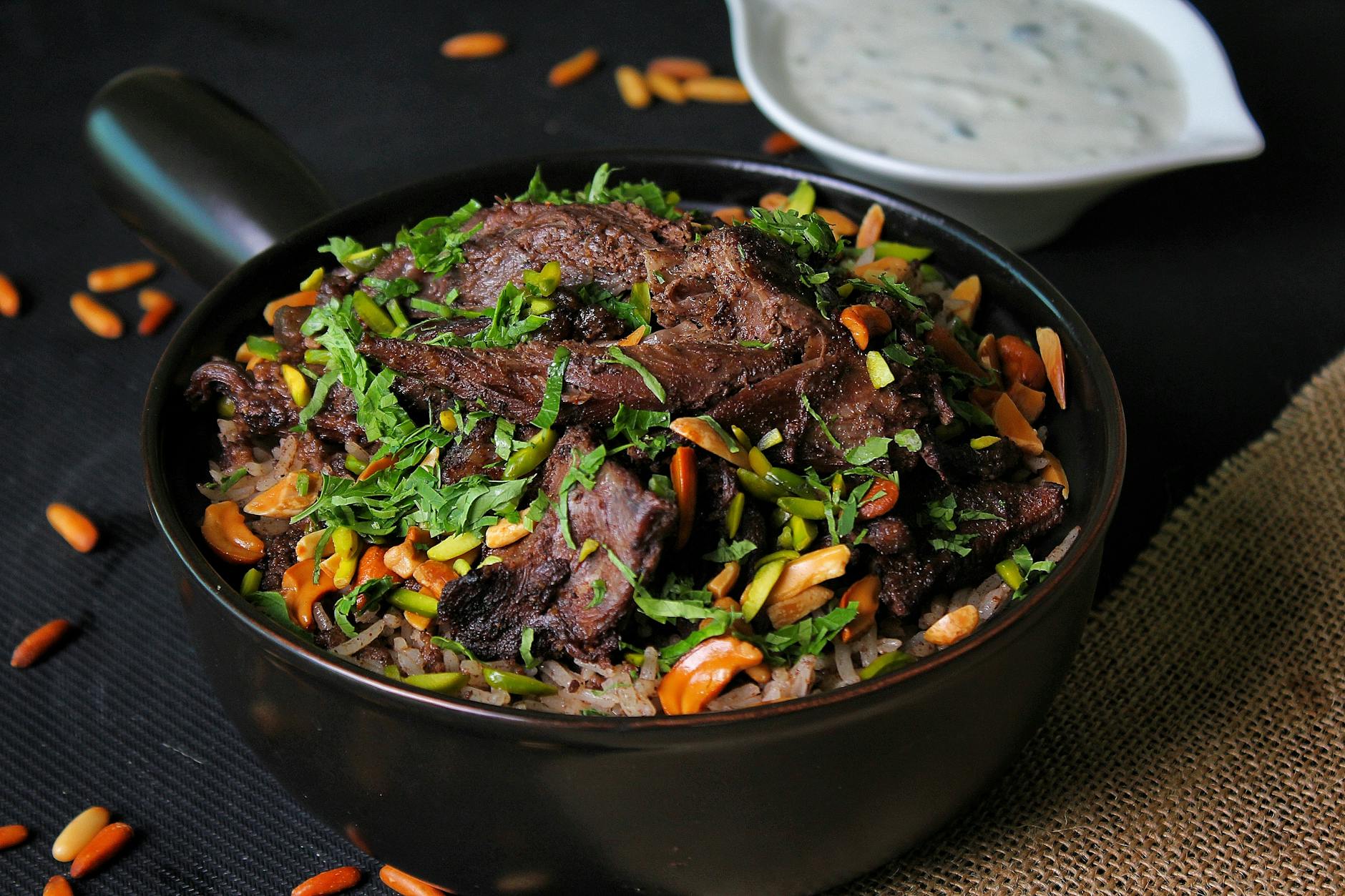
What it is: Bulgur or semolina dumplings stuffed with seasoned ground meat, simmered in a tart broth (beetroot, lemon, or okra-based).
Origin: Iraqi-Jewish, dating back centuries. Variants exist across the Middle East and North Africa.
Where to find the best: Azura at Mahane Yehuda Market. Kubbeh Bambi.
Why try it: Profoundly satisfying, especially in winter. The beetroot version is visually striking.
6. Jachnun — Slow-Baked Yemeni Bread
What it is: Flaky, slow-baked Yemeni bread rolled tightly and baked overnight (8-10 hours), traditionally for Shabbat morning. Served with grated tomato, hilbeh (fenugreek paste), and a hard-boiled egg.
Origin: Yemenite Jewish.
Where to find the best: Joni Kubaneh at Mahane Yehuda; Yemenite restaurants in Sha’arei Tzedek.
Why try it: A Saturday morning Israeli tradition. The slow-bake gives the dough an unexpectedly buttery density.
7. Kubaneh — Yemenite Pull-Apart Bread
What it is: Slow-baked Yemeni bread similar to brioche but denser, with butter laminated through the dough. Eaten with grated tomato and hilbeh.
Origin: Yemenite Jewish, traditionally Shabbat morning.
Where to find the best: Joni Kubaneh at 78 Agripas Street.
Why try it: Pulls apart into impossibly fluffy layers.
8. Malawach — Yemenite Pan-Fried Bread
What it is: Laminated dough pan-fried in butter, served with grated tomato sauce, hilbeh, and a hard-boiled egg.
Origin: Yemenite Jewish.
Where to find the best: Yemenite restaurants in Mahane Yehuda and Talpiot.
Why try it: Like a savory crepe-pancake hybrid. Quick to make and instantly satisfying.
9. Mansaf — The Bedouin Festive Lamb
What it is: Lamb cooked in fermented dried-yogurt (jameed) sauce, served over rice with toasted almonds and pine nuts on a large communal platter.
Origin: Jordanian/Palestinian Bedouin. National dish of Jordan; popular among Palestinian families in East Jerusalem.
Where to find the best: Askadinya, Armenian Tavern.
Why try it: A ceremonial dish for special occasions. Eaten with the right hand from a shared platter.
10. Falafel — The Levantine Universal
What it is: Deep-fried chickpea balls served in pita with hummus, tahini, salads, and pickles.
Origin: Disputed — claimed by Egyptian, Lebanese, and Palestinian traditions. Coptic Egyptian Christians may have invented an early version.
Where to find the best: Shalom Falafel on Bezalel; Falafel Brothers Levy at Mahane Yehuda.
Why try it: The cheap, ubiquitous lunch that’s the city’s most democratic food.
11. Hummus
What it is: Chickpea purée with tahini, lemon, garlic, olive oil, salt. Served warm with pita.
Origin: Disputed — claimed by Lebanese, Palestinian, Israeli, Syrian traditions.
Where to find the best: Lina (Old City), Abu Shukri (Old City), Pinati (city center). See our Best Hummus in Jerusalem guide.
Why try it: Different traditions yield different textures. Try at least 2-3 spots to learn the differences.
12. Shawarma
What it is: Lamb, chicken, or turkey marinated and stacked on a vertical spit, slowly roasted, then shaved and stuffed into pita with tahini, salads, and pickles.
Origin: Ottoman / Anatolian. Spread through the Levant in the 19th century.
Where to find the best: Hashamen on Queen Shlomziyon Street; Halo Teiman.
Why try it: The ultimate evening street food — fast, filling, distinctly Middle Eastern.
13. Kebab — Grilled Skewered Meat
What it is: Spiced lamb or beef ground meat skewered and grilled. Often served with tahini, fresh tomato salad, and pita.
Origin: Persian/Anatolian, ancient.
Where to find the best: Various skewer specialists in the Mahane Yehuda area; Old City Muslim Quarter shops.
Why try it: A traditional dinner anchor.
14. Mufleta — Moroccan-Jewish Pancake
What it is: Thin Moroccan pancake traditionally served at Mimouna, the post-Passover Moroccan-Jewish festival.
Origin: Moroccan Jewish.
Where to find the best: Nuna at Mahane Yehuda; some Moroccan family restaurants in Talpiot.
Why try it: Eaten with butter and honey or a sweet date paste. Festival food that’s now available year-round.
15. Rugelach — Eastern European Jewish Pastry
What it is: Crescent-shaped pastry rolled around chocolate, cinnamon-sugar, or jam. The Israeli rugelach is denser and more buttery than the American version.
Origin: Eastern European Jewish. Brought to Israel by Ashkenazi immigrants.
Where to find the best: Marzipan Bakery at Mahane Yehuda — chocolate rugelach warm from the oven Friday morning.
Why try it: The most distinctly Israeli baked good.
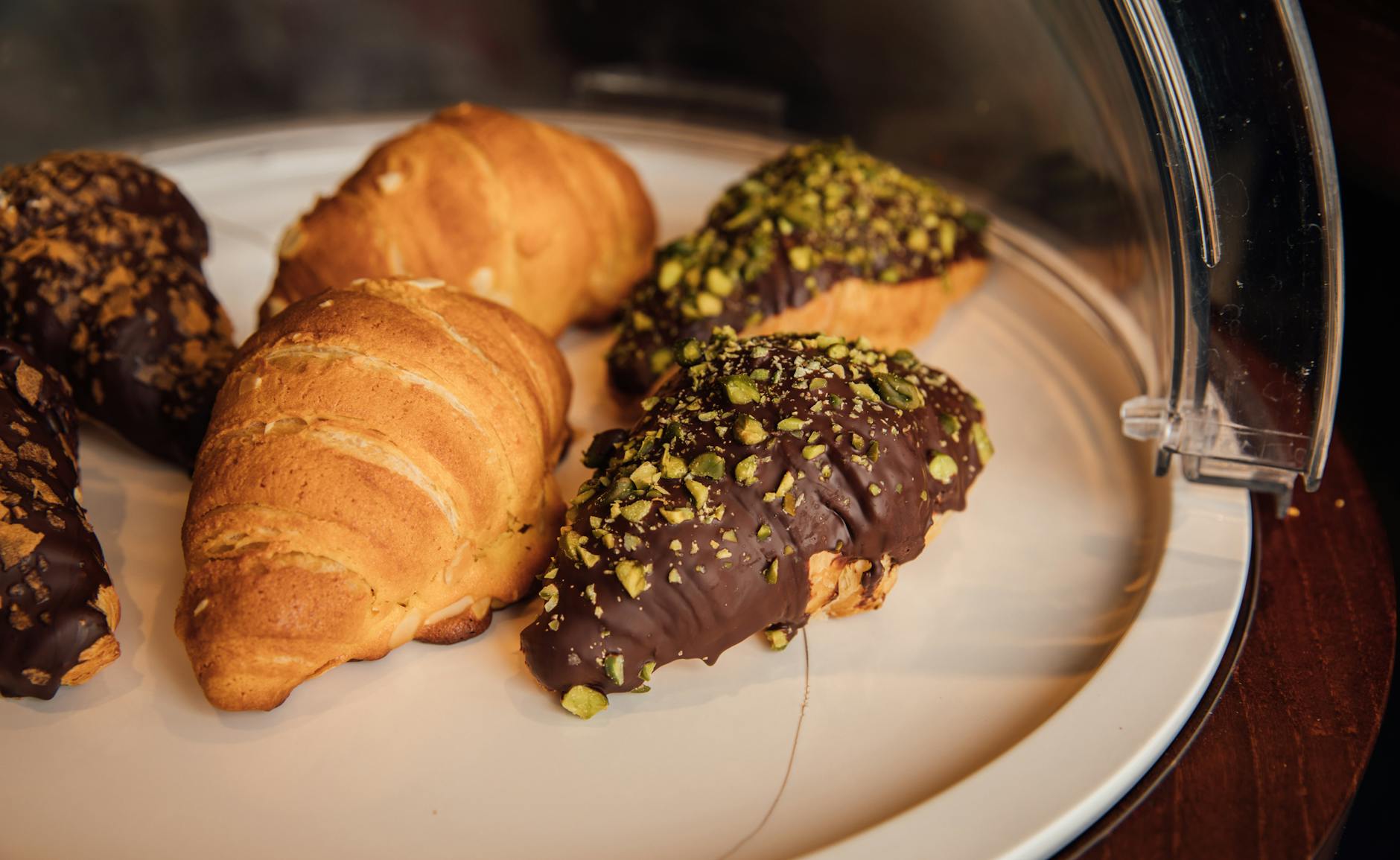
16. Halva
What it is: Sesame-paste sweet, often flavored with pistachio, vanilla, chocolate, or rosewater.
Origin: Persian/Levantine, ancient.
Where to find the best: Halva Kingdom at Mahane Yehuda — over 100 flavors, fresh tahini stone-ground in front of you.
Why try it: Naturally vegan and gluten-free. Travels well as a souvenir.
17. Tabbouleh and Mezze
What it is: Tabbouleh — chopped parsley, mint, tomato, bulgur, lemon, olive oil. Part of the larger Levantine mezze tradition (small shared dishes).
Origin: Levantine.
Where to find the best: Askadinya, Armenian Tavern.
Why try it: Fresh, herbal, perfect alongside heavier dishes.
18. Shakshuka
What it is: Eggs poached in a sauce of tomato, peppers, onions, and spices.
Origin: Tunisian/Maghrebi, brought to Israel by North African Jewish immigrants.
Where to find the best: Caffit (German Colony), most café-style restaurants.
Why try it: The default Israeli weekend brunch.
Holiday Foods: A Jerusalem Eating Calendar
Some traditional foods only surface at certain points in the year, and planning a trip around them is a legitimate strategy:
- Hanukkah (December): Sufganiyot — filled doughnuts — take over every bakery window. Marzipan and the Angel Bakery chain sell the classic strawberry-jam version for 5–8 ILS; the patisseries pipe pistachio cream, halva, and dulce de leche versions for 12–18 ILS.
- Purim (February–March): Hamantaschen (oznei haman), triangular cookies filled with poppy seed, date, or chocolate, sold by the kilo everywhere.
- Passover and Mimouna (spring): A week of matzah in every kosher kitchen, then Moroccan-Jewish families flip the script with mufleta at the Mimouna celebrations the night Passover ends.
- Ramadan (dates shift yearly): Qatayef — stuffed, folded pancakes — pile up at the Damascus Gate sweet stalls after sunset, when East Jerusalem’s street scene is at its liveliest; see our Jerusalem at night guide.
- Shavuot (May–June): Dairy rules the table — cheesecake and blintzes in every kosher dairy café.
One caution: holiday kashrut can differ from the year-round certificate, Passover especially. Observant eaters should double-check before sitting down — our kosher restaurants in Jerusalem guide explains the certificate levels.
What These Dishes Cost in 2026
- Jerusalem mixed grill: 35–50 ILS in pita; 60–80 ILS as a plate
- Sabich: 22–30 ILS
- Knafeh: 12–20 ILS per portion
- Kubbeh soup at Azura: 35–45 ILS
- Maqluba or mansaf at a sit-down restaurant: 70–110 ILS
- Jachnun plate (egg, tomato, hilbeh): 25–35 ILS
- Kubaneh with the trimmings: 30–40 ILS
- Shakshuka: 38–55 ILS
- Marzipan rugelach: about 45 ILS per kilo box
- Halva: 25–40 ILS per slab at Halva Kingdom
Graze the cheap end of that list at the market — our Mahane Yehuda Market food guide maps the stalls — or cover eight dishes in a single guided morning using our Jerusalem food tour guide. Either way, the full traditional repertoire costs less to taste than one fine-dining meal.
Practical Tips for Eating Traditional Jerusalem Food
- Spread tastings across multiple meals. A maqluba lunch + sabich dinner + knafeh dessert is one perfect Jerusalem day.
- Many traditional dishes are Friday-Saturday specialties. Jachnun is best Saturday morning. Mufleta during the post-Passover Mimouna festival.
- Hand-eating is normal for falafel, sabich, kebab, mansaf — pita is the utensil.
- Mezze means sharing. Order 5-7 small dishes for 2-3 people.
- Spice levels vary by restaurant; Yemenite places lean spicy.
- Most traditional dishes are kosher at Jewish-run establishments. Palestinian dishes are halal but typically not kosher-certified.
Final Word: Each Dish Is a Story
Traditional Jerusalem food is the most efficient way to understand the city’s complex social fabric. Each plate carries a migration story, a religious tradition, a family memory. Eat slowly, ask vendors about origins, and the food itself will teach you more about Jerusalem than any guidebook.
Pair this with our complete Jerusalem food guide, the 22 must-try bites sold from Jerusalem’s stalls, and the Best Restaurants guide.