If you want to understand the layers beneath your feet in the Old City, Jerusalem’s museums are where the loose threads come together. The city’s archaeology museums hold everything from the Dead Sea Scrolls to charred timbers from the Roman destruction of 70 CE, and a few well-chosen visits can turn a jumble of ancient stones into a coherent story. This guide to the best Jerusalem archaeology museums ranks seven of them, tells you what each does best, gives current hours and shekel fees, and suggests how to combine them without museum fatigue.
Some of these collections are world class and some are intimate single-site museums, and a couple have had patchy opening arrangements lately, so it pays to confirm details before you go. For the bigger picture, read this with our Dead Sea Scrolls guide and our Jerusalem history overview.
The seven to know
These are the museums most worth your time, from the vast and unmissable to the small and atmospheric. Several sit close together, so you can pair them on a single morning.
- Israel Museum: the flagship, home to the Dead Sea Scrolls and the model of Second Temple Jerusalem.
- Tower of David Museum: the citywide story inside the citadel by Jaffa Gate.
- Rockefeller Archaeological Museum: the historic Mandate-era collection in East Jerusalem.
- Bible Lands Museum: the ancient Near East that surrounded biblical Israel.
- Wohl Archaeological Museum: the excavated mansions of the Herodian Quarter.
- Burnt House: a single home frozen at the moment of the 70 CE destruction.
- City of David visitor center: the live dig at the city’s ancient core.
Israel Museum
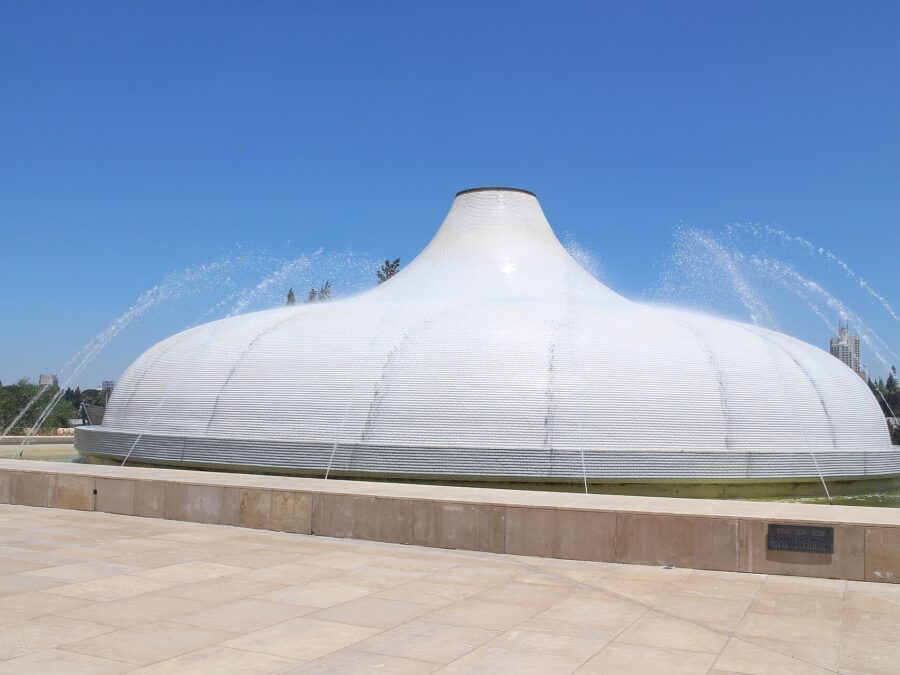
If you visit one museum in Jerusalem, make it this one. The Israel Museum on Givat Ram, near the Knesset, holds the country’s foremost archaeology collection, and within its grounds sit two showstoppers: the Shrine of the Book, whose white dome houses the Dead Sea Scrolls and the Aleppo Codex, and the outdoor 1:50 scale model of Jerusalem as it stood around 66 CE, which makes the Second Temple city vividly legible. The archaeology wing traces the land from prehistory through the Islamic periods.
| Detail | Information |
|---|---|
| Highlights | Dead Sea Scrolls, Aleppo Codex, Second Temple model, archaeology wing |
| Approx. adult ticket | around 54 ILS; reduced for children |
| Typical hours | Sun-Wed and Sat 10am-5pm; Thu later; Fri 10am-2pm |
| Time needed | Half a day; easily a full day for enthusiasts |
| Location | Givat Ram, reachable by bus from the center |
Confirm hours before visiting, as they shift on holiday eves, and consider an audio guide. Families should head for the Youth Wing. The neighbouring Bible Lands Museum makes a natural pairing.
Tower of David Museum
Housed in the citadel just inside Jaffa Gate, the Tower of David Museum is the best single introduction to the whole sweep of Jerusalem’s history, from the Canaanites through the Romans, Crusaders, and Ottomans to the modern era. Following a major redevelopment, the galleries are modern and engaging, and the ramparts give superb views. The evening sound-and-light show projected on the ancient walls is a separate, memorable ticket. Reckon on an adult fee around 50 to 60 shekels and allow two to three hours, more with the show. Our Tower of David guide has the full rundown, and for the medieval chapter it introduces, see our guide to Crusader Jerusalem’s churches and fortifications.
Rockefeller Archaeological Museum
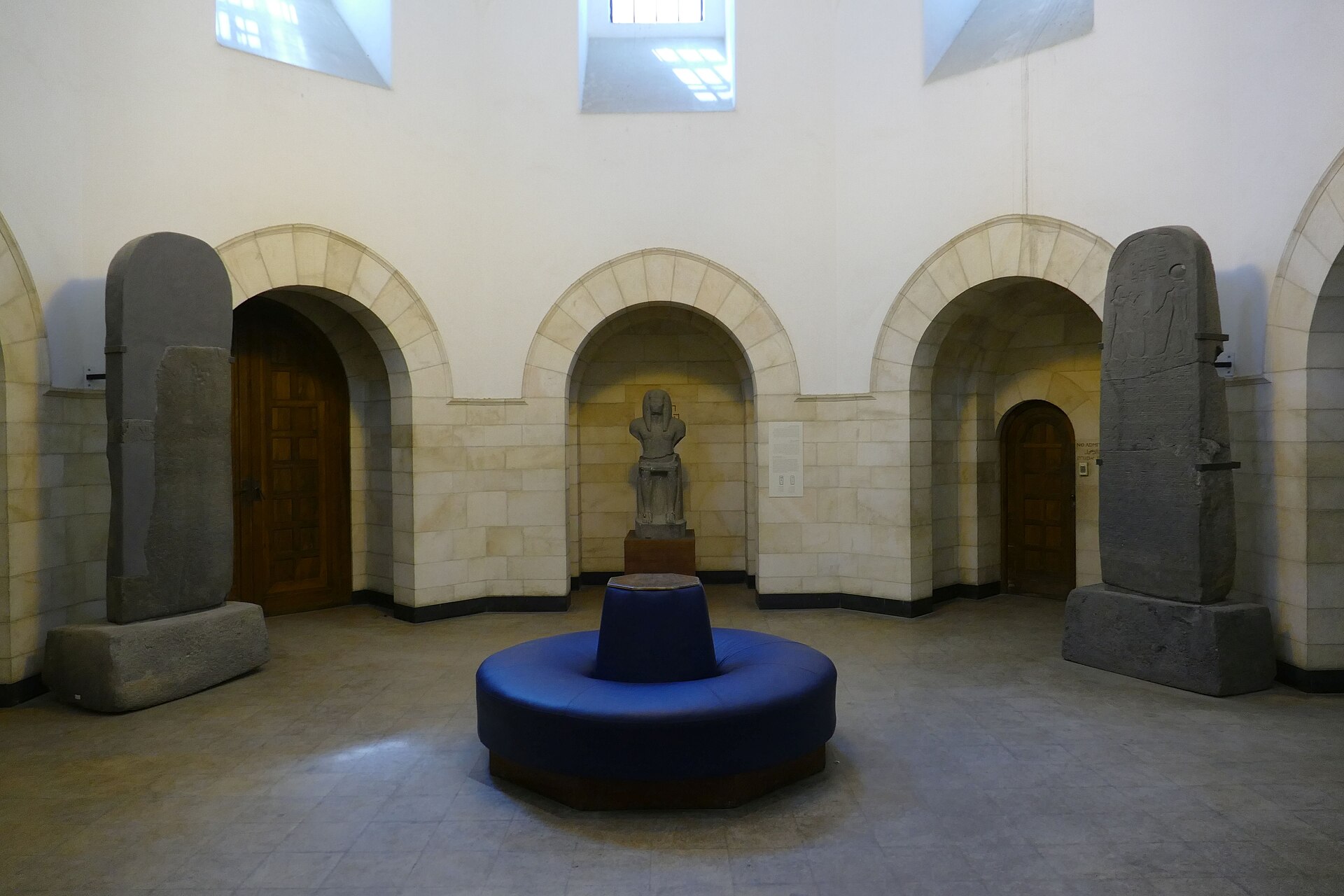
The Rockefeller, a handsome white limestone building in East Jerusalem just north of the Old City, holds the great collection of antiquities excavated during the British Mandate, including Roman and Byzantine mosaics and important inscriptions. It is now administered by the Israel Museum. A practical caution: access here has been limited and irregular in recent years, with periods when entry was only via pre-booked guided tours rather than walk-in visits. Admission, when open, is generally free. Before making the trip, check the Israel Museum’s current arrangements for the Rockefeller, since the situation has been changing. As of September 2026 it was closed to walk-in visitors, and our Rockefeller Museum guide has the latest position and how its occasional tours have worked.
Bible Lands Museum
Right beside the Israel Museum, the Bible Lands Museum sets the scriptural world in context by displaying the civilizations around it: Egypt, Mesopotamia, Phoenicia, Persia, and more. Its galleries of cylinder seals, Egyptian artefacts, and ancient glass help you see the Bible as part of a wider ancient Near East. Expect an adult ticket around 40 to 44 shekels, with combined deals sometimes available alongside the Israel Museum, and allow two to three hours.
Wohl Archaeological Museum (the Herodian Quarter)
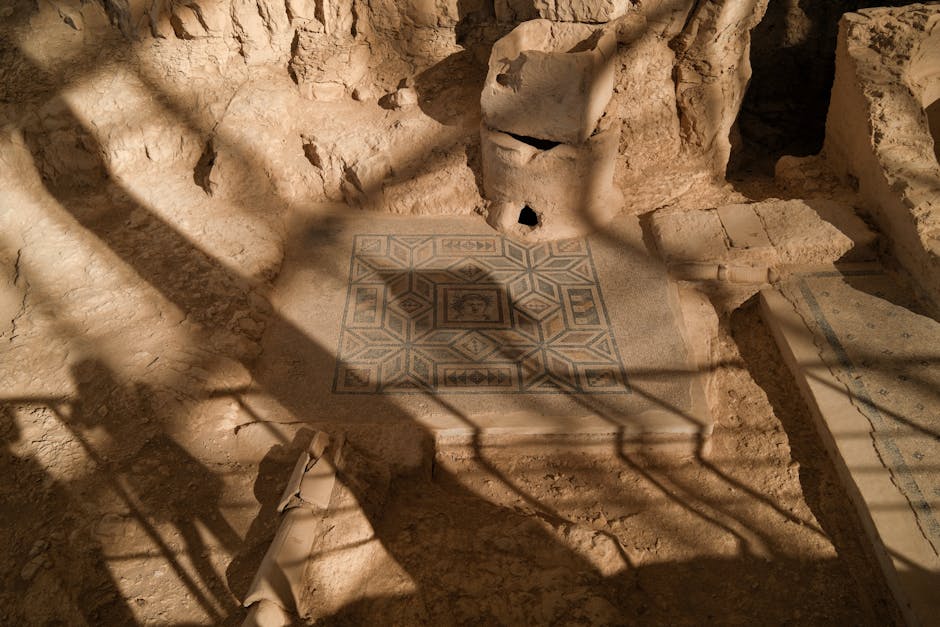
Down in the Jewish Quarter, the Wohl Museum preserves the excavated basements of luxurious mansions from the Herodian period, complete with mosaic floors, frescoes, and ritual baths (mikvaot). It offers a rare, intimate look at how the wealthy of Jerusalem lived in the generations before the Roman destruction. Tickets run around 25 shekels, often as a combination with the nearby Burnt House, and a visit takes an hour or two. See our Jewish Quarter guide for what else is close by.
Burnt House
A short walk from the Wohl, the Burnt House is the excavated remains of a single dwelling destroyed when Roman forces sacked the city in 70 CE. The charred walls and scattered household objects, brought to life by a short multimedia presentation, make the catastrophe startlingly concrete. It is a focused, 45-minute stop, usually around 25 shekels and combinable with the Wohl.
City of David visitor center
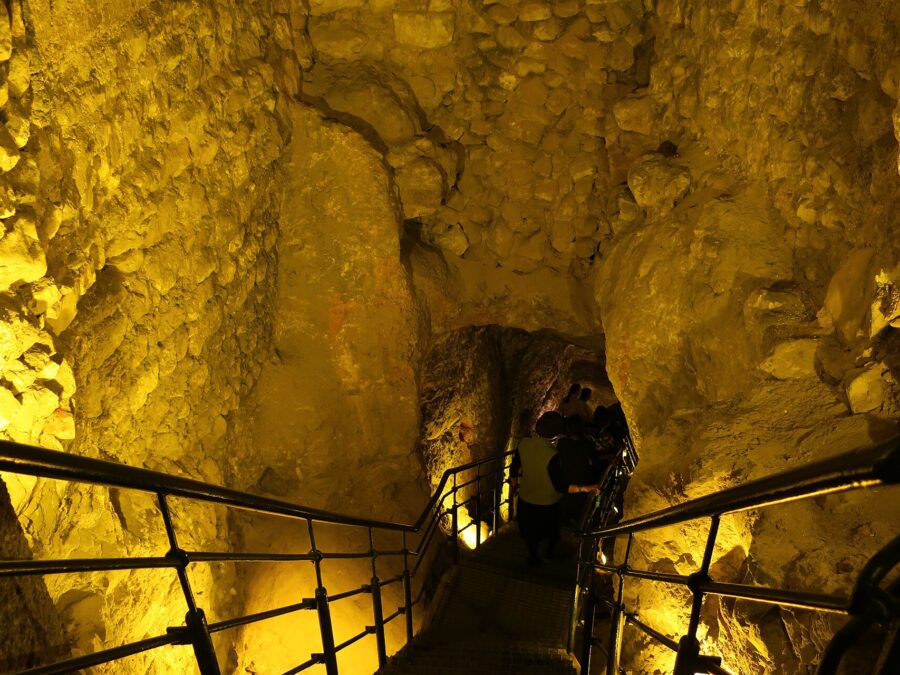
Not a museum in the traditional sense, the City of David is an active archaeological park just outside the Dung Gate where the displays are the excavations themselves, including Hezekiah’s Tunnel and the Pool of Siloam. It pairs beautifully with any museum day because it lets you walk through the very layers the collections describe. Our guide to the City of David dig and our ancient water systems guide cover it in detail.
A three-day archaeology itinerary
Day 1: Givat Ram museums
Spend the bulk of the day at the Israel Museum, taking in the Shrine of the Book and the Second Temple model, then cross to the Bible Lands Museum next door in the late afternoon for the wider ancient Near East.
Day 2: Old City museums
Start at the Tower of David for the citywide overview, then move to the Wohl Archaeological Museum and the Burnt House in the Jewish Quarter. Return after dark for the Tower of David sound-and-light show.
Day 3: digs and detail
Devote the morning to the City of David and Hezekiah’s Tunnel, the live archaeology that ties everything together. If the Rockefeller is open to visitors during your stay, add it; otherwise round off at a market or a quieter site.
Tips for visiting
- Use the audio guides or join a tour; the context transforms rooms of pottery into a story.
- Pace yourself, and resist trying to see everything in the Israel Museum in one push, and take a coffee break in its grounds.
- Look for combination tickets, such as the Wohl with the Burnt House, to save a little.
- Mind the calendar: most museums close or shorten hours on Shabbat and Jewish holiday eves, with Friday afternoons especially limited.
- Photography is usually fine without flash; check signage in each gallery.
- Accessibility: the Israel Museum and the redeveloped Tower of David are the strongest for wheelchair users; our accessibility guide has more.
Key artifacts worth seeking out
Across these collections, a handful of objects reward a special detour. Knowing what to look for keeps a museum visit from blurring into endless display cases.
- The Dead Sea Scrolls at the Shrine of the Book, including portions of Isaiah, the oldest known biblical manuscripts by far.
- The Second Temple model on the Israel Museum grounds, the best way to grasp the scale of Herod’s Temple and the city around it.
- The Aleppo Codex, the most authoritative medieval text of the Hebrew Bible, also at the Shrine of the Book.
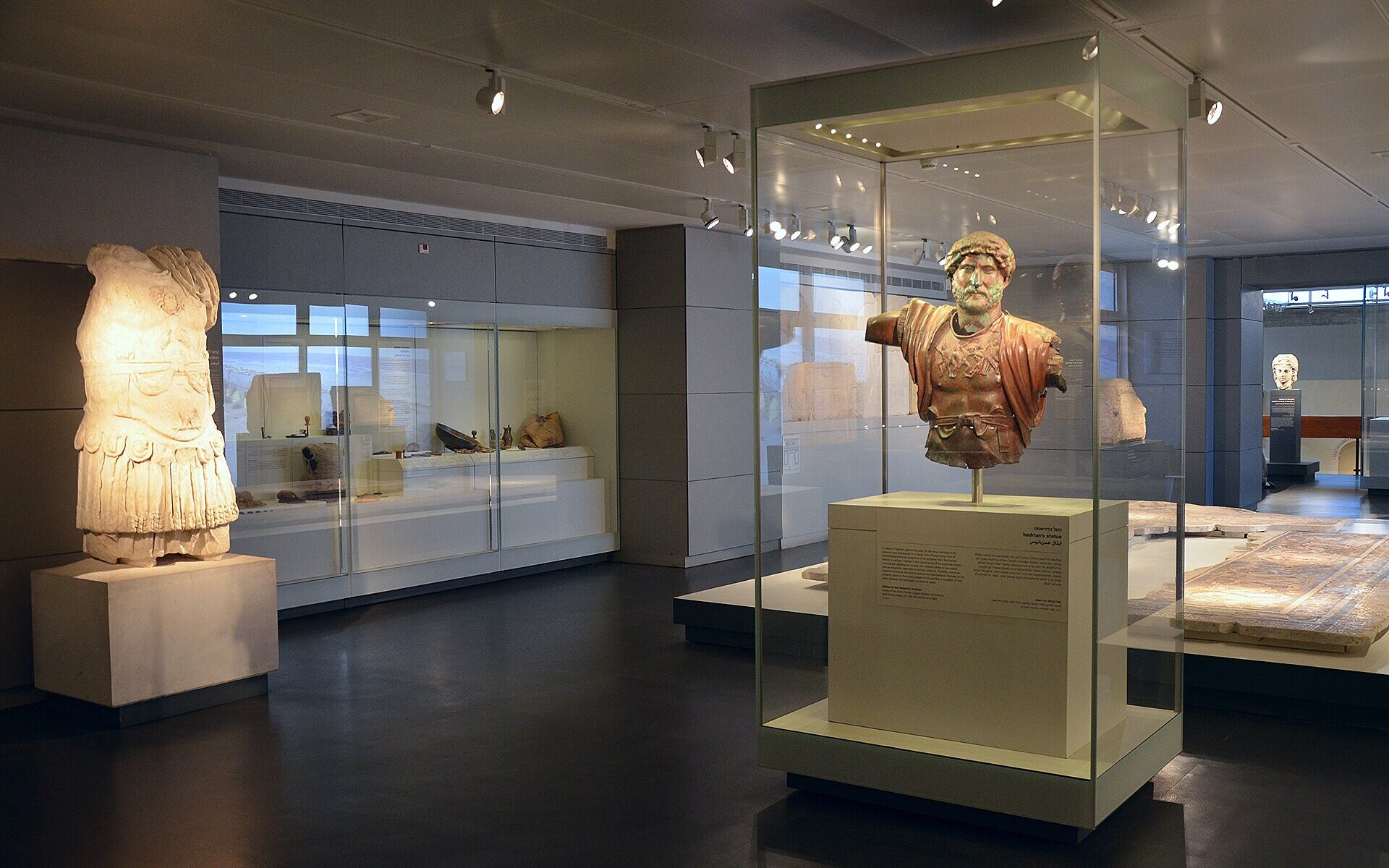
- Mosaics and inscriptions from the Roman and Byzantine periods, strongest at the Rockefeller and the Israel Museum.
- The Herodian mansions at the Wohl, with their frescoes and ritual baths, showing elite life on the eve of 70 CE.
- Everyday objects from the Burnt House, cooking pots, weights, and a stone table, that make the destruction personal.
Seeing the scrolls and then walking the City of David, or studying the Second Temple model and then standing at the Western Wall, links the artefacts to the ground in a way that sticks. The museums and the sites are best treated as two halves of the same experience.
How the museums fit Jerusalem’s story
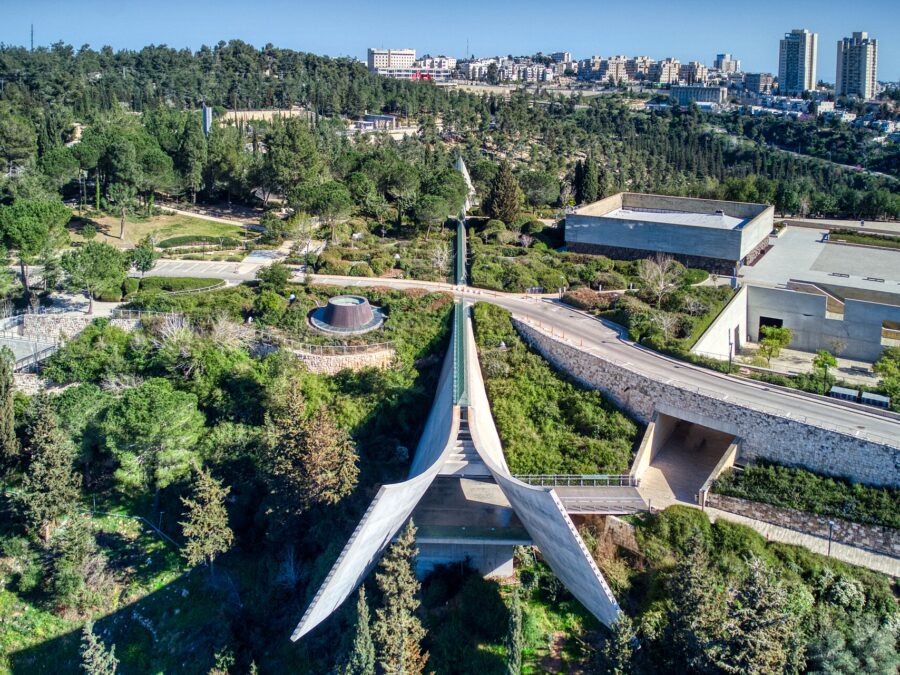
It helps to picture the collections as a timeline you can walk. The City of David and the earliest Israel Museum galleries cover the Canaanite and First Temple periods. The Second Temple era, the age of Herod and the Roman destruction, runs through the model, the Wohl mansions, and the Burnt House. The Byzantine, Crusader, and Islamic centuries surface at the Rockefeller and the Tower of David, which then carries the narrative right up to the modern state. Visit in roughly that order and the city’s 3,000-plus years of urban history unfold in sequence rather than as disconnected highlights. For the modern era’s hardest chapter, the Holocaust memorial museum at Yad Vashem stands apart from these archaeology collections but belongs on any serious museum itinerary.
This is also why no single museum tells the whole tale. The Israel Museum has the depth and the star objects, but the Old City museums anchor the story to specific streets and houses, and the live digs let you stand inside it. Mixing the grand and the granular is the secret to a satisfying archaeology trip here, and it is worth building your days around that contrast.
Getting there and saving money
The Givat Ram museums (the Israel Museum and Bible Lands) sit together west of the center and are easiest reached by bus or a short taxi; they are a little removed from the Old City, so it is sensible to give them their own day. The Old City museums, the Tower of David, Wohl, and Burnt House, are all walkable once you are inside the walls, with the Tower of David right at Jaffa Gate, a stop on the Light Rail Red Line. Our transportation guide explains the Red Line, buses, and sherut shared taxis.
To keep costs down, look for the combined Wohl and Burnt House ticket, ask about student and senior discounts, and check whether your accommodation or a city pass bundles any admissions. Many museums also have free or reduced entry on certain days or for young children, so it is worth a quick check when you plan. For broader budget strategy, see our tips for seeing Jerusalem cheaply.
This page stays with the dig sites and the archaeology collections. For the city’s museums as a whole — Yad Vashem, the Museum for Islamic Art, the Knesset and Supreme Court tours, the science museum for rainy days with children, and how Shabbat reshapes everyone’s opening hours — see our complete guide to museums in Jerusalem, which groups them by neighbourhood so you can plan a museum day without zigzagging across town.
Photo Credits
The Roman gallery of the Israel Museum’s archaeology wing, with the bronze Hadrian from Tel Shalem: Israel Museum, Jerusalem (27694452315) by Carole Raddato from FRANKFURT, Germany, CC BY-SA 2.0, via Wikimedia Commons.
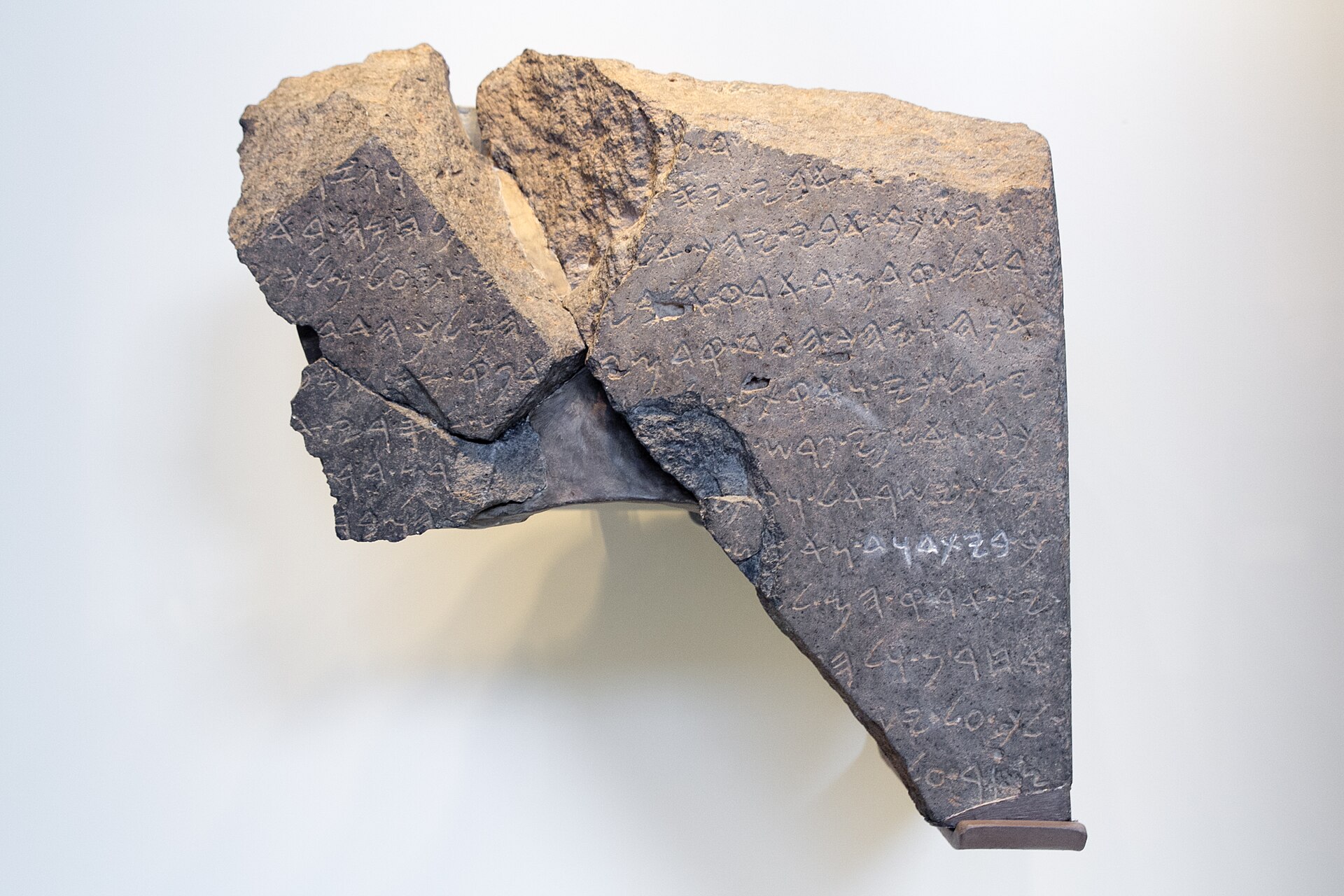
The Tel Dan stele on display at the Israel Museum: JRSLM 300116 Tel Dan Stele 02 by Oren Rozen, CC BY-SA 4.0, via Wikimedia Commons.
The south octagon gallery of the Rockefeller Museum, Jerusalem: Rockefeller-Museum-Jerusalem-1679-south-octagon by Bukvoed, CC BY 4.0, via Wikimedia Commons.