Jerusalem festivals run almost year-round, and they fall into two very different categories: cultural events with set programs and tickets, and the great religious holidays of Judaism, Christianity and Islam that reshape whole quarters of the city. Knowing the calendar changes everything about a trip here, because the same dates that bring the Jerusalem Light Festival or the film festival to town can also fill hotels months ahead and close restaurants for a holiday. This guide lays out the major annual festivals with their realistic timing, prices and venues for 2026, then walks through the religious festivals and a month-by-month overview so you can plan around them.
Use this alongside our Jerusalem Light Festival deep-dive, the best time to visit Jerusalem guide, and our wider overview of arts and entertainment in Jerusalem. Dates for cultural festivals shift slightly each year and religious festivals follow the Hebrew and Islamic calendars, so confirm exact dates with official sources before you book.
The Major Cultural Festivals
Jerusalem Light Festival (June)
The city’s signature event, and the one most worth planning a visit around. For about a week in June, light artists from Israel and abroad install projections and sculptures throughout the Old City, turning the ancient walls, gates and alleys into a free open-air gallery after dark. In 2026 it falls in the first half of June, running roughly 8pm to 11pm each evening except Friday night, with several marked walking routes and maps handed out at Jaffa Gate. Entry is free and the festival draws around a quarter of a million visitors over its run. For the routes, timing and crowd-beating tips, see our full Light Festival guide.
Israel Festival (late spring / early summer)
The country’s flagship performing-arts festival has been held in Jerusalem since 1961, programming a multi-week season of theater, dance, music, performance art and installations from Israeli and international companies. It traditionally runs in late spring to early summer at venues across the city, including the Jerusalem Theatre and other halls. Individual show tickets commonly run from around 100 to 200 shekels (roughly 28 to 57 dollars), with some free outdoor and family events. Check the official program for the year’s exact dates, which can move between late May, June and high summer. Outside festival season the city’s stages stay busy year-round; see our guide to theater and performing arts in Jerusalem for venues and booking advice.
Jerusalem Jazz Festival (June)
A favorite for music lovers, this international jazz festival is staged inside the galleries and sculpture garden of the Israel Museum, an unusual and atmospheric setting. In 2026 it is scheduled for mid-June, bringing leading Israeli and international jazz artists for a few intensive evenings. Tickets are sold per concert and the intimate venues mean shows sell out, so book ahead.
Jerusalem International Film Festival (July)
Running since 1984, the film festival is centered on the Jerusalem Cinematheque near the Hinnom Valley, screening hundreds of films from dozens of countries alongside premieres, retrospectives and visiting filmmakers. In 2026 it takes place in mid-July, with tickets typically sold per screening in the region of 40 to 55 shekels. It is one of the cultural highlights of the summer and a good reason to build a few cinema evenings into a July trip.
Israeli Wine Festival (August)
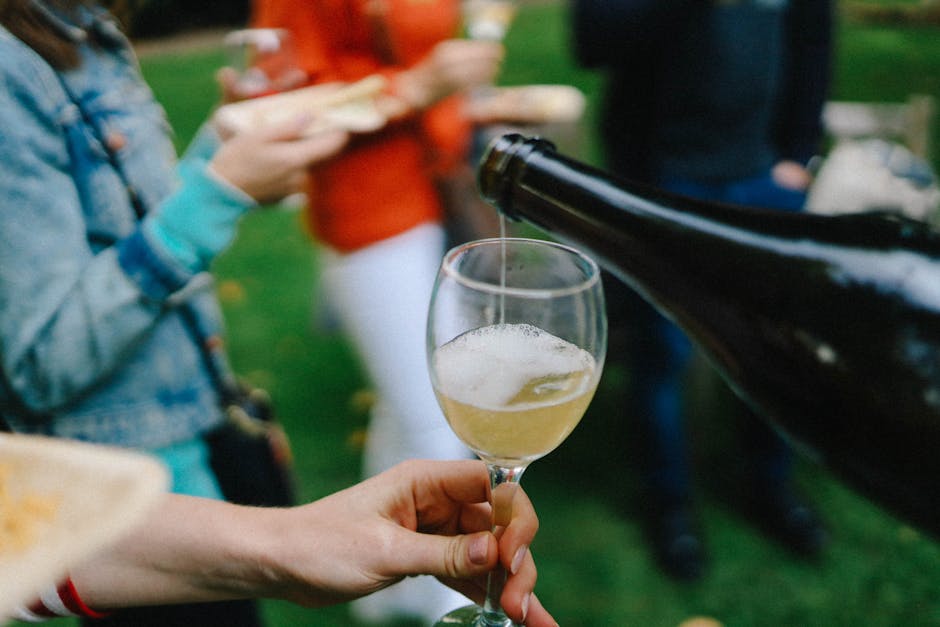
Held on summer evenings in the gardens of the Israel Museum, this hugely popular festival brings together dozens of Israeli wineries for open tastings. Admission is usually around 70 to 100 shekels and includes a tasting glass you carry between the winery stands, with gourmet food and live music alongside. It is an adults-only evening (18+) and tickets go fast, so buy in advance. For the wineries and bars you can visit year-round, see our Jerusalem wine bars guide.
Sacred Music Festival (autumn)
Few cities can stage a festival like this. The Sacred Music Festival gathers musicians from Jewish, Christian, Muslim and other traditions and presents them in churches, synagogues and other sacred and historic venues around the city, often around the autumn holiday season. Some events are free and others ticketed. Hearing devotional music in the spaces it was written for is a genuinely unusual experience and a quieter counterpoint to the summer’s big crowds.
Jerusalem Marathon (spring)
Each spring, tens of thousands of runners from dozens of countries take on a course that threads past the Old City walls and through the hills of the modern city, with full and half marathons plus shorter 10K and 5K races. Roads close and the atmosphere is festive even if you are only spectating. If you want to run it, register months ahead.
Religious Festivals and Holy Days
These are not ticketed events, but they have the biggest impact on a visit, both in atmosphere and in logistics. Many follow lunar or lunisolar calendars, so their Gregorian dates shift each year. Approach them as a respectful visitor: dress modestly at religious sites, follow photography rules during ceremonies, and expect crowds and closures.
Passover and Easter (spring)
Spring is the most intense season in the city. Passover, the week-long Jewish festival, sees huge crowds at the Western Wall, and many restaurants close or switch to special menus, with leavened bread vanishing from shops. Easter, the holiest week of the Christian year, fills the Christian Quarter and the Church of the Holy Sepulchre with pilgrims and brings processions along the Via Dolorosa. Western and Eastern (Orthodox) Easter can fall on different dates, so check both. Hotels for this period are often booked a year out.
Ramadan (varies)
During the Islamic holy month, the rhythm of the Muslim Quarter inverts: quieter, more subdued days during the fast, then lively evenings after the sunset iftar meal, with decorated streets and late-night activity. Some shops keep different hours. Because Ramadan follows the Islamic lunar calendar, it moves about eleven days earlier each year.
The High Holidays and Sukkot (autumn)
The Jewish autumn season runs from Rosh Hashanah through Yom Kippur to Sukkot. Yom Kippur is the most striking day in the calendar for a visitor: the city falls almost completely silent, roads empty of cars, the airport closes, and people walk and cycle in the streets. Almost everything shuts. Sukkot, the harvest festival that follows, is more festive, with temporary booths (sukkot) appearing across the city and crowds at the Western Wall. School holidays make hotels busy.
Hanukkah and Christmas (December)
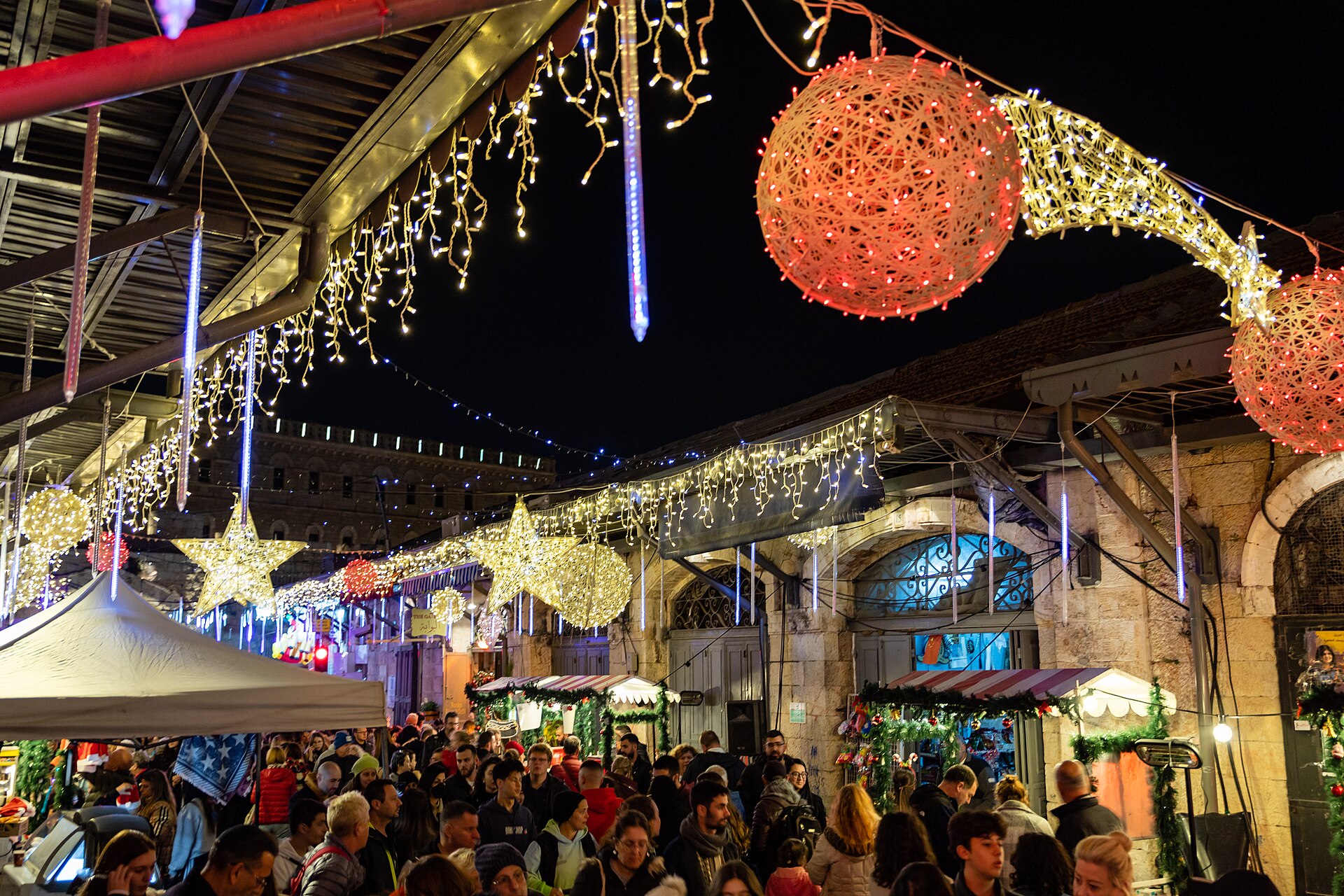
December layers two festivals of light. Hanukkah brings menorah lightings in homes, public squares and at the Western Wall, plus the smell of fresh sufganiyot (jam doughnuts) everywhere. Christmas centers on the Christian Quarter and on nearby Bethlehem, where midnight Mass requires advance arrangements. Western Christmas falls on December 25 and several Orthodox churches mark it in early January, so the season stretches for weeks.
Month-by-Month Festival Calendar
Use this overview to match your travel dates to what is on. Religious dates move year to year; the table reflects the usual season.
| Month | What’s on | Type |
|---|---|---|
| January–February | Quiet; Tu BiShvat (tree planting) | Low season |
| March–April | Passover, Easter, Jerusalem Marathon | Religious + sport |
| April–May | Memorial Day, Independence Day, Shavuot | National + religious |
| June | Light Festival, Jazz Festival, Israel Festival | Cultural |
| July | Jerusalem International Film Festival | Cultural |
| August | Israeli Wine Festival; Tisha B’Av (mourning day) | Cultural + religious |
| September–October | Rosh Hashanah, Yom Kippur, Sukkot, Sacred Music Festival | Religious + cultural |
| November | Olive harvest season; cooler, calmer | Seasonal |
| December | Hanukkah, Christmas, Bethlehem celebrations | Religious |
Practical Tips for Festival Visits
A few habits make festival trips far smoother. Book accommodation early, especially for Passover, Easter, the High Holidays and December, when prices climb and rooms vanish. Confirm exact dates each year rather than trusting last year’s, since both Hebrew and Islamic dates shift. For religious holidays, plan around closures: shops, public transport and many restaurants pause for Shabbat and major Jewish holidays, and Yom Kippur shuts the city almost entirely. Carry some cash, allow extra time for transit when crowds swell, and dress modestly at and around holy sites. At religious ceremonies, ask before photographing and follow any posted rules. For the full picture of closures and how the city moves on the seventh day, read our Shabbat in Jerusalem guide and the broader Jerusalem travel tips.
National and Other Jewish Festivals Worth Knowing
Beyond the headline festivals, several national and seasonal observances shape the mood of the city and are good to anticipate. They range from solemn memorial days to joyful celebrations, and each affects what is open and how the streets feel.
- Memorial Day (Yom HaZikaron) and Independence Day (Yom HaAtzmaut), spring: back-to-back and emotionally striking. Memorial Day brings two-minute siren stops when the entire country pauses in silence, followed the next evening by Independence Day fireworks, street parties and a festive atmosphere. Expect closures on the memorial day and crowds on the celebration.
- Shavuot (late spring): a one-day Jewish festival when many study through the night and dairy foods are traditional; expect Shabbat-style closures.
- Tisha B’Av (summer): a solemn fast day of mourning, usually in late July or August. Restaurants and entertainment venues may close, and there are large gatherings at the Western Wall. If your trip overlaps, plan a quiet day.
- Tu BiShvat (winter): the “new year of the trees,” marked with tree planting and seasonal fruit; low-key but pleasant.
- Purim (late winter/early spring): a joyful holiday with costumes, street celebrations and a carnival feel, especially lively in some neighborhoods.
The best festival season for visitors
If your priority is cultural festivals with comfortable weather, target June and July. June stacks the Light Festival, the Jazz Festival and the Israel Festival together, and the evenings are warm and long, ideal for the open-air light installations and museum-garden concerts. July adds the film festival. August brings the wine festival but also peak heat and the Tisha B’Av fast. Spring (March to May) is beautiful and green but dominated by the big religious holidays and their crowds, while autumn offers the Sacred Music Festival and the dramatic High Holiday season. For a full weather-and-crowds breakdown to match against these dates, see our best time to visit Jerusalem guide.
Everything above is the secular calendar: music, film, wine, light and the marathon. Running underneath it is a second calendar that closes the buses, empties the restaurants and fills the Old City, and it is the one that will actually shape your trip. For the Jewish, Christian and Muslim holy days — Sukkot, Yom Kippur, both Easters, Ramadan and the rest, with 2027 dates and closures — see our guide to religious holidays in Jerusalem.
Photo Credits
The Christmas market inside New Gate, Jerusalem’s Old City: New Gate Christmas Market 22122022 by Oren Rozen, CC BY-SA 4.0, via Wikimedia Commons.