If you think Jerusalem is all ancient stones and solemn prayer, you are in for a surprise. Behind the holy city’s ancient facade lies a vibrant, diverse cultural scene that has been rapidly evolving. From craft cocktail bars hidden in Ottoman-era buildings to world-class music festivals, avant-garde theater, and one of the most dynamic food-and-drink scenes in the Middle East, Jerusalem after dark is a revelation for visitors expecting a city that goes to sleep at sundown.
This comprehensive guide covers Jerusalem’s nightlife, performing arts, festivals, museums, and entertainment options. Whether you are looking for a late-night bar with live oud music, a world-class art exhibition, or a family-friendly cultural event, Jerusalem delivers — often in settings so historic they become part of the experience. For daytime activities, pair this guide with our complete guide to things to do in Jerusalem.
Jerusalem’s Nightlife Districts
Mahane Yehuda After Dark
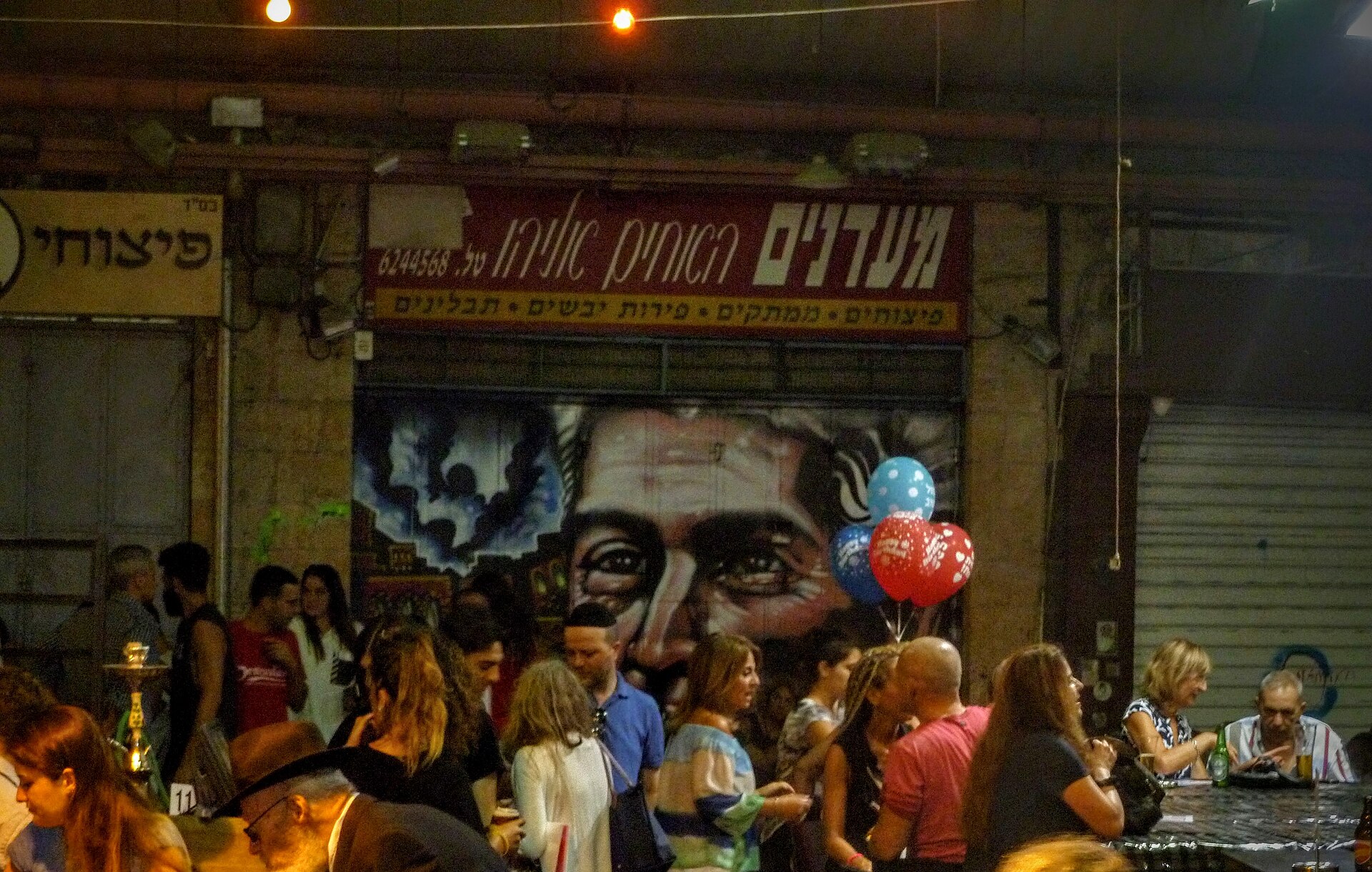
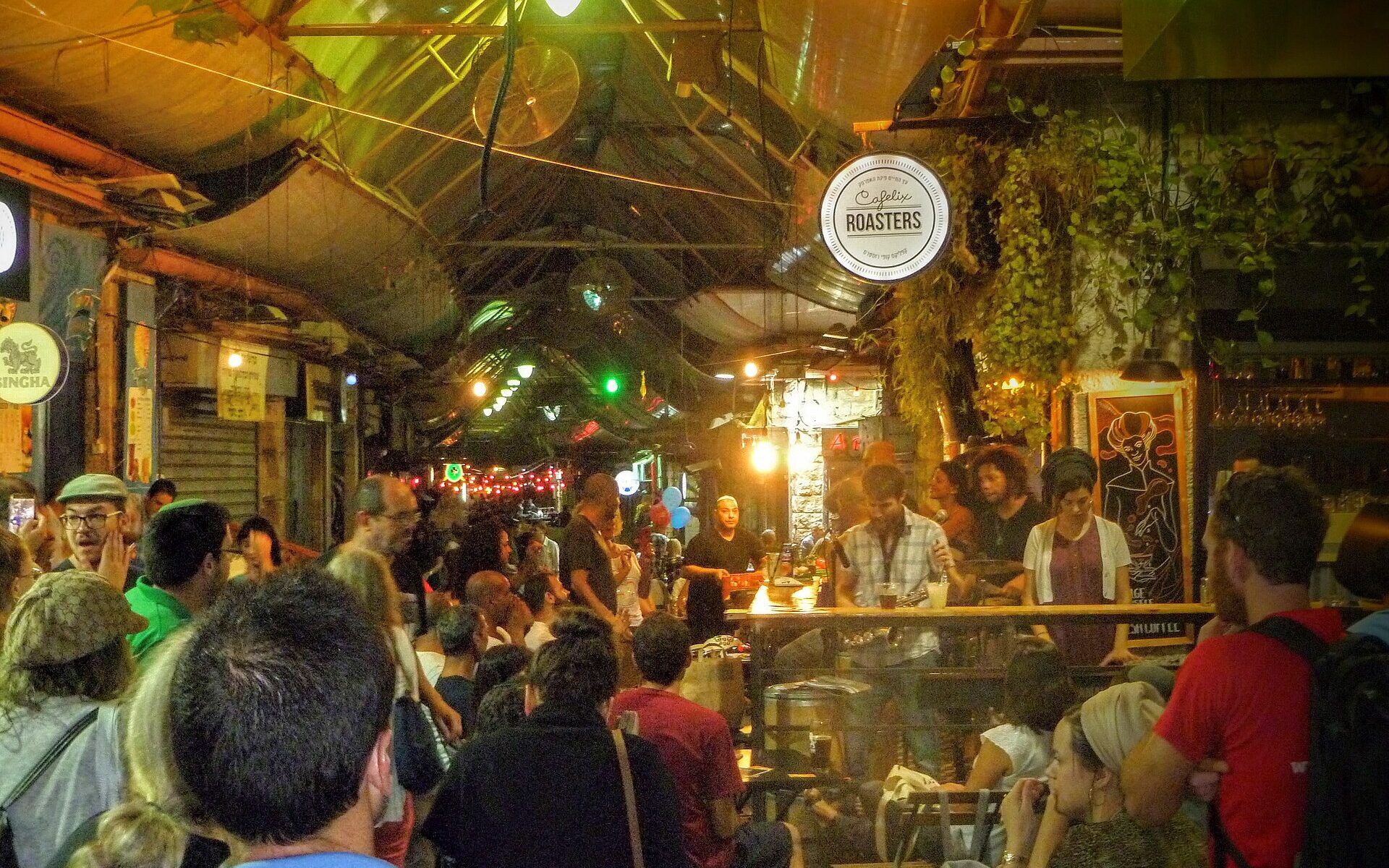
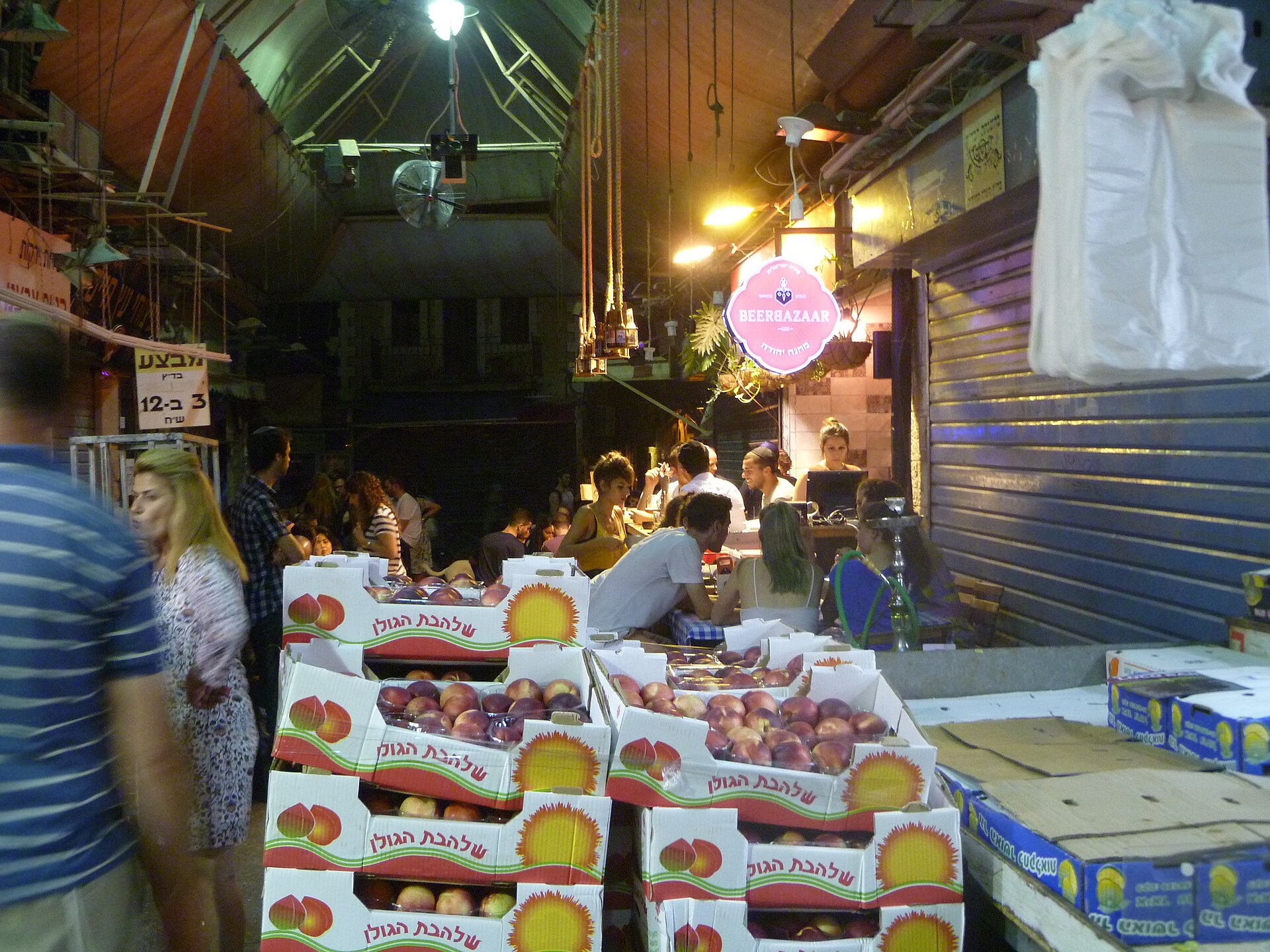
Mahane Yehuda Market’s transformation from daytime produce market to nighttime entertainment hub is one of Jerusalem’s best stories. As vendors pull down their shutters — many covered in striking street art that’s only visible at night — bars, restaurants, and music venues come alive in the same narrow lanes. The energy is infectious, and the juxtaposition of ancient market architecture with contemporary nightlife is uniquely Jerusalem. See our rundown of the city’s markets and shopping streets for the daytime market experience.
Top spots: Casino de Paris serves creative cocktails in a space that channels 1920s Parisian café culture. Beer Bazaar offers an extensive selection of Israeli craft beers on tap. Shuka (meaning “market” in Arabic) delivers Middle Eastern-inspired cocktails alongside small plates. Makom Ba’Shuk features live music ranging from jazz to Mizrahi classics. The atmosphere peaks on Thursday evenings — Israel’s unofficial start to the weekend.
Nahalat Shiva and City Center
Jerusalem’s oldest neighborhood outside the Old City walls has become its most eclectic nightlife zone. Rivlin Street and the surrounding alleyways attract a younger crowd (early to mid-20s) to a concentration of bars, restaurants, and live music venues. The neighborhood’s 19th-century stone buildings provide atmospheric settings for everything from wine bars to dance clubs. Our guide to the best bars and clubs in Jerusalem maps out which streets suit which crowd, along with opening hours and door policies.
Highlights: The Gatsby Cocktail Room recreates 1920s speakeasy glamour with dim lighting, retro decor, and live swing music alongside expertly crafted cocktails — some served in light bulbs and other theatrical presentations. Birman Music Bar combines a full restaurant with a dedicated live music stage featuring jazz, blues, and world music performances most evenings. Uganda Bar, named after the rejected alternative to Israel as a Jewish homeland, offers a relaxed, bohemian atmosphere popular with locals.
Russian Compound (HaHavatzelet and Heleni HaMalka Streets)
The Russian Compound area, centered around Heleni HaMalka Street, attracts a slightly older crowd and features some of Jerusalem’s most established bars and pubs. The area has a grittier, more lived-in feel than Nahalat Shiva, and the bars tend toward the traditional pub end of the spectrum. This is where locals go for a reliable good time without the trendier pretensions.
German Colony and Emek Refaim
For a more relaxed evening, the German Colony neighborhood along Emek Refaim Street offers wine bars, upscale restaurants, and café culture in a tree-lined, walkable setting. The pace here is slower and more refined — perfect for couples or anyone who prefers conversation over dance music. Caffit, HaMeiri House, and various wine bars provide excellent options. If Israeli wine is your thing, we have a separate roundup of where to drink Israeli wine and craft beer around the city.
Live Music and Performance
Live Music Venues
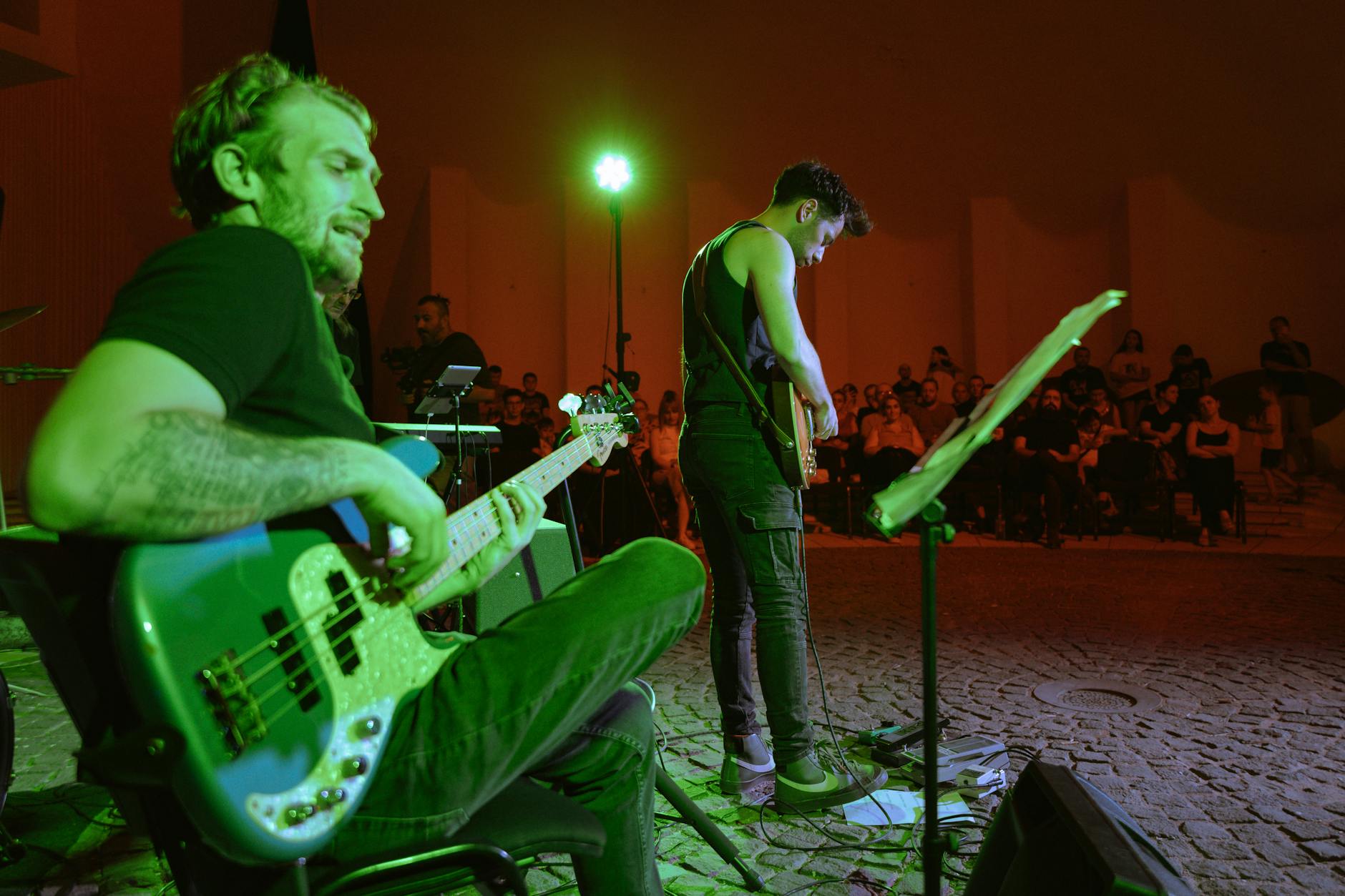
Yellow Submarine: Jerusalem’s premier music venue hosts Israeli and international acts across all genres — rock, jazz, electronic, world music, and hip-hop. The two-room venue in the Talpiot industrial area has been central to Jerusalem’s music scene since 1992. Check their schedule well in advance, as popular shows sell out.
Confederation House (Beit HaPoel): This cultural center in the Talpiot area hosts concerts, dance performances, and cultural events in an intimate theater setting. The programming emphasizes Israeli artists and world music.
Zappa Jerusalem: Part of the Zappa chain of music clubs, this venue in the city center offers a regular schedule of Israeli musicians, comedy acts, and cultural performances. The atmosphere is casual — dinner and drinks are served during shows. For the wider picture, our roundup of live music venues and upcoming concerts covers ticket prices and how to book.
Classical Music and Opera
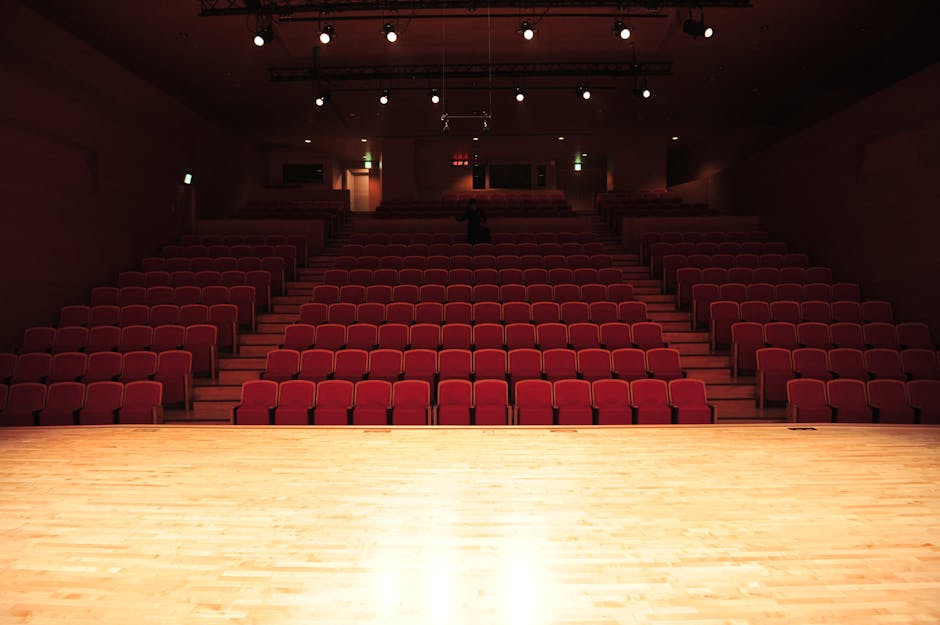
The Jerusalem Theatre (Sherover Theatre) is the city’s main performing arts center, hosting the Jerusalem Symphony Orchestra, touring international orchestras, dance companies, and theatrical productions. The Jerusalem International Chamber Music Festival, held annually in September, draws world-class musicians to perform in intimate settings across the city — including concerts in historic locations like the YMCA auditorium and the Tower of David.
The Eden-Tamir Music Center in the historic neighborhood of Ein Karem hosts classical concerts in an intimate setting surrounded by the Jerusalem Hills. The combination of exceptional acoustics and beautiful natural surroundings makes this a special experience even for those who don’t usually attend classical concerts.
Theater and Dance
The Khan Theatre, housed in a converted Ottoman-era caravansary near the Old City, is Jerusalem’s leading repertory theater. Productions are primarily in Hebrew, but some performances include English subtitles or are accessible through their expressiveness regardless of language. The building itself — with its ancient stone arches and atmospheric courtyard — is worth visiting.
The Train Theater (Puppet Theater) at Liberty Bell Park offers performances for children and families, using innovative puppetry techniques that transcend language barriers. The Gerard Behar Center and the Lab (HaMa’abada) present experimental and contemporary performance art. Our dedicated guide to theater shows and how to get tickets compares each venue’s programming and English-language options.
Booking Tickets and Seeing a Show in English
Almost everything on Jerusalem’s stages is in Hebrew. That does not rule you out — a good deal of drama, dance and music is surtitled, sung in another language, or wordless — but it does mean you cannot walk up to a box office, point at tonight’s show and expect to follow it. Ten minutes of checking in advance is the difference between a memorable evening and two hours of polite confusion.
Where to book, and how far ahead
Every major venue sells directly through its own website, and each has an English interface: the Jerusalem Theatre complex in Talbiya (six halls, including the Sherover and the Henry Crown auditorium used by the Jerusalem Symphony Orchestra), the Khan Theatre in its Ottoman caravanserai opposite the old railway station, Yellow Submarine in Talpiot, and Zappa in the city centre. The Jerusalem Theatre also publishes a seasonal programme as a downloadable magazine — the August to October 2026 edition was live on its site as of August 2026 — which is the quickest way to scan a whole quarter at once.
For a mainstream play or a symphony subscription concert, a week’s notice is usually plenty outside festival season. For anything in a small room — the Khan’s studio productions, chamber concerts at the Eden-Tamir Music Center in Ein Karem, a touring name at Yellow Submarine — book the moment you see it listed, because those rooms hold a couple of hundred people and sell out. Our guide to gig listings and where to buy tickets explains which venues release seats first.
Surtitles, subtitles and shows that need no language at all
The Jerusalem Theatre states plainly that some of its Hebrew plays carry surtitles in English or Russian, and that some foreign films screened there carry English subtitles — but only some, and the listing for the individual performance is what tells you. The Khan works the same way: it runs a Hebrew repertory and designates particular dates as surtitled. Filter by date rather than by production, because the same play may be surtitled on a Wednesday and not on the Thursday.
If the surtitled dates do not line up with your trip, the workarounds are genuinely good. Dance needs no translation, and the Jerusalem Theatre and the Gerard Behar Center both host touring companies. Concerts by the Jerusalem Symphony Orchestra, chamber recitals and the whole live-music circuit are language-neutral. And the Cinematheque subtitles most of its programme in English as a matter of course, because much of what it screens is foreign to Hebrew speakers too. Our breakdown of the city’s stages lists which houses run surtitles most consistently.
Practicalities at the door
Curtain times are early by European standards — many evening performances start between 20:00 and 20:30, and matinees are common on Fridays because of Shabbat. Box offices keep shorter hours than the venues themselves and typically close on Friday afternoon, so collect physical tickets earlier in the week or use a phone ticket. Latecomers are frequently held until a break in the performance, which in a one-act play can mean missing a third of it.
Museums and Cultural Institutions
Israel Museum
Israel’s national museum is one of the world’s leading art and archaeology museums, with collections spanning 5,000 years of culture. The archaeological wing alone could occupy an entire day, with artifacts from every period of the Holy Land’s history. The fine arts collection includes works by Rembrandt, Monet, Renoir, and Picasso alongside outstanding collections of Israeli and Jewish art. The museum’s iconic Shrine of the Book houses the Dead Sea Scrolls — among the most important archaeological discoveries of the 20th century. For more history context, see our Jerusalem history guide.
The museum also features an exceptional sculpture garden designed by Isamu Noguchi, with works by Henry Moore, Claes Oldenburg, and other masters set against panoramic views of Jerusalem.
Yad Vashem: The World Holocaust Remembrance Center
Yad Vashem is far more than a museum — it is a profoundly moving memorial complex spread across 45 acres on the Mount of Remembrance. The main museum, designed by Moshe Safdie, uses personal stories, artifacts, and testimony to tell the history of the Holocaust in a deeply human way. The Children’s Memorial, Hall of Names, and outdoor memorial sites create an experience that visitors describe as one of the most important of their lives. Allow at least 3 hours. Free admission. Note: recommended for visitors aged 10 and up.
Tower of David Museum
The Tower of David Museum in the ancient citadel near Jaffa Gate tells the story of Jerusalem through innovative, interactive exhibits. The museum underwent major renovations and now features cutting-edge multimedia presentations alongside its archaeological collections. The Night Spectacular — a 45-minute sound and light show projected onto the citadel’s ancient walls — is one of Jerusalem’s must-see experiences. See our Old City guide for more information about the Citadel area.
Other Notable Museums
Museum on the Seam: Located on the former border between East and West Jerusalem, this socio-political contemporary art museum features provocative exhibitions addressing coexistence, conflict, and human rights. The building itself — a former military outpost — adds powerful context to the artwork.
Islamic Museum (Haram al-Sharif): Located on the Temple Mount, this museum houses a collection of Islamic art, manuscripts, and artifacts from the Al-Aqsa Mosque compound spanning centuries of Islamic civilization in Jerusalem.
Rockefeller Archaeological Museum: This beautiful 1930s British Mandate-era building in East Jerusalem houses an outstanding collection of archaeological artifacts from excavations across the Holy Land, presented in a setting that is itself a work of art, although it has been closed to walk-in visitors since 2023; our Rockefeller Museum guide explains how to see it. Beyond the big institutions, the city’s independent gallery and street art scene easily fills an afternoon of its own.
Galleries, Artists’ Studios and Street Art
The big museums get the visitors, but Jerusalem’s working art scene is smaller, scrappier and free. It is also unevenly distributed: a handful of streets carry most of it, and outside those streets you can walk for an hour without passing a gallery.
Where the galleries are
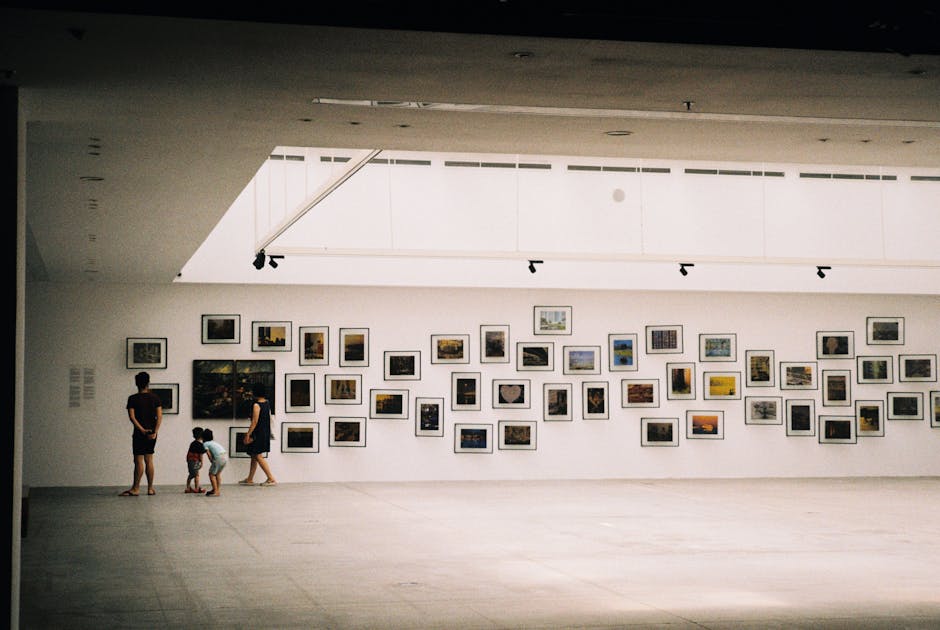
The Artists’ House on Shmuel HaNagid Street, near the Bezalel Academy’s historic building, is the reliable starting point — changing exhibitions of contemporary Israeli work in a 19th-century building, with a courtyard cafe. The lanes of the Hutzot Hayotzer artists’ colony, tucked below the Old City walls between Jaffa Gate and Mount Zion, hold year-round studios for ceramicists, silversmiths, glassblowers and printmakers; you are walking into people’s workshops rather than shops, so the conversation is often better than the merchandise. Around Mahane Yehuda, several artist-run co-operative spaces occupy former shopfronts on and off Agripas Street, keeping erratic hours that suit the artists rather than visitors.
The Museum on the Seam, on the old dividing line, shows explicitly political contemporary art. If you are in town in early summer, check whether the Bezalel Academy of Art and Design’s annual graduation exhibition is on — it is open to the public, free, sprawling, and the most honest snapshot of what young artists in the city are actually making. For opening times and a route that strings several spaces together, see our walk through the city’s galleries and studios.
Street art you can only see after closing time
Jerusalem’s best-known street art is invisible for most of the day. Since 2015 the artist Solomon Souza has spray-painted portraits onto the metal shutters of Mahane Yehuda’s stalls — more than 250 of the market’s roughly 360 shutters by 2018 — and they only exist as a gallery when the shutters are down. That means after the market closes on a weekday evening, or on Shabbat, when the lanes are empty and you can walk the whole run in half an hour. The subjects are a deliberately mixed bag: Golda Meir and Ben-Gurion next to Bob Marley, Gandhi and Einstein.
Beyond the market, Nachlaot’s alleyways carry a steady layer of stencils and paste-ups, and the underpasses and concrete flanks along the light rail route through the city centre are the usual canvas for larger pieces. A market walk after dark pairs naturally with our guide to the city after sunset.
Festivals and Annual Events
Jerusalem Light Festival (June)
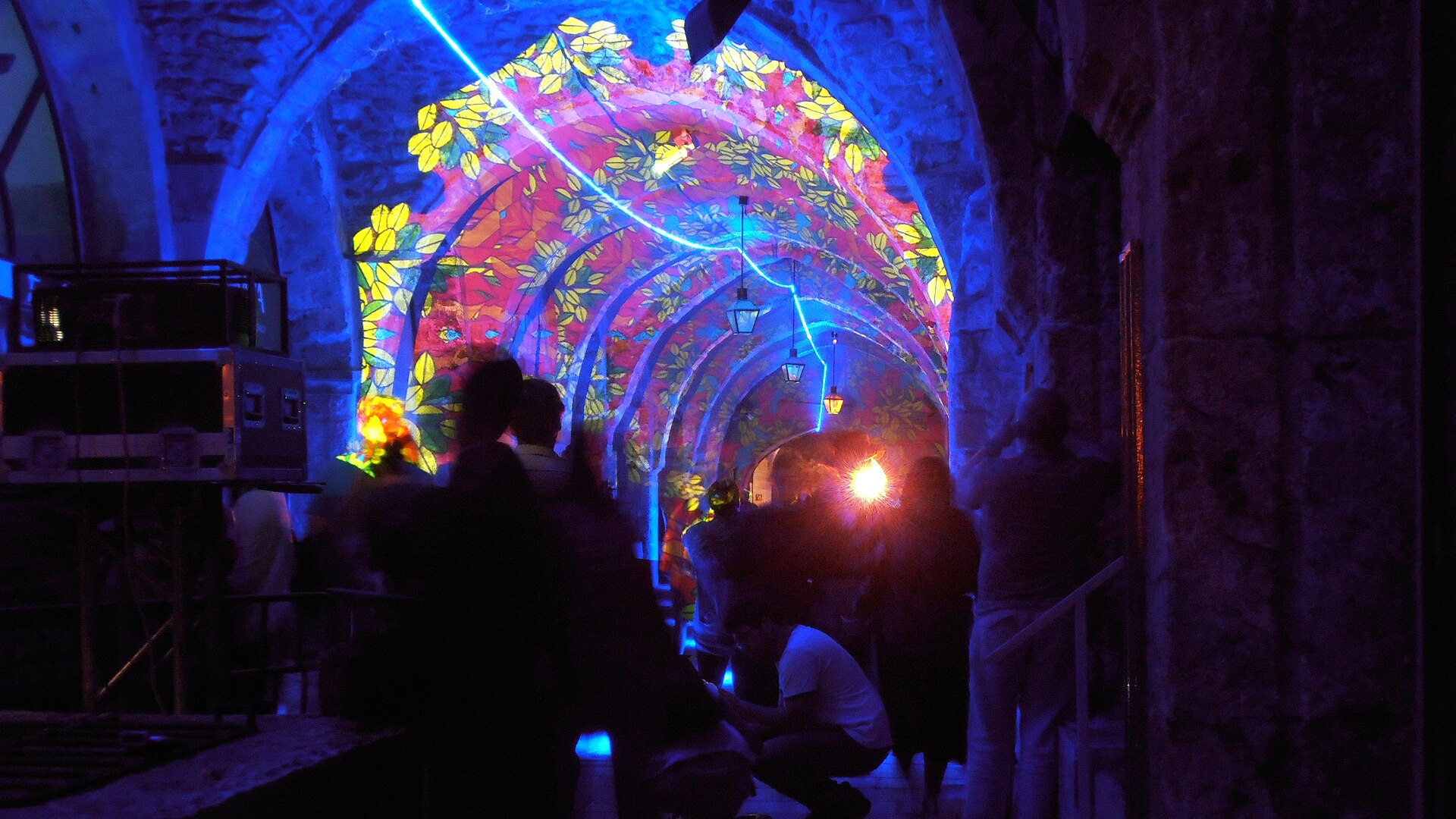
One of Jerusalem’s most magical events, the Light Festival transforms the Old City into an open-air art gallery of light installations, video art projections, and illuminated sculptures. The ancient stone streets and buildings become canvases for international artists, creating walking routes through the quarters that reveal the Old City in an entirely different dimension. The festival runs for about a week in June and is free to attend — expect large crowds and an extraordinary atmosphere. Our visitor guide to the Light Festival has the confirmed dates, the color-coded walking routes and tips for beating the crowds.
Jerusalem Jazz Festival (November)
Under the artistic direction of the acclaimed Israeli trumpeter Avishai Cohen, the Jerusalem Jazz Festival has established itself as one of the premier jazz events in the Middle East. Performances take place in the galleries and gardens of the Israel Museum, with international and Israeli artists filling the spaces with everything from traditional jazz to experimental fusion. The combination of world-class music in a museum setting creates an exceptional cultural experience.
Jerusalem Film Festival (July)
The Jerusalem Cinematheque hosts one of the oldest and most respected film festivals in the region, screening international, Israeli, and Palestinian films alongside retrospectives and industry events. The Cinematheque’s location — overlooking the Hinnom Valley and the Old City walls — provides a stunning backdrop for outdoor screenings on summer evenings.
Israel Festival (dates vary, recently midsummer)
Israel’s premier performing arts festival brings international and local theater, dance, music, and multidisciplinary performances to venues across Jerusalem. The festival’s programming is adventurous and diverse, ranging from classical ballet to experimental street theater. Dates shift from year to year, so check Jerusalem’s annual events calendar before you lock in travel plans.
Other Annual Events
Jerusalem Wine Festival (summer): Held at the Israel Museum, this popular event features dozens of Israeli wineries offering tastings alongside live music and food stalls. A wonderful introduction to Israel’s booming wine scene.
Knights Festival (autumn): This family-friendly event around the Tower of David has brought medieval-themed performances, jousting and theatrical presentations to the Old City. Recent editions have been irregular, so confirm it is running before planning around it.
Hutzot Hayotzer Arts and Crafts Fair (August): Jerusalem’s largest arts fair takes place near Jaffa Gate, featuring hundreds of Israeli and international artists and craftspeople selling their work alongside live music performances.
A Month-by-Month Cultural Calendar
Two warnings before the list. First, Jerusalem runs on three calendars — Gregorian, Hebrew and Islamic — so a festival that fell in early April one year can land in late March or early May the next, and religious observances move by up to a month against the civil calendar. Second, several of the city’s festivals have been postponed, shortened or dropped entirely in recent years because of security conditions and their consequences. Treat everything below as the normal shape of the year, not a guarantee, and confirm on the organiser’s own site before you book flights around anything. Our running calendar of Jerusalem events is updated as dates are confirmed.
December to February: the indoor months
Winter is cold, wet and occasionally snowy; culture moves indoors and hotel rates drop. Christmas is the exception that pulls people outside: the Christian Quarter and the area around Jaffa Gate mark it three times over, with Latin and Protestant celebrations on 25 December including midnight mass at the Church of the Holy Sepulchre, most Orthodox churches following in early January, and the Armenian Patriarchate around 18 to 19 January. Hanukkah, usually December, means menorahs in the windows of the Jewish Quarter and Nachlaot after dark, which is one of the loveliest free walks of the year.
February belongs to Shaon Horef, the municipal winter festival that takes over the city centre on a run of Monday evenings — 2 , 9, 16 and 23 February in 2026 — with more than 80 free events: street performance, installations, pop-up bars and music in courtyards and shopfronts around Jaffa Road and Nachalat Shiva. Purim, which falls in late February or March, brings costumes and street parties, and Jerusalem observes it a day later than the rest of the country as a walled city — Shushan Purim.
March to May: spring, pilgrimage and holidays
Spring is the busiest and most expensive stretch of the year, driven by religion rather than programming. Passover and Easter often coincide, and when they do the Old City is close to gridlocked: Palm Sunday processions down the Mount of Olives, the Holy Fire ceremony at the Holy Sepulchre on Orthodox Holy Saturday, and Passover week filling every hotel in West Jerusalem. Police manage access to the Christian Quarter during Holy Week with barriers and numbered entry, so arrive hours early or watch from the walls.
Ramadan may fall in this window depending on the year. In ordinary times the Old City around Damascus Gate is at its liveliest of the year after sunset — lanterns strung across the lanes, food stalls, families out until two in the morning. In several recent years public decorations and gatherings there have been restricted and the police presence heavily increased, so the atmosphere has varied enormously from year to year. Yom HaZikaron and Yom Ha’atzmaut in April or May are back-to-back: a country-wide standstill for two memorial sirens, then fireworks and street concerts the following night.
June to August: the outdoor season
Summer is when Jerusalem programmes hardest, because the evenings are dry and warm and the stone cools down. The Festival of Light runs for about a week in June, projecting installations onto the Old City walls and threading colour-coded walking routes through the quarters — free, extremely crowded, and worth the crowds; our practical guide to the light trails explains which route to take first. The Jerusalem Film Festival takes over the Cinematheque above the Hinnom Valley in July, with more than 200 films and outdoor screenings under the Old City walls; the 2026 edition ran 9 to 19 July.
The Israel Festival, the country’s flagship performing arts event, has traditionally sat in late spring, but its dates have moved in recent years — 2026 listings placed it from mid-July into the start of August. Early August brings Hutzot Hayotzer, the international arts and crafts fair, which fills the artists’ colony lanes, Mitchell Garden and the Sultan’s Pool amphitheatre near Jaffa Gate with hundreds of makers and a nightly concert programme. The Jerusalem Wine Festival at the Israel Museum also falls in high summer — tickets include a glass and unlimited pours.
September to November: the shoulder season
The Jewish High Holidays land in September or October and dominate the month. Rosh Hashanah, Yom Kippur and Sukkot each close things down in West Jerusalem — Yom Kippur most completely, when the entire city stops, roads empty and children cycle down Jaffa Road. Sukkot, by contrast, is a week of near-continuous programming, with sukkah booths outside restaurants and free events for families. The Jerusalem International Chamber Music Festival is a September fixture, using intimate rooms including the YMCA auditorium.
November is the quietest and, for a certain kind of traveller, the best month: mild days, thin crowds, low hotel rates, and the Jerusalem Jazz Festival in the galleries and gardens of the Israel Museum. The old Jerusalem Season of Culture, which ran the Sacred Music Festival and the Mekudeshet programme, has been intermittent — its English site has not been meaningfully updated in several years — so do not plan a trip around it without confirming that a given edition is happening. If you are choosing dates from scratch, our month-by-month look at weather and crowds weighs the trade-offs.
Practical Tips for Jerusalem Nightlife
Understanding the Weekend
Jerusalem operates on a different weekly rhythm than most Western cities. The weekend runs Friday-Saturday, with Thursday night functioning as the big going-out night (equivalent to Friday night in Western countries). Friday afternoon through Saturday evening is Shabbat — most bars, restaurants, and venues in Jewish areas close during this time. Notable exceptions include Arab restaurants in East Jerusalem, some hotels, and venues in neighborhoods with mixed populations. For more on navigating Shabbat, see our travel tips guide.
Getting Around at Night
The Jerusalem Light Rail runs from roughly 5:30am until around midnight on weekdays and does not run on Shabbat (Friday evening to Saturday evening). After the Light Rail stops, taxis and ride-hailing apps (Gett) are your best options. Many nightlife areas — Mahane Yehuda, Nahalat Shiva, the Russian Compound — are within walking distance of each other in the city center, making a bar-hopping evening very manageable on foot.
Dress Code and Etiquette
Jerusalem nightlife is generally casual — jeans and a nice top are appropriate for most venues. Upscale cocktail bars and restaurants may warrant slightly smarter attire. Dress slightly more conservatively than you would in Tel Aviv. Some venues have minimum age requirements (usually 21+ for clubs, 18+ for bars) and may check ID.
Prices
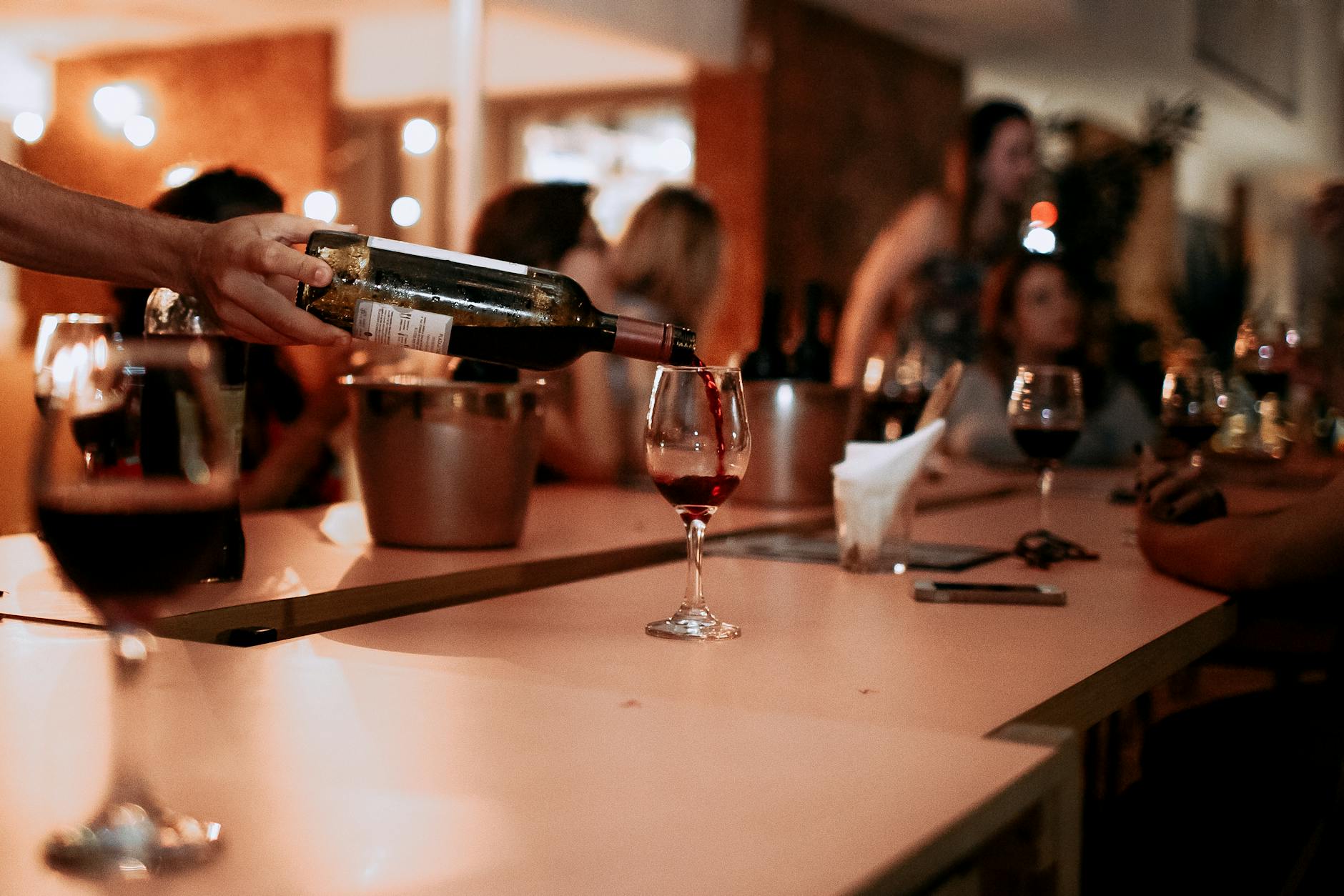
A beer at a Jerusalem bar typically costs 28-38 NIS, cocktails range from 45-65 NIS, and a glass of wine runs 35-55 NIS. Prices are generally lower than Tel Aviv. Many bars offer happy hour specials, particularly earlier in the evening (6-8pm). Tipping 10-15% is customary at bars with table service.
The Jerusalem Week, Night by Night
Jerusalem’s evenings are not evenly distributed. The same street can be three-deep at the bar on one night and shuttered on another, and visitors routinely burn their one free evening on the wrong day. This is roughly how the week runs.
Sunday to Wednesday: quiet, and pleasantly so
Sunday is a working day in Israel, so Sunday night is Monday night everywhere else — subdued. Through midweek, bars in Nachalat Shiva, the Russian Compound and around Mahane Yehuda are open but calm, often with happy-hour pricing in the early evening, and you can walk into most restaurants without booking. Live music happens midweek at Yellow Submarine, Birman and the Beit Avi Chai cultural centre, but usually one show a night rather than a scene. Midweek is also when the German Colony’s quieter wine and craft-beer rooms are at their most civilised.
Thursday: the actual weekend
Because Friday is a short working day and Saturday is Shabbat, Thursday night is Jerusalem’s Friday night. The market lanes fill from around 21:00 and stay full past 01:00, students come down from the Hebrew University’s campuses, queues form outside the better-known bars, and the atmosphere in Mahane Yehuda is the one every article about Jerusalem nightlife is describing. If your trip includes exactly one night out, make it Thursday. Our bar-by-bar rundown of the city centre covers door policies and which places take reservations.
Friday and Saturday: the hard stop and the restart
Friday afternoon everything winds down; by an hour before sunset most of West Jerusalem is closed. Saturday night is the genuine surprise. Once Shabbat ends — anywhere from around 17:00 in December to after 20:30 in June — the city reopens within the hour, and Saturday night is the second-busiest night of the week. Cinemas, bars and restaurants all restart, often with the same crowd that spent the day at home. Check the local Shabbat end time for the week you are visiting rather than assuming a clock time.
After the last train
The light rail runs roughly 05:30 to around midnight Sunday to Thursday and does not operate on Shabbat; a second line has been under construction, with the first section of the Green Line due to open during 2026, so check current status when you arrive. Once the rail and buses stop, your options are taxis hailed on the street or through the Gett app, both of which are plentiful in the centre but scarce uphill in residential neighbourhoods after 01:00. The good news is geography: Mahane Yehuda, Nachalat Shiva, the Russian Compound and Jaffa Road sit within a 15-minute walk of one another, so if you sleep in or near the centre you may never need a ride at all. See our guide to getting around the city for fares and the Rav-Kav card.
Culture on Shabbat: What Actually Runs
This is where honest guidance matters most. From Friday sunset to Saturday nightfall, West Jerusalem largely closes: no buses, no light rail, most restaurants, bars, shops, cinemas and theatres shut, and many museums closed or on reduced hours. If you arrive on a Friday afternoon expecting a night out, you will find a city preparing for dinner at home. That is not a failure of planning by the city — it is the point of the place — but it catches people out every week.
What does run is worth knowing. Hotel restaurants and bars serve guests throughout. East Jerusalem operates normally, so restaurants on and around Salah al-Din Street, cafes near Damascus Gate and the Old City’s Muslim and Christian Quarter eateries are open, and East Jerusalem buses run seven days a week. Some venues in mixed or secular pockets stay open, and a small number of cinemas and bars in the city centre trade on Friday nights, though the selection is a fraction of a weekday’s.
The daytime is easier than the evening. Saturday is the best walking day of the week: streets are empty, the light is good, the Old City ramparts walk and the Mount of Olives viewpoints are quiet, and the shuttered stalls of Mahane Yehuda become the street-art gallery described above. Some museums, including major ones, open on Saturday with pre-purchased tickets — buy online before Shabbat begins, because ticket desks may not take payment. Others close entirely. Check each institution individually for the week of your visit.
In short: make Friday a dinner night, plan Saturday around walking or a pre-booked museum, and save your going-out energy for Saturday night. Our dedicated guide to what closes and what stays open on Shabbat goes through it hour by hour, and the free things worth doing skew heavily towards exactly this kind of day.
Cultural Life in East Jerusalem
East Jerusalem has its own institutions, its own calendar and its own audience, and most visitors never encounter any of it because it is not on the standard itinerary and is rarely listed alongside West Jerusalem venues. Programming is predominantly in Arabic, though music, film with subtitles and visual art travel easily.
The Yabous Cultural Centre on Al-Zahra Street, housed in the former Cinema Al-Quds, is the main hub — a non-profit that programmes music, theatre, film screenings, exhibitions and book launches, and that says it stages more than 250 events a year, including its own Jerusalem Festival. The Palestinian National Theatre, also known as El-Hakawati, on Nuzha Street, is the principal drama venue and hosts touring work, youth productions and exhibitions. Between them they account for most of the professional performance happening east of the old dividing line.
Around those two, the cultural life is smaller-scale and easy to stumble into: bookshops and cafes along Salah al-Din Street, the Rockefeller Archaeological Museum in its 1930s Mandate-era building near Herod’s Gate, and the workshops of the Old City’s Armenian ceramicists and woodcarvers. The area around Damascus Gate is at its most animated in the evening, and during Ramadan it is the centre of the city’s night-time life.
Two practical notes, offered neutrally. Programmes are not always published far in advance and are usually announced on the venues’ own social media rather than on ticketing platforms, so phone or message ahead. And events in East Jerusalem have on occasion been cancelled or shut down at short notice, including by police order, so confirm on the day that what you are travelling for is going ahead. Walking distances from the Old City are short — Salah al-Din Street is a few minutes from Herod’s Gate — and our guide to the Muslim Quarter and its surroundings covers the approach on foot.
Jerusalem vs. Tel Aviv: A Different Vibe
Visitors often compare Jerusalem and Tel Aviv nightlife, but the two cities offer fundamentally different experiences. Tel Aviv is bigger, louder, later, and more cosmopolitan in a Mediterranean-beach-party way. Jerusalem is more intimate, more culturally layered, and more surprising. A Thursday night in Mahane Yehuda — drinking arak-based cocktails in a 100-year-old market stall while a live band plays — is an experience Tel Aviv simply cannot replicate. The history seeps into everything, including the party. For those wanting to compare directly, Tel Aviv makes an easy day trip from Jerusalem.
Jerusalem’s cultural scene rewards the curious. Look beyond the obvious tourist itinerary, ask locals for recommendations, check event listings at your hotel or on the iTravelJerusalem website, and be open to experiences you didn’t plan. Some of the city’s most memorable moments happen when you follow the sound of music down an ancient alleyway or stumble into a gallery opening in a converted Ottoman-era building. This city has been inspiring artists, musicians, and storytellers for thousands of years — and it hasn’t stopped.
One seasonal note that catches visitors out: 31 December is not a public holiday in Israel, and the secular New Year — Sylvester, locally — passes with no municipal fireworks and a fairly ordinary night out. The genuinely atmospheric weeks in late December are the religious ones. See our guide to Christmas in Jerusalem and Bethlehem for what is actually on, and when Hanukkah overlaps it.
The most theatrical day in the Jerusalem year is not on any arts programme. On Shushan Purim the entire city — adults included, and not only children — spends the day in costume, with megillah readings, street sound systems and a licensed carnival atmosphere that visitors rarely expect from this particular city. Our guide to Purim in Jerusalem explains why it falls a day later here and where to be.
The museums deserve more room than one section of this page can give them. Our complete guide to museums in Jerusalem ranks the city’s collections honestly, from the Israel Museum and Yad Vashem down to the little Italian synagogue on Hillel Street, sorts them by area so you are not crossing the city in taxis, and flags the Israel Museum’s Tuesday evening opening, one of the few chances to see a major collection after dark.
Frequently Asked Questions About Jerusalem Culture and Nightlife
Does Jerusalem actually have nightlife, or is that overstated?
It has real nightlife, but it is a fraction of Tel Aviv’s and it is concentrated in about four adjoining areas of the city centre — Mahane Yehuda, Nachalat Shiva, the Russian Compound and Jaffa Road — plus the quieter wine bars of the German Colony. Expect bars, live music and late-night food rather than large clubs, expect it to be busy on two nights of the week and calm on the others, and you will not be disappointed.
Which night of the week should I go out?
Thursday, without much competition — it functions as Jerusalem’s Friday night because the Israeli weekend is Friday and Saturday. Saturday night, once Shabbat ends, is the second-best option and the whole city reopens within an hour of nightfall. Sunday through Wednesday everything is open but quiet.
What is open on Friday night and Saturday?
In West Jerusalem, very little: most bars, restaurants, shops, cinemas and theatres close from Friday afternoon until Saturday nightfall, and public transport stops. Hotel restaurants and bars serve guests, East Jerusalem and the Old City’s Arab quarters operate normally, some museums open with tickets bought in advance, and a small number of city-centre venues trade on Friday nights. Plan Saturday around walking, viewpoints and pre-booked museums rather than around going out.
How late do Jerusalem bars stay open?
Most city-centre bars serve until around 01:00 to 02:00 midweek and later on Thursdays and Saturdays, with some Mahane Yehuda venues running until the early hours when the crowd justifies it. There is no rigid citywide closing time, but the city thins out noticeably after 01:00 outside those two big nights.
How do I get back to my accommodation after the light rail stops?
The light rail runs until roughly midnight Sunday to Thursday and not at all on Shabbat, so late journeys mean a taxi, either hailed on the street or booked through the Gett app. If you are staying in or near the city centre the nightlife areas are all within a 15-minute walk of one another and of most central hotels, which is the simplest solution.
Can I see theatre or concerts in English?
Some, if you check listings by date. The Jerusalem Theatre and the Khan Theatre both run Hebrew repertories with selected performances surtitled in English (and sometimes Russian), and the Cinematheque subtitles most of its films in English. Dance, classical concerts, live music and puppetry at the Train Theater need no translation at all, so those are the safe bets if your dates are fixed.
Is going out in Jerusalem cheaper than Tel Aviv?
Slightly, yes — a beer typically runs about 28 to 38 NIS and a cocktail around 45 to 65 NIS in Jerusalem, generally a little below Tel Aviv prices, and happy hours in the 18:00 to 20:00 window are common. Tipping 10 to 15 per cent is expected where there is table service. Prices at festival venues and hotel bars are higher.
Which month has the best festivals?
June to early August is the densest stretch — the Festival of Light in June, the Film Festival in July, Hutzot Hayotzer and the Israel Festival around late July and early August — though it is also the hottest and busiest time to visit. February is the underrated alternative, when the free Shaon Horef winter festival takes over the city centre on Monday evenings. Dates shift each year and some events have been disrupted recently, so verify before booking.
Is it safe to walk around Jerusalem at night?
The central nightlife areas are well lit, busy and heavily policed, and ordinary street crime is low by the standards of most European cities. The usual caveats apply — stay in populated areas, be aware that the Old City empties out and largely shuts after dark, and check current advisories before your trip, since conditions in Jerusalem can change quickly and locally. Our assessment of safety for visitors covers this in more detail.
Photo Credits
Live music and a crowded bar in Mahane Yehuda Market at night: PikiWiki Israel 49786 summer in jerusalem, 2016 by לליב גל, CC BY 2.5, via Wikimedia Commons.
Beer Bazaar bar among fruit crates in Mahane Yehuda Market at night: PikiWiki Israel 49787 summer in jerusalem, 2016 by לליב גל, CC BY 2.5, via Wikimedia Commons.
A projection-lit arcade in the Cardo during the Festival of Light: Light Festival, East Jerusalem, פסטיבל האורות, הקרדו, ירושלים – panoramio by ekeidar, CC BY-SA 3.0, via Wikimedia Commons.
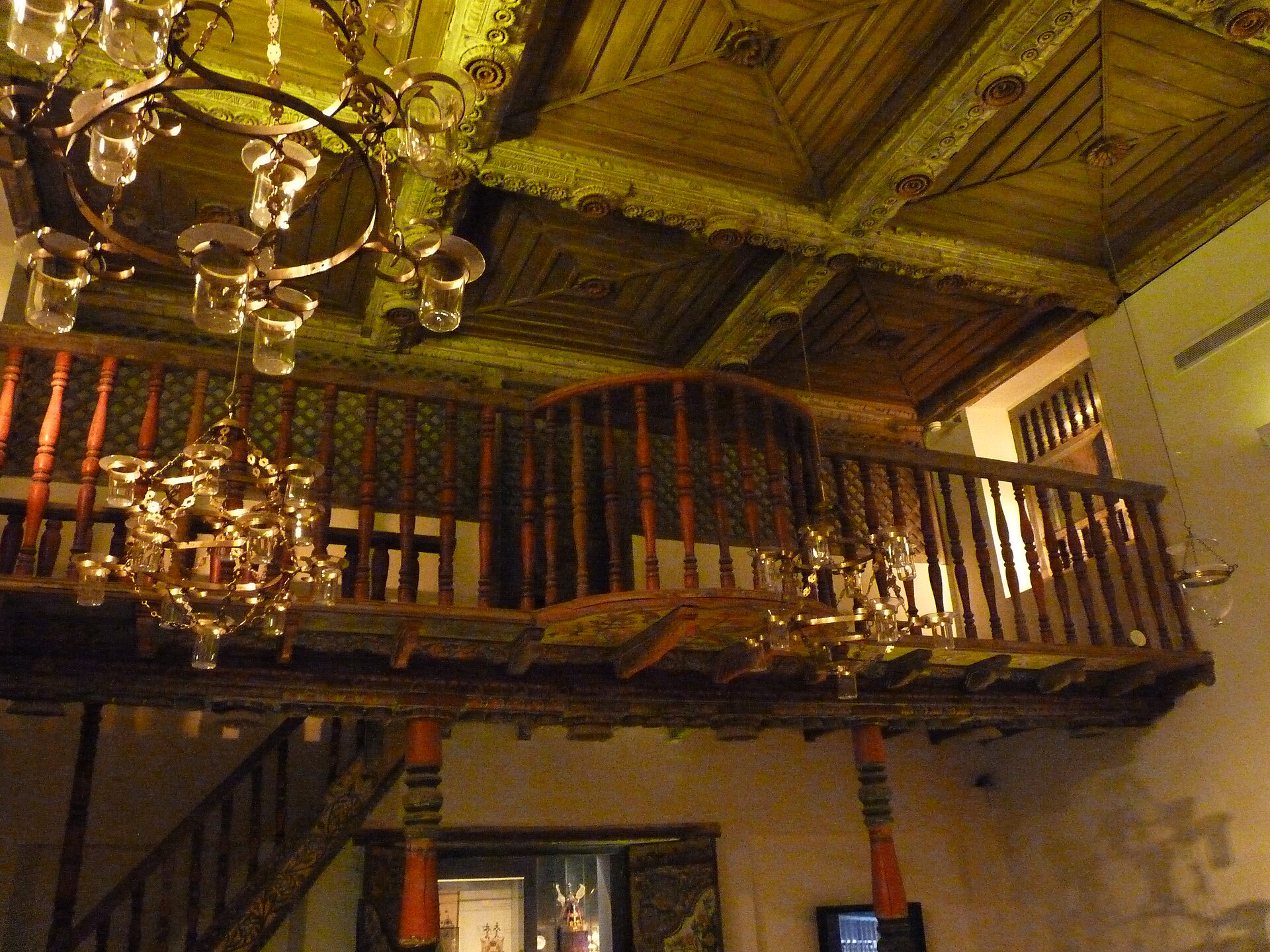
The Kadavumbagam Synagogue from Cochin, reassembled at the Israel Museum: Museu de Israel P1130211 (24908892162) by Ricardo Tulio Gandelman from Rio de Janeiro, Brazil, CC BY 2.0, via Wikimedia Commons.
Bar tables in front of a painted shutter in Mahane Yehuda Market at night: PikiWiki Israel 49782 summer in jerusalem, 2016 by לליב גל, CC BY 2.5, via Wikimedia Commons.
{"@context": "https://schema.org", "@type": "FAQPage", "mainEntity": [{"@type": "Question", "name": "Does Jerusalem actually have nightlife, or is that overstated?", "acceptedAnswer": {"@type": "Answer", "text": "It has real nightlife, but it is a fraction of Tel Aviv’s and it is concentrated in about four adjoining areas of the city centre — Mahane Yehuda, Nachalat Shiva, the Russian Compound and Jaffa Road — plus the quieter wine bars of the German Colony. Expect bars, live music and late-night food rather than large clubs, expect it to be busy on two nights of the week and calm on the others, and you will not be disappointed."}}, {"@type": "Question", "name": "Which night of the week should I go out?", "acceptedAnswer": {"@type": "Answer", "text": "Thursday, without much competition — it functions as Jerusalem’s Friday night because the Israeli weekend is Friday and Saturday. Saturday night, once Shabbat ends, is the second-best option and the whole city reopens within an hour of nightfall. Sunday through Wednesday everything is open but quiet."}}, {"@type": "Question", "name": "What is open on Friday night and Saturday?", "acceptedAnswer": {"@type": "Answer", "text": "In West Jerusalem, very little: most bars, restaurants, shops, cinemas and theatres close from Friday afternoon until Saturday nightfall, and public transport stops. Hotel restaurants and bars serve guests, East Jerusalem and the Old City’s Arab quarters operate normally, some museums open with tickets bought in advance, and a small number of city-centre venues trade on Friday nights. Plan Saturday around walking, viewpoints and pre-booked museums rather than around going out."}}, {"@type": "Question", "name": "How late do Jerusalem bars stay open?", "acceptedAnswer": {"@type": "Answer", "text": "Most city-centre bars serve until around 01:00 to 02:00 midweek and later on Thursdays and Saturdays, with some Mahane Yehuda venues running until the early hours when the crowd justifies it. There is no rigid citywide closing time, but the city thins out noticeably after 01:00 outside those two big nights."}}, {"@type": "Question", "name": "How do I get back to my accommodation after the light rail stops?", "acceptedAnswer": {"@type": "Answer", "text": "The light rail runs until roughly midnight Sunday to Thursday and not at all on Shabbat, so late journeys mean a taxi, either hailed on the street or booked through the Gett app. If you are staying in or near the city centre the nightlife areas are all within a 15-minute walk of one another and of most central hotels, which is the simplest solution."}}, {"@type": "Question", "name": "Can I see theatre or concerts in English?", "acceptedAnswer": {"@type": "Answer", "text": "Some, if you check listings by date. The Jerusalem Theatre and the Khan Theatre both run Hebrew repertories with selected performances surtitled in English (and sometimes Russian), and the Cinematheque subtitles most of its films in English. Dance, classical concerts, live music and puppetry at the Train Theater need no translation at all, so those are the safe bets if your dates are fixed."}}, {"@type": "Question", "name": "Is going out in Jerusalem cheaper than Tel Aviv?", "acceptedAnswer": {"@type": "Answer", "text": "Slightly, yes — a beer typically runs about 28 to 38 NIS and a cocktail around 45 to 65 NIS in Jerusalem, generally a little below Tel Aviv prices, and happy hours in the 18:00 to 20:00 window are common. Tipping 10 to 15 per cent is expected where there is table service. Prices at festival venues and hotel bars are higher."}}, {"@type": "Question", "name": "Which month has the best festivals?", "acceptedAnswer": {"@type": "Answer", "text": "June to early August is the densest stretch — the Festival of Light in June, the Film Festival in July, Hutzot Hayotzer and the Israel Festival around late July and early August — though it is also the hottest and busiest time to visit. February is the underrated alternative, when the free Shaon Horef winter festival takes over the city centre on Monday evenings. Dates shift each year and some events have been disrupted recently, so verify before booking."}}, {"@type": "Question", "name": "Is it safe to walk around Jerusalem at night?", "acceptedAnswer": {"@type": "Answer", "text": "The central nightlife areas are well lit, busy and heavily policed, and ordinary street crime is low by the standards of most European cities. The usual caveats apply — stay in populated areas, be aware that the Old City empties out and largely shuts after dark, and check current advisories before your trip, since conditions in Jerusalem can change quickly and locally. Our assessment of safety for visitors covers this in more detail."}}]}