Jerusalem wine bars ride the wave of one of the food world’s quieter success stories: Israeli wine, which has gone from an afterthought to a genuinely respected, internationally awarded scene in a generation, much of it grown in the Judean Hills right on the city’s doorstep. In Jerusalem you can taste that progress by the glass at a handful of good wine bars, hunt down local craft beer at the Mahane Yehuda Market, and, if you time it for August, drink your way across the whole country at the open-air wine festival. This guide covers the best places to drink, how to make sense of Israeli wine and its regions, realistic 2026 prices, the kosher question, and how to turn a tasting into a winery day trip.
Pair this with our Jerusalem nightlife guide for the wider bar scene, the fine dining guide for restaurant wine lists, and our overview of Jerusalem’s cultural scene. As a note on context, drinking culture here is centered on the secular west side, and these wine bars sit comfortably within it.
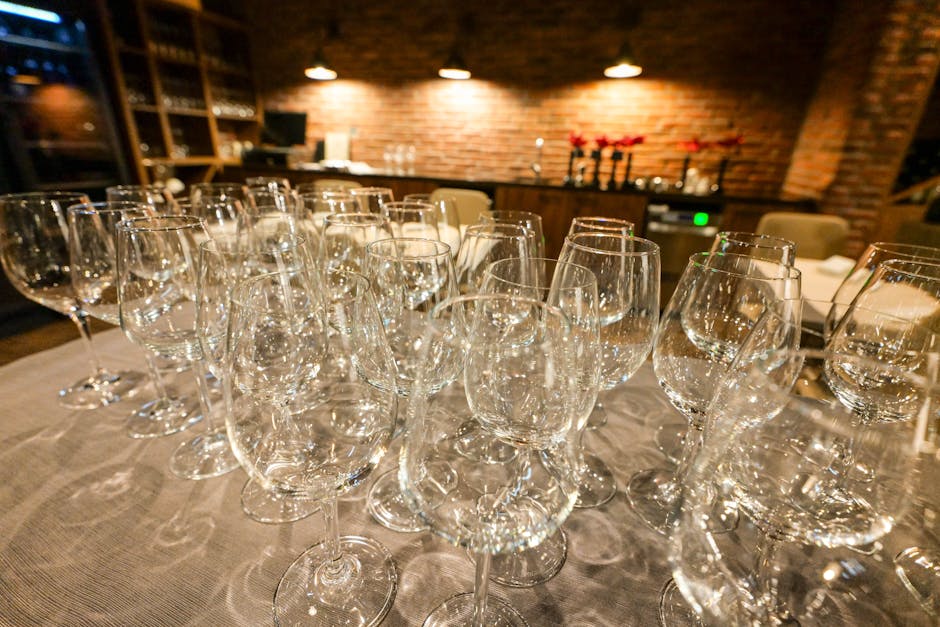
The Best Wine Bars
Lavan
The best Jerusalem wine bars span the city center, the market and the smarter neighborhoods. In the Mamilla area near Jaffa Gate, Lavan is a polished dairy restaurant and wine bar with a curated list of Israeli wines and outdoor seating that looks toward the Old City walls. It is the sophisticated end of the scale, ideal for an unhurried date or a glass at sunset. Expect to pay accordingly, but the setting earns it.
Casino de Paris and Bar Hashachar (Mahane Yehuda)
Two of the standout small bars inside the Mahane Yehuda Market, both as good for wine as for cocktails. Casino de Paris brings vintage glamour to a tucked-away market lane, while Bar Hashachar is known for serious drinks built by talented bartenders, with a focus on Israeli wines. They are intimate and get busy, so arrive early if you want a seat. For the market’s daytime and food side, see our Mahane Yehuda Market guide.
Adom
A long-running Mediterranean restaurant in the Mamilla area with a strong, Israeli-leaning wine list. It works well as a place to drink good wine over a proper meal rather than as a stand-up bar, and it is a reliable, grown-up choice near the Old City.
The German Colony
For a quieter wine-bar atmosphere away from the market crowds, the restaurants and bars along Emek Refaim Street in the German Colony pour Israeli wine in a calmer, more residential setting. It is the area to choose when you want conversation and a considered glass rather than a buzz.
Craft Beer in the City
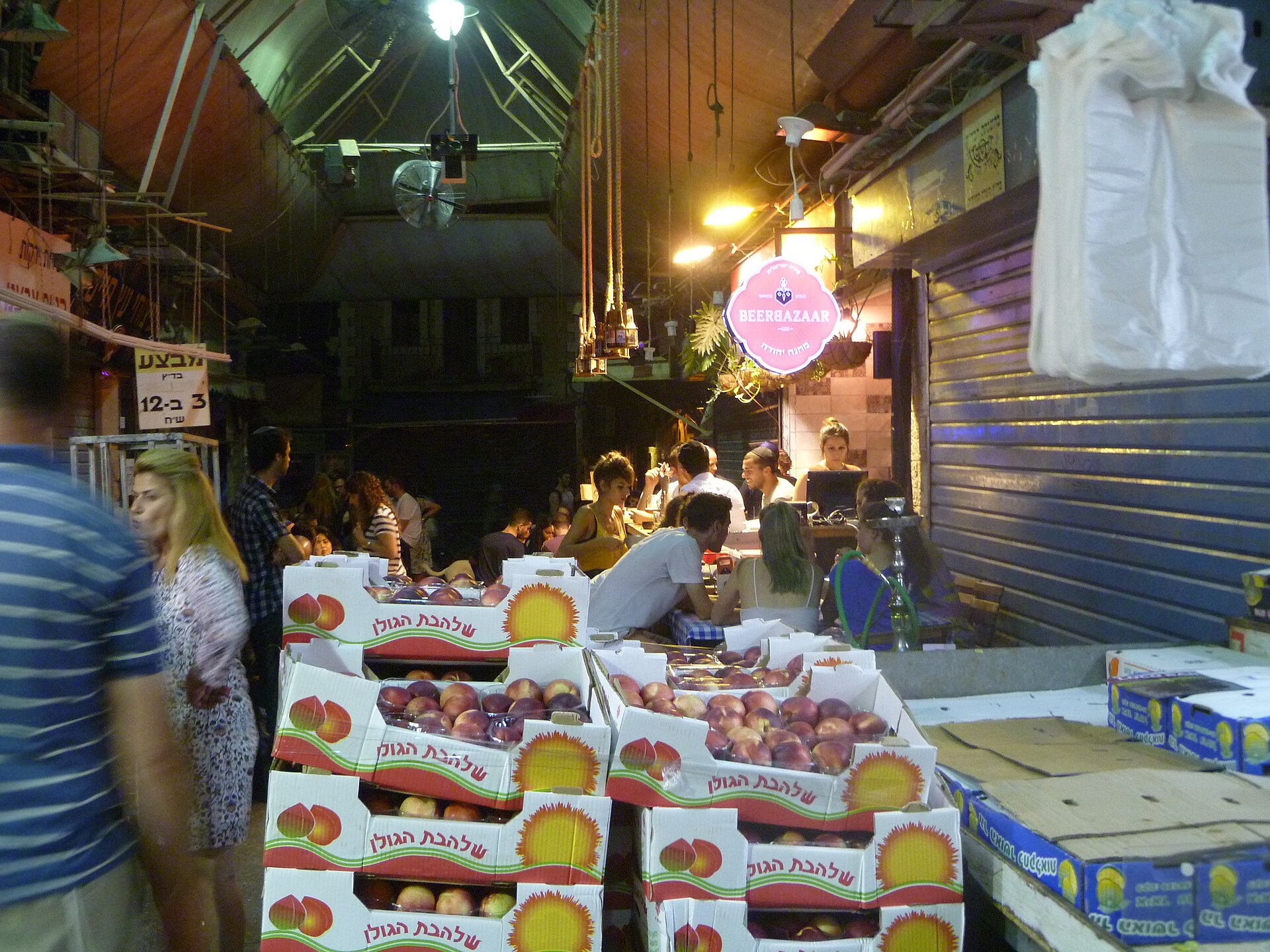
Israel’s craft-beer scene has grown alongside its wine, and Jerusalem drinks it best at the Mahane Yehuda Market. Beer Bazaar is the standout, pouring a deep list of Israeli craft brews, with staff who can talk you through the breweries, plus beer-friendly pub food. A few brewpubs and bars around the market and the Talpiot area keep their own and rotating local taps, and some breweries in the Talpiot industrial zone run tasting rooms and occasional tours. A pint of local craft typically runs 28 to 50 shekels (roughly 8 to 14 dollars). It is an easy, low-key alternative to wine if that is more your thing, and a good way to taste what small Israeli producers are doing.
Understanding Israeli Wine
A little background makes tasting more rewarding. Modern Israeli winemaking dates to the 1880s, but the real quality leap came from the 1990s onward, as a wave of small, ambitious producers raised standards dramatically. The country now has hundreds of boutique wineries alongside a few large commercial ones, and several earn high scores from international critics. The main wine regions are the cooler, higher Galilee in the north, the Judean Hills around Jerusalem, the Shomron, the Samson plain near the coast, and the high-altitude Negev desert. Bordeaux and Rhone varieties such as Cabernet Sauvignon, Merlot, Syrah and Chardonnay dominate, but you will also find Mediterranean grapes and revived indigenous varieties as winemakers experiment with what suits the climate. The Judean Hills, with their altitude and limestone soils, are the local heartland and the source of some of the most admired bottles.
Wines worth trying
If you want a starting list, ask for any of these and you will be in good hands. For premium Judean Hills reds, look for Domaine du Castel, Flam or Tzora Vineyards; from the Negev, Yatir is highly regarded. For excellent value from the Galilee, Recanati, Galil Mountain and similar producers deliver a lot for the price. Among the more characterful boutique names, Margalit is a respected small-batch label, Tulip pairs good wine with a social mission employing people with disabilities, and there are dedicated white-wine specialists for those who prefer crisp over bold. The table below gives a quick reference.
| Style | Wineries to ask for | Region |
|---|---|---|
| Premium reds | Domaine du Castel, Flam, Tzora | Judean Hills |
| Desert terroir | Yatir | Negev |
| Great value | Recanati, Galil Mountain | Galilee |
| Boutique / character | Margalit, Tulip | Various |
The Kosher Question
Most Israeli wine is kosher, which has no bearing on quality and simply reflects production under religious supervision; many of the country’s top awarded wines are kosher. You may see the term mevushal, meaning the wine has been flash-heated, which allows it to retain its kosher status even when handled by non-observant servers, useful in stricter settings. Both kosher and non-kosher Israeli wines are widely sold, and boutique producers include both. For most visitors this is background detail rather than something to worry about, but it explains why kosher certification is so common on Israeli labels.
Wine and Beer Prices in 2026
| Item | Typical price (ILS) |
|---|---|
| Glass of wine at a bar | 35–70 |
| Mid-range bottle in a restaurant | 120–300 |
| Premium bottle in a restaurant | 200–1,000+ |
| Pint of beer | 25–40 |
| Local craft beer | 30–50 |
Restaurant wine markups typically run two to three times retail, so the same bottle is much cheaper from a wine shop. If you find something you love, buying a bottle to take home is one of the better edible souvenirs from the city, and our souvenirs guide covers the practicalities.
The Israeli Wine Festival
The single best way to taste broadly is the annual wine festival, held on summer evenings, usually in August, in the gardens of the Israel Museum. Entry is typically around 70 to 100 shekels and includes a tasting glass you carry between dozens of wineries’ stands, with live music and gourmet food alongside. It is an adults-only event (18+) and extremely popular, so buy tickets in advance. For dates and the wider events picture, see our festivals calendar.
Winery Day Trips from Jerusalem
One of the perks of Jerusalem is that serious wineries sit just 15 to 30 minutes away in the Judean Hills. Several welcome visitors for tours and tastings, usually by reservation, including well-known names like Domaine du Castel, Tzora Vineyards and Flam, the last with a particularly attractive tasting room. You can drive yourself with a designated driver, or take an organized half-day wine tour from the city, which typically costs in the region of 80 to 150 dollars per person depending on the wineries and inclusions. A morning among the vines followed by an afternoon back in the city makes for a relaxed, rewarding day. Our travel tips guide covers car hire and getting around.
Tasting Tips
A few habits help you get the most from a session. Ask the bar staff or sommelier for recommendations and tell them what you usually like, since they know the local labels far better than any guidebook. Start with Israeli specialties rather than defaulting to international wines you already know. Many bars offer tasting flights, which are the smart way to compare several wines without committing to full glasses. Pair with the Mediterranean food that is everywhere here, which flatters these wines; our guide to what to eat in Jerusalem is a useful primer on those dishes. And photograph the labels of anything you enjoy, so you can find it in a shop or back home.
When to Go and Shabbat Timing
As with the rest of the city’s drinking scene, timing matters. Most of these wine bars and the market beer venues are on the secular west side and close from Friday evening through Saturday evening for Shabbat, reopening Saturday night when the city comes back to life. Restaurant wine bars like Lavan and Adom follow their own hours and may differ, but assume Friday night and much of Saturday will be quiet unless you have checked. Mid-week evenings are relaxed and a good time for an unhurried tasting, while the Mahane Yehuda bars get lively and loud as the week builds and on Saturday nights. If you are visiting around the wine festival in August, book that ahead and treat it as the centerpiece of your wine itinerary. For the full rundown of what closes and when, see our Shabbat in Jerusalem guide.
Food, Views and Making an Evening of It
The best Jerusalem wine bars treat wine as part of the meal, in true Mediterranean style, and the city makes that easy. For a view, the Mamilla terraces and Yemin Moshe look toward the floodlit Old City walls, an unbeatable backdrop for an evening glass. For atmosphere, nothing beats settling into one of the small Mahane Yehuda bars as the market fills, ordering a flight, and grazing on the food stalls and restaurants around you. The German Colony offers the calmest, most conversational setting, pairing a considered bottle with a long dinner. A satisfying plan is to start with a tasting flight at a market bar, move to a restaurant for dinner with a bottle you have just discovered, and finish with a nightcap somewhere with a view. Whatever route you take, the combination of serious local wine, good food and this particular city is the whole point. For where to eat alongside, our fine dining guide and the market guide point you to the best tables.
Photo Credits
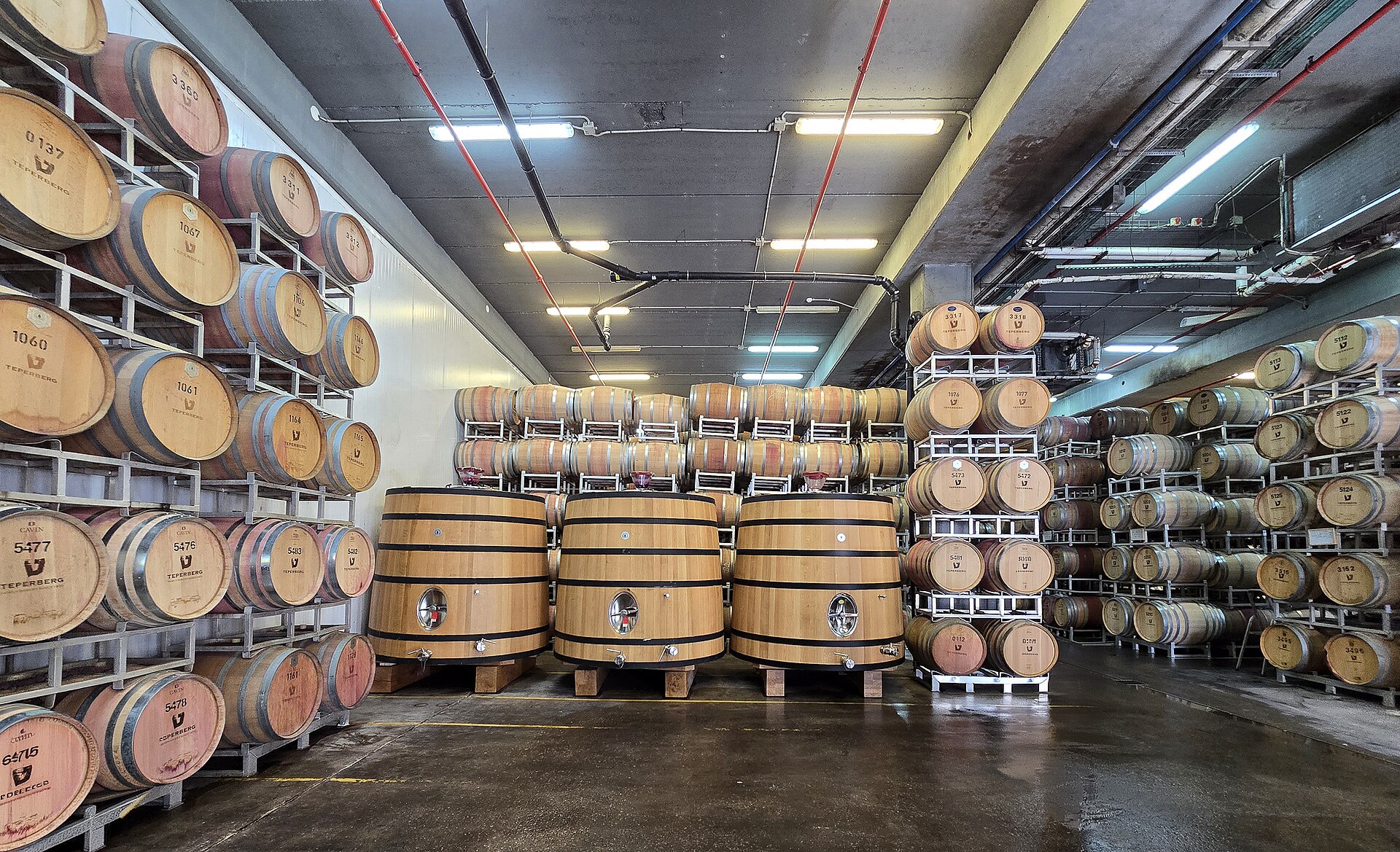
Barrel cellar at the Teperberg winery, Kibbutz Tzora: 143373 kibbutz tzora teperberg winery PikiWiki Israel by ישראל פרקר, CC BY 2.5, via Wikimedia Commons.
Beer Bazaar bar among fruit crates in Mahane Yehuda Market at night: PikiWiki Israel 49787 summer in jerusalem, 2016 by לליב גל, CC BY 2.5, via Wikimedia Commons.