Planning a trip to Jerusalem can feel overwhelming, especially for first-time visitors. This ancient city operates by its own rhythms — shaped by religious observances, cultural traditions, and practical realities that differ significantly from what most Western travelers are accustomed to. The difference between a smooth, enjoyable trip and a frustrating one often comes down to knowing a handful of essential Jerusalem travel tips before you arrive.
This comprehensive guide covers every practical aspect of visiting Jerusalem in 2026, from getting there and getting around to money matters, safety, cultural etiquette, and technology essentials. Whether you are making a pilgrimage to the holy sites, exploring the Old City’s four quarters, or using Jerusalem as a base for day trips across Israel, these travel tips will ensure you are well prepared for an extraordinary experience.
Getting to Jerusalem
Before you book anything, confirm that your paperwork is in order: since 2025 even visa-exempt travelers need an approved ETA-IL, and our Israel entry requirements guide explains who needs what. Most international visitors arrive at Ben Gurion Airport (TLV) near Tel Aviv, which is about 50 kilometers (31 miles) from Jerusalem. The journey from the airport to Jerusalem takes approximately 45 to 60 minutes depending on traffic and your chosen transport method, and we compare every route with current fares in our guide to airport transfer options.
Train: The high-speed train connects Ben Gurion Airport directly to Jerusalem’s Yitzhak Navon station near the Central Bus Station. The journey takes about 24 minutes and costs around 20 NIS (approximately $5.50 USD). Trains run frequently during the day but do not operate on Shabbat (Friday evening to Saturday evening). Shared Taxi (Sherut): Shared minivans have long run between the airport and Jerusalem around the clock, including Shabbat, dropping passengers at their accommodation. Be aware that the long-standing Nesher service to Jerusalem is no longer operating, so do not count on finding a sherut on arrival — many older guides and forum posts still recommend it. Private Taxi: A standard metered taxi costs roughly 270-330 NIS in the daytime and can reach around 410 NIS late on a weekend night, and takes about 50 minutes. Fares were last revised in April 2026. This is the most convenient option for families or groups arriving with heavy luggage. Rental Car: Car rental offices are at the airport, and driving to Jerusalem is straightforward on Highway 1. However, parking in central Jerusalem is expensive and limited, so a car is only worthwhile if you plan significant travel outside the city. Many visitors split their trip between the two cities, and our guide to travelling up from Tel Aviv compares the train, bus, sherut and taxi for that leg.
Getting Around Jerusalem
Jerusalem is a surprisingly walkable city, especially if you are staying in or near the center. The Old City, City Center (including Ben Yehuda Street pedestrian mall), Mamilla, and the German Colony are all within reasonable walking distance of each other. For longer distances, the city has several efficient transport options. Our complete guide to getting around Jerusalem covers fares, the Rav-Kav card and route planning in far more detail.
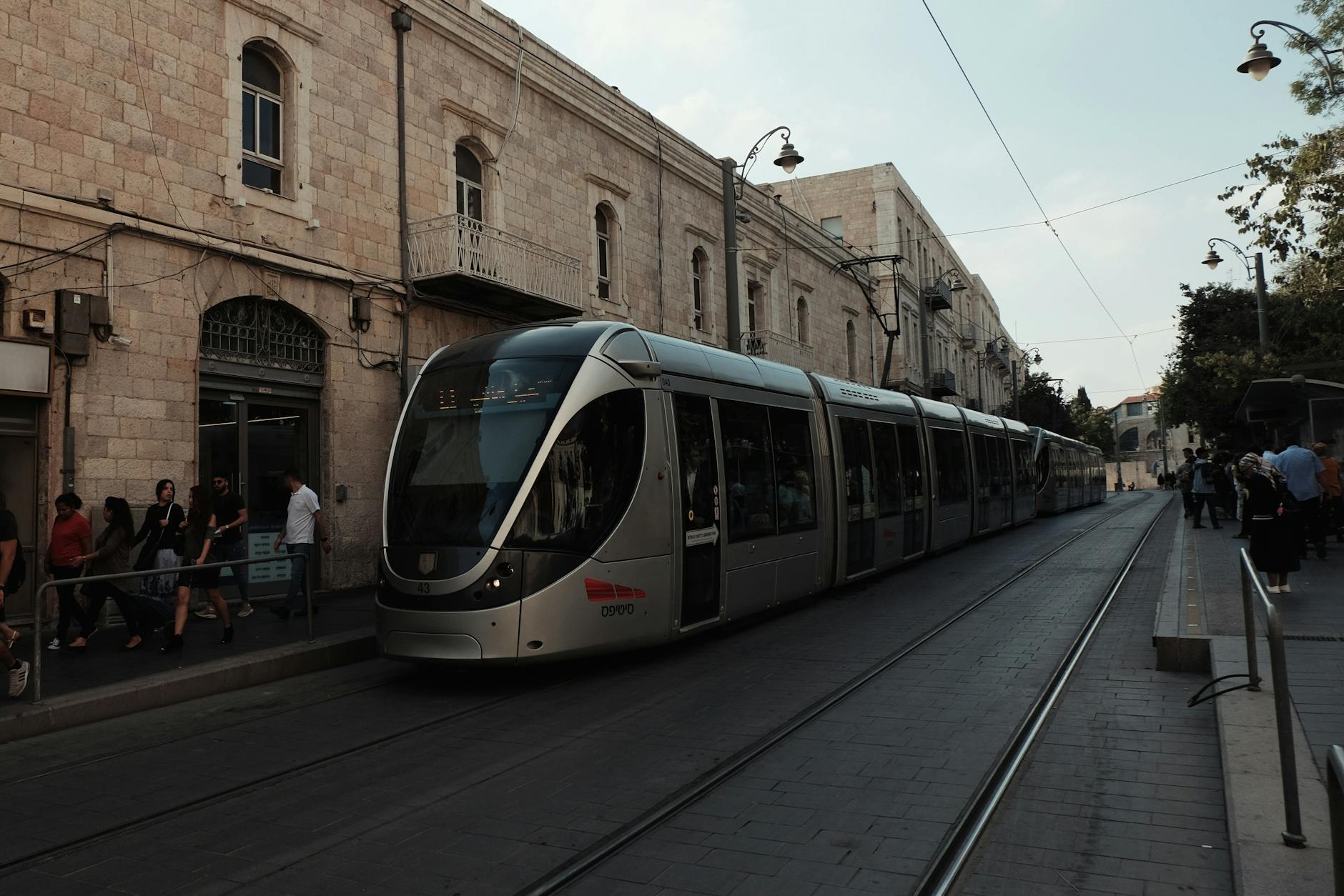
Jerusalem Light Rail: The T1 line runs from Mount Herzl in the west through the city center, past Damascus Gate, and into the northern neighborhoods. A single ride costs 5.90 NIS, and you can purchase tickets at platform machines or use the Rav-Kav transit card. The light rail is modern, air-conditioned, and the easiest way to traverse the city’s east-west axis. A second line (the Blue Line) has been expanding. Buses: Egged buses cover the greater Jerusalem area extensively. The Moovit app is excellent for planning bus routes with real-time arrival information. Taxis and Ride-Sharing: Official taxis (white with a yellow sign) should always use the meter — insist on it. Gett is the main Israeli ride-hailing app, similar to Uber. Walking: For the Old City specifically, walking is the only option. GPS works within the walls, though the narrow covered streets can sometimes confuse mapping apps. Anyone travelling with limited mobility should read our Jerusalem accessibility guide, which maps the step-free routes, ramps and lifts across the city.
Money and Currency
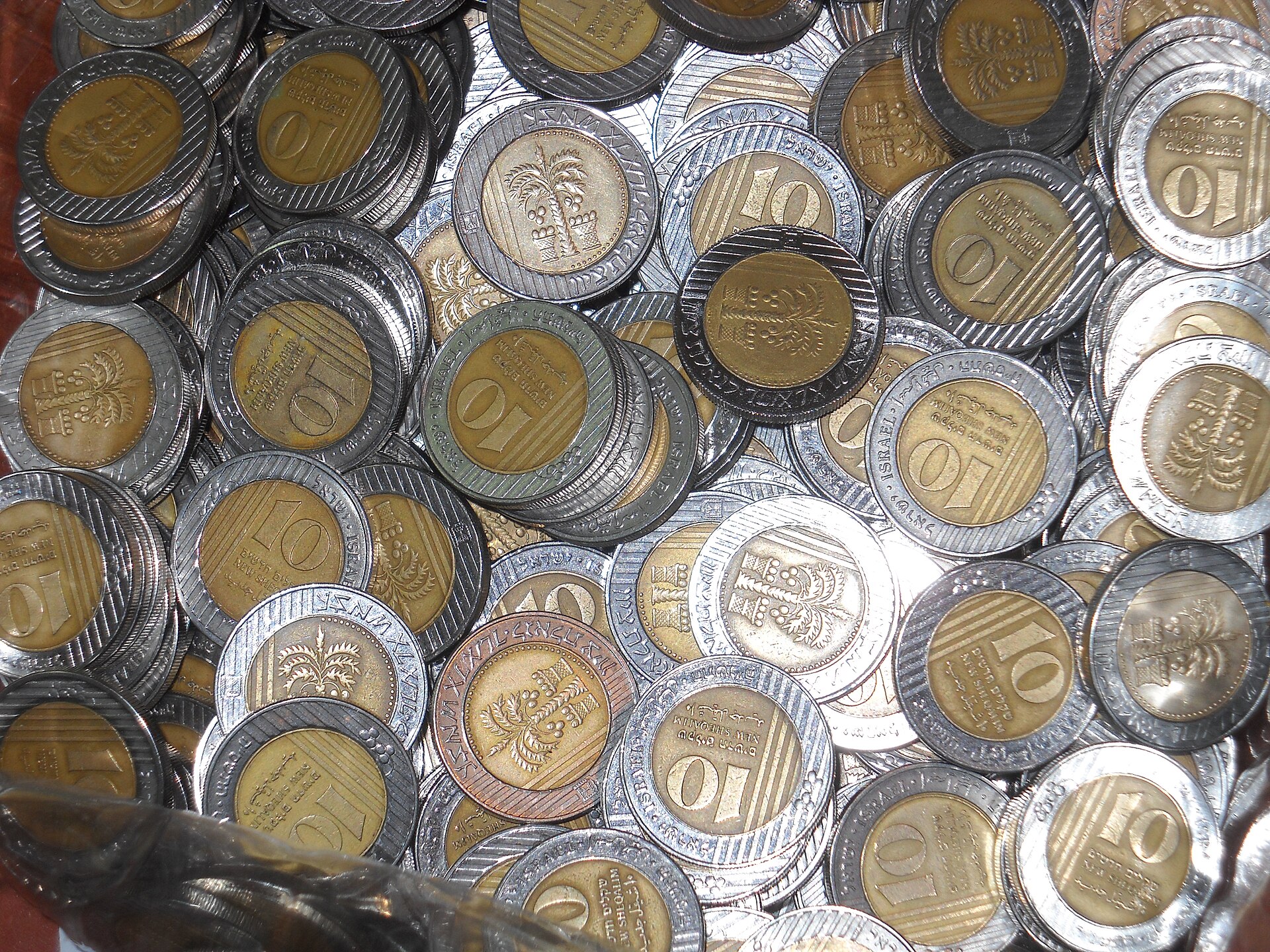
The Israeli New Shekel (NIS or ILS) is the official currency. As of 2026, one US dollar buys approximately 3.6 NIS, though rates fluctuate. Credit and debit cards are widely accepted at hotels, restaurants, shops, and attractions. Visa and Mastercard have the broadest acceptance, while American Express is less common. Contactless payment (tap to pay) works at most modern terminals.
ATMs: Available throughout the city at banks and shopping centers. Bank ATMs generally offer the best exchange rates. Be aware that many ATMs charge a foreign transaction fee of 5-10 NIS, and your home bank may add additional charges. Currency Exchange: Private exchange offices in the city center and near the Old City typically offer better rates than banks or hotels. Compare a few before committing, and always count your money before leaving the window. Tipping: Restaurant tips of 15% are standard (not always included in the bill). Taxi drivers are not typically tipped but rounding up is appreciated. Tour guides generally receive $10-15 per person per day for private tours, $5-7 for group tours. Hotel porters expect 10-20 NIS per bag.
Costs: What a Day in Jerusalem Actually Costs
Israel is not a budget destination. Prices sit closer to Western Europe than to anywhere else in the region, and visitors who arrive expecting Middle Eastern bargains tend to get a shock at the first restaurant bill. The figures below are per adult and exclude accommodation, which swings so violently with the religious calendar that it deserves its own paragraph. All prices are as of August 2026, at roughly 3.6 NIS to the US dollar.
A budget day: about 130-220 NIS
- Breakfast: a bourekas or pastry and coffee from a bakery, 15-30 NIS.
- Lunch: falafel, sabich or a hummus plate, 20-40 NIS — Mahane Yehuda Market is where this money goes furthest.
- Dinner: shawarma, market food or a supermarket picnic, 35-55 NIS.
- Transport: two or three light rail or bus rides at 5.90 NIS each, or nothing at all if you stay inside the walls and walk.
- Sites: 0 NIS. The Western Wall plaza, the Church of the Holy Sepulchre, the Temple Mount esplanade and Yad Vashem all admit visitors without charge.
- Water: refill from the tap rather than buying bottles, saving 10-20 NIS a day in summer.
A mid-range day: about 350-500 NIS
- Meals: a sit-down lunch at 60-90 NIS and dinner at 120-180 NIS before drinks, plus the 15 percent tip that is expected rather than optional.
- Sites: one or two paid museums. The Israel Museum charges 50 NIS for adults and 25 NIS for children; the Tower of David Museum charges 55 NIS for adults, 44 NIS for students and 35 NIS for children aged 5-18, with a 15 percent discount if your Jerusalem hotel gives you the coupon.
- Transport: a mix of light rail and one or two short taxi hops at 30-50 NIS each.
- Coffee and extras: 40-70 NIS. Cafes in the German Colony and city center are priced like London, not like the souk.
A comfortable day: 700 NIS and upwards
Add a licensed private guide, which is where the number moves fastest, and who is customarily thanked with 10-15 US dollars per person per day on top of the fee. Add taxis rather than buses, table service rather than counters, and a wine list, and 700-1,000 NIS a day is realistic without feeling extravagant.
Accommodation sits on top of all of that and is the least predictable line in your budget. Hostel dorm beds were listing from around 14 US dollars a night in August 2026, with the average across the city closer to 27 — call it 50-100 NIS. Hotels vary enormously by week rather than by season: rates over Passover, Sukkot, Easter and Christmas can double or triple, and the same room in a quiet February week can be a third of its April price. Book the dates, then check the rate, not the other way round. Our guide to the cheapest and quietest months to come sets out which weeks to chase and which to avoid.
Two costs catch people out. The first is Shabbat transport: with buses and the light rail stopped from Friday afternoon to Saturday night, a journey that costs 5.90 NIS midweek becomes a 40-70 NIS taxi, and a full Saturday of moving around can quietly cost 200 NIS. The second is day trips — the Dead Sea, Masada and Bethlehem are all easy from Jerusalem but priced as excursions, not as bus fares. Which of them are worth doing independently is covered in our breakdown of the city and regional transport network, and the road up from the coast is compared route by route in our Tel Aviv to Jerusalem options.
Safety in Jerusalem
Jerusalem is generally safe for tourists, and millions of visitors explore the city each year without incident. Israel has one of the most sophisticated security infrastructures in the world, and tourist areas benefit from a significant security presence. That said, situational awareness is always important, and understanding the security context helps you travel with confidence. We look at the current picture in depth in our honest assessment of how safe Jerusalem is for tourists.
General Safety: Petty crime rates are low by international standards. Pickpocketing can occur in crowded areas like the Old City souks and bus stations, so keep valuables secure. Avoid leaving bags unattended, as unattended items trigger security alerts and may be confiscated or destroyed. Political Sensitivity: Jerusalem is politically sensitive, and you may encounter protests or demonstrations. These are typically announced in advance and focused on specific locations. If you see a demonstration, simply walk the other way. Security Checks: Bag checks are routine at entrances to the Old City’s Western Wall plaza, malls, bus stations, and train stations. These are quick and efficient — just open your bag for inspection and walk through. Emergency Numbers: Police: 100, Ambulance (Magen David Adom): 101, Fire: 102, Tourist Police: 110. Travelling on your own adds a few extra considerations, which our guide to solo travel in Jerusalem covers alongside the best hostels for meeting people.
Reading the Official Travel Advice
Two governments publish the advisories that most insurers and tour operators key off, and they do not say the same thing in the same way. Knowing how each is built stops you either dismissing them or panicking at a headline.
The UK Foreign, Commonwealth and Development Office works geographically. As of its 22 July 2026 update, the FCDO advises against all travel to Gaza, to within 500 metres of the Gaza border, to the Tulkarm, Jenin and Tubas governorates in the West Bank, and to a defined northern strip of Israel and the occupied Golan Heights. It advises against all but essential travel to the rest of the West Bank — but explicitly excludes East Jerusalem, Bethlehem Governorate, Ramallah, Jericho, Highway 1 between Jerusalem and Tel Aviv, and Routes 443 and 45 from that advice. In other words, Jerusalem itself, including East Jerusalem, and the main road in from the airport sit outside every FCDO advise-against zone at the time of writing. The FCDO also warns that regional tensions make missile and drone alerts and short-notice airspace closures possible anywhere in the country. Read the current text at gov.uk/foreign-travel-advice/israel.
The US State Department works by country rating instead. Israel and the West Bank have been at Level 3, Reconsider Travel, through 2026, with Gaza at Level 4, Do Not Travel, and on 27 February 2026 the Department authorised the departure of non-emergency US government personnel from Israel. A country-level Level 3 covers Jerusalem by default, so an American reader and a British reader looking at their own government page on the same morning will come away with genuinely different impressions of the same city. Neither is wrong; they are answering different questions. The current advisory is at travel.state.gov.
Three practical consequences. Travelling against your own government advice can invalidate your travel insurance, so read the policy wording before you assume you are covered. Both advisories change at short notice, so subscribe to the FCDO email alerts at the point of booking rather than checking once. And inside Israel, the source everyone actually uses is the Home Front Command, at oref.org.il or by calling 104 from an Israeli number, which issues the shelter instructions that matter in the moment. Whether to travel is your decision and nobody else’s; our longer look at the security picture for visitors sets out what conditions on the ground have actually been like for tourists, and travelling here alone brings its own set of considerations.
Dress Code and Cultural Etiquette
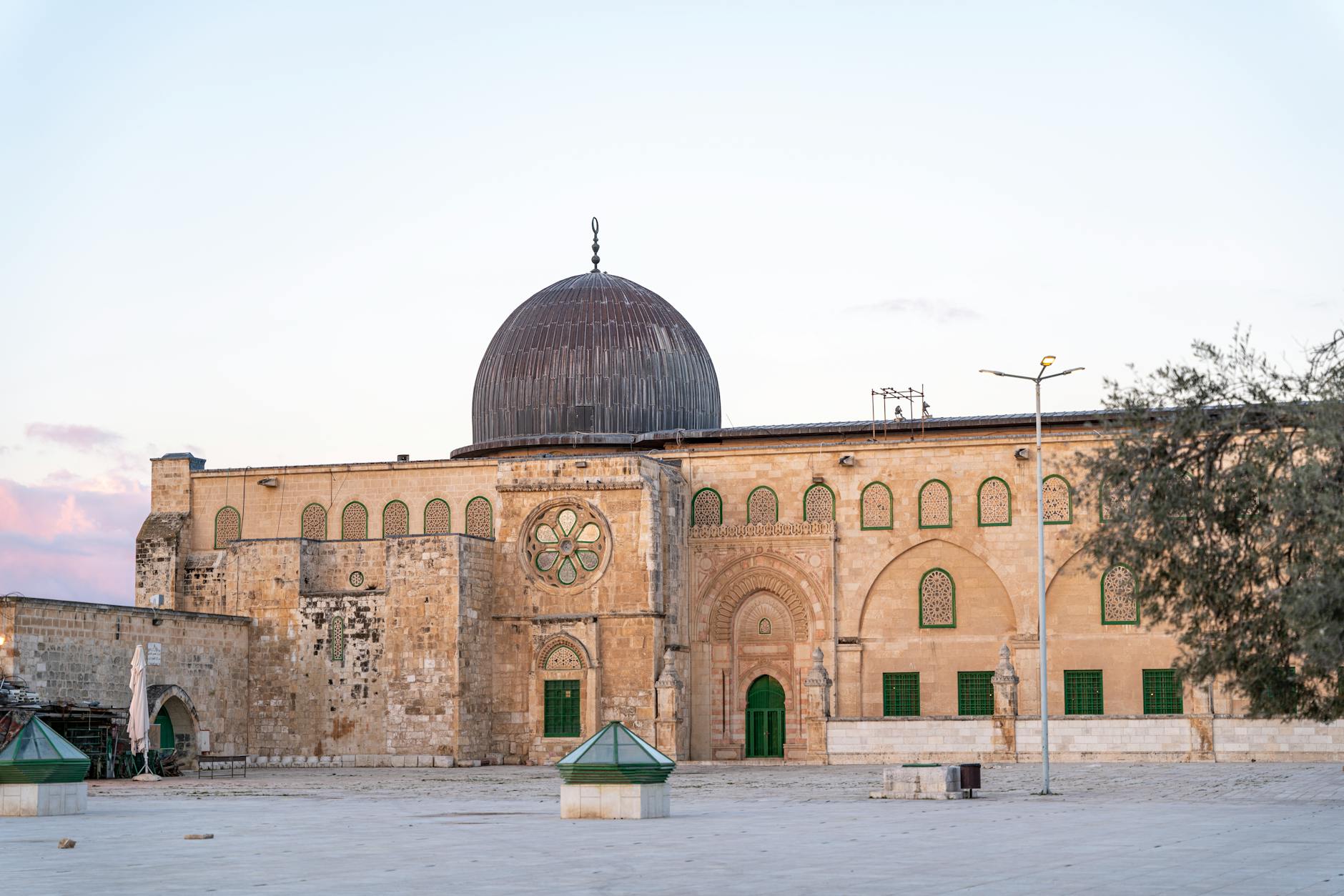
Jerusalem is one of the most religiously diverse cities in the world, and respectful dress and behavior are essential. While the modern parts of the city are relatively relaxed, religious sites and ultra-Orthodox neighborhoods have strict expectations. Our site-by-site dress code guide spells out exactly what is expected at each place of worship.
General Rule: Cover your shoulders and knees whenever visiting any religious site — this applies to all faiths and all genders. Carry a light scarf or shawl for quick cover-ups. Western Wall: Men must wear a head covering (kippahs are provided free). Women and men pray in separate sections. Photography is permitted except on Shabbat. Temple Mount / Haram al-Sharif: Non-Muslims may visit during limited hours (typically Sunday to Thursday mornings, closed on Muslim holidays). Modest dress is strictly enforced. No religious items of other faiths, no prayer, and no visibly religious behavior are permitted. Churches: Cover shoulders and knees. Remove hats at some churches (the opposite of synagogue etiquette). Silence and respectful behavior are expected during services. Ultra-Orthodox Areas: In neighborhoods like Mea Shearim, both men and women should dress very modestly — long sleeves, long skirts or trousers, and muted colors. Do not photograph residents without permission.
Etiquette Neighborhood by Neighborhood
Jerusalem is not one social environment with one set of rules. What is unremarkable in the German Colony can cause genuine offence twenty minutes away on foot. The expectations are local, not city-wide.
Mea Shearim and the Haredi neighborhoods. These are residential districts, not attractions, and signs at the entrances have asked visitors to dress and behave accordingly for decades. Women should wear sleeves to the elbow at minimum, skirts below the knee and high necklines; trousers are best avoided here even though they are fine elsewhere in the city. Men should wear long trousers and covered shoulders. Do not walk through in a mixed group holding hands, do not eat in the street, do not raise your voice, and do not visit on Shabbat, when the presence of tourists is least welcome. Photography is the flashpoint: photographing residents, and especially children, without permission is the fastest way to provoke a confrontation. Put the phone away and walk. Our what-to-wear guide for each part of the city covers the specifics area by area.
East Jerusalem and the Muslim Quarter. Dress here is conservative but the register is different: modest, covered shoulders and knees, and a little formality goes a long way. Greetings matter more than they do in West Jerusalem — a salaam alaikum before you ask a question changes the tone of the exchange. During Ramadan, do not eat, drink or smoke in the street in daylight, and expect the whole rhythm of the quarter to shift towards the evening. Shops here open on Saturday and close on Friday around midday prayers. Be conscious that political conversation is not small talk; let your hosts lead it or leave it alone.
Religious sites. Photography is where visitors most often get it wrong. At the Western Wall it stops entirely on Shabbat and festivals, when using a phone at all causes offence. The Church of the Holy Sepulchre is a working place of worship shared by six denominations, and processions take priority over photographs. On the Temple Mount esplanade, non-Muslims may not pray, sing or display religious items of another faith, and this is enforced. Everywhere, ask before photographing someone at prayer — the answer is often yes, and asking is the whole point.
Shabbat: Understanding the Weekly Pause
Shabbat (the Jewish Sabbath) is the single most important thing to understand when planning a Jerusalem visit. From roughly one hour before sunset on Friday until about one hour after sunset on Saturday, much of Jewish Jerusalem effectively shuts down. Understanding Shabbat is not just a travel tip — it is key to appreciating Jerusalem’s unique character. For opening hours, transport workarounds and how to join a Friday-night meal, see our full guide to Shabbat in Jerusalem.
What Closes: Most Jewish-owned shops, restaurants (except some in the hotel district and non-Jewish areas), public transportation (buses and light rail), and many attractions. What Stays Open: Arab-owned businesses in East Jerusalem and the Old City’s Muslim and Christian Quarters, some restaurants in the German Colony and First Station complex, hotel restaurants, and the Old City’s religious sites. Taxis and sherut taxis continue to operate. Planning Tips: Stock up on groceries and cash by Friday afternoon. Confirm restaurant reservations for Friday evening. If you plan to move around the city during Shabbat, book taxis in advance or use the Gett app. The Western Wall is particularly beautiful and atmospheric on Friday evening when families come to welcome Shabbat with singing and prayer. Many travelers find the Shabbat slowdown to be one of the most unique and peaceful aspects of Jerusalem.
Best Time to Visit Jerusalem
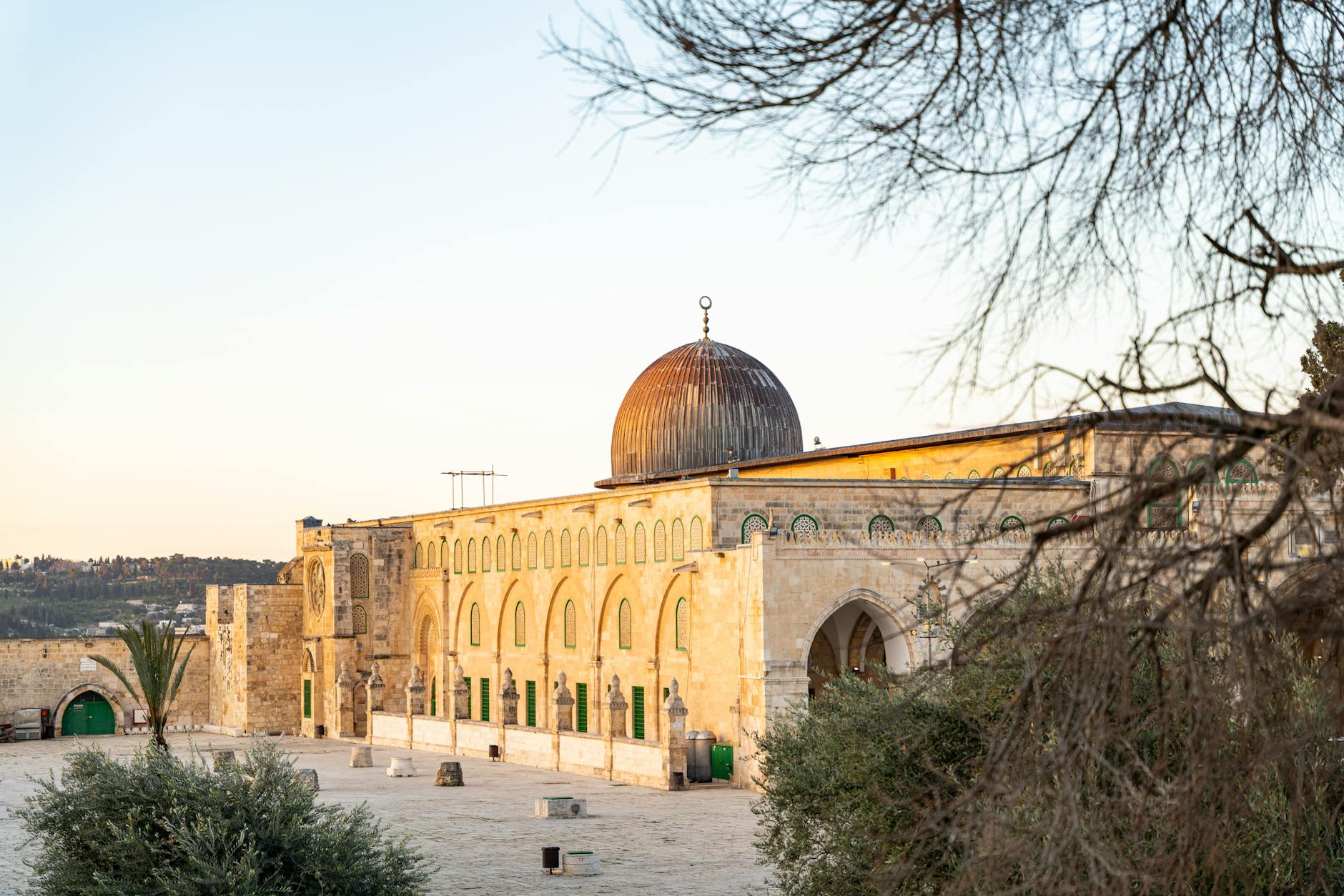
Jerusalem enjoys a Mediterranean climate with hot, dry summers and mild, rainy winters. The best times to visit are spring (March to May) and autumn (September to November), when temperatures are comfortable, crowds are manageable, and the light is beautiful. Summer (June to August) brings intense heat, with temperatures regularly exceeding 30°C (86°F), though the low humidity makes it more bearable than coastal cities. Winter (December to February) is mild but can be rainy, and Jerusalem occasionally sees snow — a magical but brief occurrence. Our month-by-month breakdown of Jerusalem’s weather gives the averages, while our guide to the best time to visit Jerusalem weighs those numbers against crowds, prices and the religious calendar.
Jewish Holidays: Rosh Hashanah and Yom Kippur (September/October) see widespread closures. Sukkot brings colorful decorations and festive crowds. Passover (March/April) is busy with pilgrims and domestic tourists, and hotel prices peak. Christian Holidays: Easter and Christmas are peak pilgrimage seasons, especially in the Old City and Bethlehem. Expect large crowds at major churches. Muslim Holidays: Ramadan affects the Muslim Quarter’s rhythm, with businesses adjusting hours and evening celebrations (iftar) adding atmosphere. The end of Ramadan (Eid al-Fitr) is festive. Best Overall: Late October or early November offers perhaps the best combination of weather, manageable crowds, and reasonable prices.
Connectivity: WiFi, SIM Cards, and Apps
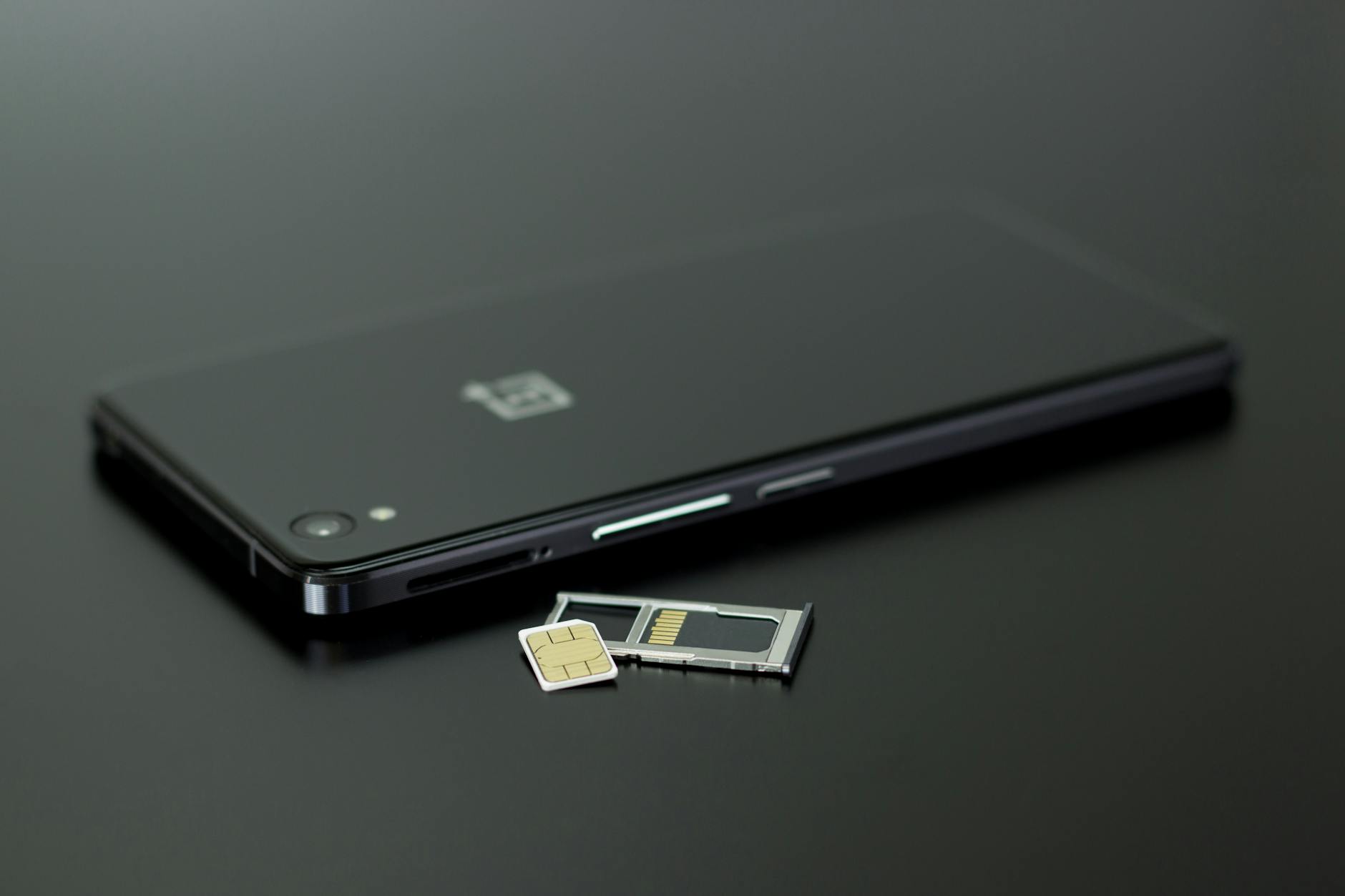
Staying connected in Jerusalem is straightforward. WiFi is available at most hotels, hostels, and many cafes and restaurants. Coverage in the Old City is patchier, though improving. For reliable mobile data, consider your options:
eSIM: The easiest option for phones that support it. Providers like Airalo, Holafly, and Nomad offer Israel eSIM plans starting from about $5 for 1GB. Activate before departure. Physical SIM: Available at the airport and phone shops throughout Jerusalem. Israeli carriers include Cellcom, Partner, and HOT Mobile, all offering tourist SIM packages with data, calls, and texts. Expect to pay 50-100 NIS for a week’s worth of data. Essential Apps: Google Maps works well for navigation. Moovit is the best public transit app. Gett for ride-hailing. Google Translate for Hebrew and Arabic. XE Currency for exchange rate calculations. WhatsApp is the default communication app in Israel — hotels, tour operators, and local contacts all prefer it over SMS or email.
Language: How Far English Gets You
Hebrew and Arabic are both languages of daily life in Jerusalem, and English is the reliable third. In hotels, museums, restaurants, taxis, pharmacies and anywhere that deals with visitors, English is spoken well and often fluently — Israel has a very high level of English, and the tourism economy in the Old City runs on it. Road signs and light rail announcements are trilingual. You can visit Jerusalem for a week without learning a word and never be stuck.
Where English thins out is in the places that are not built for tourists: neighborhood bus drivers, older stallholders at Mahane Yehuda, small bakeries in Haredi areas, some clinics and government offices, and occasionally in East Jerusalem where Arabic and Hebrew do the work instead. Google Translate handles both Hebrew and Arabic, and its camera mode is genuinely useful for menus and handwritten signs.
A handful of words earns disproportionate goodwill. In Hebrew: shalom (hello and goodbye), toda (thank you), bevakasha (please, and you are welcome), slicha (excuse me, and also sorry), kama ze oleh (how much does it cost), ken and lo (yes and no), and Shabbat shalom on a Friday, which you will hear from strangers all afternoon. In Arabic: salaam alaikum (peace be upon you), shukran (thank you), afwan (you are welcome), min fadlak (please) and bikam (how much). Using the right greeting in the right quarter is noticed, and it reads as respect rather than as a language attempt.
Food and Dining Tips
Jerusalem’s food scene is a fascinating reflection of its cultural diversity, and eating well is one of the great pleasures of visiting the city. For a deep dive into the culinary landscape, see our Jerusalem food guide, but here are the essential dining tips:
Kashrut: Many restaurants in Jewish areas of Jerusalem are kosher, meaning they do not mix meat and dairy, do not serve shellfish or pork, and close for Shabbat. Non-kosher restaurants are found in East Jerusalem, the Christian Quarter, and some areas of West Jerusalem. Water: Tap water in Jerusalem is safe to drink, though many people prefer bottled or filtered water for taste. Tipping: 15% is standard at sit-down restaurants. Check whether a service charge (dmei sherut) is already included in the bill. Budget Eating: Street food is king in Jerusalem. Falafel, shawarma, sabich (fried eggplant in pita), and hummus plates are all delicious, filling, and cost 20-40 NIS. The Mahane Yehuda Market is the best place for affordable, high-quality food. Dietary Needs: Vegetarian and vegan options are excellent and widely available throughout Jerusalem. Gluten-free options are improving but still limited outside modern restaurants.
Shopping and Souvenirs
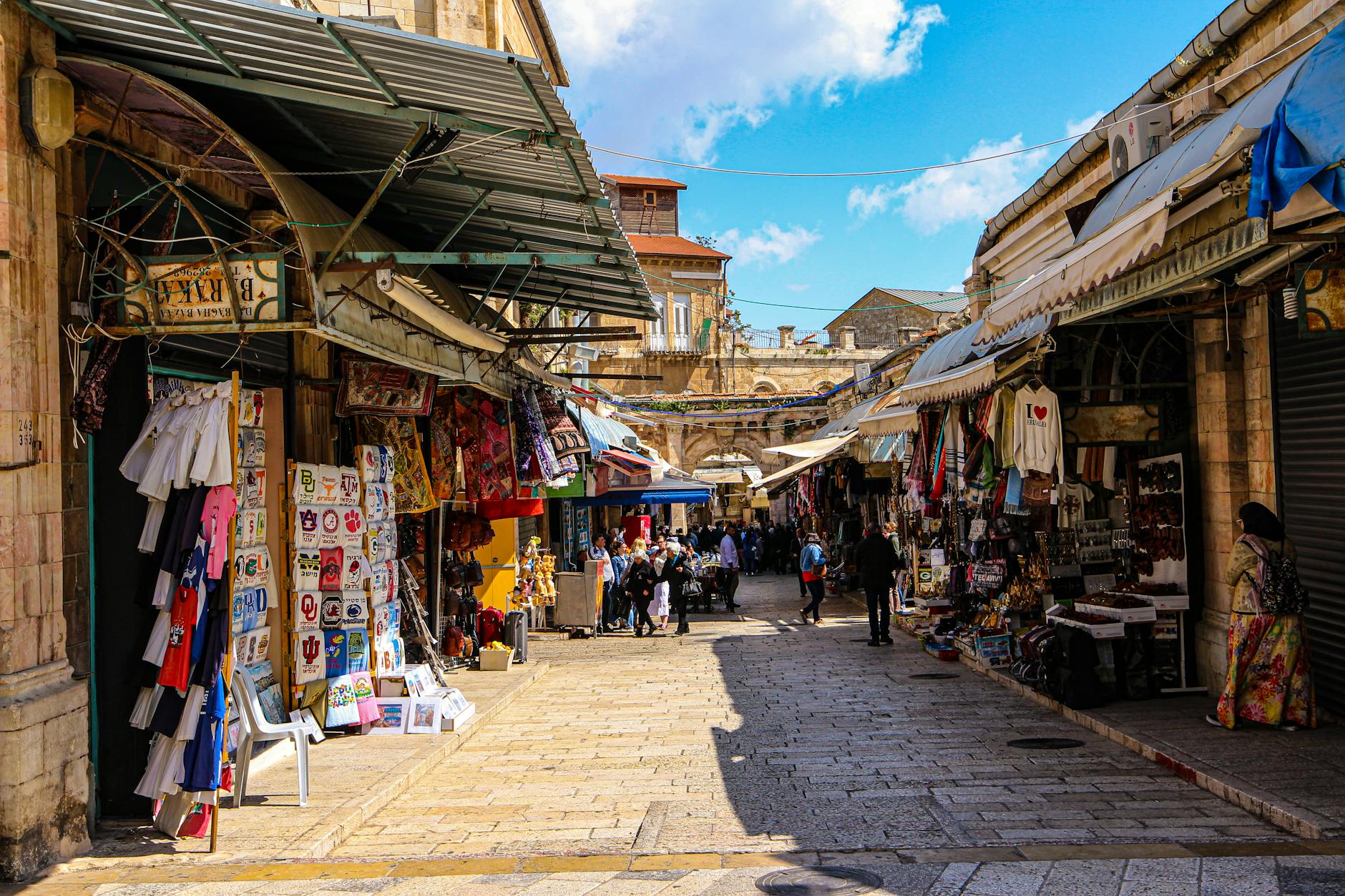
Jerusalem offers unique shopping experiences that range from the atmospheric Old City souks to modern shopping malls. The best souvenirs capture the artisanal traditions of the region and make meaningful keepsakes.
Best Buys: Armenian ceramics (hand-painted tiles and pottery), olive wood carvings, Dead Sea beauty products, handmade jewelry with biblical-era coins, spices from the market (za’atar, sumac, cardamom blends), traditional embroidered textiles, and Holy Land items like olive oil soap. Where to Shop: The Old City souks for traditional items (bargain expected), see our Old City guide for navigating the markets. Mamilla Mall for upscale Israeli fashion and design. The Mahane Yehuda Market for food items and artisan shops in the evening. Bargaining: Expected in the Old City souks but not in fixed-price shops. Start at about 50% of the asking price and negotiate. Cash gets you better deals. VAT Refund: Tourists can claim a VAT refund on purchases over 400 NIS from participating shops. Keep your receipts and process the refund at the airport before departure.
Scams and Sharp Practice to Watch For
Jerusalem does not have a serious tourist-scam problem, and crime against visitors is rare. What you will meet is ordinary commercial sharpness, concentrated in a few predictable places. None of it is dangerous; all of it is avoidable.
- The taxi meter. Licensed taxis are required to run the meter (the moneh) unless you have agreed a fixed fare in advance. The standard move is a driver quoting a flat price well above the metered fare, often framed as a favour. Say moneh, bevakasha — meter, please — and if the driver refuses, get out and take the next one. Using Gett removes the argument entirely because the fare is set in the app.
- Menus without prices. A handful of restaurants near the Old City gates and on the tourist stretches hand over a menu with no prices, or quote fish by weight without saying what the portion weighs. Ask the price before you order. Also check whether service has already been added before you tip on top of it.
- Unlicensed guides. Men offering to show you the Via Dolorosa or the Holy Sepulchre for a small tip are usually not licensed. Israel licenses guides by formal examination, and a licensed guide carries a Ministry of Tourism card and will show it if asked. An unlicensed one is not necessarily a crook, but the tour often ends in a shop where they take a commission on what you buy.
- Shop commissions. If a driver or a self-appointed guide steers you to a particular ceramics or olive-wood shop, the price you are quoted includes their cut.
- ATMs and dynamic currency conversion. Use bank-branded ATMs rather than the standalone machines in tourist areas, which charge more. When any card terminal or cash machine offers to bill you in your home currency instead of shekels, decline — the exchange rate applied is consistently worse than your own bank rate. Always choose to be charged in NIS.
Health and Medical Information
Vaccinations: No special vaccinations are required for Israel, but ensure routine immunizations are up to date. Sun Protection: Jerusalem’s altitude (about 800 meters) and dry climate mean strong UV exposure. Use SPF 50+ sunscreen, wear a hat, and carry water at all times. Dehydration is a real risk, especially when walking in the Old City during summer. Pharmacies: Pharmacies (called “beit mirkachat” in Hebrew) are plentiful. Super-Pharm and New-Pharm are the main chains. Most common medications are available over the counter or with a local prescription. Medical Care: Hadassah Medical Center and Shaare Zedek Medical Center are excellent hospitals. Travel insurance with medical evacuation coverage is strongly recommended. Emergency room visits without insurance are expensive. Older visitors will find pacing, seated tours and hotel advice in our guide to Jerusalem for senior travelers.
Tipping, Opening Hours and Public Holidays
Tipping. Restaurants are the one place it is genuinely expected rather than optional: 15 percent at any table where you are served, and service is usually not included, so check the bill before adding it. Cash is preferred because it reaches the staff directly. Counter service needs nothing beyond rounding up, and taxi drivers are rounded up rather than tipped. Porters get 10-20 NIS a bag, and guides 10-15 US dollars per person per day on a private tour, 5-7 on a group tour.
Opening hours. The Israeli week runs Sunday to Thursday. Sunday is a normal working day and Friday is a half day — most West Jerusalem shops, banks and offices close between 13:00 and 15:00 on Friday and do not reopen until Sunday morning. Museums are the awkward ones: the Tower of David Museum, for example, runs 09:00-17:00 on Monday, Wednesday and Thursday, opens late at 12:00 on Sunday, stays open until 20:00 on Tuesday and closes at 15:00 on Friday and Saturday. Check the specific site the day before rather than assuming a pattern. In East Jerusalem and the Muslim Quarter the week runs the other way — Friday midday is the quiet point and Saturday is a full trading day.
Public holidays. Jewish festivals follow the lunar calendar and move every year, and they close the city more thoroughly than a weekend does. In 2026, Rosh Hashanah runs from sundown on Friday 11 September to nightfall on Sunday 13 September; Yom Kippur from sundown on Sunday 20 September to nightfall on Monday 21 September; and Sukkot begins at sundown on Friday 25 September and runs seven days in Israel. Yom Kippur is unlike anything else — Ben Gurion Airport closes, no traffic moves, broadcasting stops, and the roads fill with people walking and children on bicycles. It is extraordinary to witness and impossible to travel through, so plan to be in one place. Ramadan, Easter and Christmas each reshape their own quarters in the same way. Our month-by-month look at the religious calendar shows which weeks bring crowds and which bring closures.
Accessibility and Travelers with Limited Mobility
Honest answer first: Jerusalem is a hard city for anyone with reduced mobility, and no amount of planning makes the Old City flat. It is built across a series of ridges and valleys, so almost every walk involves a real gradient. The Old City streets are polished limestone that turns slippery in rain, many are stepped rather than sloped, and the routes that look shortest on a map — down into the Kidron Valley, up to the Mount of Olives — are the steepest. Anyone who struggles with stairs or long inclines should assume the historic core will be tiring.
That said, a great deal is workable. The light rail is level-boarding and step-free, with wheelchair spaces and audio announcements, and it covers the main east-west axis. Newer buses kneel and have ramps. The Western Wall plaza is reachable step-free from the Dung Gate side, which is the entrance to use, and Yad Vashem, the Israel Museum and Mamilla are modern accessible buildings. Accessible taxis need booking ahead rather than hailing, and city-center hotels are generally better equipped than guesthouses inside the walls, where a lift is the exception.
Practical advice: build the day around one neighborhood rather than crossing the city twice, start early while it is cool, and treat 30 degrees plus a hill as a genuine health risk rather than an inconvenience. Step-free routes, which gates to use and where the lifts and accessible toilets are is mapped in our access guide to the major sites, and visitors who simply want a gentler pace, seated tours and shorter days will find that planning in our guide for older visitors.
Common Mistakes First-Time Visitors Make
Almost every difficult Jerusalem trip goes wrong in one of the same handful of ways, and all of them are fixed at the planning stage rather than on the ground.
- Arriving on Friday afternoon with no plan. This is the classic. You land at lunchtime, the train from the airport has stopped, the supermarkets are closing, the restaurant you bookmarked is shut until Saturday night, and you have no cash. Arrive on a Friday by all means — Friday evening at the Western Wall is one of the great experiences of the city — but land early, get shekels at the airport and buy food before 14:00. The full picture is in our guide to how the city works from Friday to Saturday night.
- Booking a Saturday morning departure. No trains, no buses, no light rail. You are committed to a taxi or a sherut at whatever it costs, booked in advance, and the same applies to a Saturday arrival. Check the day of the week on your flights before you book, not after. Route options and rough fares are compared in our airport transfer rundown.
- Underestimating the hills. Visitors look at a map, see two kilometres, and do not see the ridges and valleys in between. Ten thousand steps in Jerusalem is not ten thousand steps on the flat. Plan fewer sites per day than you think you need.
- Underestimating the heat and the dryness. Summer regularly clears 30 degrees with very low humidity, which means you dehydrate without feeling especially sweaty. Carry water, refill constantly, and move the walking to before 11:00 and after 16:00. Our month-by-month temperature and rainfall figures show what to expect when.
- The wrong shoes. Old City limestone has been worn smooth by two thousand years of feet and is genuinely slippery, especially on stepped sections and after rain. Leather soles, hard treads and any kind of heel are a bad idea. Bring soft grippy soles you have already broken in.
- Getting the Temple Mount hours wrong. Non-Muslim visitors can enter only via the Mughrabi Bridge beside the Western Wall plaza, only Sunday to Thursday, and only in two short windows — broadly 07:30 to about 11:00 and a shorter early-afternoon slot — with no access on Fridays, Saturdays or Muslim holidays, and reduced access during Ramadan. The queue forms well before opening. The Dome of the Rock and Al-Aqsa interiors are closed to non-Muslims entirely. Hours change at short notice, so verify them the same morning; turning up at noon on a Friday and going home disappointed is the most common wasted morning in Jerusalem.
- Leaving the paperwork late. Visa-exempt travelers still need an approved ETA-IL before boarding, and it is not instant. Check what applies to your nationality in our entry and authorisation explainer as soon as you book.
Packing Essentials for Jerusalem
Knowing what to pack makes a significant difference for comfort and practicality in Jerusalem. Here are the essentials: Comfortable walking shoes with good grip for cobblestones. Modest clothing that covers shoulders and knees. A light scarf or shawl for religious site cover-ups. Sunscreen and hat for strong UV exposure. A refillable water bottle — you will drink more than usual. A day pack for carrying layers, water, and purchases. A power adapter — Israel uses Type H plugs (220V), though many hotels have universal outlets. Layers — Jerusalem can be warm during the day and surprisingly cool at night, with a 10-15°C temperature drop after sunset, especially in shoulder seasons. For the full seasonal breakdown, plus electronics, toiletries and what it costs to replace forgotten items locally, see our Jerusalem packing list.
Jerusalem is a city that rewards preparation and flexibility in equal measure. Understanding these practical tips before your arrival will help you navigate the city’s unique rhythms and focus on what matters most — the extraordinary experiences that have drawn travelers to this remarkable place for thousands of years. Start planning your daily activities with our Jerusalem itinerary guide, explore the best things to do in Jerusalem, and find the perfect place to stay.
For the practicalities of paying, from avoiding dynamic currency conversion at cash machines to tapping a bank card on Egged’s Jerusalem buses in its trial, see our guide to money in Israel: shekels, cards, ATMs and tipping.
Frequently Asked Questions About Jerusalem Travel Tips
How much money do I need per day in Jerusalem?
Excluding your bed, a frugal day of street food, walking and free sites runs about 130-220 NIS, a mid-range day with sit-down meals, a museum or two and some taxis runs 350-500 NIS, and a day with a private guide and table service starts around 700 NIS. Accommodation sits on top and varies more than everything else combined, because festival weeks can double or triple hotel rates.
Is Jerusalem safe to visit right now?
That depends on whose advice you read and when you read it. As of its July 2026 update the UK FCDO does not advise against travel to Jerusalem itself, including East Jerusalem, while the US State Department has Israel as a whole at Level 3, Reconsider Travel. Both change without much notice, both warn about regional tensions and possible airspace disruption, and travelling against your own government advice can void your insurance — so check gov.uk and travel.state.gov directly at the point of booking and again before you fly.
Do I need to speak Hebrew or Arabic to visit Jerusalem?
No. English is widely and often fluently spoken in hotels, restaurants, taxis, museums and shops, and signage is trilingual. Learning shalom, toda and slicha in Hebrew, and salaam alaikum and shukran in Arabic, costs nothing and is noticeably appreciated.
What is the biggest mistake first-time visitors make?
Not planning around Shabbat. Public transport stops from Friday afternoon until Saturday nightfall, most Jewish-owned shops and restaurants close, and a Saturday morning flight or an unplanned Friday arrival turns into an expensive taxi problem. The second most common mistake is underestimating the hills and the heat and scheduling far too many sites into one day.
Can I visit the Temple Mount, and when?
Non-Muslims may walk the esplanade but not enter the Dome of the Rock or Al-Aqsa Mosque. Access is via the Mughrabi Bridge at the Western Wall plaza only, Sunday to Thursday, in two short windows — roughly 07:30 to 11:00 and a brief early-afternoon slot — with no entry on Fridays, Saturdays or Muslim holidays and restricted access during Ramadan. Hours change frequently, so confirm on the morning and arrive before the queue builds.
Is it rude to take photographs in Mea Shearim?
Photographing residents there without permission, especially children, causes real offence and is the likeliest source of a confrontation anywhere in Jerusalem. Treat Haredi neighborhoods as residential streets rather than sights: dress very modestly, do not visit on Shabbat, and keep the camera in your bag unless you have asked and been told yes.
Do I have to tip in Jerusalem, and how much?
At sit-down restaurants yes — 15 percent is standard and service is usually not included, so check the bill first and pay the tip in cash if you can. Taxi drivers are rounded up rather than tipped, counter service needs nothing, hotel porters get 10-20 NIS a bag, and tour guides are customarily given 10-15 US dollars per person per day on a private tour and 5-7 on a group tour.
Is Jerusalem manageable with limited mobility?
Partly. The light rail is step-free, the modern museums and Yad Vashem are accessible, and the Western Wall plaza can be reached without steps from the Dung Gate. The Old City itself is steep, stepped and paved in slippery limestone, so plan one neighborhood a day, start early, and book accessible taxis in advance rather than hailing.
What happens on Yom Kippur, and should I avoid those dates?
Yom Kippur runs from sundown on Sunday 20 September to nightfall on Monday 21 September in 2026, and Israel stops completely: Ben Gurion Airport closes, no vehicles move, shops and restaurants shut and broadcasting pauses. It is remarkable to witness if you are settled in one place with food in the room, and impossible if you need to travel, so do not schedule flights or day trips across those dates.
Photo Credits
Israeli 10-shekel coins: עשרה שקלים by ציון הלוי, CC BY-SA 3.0, via Wikimedia Commons.
{"@context": "https://schema.org", "@type": "FAQPage", "mainEntity": [{"@type": "Question", "name": "How much money do I need per day in Jerusalem?", "acceptedAnswer": {"@type": "Answer", "text": "Excluding your bed, a frugal day of street food, walking and free sites runs about 130-220 NIS, a mid-range day with sit-down meals, a museum or two and some taxis runs 350-500 NIS, and a day with a private guide and table service starts around 700 NIS. Accommodation sits on top and varies more than everything else combined, because festival weeks can double or triple hotel rates."}}, {"@type": "Question", "name": "Is Jerusalem safe to visit right now?", "acceptedAnswer": {"@type": "Answer", "text": "That depends on whose advice you read and when you read it. As of its July 2026 update the UK FCDO does not advise against travel to Jerusalem itself, including East Jerusalem, while the US State Department has Israel as a whole at Level 3, Reconsider Travel. Both change without much notice, both warn about regional tensions and possible airspace disruption, and travelling against your own government advice can void your insurance — so check gov.uk and travel.state.gov directly at the point of booking and again before you fly."}}, {"@type": "Question", "name": "Do I need to speak Hebrew or Arabic to visit Jerusalem?", "acceptedAnswer": {"@type": "Answer", "text": "No. English is widely and often fluently spoken in hotels, restaurants, taxis, museums and shops, and signage is trilingual. Learning shalom, toda and slicha in Hebrew, and salaam alaikum and shukran in Arabic, costs nothing and is noticeably appreciated."}}, {"@type": "Question", "name": "What is the biggest mistake first-time visitors make?", "acceptedAnswer": {"@type": "Answer", "text": "Not planning around Shabbat. Public transport stops from Friday afternoon until Saturday nightfall, most Jewish-owned shops and restaurants close, and a Saturday morning flight or an unplanned Friday arrival turns into an expensive taxi problem. The second most common mistake is underestimating the hills and the heat and scheduling far too many sites into one day."}}, {"@type": "Question", "name": "Can I visit the Temple Mount, and when?", "acceptedAnswer": {"@type": "Answer", "text": "Non-Muslims may walk the esplanade but not enter the Dome of the Rock or Al-Aqsa Mosque. Access is via the Mughrabi Bridge at the Western Wall plaza only, Sunday to Thursday, in two short windows — roughly 07:30 to 11:00 and a brief early-afternoon slot — with no entry on Fridays, Saturdays or Muslim holidays and restricted access during Ramadan. Hours change frequently, so confirm on the morning and arrive before the queue builds."}}, {"@type": "Question", "name": "Is it rude to take photographs in Mea Shearim?", "acceptedAnswer": {"@type": "Answer", "text": "Photographing residents there without permission, especially children, causes real offence and is the likeliest source of a confrontation anywhere in Jerusalem. Treat Haredi neighborhoods as residential streets rather than sights: dress very modestly, do not visit on Shabbat, and keep the camera in your bag unless you have asked and been told yes."}}, {"@type": "Question", "name": "Do I have to tip in Jerusalem, and how much?", "acceptedAnswer": {"@type": "Answer", "text": "At sit-down restaurants yes — 15 percent is standard and service is usually not included, so check the bill first and pay the tip in cash if you can. Taxi drivers are rounded up rather than tipped, counter service needs nothing, hotel porters get 10-20 NIS a bag, and tour guides are customarily given 10-15 US dollars per person per day on a private tour and 5-7 on a group tour."}}, {"@type": "Question", "name": "Is Jerusalem manageable with limited mobility?", "acceptedAnswer": {"@type": "Answer", "text": "Partly. The light rail is step-free, the modern museums and Yad Vashem are accessible, and the Western Wall plaza can be reached without steps from the Dung Gate. The Old City itself is steep, stepped and paved in slippery limestone, so plan one neighborhood a day, start early, and book accessible taxis in advance rather than hailing."}}, {"@type": "Question", "name": "What happens on Yom Kippur, and should I avoid those dates?", "acceptedAnswer": {"@type": "Answer", "text": "Yom Kippur runs from sundown on Sunday 20 September to nightfall on Monday 21 September in 2026, and Israel stops completely: Ben Gurion Airport closes, no vehicles move, shops and restaurants shut and broadcasting pauses. It is remarkable to witness if you are settled in one place with food in the room, and impossible if you need to travel, so do not schedule flights or day trips across those dates."}}]}