Live music in Jerusalem covers more ground than visitors expect, from sweaty indie shows in a 150-capacity bar to the Jerusalem Symphony in a full concert hall, with klezmer, jazz, Hebrew song, Arabic and Middle Eastern music, and big outdoor summer concerts under the Old City walls in between. The scene is smaller and less club-driven than Tel Aviv’s, but it is varied and high quality, and the settings, including ancient stone and museum galleries, are hard to beat. This guide runs through the key venues, the genres you can catch, realistic 2026 ticket prices, how to find out what is on, and the Shabbat timing that shapes the week.
Pair this with our Jerusalem nightlife guide for bars and the Jerusalem theater guide for the stage venues, plus the bigger picture in our Jerusalem entertainment overview.
The Key Live Music Venues
Yellow Submarine
If you want one reliable address, this is it. A well-established music club in the Talpiot area south of the center, Yellow Submarine programs indie, rock, alternative, hip hop, world and jazz across a room holding a few hundred people, and it functions as a hub for emerging Israeli artists as well as a stage for touring acts. Tickets commonly run 60 to 150 shekels (roughly 17 to 43 dollars) depending on the act. Check its schedule before you travel, as the line-up is genuinely eclectic.
HaTaklit
The downtown record bar near King George Street doubles as a small live venue, with indie, rock and alternative sets and frequent DJ nights in an intimate, music-nerd setting. It is the easy choice if you want live music folded into a bar-hopping night in the center. Expect a modest cover, roughly 30 to 80 shekels when there is a ticketed show.
Mike’s Place
An American-style pub near the center that regularly hosts rock, blues and cover bands, usually with no cover charge. The crowd is casual and English-speaking, making it an easy, low-commitment place to catch a band over a beer and a burger.
Beit Shmuel
Near the King David Hotel, this cultural center runs a regular program of folk, acoustic, world music and Hebrew song in a mid-sized hall. It is a good option for a more seated, listening-focused evening, with tickets generally around 40 to 100 shekels.
The Jerusalem Theatre
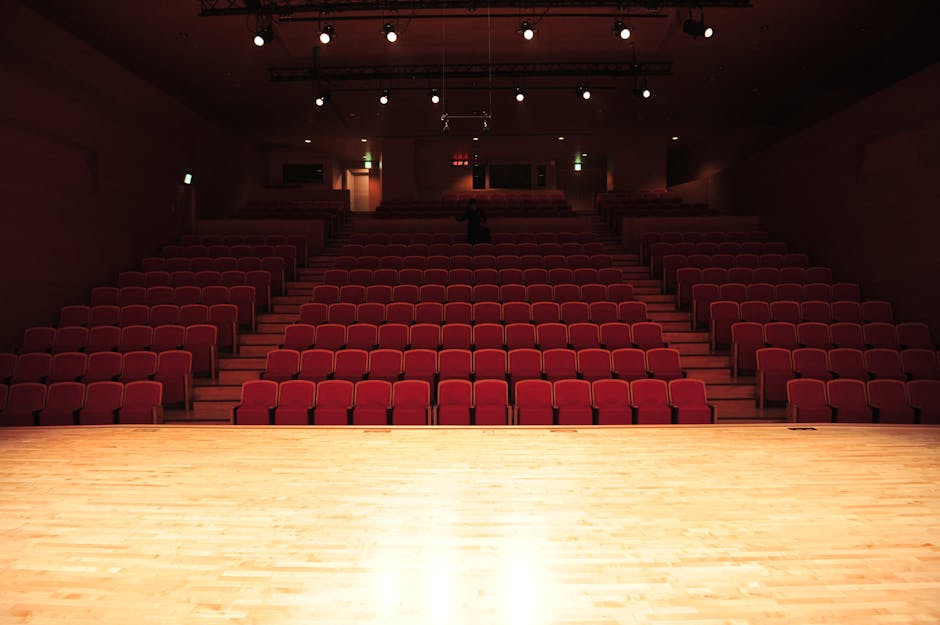
The city’s main performing-arts complex, in the Talbiya area, has several halls and programs classical, contemporary, jazz and dance, hosting Israeli and international artists. It is where you will find the larger, more formal concerts. Tickets span a wide range, roughly 100 to 400 shekels by act and seat. For the full performing-arts picture, see our Jerusalem theater guide.
Sultan’s Pool (outdoor summer concerts)
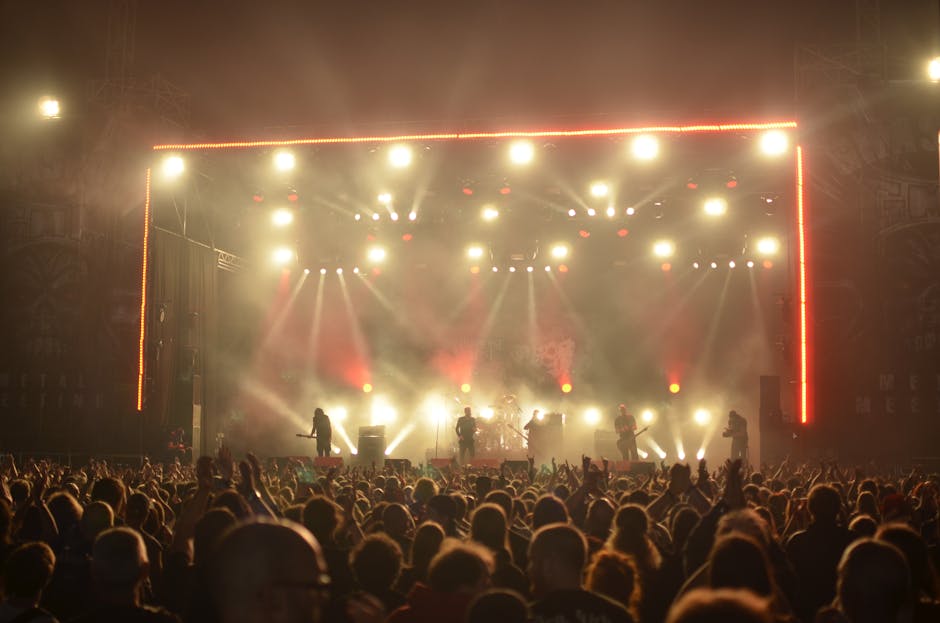
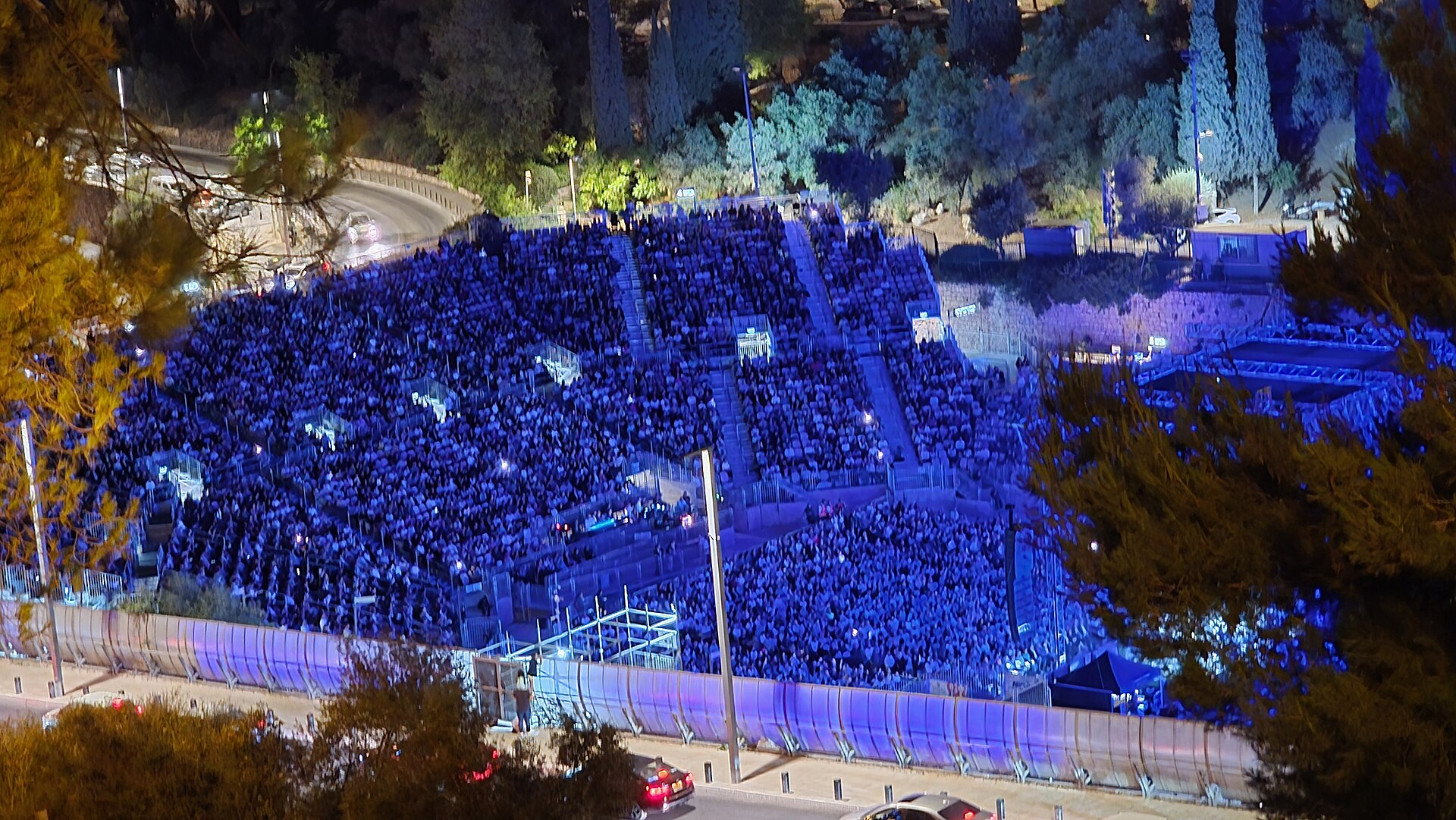
One of the most atmospheric concert spaces anywhere. This historic open-air amphitheater sits in the valley just outside the Old City walls, below Yemin Moshe, and hosts large summer concerts of Israeli pop, rock and occasional classical, with capacity for thousands. Seeing a show here with the floodlit walls behind the stage is a real Jerusalem experience. Tickets for major acts typically run 150 to 400 shekels, and shows are mostly in the warmer months.
Confederation House and cultural centers
Beyond the dedicated clubs, several cultural institutions keep a steady concert calendar. Confederation House, near the center, is known for championing ethnic, world and Middle Eastern music and stages intimate concerts that you will not find in the bars. Other community and arts centers around the city host folk, classical and Hebrew-song evenings, and churches occasionally open for choral and organ recitals. These venues are where the city’s quieter, more rooted musical traditions live, and tickets are usually moderate, often in the 40 to 120 shekel range.
What You Can Hear, by Genre
Classical and orchestral
The Jerusalem Symphony Orchestra, the city’s professional orchestra, performs a full concert season, typically from autumn through early summer, with single tickets and subscriptions usually in the 100 to 300 shekel range. The Jerusalem Theatre hosts much of the classical calendar, and chamber music ensembles add intimate concerts through the year. The Sacred Music Festival in the autumn is a highlight for anyone drawn to choral and devotional repertoire performed in churches, synagogues and historic halls.
Jazz
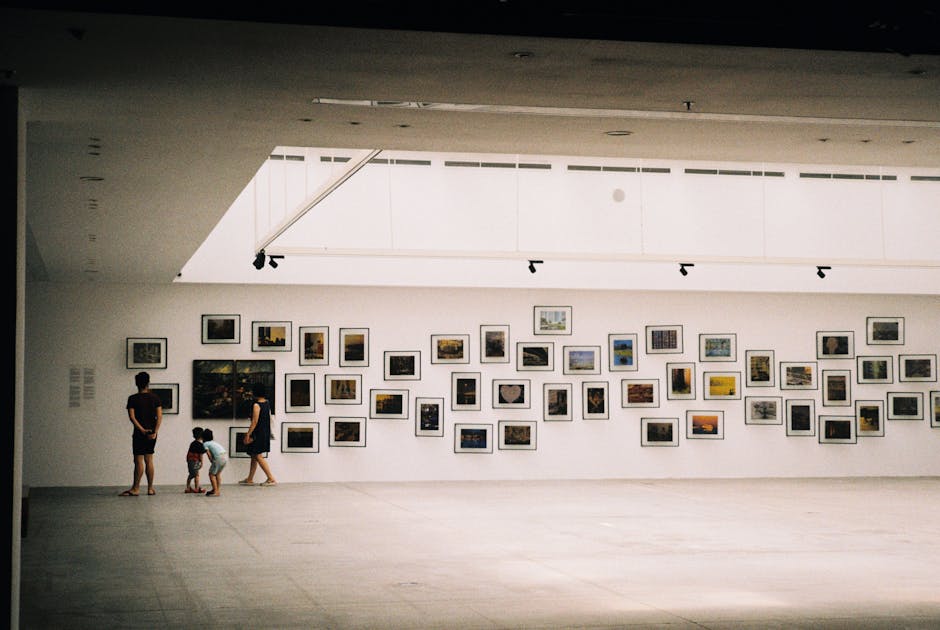
Jazz turns up as nights at bars and restaurants and, most notably, at the annual Jerusalem Jazz Festival held in the galleries and sculpture garden of the Israel Museum in mid-June, which brings strong Israeli and international players to an unusual setting. If your visit lands in June, it is well worth building an evening around.
Indie, rock and alternative
This is the everyday backbone of the live scene. Yellow Submarine and HaTaklit carry most of the indie and rock load, Mike’s Place covers rock and blues, and touring Israeli rock acts pass through regularly. Israel has a deep homegrown rock and pop scene, and Jerusalem audiences are loyal, so even a lesser-known local band on a Tuesday can be a fun, well-attended night. Bigger Israeli names that fill arenas elsewhere often play the more intimate Jerusalem rooms or the summer outdoor stages, which makes for a closer, more personal show than you would get in a stadium.
Klezmer, Hebrew and Jewish music
Hebrew song and traditional Jewish music are part of the cultural fabric here, with concerts at venues like Beit Shmuel and periodic klezmer events. You may also hear Hasidic and other religious music in observant neighborhoods, particularly around holidays.
Arabic and Middle Eastern music
East Jerusalem and certain cultural centers present oud players and traditional Middle Eastern music, and Confederation House is known for promoting ethnic and Middle Eastern programming. The Sacred Music Festival also features Sufi and other devotional traditions. These performances offer a different sound world from the western-style clubs, and hearing classical Arabic music or a solo oud in an intimate setting is one of the more memorable musical experiences the city offers. Programming can be irregular, so check listings and cultural-center schedules close to your dates.
Electronic and DJ nights
This is the city’s thinnest category compared with Tel Aviv. You will find DJ nights at the larger Mahane Yehuda bars and occasional events at the Cinematheque, but dedicated electronic clubbing into the early hours largely belongs to the coast.
Ticket Prices at a Glance
| Venue type | Examples | Typical ticket (ILS) |
|---|---|---|
| Small bar / club | HaTaklit, Mike’s Place | 0–80 (often no cover) |
| Mid-size music club | Yellow Submarine, Beit Shmuel | 60–150 |
| Concert hall | Jerusalem Theatre | 100–400 |
| Symphony | Jerusalem Symphony Orchestra | 100–300 |
| Outdoor / major acts | Sultan’s Pool | 150–400 |
How to Find Out What’s On
Listings can be patchy in English, so use a few sources together. Time Out Israel publishes English-language event listings, and the major Israeli ticketing sites carry most ticketed concerts. Venue websites and social pages, particularly for Yellow Submarine and HaTaklit, post their own schedules. A hotel concierge often knows what is happening that week, and old-fashioned posters around the city center still advertise upcoming shows. Buy tickets in advance for anything popular, as the smaller rooms sell out.
Practical Tips and Timing
A few things to know before you go. Concerts often start late, frequently 9pm or later, so plan dinner around that. The week’s rhythm is shaped by Shabbat: live music is limited from Friday evening to Saturday evening, and Saturday night, once Shabbat ends, is the busiest night for shows. Many venues are reachable by the Light Rail or bus, though remember neither runs on Shabbat, so plan a taxi if you are out on a Friday night. Photography without flash is often tolerated at clubs but not always at formal concerts, so check. Dress is casual at the small venues and smart-casual at the orchestra. For the full transit picture, see our transportation guide, and for how the city pauses each week, our Shabbat in Jerusalem guide.
Building an Evening Around a Show
For a club night, eat early at the Mahane Yehuda Market, then walk to HaTaklit for a set before the bars in the lanes fill up. For a bigger concert, pair a show at the Jerusalem Theatre or Sultan’s Pool with dinner in the nearby German Colony or at Mamilla. In June, a jazz evening in the Israel Museum gardens combines beautifully with a daytime visit to the museum and the art galleries. Couples can extend any of these with ideas from our romantic things to do in Jerusalem guide.
Music Festivals Through the Year
Some of the best live music here is concentrated into festival weeks, and timing a visit to catch one rewards you with performances and settings you could not otherwise see. The Jerusalem Jazz Festival in mid-June puts international and Israeli jazz inside the Israel Museum. The broad Israel Festival in late spring to early summer programs music alongside theater and dance across city venues. The Sacred Music Festival in the autumn presents devotional traditions in churches, synagogues and historic halls, while open-air pop and rock concerts cluster at Sultan’s Pool through the summer. Periodic klezmer and early-music events round out the calendar. For the full schedule and how these fit around religious holidays, see our Jerusalem festivals guide.
Best Time of Year for Live Music
You can find live music year-round, but the calendar has clear peaks. The indoor club and concert-hall season, including the symphony, runs strongest from autumn to spring, so winter visitors are well served despite the cooler weather. Summer shifts the energy outdoors, with the Sultan’s Pool concert series and the June jazz festival headlining the warm months. Spring and early summer are the busiest stretch overall, combining the indoor season’s tail with the festival calendar. Whatever month you come, build your big music night around Saturday night or mid-week, when the most is on, and check listings a week ahead since smaller shows are announced at short notice. For broader seasonal planning, our best time to visit Jerusalem guide helps you line up weather, crowds and events.
Photo Credits
A summer night concert at the Sultan’s Pool amphitheatre: Merrill Hassenfeld Amphitheater by Yair-haklai, CC BY-SA 4.0, via Wikimedia Commons.