Jerusalem theater and the wider performing arts run deeper than visitors expect, from a five-hall flagship complex hosting major Israeli and touring productions to an intimate repertory company in a restored Ottoman caravanserai, a beloved children’s puppet theater, and a cinematheque that anchors the summer film festival. Most stage work is in Hebrew, but English supertitles, the universal language of dance, and English-friendly options mean you can absolutely fit a performance into a trip. This guide covers the main venues, the types of performance on offer, how to find English-language and supertitled shows, family theater, ticket prices in 2026 and how to book.
Pair this with our live music in Jerusalem guide and our wider guide to what to see and do after dark. Programs change constantly, so check each venue’s current listings before you book.
The Main Performing-Arts Venues
The Jerusalem Theatre
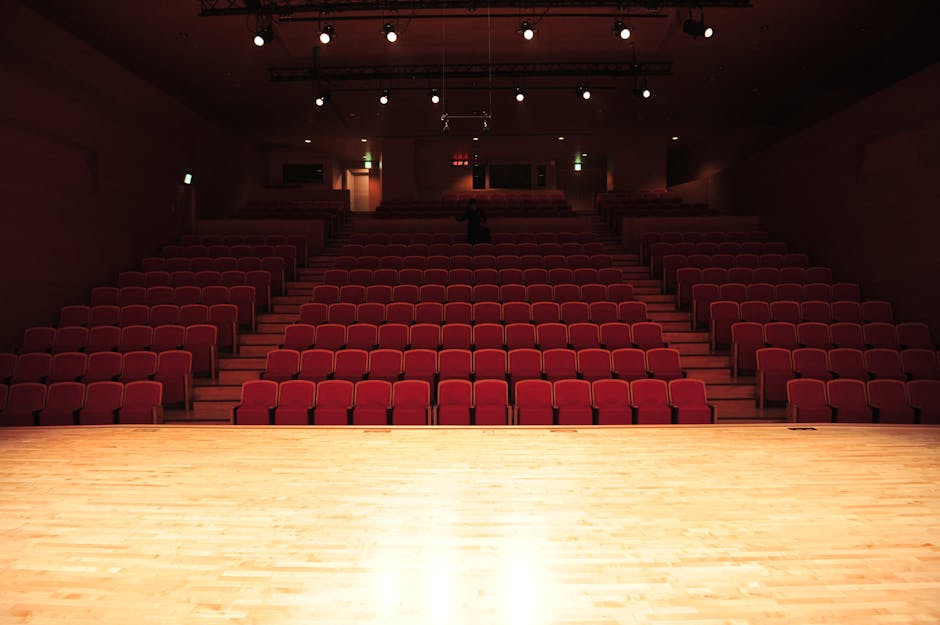
The city’s flagship performing-arts center, on Marcus Street in the Talbiya neighborhood, is a complex of several halls, the largest seating close to a thousand, programming theater, dance, classical music, opera and comedy. It is where the big Israeli touring productions and visiting international acts play, and selected shows carry English supertitles, so it is the first place to check for an accessible evening. Tickets span a wide range, roughly 100 to 400 shekels depending on the production and seat. For the concert side of its calendar, see our live music guide.
The Khan Theatre
One of the most atmospheric stages in the country. Housed in a restored Ottoman caravanserai (a khan) near the old railway station, the Khan is Jerusalem’s resident repertory theater, staging Hebrew drama and comedy in an intimate, historic space. Even if your Hebrew is limited, the building itself is worth the visit, and the courtyard area is a lovely spot before a show. Tickets typically run around 100 to 180 shekels.
The Train Theater
A much-loved children’s puppet theater in Liberty Bell Park, the Train Theater stages family-friendly puppet shows and runs an international puppet festival. Performances are mostly in Hebrew, but the visual, puppet-driven format travels well, and there are sometimes English shows. It is aimed at younger children, roughly ages three to ten, with tickets usually around 50 to 80 shekels. Families can pair it with our Jerusalem with kids guide.
The Jerusalem Cinematheque
On Hebron Road overlooking the Old City walls and the Hinnom Valley, the Cinematheque is the home of art-house and international film in the city, and it hosts the Jerusalem International Film Festival each summer. It also stages occasional performances and talks. Film tickets are generally around 35 to 50 shekels, and most foreign films screen with subtitles. It is a cultural hub with a cafe and a memorable view, worth a visit in its own right.
What’s On: Types of Performance
Hebrew theater
The backbone of the scene. The Khan stages its own repertory, and the country’s major companies, including Habima (the national theater) and the Cameri, tour productions from Tel Aviv to Jerusalem’s larger stages. These are in Hebrew, but the Jerusalem Theatre offers English supertitles on selected productions, so scan the listings for shows marked with translation if you want to follow the dialogue.
Dance
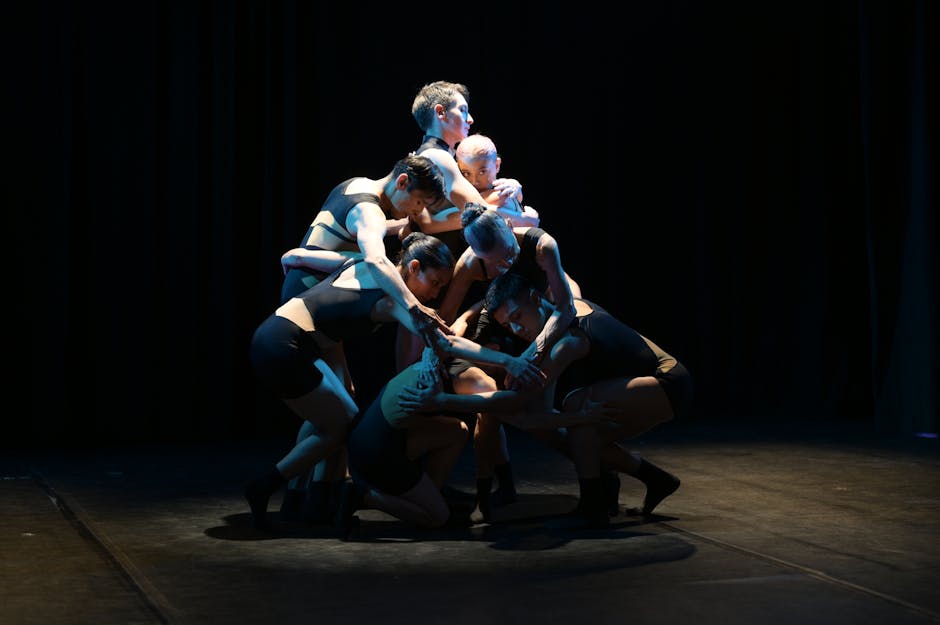
If language is a concern, dance is the answer. Israel has a world-renowned contemporary dance scene that punches well above the country size, and leading companies such as Batsheva tour through Jerusalem, performing at the Jerusalem Theatre and during festivals. Modern and contemporary work dominates, drawing on a distinctive Israeli movement style, and because there is no spoken text the language barrier essentially disappears. For many visitors, a dance performance is the most rewarding and accessible night at the theater here, combining a high standard of artistry with an experience that needs no translation. If you see a touring dance company on the listings during your stay, it is usually a safe bet.
English-language theater and comedy
There is a small but active English-language scene, with Jerusalem-based English productions staged periodically, occasional touring shows, and English comedy nights at pubs and tourist-oriented venues around the center. The city has a large English-speaking community of immigrants, students and long-term visitors, which sustains a steady if modest demand for English performance, particularly community and amateur productions. These are irregular and rarely advertised far in advance, so they reward checking local listings and community boards close to your dates rather than planning far ahead.
Film
Beyond the Cinematheque’s art-house program, mainstream multiplexes screen current releases, with foreign films usually carrying Hebrew and often English subtitles. The summer film festival is the cinematic highlight of the year. Film is one of the easiest cultural outings for a non-Hebrew speaker.
Following Along Without Hebrew
You do not need Hebrew to enjoy the performing arts here, but a little planning helps. The most reliable routes are the Jerusalem Theatre’s supertitled productions, which project an English translation above the stage; dance and music performances, which need no translation at all; films, which generally come with subtitles; and the occasional English-language play or comedy night. When booking a Hebrew drama, specifically check whether that performance has supertitles, as it is usually only some dates in a run rather than all of them. The box office or venue website will tell you.
Theater for Families
Jerusalem is good for young audiences. The Train Theater in Liberty Bell Park is the standout for puppet shows aimed at ages three to ten, with weekend performances and extra shows during school holidays. The Cinematheque and multiplexes screen family films, and the Israel Museum’s youth wing runs hands-on programs that work well alongside a performance. Tickets for children’s shows are modest, generally 50 to 80 shekels. Note that timings cluster around weekends and holidays, so plan around the schedule rather than expecting daily shows. Our Israel Museum with kids guide pairs nicely for a culture-focused family day.
Festivals and Special Events
Some of the best performances are bundled into festivals. The Israel Festival, in late spring to early summer, is the country’s flagship arts festival, bringing international theater, dance and music to Jerusalem’s venues. The Jerusalem International Film Festival takes over the Cinematheque in mid-July, screening hundreds of films with premieres and retrospectives. The Train Theater hosts an international puppet festival, and periodic theater festivals add to the calendar through the year. If you can align your trip with one of these, you will see far more in a short window. For the full schedule, see our Jerusalem festivals guide.
Ticket Prices and How to Book
Prices vary by venue and production. The table below gives realistic 2026 ranges.
| Performance | Typical ticket (ILS) |
|---|---|
| Film at the Cinematheque | 35–50 |
| Children’s show (Train Theater) | 50–80 |
| Play at the Khan Theatre | 100–180 |
| Production at the Jerusalem Theatre | 100–400 |
| Major show or opera | up to ~500 |
To book, use the major Israeli ticketing sites, the venues’ own websites, or the box office in person; a hotel concierge can sometimes arrange tickets too. Time Out Israel carries listings in English. Popular shows and festival screenings sell out, so buy early, and double-check the supertitle status of any Hebrew production before you pay.
Practical Tips and Timing
A few logistics make the evening smoother. As with the rest of the city, the performing-arts calendar is shaped by Shabbat: there are generally no performances from Friday evening to Saturday evening, with the week’s shows concentrated Sunday through Thursday and on Saturday night after Shabbat ends. Evening shows often start around 8 or 8:30pm. Most venues are reachable by the Light Rail or bus, though neither runs on Shabbat, so plan a taxi for a Saturday-night show. Dress is generally smart-casual; there is no strict formal code. Arrive a little early at the Khan to enjoy the historic courtyard, or at the Cinematheque for the view. For getting around, see our transportation guide, and for how the city pauses each week, the Shabbat in Jerusalem guide.
Theater in Jerusalem: The Bigger Picture
It is worth understanding how the scene fits together, because it shapes what you will find on any given week. Jerusalem is not the center of Israeli commercial theater; that role belongs to Tel Aviv, home to the big production companies. What Jerusalem has instead is a distinctive mix: a resident repertory company at the Khan with its own identity, a flagship multi-hall venue that imports the best touring shows and hosts international dance and music, a serious film culture built around the Cinematheque, and a strong tradition of festivals that briefly turn the city into a stage for the world. The result is a calendar that ebbs and flows rather than running at full tilt every night, which is exactly why checking current listings is essential. In a quiet week you might find mainly Hebrew drama and films; in festival season you could choose between international dance, premieres and visiting theater on the same evening. The city’s role as a cultural and religious capital also means you will encounter work that engages with history, identity and faith in ways you would not see elsewhere.
Making an Evening of It
A show pairs easily with the rest of a Jerusalem night. Many of the venues sit in pleasant areas for dinner beforehand: the Jerusalem Theatre and the Khan are both close to the German Colony and the old railway station compound, which is full of restaurants and bars, while the Cinematheque has its own cafe and a view over the Old City walls that is worth arriving early for. After a show, you can head to the Mahane Yehuda Market bars for a late drink, especially on a Saturday night when the city is at its liveliest. For couples, a dance performance or play followed by a walk along the floodlit Old City walls makes a memorable evening, and our romantic things to do guide has more ideas. If you are building a broader cultural day, combine an afternoon at the art galleries or museums with an evening performance for a full immersion in the city’s creative life.