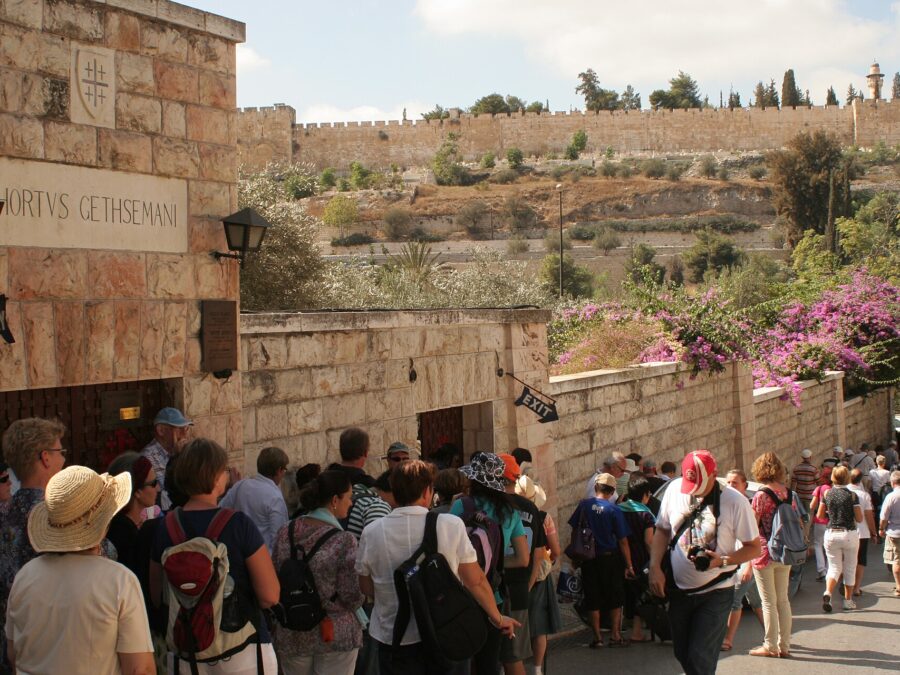
Solo travel in Jerusalem is one of the easier solo trips you can take in the Middle East. The city is compact, English is widely spoken, the historic core is walkable, and the hostel scene is built around independent travelers who arrive alone and leave with a group of new friends. This guide covers where to stay, how safe Jerusalem really is for solo and solo-female travelers, how to meet people, a practical day-by-day plan, and honest 2026 costs in shekels (ILS) so you can budget without surprises.
For broader context, pair this with our Is Jerusalem safe to visit guide and our guide to visiting Jerusalem cheaply. If you are still deciding how long to stay, the Jerusalem itinerary planner and Jerusalem travel tips cover the essentials for first-timers traveling alone. Sort the paperwork first, though: our guide to Israel’s entry and ETA-IL rules sets out what you need before you can board.
Why Jerusalem Works for Solo Travelers
A few things make solo travel in Jerusalem unusually smooth. The Old City and the modern center sit within a 30-minute walk of each other, so you rarely need a car. The Light Rail Red Line runs straight through downtown along Jaffa Road, which means even at night you are not far from a well-lit, busy route home. Israelis are direct and helpful; ask for directions and you will often get walked halfway there.
- Walkable core: Jaffa Gate, the Western Wall, Mahane Yehuda and the German Colony are all close together.
- Strong hostel culture: common rooms, rooftop bars and daily tours are designed to mix strangers.
- English everywhere: menus, signs and staff almost always speak it.
- Free and low-cost things to do: the Western Wall plaza and many viewpoints cost nothing.
- Plenty of structure when you want it: free walking tours and group day trips fill the gaps a solo schedule can leave.
The one thing to plan around is Shabbat. From Friday afternoon until Saturday after dark, most shops, many restaurants, the Light Rail and the buses shut down across Jewish West Jerusalem. Solo travelers who do not prepare can find themselves hungry and stranded on a quiet Saturday. The fix is simple: read our Shabbat in Jerusalem guide, stock up on Friday, and plan a slower Saturday around the Old City, Arab East Jerusalem or a hostel that stays sociable.
Where to Stay as a Solo Traveler
Your choice of base shapes the whole trip. Hostels put you in the middle of the action and make meeting people effortless. Small hotels and Christian guesthouses trade the social buzz for quiet, privacy and an earlier night.
Hostels (best for meeting people)
- Abraham Hostel Jerusalem: the big backpacker hub near Davidka Square on the Light Rail. Its in-house tour desk runs daily trips to the Dead Sea, Masada, Bethlehem and beyond, and the bar makes it the default place to find travel companions.
- Stay Inn Hostel and other downtown options: modern dorms a short walk from Jaffa Road and the nightlife around Mahane Yehuda.
- Old City guesthouses and hostels: simple beds inside the walls near Jaffa Gate, atmospheric but quieter at night once the markets close.
- Typical 2026 cost: a dorm bed runs roughly 90–140 shekels (about $24–38) per night; a private room in a hostel is often 280–420 shekels.
Small hotels (comfort and privacy)
- Where to look: the city center around Mamilla, or the leafy German Colony and Baka neighborhoods, both well connected and pleasant to walk alone at night.
- Solo rooms: many hotels offer single occupancy at a modest discount; always ask, as it is not always shown online.
- Typical 2026 cost: roughly 350–650 shekels (about $95–175) per night for a comfortable mid-range room.
For a deeper comparison of areas and price brackets, see our guides to the best neighborhood to stay in Jerusalem and budget hotels in Jerusalem.
Christian guesthouses (quiet and affordable)
Convents and pilgrim houses such as Notre Dame and the Austrian Hospice rent clean, simple single rooms, often with breakfast and a calm garden. They suit pilgrimage travelers and anyone who wants an early, peaceful night. Expect roughly 200–400 shekels per night, and check whether there is a curfew or quiet hours. Our Christian guesthouses guide lists the main options.
How Safe Is Jerusalem for Solo Travelers?
For everyday tourism, Jerusalem has very low rates of violent street crime, and solo travelers move around the main tourist areas comfortably. The realistic risks are the ordinary ones: pickpockets in crowded markets, getting lost in the Old City’s maze of alleys, and the rare flare-up of regional tension. Check your government’s current travel advisory before you go, and follow local news while you are there.
- Mind your bag in crowds: Mahane Yehuda and the Old City souks are the main pickpocket spots; keep valuables zipped and in front of you.
- Stick to lit, busy routes at night: Jaffa Road, Mamilla, the German Colony and the area around Mahane Yehuda stay lively. The Old City alleys empty out and disorient after dark.
- Respect ultra-Orthodox neighborhoods: areas like Mea Shearim ask visitors to dress very modestly, and you should avoid driving or wandering through them during Shabbat.
- Be calm at checkpoints and security screening: bag checks at site entrances and transport hubs are routine; carry your passport.
- Share your plan: tell hostel staff or someone back home where you are heading each day.
- Emergency numbers: 100 for police, 101 for medical and Magen David Adom ambulance, 102 for fire.
Solo female travelers
Plenty of women travel Jerusalem alone and report feeling safe in the tourist zones. The main adjustments are about dress and area awareness rather than danger. Covering shoulders and knees at holy sites and in religious neighborhoods reduces unwanted attention and is required for entry to many churches, the Western Wall area and mosque compounds. In the Old City markets a firm, friendly “no thanks” handles persistent vendors. Choose accommodation with a 24-hour reception or a women-only dorm if you prefer, keep night travel to the busy central streets, and trust your instincts about any situation that feels off.

How to Meet Other Travelers
Jerusalem makes company easy to find if you put yourself in the right rooms. Solo travel here rarely means lonely unless you want the quiet.
- Hostel common rooms and rooftops: the simplest place to start a conversation; arrive in the late afternoon when people are planning their evenings.
- Hostel day tours: Abraham Hostel and others run group trips that throw solo travelers together for a whole day, often the highlight of a solo trip.
- Free walking tours: daily tip-based tours of the Old City and the modern center are a low-pressure way to meet fellow tourists and a local guide.
- Food tours of Mahane Yehuda: small groups grazing the market stalls bond fast over shared plates.
- Shabbat dinner experiences: several organizations and host families welcome travelers to a Friday-night table, a warm and genuinely social evening.
- Apps and meetups: Couchsurfing hangouts and Meetup-style events surface local gatherings and language exchanges.
A Practical 3-Day Solo Itinerary
This plan balances structured group activities with solo wandering, and keeps the busy Old City for days when it is open and lively. Adjust the order so your free day does not land entirely on Shabbat.
Day 1: Old City on a walking tour
- Morning: join a free or low-cost Old City walking tour from Jaffa Gate to orient yourself through the four quarters.
- Midday: lunch on hummus or a falafel wrap in the Muslim Quarter, then visit the Western Wall plaza (open 24/7, free) and the Church of the Holy Sepulchre.
- Evening: head back for your hostel’s happy hour and line up companions for the next days.
Day 2: Museums and the market by night
- Morning: Yad Vashem, the Holocaust memorial (free entry, closed Saturdays), which many find a powerful place to visit alone.
- Afternoon: the Israel Museum, home to the Dead Sea Scrolls and the Second Temple model.
- Evening: Mahane Yehuda after dark, when the produce market turns into a strip of bars and live music.
Day 3: A group day trip
- All day: a Dead Sea and Masada tour booked through your hostel is the easiest big-ticket excursion to do solo, since the group and transport are handled for you.
- Late afternoon: back in the city, catch sunset over the Old City from the Mount of Olives or the Haas Promenade.
With more time, our 3-day Jerusalem itinerary and day trips from Jerusalem guide add Bethlehem, Ein Gedi and the Galilee to the mix.
Eating Out Alone
Solo dining is genuinely comfortable in Jerusalem. Hummus shops and falafel counters are made for quick, unceremonious solo meals, and nobody blinks at a table for one. For something more social, the bar seats at Mahane Yehuda’s restaurants put you elbow to elbow with locals, and the market’s standing-room stalls let you graze your way through dinner. Cafes are happy for you to linger over a book and a flat white. Most Jewish establishments are kosher and close for Shabbat, so on Friday night and Saturday lean on the Old City, East Jerusalem or hotel restaurants. Our roundup of the city’s best street food is a solo diner’s best friend.

A Solo Spiritual Side
Traveling alone suits Jerusalem’s contemplative side. You can sit at the Western Wall as long as you like, slip into a quiet chapel in the Church of the Holy Sepulchre, or walk the Via Dolorosa at your own pace early in the morning before the groups arrive. Friday-evening Kabbalat Shabbat at the Western Wall, when the plaza fills with singing and dancing, is open to respectful visitors and is one of the city’s most moving free experiences. Dress modestly, keep cameras away during Shabbat at the Wall, and let yourself slow down.
What Solo Travel in Jerusalem Costs in 2026
Solo travelers carry the full cost of a room rather than splitting it, so accommodation is the line item to manage. Hostels keep budgets sane; free sites and street food do the rest. The table below shows realistic 2026 daily figures in shekels.
| Expense | Budget (solo) | Mid-range (solo) |
|---|---|---|
| Bed for the night | 90–140 ILS (hostel dorm) | 350–650 ILS (hotel single) |
| Food for the day | 80–140 ILS (street food, cafes) | 200–320 ILS (sit-down meals) |
| Local transport | About 16 ILS daily travel pass | 16–40 ILS with occasional taxi |
| Sights and a tour | 0–60 ILS (mix free and paid sites) | 60–150 ILS plus a day trip |
| Daily total | About 200–350 ILS | About 600–1,100 ILS |
- Get a Rav-Kav card for the Light Rail and buses; a daily pass caps your transport spend and a single ride is about 6 shekels.
- Stack the free sights: the Western Wall, Yad Vashem, the Old City ramparts viewpoints and walking tours cost little or nothing.
- Eat where locals eat: a falafel or sabich wrap runs roughly 20–30 shekels and fills you up.
- Book day trips through your hostel rather than a private guide to share the cost across a group.
Museums are among the easiest places in the city to spend time on your own, and some of the best are close to empty on a weekday. The Israel Museum stays open until 21:00 on Tuesdays, which makes for an unusually good solo evening, and the Museum for Islamic Art is quiet enough to wander at your own pace for an hour or two. Our guide to museums in Jerusalem has the hours, the prices and an honest view of which are worth the trip.
Final Word
Solo travel in Jerusalem rewards the independent traveler: it is safe enough to relax into, compact enough to cover on foot, and social enough that company is always a hostel bar away. Base yourself somewhere with a tour desk, plan around Shabbat, and give yourself a quiet hour at the Western Wall. Keep planning with our Jerusalem travel tips and the full Jerusalem itinerary planner.