The first time you pay for something in Jerusalem, it will probably be with a card, and it will probably be a tap: a coffee at the airport, a bottle of water at a kiosk, a bus fare. Israel is very card-friendly, and many visitors get through a week barely touching a banknote. Then they walk into the Old City souk, or a hummus place with a hand-written menu, or a taxi rank on a Friday afternoon, and discover that cash still matters. Handling money in Israel well is mostly about knowing which situation you are in.
This guide covers the mechanics: the shekel and its notes and coins, cards and phone payments, ATMs and changing money, paying for buses and trains, tipping, VAT and the tourist refund, and money in Bethlehem and the West Bank. It does not cover what a trip costs; for budgets, see our guide to how much a trip to Jerusalem costs. Payment details were checked in October 2026 against Egged, Rav-Kav and Israel Tax Authority pages; rules on taxes and cash change from year to year, so check the official pages named below before relying on a figure.
Money in Israel at a Glance
| Question | Short answer |
|---|---|
| Currency | New Israeli shekel (₪, code ILS), divided into 100 agorot |
| Banknotes | ₪20, ₪50, ₪100 and ₪200 |
| Coins | 10 agorot, ½ shekel, ₪1, ₪2, ₪5 and ₪10 |
| Cards | Visa and Mastercard almost everywhere; contactless is normal; Apple Pay supported |
| Cash still needed for | Market stalls, small shops, some taxis and tips |
| Dollars and euros | Accepted in some tourist shops, at a poor rate; pay in shekels |
| VAT | 18%, usually included in shelf prices |
| Tipping | Customary in restaurants and on private tours; not usual in taxis |
| Buses | Rav-Kav card, payment apps, and a bank-card tap trial on Egged buses in Jerusalem |
The Shekel
Israel’s currency is the new Israeli shekel, written ₪ or NIS, with the international code ILS. In speech it is simply the shekel, plural shekels in English and shkalim in Hebrew. A shekel is divided into 100 agorot. Prices are written with the ₪ sign before or after the number, or with “NIS”, and you will see all three.
Banknotes
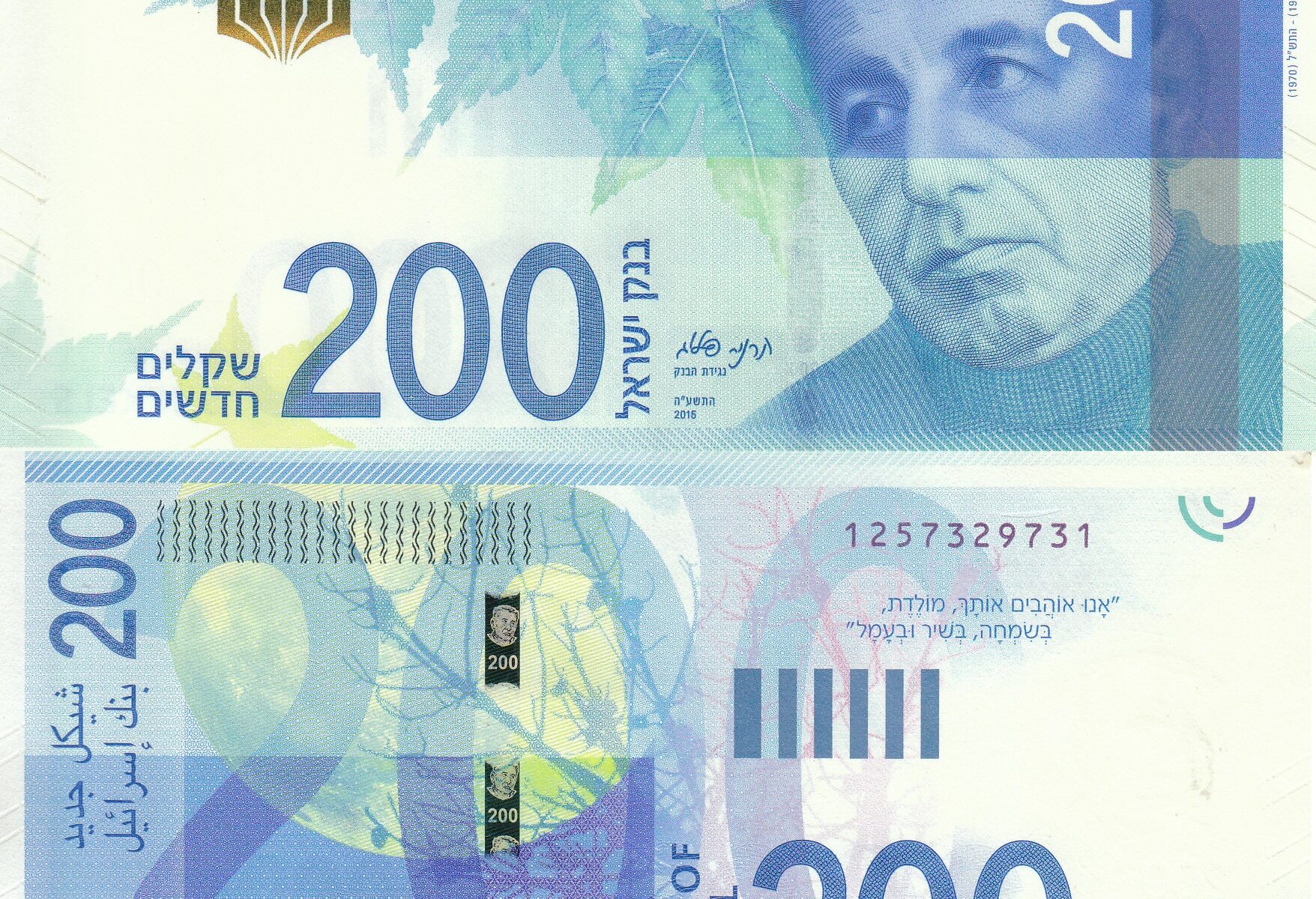
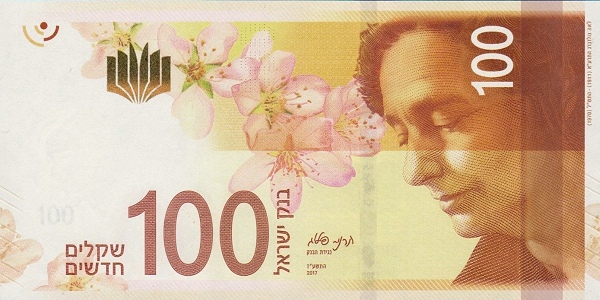
The notes in everyday use are the current series of ₪20, ₪50, ₪100 and ₪200, each a different colour and each carrying the portrait of an Israeli poet. They have a clear vertical layout and large numerals, and they are easy to tell apart. The ₪200 can be awkward in a small shop or a taxi, so break large notes when you can: in a supermarket, a pharmacy or a café.
Coins
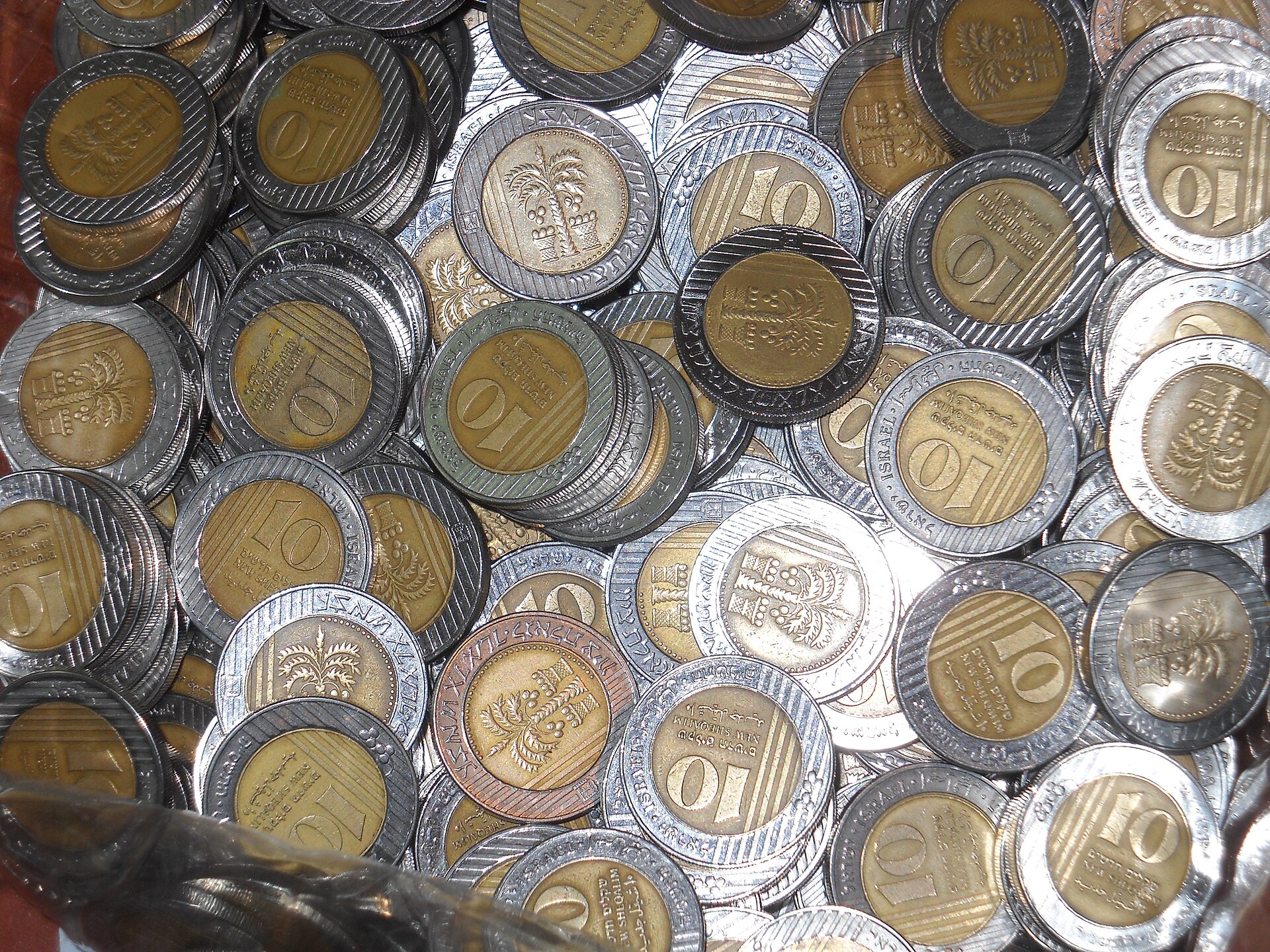
The coins are 10 agorot, half a shekel, ₪1, ₪2, ₪5 and ₪10. The ₪10 coin, gold-coloured in the centre with a silver ring, is the one you will use most, and you will collect a pocketful of it within a day. The 5-agorot coin was withdrawn in 2008, so the smallest coin is now 10 agorot. Keep a few ₪10 and ₪5 coins for markets, kiosks, toilets that charge and public lockers.
Exchange rates
The shekel floats freely, and the rate against the dollar, euro and pound moves daily. Rather than memorise a figure, check the current rate on your bank’s app or the Bank of Israel’s site before you travel, and work out a rough conversion you can do in your head. That makes it much easier to judge a market price or a taxi fare on the spot.
Paying by Card
Cards are the default in Israel. Supermarkets, chain cafés, restaurants, hotels, museums, petrol stations, pharmacies and most shops in West Jerusalem take Visa and Mastercard, and contactless payment is completely normal. American Express and Diners are accepted in fewer places, so carry a Visa or Mastercard as well.
- Phone payments. Israel is on Apple’s list of countries where Apple Pay is supported, and tapping a phone or watch works wherever contactless cards do. Egged’s bus validators accept Google Pay as well; for shops, check with your card issuer.
- Foreign transaction fees. The fee, if any, is set by your own bank, not the Israeli shop. A card with no foreign transaction fee saves real money over a week.
- Always pay in shekels. Card terminals sometimes offer to charge you in your home currency. This is called dynamic currency conversion, and the exchange rate it uses is almost always worse than your bank’s. Choose shekels every time.
- Payment in instalments. Israeli shops often ask whether you want to pay in tashlumim, instalments. This is a local card feature, and the answer for a foreign card is simply “one payment”.
Where cash still matters
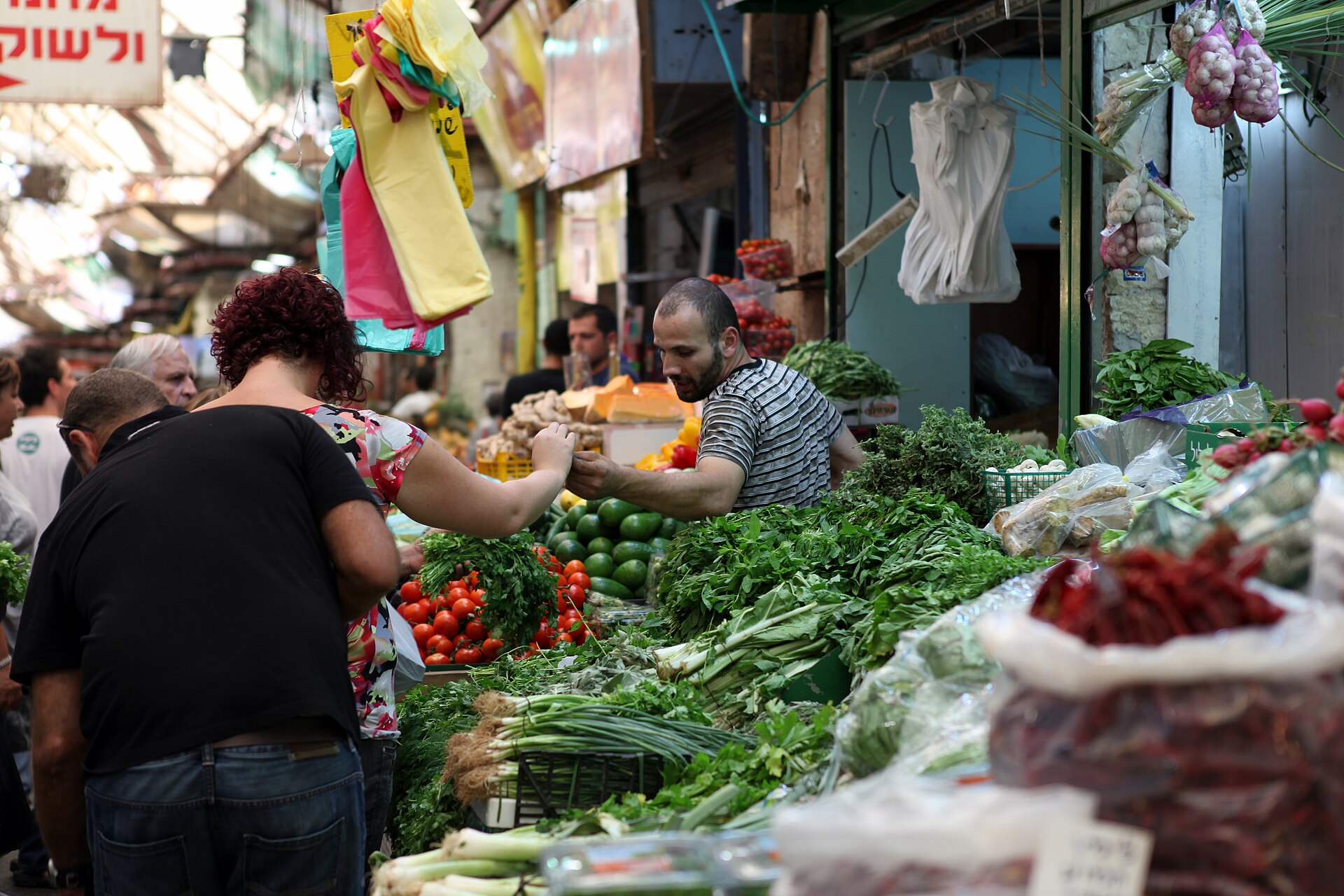
- Markets. Many stallholders in Mahane Yehuda take cards, but some still prefer cash, especially for small amounts. In the Old City souk, cash is the norm, and you will get further in a negotiation with notes in your hand. Our guide to bargaining in Jerusalem’s markets explains how.
- Small shops and street food. Hummus places, falafel stands, bakeries and kiosks, particularly in East Jerusalem and the Old City, may be cash only.
- Taxis. Many drivers take cards, but not all, and a card machine that “isn’t working” is a familiar line. Have cash as a back-up.
- Tips, which are easiest in cash.
- The West Bank. In Bethlehem and Jericho, carry cash; see below.
Paying in Dollars or Euros
Some souvenir shops in the Old City and some tour operators quote prices in US dollars, and a few will accept euros. It is rarely a good deal. The rate is set by the shop, change comes back in shekels, and you lose the ability to compare prices across stalls. Bring a card, withdraw shekels, and pay in shekels. The exceptions are tours and services that price in dollars from the start; there, pay by card in the currency quoted.
ATMs and Changing Money
Cash machines
The simplest way to get shekels is from an ATM with your debit card. Bank ATMs are found outside bank branches, in shopping centres and at the airport, and they offer English menus. Two things to watch:
- Your bank’s fees. Withdrawal and foreign-exchange fees are set by your bank at home. Fewer, larger withdrawals usually cost less than many small ones.
- Independent cash machines. Besides bank ATMs, you will see stand-alone machines in tourist areas, convenience stores and hotel lobbies. Check the fee on screen before you confirm, and, as at a shop till, refuse any offer to convert the amount into your home currency.
Exchange offices
Licensed exchange offices, signed “change”, are easy to find in central Jerusalem and around the Old City gates. Rates vary, and the advertised “no commission” rate is not always the best one; compare what you will actually receive for your notes. Airport exchange counters are convenient but tend to offer worse rates than the city. Never change money with someone who approaches you in the street.
How much cash to carry
For most visitors, a few hundred shekels at a time is plenty, topped up as needed. Israel limits large cash payments to businesses under its laws on reducing the use of cash, so big purchases, such as jewellery or a tour package, are normally paid by card or transfer anyway. If you are planning a large cash purchase, check the current rules on the Israel Tax Authority’s pages first.
Paying for Buses, Trains and Taxis
Rav-Kav and payment apps
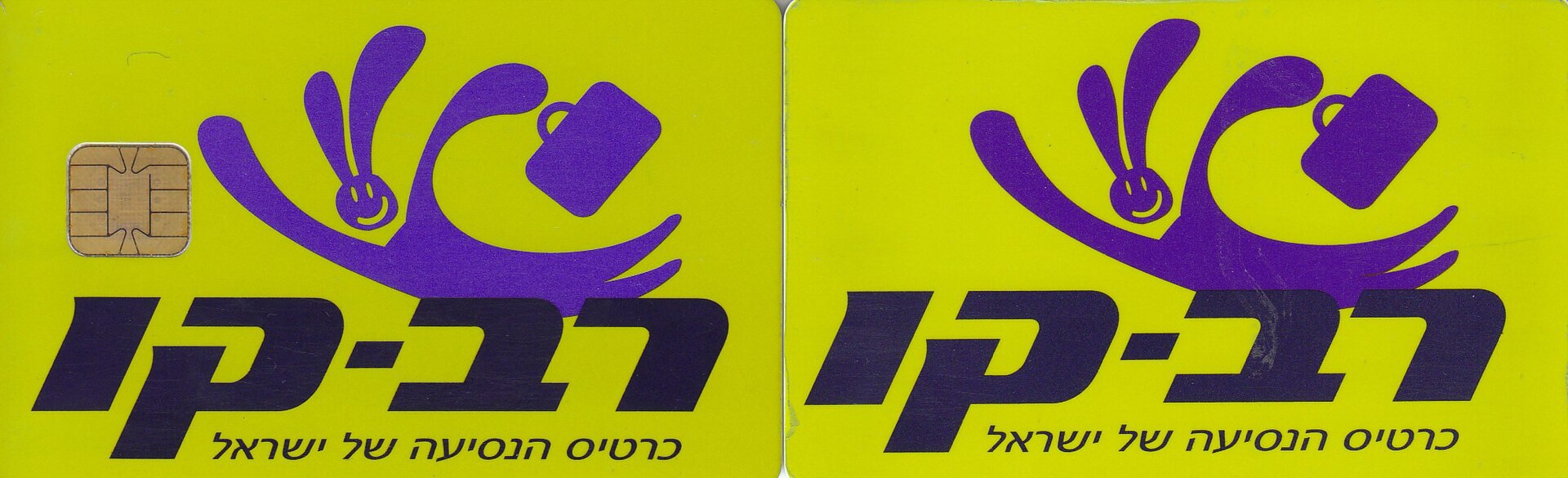
Israel’s public transport runs on the Rav-Kav, a smart card you load with credit or with passes, and on mobile payment apps that work alongside it. Rav-Kav cards can be loaded at service stations with cash or a card, on the Rav-Kav Online website, or through its app. Rav-Kav Online has a page for tourists explaining which card to use.
Tapping a bank card on the bus
Since 18 January 2026, Egged has been running a trial in Jerusalem that lets passengers pay by tapping a bank card, Apple Pay or Google Pay on the bus validator, as an extra option alongside the Rav-Kav. Egged still describes it as a pilot, so it may not work on every bus or every line, and other operators may not offer it. Keep a loaded Rav-Kav or a payment app as a back-up. Our guides to getting around Jerusalem and the light rail explain fares, transfers and how to use the validators, and our airport transfer guide covers paying for the train from Ben Gurion.
Taxis
Israeli taxi drivers are obliged to use the meter, and failing to switch it on is one of the complaints the State Comptroller has examined. Ask for the meter (moneh) when you get in. For some intercity trips, such as to the airport, a fixed fare may be available; agree it before you set off and know roughly what the meter would show. Taxi apps that show the fare and take payment by card avoid the argument altogether.
Tipping in Israel
Tipping is part of the culture in Israel, and in restaurants it is the custom to leave a tip. These are the common customs rather than rules, but they will keep you on the right side of local expectations.
| Situation | Custom |
|---|---|
| Sit-down restaurants | Around 10 to 15 per cent, unless a service charge is already on the bill |
| Cafés with table service | Similar to restaurants; at the counter, rounding up or a coin in the jar |
| Bars | A tip with table service; a few shekels at the bar |
| Taxis | Not expected; rounding up the fare is a kindness |
| Hotel staff | Something for porters; something for housekeeping at the end of a stay if you wish |
| Guides and drivers | Common on private and multi-day tours; see below |
Restaurants: check the bill first
Some restaurants, especially for larger groups, add a service charge (dmei sherut) to the bill; others don’t. Look before you add a tip, so you don’t pay twice. Many diners prefer to leave the tip in cash, even when they pay the bill by card, because it reaches the staff directly; if you add it to the card payment, tell the waiter the total you want charged before they run the card. Our guide to the best restaurants in Jerusalem and our Jerusalem food guide have more on eating out.
Guides and drivers
Tipping licensed guides and tour drivers is common on private tours and multi-day trips, though practice varies. Some group tour companies suggest an amount, so check with yours; for a private guide, a tip in proportion to the tour price and how much you enjoyed it is normal. Cash in shekels, handed over at the end, is the simplest way. Our round-up of the best Jerusalem tours discusses how to choose a guide.
VAT, the Tourist Refund and Eilat
VAT in prices
Israel’s VAT has been 18% since 1 January 2025. It is almost always included in displayed prices in shops and restaurants, so the price on the shelf is the price you pay.
The tourist VAT refund
Foreign tourists can claim back VAT on goods bought in Israel and taken out of the country, under a scheme run under the Israel Tax Authority. The broad mechanics are straightforward:
- Shop at a participating store. Not every shop takes part. Look for a tax-refund sign, or ask before you pay.
- Ask for the refund paperwork at the time of purchase, and keep it with your receipt and the goods.
- Claim before you fly. At Ben Gurion, go to the VAT refund desk before check-in and security, with your passport, the goods, the tax invoice and the designated form. The refund itself is paid in the departures hall after passport control. Leave plenty of time; queues build before busy departures.
The Israel Tax Authority’s guide for tourists sets the minimum at ₪186 per purchase, including VAT, at certified shops, and a fee applies if you take the refund in cash or by bank transfer. Conditions change, so check the current guide on the Israel Tax Authority’s pages on gov.il, and ask the shop, before you buy something expensive on the strength of a refund.
Hotels
Foreign tourists may be exempt from VAT on hotel accommodation, which is why a hotel may ask to see your passport and entry slip at check-in. The rules depend on your visa status and how you booked, so ask the hotel and check the Israel Tax Authority’s pages on gov.il for how it applies to your stay.
Eilat
Eilat has a special VAT regime as a free trade zone, so some prices there may not include VAT; check the current rules on the Israel Tax Authority’s pages before you rely on it. If you are heading south, our Jerusalem to Eilat guide covers getting there.
Shabbat and Money
From Friday afternoon until Saturday night, most Jewish-owned businesses in West Jerusalem close, including banks, many shops and most exchange offices, and buses from Jerusalem stop. Cash machines keep working, and cards work wherever businesses are open. In East Jerusalem and the Old City’s Muslim and Christian Quarters, many shops and restaurants stay open on Saturday, though some close on Friday for prayers or on Sunday. Make sure you have cash and a loaded transport card before Friday lunchtime. Our guide to Shabbat in Jerusalem explains what stays open.
Money in Bethlehem and the West Bank
The shekel is also the main currency in the Palestinian territories; under the 1994 Paris Protocol between Israel and the PLO, the Palestinians do not issue their own currency. The Jordanian dinar and the US dollar are also used, mostly for savings and durable goods, and you may see dollar prices in some tourist shops. For a day trip, shekels are all you need.
Card acceptance is patchier in Bethlehem and Jericho than in Jerusalem, so carry enough cash for lunch, entry fees, souvenirs and a taxi. Our Bethlehem day trip guide covers the checkpoint, the taxis and what to see.
Scams and Mistakes to Avoid
- Dynamic currency conversion. At card terminals and cash machines, always choose to be charged in shekels.
- Street money changers. Use a licensed exchange office or an ATM, never someone in the street.
- The unmetered taxi. Ask for the meter; if an intercity trip has a fixed fare, agree it before you set off, not at the end.
- The ₪200 note at a kiosk. Break big notes in larger shops so you are not stuck without change.
- “Dollar prices” in the souk. Ask for the price in shekels and compare it with your own conversion.
- Double tipping. Check the bill for a service charge before you add a tip.
A Simple Money Plan for Your Trip
- Bring a Visa or Mastercard with no foreign transaction fee, plus a back-up card kept separately.
- Set up your phone for contactless payment if your bank supports it in Israel.
- Withdraw a few hundred shekels from a bank ATM on arrival, and top up as you go.
- Load a Rav-Kav card or a transport payment app for the buses and the light rail.
- Keep ₪10 and ₪5 coins for markets, tips and small purchases.
- Before Shabbat, check you have cash and transport credit.
- For big purchases, ask the shop about the VAT refund before you pay.
For more practical advice before you go, our Jerusalem travel tips and our guide for first-time visitors cover everything from dress to safety, and our Israel visa guide explains the ETA-IL you need before you fly.
Paying by phone works almost everywhere in Jerusalem, but only if your phone has a connection when you reach the till or the light rail validator. If you haven’t sorted that yet, our guide to Israel eSIMs and SIM cards compares travel eSIMs, local prepaid SIMs and home-carrier roaming, with what each costs.
Final Word on Money in Israel
Paying in Israel is easy once you know the pattern: card for almost everything, shekels in your pocket for markets, taxis and tips, a loaded Rav-Kav for the buses, and a little care at cash machines and card terminals. Sort those out on your first morning and money stops being something you think about. For how far your shekels will go, see our guide to Jerusalem on a budget; for what to spend them on, our Jerusalem shopping guide and the Mahane Yehuda Market guide are good places to start.
Photo Credits
₪200 banknote, both sides: 200 New Sheqalim2015 Obverse & Reverse by Bank of Israel, use permitted by the Bank of Israel Currency Department, via Wikimedia Commons.
₪100 banknote: 100 Israeli new shekel in 2017 Obverse by Adambps1900, CC BY-SA 4.0, via Wikimedia Commons.
Rav-Kav card: Rav-Kav A by Umclidet, CC BY-SA 3.0, via Wikimedia Commons.