At a quarter to twelve the Franciscans at Capernaum stop letting visitors in, and the gate stays shut until two. On the Mount of Beatitudes, a few minutes up the hill, the church closes at half past eleven. Those two small facts sink more Galilee day trips than traffic ever does, because a coach that left Jerusalem at seven and stopped in Nazareth first tends to reach the lake just as the gates close. A Galilee tour from Jerusalem works far better with a night or two by the water, and this page explains how to plan one, and says plainly when the day trip is the wrong choice.
It covers how to get there by car, bus or tour, where to base yourself, a two-day plan that works around the lunchtime closures, a three-day version with Safed and the Arbel cliffs, opening hours and fees for the main sites, and how Shabbat, dress codes and official travel advice affect the trip. Site hours, fares and travel advice were checked in October 2026. Treat them as a guide rather than a guarantee, and check the sites and your government’s advice before you set out.
The Galilee from Jerusalem at a Glance
| Question | Short answer |
|---|---|
| How far? | About two to two and a half hours by car to the Sea of Galilee; Nazareth is a little closer. |
| Day trip or overnight? | Overnight. Two nights if you want Nazareth, the lake and a little hiking without rushing. |
| Best base | Tiberias for the lake; Nazareth for pilgrims and food; a kibbutz guesthouse for quiet. |
| Getting there | Hire car is easiest. Direct buses run to Tiberias and Nazareth; tours run from Jerusalem. |
| The catch | Capernaum and the Mount of Beatitudes close for two to two and a half hours at midday. |
| Shabbat | Buses from Jerusalem stop. Tiberias and Safed go quiet; Nazareth stays busy on Saturday. |
| Best months | March to May and October to November. |
| Combine with | Jordan, via the Sheikh Hussein crossing south of the lake. |
When the Day Trip Is the Wrong Choice
Our Nazareth day trip guide shows how to make a single day work, and for some visitors it is the right answer. But the standard “Nazareth and the Sea of Galilee in a day” trip asks a lot. Here is why it so often disappoints.
- The driving. Four to five hours on the road, there and back, before you have seen anything. Add a stop in Nazareth and the lake sites are squeezed into a few hours in the middle of the day.
- The midday closures. Capernaum closes from 12:00 to 14:00, the Church of the Beatitudes from 11:30 to 14:00, and some other church-run sites keep similar hours. A day trip arrives at the lake at exactly the wrong time, or rushes Nazareth to beat the clock.
- The light and the water. The lake is at its loveliest early in the morning and in the evening, when the hills of the Golan turn pink across the water. A day trip sees it at noon, flat and hazy, through a coach window.
- What gets cut. A boat on the lake, the Arbel cliffs, Safed, Beit She’an and an unhurried lunch in Nazareth are usually the first casualties.
The day trip is the right choice if you pick one cluster and stick to it: Nazareth on its own, or the lakeside sites on their own with a private driver who starts early. It also works on a well-run organised tour, where the guide sequences the stops around the closures. What does not work is trying to do everything in one day on your own. If you want both Nazareth and the lake, give it at least one night.
Getting There
| Car | Bus | Tour | |
|---|---|---|---|
| Time | About 2 to 2½ hours to Tiberias | About 2 hours to Tiberias; about 1¾ to Nazareth | Depends on the itinerary |
| Flexibility | Total | Limited once you arrive | None, but no planning either |
| Lakeside sites | Easy | Hard without taxis | Included |
| Shabbat | Drive any day | No service Friday afternoon to Saturday night | Some operate |
| Best for | Couples, families, independent travellers | Solo travellers on a budget, Nazareth-only trips | Pilgrim groups, first-time visitors, non-drivers |
By car
A hire car makes the Galilee far easier, because the sites are spread out around the lake and the hills, and public transport between them is thin. There are two main routes from Jerusalem. The faster one runs west and north on Route 6, the toll motorway, then across the hills to Nazareth or down to Tiberias. The other runs east down to the Dead Sea and north through the Jordan Valley on Route 90, past Jericho and Beit She’an. The Jordan Valley road passes through the West Bank for much of its length; it is a main highway used every day by Israeli and foreign drivers, but in October 2026 the UK advised against all but essential travel to most of the West Bank, Route 90 north of Jericho included, so check your hire company’s terms and your government’s travel advice before you choose it. A good plan is to go up one way and come back the other.
By bus
Direct buses leave from Jerusalem Central Bus Station. Egged runs several routes to Tiberias, often two or three an hour through the day, some via Route 6 and some via the Jordan Valley, taking around two hours. Nazareth is harder: the direct service runs only about five times a day, with the first Sunday-to-Thursday departure around midday, and takes about an hour and three quarters, so many travellers go via Tiberias or change elsewhere. Check current times on Moovit or the operator’s site, and remember that there is no service on Shabbat or Jewish holidays. Our guide to getting around Jerusalem explains the Central Bus Station.
The bus gets you there; it does not get you around. Once you are in Tiberias, local buses along the lakeshore are infrequent, and many of the sites sit a walk from the nearest stop. Budget for taxis, join a local half-day tour, or hire a car for a day in Tiberias.
By tour
Many Jerusalem operators sell two- and three-day Galilee tours, often combined with Nazareth, the Jordan River and the Golan, and pilgrimage companies run longer versions. A good tour handles the driving, the closures and the boat. Check what is included: hotels, meals, entrance fees and the boat ride are not always in the headline price. Our guide to the best Jerusalem tours explains how to judge an operator.
Where to Base Yourself
- Tiberias is the practical hub, on the western shore of the lake. It has the most accommodation at every price, a lakeside promenade, restaurants and boat departures. It is not a beautiful town, but it is central, and everything around the lake is within half an hour.
- Nazareth suits pilgrims and anyone who wants to stay in an Arab city with a lively old market and a strong food culture. It is about 40 minutes from the lake by car, so it works best for a first night, before you move down to the water.
- Kibbutz guesthouses around the lake and in the hills suit drivers who want quiet, gardens and a lake view. Several have private beaches.
- Safed (Tzfat), high in the hills to the north, is atmospheric for a night if you are interested in Jewish mysticism and do not mind a longer drive to the lake.
Two nights in one base is simpler than moving every night. If you want to stay in both Nazareth and Tiberias, do Nazareth first and the lake second.
The Two-Day Plan
This version assumes a car and a start from Jerusalem early on a weekday. It visits Nazareth on the first day and the lake on the second, working around the closures rather than against them.
Day one: Nazareth and the hills
- 07:00 Leave Jerusalem on Route 6. Aim to be in Nazareth by about 09:30.
- Morning The Basilica of the Annunciation and St Joseph’s Church next door, then the old market and the Greek Orthodox Church of St Gabriel at Mary’s Well.
- Lunch in Nazareth, which has some of the best food in the north.
- Afternoon Choose one: Zippori National Park for its Roman mosaics, Mount Tabor for the Church of the Transfiguration and the view, or Cana, the traditional site of the wedding feast.
- Evening Drive down to Tiberias or your lakeside guesthouse in time for sunset over the water.
Day two: around the lake
- 08:00 The Mount of Beatitudes, as the gates open, when the gardens are quiet and the light is soft on the water below.
- 09:00 Tabgha, with the Church of the Multiplication and its famous loaves-and-fishes mosaic, and the Church of the Primacy of St Peter on the shore.
- 10:30 Capernaum, before the 11:45 last entry: the white synagogue, the remains of the town and the modern church over the house of St Peter.
- Midday Use the closures for the things that do not close: a boat on the lake, the ancient boat at Ginosar (Sunday to Thursday), or the excavated first-century synagogue at Magdala. Then lunch by the water.
- Afternoon Drive up to the Arbel cliffs for the view over the lake, or, if it has reopened, visit the Yardenit baptismal site on the Jordan River at the southern end of the lake.
- Late afternoon Head home down the Jordan Valley, stopping at Beit She’an if you have time, or take Route 6 for speed.
The Three-Day Version
A third day turns the trip from good to relaxed, and adds the two things most people regret missing.
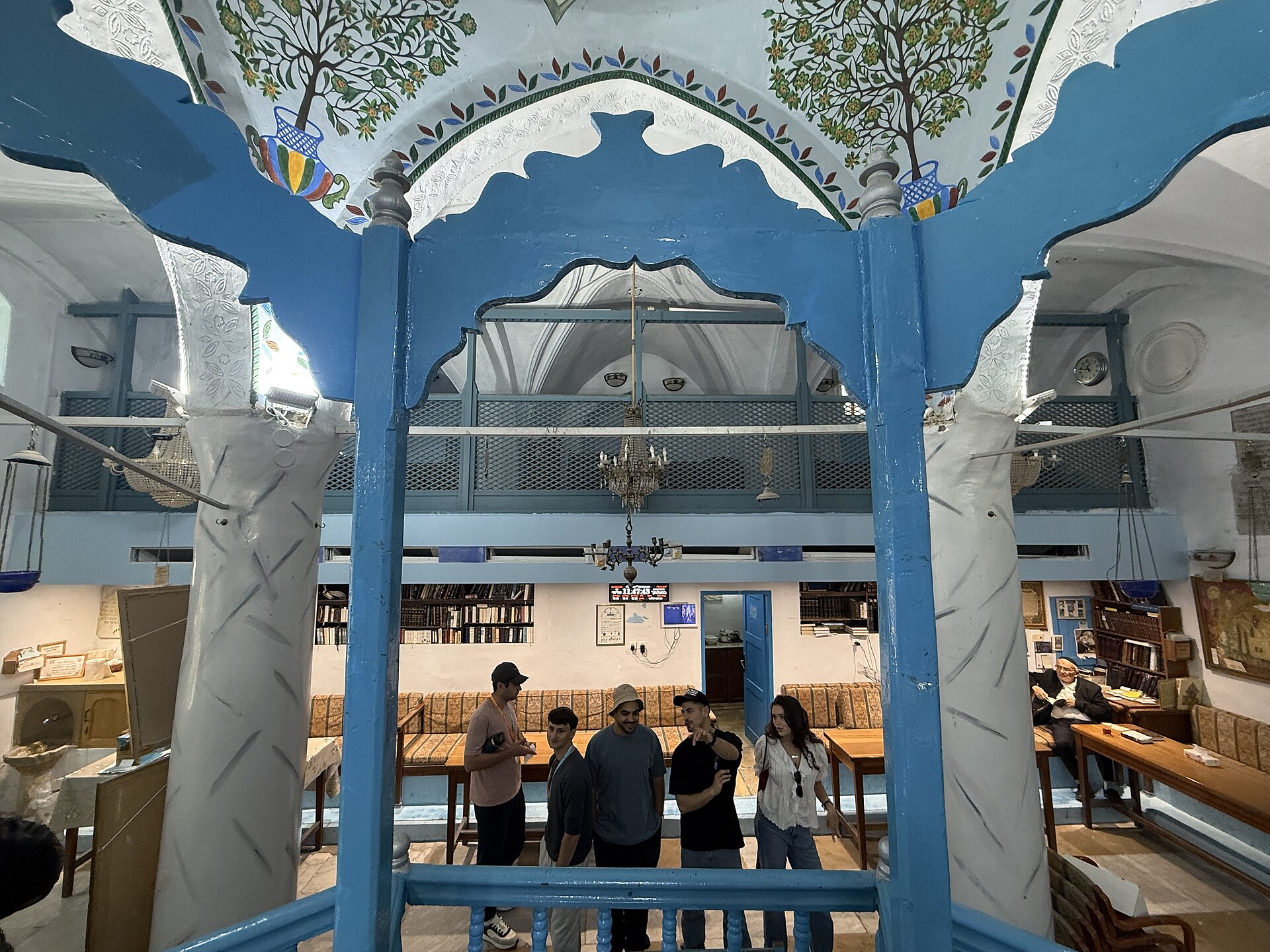
- Safed (Tzfat). High in the Upper Galilee, Safed became the centre of Jewish mysticism in the sixteenth century, when scholars of the Kabbalah gathered there. Its old quarter is a maze of stone lanes, blue-painted doors and small synagogues, including the Abuhav and the Ari, and there is an artists’ quarter below. Go in the morning, dress modestly, and avoid Friday afternoon and Saturday, when the town closes for Shabbat.
- The Arbel hike. Mount Arbel National Park has trails along and down the cliffs above the lake, with some of the best views in the country. The steeper routes use handholds and are not for anyone nervous of heights. Start early and carry plenty of water.
With a car, a third day can also take in the Golan Heights above the eastern shore, with its wineries, waterfalls and viewpoints. Read the travel advice section below first, because parts of the far north and the Golan were under official warnings in 2026.
The Main Sites
Nazareth
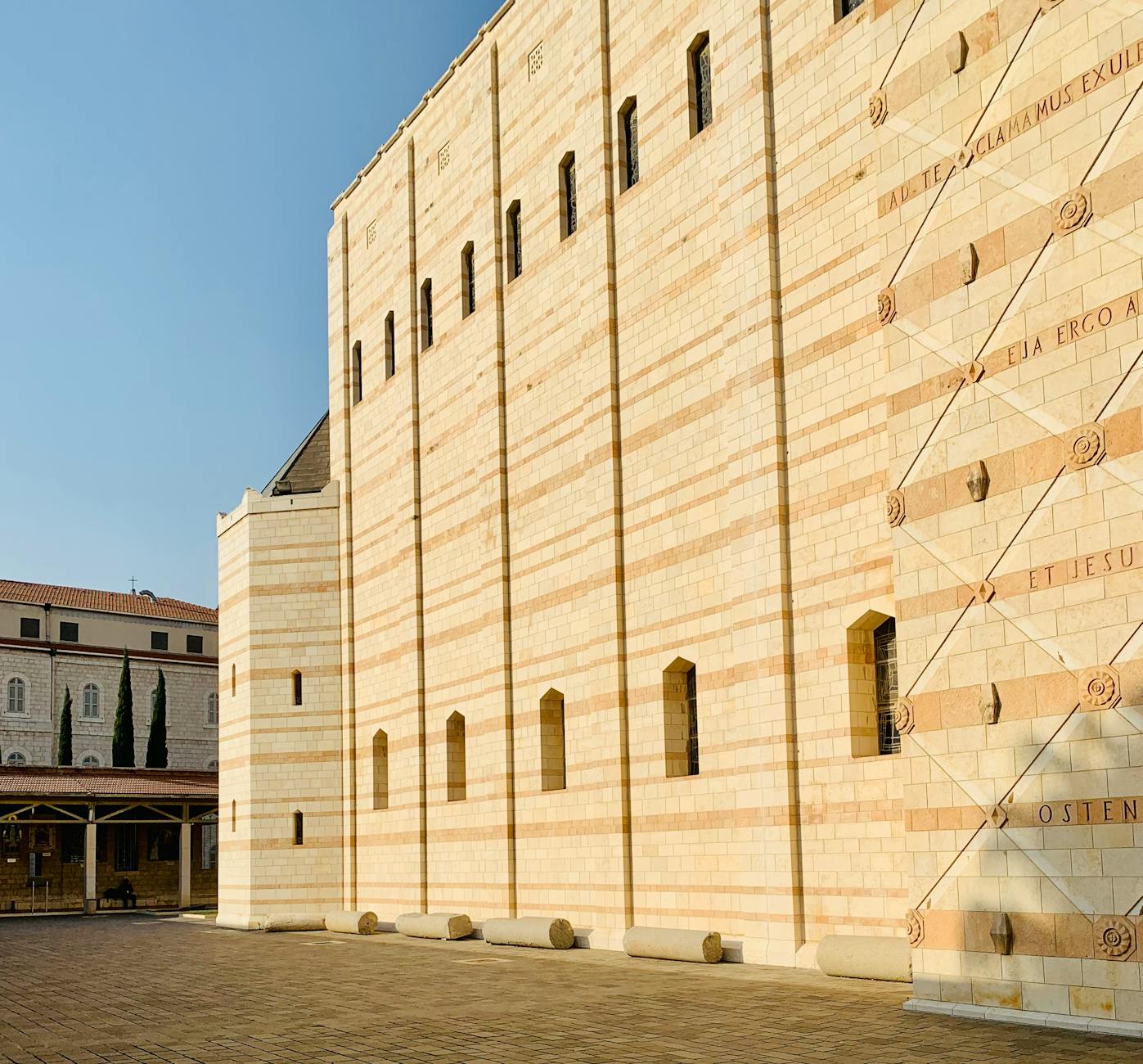
- The Basilica of the Annunciation. Built over the grotto venerated as the home of Mary, it was completed in 1969 and is one of the largest churches in the Middle East. The walls of the upper church and courtyard are lined with images of the Virgin Mary from Catholic communities around the world. The Christian Information Centre listed the grotto and the upper basilica as open to visitors from 08:00 to 18:00 in 2026, with last entry 15 minutes before closing. Entry is free.
- St Joseph’s Church, next door, built over the traditional site of Joseph’s workshop.
- The Church of St Gabriel and Mary’s Well. The Greek Orthodox tradition places the Annunciation at the spring, and the church is built over it.
- The old market, a warren of lanes below the basilica, livelier on weekdays and Saturdays than on Sundays.
- Nazareth Village, a reconstruction of a first-century farm and village with costumed guides. Visits are by reservation only, so book and check its current opening days before you go.
Around the Sea of Galilee
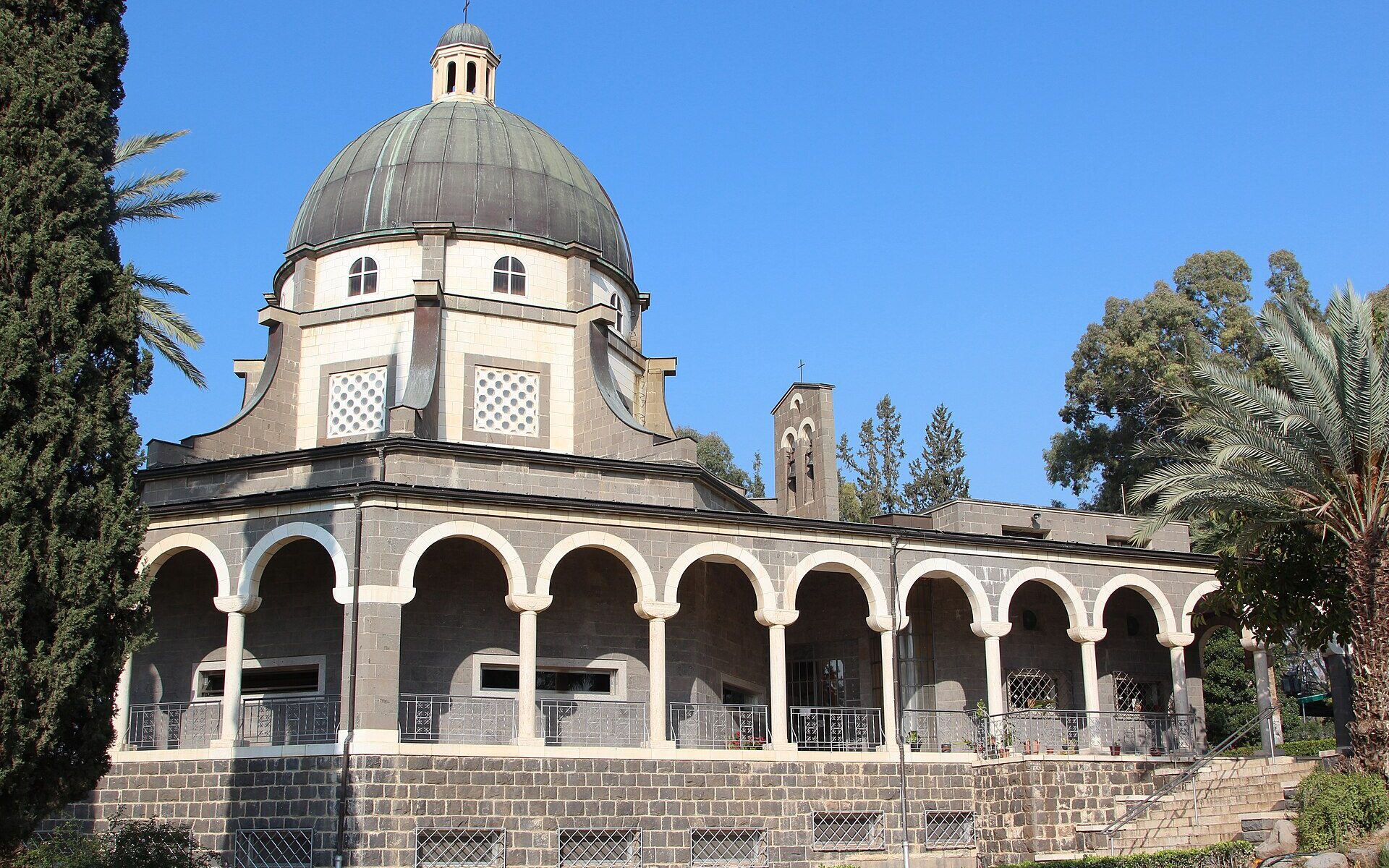
- The Mount of Beatitudes, the traditional site of the Sermon on the Mount, with an octagonal church set in gardens above the lake. Open 08:00 to 11:30 and 14:00 to 16:30 in 2026, with a parking charge of ₪30 per car.
- Tabgha, on the shore below, with the Benedictine Church of the Multiplication and the Franciscan Church of the Primacy of St Peter.
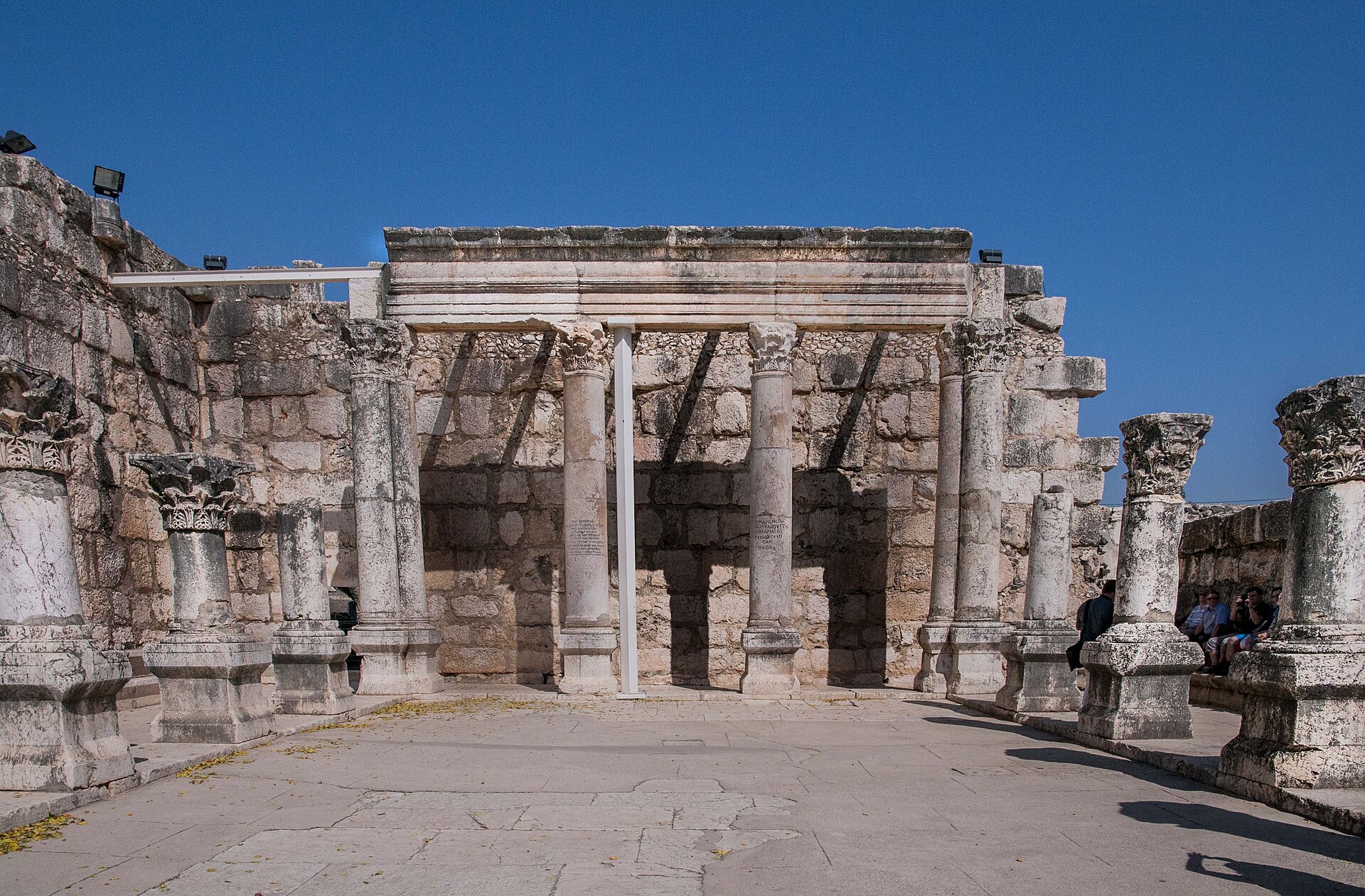
- Capernaum, the fishing town at the centre of Jesus’s ministry in the Gospels. Open 08:00 to 12:00 and 14:00 to 17:00, with last entry 15 and 30 minutes before closing; entry ₪10. It closes on Yom Kippur, Christmas Day and New Year’s Day.
- Magdala, the home town of Mary Magdalene, where a first-century synagogue was discovered in 2009.
- The ancient boat at Ginosar, a fishing boat from around the time of Jesus, found in the mud of the lakeshore in 1986 and now displayed in a museum.
- Yardenit, a baptismal site on the Jordan River just south of the lake, run by a kibbutz and popular with pilgrim groups. Its website said it was temporarily closed in October 2026, so check before you go.
- Tiberias, with its lakeside promenade, old walls, and the hot springs and mosaic synagogue floor at Hamat Tiberias.
On the lake
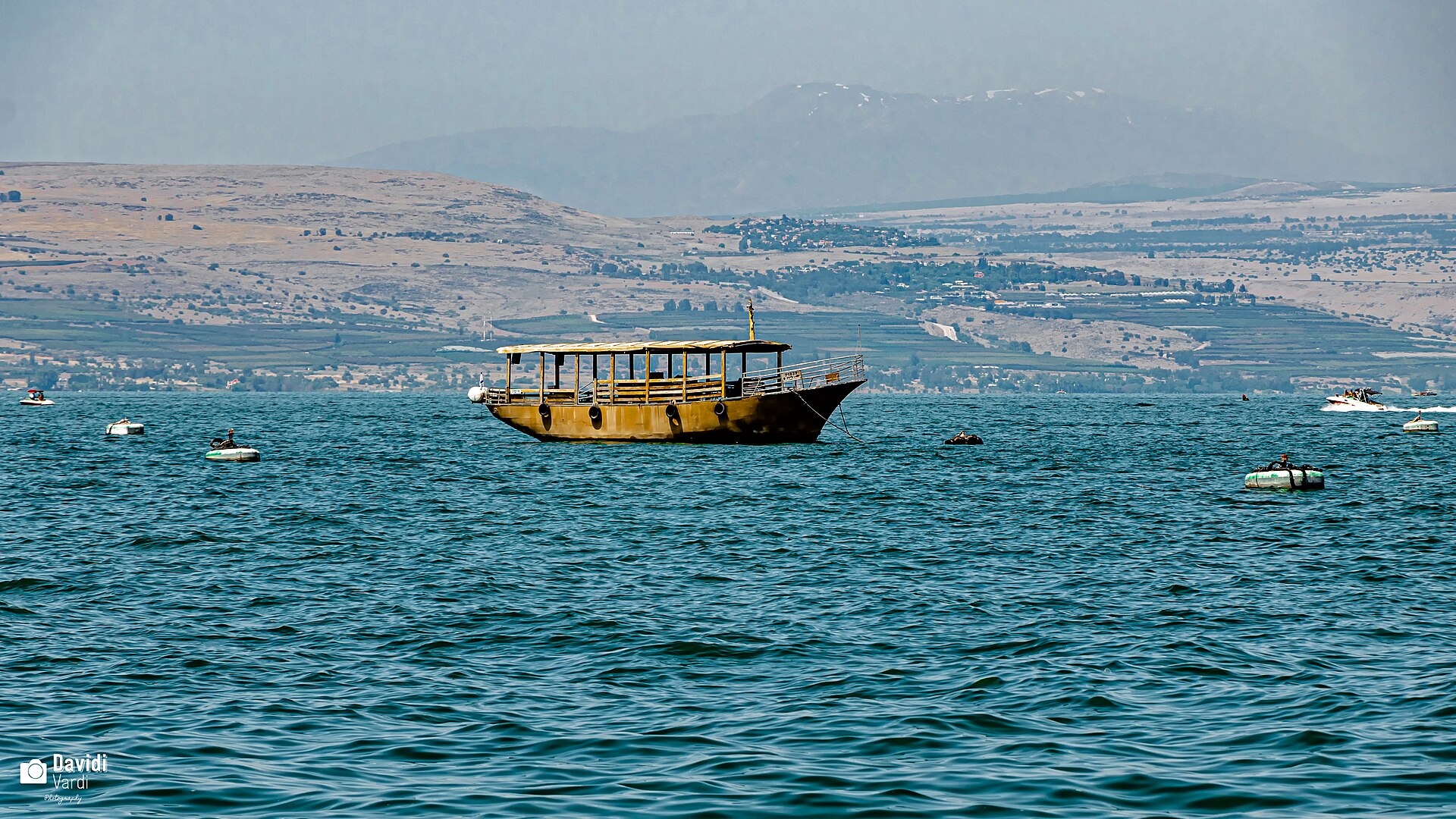
A boat trip on the Sea of Galilee is the one experience pilgrims mention most often afterwards. Wooden boats built to look like old fishing vessels run from Tiberias and from Ginosar, usually for groups, and individuals can often join one with space. A trip lasts about 45 minutes to an hour. The lake is small, about 21 kilometres long, so on a clear day you can see the whole of it, from the Golan cliffs to the hills above Tiberias.
Further afield
- Beit She’an National Park, one of the most impressive Roman and Byzantine cities in Israel, with a theatre and colonnaded streets, brought down by an earthquake in the eighth century. It sits on Route 90, an easy stop on the way back to Jerusalem.
- Zippori National Park, a Roman and Byzantine town in the hills near Nazareth, known for its mosaic floors.
- Mount Tabor, the traditional site of the Transfiguration, with a Franciscan basilica on its summit and wide views over the Jezreel Valley.
National parks run by the Israel Nature and Parks Authority close in the late afternoon and earlier on Fridays and holiday eves. Check the hours for each before you set out.
Shabbat, Sundays and Dress
The Galilee is a patchwork of Jewish, Arab Muslim, Arab Christian and Druze towns, and the weekly rhythm changes from one to the next.
- Tiberias and Safed are Jewish towns. Much closes from Friday afternoon until Saturday night, and Safed in particular goes very quiet. Do not drive into the old quarter of Safed on Shabbat.
- Nazareth is an Arab city, mostly Muslim with a large Christian community. It is busy on Saturday, when Israelis from all over the north come to eat and shop, and quieter on Sunday, when many Christian-owned businesses close.
- Buses mostly stop on Shabbat, including all the services from Jerusalem. If you are relying on public transport, avoid travelling between Friday afternoon and Saturday night. Our guide to Shabbat in Jerusalem explains how it works.
- Dress. Churches expect shoulders and knees covered, and the Mount of Beatitudes is strict about it. Safed’s synagogues expect the same, with a head covering for men. Our Jerusalem dress code guide applies equally here.
Travel Advice for the North
The Galilee has been under more changeable official advice than Jerusalem since 2023, because of the conflict along the Lebanese border. In October 2026 the UK Foreign, Commonwealth & Development Office advised against all travel to a strip of the far north defined by roads: north of Route 89 between Nahariya and Dalton, north of a line east from Dalton to Route 91, and north of Route 91 across the Golan Heights. It also advised against all travel within 500 metres of the Area of Separation, the ceasefire line along the Golan’s eastern edge. The Sea of Galilee, Nazareth and Tiberias lie well south of those lines; Safed is close to them, so check the map. The US State Department publishes its own advice with its own boundaries, and the two do not always match.
Advice for the north has changed several times since 2023 and can change again at short notice. Read your own government’s current advice before you go, check that your insurance covers every area on your route, and follow the instructions of local authorities while you are there. This guide describes the trip; it does not tell you whether to make it. For the picture in Jerusalem itself, see our guide to whether Jerusalem is safe to visit.
Adding Jordan
The Jordan River crossing, known in Jordan as the Sheikh Hussein Bridge, lies south of the lake near Beit She’an, which makes the Galilee a natural first stage of a trip into Jordan. Many nationalities can buy a Jordanian visa on arrival there, and Jerash and Amman are within easy reach on the other side. A strong week runs: two nights in the Galilee, cross at Sheikh Hussein, Jerash on the way to Amman, then south to Petra, and back to Jerusalem by another crossing. Our guide to the Jerusalem to Jordan border crossing covers the rules for each crossing, and our page on trips from Jerusalem shows how the routes fit together.
When to Go
Spring, from March to May, is the classic season, with green hills, wildflowers and comfortable temperatures. Autumn, from October to November, is the other good window. Summer around the lake is hot and humid, because the Sea of Galilee lies more than 200 metres below sea level, so start early and plan the middle of the day around shade and water. Winter brings rain and cool days, but also clear air and fewer visitors.
Easter and Christmas bring pilgrim groups, and the Jewish holidays bring Israeli families to the lakeshore, especially Passover and Sukkot. Book accommodation early for those periods, and check our religious holidays calendar for the dates.
Is the Galilee Worth Two Days from Jerusalem?
Yes, and for many visitors it becomes one of the best parts of the trip. The Galilee is greener, quieter and slower than Jerusalem, and for Christian visitors the lakeside sites are where the Gospel stories feel closest. Two nights lets you see Nazareth properly, be at the Mount of Beatitudes when the gates open, and take a boat across the water in the middle of the day while the churches are closed.
If you can only spare one day, choose: Nazareth or the lake, not both, unless you are on a well-planned tour. And if you are a pilgrim planning the whole journey, our Christian pilgrimage guide shows how the Galilee fits with the Jerusalem sites, from the Via Dolorosa to the Church of the Holy Sepulchre.
If the Galilee is one stage of a longer pilgrimage, consider starting here rather than in Jerusalem. Our Holy Land pilgrimage itinerary spends three nights by the lake before moving south to Jerusalem, Bethlehem and the Jordan River, so the journey follows the Gospel story in order.
If you are driving north anyway, the Mediterranean coast makes a natural first night before the lake. Our guide to Caesarea, Haifa and Akko shows how Herod’s harbour, the Bahá’í Gardens and Akko’s Crusader halls fit into a day or two on the way to Nazareth and the Sea of Galilee.
Final Word on a Galilee Tour from Jerusalem
Give the Galilee a night, or better two, and plan the days around the gates: Nazareth on the first morning, the Mount of Beatitudes and Capernaum early on the second, the lake itself in the middle of the day. Hire a car if you can, avoid Shabbat if you cannot, and read the travel advice for the north before you go. For everything closer to Jerusalem, see our guide to day trips from Jerusalem; to balance the city against the rest of the country, read how many days in Jerusalem; and for the practicalities, our Jerusalem travel tips.
Photo Credits
The Church of the Beatitudes above the Sea of Galilee: Holy Land 2016 P0328 Mount of Beatitudes Church of the Beatitudes Tabgha by Fallaner, CC BY-SA 4.0, via Wikimedia Commons.
Inside the Abuhav Synagogue, Safed: Abuhav Synagogue Safed Avney Moreshet 41f0dc39 by Shlomo Rodad (שלמה רודד), CC BY 2.5, via Wikimedia Commons.
The white synagogue at Capernaum, on the Sea of Galilee: 0016עתיקות כפר נחום by עמוס גל, CC BY-SA 4.0, via Wikimedia Commons.
A tour boat on the Sea of Galilee: 102816 a boat in the sea of galilee PikiWiki Israel by דוידי ורדי, CC BY 2.5, via Wikimedia Commons.