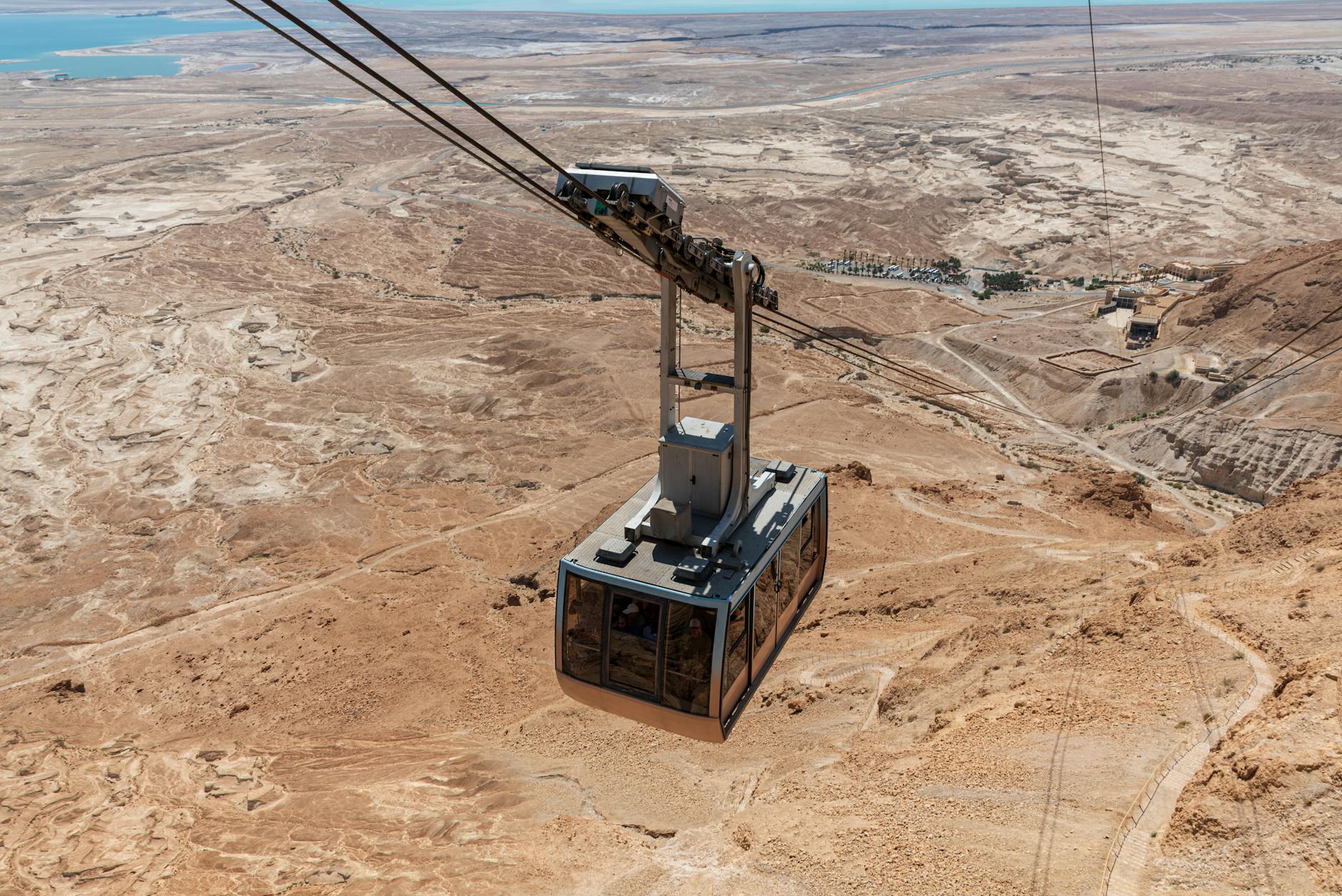
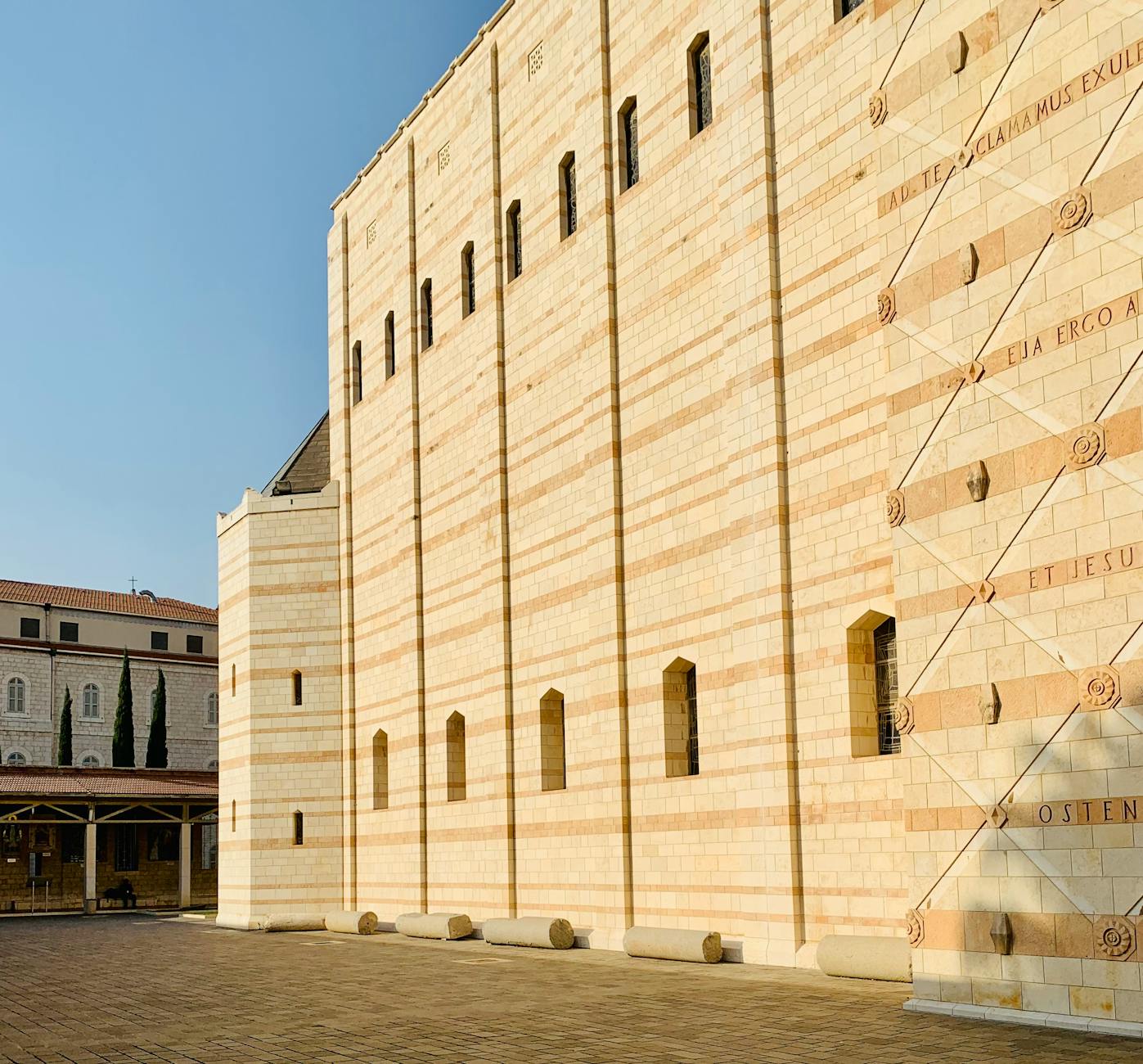
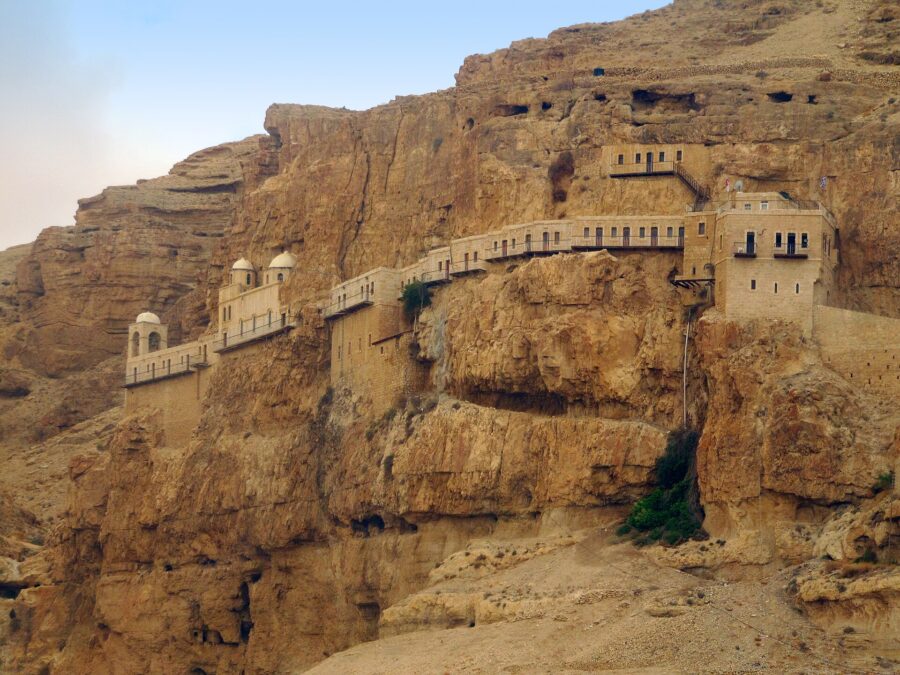
A Dead Sea day trip from Jerusalem is the single most popular excursion most visitors take, and the appeal is easy to understand. In under 90 minutes you drop from Jerusalem’s hilltop altitude of roughly 800 metres to the lowest exposed land on Earth, about 430 metres below sea level, arriving at a hypersaline lake almost ten times saltier than the ocean. Floating is effortless, the mineral-rich black mud has been prized for skincare for centuries, and the surrounding Judean Desert scenery is unlike anywhere else in the region. Add the cliff-top fortress of Masada and the spring-fed oasis of Ein Gedi and you have one of the most rewarding single days out anywhere in Israel.
This guide to a Dead Sea day trip from Jerusalem walks through every practical decision: how to get there by tour, bus, or rental car, which beach to choose, opening hours and fees in shekels, what to pack, the safety rules that genuinely matter, and how to fold in Masada and Ein Gedi without rushing. For the wider picture, start with our Day Trips from Jerusalem guide.
Dead Sea Day Trip at a Glance
| Distance from Jerusalem | About 40 km to the nearest beach (Kalia); 85–95 km to Ein Bokek |
| Drive time | 40–50 min to Kalia; about 90 min to Ein Bokek and Masada |
| Elevation change | Jerusalem ~800 m above sea level down to ~ -430 m |
| Typical guided tour | Around 350–550 ILS per person (roughly US$95–150), often including Masada and Ein Gedi |
| Public bus (one way) | About 19 ILS on Egged routes from Jerusalem |
| Best months | October–April for comfortable heat; avoid midday in July–August |
How to Get to the Dead Sea from Jerusalem
You have three realistic options, and the right one depends on how much you want to see and how independent you like to travel.
Guided Tour
A guided day tour is the most common choice and the least stressful. Air-conditioned coaches collect you from a central Jerusalem meeting point (and sometimes from your hotel), handle all the driving and parking, and usually bundle Masada and Ein Gedi with several hours of free time at a beach. Expect to pay somewhere around 350–550 ILS per person depending on what is included; the cable car at Masada and reserve entry at Ein Gedi are sometimes extra. Well-known operators running this route include Abraham Tours, Tourist Israel, and the various listings on GetYourGuide and Viator. Tours depart early, often between 7:00 and 8:30, and return to Jerusalem in the late afternoon. Book a day or two ahead in spring and autumn, when seats fill quickly.
Public Bus
Egged buses run from Jerusalem’s Central Bus Station (on Jaffa Road, reachable on the Light Rail Red Line) down Route 90 along the western shore. Line 486 is the workhorse; line 444 also serves the route but usually needs an advance reservation on the Egged website, and line 487 runs at certain times. All of them call at Almog Junction (for Kalia), Ein Gedi, Masada, and Ein Bokek. The ride takes roughly 1.5 to 2 hours, and a one-way ticket costs about 19 ILS, paid with a Rav-Kav card or contactless. The catch is frequency and timing: there are only a handful of departures a day, so check the schedule on the Moovit app and plan your return carefully. Crucially, there is no bus service from Friday afternoon through Saturday evening because of Shabbat, so a Saturday public-transport trip is not feasible.
Rental Car
Driving yourself gives you the most freedom and works out cheaper for two or more people. A small rental runs roughly 150–300 ILS a day before fuel, and the route is simple: head east out of Jerusalem on Highway 1, then south on Route 90. The road is well surfaced and the descent is gradual, but it is steep in places, so use a low gear and keep an eye on your brakes. Fuel up before you leave the city, carry plenty of water, and note that petrol stations are sparse along the shore. Parking at the main beaches and at Masada and Ein Gedi is straightforward and either free or a few shekels. A car also lets you visit on your own schedule, including the early start needed for a Masada sunrise.
What a Guided Tour Actually Includes
The tour listings all look much the same at first glance, and the differences sit in the small print rather than the headline price. A standard Dead Sea day tour from Jerusalem is a coach leaving a central pick-up point between 7:00 and 8:30, with roughly two to two and a half hours of driving in total, two to three hours at Masada, an hour or so at Ein Gedi, and two to three hours at a beach before the return leg.
What is almost always included: air-conditioned transport, a licensed guide, and all the driving and parking. What is often not included: the Masada cable car, national park entry at Masada and Ein Gedi, beach admission where the beach is a paid club, lunch, and towel hire. Read the inclusions line by line before you compare two prices, because a tour that looks 100 ILS cheaper can end up costing more once you have paid three separate fees at the gate.
- Ask where the beach stop actually is. A tour that floats at Kalia in the north spends far less time on the road than one that runs all the way south to Ein Bokek.
- Ask how long you get in the water. Some itineraries allow barely 90 minutes once changing, rinsing and drying are counted.
- Ask whether the return is a drop-off at the original meeting point or at hotels.
- Check whether it runs on Saturday. Many do, and that is the single strongest argument for booking a tour rather than going it alone.
If you are weighing a tour against doing it yourself, our comparison of the combined Dead Sea and Masada excursions sets out what the main operators bundle and where the hidden extras hide. For the independent route, the Jerusalem transport guide explains Rav-Kav cards, the Light Rail out to the Central Bus Station, and how far your money goes on the intercity network.
Choosing a Dead Sea Beach
The western shore is split into a northern basin (closer to Jerusalem) and a southern basin around Ein Bokek (where the resort hotels sit). The northern basin is only a few minutes from Jericho, the oldest town on Earth, so the two fit neatly into one day. Some beaches are free public stretches; others are run as paid beach clubs with showers, sunbeds, and a freshwater pool, which you will appreciate after the salt.
- Kalia Beach — the closest organised beach to Jerusalem in the northern basin, with an entry fee of roughly 60 ILS, full facilities, mud stations, and a bar. Good for a half-day if you are short on time.
- Ein Bokek — the southern resort strip, where the public beaches are free and well maintained, backed by hotels, restaurants, and a promenade. The most comfortable option for facilities, though it is the longest drive.
- Ein Gedi Beach — now closed to bathers, along with the adjacent spa, so float at Kalia or Ein Bokek instead. The nature reserve nearby remains open and is still worth combining with a Dead Sea stop.
- Neve Midbar and Biankini — paid beach clubs in the north with a more relaxed, sometimes festival-like feel.
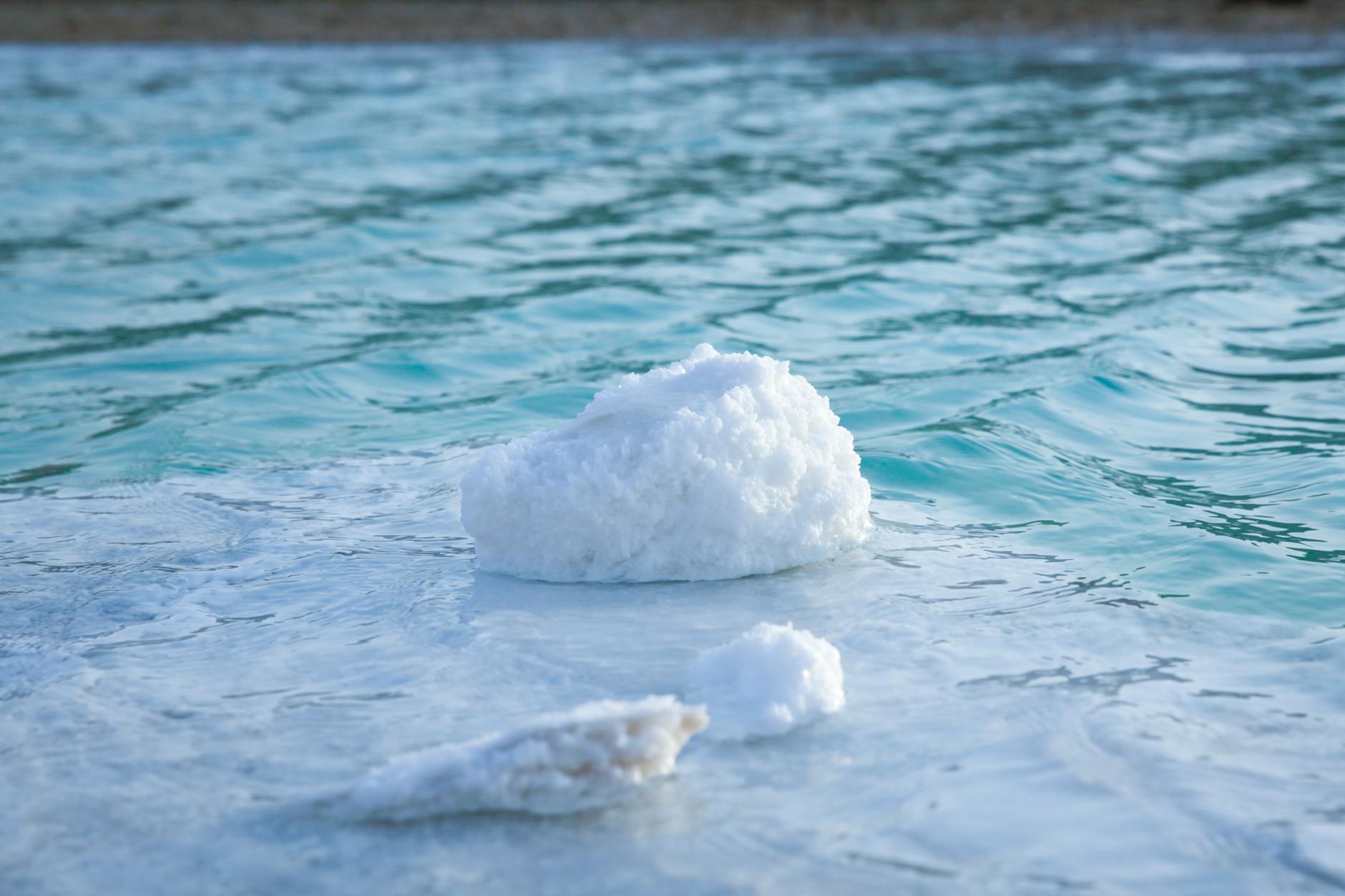
Whichever you pick, the floating experience is the same remarkable physics: lie back gently and the water holds you up. Never dive, never put your head under, and never splash, because a single drop of this water in your eyes stings fiercely.
Free Public Beaches Versus Paid Beach Clubs
The decision that shapes your whole day is whether you want a free public beach or a paid club, and the two models sit at opposite ends of the shore.
Ein Bokek, in the southern basin, is where the free public beaches are. They are municipally maintained, with lifeguards in season, freshwater showers, shaded seating, toilets and a paved promenade backed by the hotel strip, so there is always a lobby or a cafe to retreat into when the heat turns silly. You pay nothing to get in and nothing to rinse off. The cost is the drive: roughly 90 minutes each way from Jerusalem, most of it south along Route 90.
Kalia, in the northern basin, is the opposite trade-off. It is the closest organised beach to Jerusalem — about 40 to 50 minutes door to door — and it charges admission for a gated site with changing rooms, freshwater showers, a mud station, sunbeds and a bar. If you have only half a day, or you are pairing the float with an hour or two in Jericho, Kalia is the sensible pick.
One thing older guidebooks and a lot of blog posts still get wrong: several once-famous beaches on this coast no longer operate. Mineral Beach at Mitzpe Shalem has been shut for years after sinkhole damage, and the Ein Gedi public beach and the neighbouring spa complex have also closed. Do not build a day around any of them, and treat any listing that still advertises them as out of date. Stick to sites you can confirm are open and supervised — the Ein Bokek public stretches, Kalia, and the hotel beaches in the south.
If the minerals rather than the swim are the point, the mud stations at the paid beaches are not your only option. The promenade shops and the outlets back in the city sell the same brands, and our guide to buying Dead Sea skincare in Jerusalem sets out what is worth carrying home and what is simply marked up for tourists.
Sinkholes, and Why You Swim Only Where There Is a Lifeguard
The Dead Sea is dropping by roughly a metre a year, and that retreat has created a genuine and worsening hazard along the shoreline. As the hypersaline water pulls back, fresh groundwater moves into the ground it left behind and dissolves the buried layers of salt. Cavities open up underground, the crust above them holds for a while, and then it collapses without warning.
The result is a landscape of sinkholes — thousands of them along the western shore, concentrated in the belt running from the northern basin down past Ein Gedi, on exactly the flat ground that used to be beach. Some are a metre across; some have swallowed a car park. They have taken out stretches of road, date plantations, a campsite and the access routes to more than one former resort. They do not announce themselves. The ground looks ordinary right up until it is not.
The rule that follows is simple, and there is no clever way around it. Swim only at a marked, supervised beach with a lifeguard on duty. Do not walk out across the salt flats, and do not follow an inviting track down to an empty stretch of shore because it looks quiet and free. Fenced ground and closed side roads off Route 90 are fenced and closed for this reason, and when a beach here closes it is usually because the earth moved rather than because business was slow.
This is also why the choice of beach matters more at the Dead Sea than at an ordinary coast. The operating, supervised sites are monitored and surveyed. The abandoned ones are not.
Adding Masada
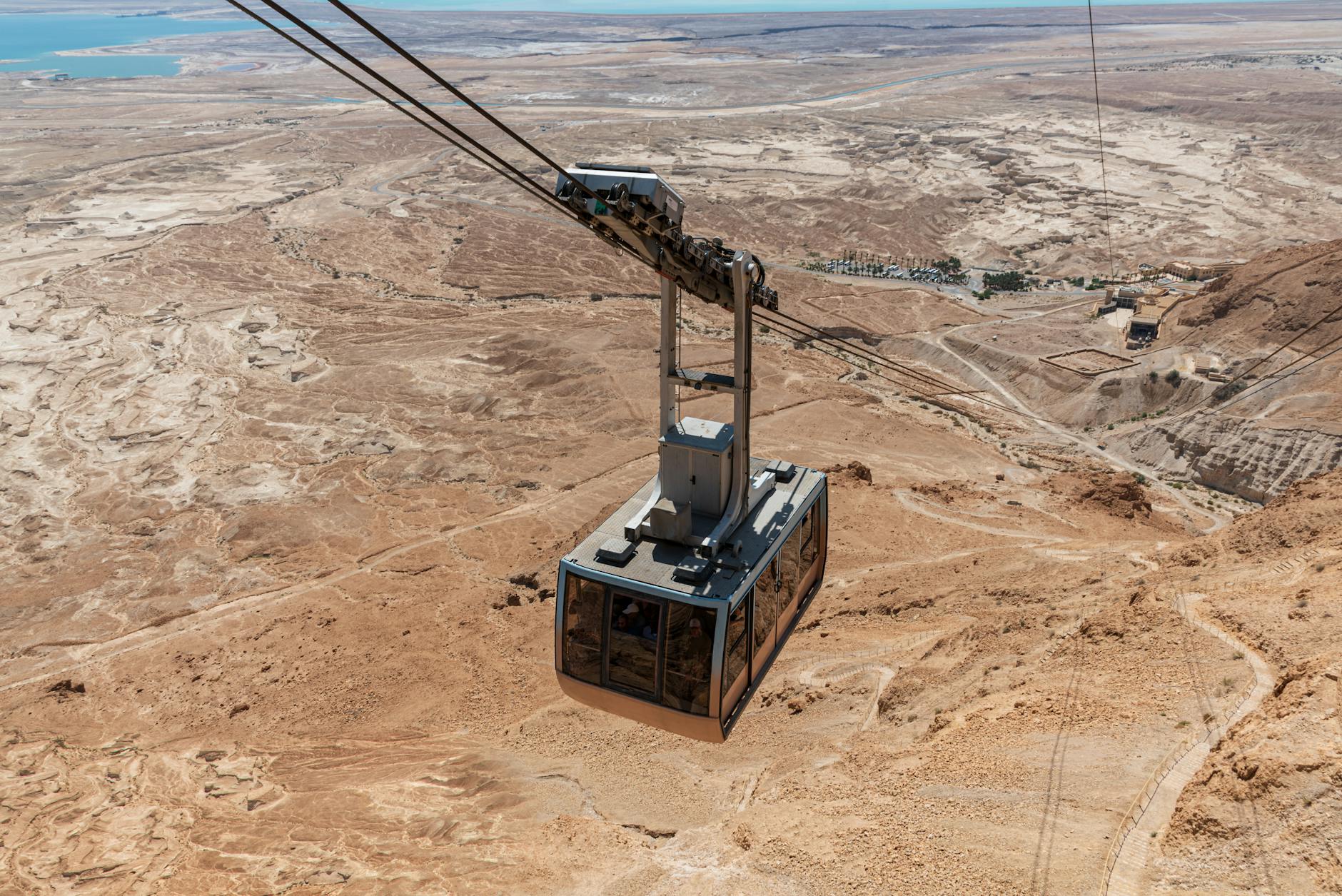
Masada is the cliff-top fortress where, according to the historian Josephus, a group of Jewish rebels made a last stand against the Roman army, ending in 73–74 CE. It is a UNESCO World Heritage Site and one of Israel’s most visited places. From the eastern (Dead Sea) side you can ride the cable car up in a few minutes or climb the switchbacking Snake Path, which takes most people 45–60 minutes and is best done at first light before the heat builds. Up top you can wander Herod’s palace terraces, the bathhouse, storerooms, and the synagogue, with the Dead Sea shimmering far below.
| Park entry | Around 37 ILS adult, 21 ILS child |
| Cable car (round trip) | Around 54 ILS adult, 32 ILS child; one-way roughly 32 ILS |
| Hours | Generally 8:00–17:00 (Sun–Thu); Fridays and holiday eves close earlier, around 14:00–16:00. Shorter in winter |
| Sunrise hikers | The Snake Path opens before dawn; start about an hour before sunrise |
For the full breakdown, see our dedicated Masada day trip from Jerusalem guide. Many visitors prefer to handle Masada and the Dead Sea together as a single organised excursion, which our Dead Sea and Masada combined tour guide compares in detail.
Adding Ein Gedi
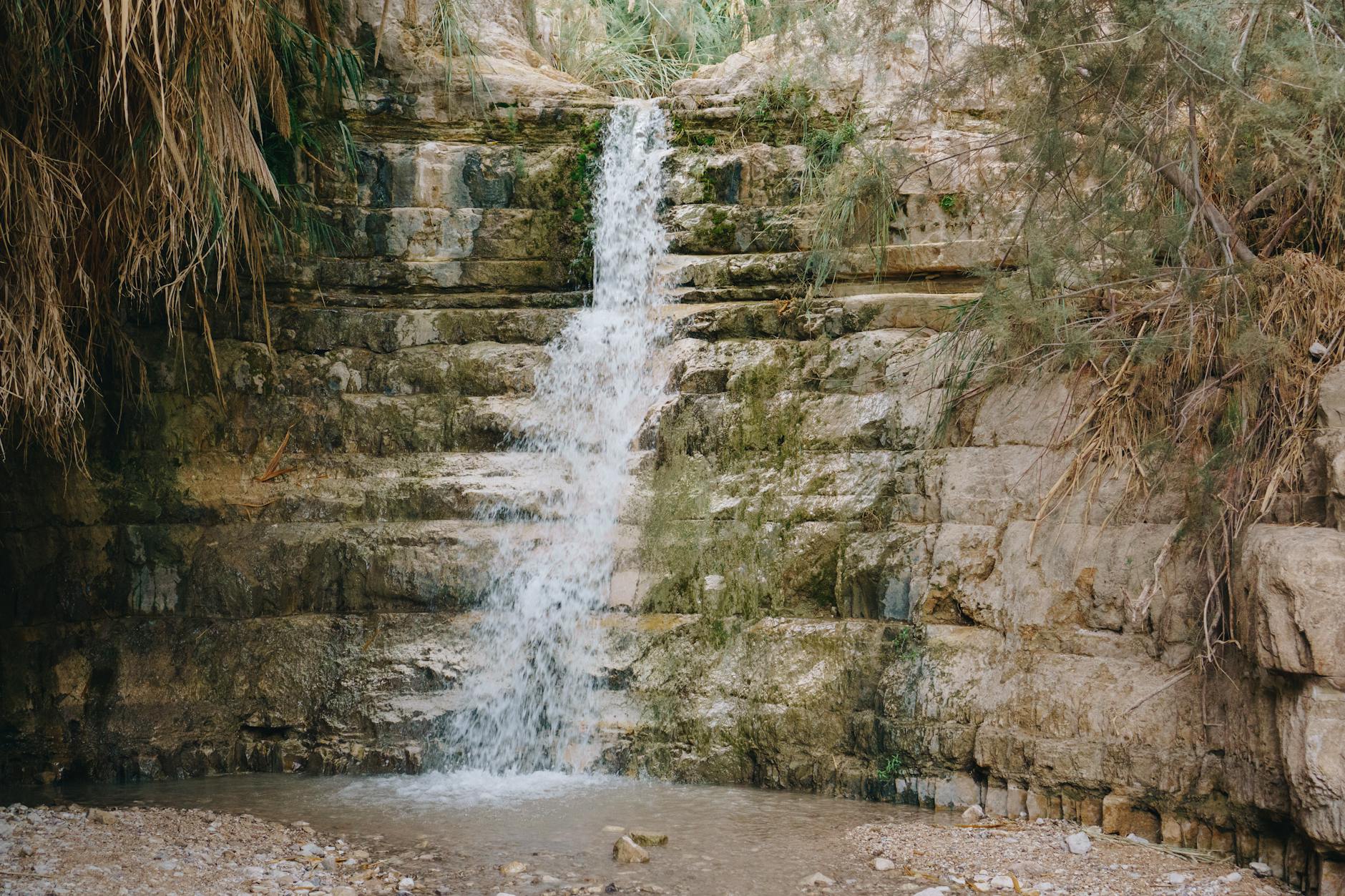
Ein Gedi Nature Reserve is a freshwater oasis where springs tumble down the cliffs into pools shaded by palms, and ibex and rock hyrax wander surprisingly close. The short Wadi David trail to the first waterfall takes about an hour round trip and suits families; Wadi Arugot is longer and quieter. Entry is around 28 ILS for adults, with children about half. The reserve usually admits visitors from 8:00, with last entry in the mid-afternoon, and access to specific trails can change after winter flooding, so check the Israel Nature and Parks Authority site before you go. Full details are in our Ein Gedi from Jerusalem guide.
If you plan to visit two or more national parks and reserves in a fortnight, the Israel Pass can save money: a three-site card costs about 90 ILS, a six-site card around 130 ILS, and an unlimited card roughly 175 ILS, all valid for two weeks. Masada and Ein Gedi are both included.
Adding Qumran
Qumran National Park sits just off Route 90 at the northern end of the sea, a couple of minutes from the Kalia turning, which makes it the easiest of all the add-ons to fit in. This is where the first of the Dead Sea Scrolls were found in a cliff cave in 1947, and where the settlement usually associated with the Essene sect was excavated: ritual baths, a refectory, the long room traditionally read as a scriptorium, and the numbered caves in the marl terrace behind.
As of August 2026 the Israel Nature and Parks Authority lists entry at ₪31 for adults and ₪16 for children, with summer hours (April to September) of 8:00 to 17:00 Sunday to Thursday and Saturday, and 8:00 to 16:00 on Fridays and holiday eves. Winter hours close an hour earlier in each case, and last entry is an hour before closing. Confirm on the official Qumran park page before you set off.
Allow 60 to 90 minutes including the introductory film. The circuit is short and largely level, so it is a low-effort stop that works well in the heat, and it is covered by the Israel Pass alongside Masada and Ein Gedi. Be clear on one thing before you go, though: the scrolls themselves are not here. The major fragments are held in Jerusalem, and our guide to seeing the Dead Sea Scrolls in Jerusalem explains where to find them and what is actually on display.
Which Combination Fits the Hours You Have
The Dead Sea itself needs about three hours on the ground to be worth the drive, and an hour of that goes on changing, rinsing and drying. Everything else has to fit around that, and around two to two and a half hours of total driving. Here is what each pairing realistically costs you in time, door to door from Jerusalem.
- Dead Sea only, northern basin — 6 to 7 hours. Leave at 9:00 and you are back by mid-afternoon. The only genuinely relaxed version of this day.
- Dead Sea plus Qumran — 7 to 8 hours. Qumran adds almost no driving, which makes it the best-value add-on in the north.
- Dead Sea plus Ein Gedi — 8 to 9 hours. Budget two to three hours in the reserve for the Wadi David waterfall walk and time to watch the ibex.
- Dead Sea plus Masada — 9 to 10 hours using the cable car, and longer if you climb. Masada wants two and a half to three hours on top of the drive south.
- All three: Masada, Ein Gedi and the Dead Sea — 12 to 14 hours, and only comfortable with a pre-dawn start and a car. This is the day most tours sell, and the one most likely to feel rushed.
The mistake to avoid is stacking Masada and Ein Gedi in high summer without a very early start. Both involve walking in full sun at the hottest hours of the day, which is the quickest way to turn a good day out into an ordeal. If you are travelling by bus rather than car, drop one site from the list rather than gambling on connections — the timetable, not your energy, will be the binding constraint.
If you only want one of the two archaeological add-ons, our guide to Masada as a standalone day trip and the walking routes and entry times at Ein Gedi each go further into the timings, and the wider round-up of excursions out of Jerusalem shows how the Dead Sea compares with Bethlehem, Jericho and a Galilee run.
A Sample One-Day Plan
If you are driving and want to do all three highlights, an early start is the key to beating both the crowds and the heat.
- Pre-dawn departure from Jerusalem — aim to leave around 4:30–5:00 if you want the Masada sunrise.
- Masada at sunrise — hike the Snake Path or take the first cable car, then explore the ruins as the light warms the desert.
- Mid-morning at Ein Gedi — walk the Wadi David trail to David’s Waterfall before the midday sun.
- Lunch — at the Ein Gedi area or down at Ein Bokek, where there are cafes and restaurants.
- Early afternoon float — head to your chosen beach for the floating and a mud session.
- Rinse and relax — shower off thoroughly, then enjoy the promenade or a cold drink.
- Late-afternoon return — drive back to Jerusalem, arriving early evening.
Short on time or not driving? Skip the sunrise, take a late-morning tour or bus, and focus on one beach plus either Masada or Ein Gedi rather than trying to cram in everything.
What to Pack and Safety Notes
- Water shoes or sandals — the shore and seabed are crusted with sharp salt crystals that can cut bare feet.
- Plenty of drinking water — the desert dehydrates you fast; carry far more than you think you need.
- Sun protection — hat, sunglasses, and high-factor sunscreen, applied before you reach the water.
- A towel and a change of clothes — the salt clings to everything, and a freshwater rinse afterwards is essential.
- No fresh shaving cuts — and avoid shaving the morning of your visit, as the salt water makes any nick sting badly.
Limit your float to about 15–20 minutes at a time. Keep the water out of your eyes and mouth, do not swallow it, and rinse off in fresh water between dips. If you wear contact lenses, consider removing them. The heat is the other real hazard: in summer, temperatures along the shore regularly exceed 40°C, so the early-morning and late-afternoon hours are far more comfortable than midday.
How to Float Without Hurting Yourself
Floating in the Dead Sea is not swimming and does not behave like it. The water is roughly ten times saltier than the ocean, dense enough to hold an adult on the surface with no effort at all — and dense enough that once you are horizontal, getting your feet back under you is genuinely awkward. Almost every injury here comes from treating it like a normal sea.
The sequence that works:
- Do not shave, wax or epilate for at least a day beforehand. Every micro-cut you did not know you had will announce itself.
- Wear sandals or water shoes in and keep them on. The bed is crusted with salt crystals sharp enough to draw blood.
- Walk in to about waist depth, no further, then sit down slowly and lean back. Do not wade out and dive forward.
- Keep your hands away from your face for the whole session. Wet fingers plus an itchy eye is how most people get hurt.
- No diving, no jumping in, no splashing, no front crawl, and never put your head under. Rolling onto your front is the classic way to get a faceful.
- To stand up, bring your knees to your chest, roll to one side and plant your feet before you try to lift your head.
- Twenty minutes is a full session. Get out, rinse, sit in the shade, and go back in later if you want more.
If you do get it in your eyes, it is not subtle: a hard burning pain and streaming that will not stop on its own. Get out at once, do not rub, and flush with fresh water for several minutes, holding the lid open. Every organised beach keeps freshwater showers close to the waterline for exactly this reason, which is another argument against the unsupervised stretches. It usually settles within ten to twenty minutes. If vision is still blurred after that, get it looked at. Contact lens wearers are better off leaving the lenses in the locker.
Swallowing the water is worse than it sounds — it is strongly emetic and dangerous in quantity, so keep your mouth shut and do not let children go in unwatched. Afterwards, rinse thoroughly, hair and swimsuit included. The salt dries into a fine white crust that itches for hours and quietly ruins fabric, watch straps and jewellery. Bright swimwear does not survive it well.
Heat, Sun and Skin at the Lowest Point on Land
The heat is the real risk
Summer here is not hot in the way a beach holiday is hot. Daytime highs on the shore sit above 40°C through July and August, the air is heavy at 430 metres below sea level, and the nights barely cool. There is almost no natural shade anywhere along the water.
The practical implications are unglamorous. Sweat evaporates so fast in the dry air that you do not register how much fluid you are losing, so drink to a schedule rather than to thirst — a litre before you leave Jerusalem and a litre every couple of hours after that is a sensible floor. Do not start the Snake Path at Masada or the longer Ein Gedi trails after about 10:00 in summer; the Nature and Parks Authority closes hikes outright when conditions warrant it. Leave nothing in the car that will not survive an oven, and expect a tired rental air conditioner to struggle on the long climb back up to Jerusalem.
Why the sun feels gentle and people burn anyway
Something genuinely unusual happens with the light in this basin. Sunlight reaching the Dead Sea passes through an extra 400 metres or so of atmosphere, plus a near-permanent haze of evaporation aerosols hanging over the water. Both preferentially filter the shortest, most burning wavelengths, and measurements taken at the shore show UVB measurably attenuated compared with sites at sea level while UVA comes through almost unchanged. It is the reason the basin has been used for supervised climate therapy for psoriasis and vitiligo for decades.
What it does not mean is that you can sit out uncovered. The burning radiation is reduced, not removed, and the effect is to lengthen the time before you burn rather than abolish it — so people stay out two or three times longer, feel fine while they do it, and burn anyway. Reflection off the water and the white salt crust adds a second dose from below, which is how visitors end up sunburnt under the chin and behind the ears. Apply high-factor sunscreen before you go near the water, reapply after every freshwater rinse, and rely on a hat and a shirt rather than on lotion alone. The Jerusalem packing list covers what is worth bringing from home and what is easier to buy once you arrive.
Best Time to Visit
The shoulder seasons of October to April are the most pleasant for a Dead Sea day trip, with warm but manageable daytime temperatures and water that stays swimmable year-round thanks to the low altitude. Winter days are mild and sunny and make hiking at Masada and Ein Gedi genuinely enjoyable. High summer is doable but punishing in the middle of the day, so plan around the morning. Whatever the season, remember the Shabbat factor: public transport stops from Friday afternoon to Saturday evening, and while the beaches and parks themselves generally stay open, your transport options shrink dramatically without a car or tour. For broader timing advice, see our guide to the best time to visit Jerusalem, and check the Jerusalem packing list before you set off.
Building this into a longer stay is easy: most visitors slot the Dead Sea into a wider plan, and our Jerusalem itinerary guide shows how a desert day fits alongside the Old City. Travelling with children? The floating and the ibex at Ein Gedi are a hit, and our Jerusalem with kids guide has more family-friendly ideas. For everyday logistics, our Jerusalem travel tips cover money, transport, and etiquette.