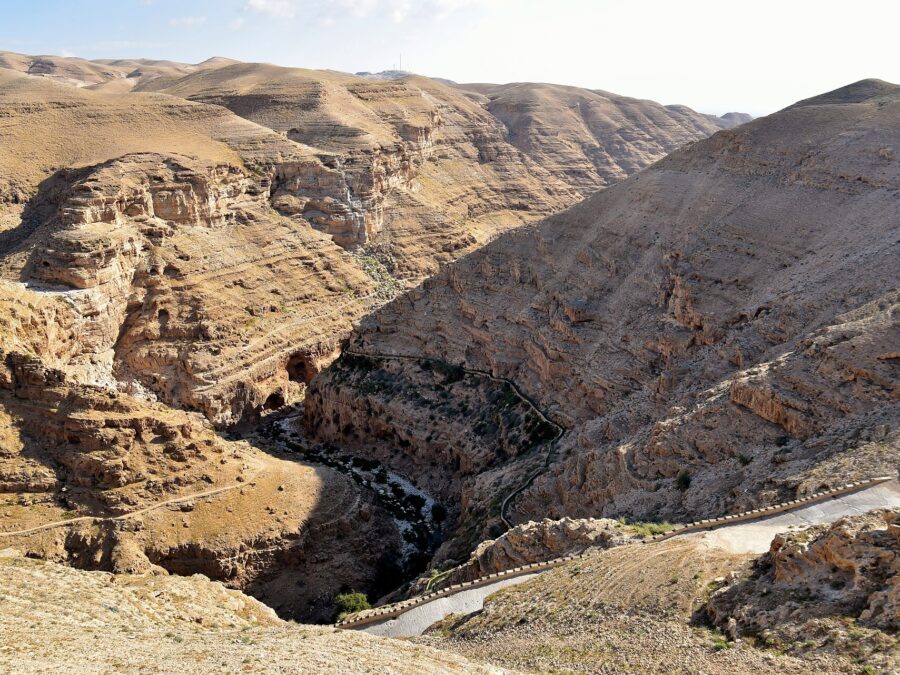
Judean Desert tours from Jerusalem open up one of the most dramatic landscapes in the country, and it starts just minutes east of the city. The desert tumbles from the Jerusalem hills down to the Dead Sea, the lowest place on Earth, and along the way it holds canyons, year-round springs, ancient monasteries and fortresses, and Bedouin communities. You can experience it by 4WD jeep, on foot, on a camel, or over a meal in a desert camp, on trips lasting from a few hours to several days. This guide to Judean Desert tours Jerusalem visitors can book covers the tour types, the top sites, realistic costs, the serious heat and flash-flood safety that desert travel demands, and how to pick the right experience.
Because the desert is hot and exposed, almost everyone visits with a guide or organized tour, which is the safe and simple way to go. For the wider region, this page works with our hiking and outdoor activities guide, our Dead Sea day-trip guide, and our Masada day-trip guide.
The Judean Desert in Brief
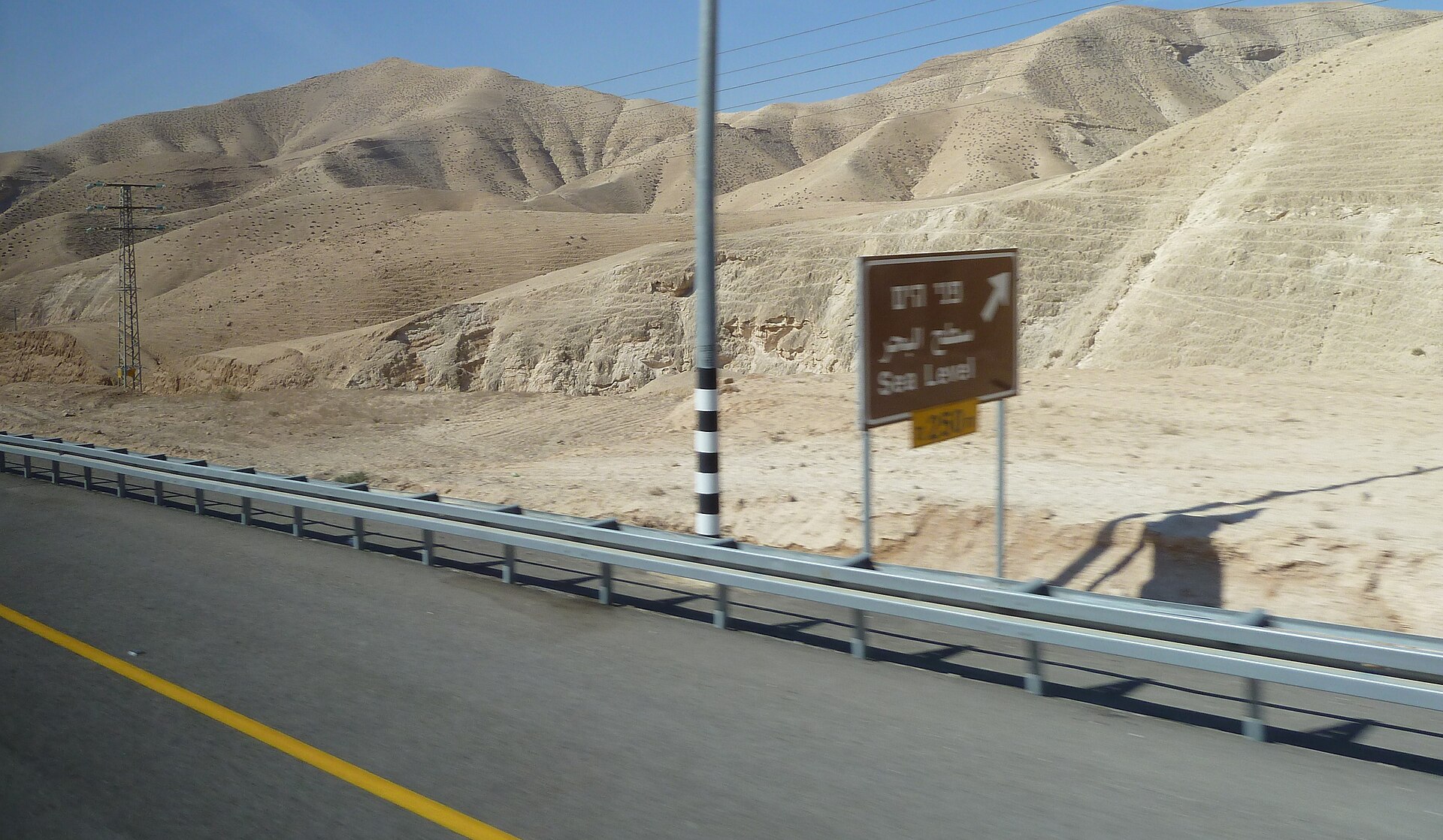
The Judean Desert lies in the rain shadow east of the central mountains, which is why it is dry while Jerusalem, only a short drive away, gets winter rain. The land falls steeply, from around 800 meters above sea level at the city to roughly 430 meters below sea level at the Dead Sea, and that drop creates the canyons and the heat. Distances are short, with the main sites lying between about 15 and 50 kilometers from Jerusalem, so even a half-day trip reaches genuine desert. Part of the area, including some sites east of the city, lies in the West Bank; organized tours handle the logistics, and it is sensible to carry your passport when traveling there.
Types of Tours
The desert is sold in several flavors, and many tours mix them. Costs below are per-person ranges that shift with season, group size, and inclusions, so treat them as a guide and confirm current pricing when you book.
Jeep Safaris
An off-road 4WD trip is the classic way to cover ground, bouncing along dry riverbeds and up to viewpoints that ordinary cars cannot reach, usually with a stop for Bedouin-style tea. Trips run from a half day to a full day and typically cost in the region of 80 to 200 US dollars per person. Jeep tours suit adventure-minded travelers and families with children of around six and up, since the vehicle does the hard work.
Camel Rides
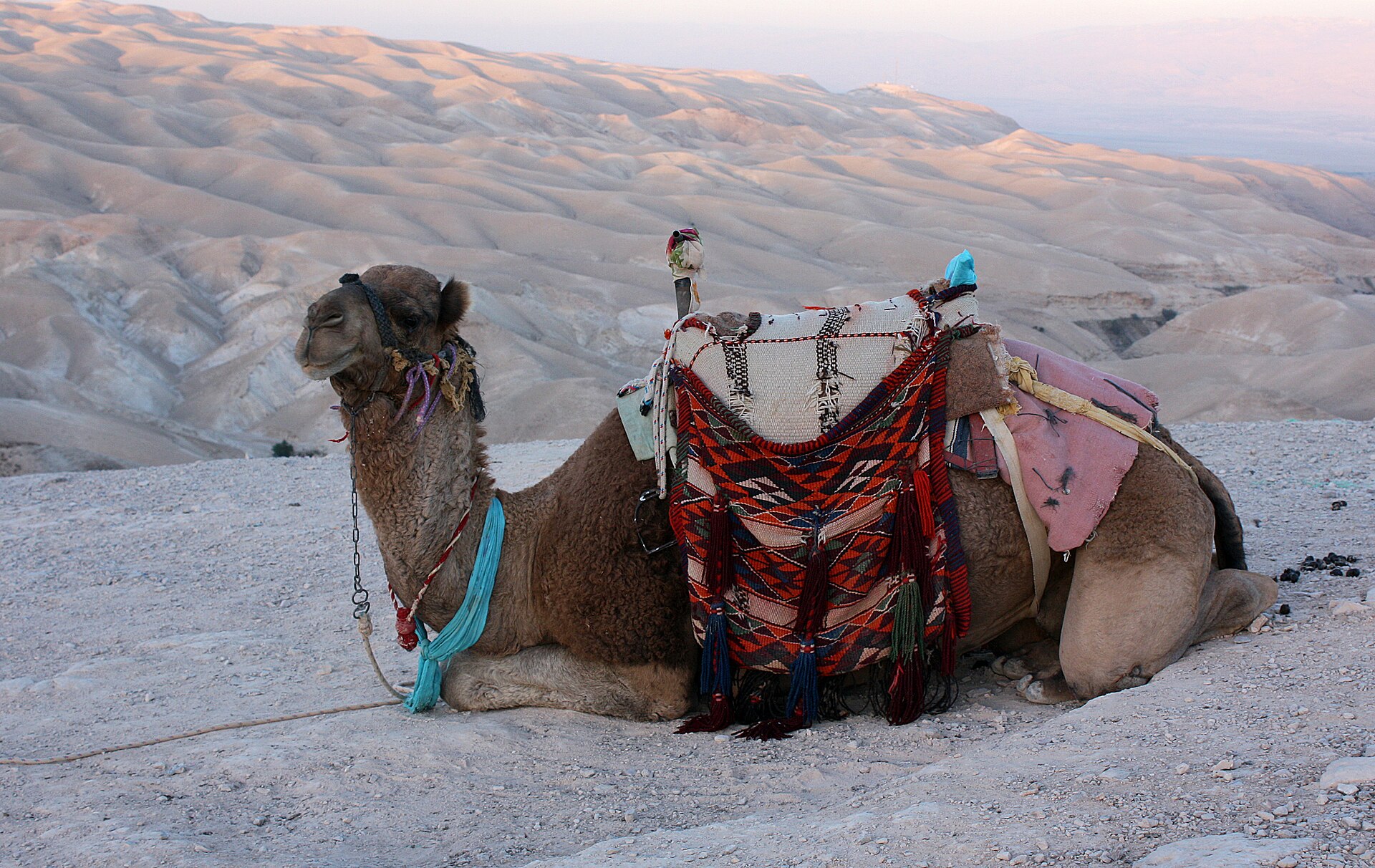
Camel treks range from a short 30-minute plod to multi-day expeditions. A brief ride at a desert camp often costs only a few tens of shekels, while an overnight or multi-day camel journey runs into the hundreds of dollars. It is a memorable, slow way to feel the scale of the landscape, and it is usually offered through Bedouin operators and desert camps.
Guided Hiking
Guided desert hikes take you into canyons and oases on foot, with popular routes around Wadi Qelt, the Ein Gedi reserve (Wadi David and Wadi Arugot), and Mount Sodom. Half-day to multi-day options exist, generally in the 80 to 200 dollar range, and a guide is genuinely valuable here for route-finding, water planning, and reading the weather. This style suits active travelers comfortable on rough ground. For cooler, greener walking on the other side of the city, our overview of hiking near Jerusalem covers the forest trails in the hills.
Bedouin Experiences
A visit to a Bedouin camp centers on hospitality: traditional tea and coffee, a meal, sometimes a short camel ride, and a window into desert life. A visit with a meal often runs around 40 to 100 dollars, and many camps offer overnight stays in Bedouin-style tents, which pair naturally with a Masada sunrise the next morning.
Top Sites in the Desert
The desert’s highlights are spread along the route toward and around the Dead Sea, and most tours string several together. These are the ones worth knowing.
Masada
The clifftop fortress of Masada, site of the famous Roman siege, is the desert’s signature destination, best reached by a dawn hike up the Snake Path or by cable car. The sunrise from the summit over the Dead Sea is the classic experience. See our Masada day-trip guide for the full plan.
Ein Gedi
Ein Gedi is a green oasis on the desert’s edge, with waterfalls and pools reached on the Wadi David or Wadi Arugot trails, a startling contrast to the bare hills around it. It is one of the best places in the region to cool off on a hike. Our Ein Gedi day-trip guide covers the trails and timing.
Wadi Qelt
Wadi Qelt is a spring-fed canyon with the cliff-side St. George’s Monastery, offering everything from an easy spring walk to a long traverse toward Jericho. It sits in the West Bank, so a guided visit is the simplest option; see our dedicated Wadi Qelt hike guide.
Qumran, Mount Sodom, and Nabi Musa
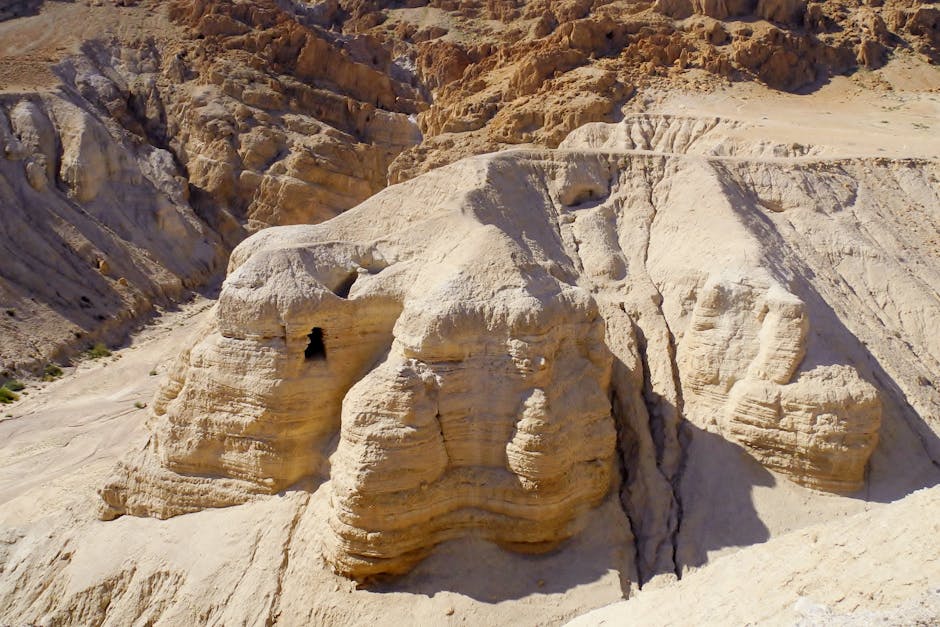
Qumran, where the Dead Sea Scrolls were found, makes a quick stop of around an hour and pairs well with a Dead Sea float. Mount Sodom, a salt mountain near the southern Dead Sea, has hikes to the Lot’s Wife pillar and salt caves. Nabi Musa, a desert shrine and mosque, adds another layer to the landscape. Each is a short visit on its own and slots easily into a wider itinerary.
Popular Itineraries
| Tour | Typically includes | Approx. cost |
|---|---|---|
| Half-day sunset jeep | Jeep ride, Bedouin tea, sunset; afternoon start | ~80-120 USD |
| Full-day adventure | Jeep and/or hike, Masada or Ein Gedi, Dead Sea | ~150-200 USD |
| Two-day experience | Bedouin camp overnight, Masada sunrise, Dead Sea | ~300-500 USD |
The half-day sunset jeep is the quick taste, leaving in the afternoon and timed for the light. A full day packs in driving, a hike, a marquee site, and a Dead Sea float. The two-day option adds a desert overnight and the Masada sunrise, and it is the most immersive way to do Judean Desert tours Jerusalem operators offer. Choose based on how much time and heat tolerance you have.
Heat, Water, and Flash Floods
The Judean Desert is genuinely harsh, and two hazards deserve real attention. The first is heat. In high summer, June through August, temperatures regularly exceed 40 degrees Celsius (over 104 Fahrenheit), and the area near the Dead Sea is hotter still. Hiking in those conditions is dangerous, and the honest advice is to avoid the active desert tours in midsummer or limit yourself to early jeep or sunset trips with minimal walking. Whenever you go, drink before you feel thirsty, carry at least two to three liters per person and more for hiking, and cover up with a wide-brimmed hat, sunglasses, sunscreen, and light long sleeves.
The second hazard is flash flooding. In the rainy season, roughly November to April, rain falling on the hills, even far away and out of sight, can send a sudden torrent down a dry canyon with little warning. This is why you never enter desert canyons when rain is falling or forecast in the catchment, and why guided trips watch flood warnings closely. On a tour, listen to your guide, who knows the warning signs and the safe ground. Stay with the group, keep some cash for Bedouin operators and tips, tell your guide about any medical conditions before you set out, and remember that cellular coverage is patchy in the desert.
Best Time to Go
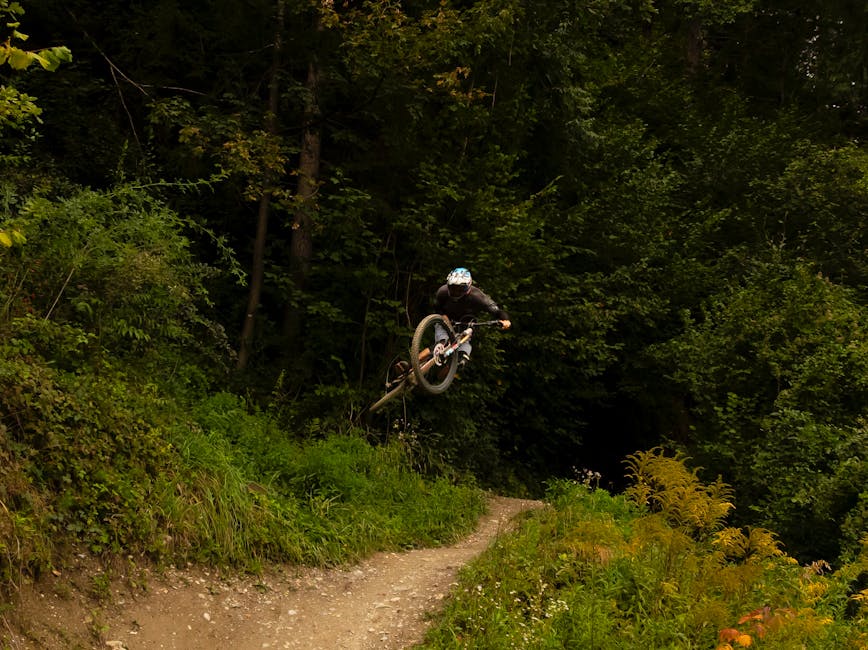
The comfortable window runs from roughly October to April. March and April can bring a brief flush of desert wildflowers after a good rainy season. May and September are hot but tolerable with care. If your dates fall in high summer, the shaded forest singletrack in our Jerusalem mountain biking guide is a far kinder way to spend a morning outdoors. June through August should be avoided for hiking-heavy tours because of extreme heat, while winter, December to February, is cool and pleasant but carries the flash-flood risk noted above, so settled, dry weather matters. Early starts are the rule year-round, both to beat the heat and to catch the desert at its most beautiful in the low morning light.
What to Bring
- Water: at least 2-3 liters per person, more for hiking; do not rely on finding water.
- Sun protection: wide-brimmed hat, sunglasses, high-SPF sunscreen, light long sleeves and trousers.
- Footwear: sturdy closed-toe shoes for any walking.
- Swimwear and towel: for Ein Gedi pools or the Dead Sea.
- Layers: mornings can be cool, especially in winter.
- Cash: for Bedouin operators, small purchases, and tips.
- Passport: useful when a tour enters the West Bank.
What a Tour Day Looks Like
Most full-day desert tours start early, often with a pickup from central Jerusalem before the heat builds, and head east on the main road toward the Dead Sea. A typical day might open with a jeep section or a guided hike in the cool morning, pause for Bedouin tea and a rest in shade, take in a headline site such as Masada or the Ein Gedi oasis, and finish with a float in the Dead Sea before the drive back. Sunset trips flip the timing, leaving in the afternoon to catch the light. Knowing this shape helps you pack: you want water and sun cover from the first stop, a swimsuit ready for later, and a layer for the cool start. If you are prone to motion sickness, mention it before a jeep tour, as the off-road sections can be bumpy.
Choosing an Operator
Several well-established companies run desert trips from Jerusalem, including operators such as Abraham Tours, Egged Tours, Bein Harim, and Tourist Israel, alongside local Bedouin-run camps that specialize in authentic camp experiences. Rather than choosing on price alone, read recent reviews, confirm exactly what is included (transport, entrance fees, meals, equipment), and verify the pickup time and location before you pay. For an active desert experience, check that the operator has genuine guiding experience and appropriate vehicles. Our Jerusalem tours guide and day trips overview can help you compare options.
The Judean Desert is only half the story. Further south, the Negev is a different desert altogether, higher and emptier, with the great erosion crater of Makhtesh Ramon at its heart; our guide to Mitzpe Ramon and the Negev from Jerusalem explains why it needs a night rather than a day.
Planning Your Desert Trip
Few day trips deliver as much drama as Judean Desert tours Jerusalem travelers can reach within an hour of the city: canyons, oases, a clifftop fortress, and the Dead Sea, by jeep, on foot, or on a camel. Go in the cooler months, respect the heat and the flood risk, and book a reputable guide. Plan the rest with our hiking and outdoor guide, our Dead Sea day-trip guide, and our Masada day-trip guide.
Photo Credits
A Bedouin riding camel in the Judean Desert: Camel in desert by AntanO, CC BY-SA 4.0, via Wikimedia Commons.
Route 1 descending through the Judean Desert past the Sea Level sign: Judean Desert P1020013 by deror_avi, CC BY-SA 3.0, via Wikimedia Commons.