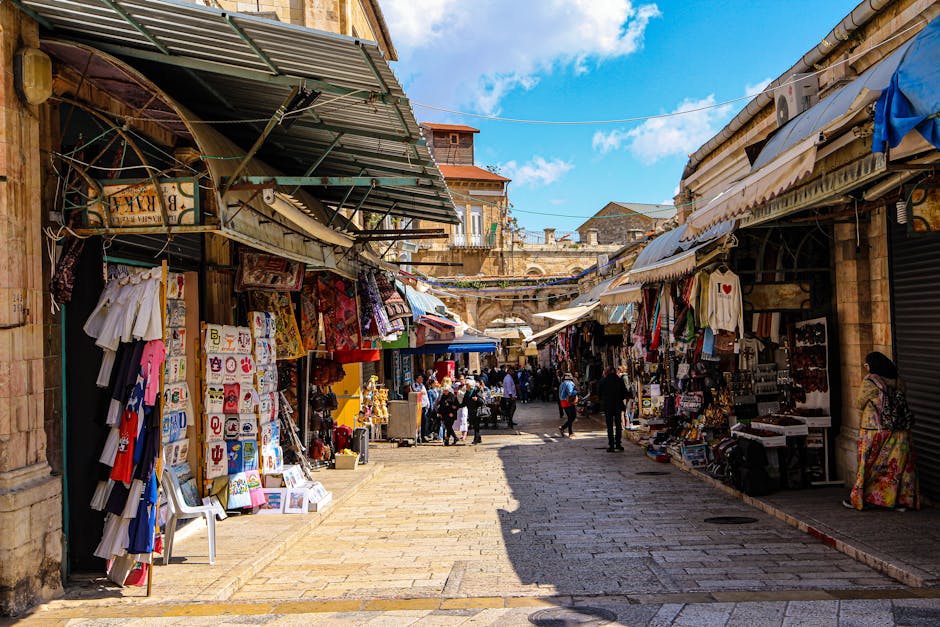
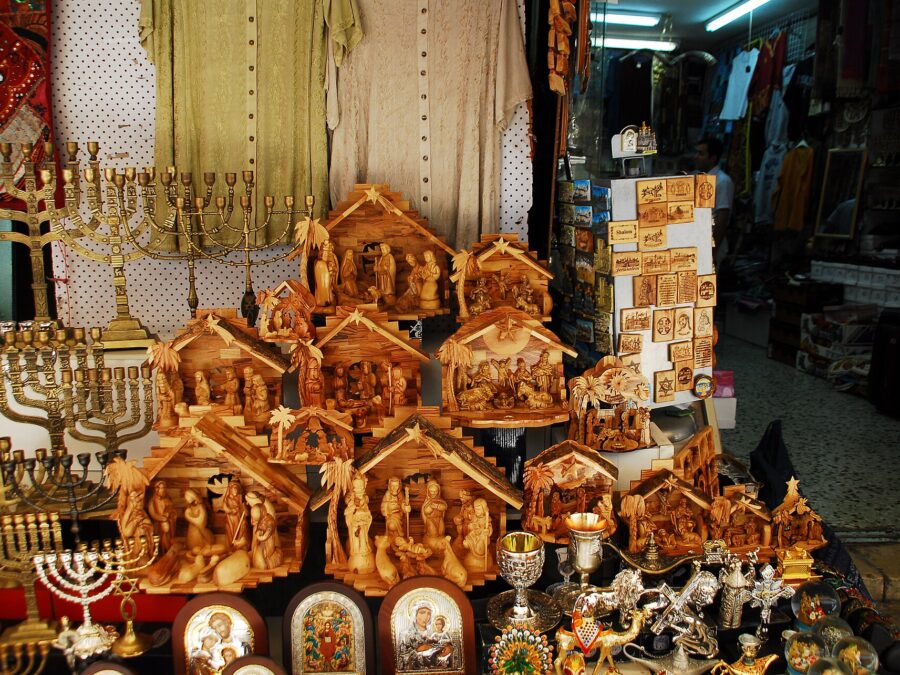
Dead Sea products are one of the easiest and most popular souvenirs to bring home from Jerusalem. Drawn from a body of water roughly ten times saltier than the ocean and unusually rich in magnesium, potassium, calcium, and bromides, the mud, salts, and mineral creams have a long-standing reputation in skincare. This guide to Dead Sea products in Jerusalem covers the main brands such as Ahava, Premier, and Sea of Spa, what each type of product does, realistic 2026 prices in shekels (ILS), where to shop in the city and where prices are best, how to spot authentic sealed products, the VAT refund, and the airport liquids rule that catches travelers out.
The key with Dead Sea products is buying genuine, sealed items from established brands rather than unlabeled tubs, and knowing where you actually save money. Read this with our Jerusalem souvenirs guide, and if you want to see the source for yourself, our Dead Sea day trip guide.
Why Dead Sea Products Are Distinctive
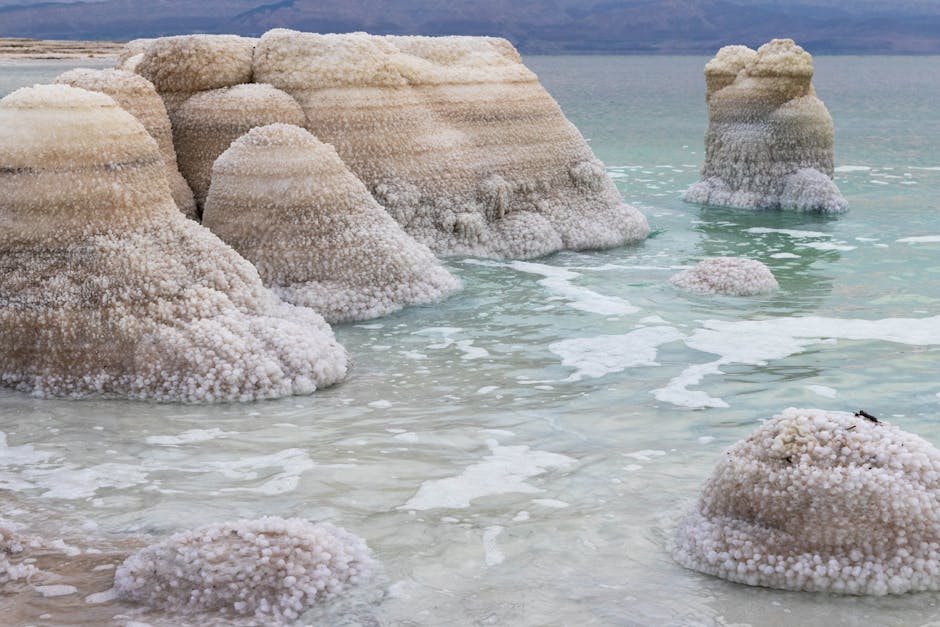
The appeal comes down to the water itself. The Dead Sea sits at the lowest point on the Earth’s land surface, more than 400 meters below sea level, and its water carries an exceptionally high concentration of minerals, far saltier and more mineral-dense than ordinary seawater. The black mud from the shore is used in cleansing masks, the harvested salts go into bath soaks and scrubs, and both are blended into creams and moisturizers. People have valued these minerals for skin and bathing since antiquity, and the region remains a destination for visitors seeking relief for various skin conditions.
It is worth keeping expectations grounded. Many people find the products soothing for dry skin, and some research and clinical experience suggest Dead Sea minerals and bathing can help conditions such as psoriasis and eczema for some individuals. Results vary from person to person, and these are cosmetic and wellness products rather than guaranteed medical treatments, so anyone with a specific skin condition should treat them as a complement to, not a replacement for, professional advice.
The Main Brands
A handful of established Israeli brands dominate, and sticking to them is the simplest way to be sure you are buying genuine product. They overlap heavily in what they make; the differences are mostly in positioning, packaging, and price.
| Brand | Positioning | Typical price per product (ILS) |
|---|---|---|
| Ahava | Well-known mainstream brand, sources at the Dead Sea, broad range | 60–300 |
| Premier | Luxury positioning, anti-aging lines, gift-oriented packaging | 80–400 |
| Sea of Spa | Mid-range, good value, full line of salts, masks, scrubs | 50–200 |
| Other Israeli mineral brands | Established lines in specific categories | 60–250 |
Ahava is the most internationally recognized and keeps a flagship presence in the city. Premier leans upscale and makes attractive gift sets. Sea of Spa is a dependable mid-range choice for everyday products and bath salts. For most travelers, any of these is a safe, authentic pick, so choose on price, scent, and packaging.
The Products Worth Buying
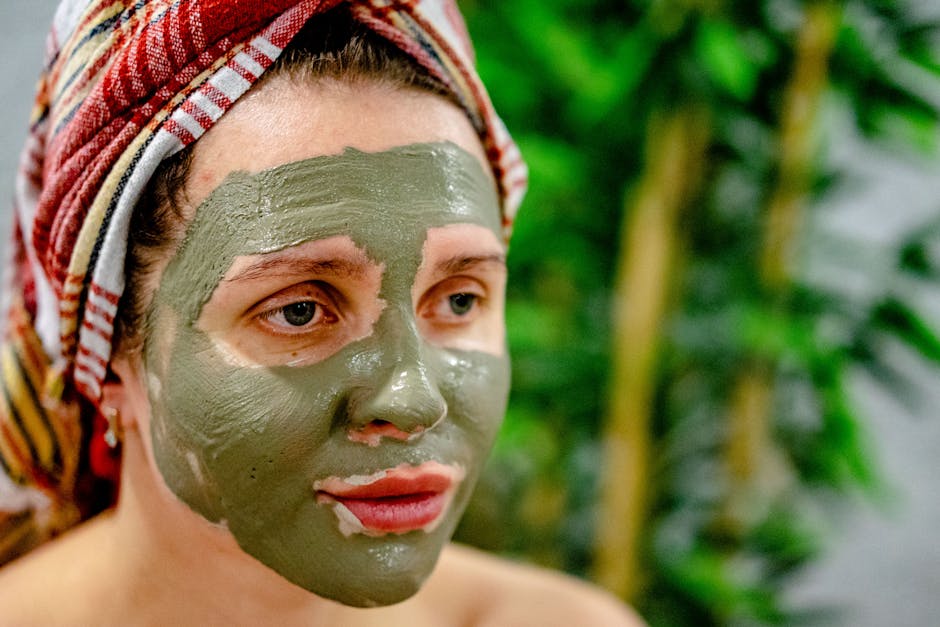
If you are not sure where to start, these are the staples. The black mud mask is the signature item, a detoxifying cleanser you apply, leave to dry, and rinse off. Mineral bath salts dissolve into a warm soak and are popular for easing tired muscles. A mineral body scrub exfoliates in the shower, while body and face moisturizers, hand cream, and foot cream deliver the minerals in everyday form; the foot cream is a quiet favorite for rough heels. Hair masks, bath soaks in various blends, and pre-boxed gift sets round out the range. Gift sets are the easy choice for presents, bundling several products in attractive packaging at a set price.
Prices for single products generally run from about 50 to 300 shekels depending on brand and size, with premium creams higher, while gift sets typically land around 200 to 500 shekels. Buy a small item first if you want to test a scent or texture before committing to a larger jar or a set.
Where to Shop and Where Prices Are Best
Dead Sea products are sold all over Jerusalem, but the experience and pricing differ by location. Here is how the main options compare.
| Where | What to expect | Notes |
|---|---|---|
| Mamilla Mall | Brand stores with full ranges and helpful staff | Fixed prices, comfortable, VAT refund available |
| Ben Yehuda Street / city center | Several tourist-facing shops | Often discounted off list price; compare before buying |
| Hotel gift shops | Convenient, brand-authentic | Usually the most expensive option |
| Ben Gurion Airport duty-free | Major brands, tax already excluded | Handy last stop; check city prices first |
The pleasant, no-pressure choice is Mamilla Mall just outside Jaffa Gate, where brand boutiques have fixed prices and knowledgeable staff. City-center shops around Ben Yehuda Street frequently advertise discounts, so it is worth comparing a couple before you commit. Airport duty-free is convenient on the way out and excludes tax, but prices are not always lower than a discounted city shop, so note a few figures while you are in town. Unlike the Old City souk, these are fixed-price environments, so bargaining is not the norm; save haggling for the markets, as explained in our bargaining guide.
Spotting Authentic Products
The market’s popularity means imitations exist, so a few checks protect you. Buy established brands from proper shops, brand boutiques, reputable retailers, pharmacies, or the airport, rather than from unmarked street stalls selling generic “Dead Sea” tubs. Make sure packaging is unopened and factory-sealed, that labels are properly printed (genuine Israeli products typically carry Hebrew and English text), and that there is a visible, in-date expiration date. Treat suspiciously cheap “Dead Sea” products with caution, since the real thing sits in a sensible mid-price range; a price that seems too good to be true usually is.
If you have sensitive skin, scan the ingredient list and consider patch-testing a new product before full use. Reputable brands list ingredients clearly, another small sign you are holding the genuine article.
How to Use the Main Products
The staples are simple to use. For a mud mask, spread a generous, even layer over clean skin, leave it for about 10 to 15 minutes until it is mostly dry, then rinse with warm water and pat dry, roughly once or twice a week. For bath salts, dissolve a couple of tablespoons in a warm bath and soak for 15 to 20 minutes. A mineral body scrub goes onto damp skin in the shower, massaged gently in circular motions and rinsed off. Follow any of these with a moisturizer to lock in hydration, and always follow the directions on your specific product, since formulations differ between brands.
What the Minerals Do
It helps to know roughly what you are buying. The Dead Sea’s water is unusually high in magnesium, potassium, calcium, and bromide compounds, a profile different from ordinary sea salt, which is mostly sodium chloride. In cosmetics, the salts are valued for gentle exfoliation and as a mineral soak, the black mud is used to cleanse and draw oil and impurities from the skin, and the minerals are blended into creams marketed for hydration and softening. None of this is magic, but it is the reason a Dead Sea mud mask feels and behaves differently from a generic clay mask, and why the salts are a popular addition to a relaxing bath.
Choosing what suits you is straightforward. If you want one memorable item, the mud mask is the classic. For someone who enjoys long baths, a bag of mineral salts or a bath-soak set is ideal, and they pack alongside other easy edible and pantry gifts from the Jerusalem spice market. For a practical everyday gift, hand and foot creams are inexpensive, easy to pack, and genuinely useful. For a present that looks generous, a boxed gift set bundles several products at a fixed price. Matching the product to the recipient beats buying the most expensive jar on the shelf.
Buying at the Source
You do not need to leave Jerusalem to buy good Dead Sea products, but some travelers like to combine shopping with a visit to the sea itself, about 90 minutes away by road. Visitor areas and resorts near the shore have shops carrying the same major brands, and floating in the famously buoyant water and trying the mineral mud on the beach is an experience in its own right. If you go, take the usual precautions for the intense desert heat and strong sun, and do not shave beforehand, since the salt stings broken skin. Our Dead Sea day trip guide covers transport, timing, and what to bring, so you can fold a little shopping into the outing rather than making a special trip just to buy.
Bringing Dead Sea Products Home
Getting these products home is mostly about the liquids rule. Mud, creams, and salts are best packed in checked luggage, especially jars and anything over 100 ml, where they travel safely and you avoid security hassles. If you want something in your carry-on, it must be in a container of 100 ml or less and fit within your clear plastic liquids bag. Keep everything in its sealed packaging to reduce the risk of leaks, and slip jars into a zip-top bag as extra insurance against changes in cabin pressure.
On the financial side, tourists can often reclaim part of Israel’s VAT on eligible purchases that meet the minimum invoice threshold; ask the shop for a VAT refund invoice and process it at the dedicated counter at Ben Gurion Airport before you fly. Personal-use cosmetics clear customs without duty in most countries, but check your home country’s rules if you are bringing large quantities. Once home, store products in a cool, dark place, and note that some prefer refrigeration once opened, so follow the label.
Taking the Minerals Home
Dead Sea products are an easy, well-loved souvenir as long as you buy genuine, sealed items from established brands and pack the liquids sensibly. Compare a couple of shops, claim your VAT refund at the airport, and you will bring a piece of the lowest place on Earth home with you. Continue with our Jerusalem souvenirs guide, the Dead Sea day trip guide, our overview of markets and best buys, and the Mamilla Mall guide for fixed-price shopping.