Hiking near Jerusalem reveals a landscape most tourists never imagine — Mediterranean forests, ancient agricultural terraces, dramatic desert canyons, springs, and Bedouin shepherd country, all within an hour of the city. From the gentle Sataf Springs trail (3 km, family-friendly) to the challenging Wadi Qelt desert canyon (15 km), plus the 42-km Jerusalem Trail loop, the Holy City is a hub for diverse outdoor adventures. This guide covers the entire hiking ecosystem: trails by difficulty, top destinations, mountain biking, desert tours, parks, and family-friendly outdoor options.
This comprehensive guide to hiking near Jerusalem serves as your central resource — covering the Jerusalem Trail, Sataf, Wadi Qelt, Ein Karem, family-friendly hikes, mountain biking, Judean Desert adventures, and urban parks. Each section links to dedicated deep-dive guides. Pair this with our Travel Tips guide, our Best Time to Visit guide, and the Hiking & Outdoor Jerusalem hub.
Overview: The Jerusalem Hiking Ecosystem
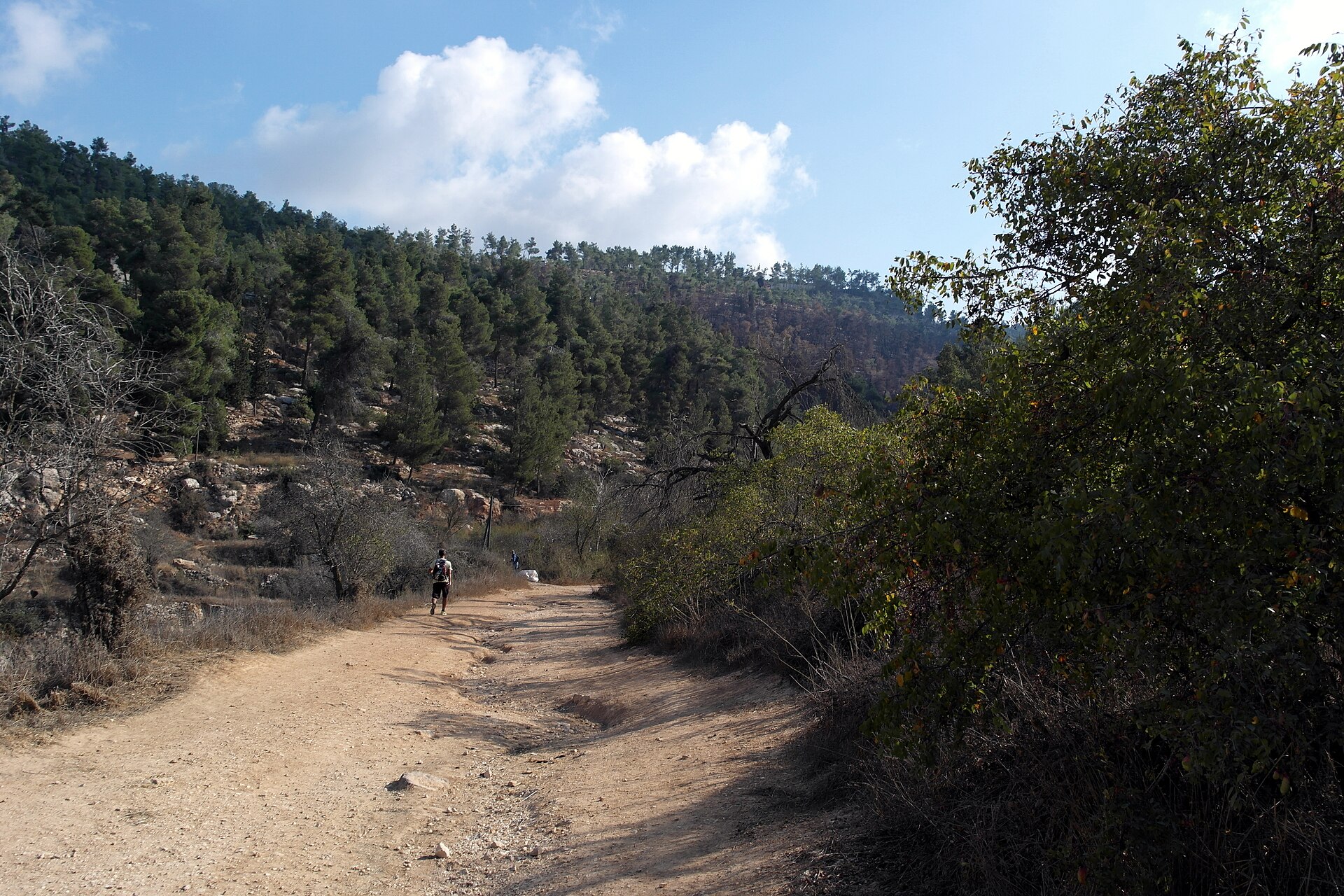
- Diversity: Forests (Mediterranean pine and oak), springs, ancient terraces, desert canyons, all within an hour.
- Trail types: Marked single-loop trails, multi-day expeditions, family-friendly easy walks.
- Distance from city: 15-50 km to most trailheads.
- Best seasons: Spring (March-May) and fall (September-November).
- Difficulty range: From wheelchair-friendly paved paths to advanced desert traverses.
- Active community: Local hiking clubs, mountain biking groups, guided tour operators.
- Connecting trail: Israel National Trail (1,000 km) passes through.
Top Hikes Near Jerusalem at a Glance
- Sataf Springs Trail — 3 km, easy-moderate, ancient terraces. Full guide.
- Ein Hemed (Aqua Bella) — 1-2 km, easy, family pools. Family trail options.
- Lifta Abandoned Village — 2 km, easy-moderate, swimming pool.
- Wadi Qelt — 3-15 km, moderate-challenging, desert canyon. Full guide.
- Jerusalem Trail — 42 km circular, multi-day. Full guide.
- Ein Karem to Sataf — 4-5 km, intermediate.
- Mount of Olives Loop — 4 km, moderate, biblical sites. See our Mount of Olives guide.
- Jerusalem Forest trails — Various easy loops.
Family-Friendly Hikes
For families with children, several easy hikes near Jerusalem combine accessible distances with engaging features — springs to wade in, ruins to explore, and shaded picnic areas. Ein Hemed (Aqua Bella) is the easiest and most family-suitable, with paved paths, spring pools for wading, Crusader ruins, and lawn picnic areas just 25 minutes from city center.
Sataf works for ages 5+ with its 3 km loop through ancient terraces and springs. Lifta rewards older kids with a swimming pool and ruins. Hadassah Forest offers stroller-friendly paved paths for the youngest visitors. For the complete family hiking breakdown, see our Family Hikes Near Jerusalem guide; for the city side, our Jerusalem with Kids guide covers museums, food, and pacing.
The Jerusalem Trail
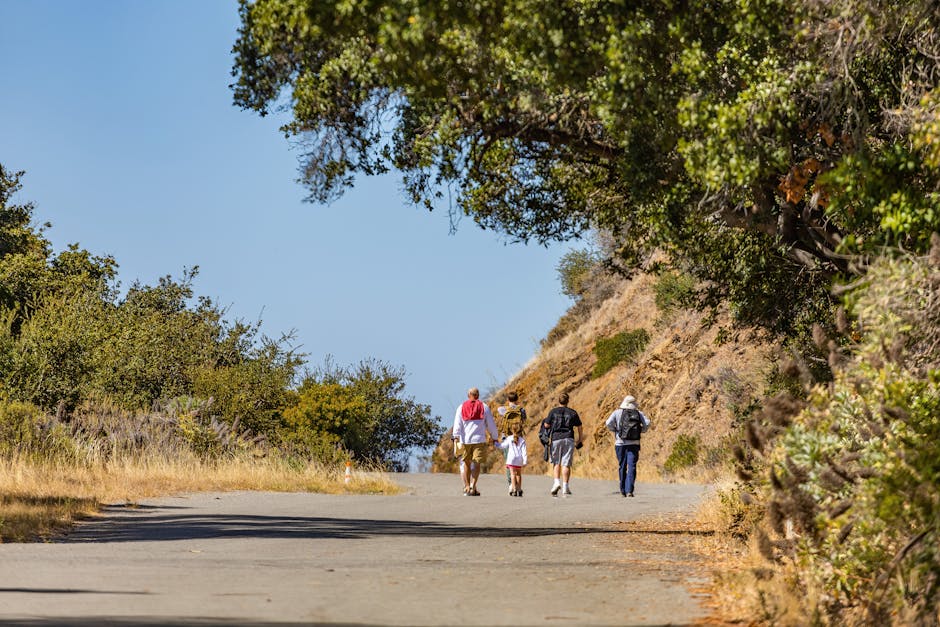
The Jerusalem Trail is a 42-kilometer marked circuit looping around the entire city, connecting historic sites, neighborhoods, springs, and forests. Marked with white-blue-white blazes, it can be done as a 3-4 day full circuit or broken into day-hike sections of 4-6 km each. The trail connects to the larger Israel National Trail (1,000 km).
Top day-hike sections include: Mount Herzl to Ein Karem (6 km, moderate), Mount of Olives (4 km with biblical sites), Lifta and Hinnom Valley (5 km), and the Refaim Valley stretch. The full route includes Jerusalem Forest, Lifta, Hadassah, Ein Karem, Refaim Valley, Old City, Mount of Olives, Tzurim Valley, and Mount Scopus. See our Jerusalem Trail Hiking guide for the full route map and section recommendations.
Sataf Springs and Agricultural Terraces
Sataf is one of Jerusalem’s most rewarding short hikes, just 20 minutes west of the city. The 3-kilometer loop features two natural springs (Ein Sataf and Ein Bikura), 2,000-year-old agricultural terraces, Mediterranean forest, and active demonstrations of ancient farming methods by the Jewish National Fund. Olive, fig, pomegranate, and grape demonstration plots show biblical-era crops.
The site is free, family-friendly for kids 5+, and combines beautifully with a visit to nearby Ein Karem village (10 minutes away). For full details on routes, springs, and what to bring, see our Sataf Trail guide.
Wadi Qelt Desert Canyon
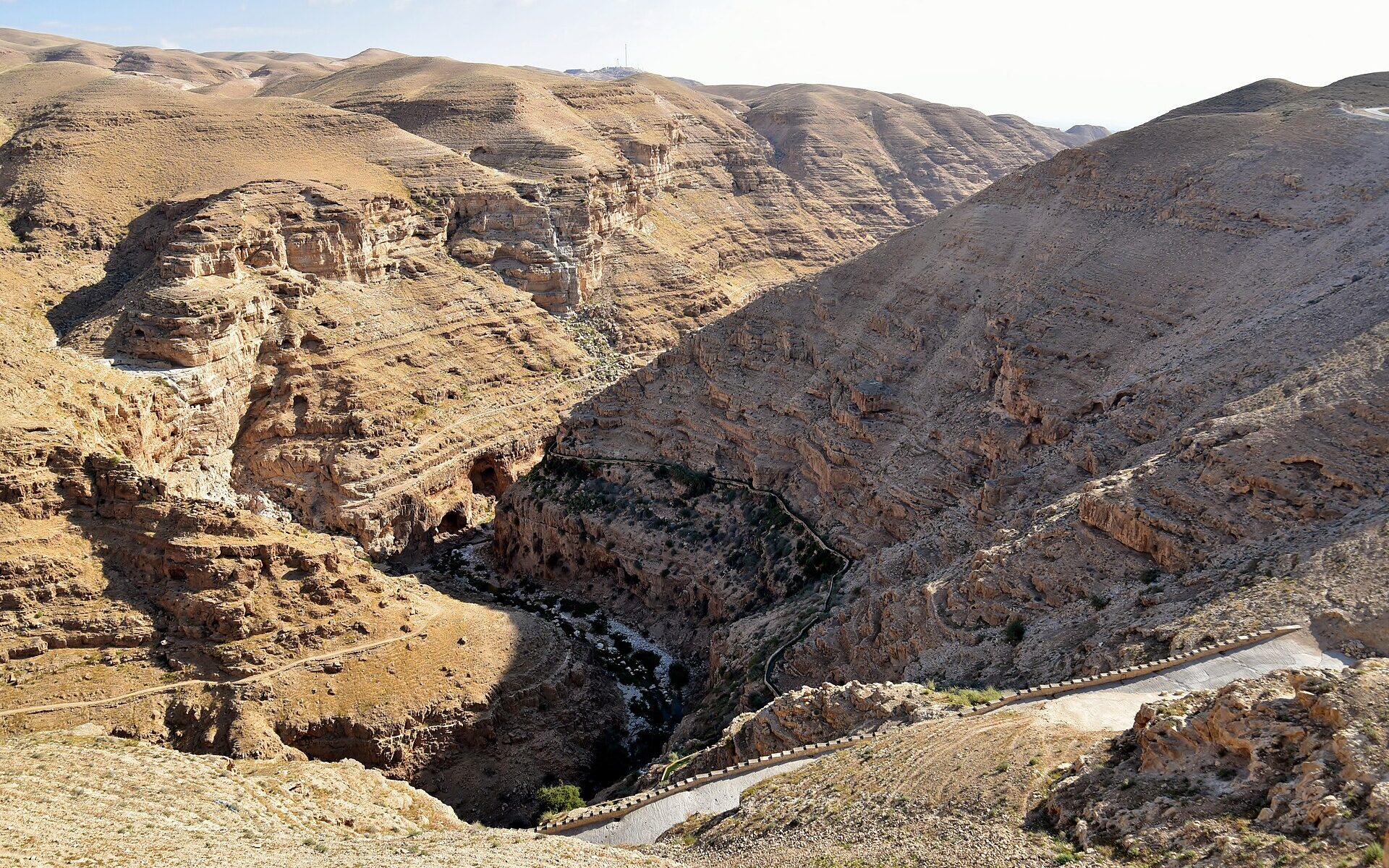
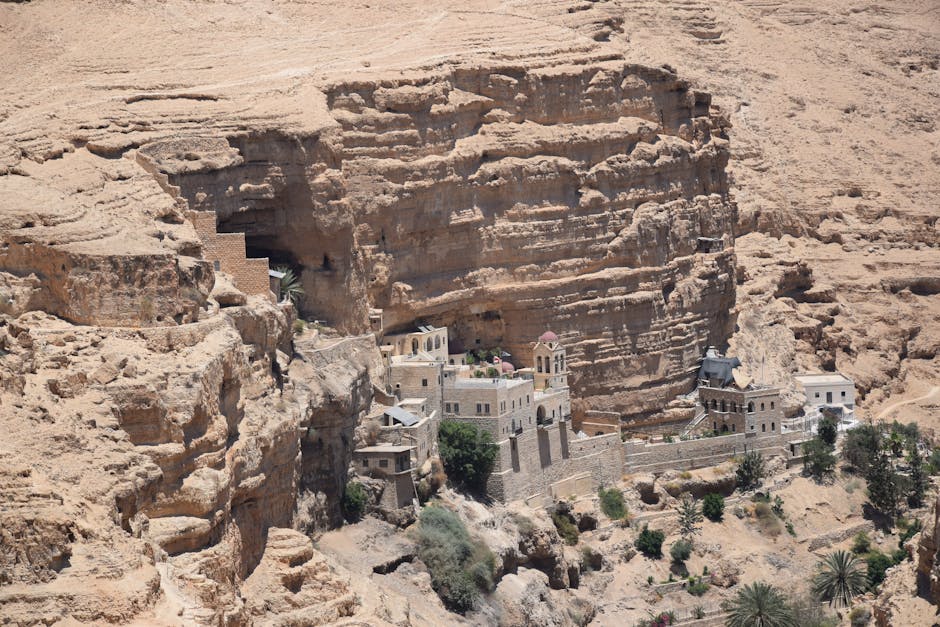
The Wadi Qelt hike takes you from the Jerusalem hills down to Jericho through a dramatic 15-kilometer desert canyon. Towering cliffs, freshwater springs, the cliff-side St. George’s Monastery (5th century), and biblical landscapes make this one of Israel’s most cinematic hikes. The full traverse is challenging, but popular shorter sections of 3-5 km work for families with kids 10+.
Wadi Qelt is only safe outside the summer heat — October to April is ideal. Bring 3-4 liters of water per person and sun protection. Consider a guided tour for the full traverse, as logistics (start/end points are different) require planning. See our Wadi Qelt Hike guide for routes, safety, and St. George’s Monastery details.
One honest caveat: Wadi Qelt lies in the West Bank, and conditions depend on the situation at the time of your trip. Most weeks it is calm and full of hikers; occasionally it is not. Go with a licensed guide or organized group — for security, and because the point-to-point logistics need a second vehicle — carry your passport, and ask locally about conditions a day or two ahead. If anything feels off, Ein Prat delivers a similar canyon inside a staffed national park.
Judean Desert Adventures
The Judean Desert stretches east from Jerusalem to the Dead Sea, offering jeep safaris, camel rides, hiking, Bedouin camps, and ancient monasteries. Half-day to multi-day tours from Jerusalem range from gentle desert experiences (sunset jeep + Bedouin tea) to challenging adventures (Masada sunrise hike, multi-day expeditions).
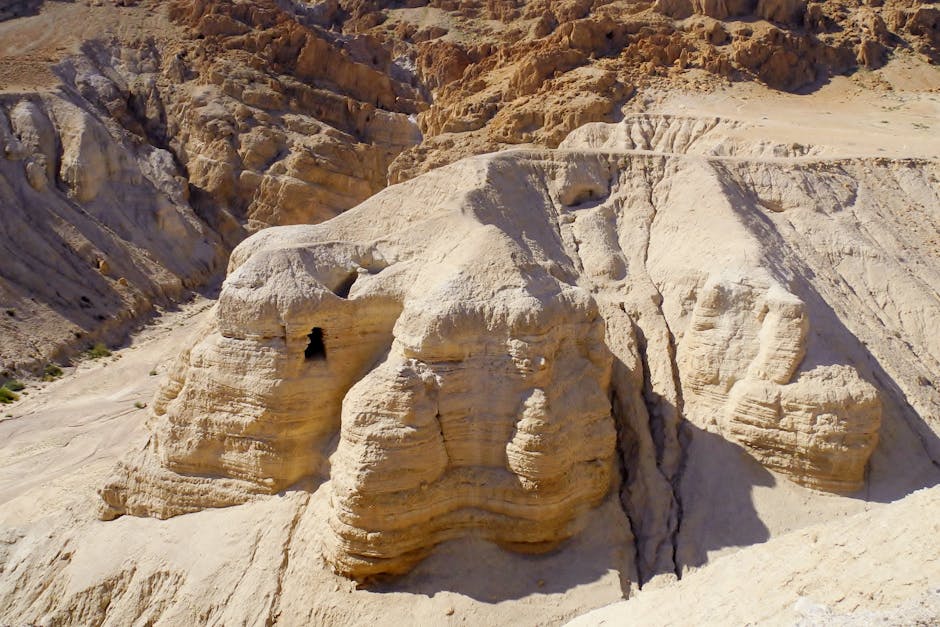
Top desert destinations include Masada (ancient mountain fortress), Ein Gedi (lush oasis with waterfalls), Qumran (Dead Sea Scrolls discovery site), and the Bedouin shrine of Nabi Musa. October through April is the only safe window — summer heat (40°C+) is dangerous. See our Judean Desert Tours from Jerusalem guide for operators, costs, and itineraries.
Ein Karem Village
Ein Karem is a charming former Arab village turned artist colony 7 km southwest of central Jerusalem — cobblestone streets, ancient churches, Mary’s Spring, and hiking trails. Christian tradition identifies it as the birthplace of John the Baptist. The village combines well with Sataf hiking nearby. For complete Ein Karem coverage — churches, Hadassah Chagall windows, restaurants, and a half-day itinerary — see our Ein Karem Jerusalem guide.
Four More Trails Worth Knowing
Nahal Refaim (Refaim Valley)
6-7 km point to point, about 150 m of gentle descent, two springs en route. Start near Malha train station and follow the valley southwest past Ein Lavan — twin shallow pools busy with families on Fridays — to Ein Haniya, one of the largest springs in the Jerusalem hills, beside Byzantine church remains. The old Ottoman railway alignment keeps the grade barely noticeable; no car needed at all.
Ein Prat and Ein Mabo’a (Nahal Prat)
2-8 km options, modest elevation change, year-round flowing water. Twenty-five minutes northeast, the Prat stream cuts a chalk-and-limestone canyon with swimmable pools, the working Faran Monastery on the cliff, and a marked route downstream to Ein Mabo’a, a karst spring that visibly surges and ebbs in cycles. A national park: around 30 ILS per adult, gates closing mid-afternoon in winter, 5 PM in summer. On Saturdays arrive before 9 AM or the parking quota fills.
Emmaus and the Latrun Hills
2-6 km of easy rolling terrain, no reliable water — carry your own. Thirty minutes west along Route 1, Canada Park (Ayalon) holds the Byzantine ruins of Emmaus-Nicopolis, stretches of Roman road, and lookouts toward the coastal plain; the Trappist Latrun Monastery next door sells the monks’ own wine and olive oil. In February the slopes turn red with anemones. The gentlest outing in this guide, and an easy add-on from our Day Trips from Jerusalem guide.
Ein Kerem Ridge Descent
4-5 km, roughly 200 m of descent, water at Mary’s Spring (look, don’t drink). From Mount Herzl — the light rail stop is a short walk from the trailhead — woodland paths drop through pine and terraced olive groves into Ein Karem village, where cafes and churches wait. Combine with Sataf for a fuller day.
Mountain Biking
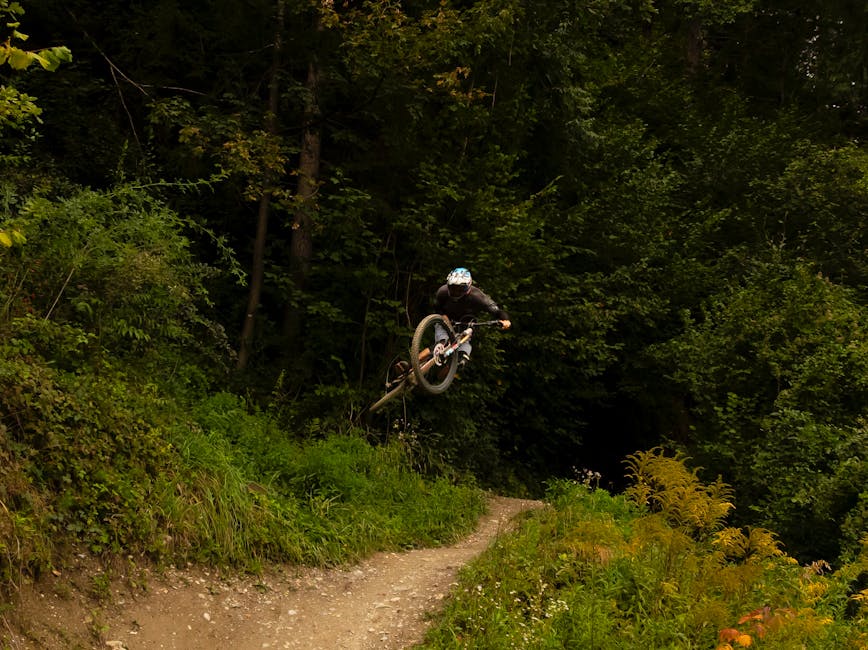
The Jerusalem area is a strong mountain biking destination, with marked trails ranging from beginner Jerusalem Forest loops to advanced Judean Desert technical terrain. Bike rentals (100-250 NIS/day) and guided tours ($80-200) are widely available. The Israel National Bike Trail (1,200 km) passes through the area.
Top biking areas: Jerusalem Forest (beginner to intermediate), Ein Karem to Sataf (intermediate), Lifta and Tzippori Forest (intermediate), and the Judean Desert (advanced). Spring and fall are best seasons. See our Mountain Biking in Jerusalem guide for trails, rentals, and operators.
Urban Parks and Gardens
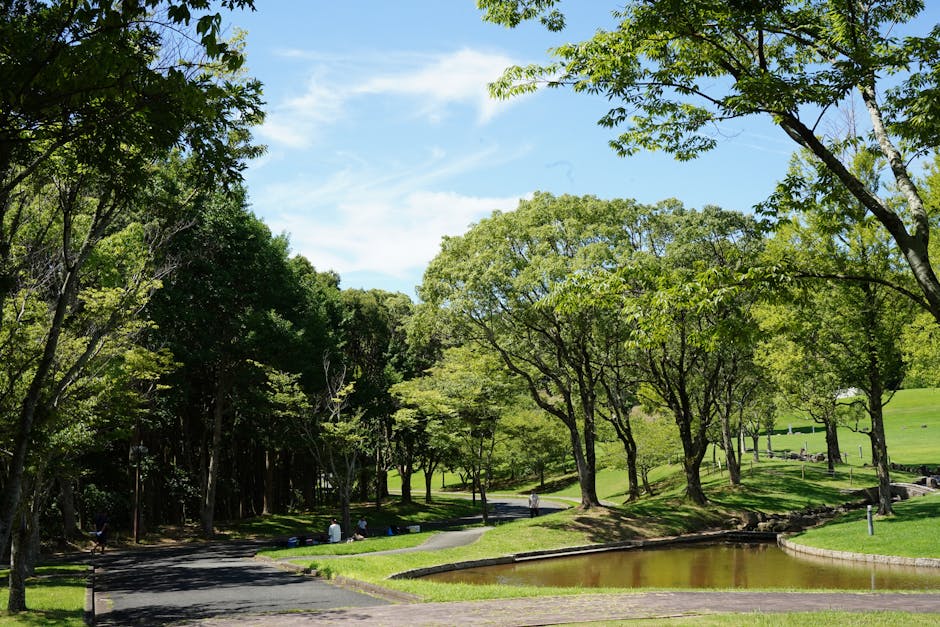
Within the city itself, Jerusalem parks offer welcome escapes between sightseeing days. The Jerusalem Botanical Gardens feature 30 acres of themed gardens; Sacher Park is the largest urban park with picnic areas and sports facilities; Liberty Bell Park has playgrounds for families; and the Wohl Rose Garden displays 800+ rose varieties. The surrounding Jerusalem Forest and Hadassah Forest add forested hiking right at the city’s edge.
For locations, hours, and family features, see our Jerusalem Parks guide — and since every park here costs nothing, they slot neatly into our Free Things to Do in Jerusalem roundup.
Best Seasons for Hiking
- Spring (March-May): Best overall — wildflowers, mild temperatures, springs flowing.
- Fall (September-November): Excellent — cool, dry, comfortable temperatures.
- Summer (June-August): Hot; start at dawn (6 AM); avoid desert hikes entirely.
- Winter (December-February): Cool, occasionally rainy; muddy trails after rain; flash flood risk in desert.
Wildflower Season: February to April
The bloom is reason enough to time a trip. Cyclamen (rakefet) push through Jerusalem Forest rocks from late January; almond trees flower white in early February; red anemones (kalaniyot) carpet the Latrun hills through March; lupines follow into April, then the hills brown fast. Picking wildflowers is illegal in Israel — photograph and move on.
Summer Heat Strategy
If summer is your only window: walking by 5:30-6:00 AM, off the trail by 10:30. Budget a liter of water per person per hour, choose forest shade (Sataf, Ein Kerem ridge), and build the day around a spring you can sit in. Desert routes are off the table June through September — rescue services pull overheated hikers out of the Judean Desert every summer.
Reading Israeli Trail Markings
Israel uses one of the clearest blaze systems anywhere: three painted stripes on rocks, posts, and tree trunks. The outer stripes are white; the middle stripe carries the trail’s color — red, blue, green, or black — matching the line on the hiking map. The Israel National Trail uses its own orange-blue-white blaze, and an angled blaze signals a turn.
Download the free Israel Hiking Map (israelhiking.osm.org.il) before you go — every marked trail in the country, offline; locals swear by Amud Anan. Between regular blazes and a phone map, getting genuinely lost here takes effort.
What to Bring
- Water: 2-3 liters per person; 3-4 liters for desert hikes.
- Sun protection: Wide-brimmed hat, sunscreen, sunglasses.
- Footwear: Sturdy closed-toe walking or hiking shoes.
- Snacks: Trail mix, fruit, sandwiches.
- Layers: Light jacket for cool mornings.
- Map and phone: Israel Hiking Map (offline) is excellent.
- First aid kit.
- Swimwear: If visiting springs at Ein Hemed, Lifta, or Wadi Qelt.
Safety Considerations
- Tell someone your route and expected return time.
- Stay on marked trails.
- Cellular coverage reliable on most trails near the city.
- Flash floods: Avoid desert canyons in rain or threatening weather.
- Heat: Start early, finish before midday in warm months.
- Modest dress when passing through religious neighborhoods.
- Guided tours recommended for desert traverses and first-time visitors.
Getting to Trailheads
- Car: Most trailheads accessible by car; free parking at most.
- Public transport works for more than you’d think: Nahal Refaim (train or bus to Malha), Ein Kerem ridge (light rail to Mount Herzl), and Lifta (walkable from the Central Bus Station area) need no car. Sataf and Ein Hemed have infrequent regional buses — check Moovit the night before.
- Taxis: 40-100 NIS to closer trailheads; save the driver’s number for the return — there is no taxi rank at a spring.
- Tour companies: Many offer pick-up from Jerusalem hotels.
- Walking: Some trails (Jerusalem Forest, Lifta) accessible from city.
Final Word: A City Surrounded by Nature
Hiking near Jerusalem reveals a diverse landscape most visitors never see — forests, springs, terraces, deserts, and the iconic Jerusalem Trail looping around the city. Choose by season, fitness, and time: a family wade at Ein Hemed, a February anemone walk at Latrun, a dawn descent of Wadi Qelt, or a three-day lap of the Jerusalem Trail. Use the linked deep-dive guides to plan in detail, and pack with our What to Pack for Jerusalem checklist. Pair this with our Travel Tips guide and Best Time to Visit guide.
Photo Credits
Wadi Qelt gorge in the Judean Desert: Wadi Qelt, 2019 (01) by Bahnfrend, CC BY-SA 4.0, via Wikimedia Commons.
Dirt trail in the Jerusalem Forest: Jerusalem March 2014 (15528178296) by RonAlmog from Israel (ישראל), CC BY 2.0, via Wikimedia Commons.