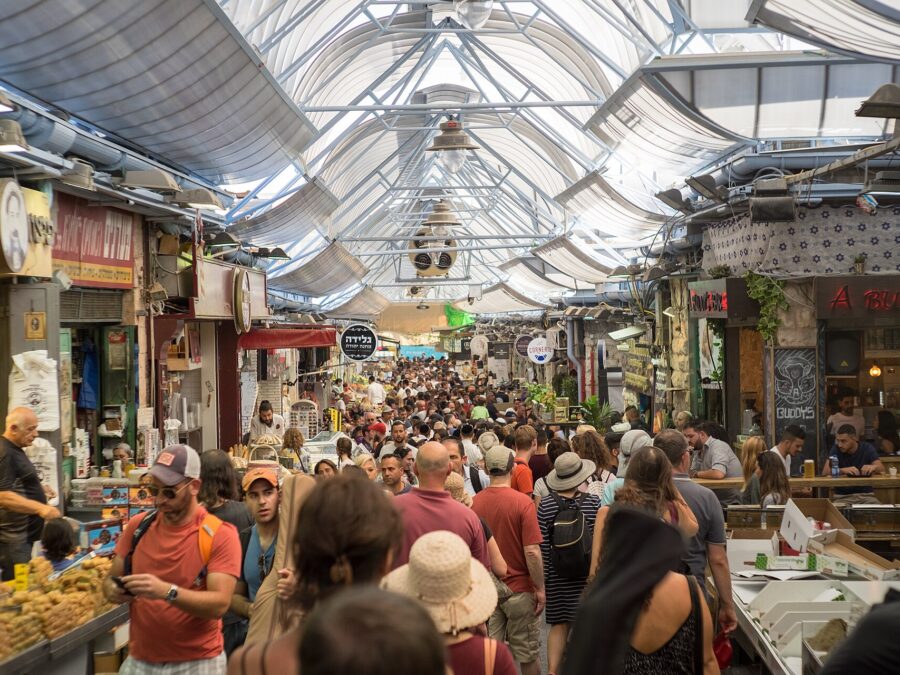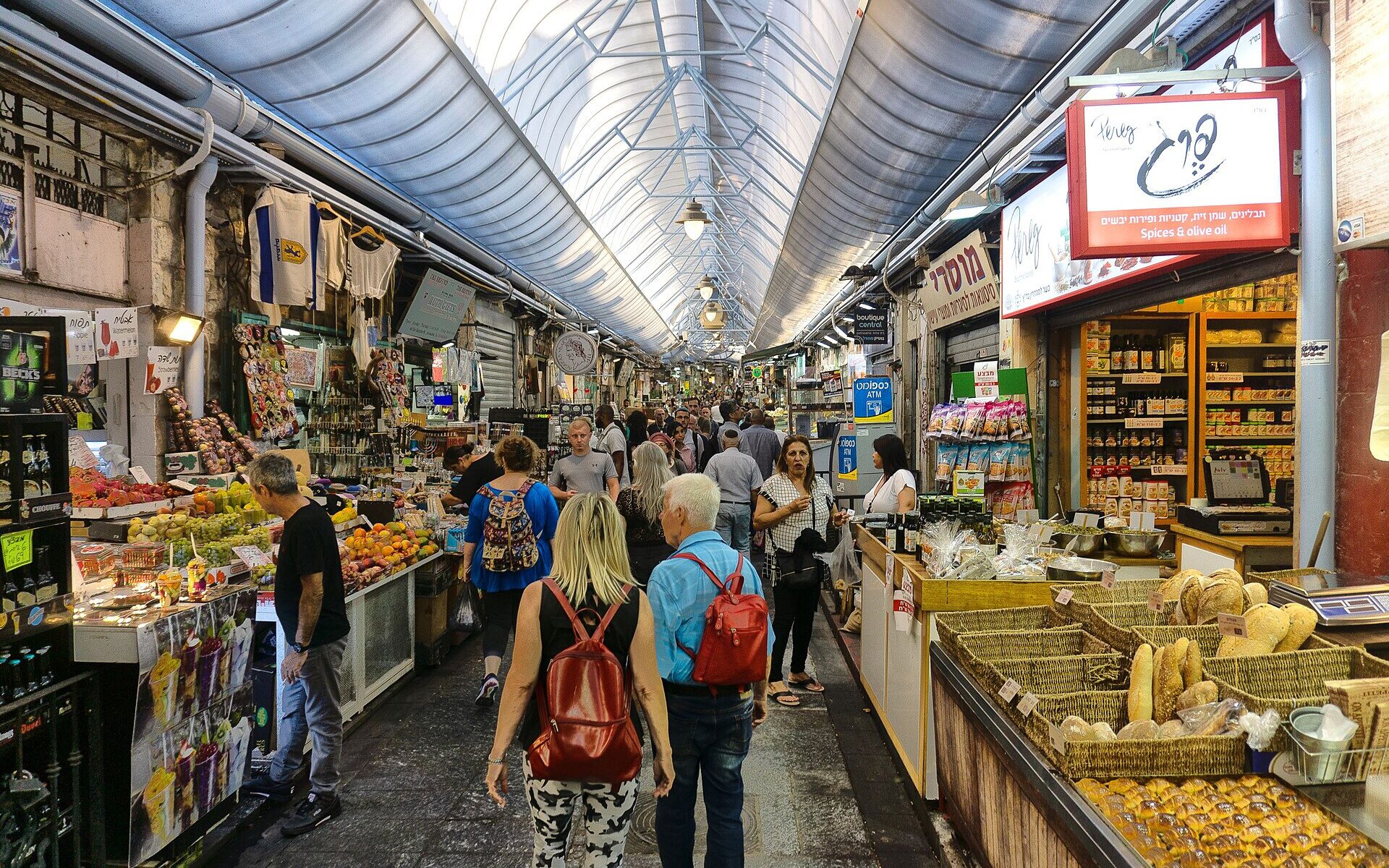
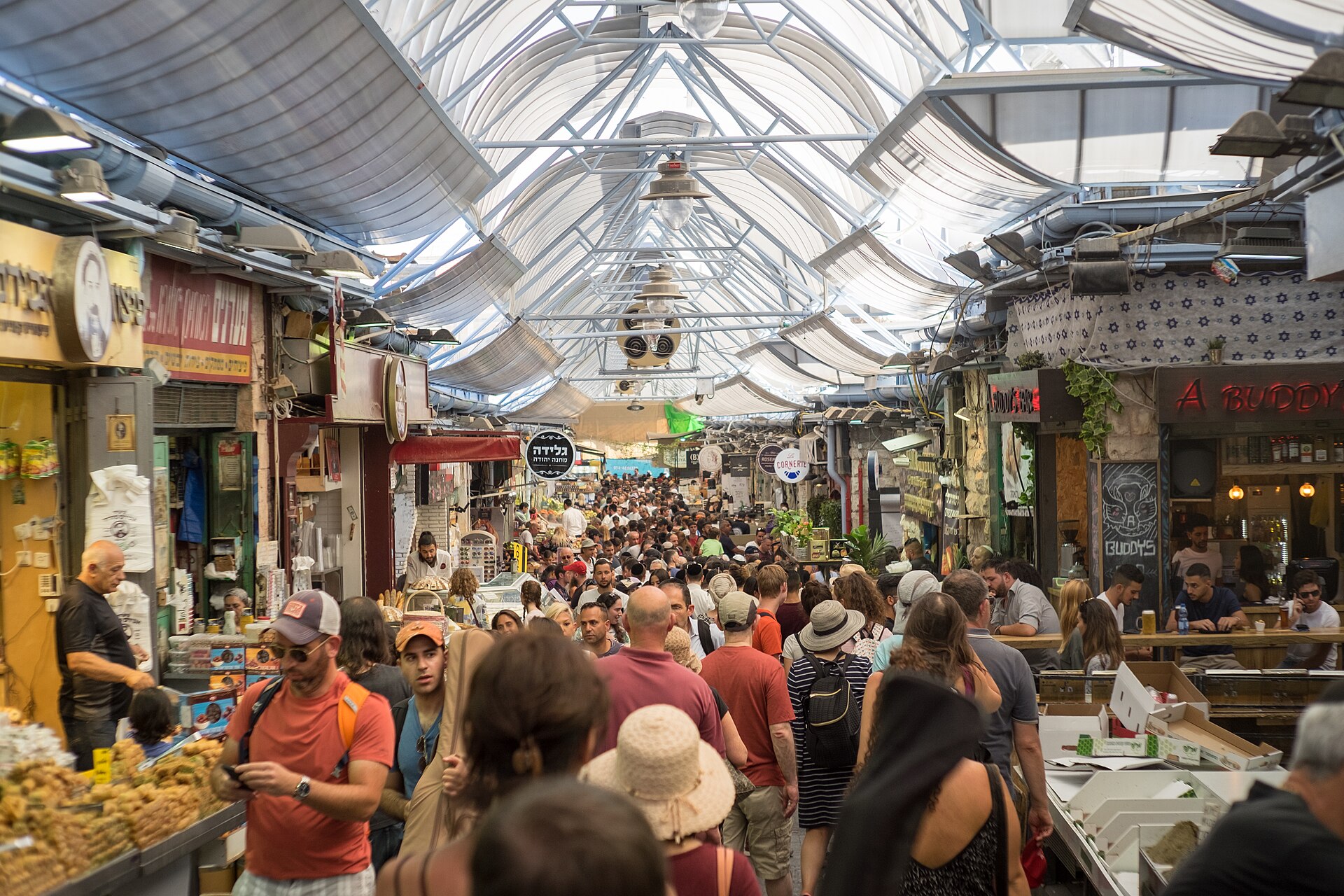
Mahane Yehuda Market food is the most vibrant culinary scene in Jerusalem — and arguably in the entire country. The Shuk, as locals call it, packs over 250 vendors into a few covered alleys: bakeries that have served the same families for four generations, juice bars whose recipes go back to Yemen via grandfathers, halva makers stone-grinding tahini in front of you, falafel stands that fry to order, Yemeni bread bakers slow-cooking kubaneh through the night. Whether you have 90 minutes for a quick lunch or three hours to graze, this market is the most efficient way to taste the entire Middle Eastern food world in one visit.
This guide is the most complete resource on Mahane Yehuda Market food for 2026 — a stall-by-stall walkthrough of the must-eat vendors, hidden gems, and the order in which to taste them so you don’t fill up before the best stops. Each entry covers what to order, the family or backstory behind the stall, the price range, and the best time to visit. Pair this with our complete Jerusalem food guide and the wider survey of Jerusalem street food.
Why Mahane Yehuda Market Food Is Special
Three things make Mahane Yehuda Market food different from any other market food scene we know:
- Generational continuity. Many of the best stalls have been at the same spot for 50–80 years, with recipes passed grandfather to grandson.
- Cultural breadth. Yemeni, Iraqi, Moroccan, Persian, Georgian, Russian, Italian, French, and Palestinian cooking traditions all coexist within a 5-minute walk.
- Day-and-night transformation. Daytime market frenzy gives way after 8 PM to one of the city’s best bar districts, with the same alleys serving cocktails and tapas.
Plan to spend a minimum of 2 hours grazing through the market. Bring cash for the smaller stalls, an empty stomach, and a willingness to ask questions. Most vendors are happy to chat, and many offer free samples.
Best Time to Visit Mahane Yehuda Market
- Friday morning (~9 AM): Peak energy. Locals stocking up for Shabbat. Most photogenic, loudest, freshest produce. Crowded.
- Sunday-Thursday late morning (~10 AM): Calmer. Great for a leisurely tasting walk and for chatting with vendors.
- Weekday lunch (12:30–2:30 PM): Sit-down restaurants peak. Plan to share tables.
- Friday afternoon (~2:30 PM): Vendors begin closing for Shabbat. Discounts on perishable items.
- Saturday: Closed for Shabbat. Reopens Saturday evening for the bar district.
- After 8 PM Sun-Thu / Sat: The bar district. Most food stalls closed; restaurants and bars open.
1. Aricha Sabich — The Iconic Eggplant Pita
Address: Agripas Street 83.
Price: ~$8–$12.
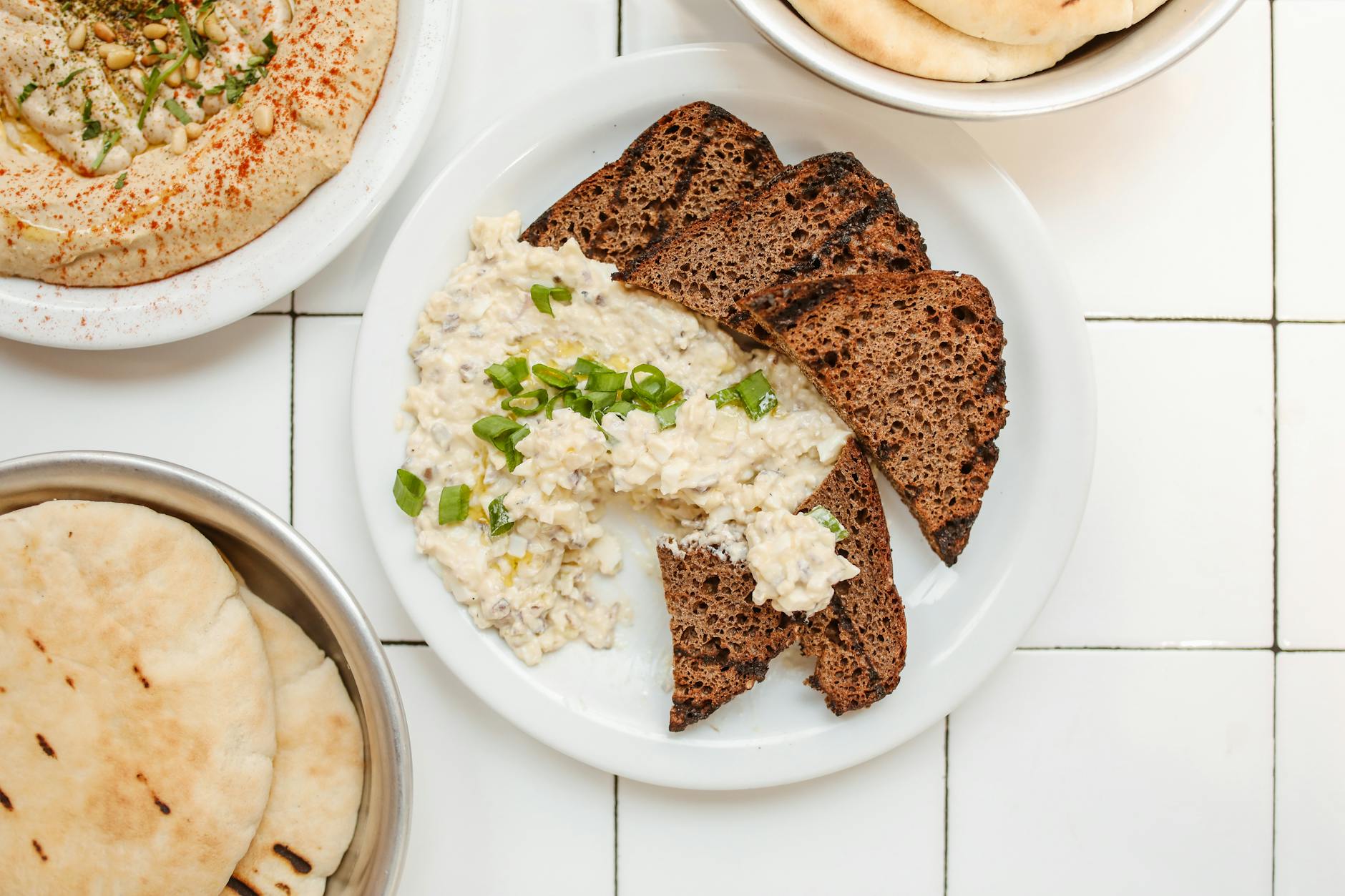
What to order: Sabich — fried eggplant, hard-boiled egg, hummus, tahini, pickles, amba (mango pickle), and salad inside a fluffy pita. The Iraqi-Jewish breakfast/lunch staple.
Why book it: If you could only eat one thing in the entire Mahane Yehuda Market, this is it. The eggplant is fried to order; the components have remained unchanged for 50 years.
2. Joni Kubaneh — Slow-Baked Yemeni Bread
Address: 78 Agripas Street.
Price: ~$6–$10.
What to order: Kubaneh — slow-baked Yemeni bread with a buttery, pull-apart texture. Served warm with grated tomato, hilbeh (fenugreek), and a hard-boiled egg.
Why book it: Kubaneh is one of those dishes you don’t realize you need until you taste it. Joni’s version is among the best in the city.
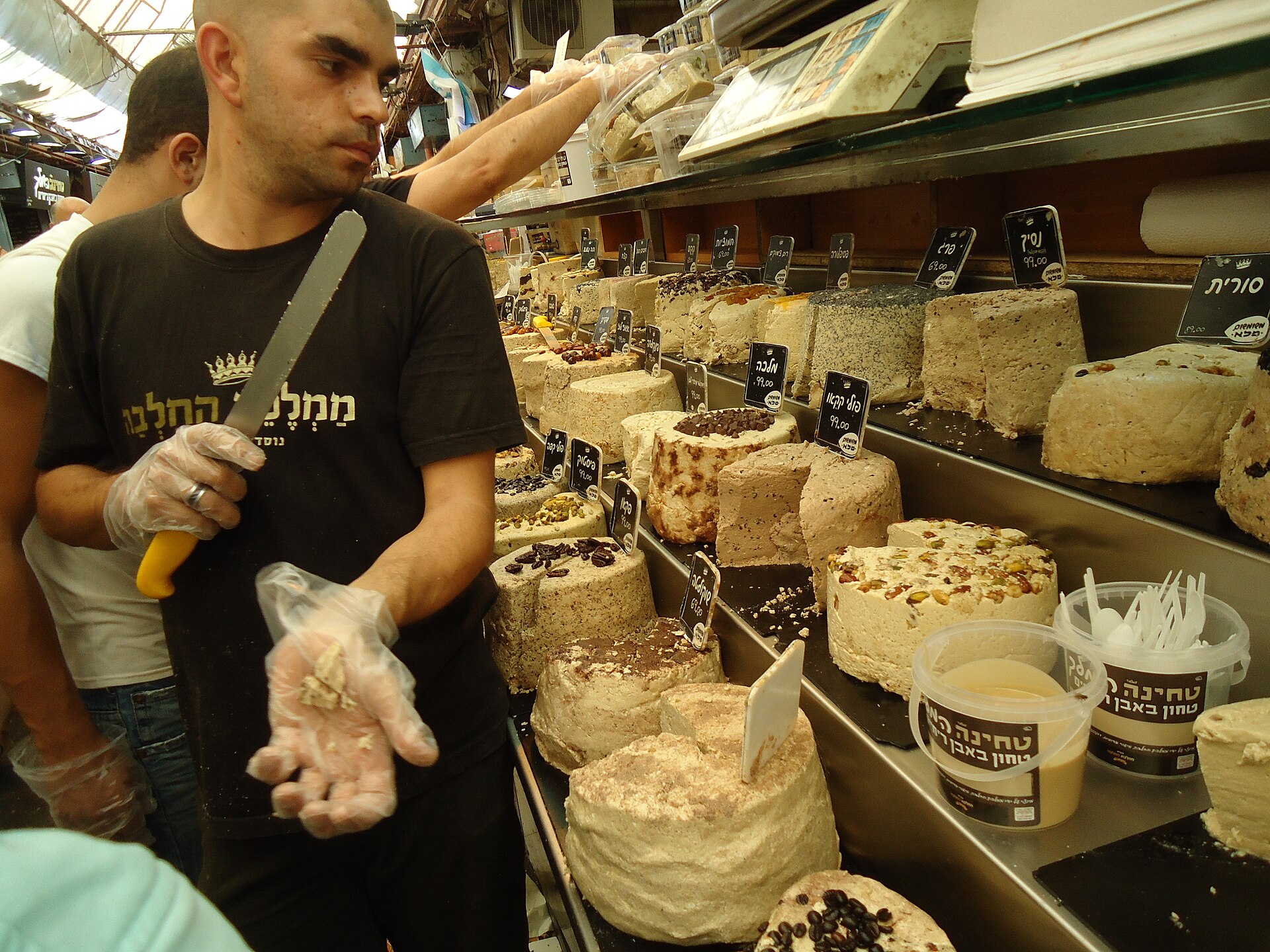
3. Halva Kingdom — Over 100 Flavors of Halva
Location: Center of the covered market.
Price: ~$10/lb.
What to order: Try the pistachio, vanilla-cardamom, and the seasonal flavors. Sample 4–5 flavors before deciding.
Why book it: Halva is sesame-paste-based, naturally vegan and gluten-free. The shop also stone-grinds tahini fresh and you can watch the millstones turn.
4. Azura — Iraqi-Jewish Slow-Cooked Comfort
Address: Eshkol Street, in the covered Iraqi shuk.
Price: $20–$35 per person.
What to order: Stuffed eggplant slow-cooked in tomato sauce, kubbeh soup, and the legendary stuffed onions. Lunch only.
Why book it: Open since 1952. Family-run for three generations. The kubbeh soup alone is worth the trip.
5. Marzipan Bakery — Chocolate Rugelach Pilgrimage
Address: Near the eastern entrance, just off Agripas Street.
Price: $5/lb.
What to order: Chocolate rugelach. Warm, gooey, butter-rich.
Why book it: Local rule: get them straight from the oven Friday morning. The rugelach are why people make pilgrimages to this market.
6. Chachapuria — Georgian in the Shuk
Address: Inside the covered market.
Price: $15–$25 per person.
What to order: Adjarian khachapuri — boat-shaped cheese-filled bread topped with a soft egg yolk. Khinkali dumplings.
Why book it: Some of the best Georgian food in the country. Made fresh on the spot.
7. Pasta Basta — Open-Kitchen Italian
Address: Inside the covered market.
Price: $15–$25 per person.
What to order: Whatever’s on the daily handwritten board. Pasta is made every morning in front of customers.
Why book it: Quick, fresh, no-reservation. Watch sauces being made on the spot.
8. Hamarakia — The Soup Pot
Price: $15–$25 per person.
What to order: 8–10 rotating soups daily. Try the lentil, the beet borscht, the kubbeh soup, or whatever the day’s special is. Add fresh salads from the market.
Why book it: Cozy, casual, perfect on cold winter days.
9. Machneyuda — The Restaurant That Reshaped Jerusalem Dining
Address: 10 Beit Ya’akov Street.
Price: $80–$120 per person with wine.
What to order: The chef’s tasting menu, anything with the on-the-day fish, polenta. Reserve well in advance.
Why book it: Three chefs, an open kitchen with a market-driven menu, and a now-legendary atmosphere of joy. The single most acclaimed restaurant in the city.
10. Argento Empanadas
Price: ~$5–$8.
What to order: Four empanadas — three Argentine classics and one shuk-inspired with lamb, dates, and ras-el-hanout.
Why book it: A surprisingly good cross-cultural snack and a perfect mid-graze quick bite.
11. Etrogman — Healing Citrus Juices
What to order: Etrog (citron) shots, fresh-pressed pomegranate, immune-boost blends.
Why book it: Three generations of Yemeni holistic-medicine knowledge. Uzieli Hazai’s grandfather was a healer in Yemen who used the etrog as a cornerstone of his medicine. The shop in Jerusalem opened nearly 20 years ago.
12. Nuna — Moroccan Mufleta and Mediterranean Plates
Price: $20–$35 per person.
What to order: Mufleta — thin Moroccan pancake traditionally served at Mimouna, the post-Passover Moroccan-Jewish festival. Plus modern Mediterranean shared plates.
Why book it: A modern menu with deep Moroccan-Jewish roots. Beautiful presentation.
13. Kadosh Bakery (The Market Branch)
What to order: Fresh pita, focaccia, baked goods. Different from Café Kadosh in the city center; this is the market bakery.
Why book it: The pita is best straight from the oven. Pair with halva from across the alley.
14. Falafel Brothers Levy
Address: Mahane Yehuda Market, Ha-Tut Street.
Price: ~$5–$8.
What to order: Classic falafel wrap with everything.
Why book it: Crispy outside, fluffy inside, plenty of fixings. Quick lunch staple for locals.
15. Pinati — Hummus and Mixed Grill
Price: $10–$20 per person.
What to order: Smooth garlic hummus topped with hard-boiled egg, pickles, and a falafel ball; plus the Jerusalem mixed grill.
Why book it: Open since 1972. Local institution. Fast service.
16. Cheese Shops (Multiple)
Several cheese shops along the alleys carry Israeli, French, and Spanish artisan cheeses. Free tasting is normal — sample several before buying.
17. Spice Shops
The covered market has half a dozen spice shops with mountains of za’atar, sumac, baharat, ras-el-hanout, and Yemeni hawaij. Smell each one before buying. Most vendors will explain mixes and let you sample. Vacuum-sealed bags travel well.
18. Dried Fruit, Nut, and Date Stands
Mountains of dates (try the soft Medjools), figs, apricots, almonds, and pistachios. Free samples standard. Excellent for snacks during the rest of your trip.
19. Olive Shops
Mountains of olives in dozens of marinades — green, kalamata, citrus-marinated, hot pepper, garlic. Best paired with cheese and a fresh pita on the spot.
20. The Mahane Yehuda Bar District After Dark
After 8 PM the produce stalls close and the Solomon Souza painted shutters reveal the bar district. Standout bars include Casino de Paris (jazz), Beer Bazaar (100+ Israeli craft beers), Talbiye (natural wine), Shuka (Mediterranean tapas), and Fifth of May (loud, late, live). See our Jerusalem at Night guide for the full breakdown.
A 2-Hour Mahane Yehuda Eating Route
- Start at Aricha Sabich (Agripas 83) — share one sabich pita.
- Walk into the covered market.
- Halva Kingdom — sample 4 flavors, buy 100g.
- Cheese, dried fruit, and olive sampling along the alleys.
- Marzipan Bakery — chocolate rugelach (warm from oven).
- Joni Kubaneh — share a Yemeni bread with fillings.
- Argento Empanadas — one each.
- Etrogman — citrus immune boost shot.
- Hamarakia — small bowl of soup to round out the walk.
- Optional: Pasta Basta or Chachapuria sit-down course if still hungry.
Practical Tips for Mahane Yehuda Market Food
- Cash in small bills. Most stalls accept cards now but smaller vendors prefer cash.
- Friday morning is peak. If you don’t like crowds, go Sunday or Monday late morning.
- Friday after 3 PM stalls start closing. Saturday closed entirely.
- Spice and cheese vendors usually offer free samples — be polite, taste, and either buy or thank and move on.
- Bring a water bottle. No fountains in the market.
- Vegan options are abundant — falafel, halva, sabich without egg, soups, salads.
- Kosher status is mixed. Many vendors are kosher; a few are not. Look for the teudat kashrut.
- Reserve at sit-down restaurants like Machneyuda 2–3 weeks ahead.
- Photography is fine at most stalls; ask before close-up portraits of vendors.
Market Layout and Orientation
The market sits between Jaffa Road (north) and Agripas Street (south), with eastern and western entrances. Two main parallel covered alleys (Eshkol and Mahane Yehuda Streets) form the spine. Side alleys connect the spine and host smaller specialty vendors.
- Northern (Jaffa) entrance — closer to the Light Rail stop and city center.
- Southern (Agripas) entrance — closer to Aricha Sabich and Joni Kubaneh.
- Eastern entrance (Beit Ya’akov) — Machneyuda, Marzipan, residential side.
- Western entrance — fewer vendors, quieter.
Getting to Mahane Yehuda
- Light Rail Red Line: “Mahane Yehuda” stop, 50 meters from the northern entrance.
- From Mamilla: 15-minute walk via Jaffa Road.
- From Old City (Jaffa Gate): 18 minutes’ walk.
- From German Colony: 25 minutes’ walk or 8 minutes’ taxi.
- Parking: Difficult. Use the underground Mamilla Mall lot or take Light Rail.
Final Word: Eat Wide, Eat Slowly, Eat Often
Mahane Yehuda Market food rewards travelers who graze rather than rush. Plan for at least 2 hours, share dishes wherever possible, ask vendors about their family stories, and leave room for a final pastry. The best Jerusalem food memories almost always start at this market — bring a friend and a curious appetite.
Pair this with our complete Jerusalem food guide, the Best Restaurants guide, and the Jerusalem at Night guide for the bar-district transformation.
Photo Credits
Bread, fruit and spice stalls in a covered lane of Mahane Yehuda Market: 106964 mahane yehuda market PikiWiki Israel by זאב שטיין, CC BY 2.5, via Wikimedia Commons.
A crowded covered lane of Mahane Yehuda Market: Mahane Yehuda (I) (45298221191) by Emilio García from Parla, Spain, CC BY-SA 2.0, via Wikimedia Commons.
A Halva Kingdom vendor at Mahane Yehuda Market: Mahane Yehuda Market 212 (9629707884) by Meg Stewart from Poughkeepsie, NY, U.S.A., CC BY-SA 2.0, via Wikimedia Commons.
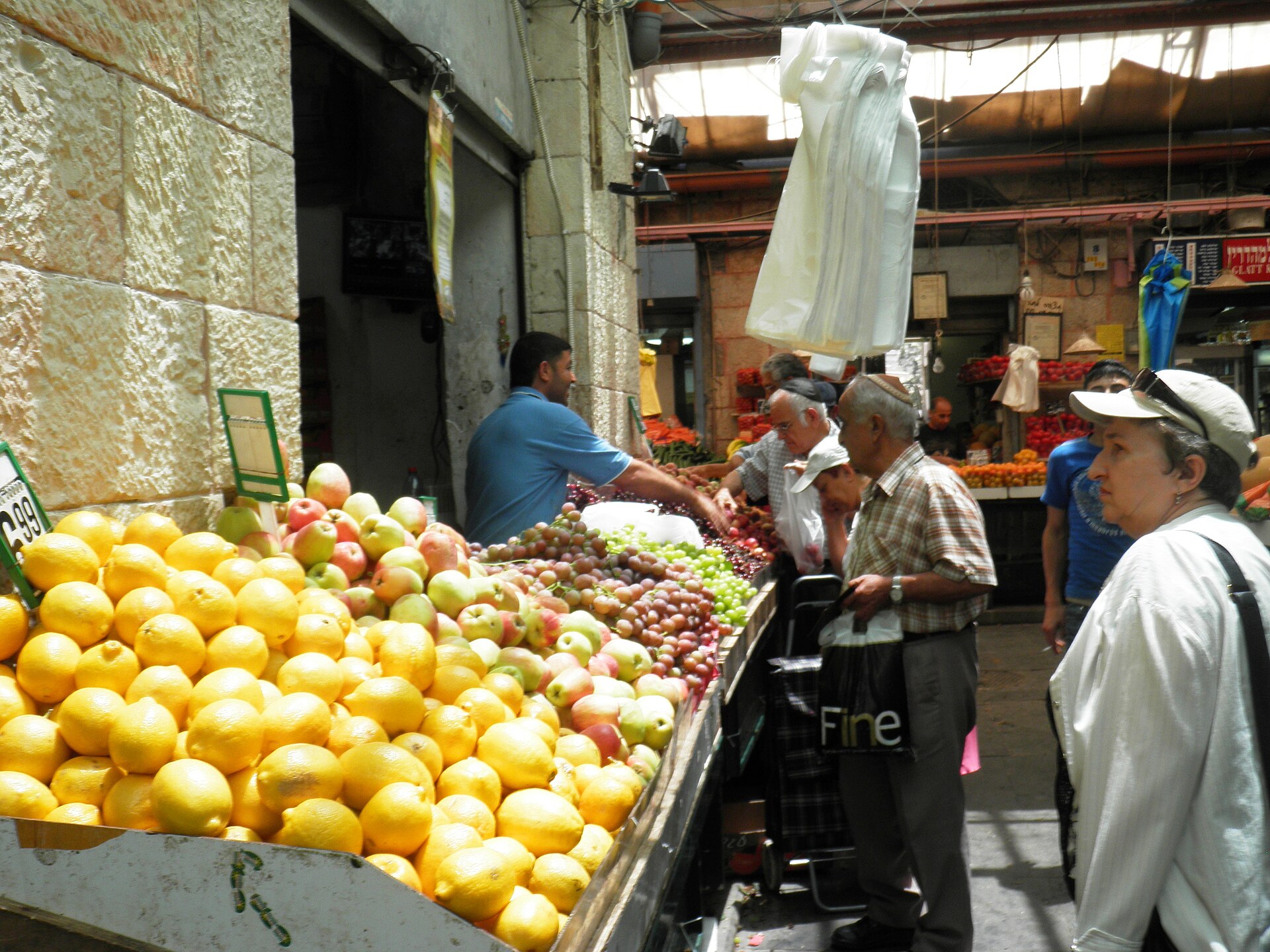
A fruit stall in a covered lane of Mahane Yehuda Market: Mahane Yehuda Market ap 017 by Ariel Palmon, CC BY-SA 3.0, via Wikimedia Commons.