Jerusalem holds the most sacred places in Judaism, drawing Jewish visitors, worshippers, and the curious from every corner of the world. The Western Wall is the spiritual focus, but the city is layered with synagogues, archaeological sites, study halls, and memorials that together tell the story of the Jewish people across three thousand years. This guide walks you through the essential Jewish holy sites in Jerusalem, with the practical details that make a visit smooth: hours, prices in shekels, dress, and the all-important rhythm of Shabbat.
Most of these sites sit inside or just beyond the walls of the Old City, which keeps the core of any Jewish heritage trip walkable. A handful, like Mount Herzl and Yad Vashem, lie in the western part of the city and connect easily by Light Rail. Read through before you go, plan around Friday and Saturday, and you will move through the holiest landscape in Jewish tradition with confidence.

Essential Jewish Holy Sites in Jerusalem
These are the places that anchor a Jewish heritage visit. For the wider picture across all faiths in the city, see our overview of holy sites in Jerusalem.
1. The Western Wall (Kotel)
The Western Wall, or Kotel, is the holiest site where Jews can pray today, a surviving section of the retaining wall that once supported the Temple Mount platform built by Herod the Great. The plaza is open 24 hours a day, every day, and entry is free. Men and women pray at separate sections (the men’s side on the left as you face the wall, the women’s on the right), and visitors of all backgrounds are welcome to approach respectfully.
Many people write a prayer on a slip of paper and tuck it into a crack between the ancient stones. The atmosphere peaks on Friday evening as Shabbat begins, when crowds sing and dance to welcome the day; it is one of the most moving free experiences in the city. Cover your head (paper kippot are provided for men), dress modestly, and refrain from photography on Shabbat and major holidays.
2. The Western Wall Tunnels
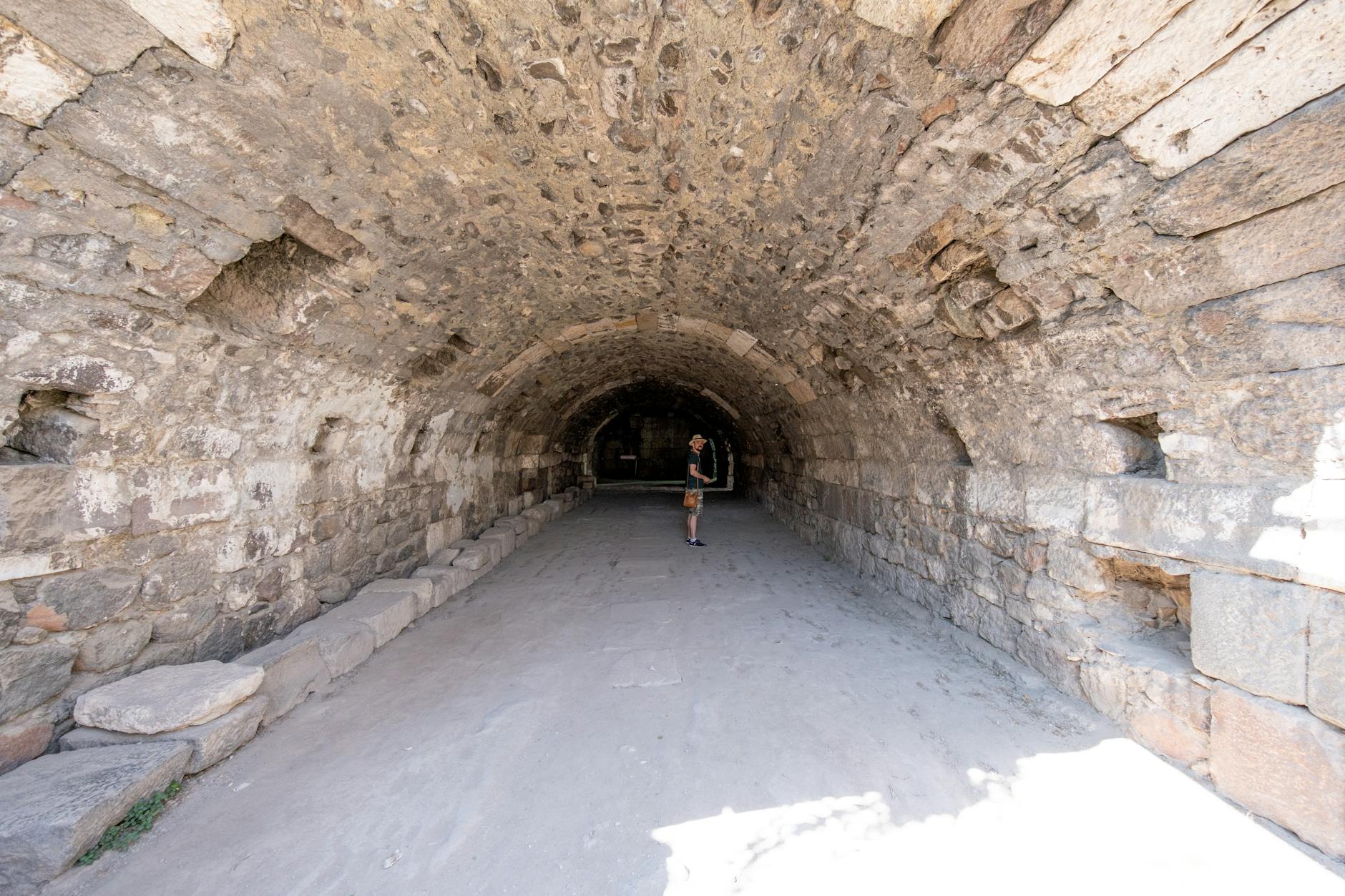
Beneath the plaza, the Western Wall Tunnels reveal the hidden continuation of the wall, running the full length of the Temple Mount’s western side. A guided tour leads you past colossal Herodian stones (one weighs an estimated 570 tonnes), ancient streets, and a quiet prayer point closest to the original Holy of Holies. Tours must be booked in advance, last about 75 minutes, and cost around 45 shekels for adults. They run Sunday through Thursday and on Fridays until early afternoon, closed on Shabbat.
3. The Temple Mount
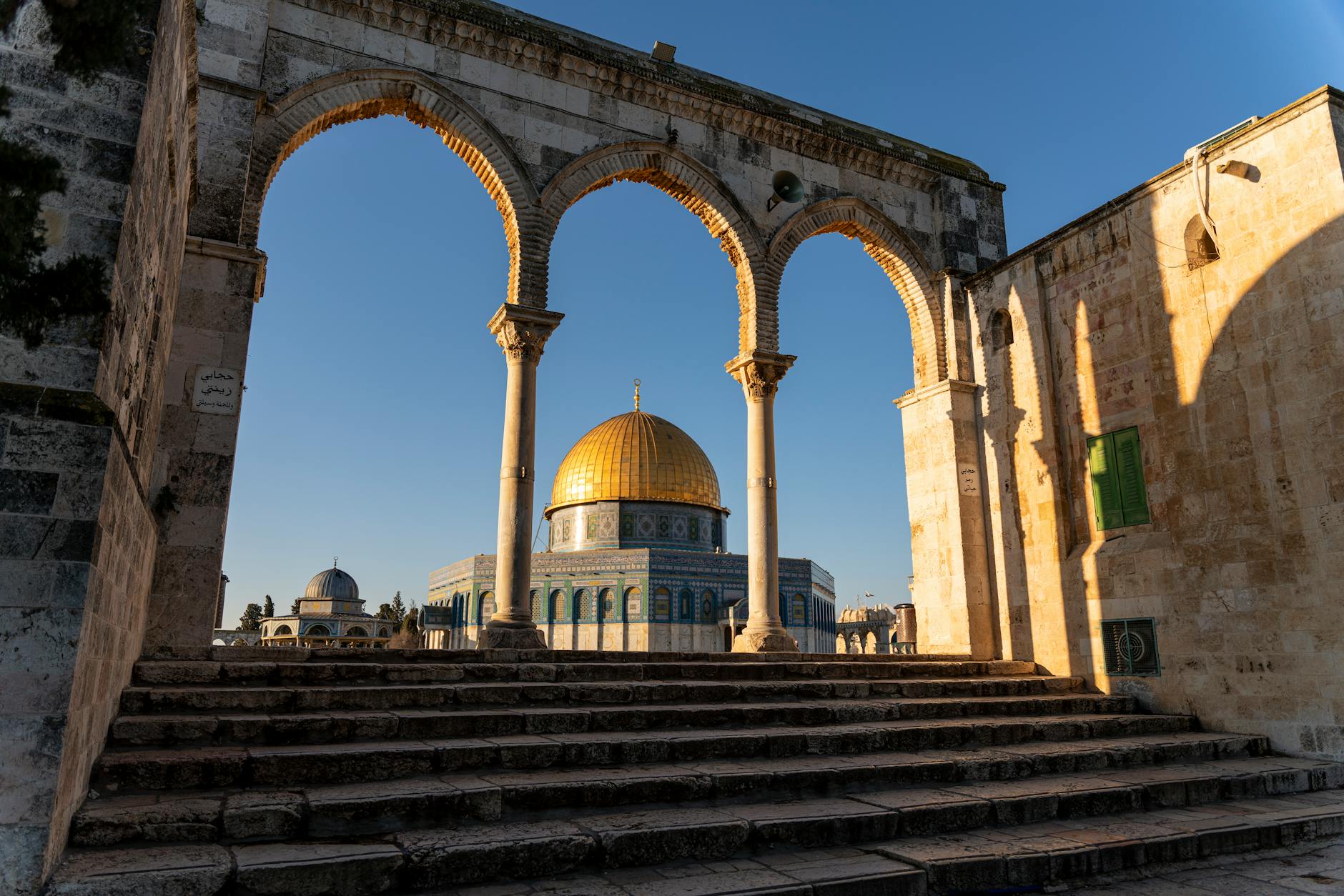
The Temple Mount (Har HaBayit) is the holiest site in Judaism, the location of the First and Second Temples. Today the elevated platform holds the Dome of the Rock and Al-Aqsa Mosque and is administered as a Muslim holy site. Non-Muslims may visit during restricted hours (typically mornings, Sunday to Thursday) by entering through the Mughrabi Gate ramp beside the Western Wall, after security screening. Non-Muslims cannot enter the Dome of the Rock or Al-Aqsa, and religious items and overt prayer by non-Muslims are restricted. Many observant Jews do not ascend the Mount for reasons of religious law. Dress very modestly and check current access on the day, as hours change with the religious calendar and security situation.
4. The City of David
Just outside the Old City’s Dung Gate, the City of David is the original core of ancient Jerusalem, where King David is said to have established his capital. The archaeological park lets you walk through 3,000-year-old excavations and, if you wish, wade through Hezekiah’s Tunnel, an 8th-century BCE water channel cut through solid rock (bring water shoes and a flashlight). Standard tickets run around 35 to 40 shekels; allow two to three hours. It opens Sunday to Thursday and Friday morning, closed Shabbat.
5. The Davidson Center and Jerusalem Archaeological Park
At the southern foot of the Temple Mount, the Jerusalem Archaeological Park preserves the monumental staircase where pilgrims once entered the Temple, along with Herodian streets and the corner where a trumpeter announced Shabbat. The Davidson Center museum brings it to life with a digital reconstruction. Tickets cost around 30 shekels, and it shares the Old City’s Sunday-to-Friday-morning schedule.
6. Mount Zion
Just outside Zion Gate, Mount Zion holds the traditional Tomb of King David, a pilgrimage site for centuries, set in a vaulted medieval room where visitors pray (again with separate men’s and women’s areas). The tomb is free and generally open daily, with shorter Friday hours. The same building holds the Cenacle upstairs, a reminder of how tightly the city’s sacred layers overlap.
7. Mount of Olives Jewish Cemetery
The slopes of the Mount of Olives hold the oldest and most revered Jewish cemetery in the world, in continuous use for some 3,000 years, with an estimated 150,000 graves. Tradition holds it as the place where the resurrection of the dead will begin, which has made burial here deeply prized. The cemetery is freely accessible during daylight; the ridge also gives the finest panorama of the Old City. Dress respectfully and visit in daylight hours.
8. Mount Herzl
In western Jerusalem, Mount Herzl is the national cemetery of Israel and the resting place of national leaders, including Theodor Herzl. Solemn and beautifully kept, it sits beside Yad Vashem and is reachable by the Light Rail Red Line to its final stop. Entry is free; it opens Sunday to Thursday and Friday morning.
Significant Synagogues
The Jewish Quarter of the Old City is dotted with historic synagogues, many rebuilt after destruction in 1948.
Hurva Synagogue
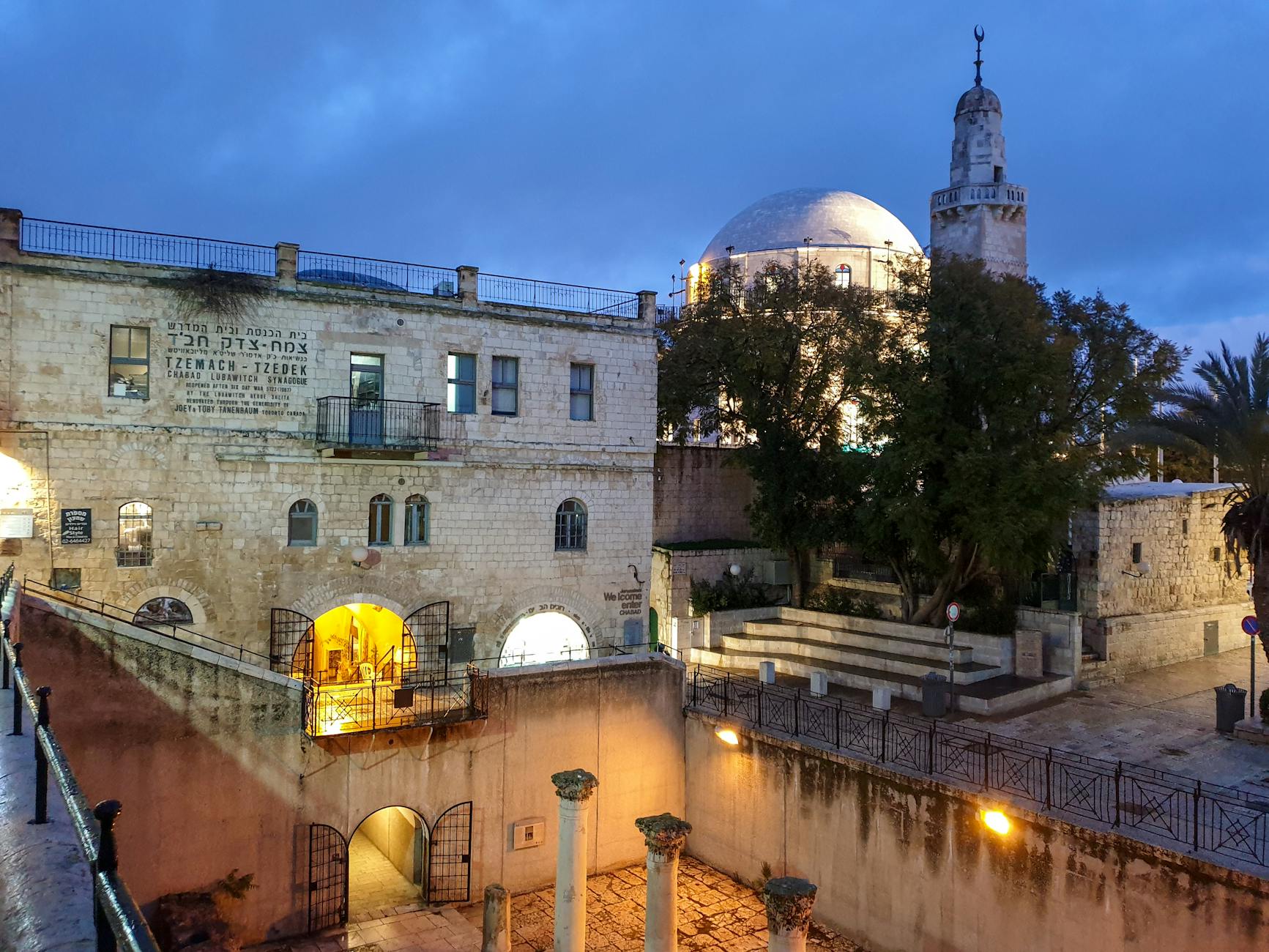
The Hurva, reopened in 2010 after a faithful reconstruction, dominates the Jewish Quarter skyline with its great dome. You can climb to a gallery for sweeping rooftop views over the Old City. Modest entry fees apply for the upper levels, and it generally opens Sunday to Thursday, with limited Friday hours.
The Four Sephardic Synagogues
This linked complex of four 16th- and 17th-century synagogues sits below street level, having been built when Ottoman rules limited synagogue height. Restored and atmospheric, they reflect the Sephardic communities that flourished here. A small entry fee supports their upkeep.
Ramban Synagogue
Founded in 1267 by the great scholar Nachmanides (the Ramban), this is among the oldest functioning synagogues in the Old City. It is a quiet, working place of prayer rather than a museum, so visit discreetly and dress appropriately.
Yeshivas and Study Halls
Jerusalem is the world’s center of Jewish learning, and the sound of study spills from countless yeshivas and batei midrash, especially in the Jewish Quarter and neighborhoods like Mea Shearim and Nachlaot. Several institutions welcome respectful visitors or offer programs for travelers wanting to learn. If you join a class or service, men should cover their heads and everyone should dress modestly. A guided heritage tour can open doors that are hard to find on your own; see our roundup of Jerusalem tours.
Mikvaot (Ritual Baths)
Ancient ritual baths, or mikvaot, appear throughout Jerusalem’s archaeological sites, including a cluster near the southern Temple Mount steps that pilgrims used for purification before entering the Temple. Active mikvaot still serve the community today. While the working baths are private, the ancient ones at sites like the City of David and the Archaeological Park are part of what you see on a visit, and a guide will explain their role in Temple-era life.
Jewish Heritage Museums
Several museums deepen a heritage trip. The Israel Museum holds the Dead Sea Scrolls in the Shrine of the Book and a vast model of Second Temple-era Jerusalem. Yad Vashem, the world center for Holocaust remembrance, is a profound and essential visit (free entry; closed Shabbat). The Tower of David Museum tells the city’s whole story inside the medieval citadel. The Burnt House and the Wohl Archaeological Museum in the Jewish Quarter preserve homes destroyed when the Second Temple fell in 70 CE.

Dress Code at Jewish Holy Sites
Modesty is expected at all Jewish holy sites. Men and women should cover shoulders and knees; women may want a scarf for extra cover, and some sites provide wraps at the entrance. At the Western Wall and in synagogues, men cover their heads (a kippah, hat, or provided paper kippah). At the Western Wall, married women often cover their hair, though this is not required of visitors. Avoid leather and flashy clothing on solemn days. When in doubt, dress as you would for a respectful religious service. Our full holy site dress code guide covers every site type.
Visiting Jewish Holy Sites on Shabbat
Shabbat, from Friday sunset to Saturday nightfall, reshapes the city. The Western Wall plaza stays open and is at its most powerful, but photography, phones, and writing are prohibited out of respect, and you cannot drive to it (walk in). Most other Jewish sites, museums, the Tunnels, City of David, and synagogues offering tours, close for Shabbat, as do kosher restaurants, shops, and public transport across Jewish areas. Plan to experience Shabbat rather than sightsee through it: a Friday-night meal, the singing at the Kotel, and a slow Saturday. Our Shabbat in Jerusalem guide explains exactly what stays open.
Suggested Jewish Heritage Itinerary
Day 1 — Old City Core
Begin at the Western Wall early, then take a pre-booked Tunnels tour. Explore the Jewish Quarter: the Hurva Synagogue, the Cardo, and the Wohl and Burnt House museums. End at the Western Wall again for Friday evening if your visit aligns with the start of Shabbat.
Day 2 — Beyond the Walls
Visit the City of David and walk Hezekiah’s Tunnel, then the Archaeological Park and Davidson Center at the Temple Mount’s southern wall. In the afternoon, ascend the Mount of Olives for the cemetery and the great city view.
Day 3 — Museums and Education
Devote the day to the Israel Museum (Dead Sea Scrolls and the Second Temple model) and Yad Vashem, then Mount Herzl next door. Use the Light Rail to move efficiently between them.
For trips of other lengths, our Jerusalem itinerary guide maps one-to-seven-day plans you can adapt to a heritage focus.
Practical Tips
- Book the Tunnels ahead. The Western Wall Tunnels tour sells out; reserve online before you arrive.
- Time around Shabbat. Aim Sunday to Thursday for sites and museums; reserve Friday evening and Saturday for the Kotel and rest.
- Carry small change. Entry fees of 30 to 45 shekels are common at archaeological sites; the Western Wall is free.
- Dress modestly everywhere. Cover shoulders and knees; men cover their heads at the Wall and in synagogues.
- Respect photography rules. No photos at the Western Wall or holy sites on Shabbat and festivals.
- Use the Light Rail. The Red Line links the city center to Mount Herzl and Yad Vashem for about 6 shekels a ride; it does not run on Shabbat. See our transportation guide.
- Plan kosher meals. Most Jewish-area restaurants are kosher and closed Shabbat; our kosher restaurants guide helps.
One thing worth understanding before you set out: every site on this page behaves differently on a festival. The Western Wall plaza stays open around the clock but bans photography on Shabbat and holy days; synagogues in the Jewish Quarter that welcome visitors on a Tuesday are running services on a Wednesday festival morning; and the days between Passover and Sukkot bring tens of thousands to the Kotel for the Priestly Blessing. Our calendar of Jerusalem religious holidays sets out the 2027 dates and what each one closes, which is worth five minutes before you fix an itinerary.
Twice a year the Western Wall plaza holds something on a completely different scale: Birkat Kohanim, the mass Priestly Blessing, on one intermediate morning of Passover and again at Sukkot. Tens of thousands fill the plaza, the kohanim draw their prayer shawls over their heads, and the approaches are closed once capacity is reached. Our guide to Passover in Jerusalem explains the timing and where to stand.