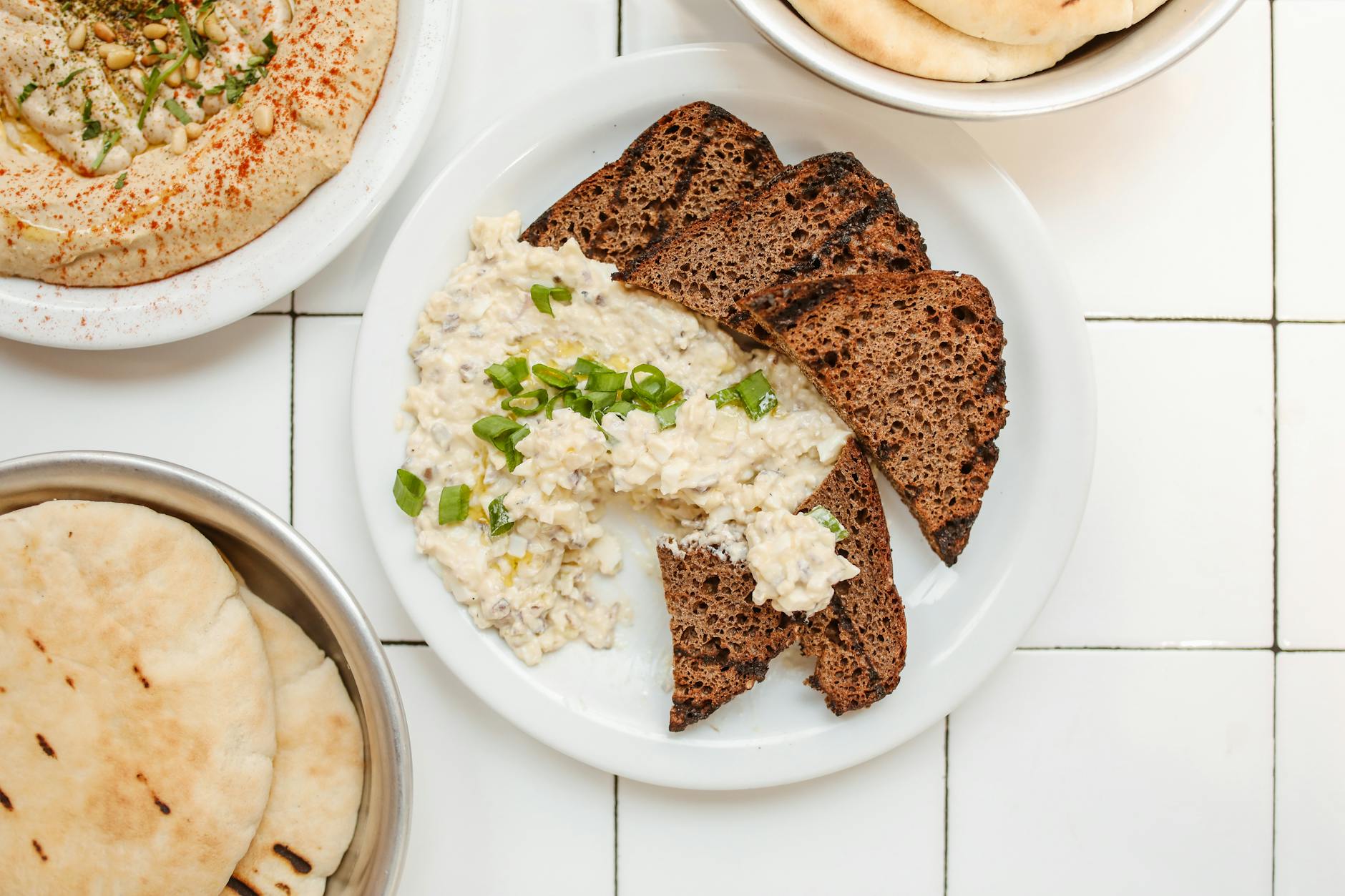
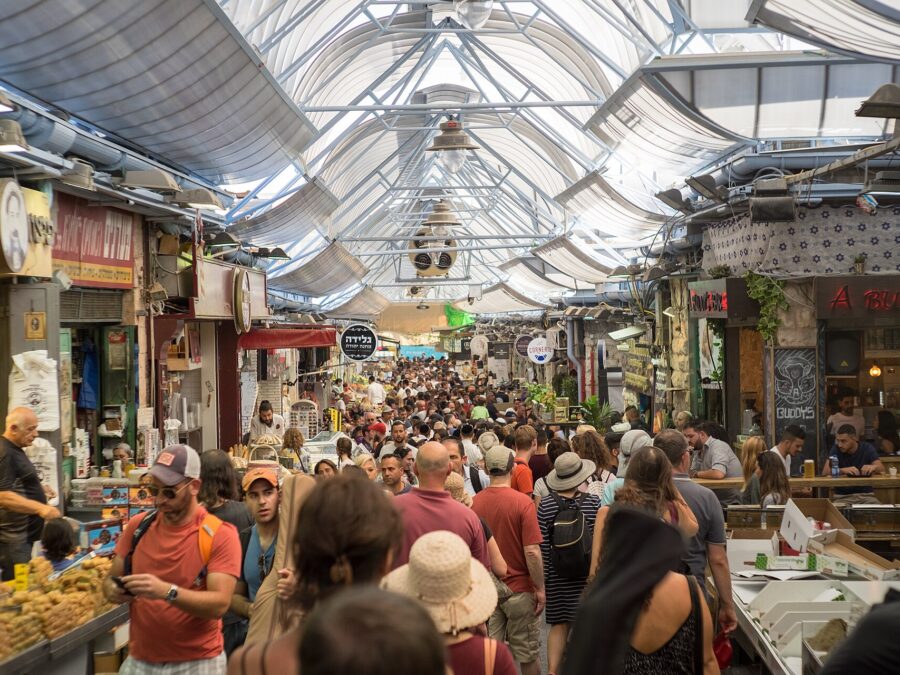
The best hummus in Jerusalem is a contested title. Locals have strong, defensible opinions, family loyalties run deep, and the difference between “good hummus” and “transcendent hummus” is real and measurable. The dish is humble — chickpeas, tahini, lemon, garlic, olive oil, salt — but the technique behind getting all five components in perfect balance has occupied Jerusalem cooks for at least a century. The result is a city where you can have hummus three times a day for a week and never repeat the same place twice.
This guide ranks the best hummus in Jerusalem for 2026, drawing on local consensus from Israeli food bloggers, Palestinian food writers, and our own taste testing. We cover the legendary Old City spots, the city center favorites, the Mahane Yehuda Market standouts, and a few quiet spots locals would rather keep to themselves. Each entry covers what makes the hummus distinctive, what to order, the price, and the best time to visit. Pair this with our complete Jerusalem food guide and the 22 street food bites worth queueing for.
What Makes Great Jerusalem Hummus
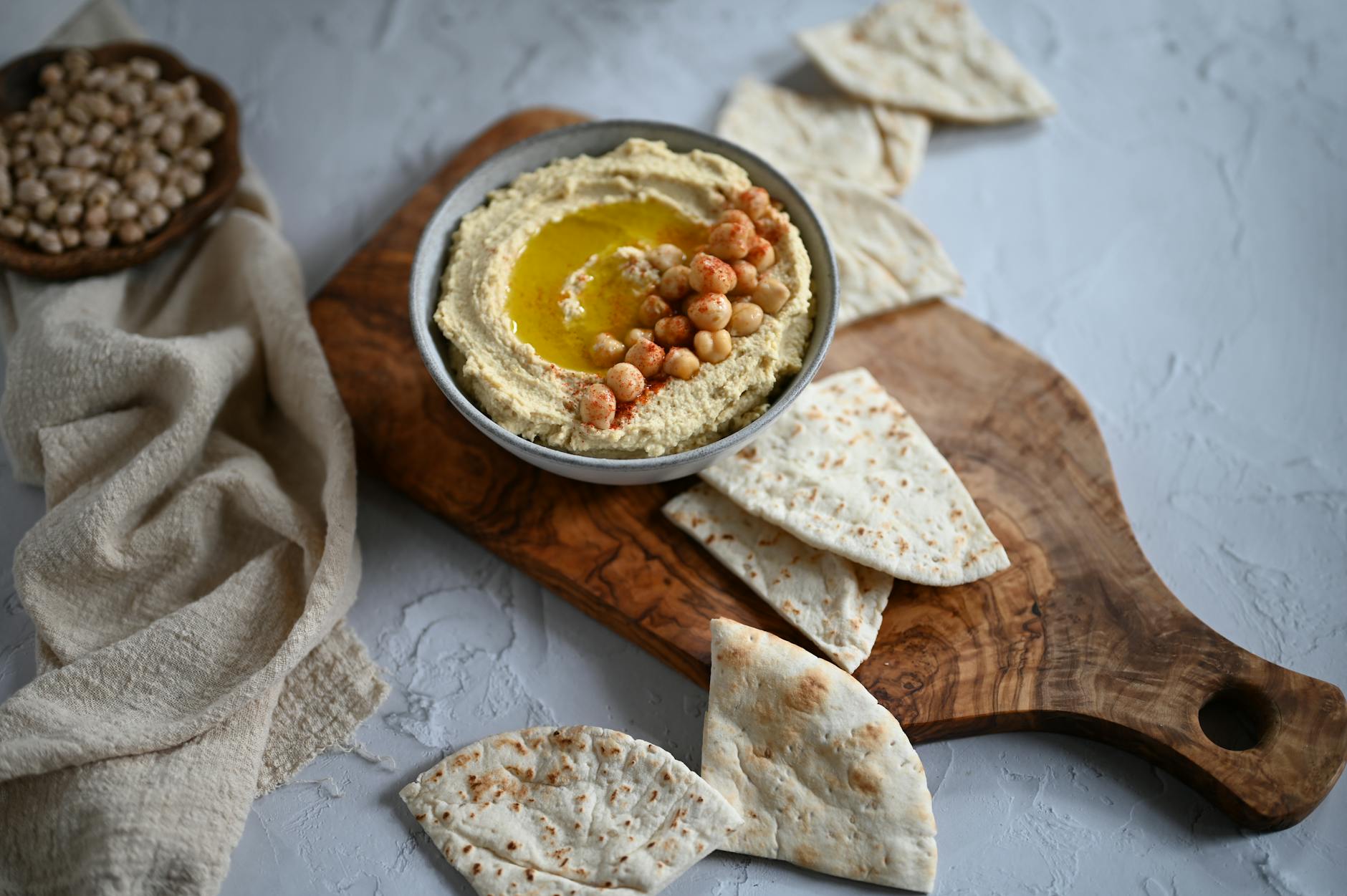
Five qualities separate “good” Jerusalem hummus from genuinely great hummus:
- Texture. Satin-smooth, not gritty. The chickpeas should be cooked to absolute tenderness then puréed without lumps.
- Tahini quality. Premium Nablus or Acco tahini, not industrial supermarket paste.
- Acid balance. Lemon and garlic should brighten without dominating.
- Temperature. Served warm — never refrigerated.
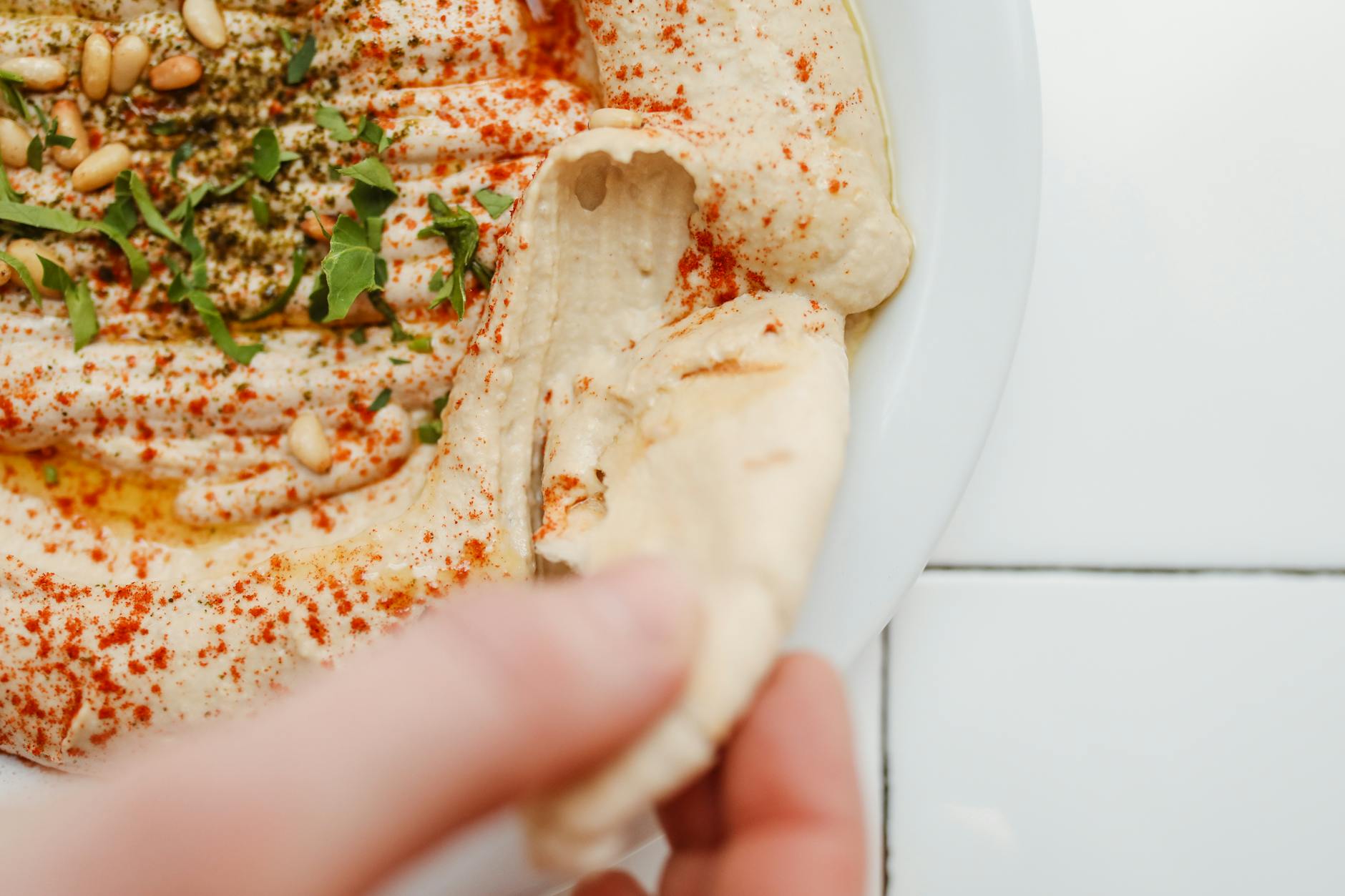
- Top. Whole chickpeas, olive oil, paprika, parsley, sometimes ful (stewed fava beans) or pine nuts on top.
Hummus is eaten with bread, not utensils. Tear pita and dip; never use a fork. Most authentic places offer bread refills with no charge.
Know the Menu: Hummus, Masabacha, Ful, and the Rest
A Jerusalem hummusiya menu is short, but the terms trip up first-timers. Hummus is the smooth purée. Masabacha (also spelled mesabha or msabbaha) is its rougher cousin — warm whole chickpeas folded into loose tahini, lemon, and garlic, made for people who want texture. Ful is stewed fava beans, darker and earthier, served on its own or spooned over the hummus. Then come the toppings: a hard-boiled egg, a scoop of ful, fried mushrooms at the newer places, or ground beef with pine nuts (hummus im basar) at the meat-serving spots.
Our advice for a first visit: order one plain hummus and one masabacha for the table and compare. The plain plate shows off the tahini; the masabacha shows off the chickpeas. Add falafel on the side rather than on top so it stays crisp. For the full family tree of these dishes and the migration stories behind them, see our traditional Jerusalem food guide.
1. Hummus Lina — The Purist’s Old City Favorite
Address: 42 Al-Khanqah Street, Christian Quarter, Old City.
Hours: Daily 8 AM – 5 PM (closes early).
Price: ~$6–$10.
What to order: The basic hummus plate with extra olive oil. The mesabha (warm rougher chickpea version) and ful (stewed fava beans) are both excellent.
Why book it: Forty years of hummus-making and a purist’s menu — they serve only hummus, mesabha, and ful. The texture is so smooth you can taste each ingredient distinctly. Beloved by Jerusalemites from both east and west, plus tourists.
2. Abu Shukri — The Iconic Old City Spot
Address: 63 Al-Wad Street (Khan al-Zeit Street), Old City.
Hours: Daily 8 AM – 5 PM.
Price: ~$6–$12.
What to order: Hummus with whole chickpeas, ful (fava bean) topping, fresh pita. The falafel and shawarma are also excellent.
Why book it: Over 70 years serving hummus to locals and visitors. The most famous Old City hummusiya. Often packed at lunchtime — go before 12 PM or after 2 PM to skip the rush.
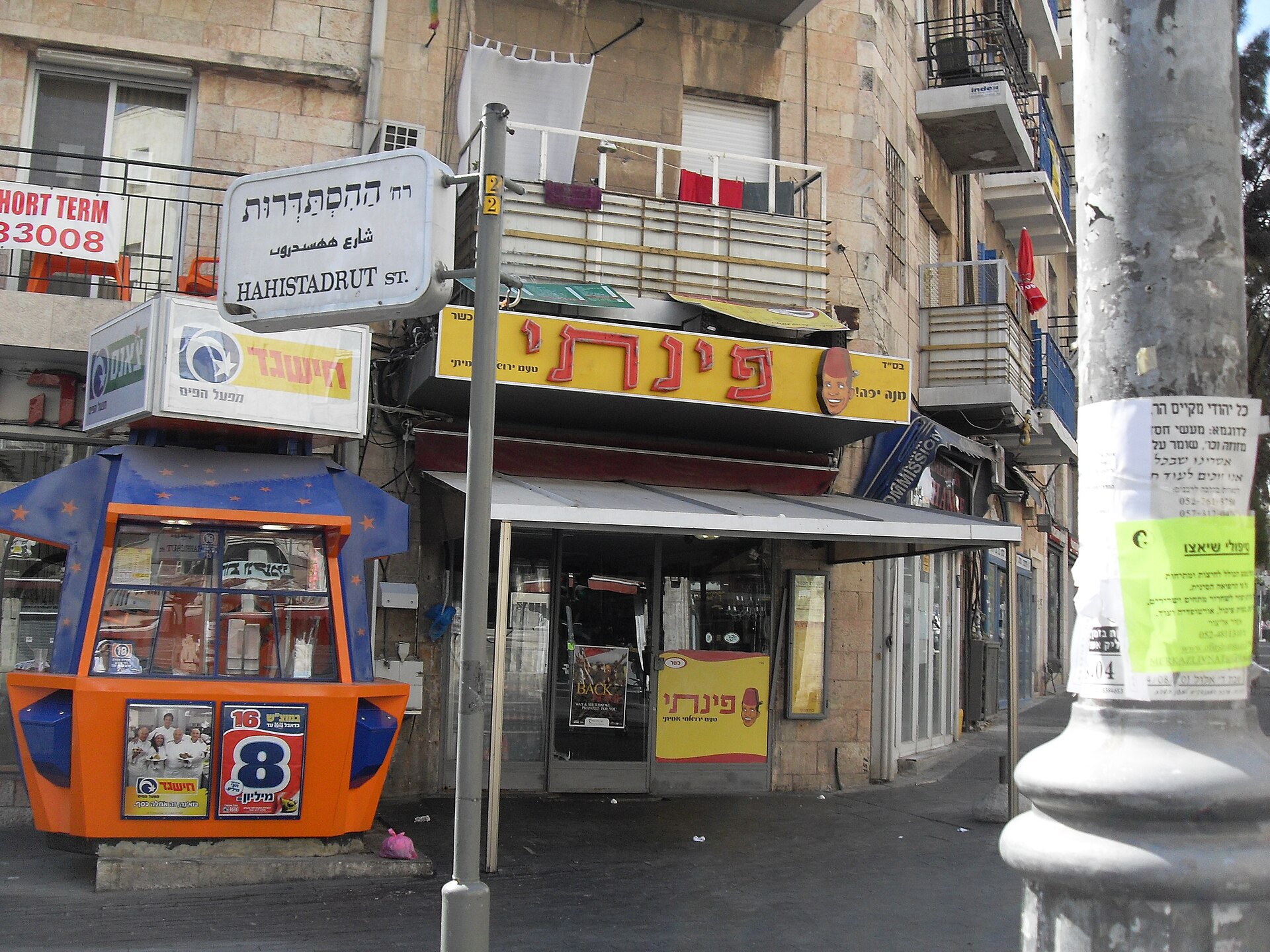
3. Pinati — The City Center Standard
Address: Main location at 13 King George Street, plus Mahane Yehuda branch and others.
Hours: Sun-Thu 8 AM – 9 PM, Fri 8 AM – 3 PM, closed Sat.
Price: ~$8–$12.
What to order: Hummus topped with hard-boiled egg, pickles, and a falafel ball. Plus the Jerusalem mixed grill (me’orav) for a fuller meal.
Why book it: Open since 1972. Smooth, garlic-forward hummus. The most reliable city center option, with multiple branches.
4. Acramavi Hummus — The Garlic-Forward Local Secret
Address: Haneviim Street 2.
Hours: Sun-Thu 9 AM – 4 PM.
Price: ~$8–$12.
What to order: Classic hummus with extra tahini and a drizzle of olive oil. Add ful and a hard-boiled egg.
Why book it: Garlic-and-tahini-rich, slightly acidic. A local secret without tourist crowds.
5. Ben-Sira Hummus
Address: Ben-Sira Street 3.
Hours: Sun-Thu 9 AM – 6 PM.
Price: ~$8–$12.
What to order: Plain hummus with extra parsley, fresh pita.
Why book it: Classic Israeli hummus joint, no-frills, popular with downtown locals.
6. Ta’ami
Address: Shamai Street 3.
Price: ~$10–$15.
What to order: Hummus with the homemade shug (Yemeni hot sauce); kubbeh and fresh salads.
Why book it: Long-running family-owned spot with Yemeni Jewish roots. Hummus is creamy, the shug is fierce.
7. Hummus Shel Tehina (HBT)
Address: Multiple branches — main at HaOman Street.
Price: ~$10–$15.
What to order: Premium hummus made with high-end Nablus tahini. The masabacha topping (warm chickpea) is exceptional.
Why book it: A modern hummus chain that takes premium tahini seriously. Excellent fresh pita.
8. Hadar Hummus
Address: 6 Yo’el Moshe Salomon Street, Nahalat Shiv’a.
Price: ~$8–$13.
What to order: Plain hummus, plus the Jerusalem mixed grill on the side for a fuller lunch.
Why book it: Tucked into the lovely 19th-century Nahalat Shiv’a quarter. Quieter atmosphere than the city center spots.
9. Askadinya
Address: Sheikh Jarrah, East Jerusalem.
Price: ~$15–$25 for full mezze.
What to order: A full Palestinian mezze platter that includes hummus, baba ghanoush, tabouleh, and fattoush.
Why book it: The hummus here is part of a broader Palestinian mezze tradition rather than a single-dish menu. Beautiful courtyard seating.
10. Abu Hassan (Day Trip from Jerusalem)
Address: Jaffa, Tel Aviv (1 hour from Jerusalem by train).
Price: ~$8–$12.
What to order: Plain hummus or “msabbaha” (whole-chickpea variation).
Why book it: Many Jerusalemites consider this the best hummus in Israel. Worth a half-day trip if you’re a hummus pilgrim.
Hummus Style Comparison
- Smoothest, purist: Lina (Old City).
- Best whole-chickpea topping: Abu Shukri (Old City).
- Most garlic-forward: Acramavi.
- Most reliable city center: Pinati.
- Best premium-tahini quality: Hummus Shel Tehina.
- Best Palestinian mezze tradition: Askadinya.
- Best with a side of mixed grill: Pinati or Hadar.
- Worth a Jaffa day trip: Abu Hassan.
What a Hummus Plate Costs in 2026
Prices have crept up over the past few years, but hummus remains the cheapest excellent meal in the city:
- Old City (Lina, Abu Shukri, Abu Kamel): 20–30 ILS (about $5.50–$8) for a plate with pita.
- City center (Pinati, Ben Sira, Acramavi): 28–40 ILS; toppings add 8–12 ILS.
- Premium spots (Hummus Shel Tehina): 35–45 ILS.
- Drinks: Fresh lemonade or mint tea, 8–14 ILS.
Two people can eat seriously well for under 80 ILS total, bread refills included. A hummus lunch makes the natural anchor of any cheap eating day — our guide to seeing Jerusalem cheaply shows how the rest of the day can stay just as inexpensive.
Old City or West Jerusalem? Two Hummus Traditions
The city runs two parallel hummus cultures, and tasting both is the point of coming here. The Palestinian hummusiyas of the Old City — Lina, Abu Shukri, and Abu Kamel near the Damascus Gate end of the souk — serve a lighter, lemon-forward plate, often with raw onion quarters for scooping and a sharp green chili sauce on the side. They open early, sell out by mid-afternoon, and close when the pots are empty. None are kosher-certified, and most open on Saturdays, which makes them the natural Shabbat lunch option.
West Jerusalem’s hummusiyas — Pinati, Ben Sira, Acramavi — lean denser and more garlicky, stay open into the evening, and carry kosher certification, which matters if you keep kosher or travel during the holidays; our kosher restaurants in Jerusalem guide explains the certificate levels. They close Friday afternoon through Saturday night. Plan accordingly: Old City hummus on Saturday, west-side hummus the rest of the week.
How to Eat Hummus Like a Local
- Use bread, not a fork. Tear pita into 4–6 pieces and dip from the edge of the bowl, working toward the center.
- Don’t double-dip. Take a single scoop per bite, then bite.
- Pita refills are usually free. Ask if not offered.
- Order water, not soda. Local custom; the hummus is rich enough.
- The condiments matter. Pickles, olives, raw onion, and shug (Yemeni hot sauce) are typically on the table or available on request.
- Eat it warm. Cold hummus is a sign of poor turnover. If yours arrives cold, ask for fresh.
- Lunch, not dinner. Most authentic hummusiyas close by 4–5 PM. Hummus is a Middle Eastern lunch dish.
Timing It Right: Shabbat, Friday Prayers, and Holidays
Hummus logistics in Jerusalem reward a little planning. Friday is the tricky day: the kosher spots in West Jerusalem close around 2–3 PM for Shabbat, while the Muslim Quarter lanes around Al-Wad Street fill with foot traffic before and after midday prayers. Go between 9 and 11 AM and you get the freshest batch of the week on both sides of town. On Saturday, the Old City spots carry the load alone. During Ramadan, East Jerusalem hummusiyas keep shorter daytime hours, then the streets around Damascus Gate come alive after sunset.
If you would rather have someone else handle the logistics, several of the walks in our Jerusalem food tour guide include a hummus stop with the backstory thrown in. And once the hummusiyas close at 5 PM, the best restaurants in Jerusalem roundup covers the evening.
Final Word: Make a Hummus Pilgrimage
The best Jerusalem food strategy for hummus lovers is a 3-day “hummus tour” — try Lina day one, Abu Shukri day two, and a city center spot like Pinati or Acramavi day three. Compare textures, tahini quality, garlic levels, and warmth. By the end you’ll have a defensible opinion on the best hummus in Jerusalem and the kind of city memory that becomes a story years later.
Pair this with our complete Jerusalem food guide, the falafel-and-sabich street eats rundown, and the Mahane Yehuda Market Food Guide to plan a food-focused Jerusalem trip.
Photo Credits
Pinati’s shopfront on King George Street, Jerusalem: Jerusalem lottery kiosk before Pinati snack by Utilisateur:Djampa – User:Djampa, CC BY-SA 4.0, via Wikimedia Commons.