The Jerusalem spice market is one of the city’s most rewarding food experiences, and it really means two very different places. In the Old City, the historic Spice Souk (Suq al-Attarin) in the Muslim Quarter sells za’atar, sumac, baharat, and dried herbs from open sacks in a centuries-old setting. Across town, the spice vendors inside Mahane Yehuda Market offer an enormous selection in a cleaner, more modern environment. This guide explains what each spice is and how to use it, realistic 2026 prices in shekels (ILS), where to buy, where to bargain and where not to, how to judge freshness, and how to get your spices home through customs.
Spices are among the smartest souvenirs you can buy here: light, inexpensive, genuinely local, and a direct line back to the flavors of your trip. Use this alongside our Mahane Yehuda Market guide and the broader Jerusalem souvenirs guide.
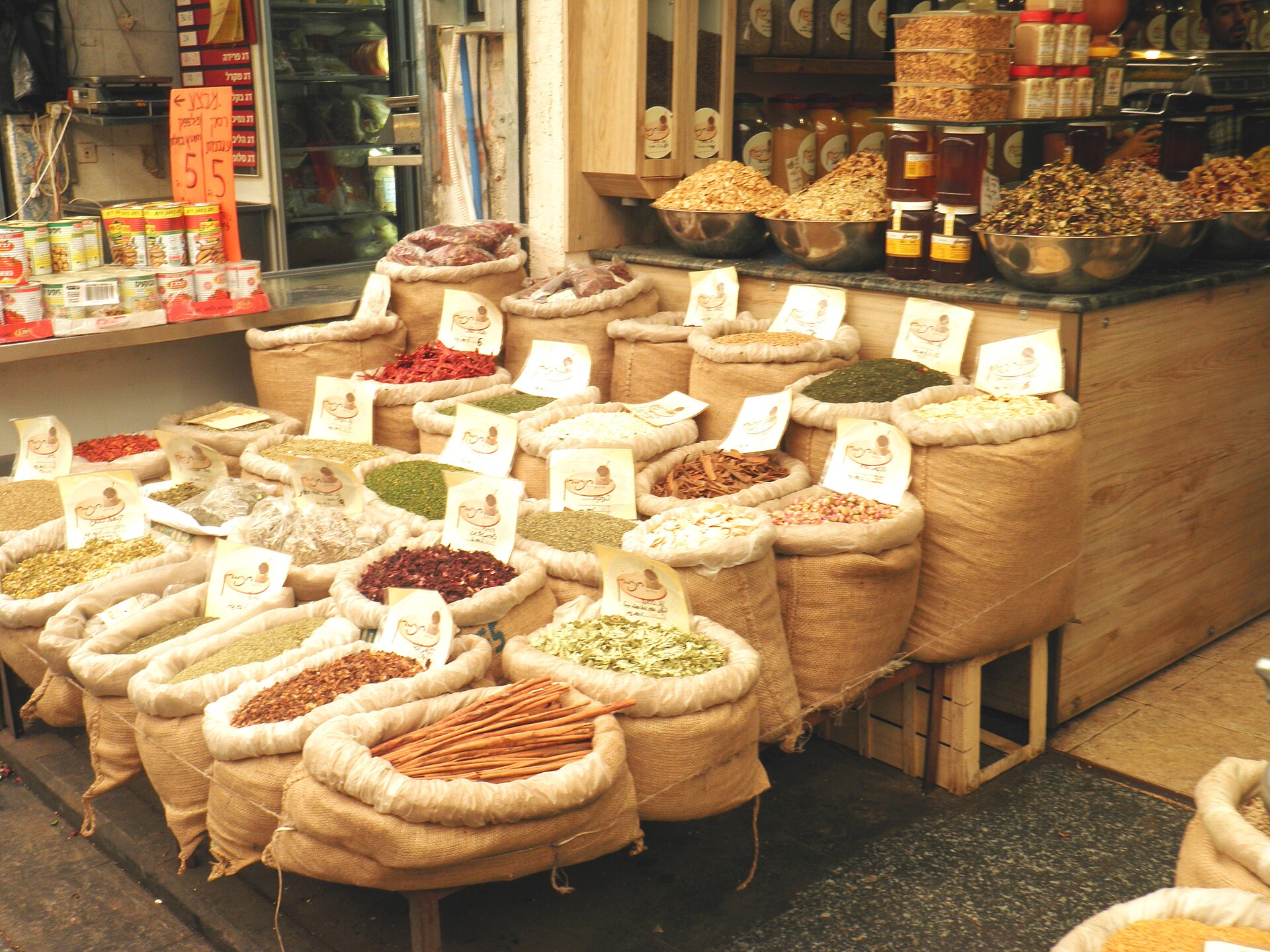
Where to Find Spices
You have a few good options, and they suit different moods. For atmosphere and bargaining, head to the Old City; for the widest selection and a calmer browse, go to Mahane Yehuda. Many visitors do both, sampling in the souk and stocking up at the Shuk.
| Location | Best for | Bargaining |
|---|---|---|
| Suq al-Attarin (Old City) | Atmosphere, traditional blends, haggling | Expected |
| Mahane Yehuda Market | Widest selection, sampling, modern stalls | Mostly fixed |
| Khan al-Zeit / David Street (Old City) | Convenience while sightseeing | Some |
| City-center specialty shops | Sealed, labeled blends and gifts | Fixed |
Wherever you shop, mind the city’s rhythm. The Old City souk runs daily but quietens on Friday around midday prayers, and Mahane Yehuda closes for Shabbat from Friday afternoon through Saturday. Plan spice shopping for a weekday or a Friday morning if you want everything open.
The Spices Worth Buying
A handful of blends define the local kitchen. Below is what each one is, how to cook with it, and a realistic price; most popular blends run roughly 30–70 shekels per 100 grams, a little more for complex mixes. Buy small the first time so you can taste before committing to a larger bag.
Za’atar
The region’s signature blend mixes dried wild thyme or hyssop with sumac, toasted sesame seeds, and salt. It is sprinkled over flatbread brushed with olive oil, stirred into labneh, dusted on hummus, or rubbed onto roast vegetables and chicken. Expect around 30–50 shekels per 100 grams. A good za’atar smells green and bright and shows visible flecks of red sumac; a dull, mostly-brown mix is past its best.
Baharat
A warming all-purpose blend, baharat typically combines black pepper, allspice, cinnamon, cumin, cloves, and cardamom. Use it in meat marinades, meatballs, rice pilafs, and hearty soups. Each vendor mixes it a little differently, so it is worth smelling a few. Plan on about 30–50 shekels per 100 grams.
Sumac
Unlike the others, sumac is a single spice: deep red, ground from dried sumac berries, with a lemony tartness. Scatter it over salads (it is essential in fattoush), grilled fish, roast onions, and as a finishing garnish on hummus. Figure roughly 40–60 shekels per 100 grams. Look for a vivid red color rather than a faded brick tone.
Ras el hanout
A North African blend whose name means roughly “top of the shop,” ras el hanout is a vendor’s showcase mix of a dozen or more spices, often including cinnamon, cumin, coriander, ginger, turmeric, and dried rose or floral notes. It shines in tagines, couscous, and slow-cooked lamb. Prices run about 40–70 shekels per 100 grams depending on complexity.
Hawaij
A Yemenite blend that comes in two distinct versions. Savory hawaij for soup leans on cumin, coriander, turmeric, and black pepper, and flavors the golden chicken soup found across Israel; the sweet hawaij for coffee blends cinnamon, ginger, cloves, and cardamom for hot drinks and baking. Both run around 30–50 shekels per 100 grams. Tell the vendor which one you want, as they are not interchangeable.
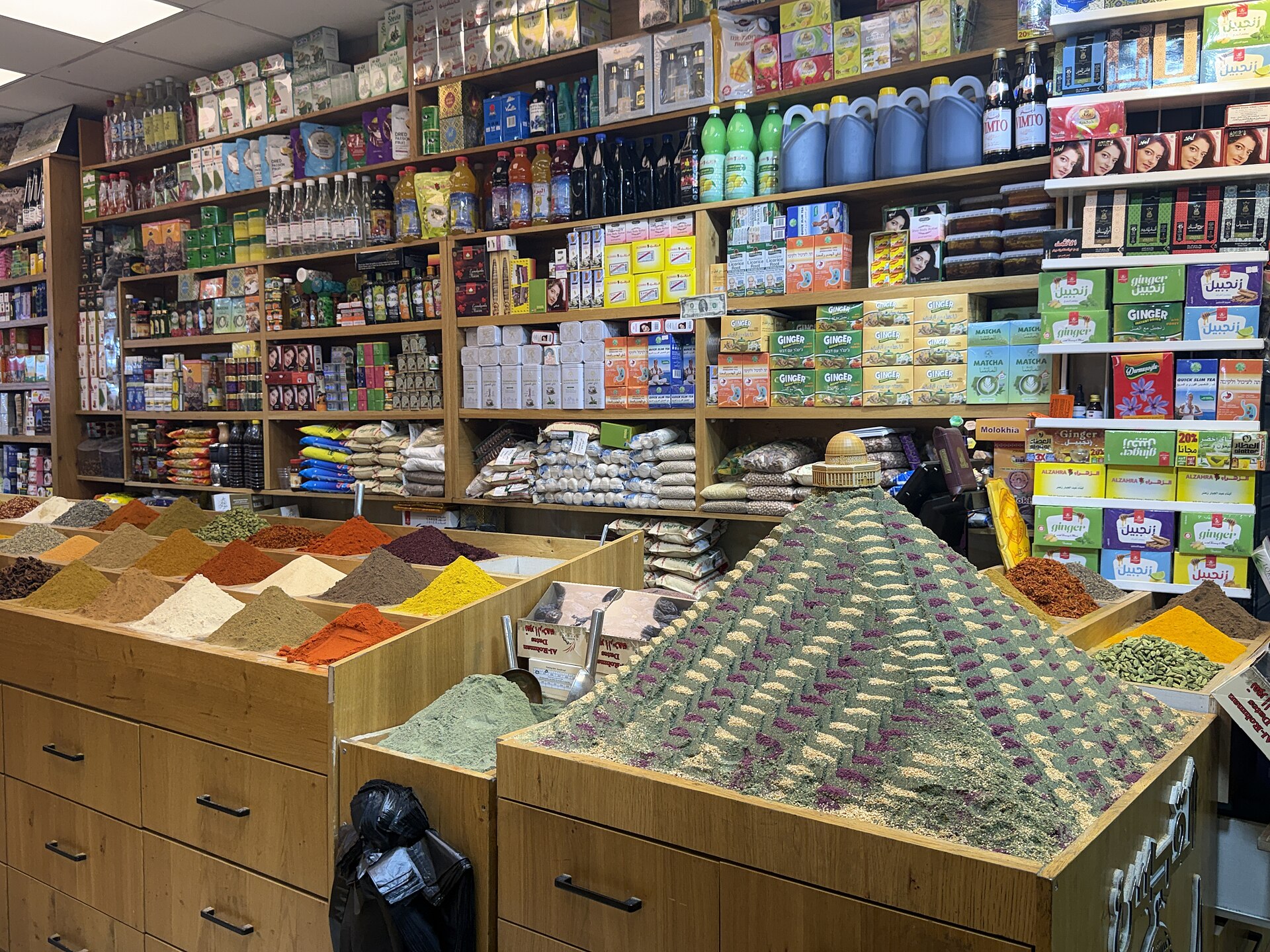
The Old City Spice Souk (Suq al-Attarin)
Suq al-Attarin, the historic perfumers’ and spice market, runs through the Muslim Quarter as part of the network of covered lanes between Damascus Gate and the heart of the Old City. This is the atmospheric option: open sacks of spices, multi-generation family stalls, and the mingled scent of cumin, cardamom, and dried roses. The selection leans strongly toward Middle Eastern and North African blends, and quality at the established stalls is generally very good.
Bargaining is part of the experience here, unlike in the modern stalls. A friendly counter-offer of roughly half to two-thirds of the first asking price is normal, cash usually earns a better rate, and politely walking away often brings the real number. The souk is open daily but quietens on Friday around midday prayers, and individual stalls keep their own hours. For more on navigating these lanes, see our Muslim Quarter guide and the Old City market guide.
Mahane Yehuda Spice Vendors
Inside Mahane Yehuda Market, several stalls specialize in spices, scooping blends to order from rows of bins. The range is the widest in the city, spanning Mediterranean, Middle Eastern, North African, and more unusual spices, and the modern setting means consistent hygiene and easy sampling. Prices here are largely fixed rather than negotiable, but they are fair and clearly marked, and vendors are happy to let you smell before you buy.
This is the practical place to stock up once you know what you like. The market runs Sunday to Friday and closes for Shabbat, with Friday mornings especially busy. Full details on getting there and the wider market are in our Mahane Yehuda Market guide.
Beyond the Spices
The same stalls usually carry a tempting range of other pantry goods worth packing. Dried fruit such as Medjool dates, figs, and apricots travels beautifully, as do roasted and spiced nuts like pistachios, cashews, and almonds. You will also find halva sold by weight in many flavors, sealed Israeli olive oil, date honey (silan), tahini, dried mint and sage for tea, and sea salt. These sealed or dried items are the easiest things to bring home and make excellent small gifts. For ideas on combining them into a souvenir haul, see our Jerusalem souvenirs guide.
How to Buy Good Spices
The single best test is your nose. Fresh spices smell strong and distinct, so lean in and sniff before buying; a weak or musty aroma signals old stock. Ask the vendor for a recommendation, since they will happily point you to their best blend and often let you taste. Buy only what you will realistically use within a year or so, because ground spices lose potency over time, and it is better to buy a little more on a later trip than to let a large bag go stale.
A few more habits help. Prefer sealed bags over loosely tied ones for the journey home, and ask for double-bagging for anything strongly scented. Carry cash, which is often preferred in the Old City. Many stalls will grind whole spices for you on the spot or mix a custom blend, which is both fresher and a small bit of theater worth watching.
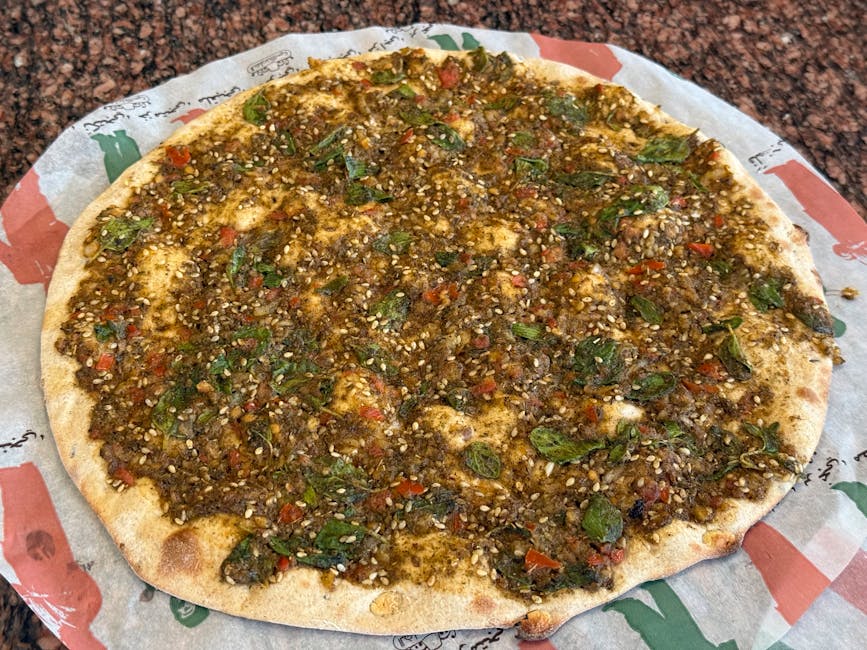
Custom Blends and Grinding
One of the pleasures of buying here is that many vendors will tailor a blend to your taste. Ask for less salt, more heat, or a particular balance, and they will mix it in front of you. Whole spices can usually be ground to order, which keeps them fresher than pre-ground packets. If you keep kosher, halal, or vegan, say so and most stalls can accommodate, since the base spices are simple. Watching the mix come together is also your best guarantee of freshness, so it is worth asking even if you end up buying a standard blend.
Whole vs Ground, and a Simple Shopping Plan
If you cook seriously, consider buying whole spices where you can. Whole cumin, coriander, cardamom pods, and peppercorns keep their aroma far longer than pre-ground powders and can be toasted and ground at home for a noticeably fresher result. For blends like za’atar and baharat, ground is the norm, but ask how recently the mix was made and favor stalls that clearly turn over stock quickly. A small hand grinder back home turns a bag of whole spices into months of better cooking.
Here is a no-stress plan for a single visit. Walk the stalls once and smell three or four versions of whatever you most want, whether that is za’atar or ras el hanout. Pick the brightest-smelling one, buy a modest 100 to 200 grams, and add a bag of Medjool dates and some spiced nuts for the journey. If you are in the Old City souk, make a friendly offer and settle on a fair price; if you are at Mahane Yehuda, simply pay the marked price and move on. Keep everything sealed in your bag, and you will be set. To weave spice shopping into a wider day in the market, follow our Mahane Yehuda Market guide.
Bringing Spices Home Through Customs
Dried spices are among the most travel-friendly souvenirs and are generally fine in both carry-on and checked luggage. Most countries permit reasonable quantities of dried, packaged spices for personal use, but rules differ, so check your home country’s customs and agriculture regulations before you buy in bulk. The safest approach is to keep spices in sealed, labeled bags, declare food items honestly on your arrival form if asked, and avoid anything that looks like raw plant material, fresh produce, or unlabeled bulk goods, which can be restricted.
Once home, store spices in airtight containers in a cool, dark cupboard, where most blends keep their character for one to two years. Buy from a busy stall with high turnover for the freshest stock, and you will be cooking with a piece of Jerusalem long after the trip ends.
Taking the Flavors Home
The Jerusalem spice market is best enjoyed twice: once for the atmosphere of the Old City souk and once for the selection at Mahane Yehuda. Smell before you buy, bargain where it is welcome, pack everything sealed, and you will be cooking with za’atar, sumac, and baharat long after you fly home. Continue with our Mahane Yehuda Market guide, the souvenirs guide, the wider roundup of where to shop in Jerusalem, and our bargaining guide before you hit the souk.
Photo Credits
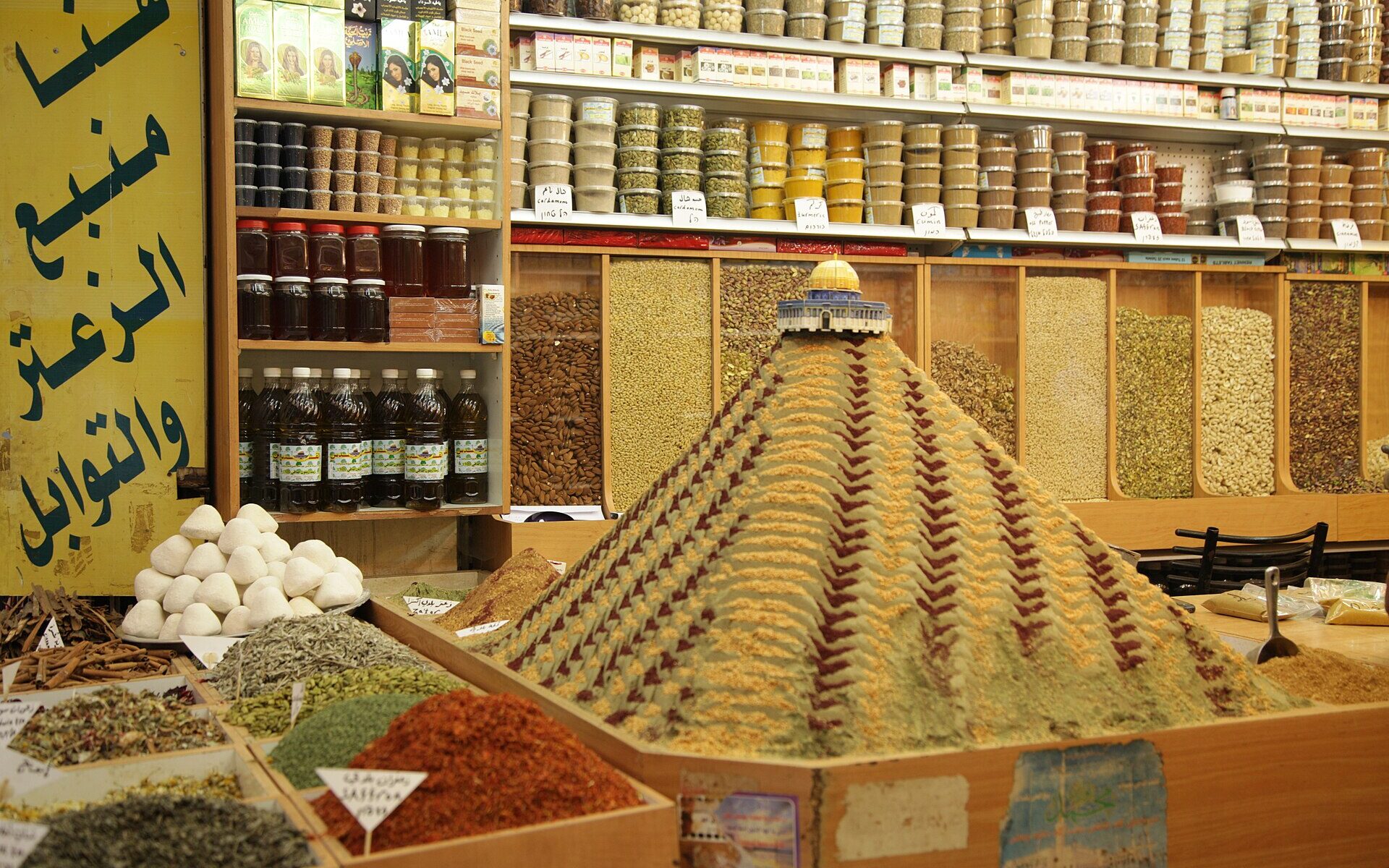
A spice pyramid in a Suq Khan al-Zeit spice shop in the Old City: Jerusalem 07-2012 (7550265920) by Xavier Gillet, Bordeaux, France ( xavier33300 on flickr), CC BY-SA 2.0, via Wikimedia Commons.
Sacks of spices at the Rosemary spice shop, Mahane Yehuda Market: Mahane Yehuda Market ap 022 by Ariel Palmon, CC BY-SA 3.0, via Wikimedia Commons.
Ground spices and a za’atar pyramid in a David Street spice shop in the Old City: 147292 jerusalem old city – david street PikiWiki Israel by שלמה רודד, CC BY 2.5, via Wikimedia Commons.