Mountain biking in Jerusalem puts a surprising range of terrain within half an hour of the city: shaded pine-forest singletrack, rolling hill climbs past springs and terraces, and, for strong riders, raw desert tracks east toward the Jordan Valley. There are marked routes for every level, the Israel National Bike Trail passes through the area, and you can rent a bike in town or join a guided ride. This guide to mountain biking Jerusalem style covers the best trails by difficulty, where to rent, what guided tours cost, the all-important heat and water advice, and how to ride responsibly on trails shared with hikers.
The dry Mediterranean climate means you can ride for much of the year, with the right timing and precautions. For the bigger outdoor picture, this page sits alongside our hiking and outdoor activities guide, our Jerusalem Trail guide, and our trail ideas for families on foot.
Why Ride the Jerusalem Hills
The appeal of mountain biking Jerusalem is variety packed into a small radius. Within roughly half an hour of the center you can be rolling through the Jerusalem Forest, grinding up a hill trail toward Sataf, or, if you have the legs and a guide, dropping into desert terrain on the eastern side. The same dry climate that makes the city hot in summer keeps the trails rideable through much of the year, and there is an active local riding community along with rental shops and tour operators that cater to visitors. Many routes also link up with historical and natural sites, so a ride doubles as sightseeing.
Top Trails by Difficulty
Trails around the city run from gentle forest loops to technical desert descents. Distances and times below are rough; conditions, your fitness, and the heat all change the reality on the ground, so build in margin.
Jerusalem Forest (beginner to intermediate)
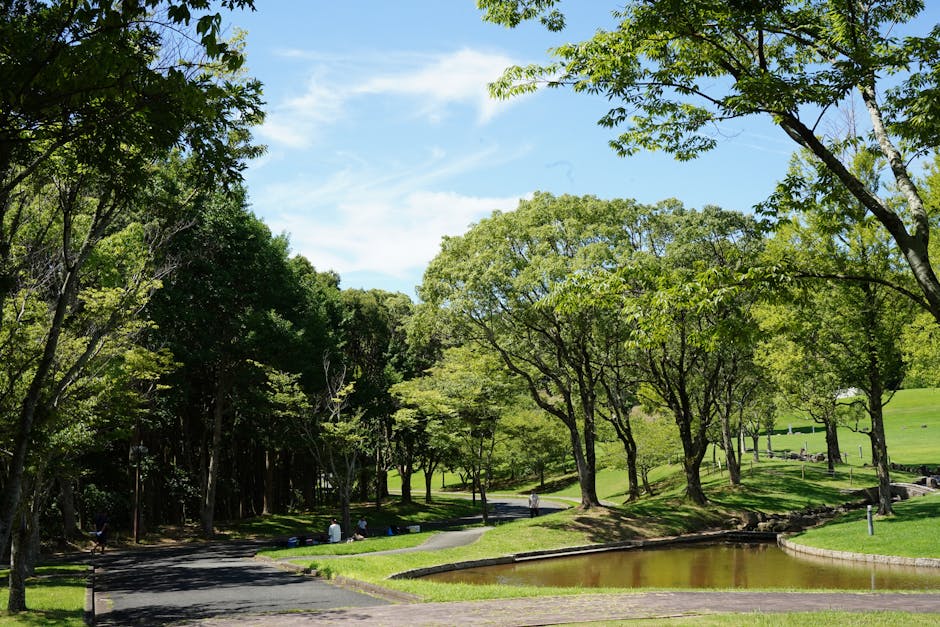
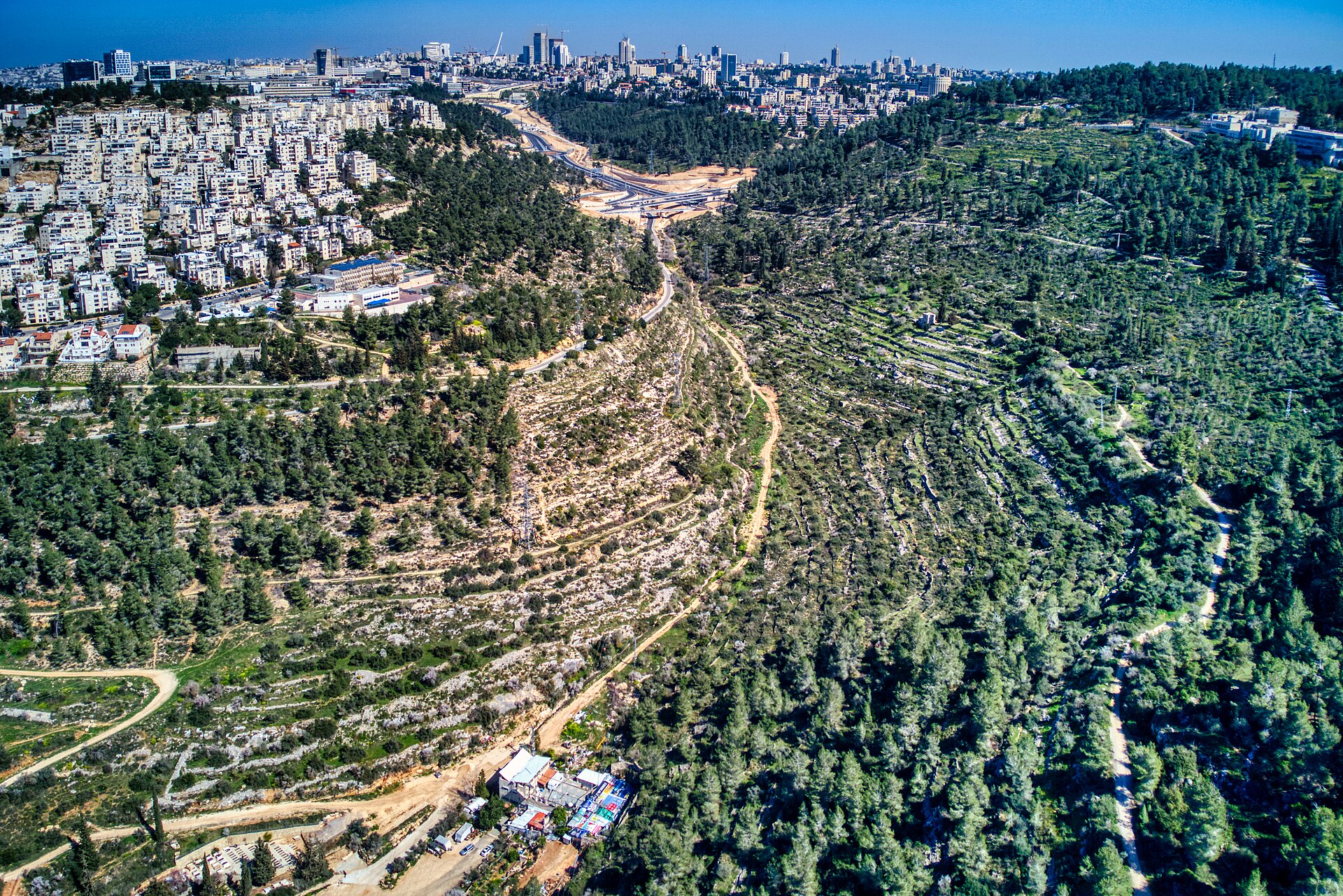
The Jerusalem Forest, just west of the city, is the natural starting point. A network of loops from roughly 5 to 15 kilometers winds through pine woodland with gentle climbs, and there are family-friendly options among them. Entry points sit off the western approach roads. The forest’s partial shade makes it the most forgiving choice on a warm day, though shade is never complete, so the heat rules still apply.
Ein Karem to Sataf (intermediate)
Linking the village of Ein Karem with the Sataf terraces makes a scenic intermediate ride of around 10 kilometers round trip, two to three hours, with real hill climbing and rewards in the springs, terraces, and views. It is a good step up from the forest loops. See our Ein Karem guide and Sataf trail guide for what you will pass along the way.
Lifta and Surrounding Forest (intermediate)
The area around the abandoned village of Lifta, on the northwest edge of the city, offers varied intermediate terrain past ruins and springs. It mixes flowing sections with rockier ground and is a good option when you want something different from the main forest loops without committing to a long day.
Judean Desert Tracks (advanced)
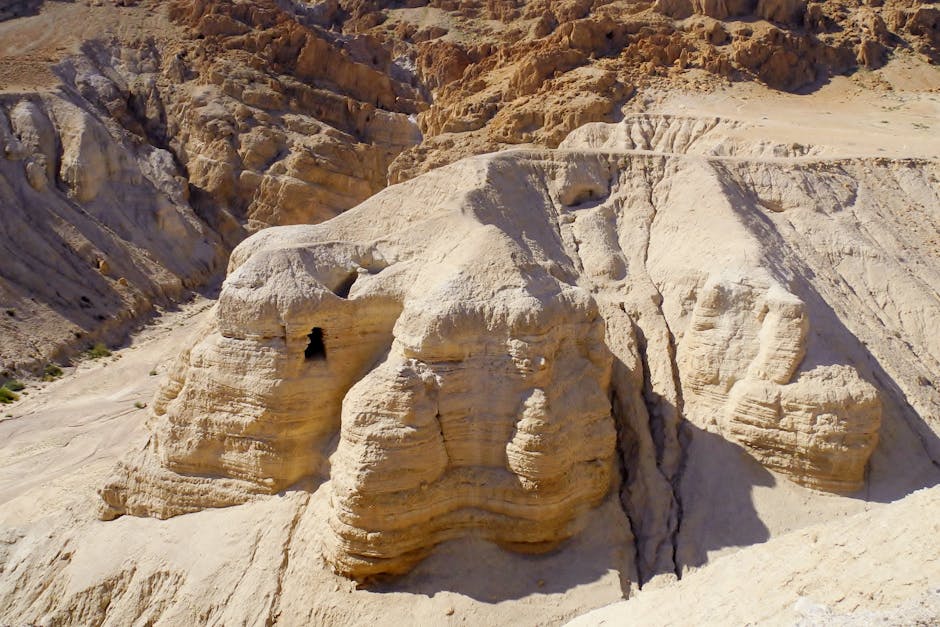
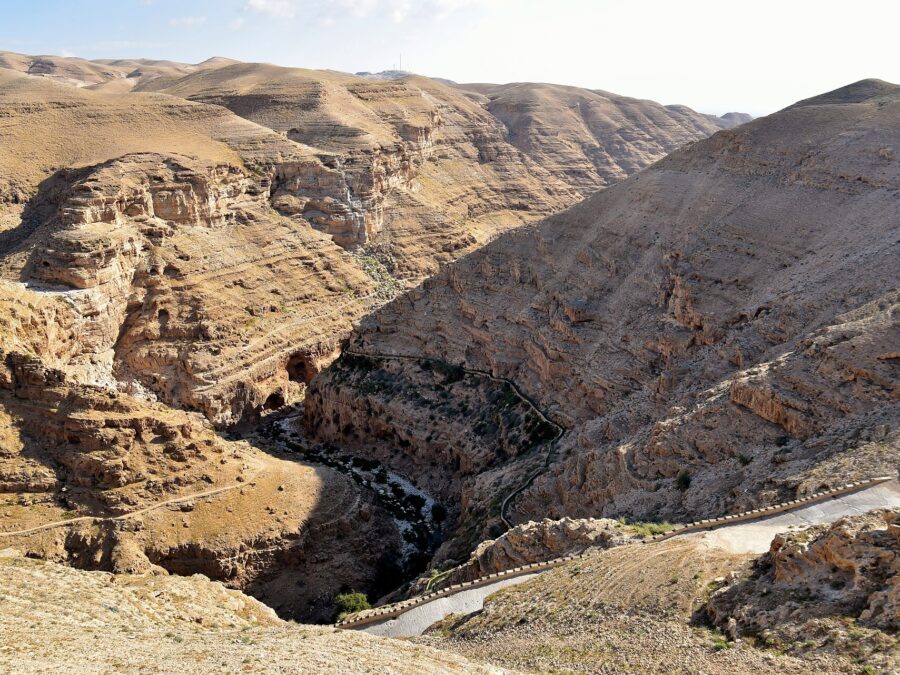
East of Jerusalem, the desert opens into dramatic, technical riding through canyons and open slopes. This is advanced territory: the terrain is demanding, the exposure is total, water sources are scarce, and the heat is dangerous outside the cool months. Ride it with a guide who knows the routes and the conditions, and treat it with the same seriousness as a desert hike. Our Judean Desert tours guide covers the wider area.
Israel National Bike Trail
The Israel National Bike Trail is a long-distance route running roughly 1,200 kilometers across the country, and it passes through the Jerusalem area, where it connects with local trails. It is signed with its own bike-trail markers. You do not need to be a thru-rider to enjoy it; a section through the hills makes a satisfying ride on its own.
Renting a Bike
You do not need to bring your own bike. Several shops in Jerusalem rent mountain bikes by the day, and rates vary with the type of machine. As a rough guide, a hardtail typically runs in the region of 100 to 150 shekels a day, a full-suspension bike around 150 to 250 shekels, and an electric mountain bike roughly 200 to 300 shekels, with multi-day discounts common. Rentals usually include a helmet and a basic repair kit; confirm what is provided when you book. Prices and shops change, so check current rates and reserve ahead in the busy spring and autumn seasons.
| Bike type | Typical daily rate (approx.) |
|---|---|
| Hardtail mountain bike | ~100-150 shekels (about 28-42 USD) |
| Full-suspension | ~150-250 shekels (about 42-70 USD) |
| Electric mountain bike | ~200-300 shekels (about 56-84 USD) |
| Multi-day | Discounts common; ask when booking |
Guided Tours
If you would rather not plan routes or worry about navigation, a guided ride is the easy way in, and it is the smart choice for the desert. Half-day guided mountain bike tours from Jerusalem generally fall in the region of 80 to 120 US dollars including a bike, with full-day tours around 150 to 200 dollars and multi-day trips available; several operators tailor rides to your skill level. A good guide handles the logistics, matches the terrain to your ability, and keeps you safe on shared and exposed trails. Our Jerusalem tours guide points to organized active options.
A Sample Half-Day Ride
For a first taste of the hills, a forest half day works well. Collect a bike in the city in the early morning, drive or ride out to a Jerusalem Forest entry point, and link a couple of the marked loops for a relaxed 15 to 20 kilometers over the cooler part of the day. Build in a stop at a viewpoint, keep an eye on your water, and aim to be back before the midday heat. Intermediate riders can instead point toward Sataf, climbing through the terraces and turning back when the legs say so. Either way, plan the route before you set off and tell someone your timing.
Matching Trails to Your Skills
Be honest about your bike-handling before choosing a trail. Beginners are well served by the smoother Jerusalem Forest loops, where climbs are gentle and the surface forgiving. Intermediate riders comfortable with loose rock, roots, and sustained climbs can take on the Sataf and Lifta routes. The desert tracks demand confident technical skills, desert experience, and ideally a guide, because a mechanical or a wrong turn there carries higher stakes than in the forest. If you are renting, tell the shop your level and they can point you to a suitable route and the right bike. Rather than over-reaching on day one, start a notch below your perceived limit and step up as you learn the terrain and the heat.
Heat, Water, and Riding Safe
Riding burns through water fast, and Jerusalem summers are hot and dry, often into the mid-30s Celsius (mid-90s Fahrenheit). You lose fluid quickly on a climb in the sun, so carry two to three liters on the bike, more for longer or desert rides, and do not count on refilling along the way; the springs you pass are not treated for drinking. From June to August, start at dawn, around 6am, and aim to finish the exposed sections before the heat peaks. Wear a thin cap under your helmet, sunglasses, and sunscreen, and cover up on long desert days. If anyone shows signs of heat exhaustion, stop, get into shade, and rehydrate.
On the trail itself, always wear your helmet, ride within your skill level, and know that many routes are shared with walkers, so slow down and yield to hikers, especially on blind corners and narrow singletrack. Tell someone your planned route and return time; cellular coverage is reliable across most of the forest and hill trails but thins out in the desert. Carry a repair kit, pump, and multi-tool, keep your phone charged for GPS, and stay on marked trails, both for your safety and to avoid damaging the landscape.
Best Time to Ride
Spring, March to May, is the prime season, with comfortable temperatures and wildflowers across the hills. Autumn, September to November, is the other strong window, cool and dry. Summer riding is possible only with dawn starts and serious hydration, and the desert is best left for the cooler months. Winter brings cooler air and occasional rain, which leaves trails briefly muddy and slick after storms, so let them dry before riding the steeper ground. As with hiking, plan around Shabbat: from Friday afternoon into Saturday evening many services close and transport thins, so organize rentals and transfers accordingly. Our Jerusalem travel tips explain the weekly rhythm.
What to Bring
- Helmet: non-negotiable, usually included with rentals.
- Water: 2-3 liters, more on long or desert rides; springs are not for drinking.
- Sun protection: thin cap under the helmet, sunglasses, sunscreen.
- Repair kit: spare tube or patches, pump, multi-tool.
- Snacks: energy bars and fruit for longer loops.
- Comfort: padded shorts and gloves for bigger days.
- Navigation: phone with GPS and an offline map.
- First-aid kit and any personal medication.
Families, E-Bikes, and Easier Options
Mountain biking here is not only for hardened riders. The gentler Jerusalem Forest loops suit fit families with older children who can handle a bike on dirt, and electric mountain bikes flatten the hills for anyone who wants the scenery without the full leg-burn of the climbs. If you are riding with kids, keep distances short, start early to dodge the heat, carry extra water, and stick to the smoother forest tracks rather than rocky or exposed routes. For a slower-paced day, you can also pair a short forest ride with a relaxed stop in Ein Karem, turning a morning on the bike into an easy half day. Families who prefer to walk rather than ride will find plenty of ideas in our guide to walking routes for families.
Planning Your Ride
From gentle forest loops to technical desert lines, mountain biking Jerusalem offers far more than visitors expect. Pick a trail that fits your level, rent or join a guided ride, carry serious water in summer, and share the trails courteously with hikers. To round out your time outdoors, use our hiking and outdoor guide, our Jerusalem Trail guide, and our family hiking suggestions.
Photo Credits
The Jerusalem Forest on the city’s western edge: RevidaRiverbedMar042023 01 by Hagai Agmon-Snir حچاي اچمون-سنير חגי אגמון-שניר, CC BY-SA 4.0, via Wikimedia Commons.