The Sataf Trail in the Jerusalem hills packs a lot into a short loop: spring-fed pools, dry-stone agricultural terraces worked the way they were two thousand years ago, fruit trees, and wide views over the Judean hills. It sits about 12 kilometers west of central Jerusalem, a 20 to 25 minute drive, and the core loop runs roughly 3 kilometers and takes one and a half to two hours. The site is managed by the Jewish National Fund (JNF/KKL), entry is free, and parking is free. This guide to the Sataf trail Jerusalem hikers love covers the route options, the two springs, the terraces, summer water and heat safety, how to reach the trailhead, and how to pair Sataf with Ein Karem.
Sataf is one of the most accessible real hikes near the city, which makes it a favorite for families and for visitors who want a few hours in nature without a long drive. For the wider context, this page works alongside our hiking and outdoor activities guide, our guide to easy hikes with children, and our Ein Karem guide.
Sataf at a Glance
Sataf occupies a hillside above the Refaim (Sorek) valley west of the city, signposted off the main Highway 1 corridor. The terrain is a Mediterranean mix of pine and oak woodland threaded with old farming terraces, and the trails descend from the parking area to the springs and then climb back, so expect some up and down. The main loop is rated moderate, mostly because of the return climb, but shorter and longer options let you tune the effort to your group.
| Detail | Information |
|---|---|
| Location | About 12 km west of central Jerusalem, off Highway 1 |
| Drive time | 20-25 minutes from the city center |
| Main loop | Roughly 3 km, 1.5-2 hours, moderate |
| Short loop | About 1.5 km, around 45 minutes |
| Managed by | Jewish National Fund (JNF / KKL) |
| Entry & parking | Free |
| Springs | Ein Sataf and Ein Bikura |
| Facilities | Limited; bring water, use restrooms before arriving |
What Makes Sataf Worth the Trip
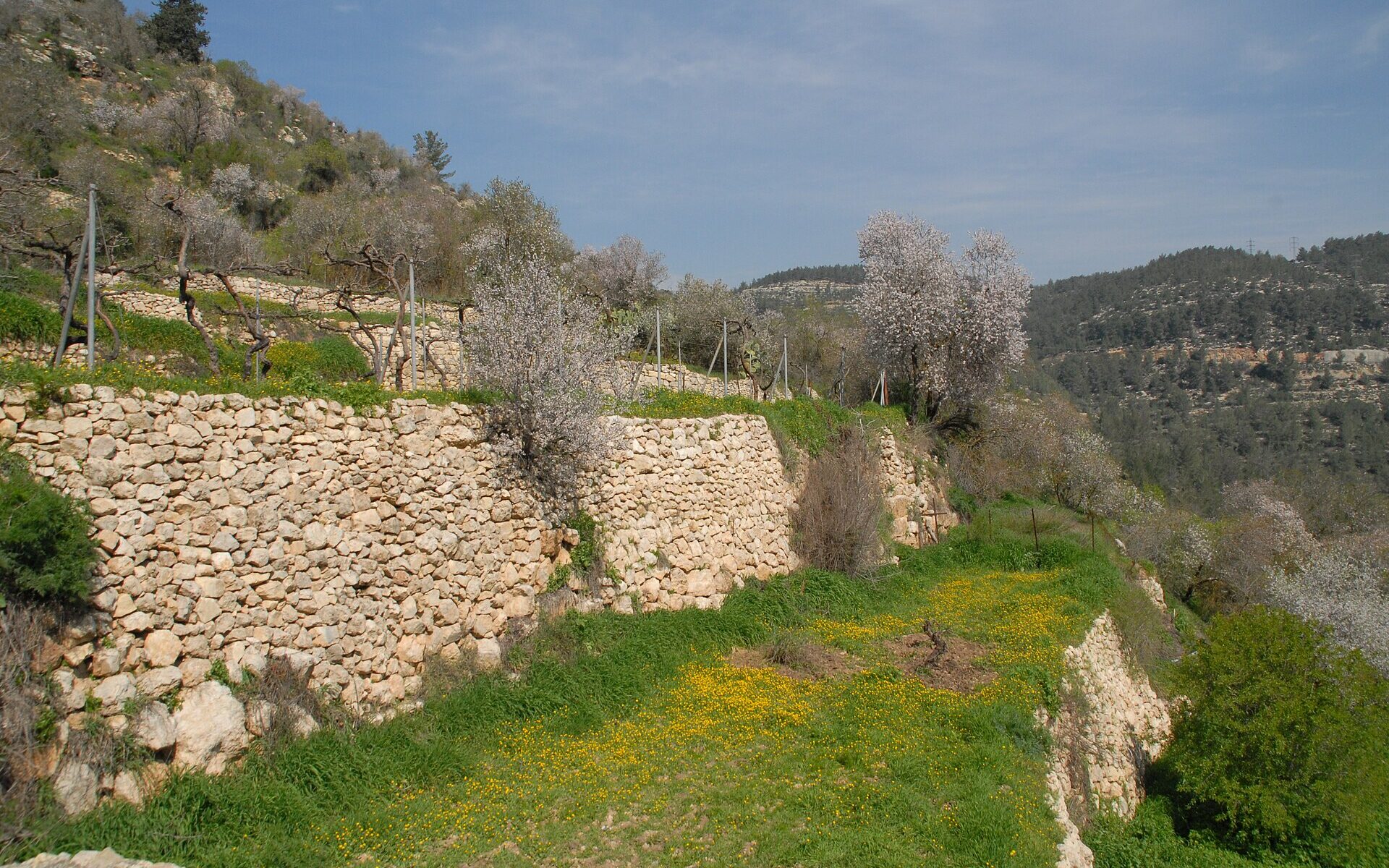
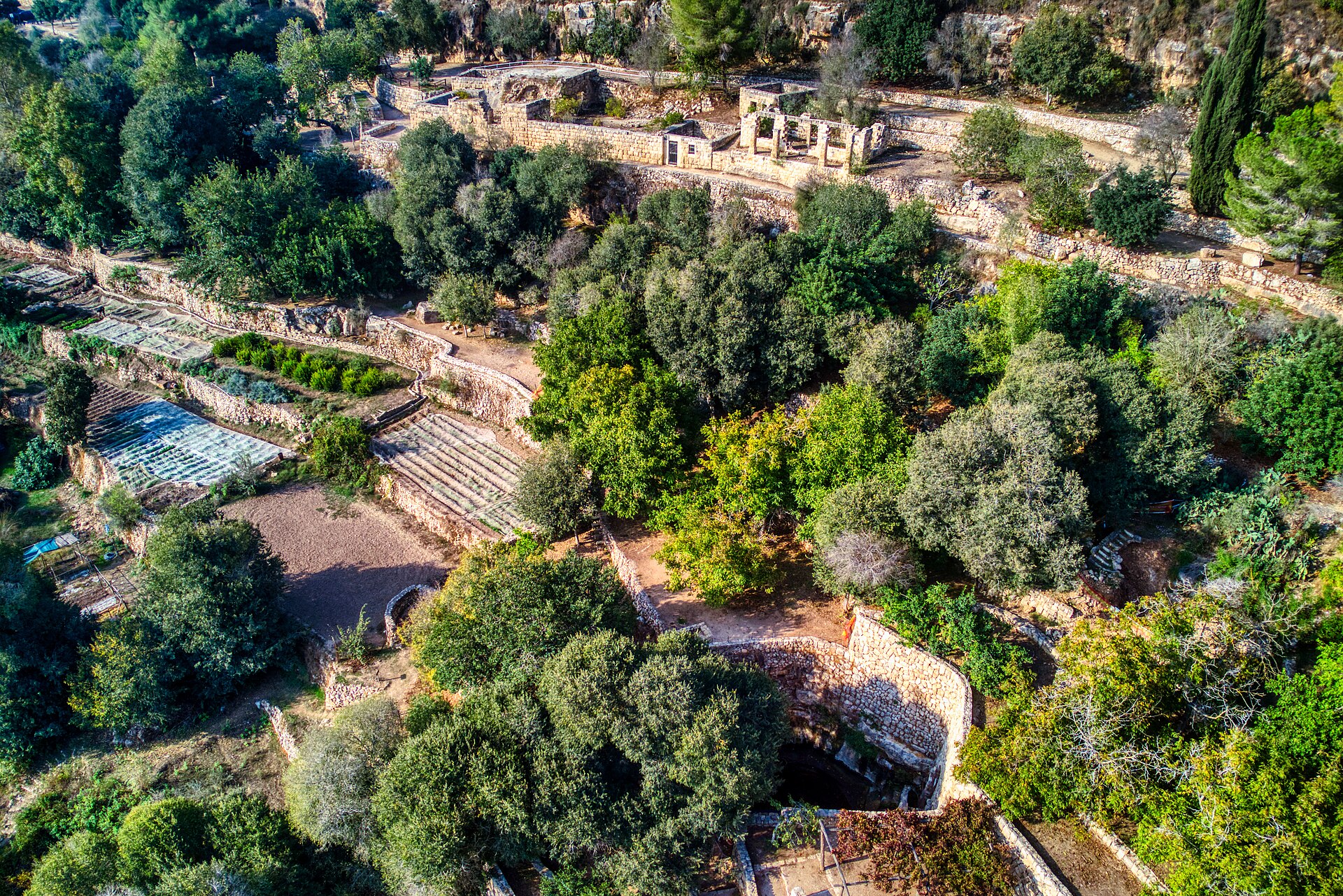
The draw is the combination of nature and living history. The hillside is laid out in dry-stone terraces, some dating back more than two thousand years, built to catch rainwater and stop the soil washing off the slope. The JNF keeps demonstration plots going on these terraces, growing the classic crops of the region, olives, figs, pomegranates, and grapes, so you can see how ancient hill farming actually worked rather than just reading about it. Interpretive signs explain the methods, and ongoing volunteer projects rebuild collapsed terrace walls.
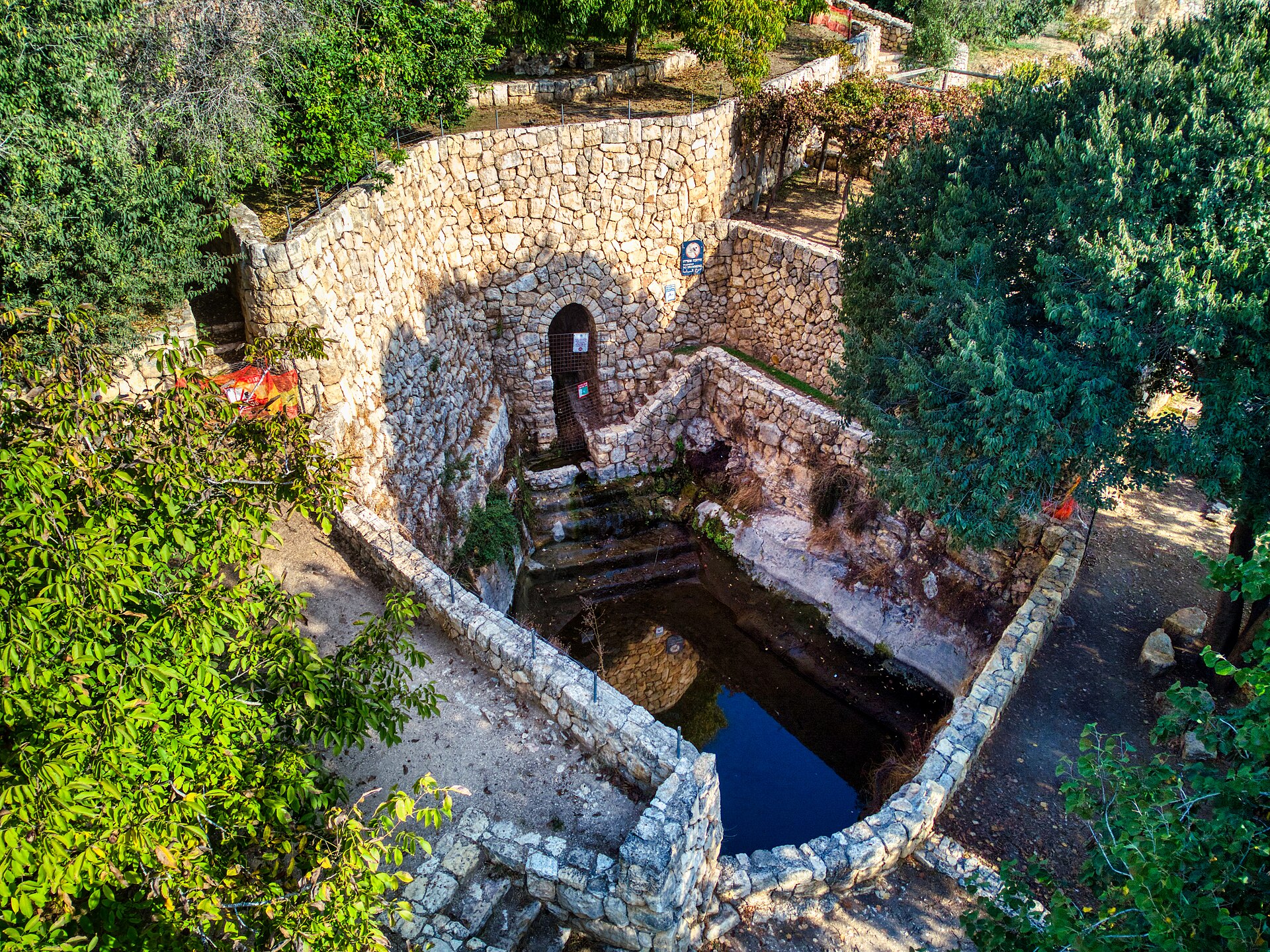
Two natural springs feed the system. Ein Sataf, the larger and lower spring, collects in a stone pool, and Ein Bikura sits higher up the slope. The water is part of what kept this hillside farmed for millennia, and the pools are a cool, green focal point of the walk. There was an Arab village here until 1948, and the older stone structures are part of the landscape you pass. The whole setting, terraces, springs, fruit trees, and forest, gives the Sataf trail Jerusalem walkers return to its distinctive character.
Trail Options
Trails at Sataf are marked, and the main routes are color-blazed paths that branch from the parking area. Pick the loop that matches your time and energy; the times below are moving estimates, so add margin for photo stops and the climb out in the heat.
Ein Sataf Short Loop (about 1.5 km)
The short loop reaches the lower Ein Sataf spring and the nearest terraces in around 45 minutes at an easy to moderate effort. It is the right choice for a quick visit, for younger children, or for a hot day when you want to be back at the car before midday. Even on this shorter route the return is uphill, so pace it.
Two-Springs Loop (about 3 km)
The main loop links both springs, the full spread of terraces, and the best viewpoints over the valley, with around 200 meters of elevation change across roughly one and a half to two hours. This is the route most visitors choose, and it gives the complete Sataf experience. Carry enough water for the climb back, especially in summer.
Extended Route (about 5-6 km)
Connecting paths let stronger walkers extend the day to 5 or 6 kilometers and three to four hours, adding viewpoints and linking toward neighboring areas; the Israel National Trail, blazed orange-white-blue, runs through this part of the hills. This option suits experienced hikers comfortable with longer, sun-exposed stretches and confident with a map.
Trail Surface and Accessibility
The paths are natural-surface dirt and rock with stone steps in places, and the gradient is the main challenge rather than technical difficulty. There is no wheelchair or stroller access on the loops, and the descent-then-climb shape means you finish on an uphill, so save energy and water for the return. Footing can be loose on the steeper sections, particularly after winter rain, so closed shoes with grip really do matter here. If you have mobility limits, the short loop to the lower spring is the gentlest taste of the site.
Water, Heat, and Safety
Sataf is a hill hike, and Jerusalem summers are hot and dry, often mid-30s Celsius (mid-90s Fahrenheit) by early afternoon. The spring pools look inviting but are not a treated drinking source, so carry your own water: a liter or two per person for the short loop and more for the main and extended routes. From June through August, start early, ideally before 9am, do the climbing while it is cool, and avoid the exposed sections in the heat of the day. Wear a hat and sunscreen, choose closed shoes with grip rather than sandals on the rocky paths, and keep an eye on children near the pools and terrace edges. Running short of water on the climb back is the most common problem here, so err on the side of carrying extra.
The Ancient Terraces, Up Close
Take time to look closely at the terrace walls. They are built without mortar, fitted stone on stone, stepping the slope into level beds that hold soil and slow runoff so that the spring water and winter rain soak in rather than rushing away. This is the engineering that made farming possible on a dry hillside long before modern irrigation. The demonstration plots of olives, figs, pomegranates, and vines are tended through the year, and the interpretive signage along the path explains how each element worked. It is a genuinely good place to bring curious kids, because the history is visible and physical rather than abstract.
When to Go
Spring, March to May, is the standout season, with wildflowers across the terraces and comfortable temperatures. Autumn, September to November, is the other excellent window, cool and dry. Summer is fine only with an early start and plenty of water, and the midday heat on the exposed sections is no joke. Winter, December to February, can be lovely between rain spells but leaves the paths muddy and slick after storms.
On timing through the week, Saturday is the busiest day, when many local families come to hike; Friday mornings tend to be quieter before the city winds down for Shabbat. The site itself is open-access, but transport and nearby services thin out from Friday afternoon into Saturday evening, so plan your travel accordingly. Our Jerusalem travel tips explain how the Shabbat rhythm affects getting around.
What to Bring
- Water: at least 1-2 liters per person, more for the longer loops and in summer. The springs are not for drinking.
- Sun protection: hat, sunglasses, high-SPF sunscreen.
- Footwear: closed walking or hiking shoes with grip; skip the sandals.
- Snacks: fruit and trail mix; there are picnic spots along the way.
- Light layer: useful on cool spring and autumn mornings.
- Insect repellent: handy near the water in summer.
- Camera and some cash for the views and any roadside stops.
Combining Sataf With Nearby Sites
Sataf pairs naturally with the village of Ein Karem, about ten minutes away, for a classic half-day of hiking plus churches, cafes, and the spring; see our Ein Karem guide to plan the combination. The Chagall windows at the Hadassah Medical Center are a short drive on, and the family park at Ein Hemed (Aqua Bella) is another nearby green stop. The abandoned village of Lifta lies roughly 20 minutes away, and the Judean hills wineries are within half an hour for an adults’ add-on. For a bigger day on foot, the Jerusalem Trail passes through this part of the hills.
Visiting With Kids
Sataf is one of the better hikes near the city for families. Children of around five and up generally manage the short and main loops, though the climbs can tire smaller legs, so carry younger children in a back carrier rather than attempting a stroller on the rocky paths. The terraces and springs make natural teaching moments about ancient farming and water, and there are shaded picnic spots to break up the walk. Restrooms are limited, so have everyone use facilities before you leave the city, and bring enough water and snacks for the whole outing. For more options in this vein, see our selection of family-friendly walks near Jerusalem.
How to Get to the Trailhead
Driving is by far the easiest way to reach Sataf: it is about 20 minutes from central Jerusalem with signage from the Highway 1 area, and parking at the trailhead is free. Public transport is limited and not practical for most visitors, so if you do not have a car, a taxi or rideshare from the center runs roughly 70 to 100 shekels (about 20 to 28 USD) each way; arrange your return pickup in advance, as it is hard to find a ride at the trailhead. Several hiking tour operators also include Sataf, which removes the transport and navigation questions; our Jerusalem tours guide lists organized options.
Planning Your Sataf Hike
For a short hike with real substance, the Sataf trail Jerusalem visitors recommend is hard to beat: ancient terraces, two springs, fruit trees, and hill views, all within easy reach of the city and free to enter. Go early in summer, carry more water than you expect to need, and pair it with Ein Karem for a full half day. Plan the rest of your time outdoors with our hiking and outdoor guide, our kid-friendly hiking roundup, and our Ein Karem guide.
Photo Credits
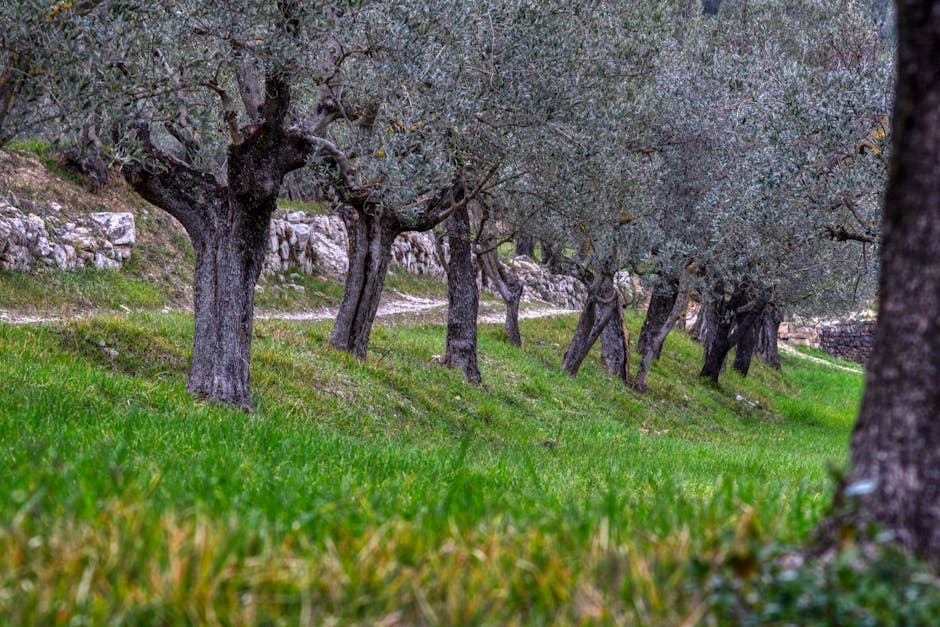
Dry-stone terraces at Sataf: PikiWiki Israel 29642 Geography of Israel by udi Steinwell, CC BY 2.5, via Wikimedia Commons.
Aerial view of the Sataf terraces: SatafNov062022 03 by Hagai Agmon-Snir حچاي اچمون-سنير חגי אגמון-שניר, CC BY-SA 4.0, via Wikimedia Commons.
Ein Bikura spring pool at Sataf: SatafNov062022 01 by Hagai Agmon-Snir حچاي اچمون-سنير חגי אגמון-שניר, CC BY-SA 4.0, via Wikimedia Commons.