The Western Wall Tunnels in Jerusalem are one of the most extraordinary archaeological experiences in the city. The wall you see at the Western Wall plaza is just 57 meters of a 488-meter Herodian retaining wall — the rest extends north and south underground, buried beneath later Islamic, Crusader, and Ottoman construction. The 75-minute guided Western Wall Tunnels Tour takes you the full length of the original 1st-century wall, past Herod’s 570-ton “Master Stone,” through Hasmonean-era cisterns, and to the spot directly across from the original location of the Holy of Holies in the Second Temple.
This complete guide to the Western Wall Tunnels Tour covers what you’ll see, how to book (essential — they sell out weeks ahead), price, age suitability, accessibility, and how to make the most of your underground time. Pair this with our Western Wall guide and Holy Sites pillar.
What Are the Western Wall Tunnels?
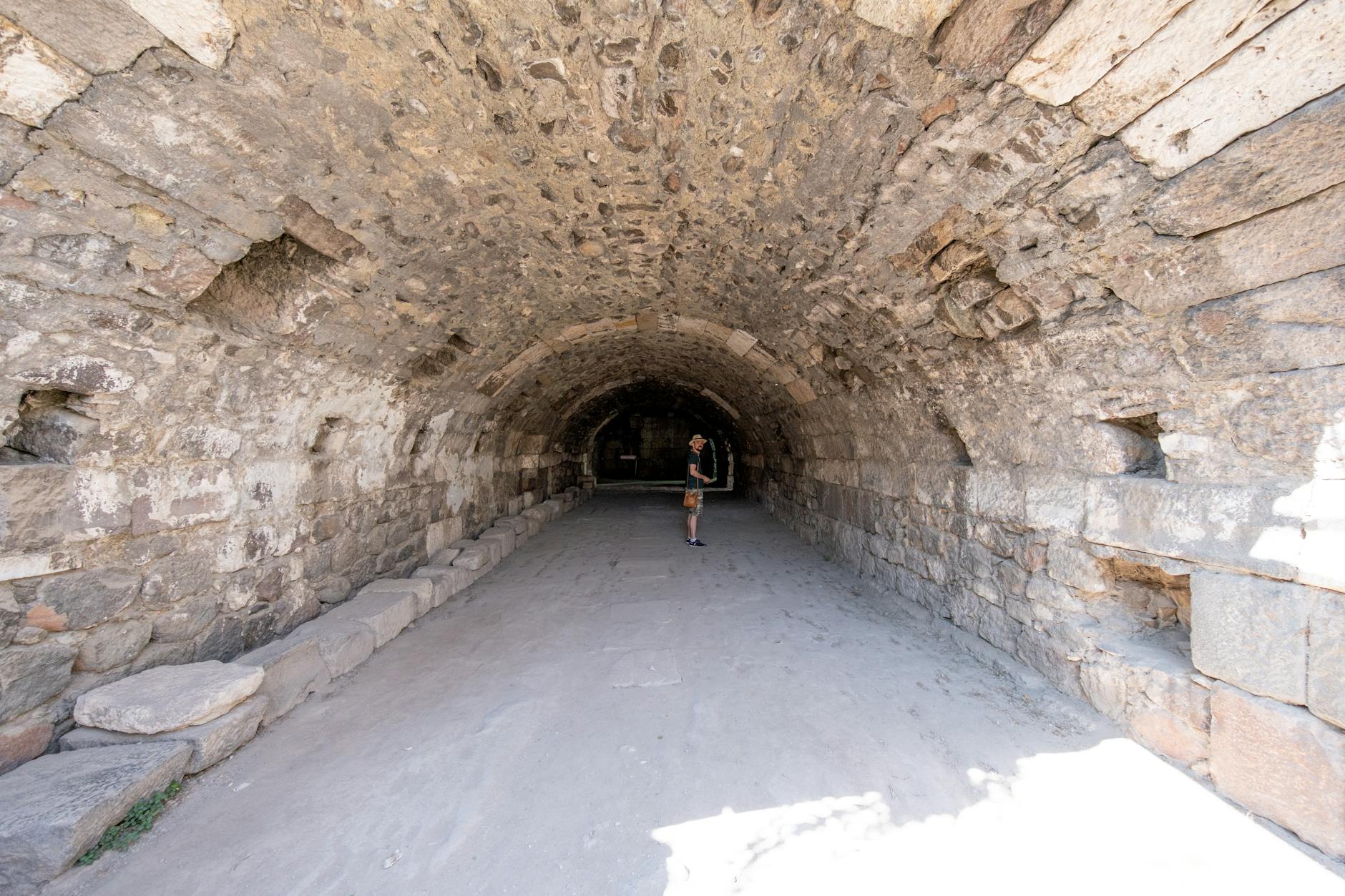
The Western Wall Tunnels are a series of underground passages, halls, and excavated chambers running along the entire length of King Herod’s western retaining wall of the Temple Mount, built around 19 BCE. Over centuries the original ground level was buried by successive layers of construction, leaving the lower portions of the wall hidden beneath modern alleys, shops, and houses.
Beginning in the 1860s and intensifying after 1967, Israeli archaeologists have systematically excavated the tunnels, opening them to the public in 1996. The tour reveals:
- The full 488-meter length of the original Herodian retaining wall.
- Herod’s “Master Stone” — a 570-ton, 13.6-meter-long single block, one of the largest building stones ever quarried.
- Hasmonean-era water cisterns predating Herod.
- The traditional closest point to the Holy of Holies in the Second Temple.
- Roman-era flagstone street.
- Medieval Mamluk and Crusader vaulted halls.
Tour Details
- Duration: ~75 minutes.
- Languages: English, Hebrew, French, Spanish, Russian, German, Portuguese (varies by day).
- Price (2026): ~40 NIS adults, ~20 NIS children/students.
- Booking: Essential. The tour sells out weeks in advance.
- Where to book: Online at the Western Wall Heritage Foundation website, or by phone.
- Entry: At the entrance to the Western Wall plaza (north side, near the Kotel Heritage Foundation building).
How Booking Works in 2026
All reservations go through the Western Wall Heritage Foundation’s official site, thekotel.org (the English booking calendar is at english.thekotel.org). You pick a date, a language, and a time slot, and pay online. Adult tickets run around 40–45 ILS (roughly $11–12 USD); children, students, and seniors pay about half. There is no meaningful resale market and no reason to pay a third-party site more — if a tour operator charges you $60 for “tunnel access,” most of that is their guiding fee, not the ticket.
- Schedule: Tours depart Sunday–Thursday from early morning until late evening, and Friday mornings only. No tours on Shabbat (Friday evening through Saturday) or Jewish holidays.
- Meeting point: The tunnel entrance under the arches at the northern end of the Western Wall plaza — look for the Heritage Foundation building. Arrive 15 minutes early; latecomers genuinely do get left behind.
- Evening slots: Our favorite trick. The 7–9 PM departures are easier to book, the plaza above is beautifully lit when you finish, and the Old City crowds are gone.
- Cancellations: Check the site the day before you want to go even if it shows sold out — released spaces appear constantly.
Two Routes: Classic Tunnels vs the Great Bridge Route
Since 2022 the Foundation has run two distinct guided routes from the same entrance, and the booking calendar lists them separately, which confuses almost everyone.
The classic Western Wall Tunnels Tour is the one described in this guide: it hugs the Herodian wall itself for its full length, passes the Master Stone and the point opposite the Holy of Holies, and exits in the Muslim Quarter. The Great Bridge Route instead climbs through the enormous arched piers of Wilson’s Arch — the bridge that once carried priests from the Upper City to the Temple — and through a Hasmonean reservoir and Roman-era rooms above it. It is excellent, slightly less crowded, and a touch more “engineering” than “scripture.” First visit: take the classic route. Repeat visit: take the bridge.
What You’ll See on the Tour
The Master Stone
The single most impressive feature of the tour — a Herodian limestone block weighing approximately 570 tons (1.25 million pounds), 13.6 meters long, 3 meters high, 4.3 meters deep. One of the largest building stones ever quarried and moved by ancient engineering. How it was transported and placed remains an engineering mystery.
Hasmonean Water Cisterns
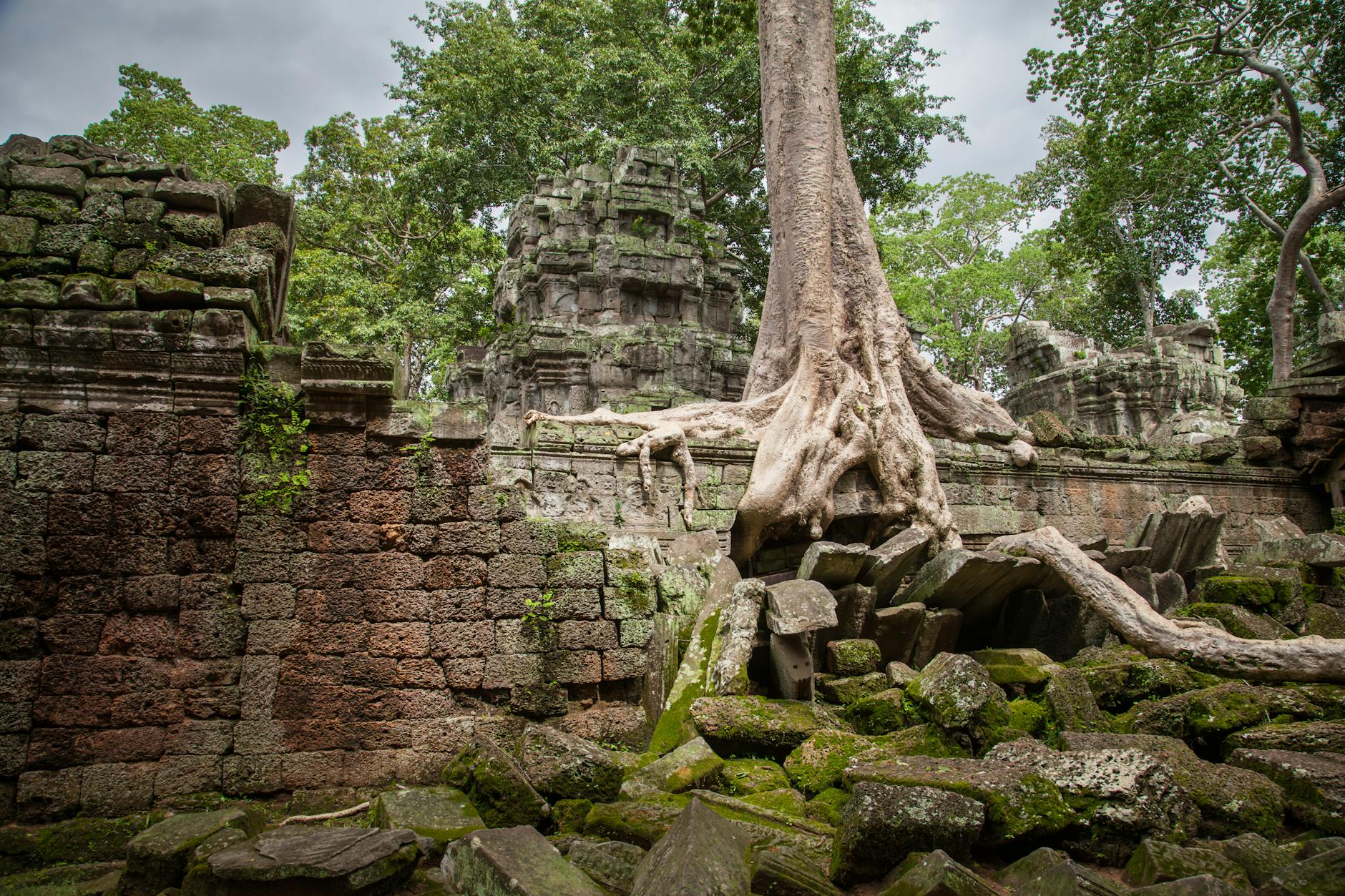
Older than Herod’s construction, these cisterns date to the Hasmonean dynasty (140-37 BCE). Walls cut into bedrock; some still hold water seepage from the original water systems.
The Holy of Holies Viewpoint
The tour pauses at the point directly across from the traditional location of the Holy of Holies — the innermost sanctuary of the Second Temple. This is closer to that spot than any other publicly accessible location on earth. Jewish women in particular often gather here in prayer.
Wilson’s Arch
The remains of a massive Herodian-era bridge that once connected the Temple Mount to the Upper City. Visible from a viewing platform.
Roman-Era Street
Walk on a stretch of the original Roman flagstone street.
Crusader and Mamluk Vaulted Halls
Medieval Christian and Muslim construction visible at higher levels of the tunnels.
Who Dug These Tunnels? 160 Years of Excavation
The tunnels are not ancient passageways — they are modern excavation corridors threaded along an ancient wall, and their own story is worth knowing. British Royal Engineers got here first: Charles Wilson identified the great arch that now bears his name in 1864, and Charles Warren, working for the Palestine Exploration Fund from 1867 to 1870, sank vertical shafts beside the wall because Ottoman authorities would not let him dig openly. Several of Warren’s shafts are still visible on the tour.
Systematic excavation resumed after 1967 under Israel’s Ministry of Religious Affairs and continued for decades, eventually exposing the full 488-meter face of the wall. For years visitors had to walk the narrow corridor in and then turn around and walk back. That changed in 1996, when a northern exit was opened onto the Via Dolorosa, allowing one-way traffic — a decision that triggered serious unrest at the time, a reminder that in Jerusalem even an exit door is geopolitics. Today the route runs smoothly, with the Israel Antiquities Authority supervising ongoing digs you can sometimes watch in progress behind glass.
Where You Exit and What to Do Next
The classic tour releases you onto the Via Dolorosa in the Muslim Quarter, near the street’s eastern end — disorienting at first, but perfectly placed. From here you can walk the Via Dolorosa westward toward the Church of the Holy Sepulchre, stop two minutes away at Abu Shukri on El-Wad Street for a 35–45 ILS hummus plate, or climb to the Austrian Hospice rooftop (5 ILS) for the best cheap view in the Old City. Alternatively, turn south and you are back at the Western Wall plaza in under ten minutes. Our Old City guide maps all of this out.
Booking Tips
- Book online at least 2-3 weeks in advance. Tours sell out, especially in peak season.
- Book multiple times slots and cancel if you don’t need them — easier to secure spaces if your dates are flexible.
- English tours fill fastest. Multiple slots daily but limited.
- Children: Suitable for ages 5 and up; sensitive kids may find the enclosed sections intimidating.
- Bring ID for the security check at the Western Wall plaza.
Accessibility
- Not fully wheelchair-accessible due to stairs and uneven paving.
- The Western Wall Heritage Foundation offers a partially accessible route on request — call ahead.
- Tour involves about 1 km of walking through enclosed underground passages with multiple stair sets.
Practical Tips
- Wear comfortable shoes with grip — wet stone in places.
- Bring a light layer. Tunnels are cool year-round (~16-18°C / 60-65°F).
- Carry water.
- Bring a flashlight for personal exploration (the tour is lit but a phone light helps).
- Modest dress — same as for the Western Wall plaza.
- Allow extra 30 minutes before/after for security and the Western Wall plaza itself.
- Photography generally allowed; some sensitive areas restricted.
A Word on Claustrophobia and Fitness
Honest answer, because people ask us constantly: parts of the route narrow to under a meter wide with low ceilings, and once the group is moving there is no easy way to turn back. The passages are well lit, ventilated, and structurally reinforced, and most mildly claustrophobic visitors do fine — the corridors open into large halls every few minutes. But if enclosed spaces trigger real panic for you, skip it and spend the time at the open-air Davidson Center instead. Fitness-wise, anyone who can manage a kilometer of walking with several flights of stairs will be fine; strollers cannot come through.
How It Compares With Jerusalem’s Other Underground Sites
Jerusalem has a genuine underground circuit: Hezekiah’s wet tunnel at the City of David, Zedekiah’s Cave under the Muslim Quarter, and the herodian drainage channel running up from the Pool of Siloam. The Western Wall Tunnels are the most polished and the most historically loaded of the lot — this is the only one where the guide can point at a wall and say “the Holy of Holies stood thirty meters that way.” Hezekiah’s Tunnel beats it for adventure (you wade through knee-deep spring water), and kids usually prefer the City of David. If you only have time for one underground experience and history outranks adventure for you, choose this one; serious history travelers should read our Jerusalem history guide and do both. Several of the best Jerusalem tours bundle the tunnels with a guided Old City day, which solves the booking problem for you.
Combine With
- Western Wall plaza before or after.
- Davidson Center Archaeological Park — combined ticket available.
- City of David + Hezekiah’s Tunnel for a full underground-archaeology day.
- Western Wall Heritage Foundation Visitor Center.
The Chain of Generations Center
In the same Heritage Foundation complex, the Chain of Generations Center is a separate ticketed experience (around 25–30 ILS) that tells the story of Jewish continuity through illuminated glass sculptures by artist Jeremy Langford, ending at a window overlooking the Wall. It is short — about 45 minutes — and unapologetically emotional rather than archaeological. We would not cross town for it, but as an add-on while you are already at the plaza waiting for a tunnel slot, it works, especially for families marking a bar or bat mitzvah trip.
Frequently Asked Questions
Are the Western Wall Tunnels worth visiting?
Yes — one of the most unique and historically significant experiences in Jerusalem. The combination of engineering marvel (Master Stone), religious significance (Holy of Holies viewpoint), and archaeological depth is unmatched.
How long does the Western Wall Tunnels tour take?
~75 minutes for the guided portion. Plan 2 hours total including security and the Western Wall plaza.
Can children visit the Western Wall Tunnels?
Yes, ages 5 and up. Children must be accompanied. Some sensitive children may find enclosed sections intimidating.
Do I need to book in advance?
Absolutely yes. The tours sell out 2-3 weeks ahead in peak season; book online via the Western Wall Heritage Foundation.
Is the tour wheelchair-accessible?
Partially. Contact the Heritage Foundation to arrange the accessible route. The full standard tour has stairs.
Is photography allowed in the tunnels?
Generally yes, though no flash and some specific areas are restricted. Bring a fast lens or use phone night mode.
Can I do the Western Wall Tunnels on Shabbat?
No — closed Friday afternoon through Saturday evening for Shabbat.
Final Word: The Most Underrated Paid Experience in Jerusalem
For ~$12, the Western Wall Tunnels Tour delivers an hour and fifteen minutes of jaw-dropping engineering, archaeology, and religious significance that competes with much more expensive experiences in any city. Book in advance and treat it as a Day 2 highlight after seeing the Western Wall plaza itself on Day 1. Pair this with our Western Wall guide, Holy Sites pillar, and Things to Do guide.
Leave a Reply