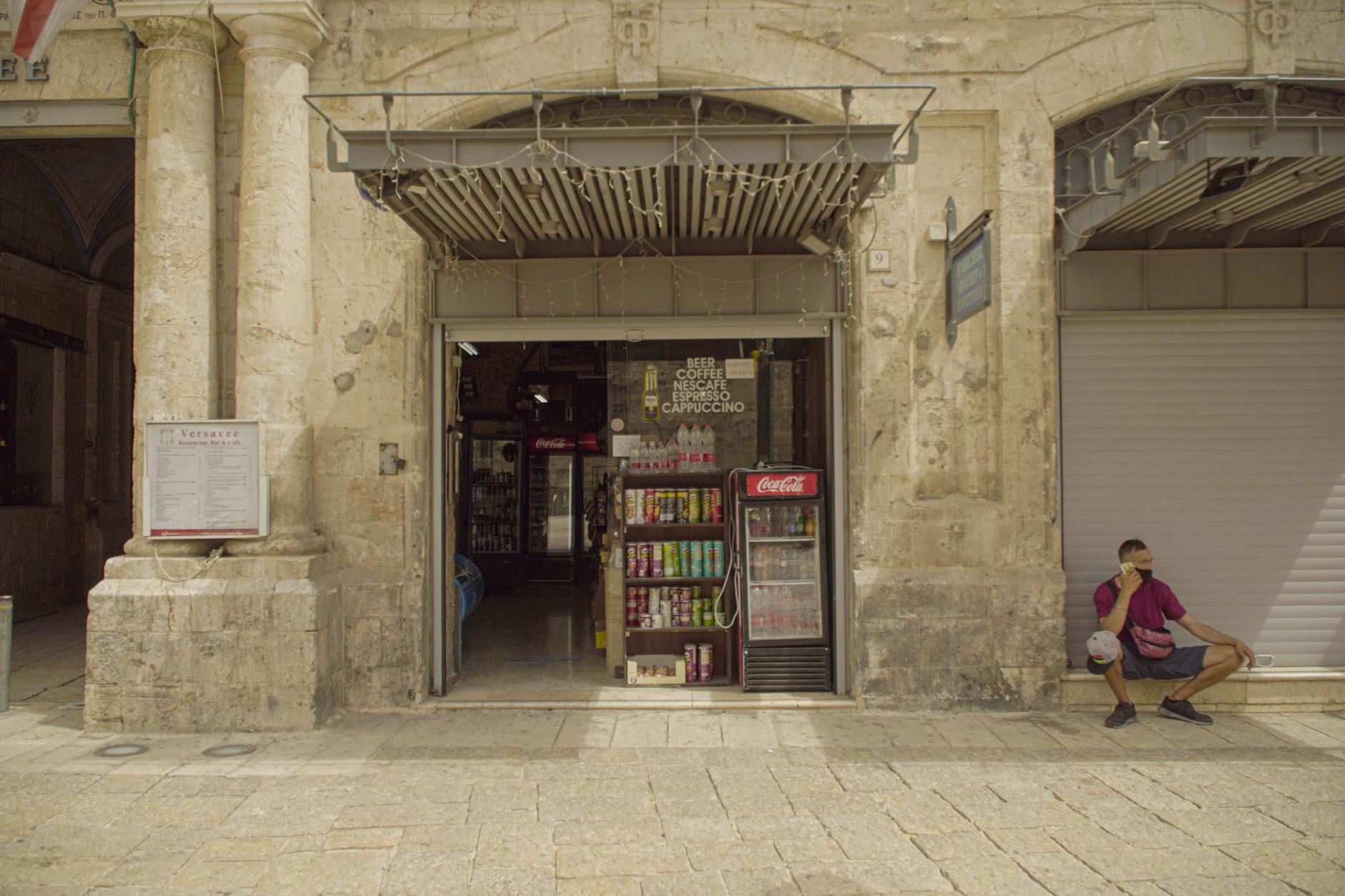
If you think Jerusalem is all ancient stones and solemn prayer, you are in for a surprise. Behind the holy city’s ancient facade lies a vibrant, diverse cultural scene that has been rapidly evolving. From craft cocktail bars hidden in Ottoman-era buildings to world-class music festivals, avant-garde theater, and one of the most dynamic food-and-drink scenes in the Middle East, Jerusalem after dark is a revelation for visitors expecting a city that goes to sleep at sundown.
This comprehensive guide covers Jerusalem’s nightlife, performing arts, festivals, museums, and entertainment options. Whether you are looking for a late-night bar with live oud music, a world-class art exhibition, or a family-friendly cultural event, Jerusalem delivers — often in settings so historic they become part of the experience. For daytime activities, pair this guide with our complete guide to things to do in Jerusalem.
Jerusalem’s Nightlife Districts
Mahane Yehuda After Dark
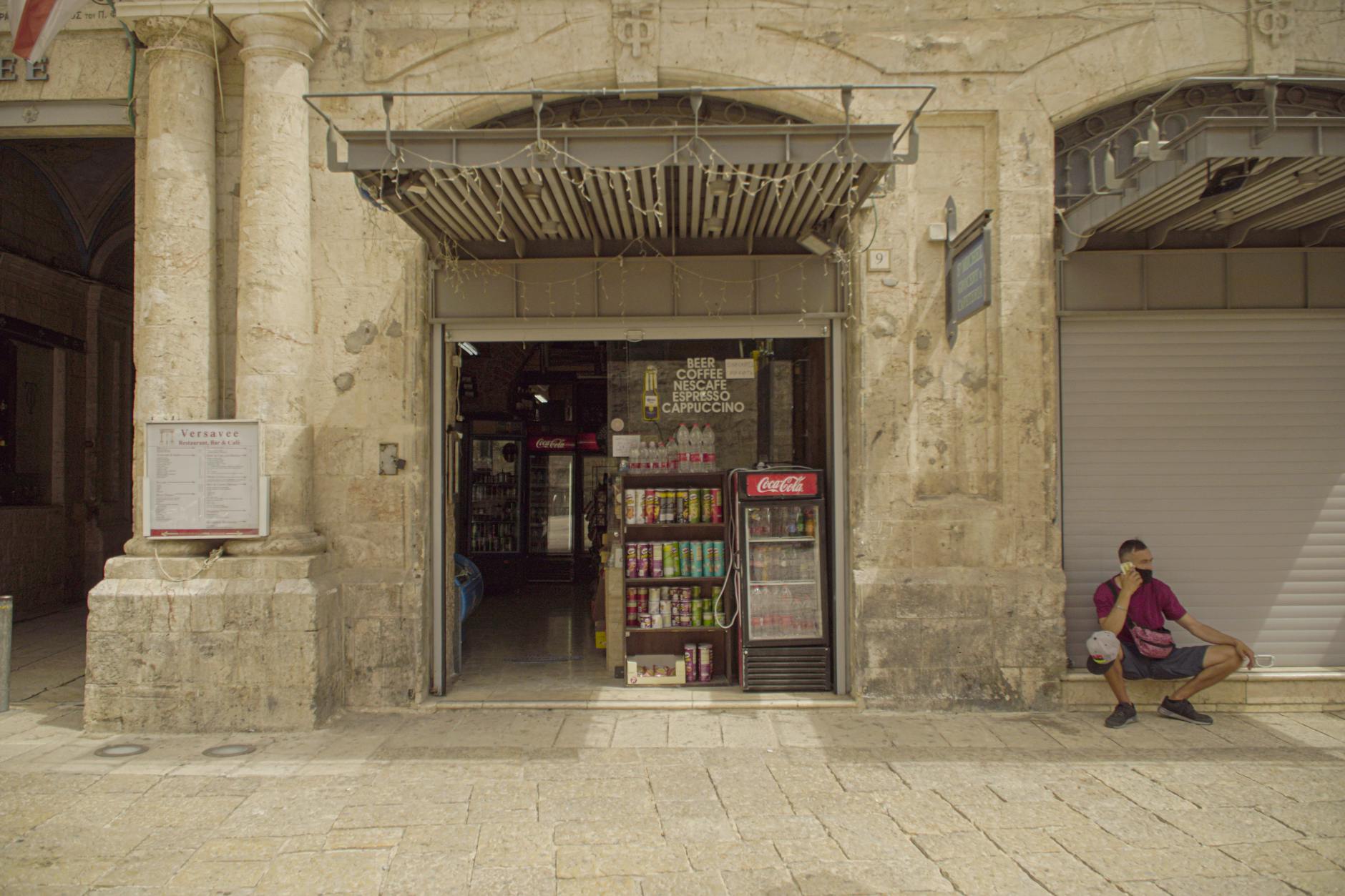
Mahane Yehuda Market’s transformation from daytime produce market to nighttime entertainment hub is one of Jerusalem’s best stories. As vendors pull down their shutters — many covered in striking street art that’s only visible at night — bars, restaurants, and music venues come alive in the same narrow lanes. The energy is infectious, and the juxtaposition of ancient market architecture with contemporary nightlife is uniquely Jerusalem. See our Jerusalem shopping guide for the daytime market experience.
Top spots: Casino de Paris serves creative cocktails in a space that channels 1920s Parisian café culture. Beer Bazaar offers an extensive selection of Israeli craft beers on tap. Shuka (meaning “market” in Arabic) delivers Middle Eastern-inspired cocktails alongside small plates. Makom Ba’Shuk features live music ranging from jazz to Mizrahi classics. The atmosphere peaks on Thursday evenings — Israel’s unofficial start to the weekend.
Nahalat Shiva and City Center
Jerusalem’s oldest neighborhood outside the Old City walls has become its most eclectic nightlife zone. Rivlin Street and the surrounding alleyways attract a younger crowd (early to mid-20s) to a concentration of bars, restaurants, and live music venues. The neighborhood’s 19th-century stone buildings provide atmospheric settings for everything from wine bars to dance clubs.
Highlights: The Gatsby Cocktail Room recreates 1920s speakeasy glamour with dim lighting, retro decor, and live swing music alongside expertly crafted cocktails — some served in light bulbs and other theatrical presentations. Birman Music Bar combines a full restaurant with a dedicated live music stage featuring jazz, blues, and world music performances most evenings. Uganda Bar, named after the rejected alternative to Israel as a Jewish homeland, offers a relaxed, bohemian atmosphere popular with locals.
Russian Compound (HaHavatzelet and Heleni HaMalka Streets)
The Russian Compound area, centered around Heleni HaMalka Street, attracts a slightly older crowd and features some of Jerusalem’s most established bars and pubs. The area has a grittier, more lived-in feel than Nahalat Shiva, and the bars tend toward the traditional pub end of the spectrum. This is where locals go for a reliable good time without the trendier pretensions.
German Colony and Emek Refaim
For a more relaxed evening, the German Colony neighborhood along Emek Refaim Street offers wine bars, upscale restaurants, and café culture in a tree-lined, walkable setting. The pace here is slower and more refined — perfect for couples or anyone who prefers conversation over dance music. Caffit, HaMeiri House, and various wine bars provide excellent options.
Live Music and Performance
Live Music Venues
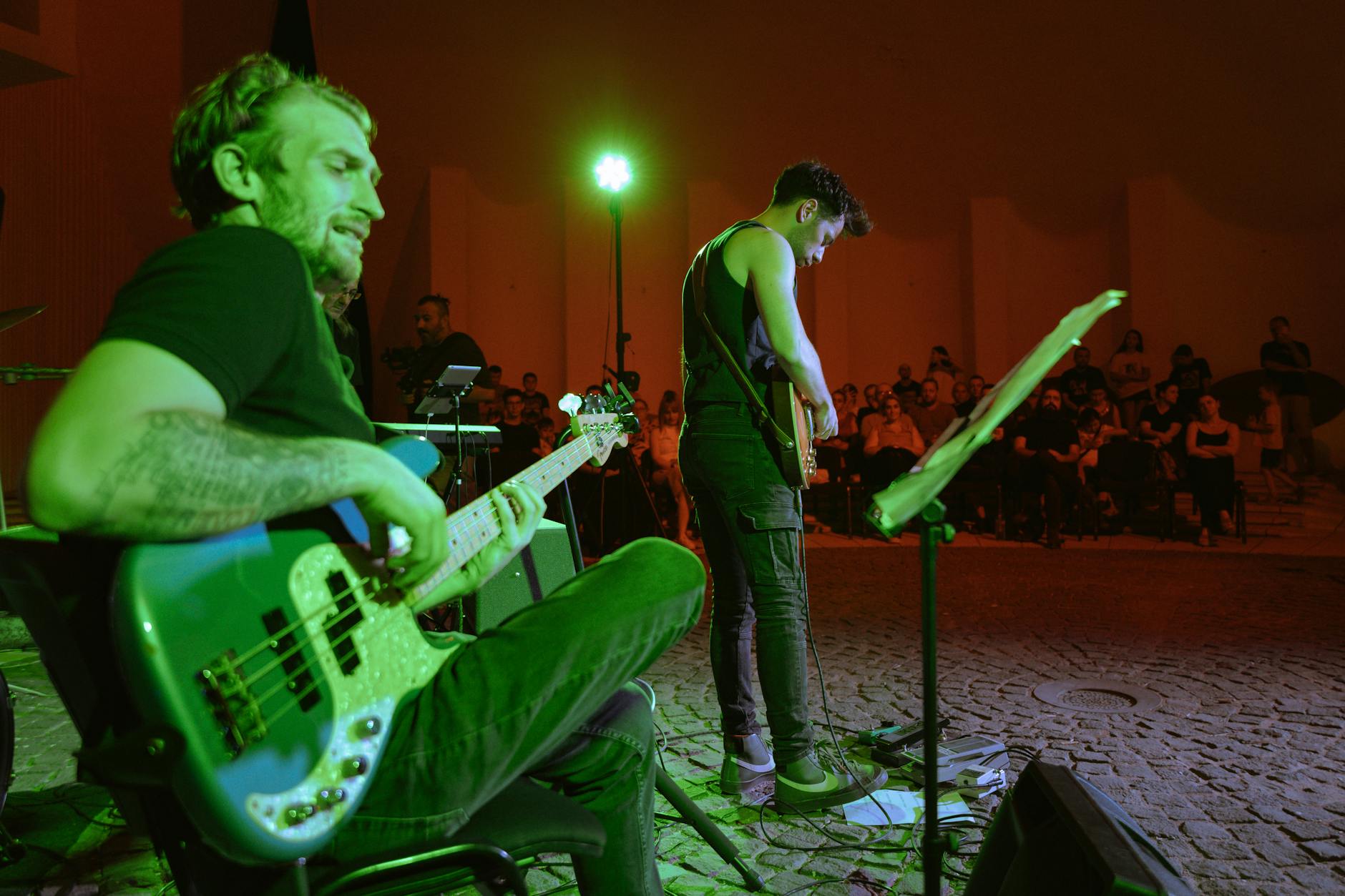
Yellow Submarine: Jerusalem’s premier music venue hosts Israeli and international acts across all genres — rock, jazz, electronic, world music, and hip-hop. The two-room venue in the Talpiot industrial area has been central to Jerusalem’s music scene since 1992. Check their schedule well in advance, as popular shows sell out.
Confederation House (Beit HaPoel): This cultural center in the Talpiot area hosts concerts, dance performances, and cultural events in an intimate theater setting. The programming emphasizes Israeli artists and world music.
Zappa Jerusalem: Part of the Zappa chain of music clubs, this venue in the city center offers a regular schedule of Israeli musicians, comedy acts, and cultural performances. The atmosphere is casual — dinner and drinks are served during shows.
Classical Music and Opera
The Jerusalem Theatre (Sherover Theatre) is the city’s main performing arts center, hosting the Jerusalem Symphony Orchestra, touring international orchestras, dance companies, and theatrical productions. The Jerusalem International Chamber Music Festival, held annually in September, draws world-class musicians to perform in intimate settings across the city — including concerts in historic locations like the YMCA auditorium and the Tower of David.
The Eden-Tamir Music Center in the historic neighborhood of Ein Karem hosts classical concerts in an intimate setting surrounded by the Jerusalem Hills. The combination of exceptional acoustics and beautiful natural surroundings makes this a special experience even for those who don’t usually attend classical concerts.
Theater and Dance
The Khan Theatre, housed in a converted Ottoman-era caravansary near the Old City, is Jerusalem’s leading repertory theater. Productions are primarily in Hebrew, but some performances include English subtitles or are accessible through their expressiveness regardless of language. The building itself — with its ancient stone arches and atmospheric courtyard — is worth visiting.
The Train Theater (Puppet Theater) at Liberty Bell Park offers performances for children and families, using innovative puppetry techniques that transcend language barriers. The Gerard Behar Center and the Lab (HaMa’abada) present experimental and contemporary performance art.
Museums and Cultural Institutions
Israel Museum
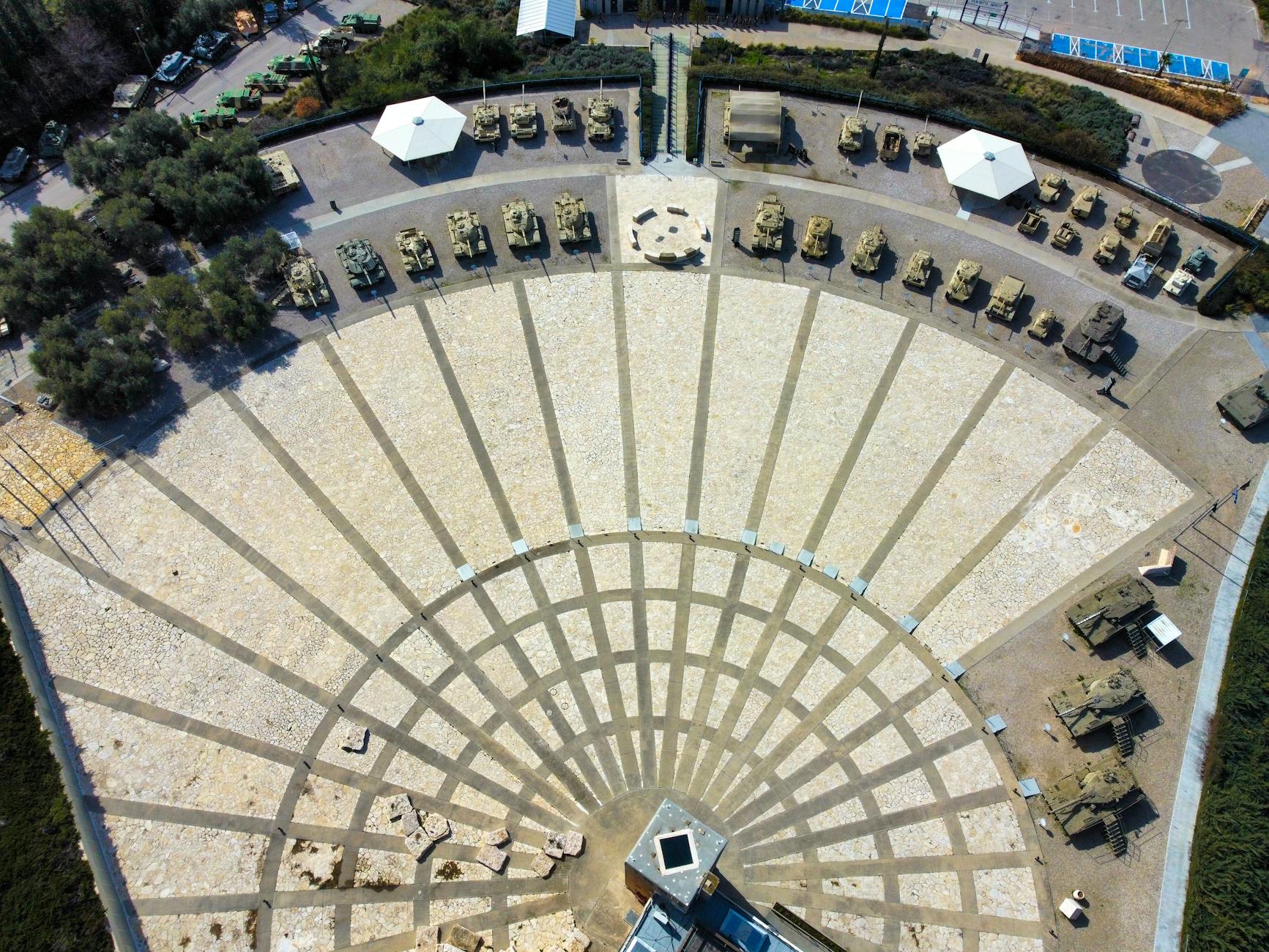
Israel’s national museum is one of the world’s leading art and archaeology museums, with collections spanning 5,000 years of culture. The archaeological wing alone could occupy an entire day, with artifacts from every period of the Holy Land’s history. The fine arts collection includes works by Rembrandt, Monet, Renoir, and Picasso alongside outstanding collections of Israeli and Jewish art. The museum’s iconic Shrine of the Book houses the Dead Sea Scrolls — among the most important archaeological discoveries of the 20th century. For more history context, see our Jerusalem history guide.
The museum also features an exceptional sculpture garden designed by Isamu Noguchi, with works by Henry Moore, Claes Oldenburg, and other masters set against panoramic views of Jerusalem.
Yad Vashem: The World Holocaust Remembrance Center
Yad Vashem is far more than a museum — it is a profoundly moving memorial complex spread across 45 acres on the Mount of Remembrance. The main museum, designed by Moshe Safdie, uses personal stories, artifacts, and testimony to tell the history of the Holocaust in a deeply human way. The Children’s Memorial, Hall of Names, and outdoor memorial sites create an experience that visitors describe as one of the most important of their lives. Allow at least 3 hours. Free admission. Note: recommended for visitors aged 10 and up.
Tower of David Museum
The Tower of David Museum in the ancient citadel near Jaffa Gate tells the story of Jerusalem through innovative, interactive exhibits. The museum underwent major renovations and now features cutting-edge multimedia presentations alongside its archaeological collections. The Night Spectacular — a 45-minute sound and light show projected onto the citadel’s ancient walls — is one of Jerusalem’s must-see experiences. See our Old City guide for more information about the Citadel area.
Other Notable Museums
Museum on the Seam: Located on the former border between East and West Jerusalem, this socio-political contemporary art museum features provocative exhibitions addressing coexistence, conflict, and human rights. The building itself — a former military outpost — adds powerful context to the artwork.
Islamic Museum (Haram al-Sharif): Located on the Temple Mount, this museum houses a collection of Islamic art, manuscripts, and artifacts from the Al-Aqsa Mosque compound spanning centuries of Islamic civilization in Jerusalem.
Rockefeller Archaeological Museum: This beautiful 1930s British Mandate-era building in East Jerusalem houses an outstanding collection of archaeological artifacts from excavations across the Holy Land, presented in a setting that is itself a work of art.
Festivals and Annual Events
Jerusalem Light Festival (June)
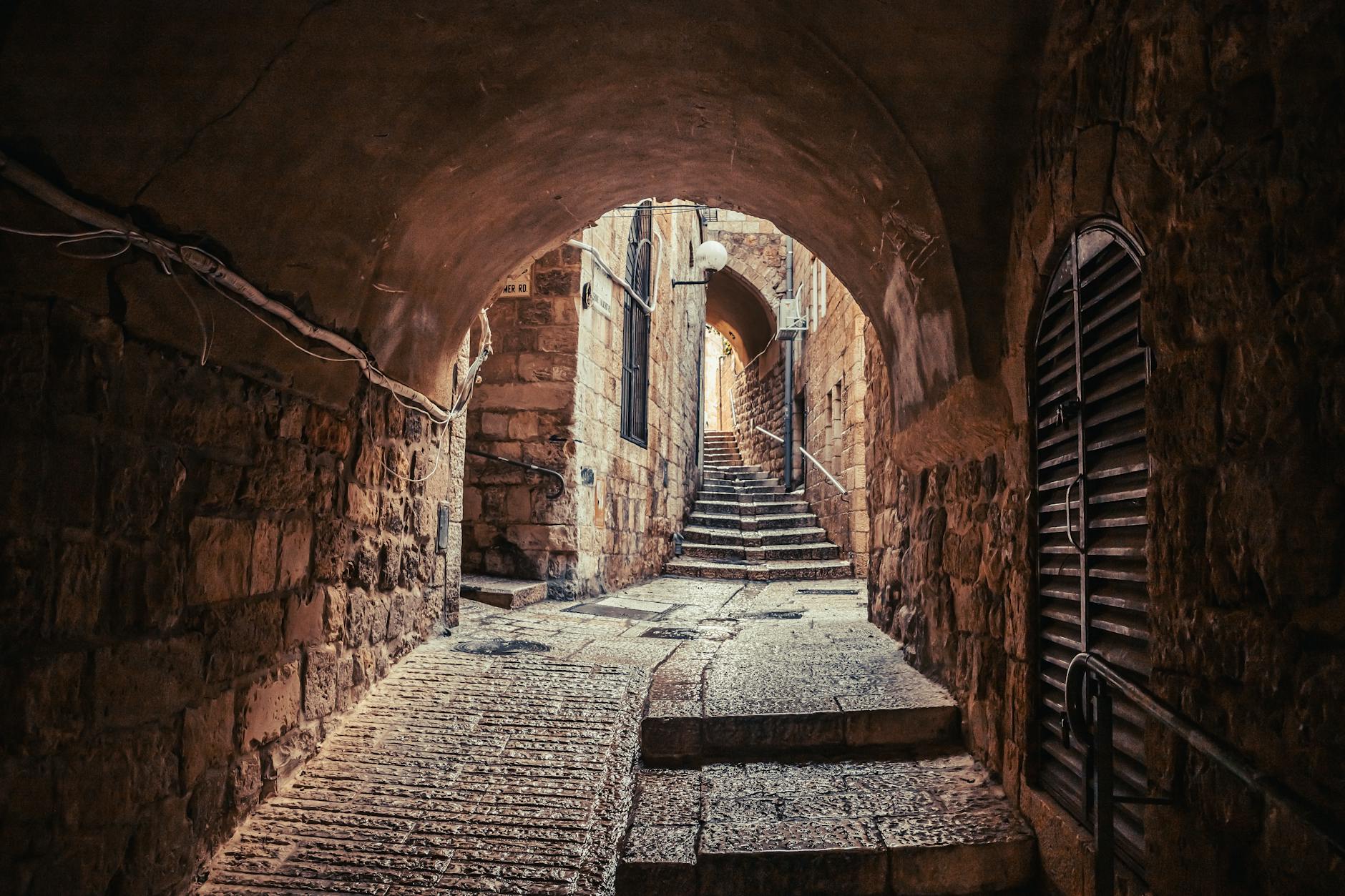
One of Jerusalem’s most magical events, the Light Festival transforms the Old City into an open-air art gallery of light installations, video art projections, and illuminated sculptures. The ancient stone streets and buildings become canvases for international artists, creating walking routes through the quarters that reveal the Old City in an entirely different dimension. The festival runs for about a week in June and is free to attend — expect large crowds and an extraordinary atmosphere.
Jerusalem Jazz Festival (November)
Under the artistic direction of the acclaimed Israeli trumpeter Avishai Cohen, the Jerusalem Jazz Festival has established itself as one of the premier jazz events in the Middle East. Performances take place in the galleries and gardens of the Israel Museum, with international and Israeli artists filling the spaces with everything from traditional jazz to experimental fusion. The combination of world-class music in a museum setting creates an exceptional cultural experience.
Jerusalem Film Festival (July)
The Jerusalem Cinematheque hosts one of the oldest and most respected film festivals in the region, screening international, Israeli, and Palestinian films alongside retrospectives and industry events. The Cinematheque’s location — overlooking the Hinnom Valley and the Old City walls — provides a stunning backdrop for outdoor screenings on summer evenings.
Israel Festival (May-June)
Israel’s premier performing arts festival brings international and local theater, dance, music, and multidisciplinary performances to venues across Jerusalem. The festival’s programming is adventurous and diverse, ranging from classical ballet to experimental street theater.
Other Annual Events
Jerusalem Wine Festival (summer): Held at the Israel Museum, this popular event features dozens of Israeli wineries offering tastings alongside live music and food stalls. A wonderful introduction to Israel’s booming wine scene.
Knights Festival (autumn): The Old City comes alive with medieval-themed performances, jousting, and theatrical presentations during this family-friendly event centered around the Tower of David.
Hutzot Hayotzer Arts and Crafts Fair (August): Jerusalem’s largest arts fair takes place near Jaffa Gate, featuring hundreds of Israeli and international artists and craftspeople selling their work alongside live music performances.
Practical Tips for Jerusalem Nightlife
Understanding the Weekend
Jerusalem operates on a different weekly rhythm than most Western cities. The weekend runs Friday-Saturday, with Thursday night functioning as the big going-out night (equivalent to Friday night in Western countries). Friday afternoon through Saturday evening is Shabbat — most bars, restaurants, and venues in Jewish areas close during this time. Notable exceptions include Arab restaurants in East Jerusalem, some hotels, and venues in neighborhoods with mixed populations. For more on navigating Shabbat, see our travel tips guide.
Getting Around at Night
The Jerusalem Light Rail operates until around 11:30pm on weekdays and does not run on Shabbat (Friday evening to Saturday evening). After the Light Rail stops, taxis and ride-hailing apps (Gett) are your best options. Many nightlife areas — Mahane Yehuda, Nahalat Shiva, the Russian Compound — are within walking distance of each other in the city center, making a bar-hopping evening very manageable on foot.
Dress Code and Etiquette
Jerusalem nightlife is generally casual — jeans and a nice top are appropriate for most venues. Upscale cocktail bars and restaurants may warrant slightly smarter attire. Dress slightly more conservatively than you would in Tel Aviv. Some venues have minimum age requirements (usually 21+ for clubs, 18+ for bars) and may check ID.
Prices
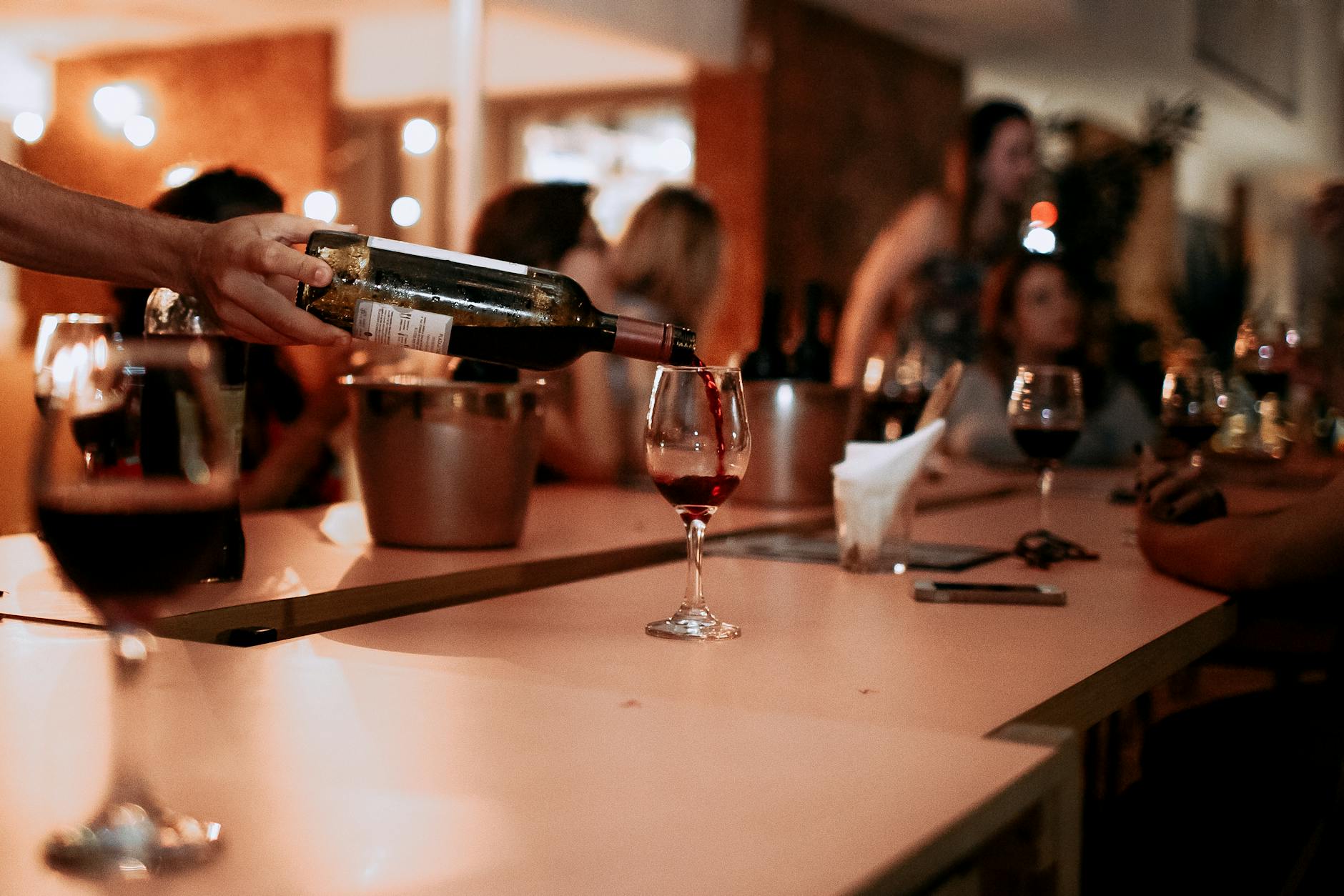
A beer at a Jerusalem bar typically costs 28-38 NIS, cocktails range from 45-65 NIS, and a glass of wine runs 35-55 NIS. Prices are generally lower than Tel Aviv. Many bars offer happy hour specials, particularly earlier in the evening (6-8pm). Tipping 10-15% is customary at bars with table service.
Jerusalem vs. Tel Aviv: A Different Vibe
Visitors often compare Jerusalem and Tel Aviv nightlife, but the two cities offer fundamentally different experiences. Tel Aviv is bigger, louder, later, and more cosmopolitan in a Mediterranean-beach-party way. Jerusalem is more intimate, more culturally layered, and more surprising. A Thursday night in Mahane Yehuda — drinking arak-based cocktails in a 100-year-old market stall while a live band plays — is an experience Tel Aviv simply cannot replicate. The history seeps into everything, including the party. For those wanting to compare directly, Tel Aviv makes an easy day trip from Jerusalem.
Jerusalem’s cultural scene rewards the curious. Look beyond the obvious tourist itinerary, ask locals for recommendations, check event listings at your hotel or on the iTravelJerusalem website, and be open to experiences you didn’t plan. Some of the city’s most memorable moments happen when you follow the sound of music down an ancient alleyway or stumble into a gallery opening in a converted Ottoman-era building. This city has been inspiring artists, musicians, and storytellers for thousands of years — and it hasn’t stopped.
Leave a Reply