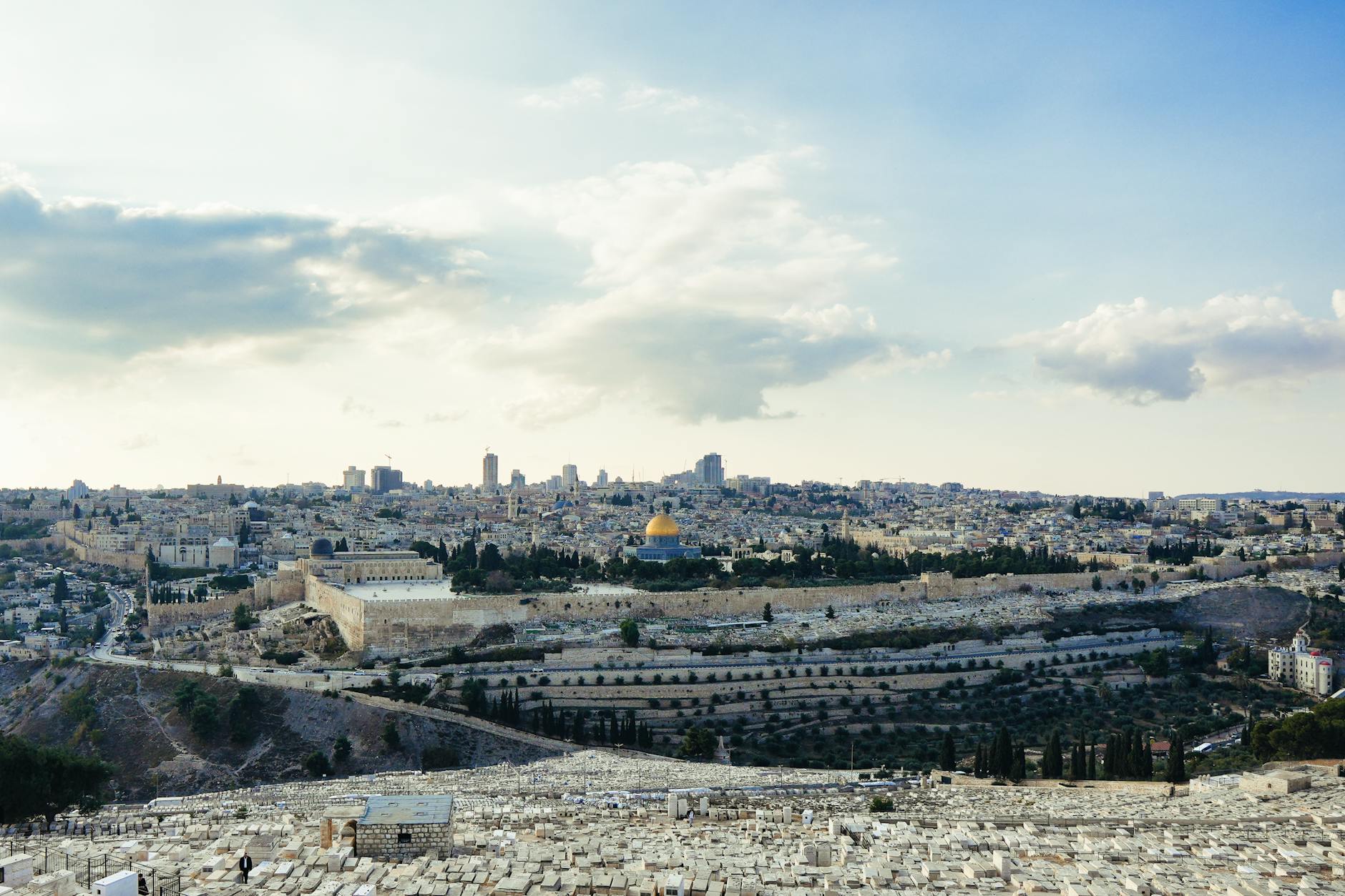
Jerusalem is unlike any other city on Earth. Perched in the Judean Hills at over 750 meters above sea level, this ancient capital is sacred to three of the world’s great religions, layered with over 4,000 years of continuous history, and alive with a cultural energy that surprises first-time visitors. Whether you are a pilgrim tracing the footsteps of prophets, a history enthusiast exploring archaeological wonders, or a traveler looking for world-class food and vibrant nightlife, there is no shortage of things to do in Jerusalem.
This comprehensive guide covers more than 50 of the best things to do in Jerusalem, organized by category so you can plan your trip efficiently. We have included practical tips, estimated visit times, and insider recommendations to help you make the most of your time in the Holy City. From iconic landmarks that draw millions each year to hidden gems known mainly to locals, consider this your ultimate resource for exploring Jerusalem and discovering the best things to do in Jerusalem for every type of traveler.
What to See and Do in Jerusalem: Quick Navigation
- Sacred Religious Sites — Western Wall, Dome of the Rock, Church of the Holy Sepulchre, Via Dolorosa, Mount of Olives
- Old City Exploration — Ramparts Walk, souks, Tower of David, Jewish and Armenian Quarters
- Museums and Cultural Institutions — Israel Museum, Yad Vashem, City of David
- Food, Markets, and Culinary Experiences — Mahane Yehuda, hummus, knafeh, spice markets
- Neighborhoods and Urban Exploration — Nachlaot, Ein Karem, Mea Shearim, German Colony
- Outdoor Activities and Nature — Jerusalem Trail, Botanical Gardens, Gazelle Valley
- Historical and Archaeological Experiences — Western Wall Tunnels, Zedekiah’s Cave, Davidson Center
- Unique Experiences and Hidden Gems — Razzouk Ink, Austrian Hospice rooftop, Ethiopian Monastery
- Nightlife and Entertainment — Mahane Yehuda after dark, live music, rooftop bars
- Day Trips from Jerusalem — Dead Sea, Masada, Bethlehem, Ein Gedi
- Practical Tips and Seasonal Activities — festivals, Shabbat, walking tours
- Frequently Asked Questions
Sacred Religious Sites
When it comes to things to do in Jerusalem, the sacred religious sites top every traveler’s list. Jerusalem’s spiritual magnetism is unmatched. The city is home to the holiest sites in Judaism, Christianity, and Islam, many of them concentrated within the one-square-kilometer Old City. These are the places that have drawn pilgrims and travelers for millennia, and visiting them remains one of the most profound experiences you can have anywhere in the world.
1. Pray at the Western Wall (Kotel)
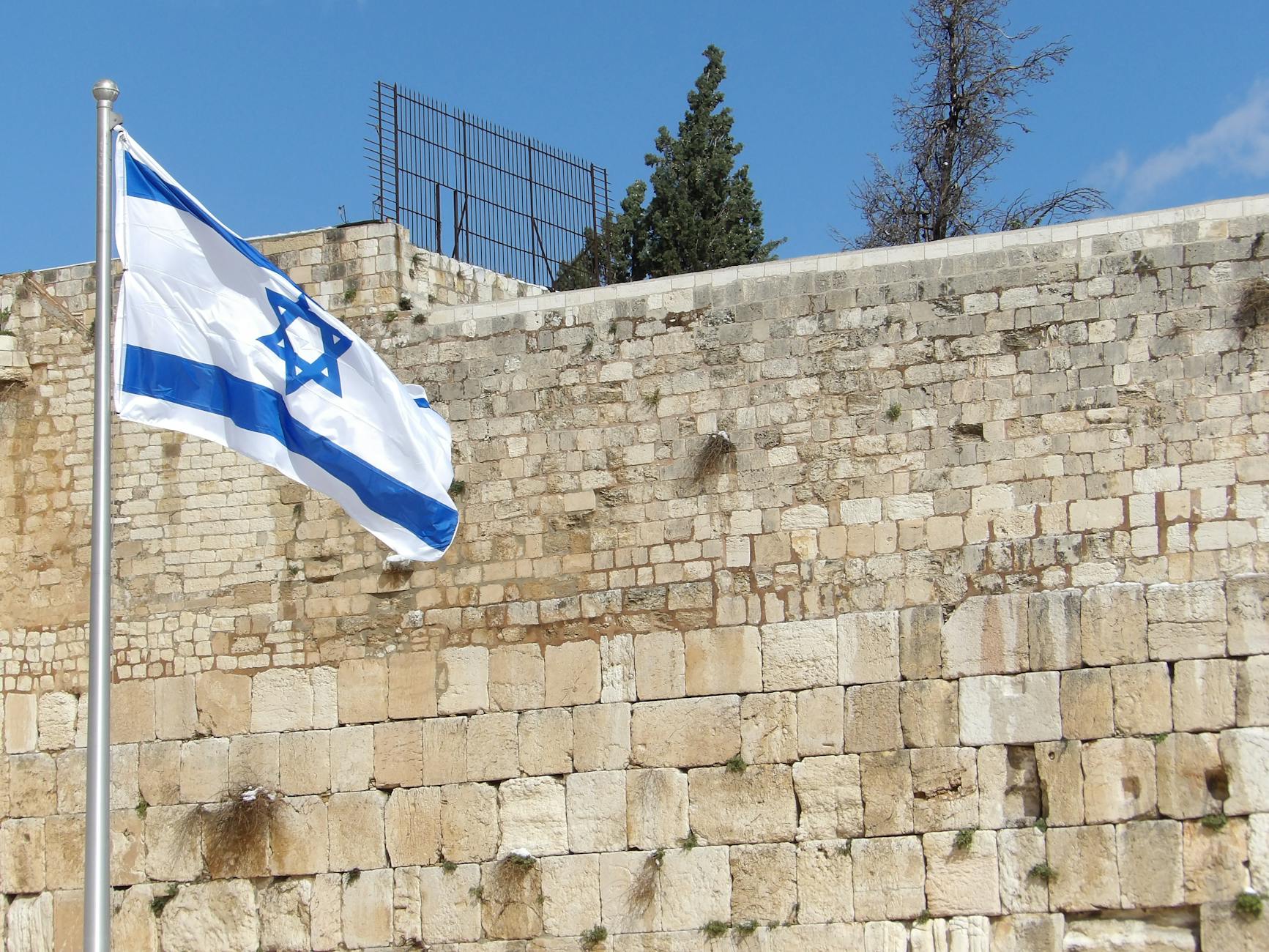
The Western Wall is the most sacred site in Judaism, a massive retaining wall from the Second Temple period that dates back to around 19 BCE. Standing before these enormous Herodian stone blocks, some weighing over 500 tons, is a humbling experience regardless of your faith. The wall plaza is open 24 hours a day, 365 days a year, and admission is always free. Visitors are welcome to approach the wall, place written prayers in its cracks (a tradition dating back centuries), and witness the devotion of worshippers from around the world.
Insider tip: Visit at sunrise for a nearly empty plaza and magical light, or come on Friday evening at sunset to witness the joyful Kabbalat Shabbat celebrations when groups of worshippers sing and dance to welcome the Sabbath. The Western Wall Tunnels, accessible by guided tour, reveal 485 meters of the wall hidden underground and are absolutely worth the advance booking.
2. Visit the Temple Mount and Dome of the Rock
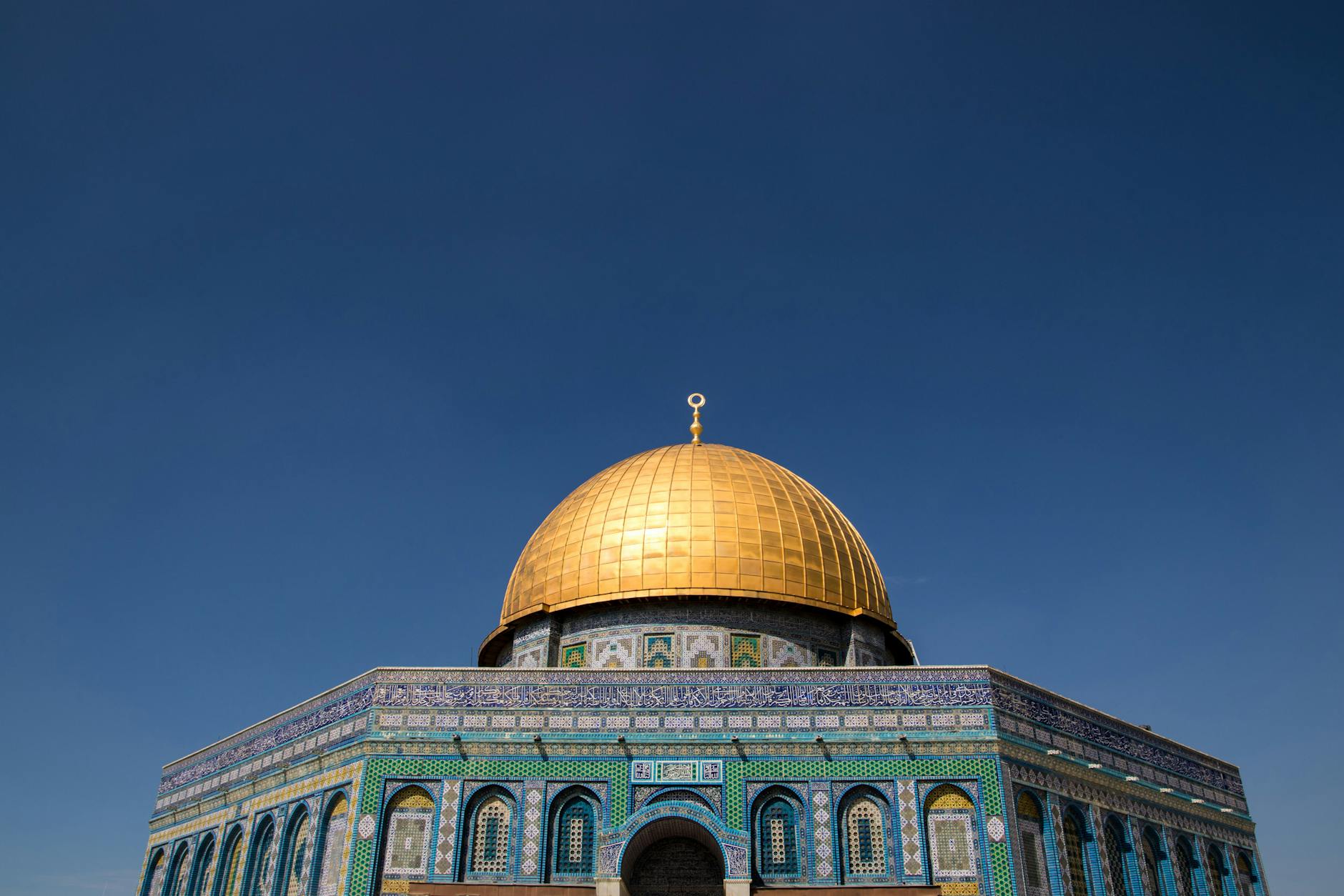
The Temple Mount (Haram al-Sharif) is arguably the most contested and spiritually significant piece of real estate on the planet. For Jews, it is the location of the First and Second Temples. For Muslims, it is the Noble Sanctuary where the Prophet Muhammad ascended to heaven. The glittering Dome of the Rock, completed in 691 CE, is one of the oldest works of Islamic architecture still standing and one of the most photographed buildings in the world. Beside it stands the Al-Aqsa Mosque, the third-holiest site in Islam.
Visitor information: Non-Muslim visitors may access the Temple Mount compound through the Mughrabi Gate (near the Western Wall) during limited hours, typically Sunday through Thursday mornings. Entry into the Dome of the Rock and Al-Aqsa Mosque is reserved for Muslim worshippers. Dress modestly and plan to arrive early, as the queue can be long during peak season. Photography of the exterior is permitted and the panoramic views from the mount are spectacular.
3. Enter the Church of the Holy Sepulchre
For Christians worldwide, the Church of the Holy Sepulchre is the holiest place on Earth. Located in the Christian Quarter of the Old City, this church marks the traditional sites of Jesus’ crucifixion (Golgotha), burial, and resurrection. The original church was commissioned by Emperor Constantine in 326 CE after his mother, Helena, identified the site. What you see today is largely a 12th-century Crusader-era reconstruction, though it incorporates elements from every era since.
Inside, the atmosphere is dense with incense, candlelight, and quiet devotion. The Stone of Anointing at the entrance, where tradition holds that Jesus’ body was prepared for burial, is often surrounded by pilgrims on their knees. The Aedicule, a small structure enclosing the tomb itself, underwent a major restoration completed in 2017 and is the spiritual climax of any visit. Six Christian denominations share custody of the church under a carefully maintained status quo, and you can often witness Greek Orthodox, Armenian, Catholic, Coptic, Ethiopian, and Syriac services taking place simultaneously.
Insider tip: Arrive before 7:00 AM to experience the church in relative solitude. The rooftop, accessible from the Ethiopian monastery above, offers a surprising and peaceful perspective.
4. Walk the Via Dolorosa
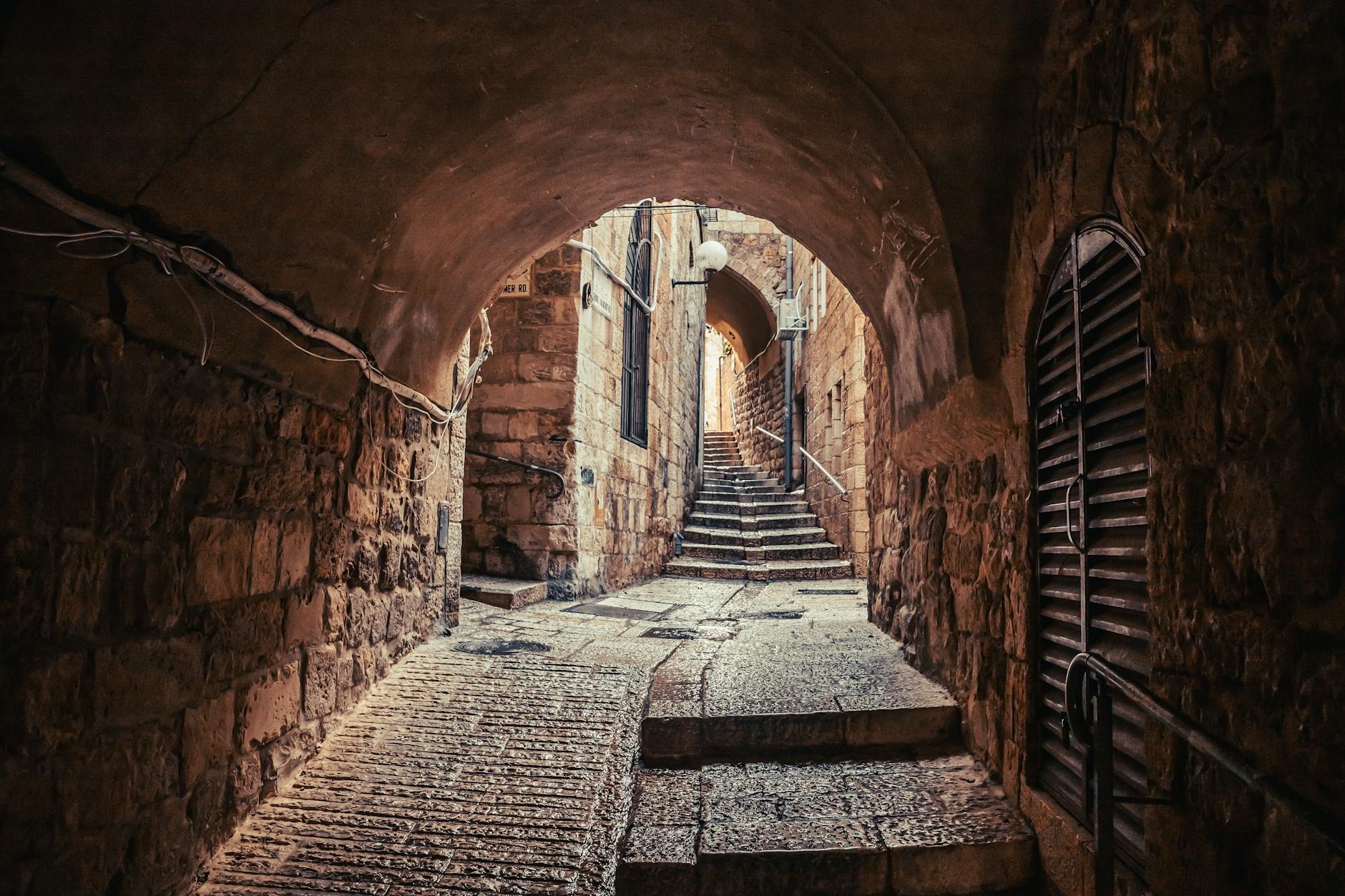
The Via Dolorosa, Latin for “Way of Suffering,” is the processional route believed to trace Jesus’ path from his condemnation to his crucifixion and burial. Stretching roughly 600 meters through the Muslim and Christian Quarters, the route is marked by 14 Stations of the Cross. Each Friday afternoon at 3:00 PM, the Franciscan Custody of the Holy Land leads a public procession along the route that anyone is welcome to join. Even for non-religious visitors, walking the Via Dolorosa is a powerful way to engage with the city’s layered history and the stories that have shaped Western civilization.
5. Explore the Mount of Olives
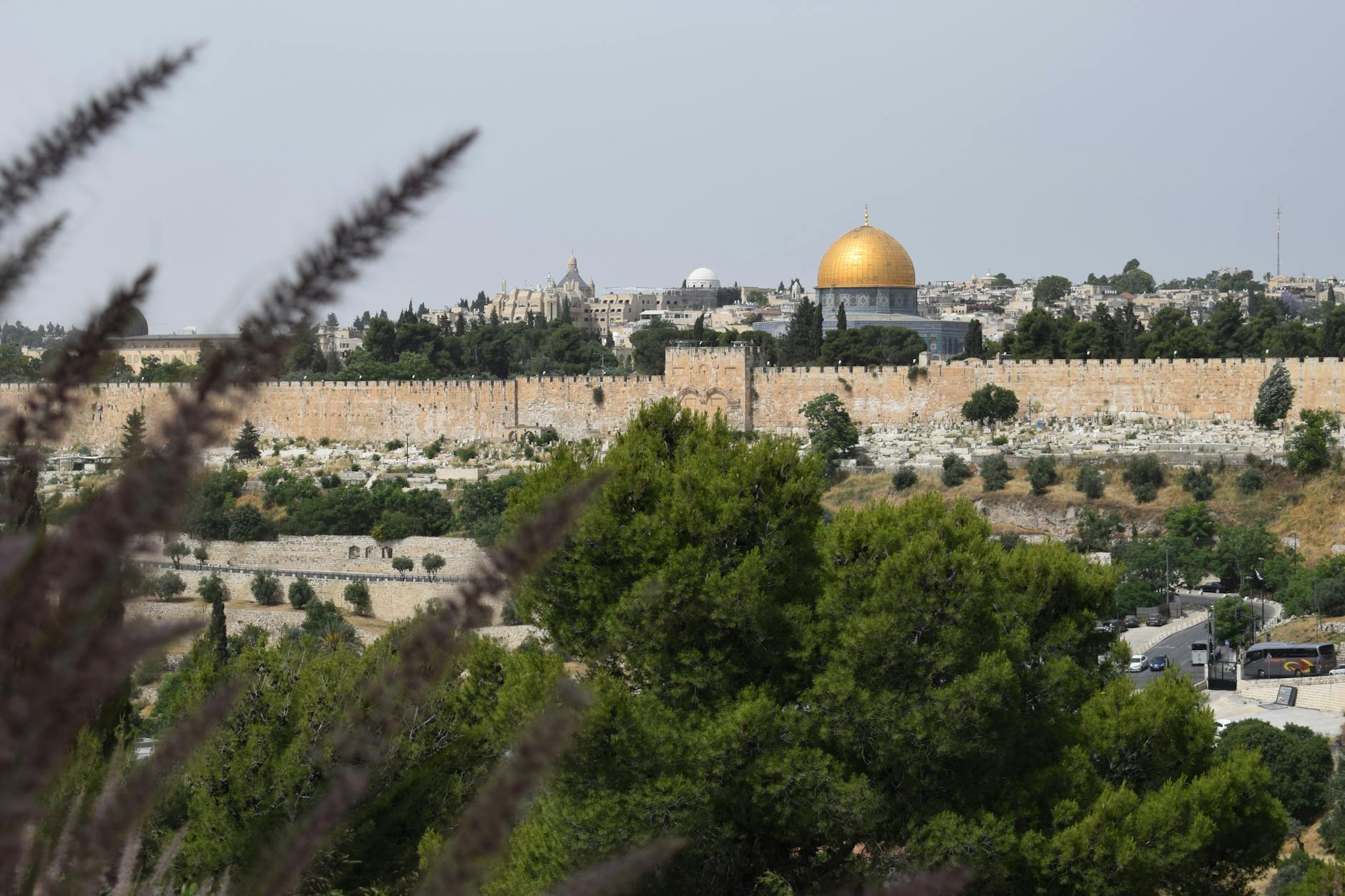
The Mount of Olives is sacred across Judaism, Christianity, and Islam, and offers what is widely considered the finest panoramic view of the Old City. The ridge east of the Old City holds the world’s oldest continually used cemetery, with Jewish graves dating back over 3,000 years. Key sites include the Garden of Gethsemane, where Jesus prayed before his arrest; the Church of All Nations with its striking golden mosaic facade; the Chapel of the Ascension; and the Pater Noster Church, where the Lord’s Prayer is displayed in over 140 languages on ceramic tiles.
Practical tip: Start at the top of the Mount of Olives for the viewpoint and walk downhill through the sites, ending at the Garden of Gethsemane. This route takes about two to three hours and saves you from climbing in the heat. Sunrise and sunset are the best times for photography from the lookout point.
6. Visit Mount Zion
Just outside the Old City walls near Zion Gate, Mount Zion packs a remarkable concentration of significant sites into a small area. The Room of the Last Supper (Cenacle) is the traditional location where Jesus shared his final Passover meal with his disciples. Below it lies King David’s Tomb, a cenotaph venerated by Jewish pilgrims. The Dormition Abbey, a beautiful Romanesque church completed in 1910, marks the spot where tradition holds that the Virgin Mary fell into eternal sleep. The views from Mount Zion toward the Kidron Valley and the Old City walls are exceptional.
7. Discover the Church of St. Anne and Pool of Bethesda
Tucked just inside the Lions Gate in the Muslim Quarter, the Church of St. Anne is a beautifully preserved 12th-century Crusader church and is widely considered to have the finest acoustics of any building in Jerusalem. Step inside and you will almost certainly hear someone singing or chanting, the sound reverberating through the stone vaulting for a remarkable ten seconds of echo. Adjacent to the church are the excavated ruins of the Pool of Bethesda, where according to the Gospel of John, Jesus healed a paralyzed man.
Old City Exploration
The Old City of Jerusalem, enclosed within Ottoman-era walls built by Suleiman the Magnificent in the 16th century, is a UNESCO World Heritage Site and the beating heart of the city. Covering just one square kilometer, it is divided into four quarters: Jewish, Christian, Muslim, and Armenian. Exploring the Old City on foot is essential to any Jerusalem visit, and you could easily spend several days discovering its alleyways, markets, rooftops, and hidden courtyards.
8. Walk the Ramparts Walk
One of Jerusalem’s best-kept secrets is the Ramparts Walk, a scenic path along the top of the Old City walls. Divided into two sections (northern and southern), the walk gives you a bird’s-eye view of the Old City’s rooftops, minarets, church towers, and bustling streets below. The northern section runs from Jaffa Gate to Lions Gate and passes above the bustling markets of the Muslim Quarter. The southern section runs from Jaffa Gate past Mount Zion to the Dung Gate. The entire walk takes about 90 minutes and offers perspectives of the city that most visitors miss entirely.
9. Get Lost in the Old City Souks
The labyrinthine market streets of the Old City are a sensory overload in the best possible way. The main market streets branch off from Damascus Gate and the chain of covered and open-air bazaars sell everything from hand-painted Armenian ceramics and olive wood carvings to fragrant za’atar spice blends, leather goods, and religious artifacts. Each quarter has a distinct character: the Muslim Quarter’s markets are the most bustling and colorful, the Christian Quarter’s are lined with religious souvenirs and pilgrim shops, and the Jewish Quarter’s Cardo features upscale galleries and Judaica stores.
10. Visit the Tower of David Museum
The Tower of David is a fortress near the Jaffa Gate that has served as Jerusalem’s primary stronghold for over 2,000 years. Today it houses an exceptional museum that traces the city’s history from the Canaanite period through modern times using archaeological artifacts, holograms, and multimedia displays. The citadel itself is worth the visit for its ancient architecture, and the views from the top of the tower are stunning. The museum also hosts a spectacular nighttime sound and light show projected onto the citadel walls that brings Jerusalem’s story to life.
11. Explore the Jewish Quarter
Rebuilt after 1967, the Jewish Quarter is the most polished and organized section of the Old City. Highlights include the ancient Cardo, a Roman-era colonnaded main street partially restored and now featuring boutique shops; the Hurva Synagogue, an iconic landmark with a rooftop observation point; the Burnt House, an archaeological museum showing life during the Roman destruction; and the Wohl Archaeological Museum (Herodian Quarter), which preserves an entire residential neighborhood from the Second Temple period under a modern building. The quarter’s quiet plazas and clean stone streets provide a serene contrast to the bustle of the other quarters.
12. Walk Through the Armenian Quarter
The smallest and least visited of the four quarters, the Armenian Quarter is a tranquil enclave centered around the Armenian Compound and the Cathedral of St. James. Armenians have maintained a continuous presence in Jerusalem since the 4th century, and their quarter preserves a distinctive cultural identity. The cathedral, open during limited service times, features a stunning collection of oil lamps hanging from the ceiling and intricate tilework. Armenian ceramics, with their distinctive blue and white designs, are among the finest souvenirs you can buy in Jerusalem.
Museums and Cultural Institutions
Jerusalem’s museum scene is world-class and far more extensive than most visitors expect. From one of the planet’s great art and archaeology museums to deeply moving memorial sites, these institutions add crucial context to what you see and experience in the city’s streets.
13. Visit the Israel Museum
The Israel Museum is Israel’s largest cultural institution and one of the leading museums in the world. Spanning 20 acres of beautiful campus, the museum houses roughly 500,000 objects spanning prehistory to the present. The crown jewel is the Shrine of the Book, an iconic white dome structure that houses the Dead Sea Scrolls, the oldest known manuscripts of the Hebrew Bible. The museum’s archaeology wing contains extraordinary artifacts from the region, the fine arts wing includes works by Monet, Renoir, and Picasso, and the outdoor Billy Rose Art Garden features sculptures by Rodin, Oldenburg, and Picasso set among terraced gardens designed by Isamu Noguchi.
Allow at least: Three to four hours. The museum is closed on Saturdays and open late on Tuesdays. The scale model of Second Temple-era Jerusalem in the outdoor grounds is a must-see for understanding what the city looked like 2,000 years ago.
14. Honor History at Yad Vashem
Yad Vashem, the World Holocaust Remembrance Center, is one of the most important and emotionally impactful museums in the world. Set on the western slopes of Mount Herzl, the campus includes the main History Museum, a triangular prism designed by Moshe Safdie that cuts through the mountain and ends with a panoramic view of Jerusalem; the Hall of Names, containing the names and biographical details of millions of victims; the Children’s Memorial, a heartbreaking tribute lit by reflected candlelight; and an extensive art museum, research center, and memorial gardens. The Avenue of the Righteous Among the Nations honors non-Jews who risked their lives to save Jews during the Holocaust.
Important: Admission is free. Allow at least three hours. Children under ten are not permitted in the main history museum. Audio guides are available in multiple languages. This is an emotionally intense experience so plan your day accordingly.
15. Explore the City of David
The City of David is the archaeological birthplace of Jerusalem, located on a narrow ridge south of the Old City walls. Ongoing excavations here have uncovered the remains of the original Canaanite and Israelite city dating back over 3,800 years. The highlight is Hezekiah’s Tunnel (also called the Siloam Tunnel), a remarkable water channel carved through solid rock in 701 BCE by workers of King Hezekiah to secure the city’s water supply against Assyrian siege. You can wade through the 533-meter-long tunnel in knee-deep water with a flashlight, emerging at the Pool of Siloam. It is one of the most thrilling archaeological experiences in the world.
Practical tip: Wear water shoes or sandals you don’t mind getting wet. There is also a dry tunnel alternative for those who prefer not to wade. Book tickets in advance, especially during peak season, as entry times are allocated.
16. Visit the Rockefeller Museum
Often overlooked in favor of the Israel Museum, the Rockefeller Archaeological Museum near Herod’s Gate is a gem for anyone interested in the region’s ancient history. Housed in a stunning 1930s Art Deco building, the museum contains important archaeological finds from the British Mandate period, including ornate Umayyad-era carvings from Hisham’s Palace in Jericho, Crusader-era marble lintels from the Church of the Holy Sepulchre, and human remains dating back 100,000 years. The building and its serene courtyard garden are themselves worth the visit.
17. Experience the Bible Lands Museum
Located near the Israel Museum, the Bible Lands Museum brings the ancient civilizations of the biblical world to life through a remarkable collection of artifacts from Egypt, Mesopotamia, Persia, Anatolia, Greece, and Rome. The museum’s strength is in contextualizing the world of the Bible, showing you the physical objects used by the cultures mentioned in scripture. It is a particularly valuable companion visit to the Israel Museum and the archaeological sites around the Old City.
Food, Markets, and Culinary Experiences
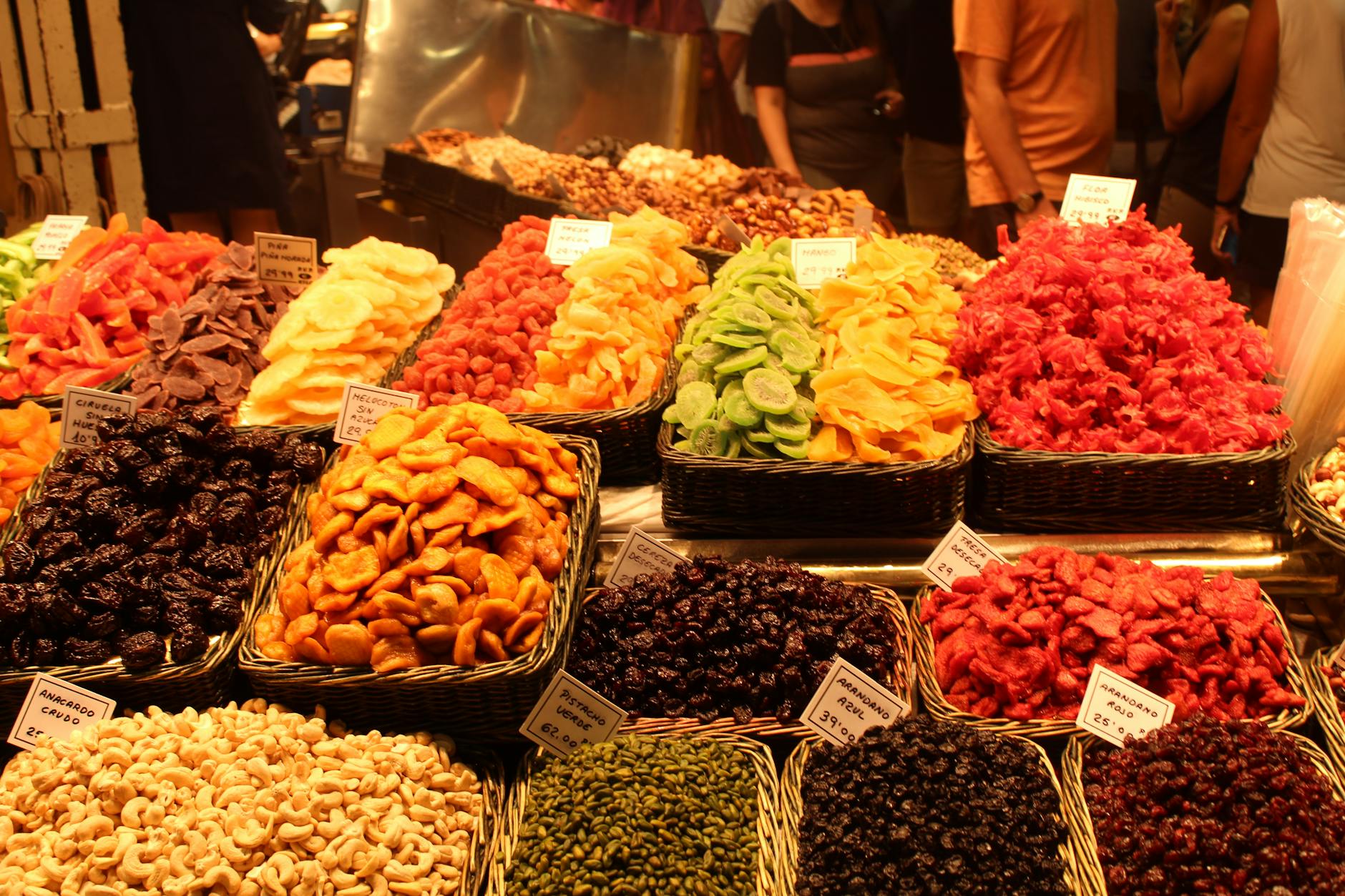
Among the most rewarding things to do in Jerusalem is eating. Jerusalem’s food scene is one of the most exciting and underrated in the Middle East. The city sits at a crossroads of culinary traditions, drawing from Ashkenazi Jewish, Sephardic, Palestinian, Armenian, and broader Levantine cuisines. From bustling market stalls to innovative fine dining, eating your way through Jerusalem is one of the absolute best things you can do here.
18. Eat Your Way Through Mahane Yehuda Market
Mahane Yehuda, known locally as “the Shuk,” is Jerusalem’s most famous market and an absolute must-visit. During the day, the market buzzes with vendors selling fresh produce, dried fruits, nuts, spices, fresh-baked bread, artisan cheeses, and every kind of sweet imaginable. But the Shuk has two lives: in the evening, many of the market stalls lower their shutters to reveal colorful murals, and the narrow lanes transform into one of Jerusalem’s best nightlife strips, packed with bars, restaurants, and live music venues. Notable stops include Basher Fromagerie for artisan cheese, Halva Kingdom for over 100 varieties of halva, and Azura for legendary home-style Sephardic cooking.
19. Sample the Best Hummus in the City
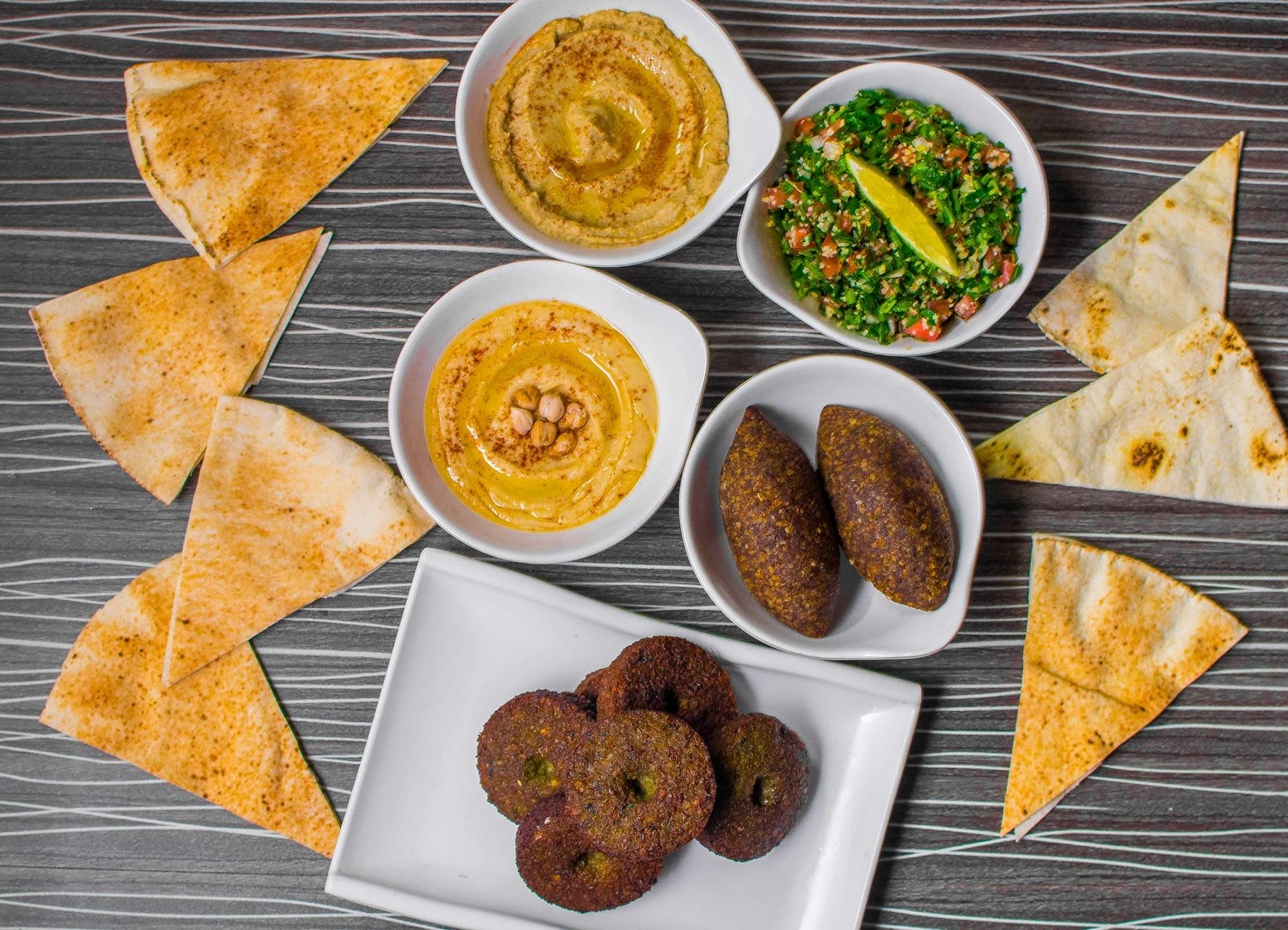
Hummus is practically a religion in Jerusalem, and the debate over where to find the best bowl is taken very seriously. Abu Shukri in the Muslim Quarter has been serving smooth, rich hummus since 1948 and regularly tops best-of lists. Lina, just a short walk away, is its fierce rival with an equally devoted following. In the western part of the city, Pinati near Ben Yehuda Street serves hearty plates to packed crowds. For an elevated take, HaAchim (“The Brothers”) near Mahane Yehuda puts a modern spin on traditional recipes. Plan to visit at least two or three spots and form your own opinion.
20. Take a Food Tour
To truly understand Jerusalem’s culinary landscape, consider booking a guided food tour. Several excellent operators lead walks through Mahane Yehuda or the Old City, introducing you to vendors and dishes you would never find on your own. Tours typically last three to four hours and include generous tastings of hummus, falafel, freshly squeezed pomegranate juice, knafeh (a syrupy cheese pastry), jachnun, kubbeh soup, and other local specialties. It is one of the best investments you can make for a richer travel experience.
21. Try Knafeh in the Muslim Quarter
Knafeh (also spelled kanafeh) is a beloved Palestinian dessert made with shredded filo dough, soft white cheese, and a sweet syrup, typically topped with crushed pistachios. The best place to try it is Jafar Sweets in the Muslim Quarter, where it is prepared fresh on enormous round trays and served warm. The combination of crispy, buttery pastry with stretchy melted cheese and fragrant syrup is unforgettable. Pair it with strong Arabic coffee for the full experience.
22. Browse the Old City Spice Markets
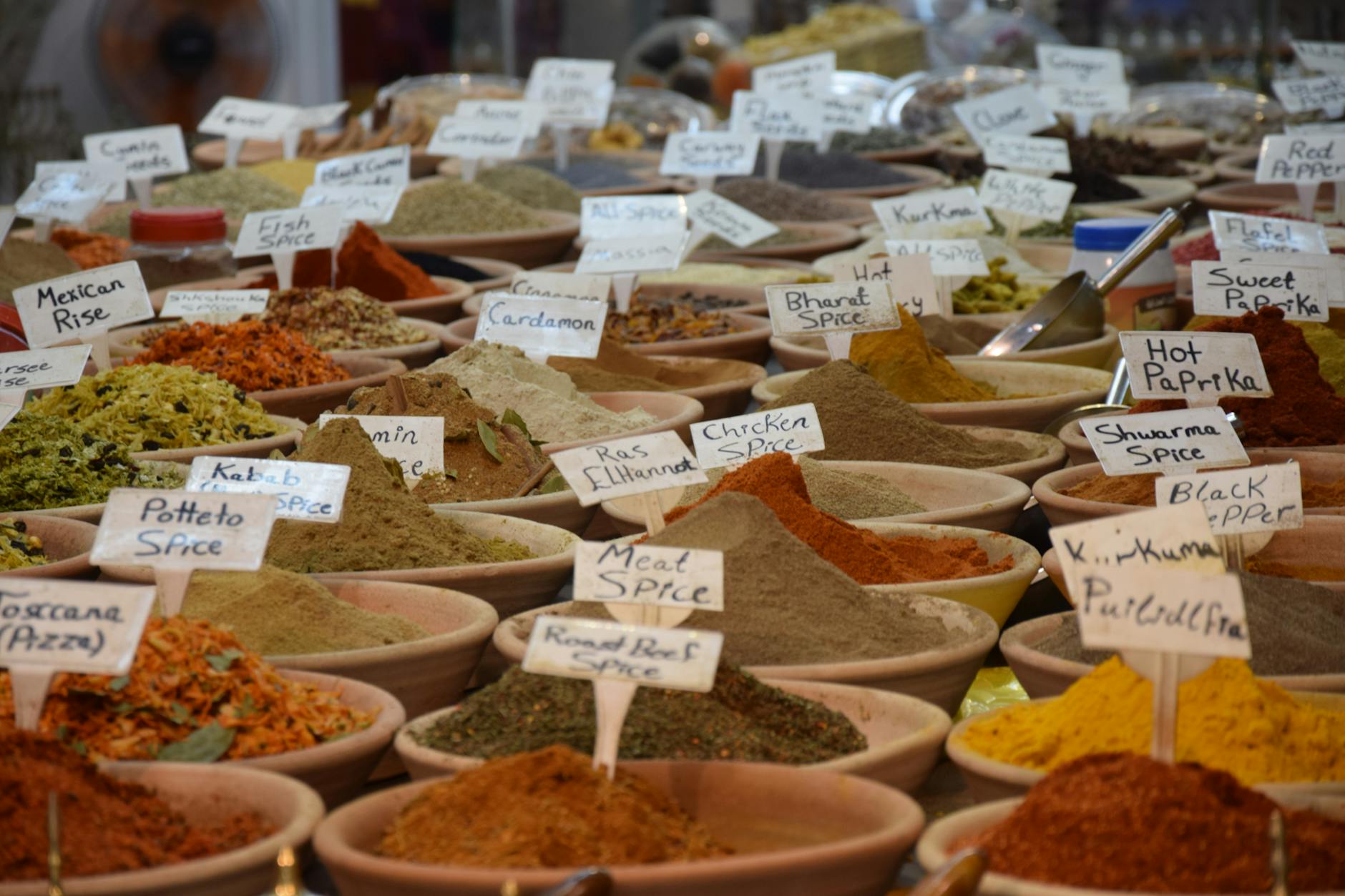
The spice stalls along the market streets near Damascus Gate are a feast for the senses. Pyramids of brightly colored za’atar, sumac, turmeric, baharat, and dried herbs line the narrow passageways. Most vendors will let you taste before buying, and the prices are very reasonable. Za’atar, the signature Middle Eastern herb blend of dried thyme, sesame seeds, and sumac, makes an excellent and lightweight souvenir. The stalls also carry dried fruits, nuts, Turkish delight, and fragrant loose-leaf teas.
Neighborhoods and Urban Exploration
Beyond the Old City walls, Jerusalem’s modern neighborhoods each have their own distinct personality and charm. Exploring these areas gives you a fuller, more nuanced picture of daily life in the city and often rewards you with experiences far removed from the tourist circuit.
23. Stroll Through Nachlaot
Nachlaot is a cluster of tiny, interconnected neighborhoods just west of Mahane Yehuda Market, and it is one of the most charming areas in all of Jerusalem. Narrow lanes wind past stone houses covered in bougainvillea, hidden synagogues, tiny courtyards, and eclectic street art. There are over 100 synagogues tucked into this small area, each serving a different ethnic community. The neighborhood has a bohemian atmosphere with independent cafes, artist studios, and a strong sense of community. It is utterly different from the Old City and a wonderful place to simply wander for an hour or two.
24. Visit Ein Karem
Nestled in the Jerusalem Hills on the western edge of the city, Ein Karem is a picturesque village that feels like it belongs in Tuscany. This is the traditional birthplace of John the Baptist, and the Church of the Visitation and Church of St. John the Baptist are both worth visiting. But the main draw is the atmosphere: cobblestone streets, galleries, boutique restaurants, and a relaxed, artistic vibe. Ein Karem is a wonderful half-day excursion from the city center and a great spot for a long, leisurely lunch.
25. Experience Mea Shearim
Stepping into Mea Shearim is like entering another century. This ultra-Orthodox Jewish neighborhood, established in 1874, has preserved its traditional way of life almost unchanged. Residents wear 18th-century-style clothing, Yiddish is the primary language, and signs request that visitors dress modestly and behave respectfully. Walking through on a weekday (never on Shabbat) gives you a window into a deeply devout community. There are also interesting bookshops, bakeries, and shops selling religious articles.
26. Walk Down Ben Yehuda Street and Jaffa Road
Ben Yehuda Street is Jerusalem’s main pedestrian thoroughfare, a lively promenade lined with cafes, souvenir shops, street musicians, and ice cream vendors. It connects with Jaffa Road, the city’s main commercial artery and the route of the Jerusalem Light Rail. Together, these streets offer a pleasant introduction to modern West Jerusalem, especially in the evenings when the cafes fill up and street performers draw crowds. The Zion Square area at their intersection is a popular meeting point and people-watching spot.
27. Explore the German Colony
Emek Refaim Street in the German Colony is one of Jerusalem’s most pleasant streets for strolling, dining, and shopping. Founded by German Templers in 1873, the neighborhood retains its original stone houses alongside trendy cafes, bookshops, and boutiques. The First Station (HaTachana HaRishona), a beautifully restored Ottoman-era train station, has been converted into a cultural and entertainment complex with restaurants, craft markets, and regular open-air events and concerts.
Outdoor Activities and Nature
Jerusalem is surrounded by stunning natural landscapes, and the city itself has more green space than most visitors expect. From ancient water tunnels to scenic hiking trails, there are plenty of ways to enjoy the outdoors.
28. Hike the Jerusalem Trail
The Jerusalem Trail is a 42-kilometer marked hiking path that circles the city, connecting natural landscapes, historic sites, and diverse neighborhoods. You can tackle the entire trail over two or three days or pick individual sections for a morning or afternoon walk. Popular segments include the section through the Gazelle Valley urban nature reserve, the stretch along the Nahal Refaim valley, and the trail through the Jerusalem Forest toward Ein Karem. The trail is well-marked with blue blazes and accessible year-round, though spring (March through May) is the most beautiful time, when wildflowers carpet the hillsides.
29. Relax in the Jerusalem Botanical Gardens
The Jerusalem Botanical Gardens, located near the Israel Museum and Hebrew University’s Givat Ram campus, span 30 acres and showcase plants from six geographic regions across the globe. The gardens are beautifully maintained and far less crowded than the city’s main attractions. The tropical conservatory is impressive, and the Mediterranean and African sections are particularly relevant to understanding the local landscape. It is a perfect spot for a peaceful afternoon away from the intensity of the Old City.
30. Visit the Gazelle Valley
The Gazelle Valley is an urban nature reserve in the heart of the city, one of the few places in the world where you can watch wild gazelles graze against a backdrop of apartment buildings. The reserve opened in 2015 after a successful grassroots campaign to protect the herd, and it includes walking trails, observation points, and a visitor center. It is free to enter and makes for a lovely, unexpected break from sightseeing.
31. Explore Sataf Spring and Agricultural Terraces
On the western outskirts of Jerusalem, the ancient agricultural terraces of Sataf have been partially restored by the Jewish National Fund and offer a beautiful and educational hiking experience. Two natural springs feed the terraced gardens, and the walking trails wind through olive groves, fruit orchards, and archaeological remains. The site demonstrates farming techniques dating back thousands of years and is a popular weekend destination for local families.
Historical and Archaeological Experiences
Jerusalem is one of the most intensively excavated cities on Earth. Nearly every major construction project uncovers new archaeological layers, and many of the city’s most fascinating experiences involve going underground or back in time.
32. Tour the Western Wall Tunnels
The Western Wall Tunnels extend far beneath the surface along the full 485-meter length of the Western Wall, revealing sections of the wall that date to the original Herodian construction. Guided tours last approximately 75 minutes and take you through ancient aqueducts, quarries, and Hasmonean-era structures. You will see the Western Stone, one of the largest building stones in the ancient world at an estimated 570 tons, and the subterranean section of the wall closest to where the Holy of Holies once stood. Advance booking is essential as tours sell out quickly.
33. Descend into the Zedekiah’s Cave
Also known as Solomon’s Quarries, Zedekiah’s Cave is a massive underground limestone quarry that stretches over 9,000 square meters beneath the Muslim Quarter. According to legend, King Zedekiah fled through this cave during the Babylonian siege of Jerusalem. The quarry, which likely supplied stone for the Second Temple, was rediscovered in 1854 and is one of the most atmospheric underground sites in the city. It also holds significance for Freemasons, who revere it as the source of the stone used in Solomon’s Temple.
34. Visit the Davidson Center Archaeological Park
Located at the southern foot of the Temple Mount, the Davidson Center provides an immersive experience of what the Temple Mount complex looked like during the Second Temple period. The park includes Robinson’s Arch, remains of the ancient stairway that pilgrims used to ascend to the Temple, the original Herodian-era shopping street, and a virtual reality reconstruction of the Second Temple. The stones toppled from the Temple Mount walls during the Roman destruction in 70 CE still lie where they fell, a visceral reminder of the catastrophe.
35. Tour the Herodian Quarter
The Wohl Archaeological Museum in the Jewish Quarter preserves the remains of an upper-class residential neighborhood from the Herodian period (1st century BCE to 1st century CE). The museum displays elaborate mosaic floors, ritual baths (mikvaot), frescoed walls, and household items that paint a vivid picture of affluent life in Jerusalem before the Roman destruction. The Burnt House section shows dramatic evidence of the destruction itself, with a short film contextualizing the tragedy.
Unique Experiences and Hidden Gems
Beyond the iconic sites, Jerusalem is full of unexpected discoveries and distinctive experiences that reveal different facets of this endlessly complex city. These are the things that transform a good trip into an unforgettable one.
36. Get a Pilgrimage Tattoo at Razzouk Ink
The Razzouk family has been tattooing Christian pilgrims in Jerusalem for over 700 years, making them quite possibly the oldest continuously operating tattoo business in the world. Located near the Jaffa Gate, their studio today blends ancient Coptic designs with modern technique. Getting a traditional Jerusalem cross or other pilgrimage tattoo is a centuries-old tradition and one of the most unique souvenirs you can bring home from the Holy City. Even if tattoos are not your thing, the shop’s collection of historical wooden tattoo stamps displayed on the walls is fascinating.
37. Watch Sunset from the Austrian Hospice Rooftop
The Austrian Hospice of the Holy Family in the Muslim Quarter is a beautifully maintained 19th-century guesthouse that opens its rooftop terrace to visitors for a small fee. From the top, you get a rare 360-degree view of the Old City’s rooftops, minarets, domes, and church towers. It is widely regarded as one of the best viewpoints in Jerusalem. The hospice also has a charming Viennese-style cafe on the ground floor where you can enjoy apple strudel and coffee, a delightful anachronism in the middle of the Old City.
38. Explore the Ethiopian Monastery on the Roof
One of Jerusalem’s most surreal spaces is Deir el-Sultan, an Ethiopian Orthodox monastery built on the roof of the Church of the Holy Sepulchre. Ethiopian monks have maintained a presence here for centuries, living in small cells clustered around a courtyard that sits directly above the Chapel of St. Helena. The monks are generally welcoming to visitors and the space has an otherworldly, timeless quality that contrasts sharply with the tourist bustle below. It is easily one of the most unusual and memorable places in the Old City.
39. Attend a Sound and Light Show at the Tower of David
The Tower of David’s nighttime sound and light show, known as “King David,” projects dramatic animated sequences onto the ancient stone walls of the citadel, telling the story of Jerusalem from its earliest days to the present. The technology, narrative, and visual artistry are impressive, and the setting inside the ancient fortress after dark creates a uniquely magical atmosphere. Shows run several evenings per week and tickets should be purchased in advance, especially during the busy spring and autumn tourist seasons.
40. Visit the Garden Tomb
Located just outside the Damascus Gate, the Garden Tomb is an alternative site proposed by some Protestant Christians as the location of Jesus’ burial and resurrection. Whether or not you accept its historical claims, the garden is a beautiful and tranquil space with carefully maintained gardens, an ancient rock-hewn tomb, and a quiet atmosphere that many visitors find more contemplative than the busy Church of the Holy Sepulchre. Admission is free and knowledgeable volunteer guides offer explanations of the site.
Nightlife and Entertainment
Jerusalem’s nightlife is more vibrant than its reputation suggests. While it may not rival Tel Aviv’s club scene, the city offers a distinctive, character-rich evening scene that revolves around live music, craft cocktails, and atmosphere-driven venues.
41. Bar Hop Through Mahane Yehuda After Dark
When the market vendors close their stalls at sundown, Mahane Yehuda transforms into Jerusalem’s liveliest nightlife hub. Bars like Beer Bazaar (offering rotating taps of Israeli craft beer), Casino de Paris, and Videopub draw a diverse crowd that ranges from college students to off-duty soldiers to visiting professionals. The painted murals on the closed market shutters create a colorful open-air gallery and the energy of dozens of venues packed into narrow market lanes is infectious. Thursday and Saturday nights are the busiest.
42. Enjoy Live Music at the Yellow Submarine
The Yellow Submarine is Jerusalem’s premier live music venue, hosting performances across every genre from jazz and blues to rock, indie, and world music. Located in the Talpiot industrial area, it has launched many Israeli musical careers and continues to attract both local and international acts. Check their schedule online for upcoming shows, as events range from intimate acoustic sets to larger concert productions.
43. Sip Cocktails on the Mamilla Hotel Rooftop
For a more upscale evening, the Mamilla Hotel’s rooftop lounge offers craft cocktails and a spectacular view of the Old City walls and Jaffa Gate. The setting is elegant, the wine list emphasizes quality Israeli producers, and the sunset views are extraordinary. Nearby, the open-air Mamilla Avenue promenade leading toward the Jaffa Gate features designer shops and additional dining options, making it easy to combine shopping, dinner, and drinks in one evening.
Day Trips from Jerusalem
Jerusalem’s central location makes it an excellent base for day trips to some of the region’s most remarkable destinations. All of the following can be reached in under 90 minutes by car or organized tour.
44. Float in the Dead Sea
The Dead Sea, the lowest point on Earth at roughly 430 meters below sea level, is less than an hour’s drive east of Jerusalem. The mineral-rich water is so dense with salt (roughly 34 percent salinity) that you float effortlessly on the surface, an utterly unique and unforgettable sensation. The mineral-rich mud along the shore is believed to have therapeutic properties, and coating yourself from head to toe is a time-honored tradition. Several public beaches and resorts line the western shore, with Ein Gedi and Ein Bokek being the most popular access points.
45. Visit Masada
Masada is a UNESCO World Heritage Site, an ancient fortress perched on a dramatic plateau overlooking the Dead Sea. Built by King Herod as a palatial retreat, it is best known as the site of the last stand of Jewish rebels against the Roman Empire in 73 CE. You can reach the top via the winding Snake Path (a strenuous 45-minute climb, best done at sunrise), the Roman Ramp on the western side, or the cable car. The views from the summit across the Judean Desert and Dead Sea are breathtaking, and the ruins of Herod’s palaces, storerooms, and bath houses are remarkably well-preserved.
46. Explore Bethlehem
Bethlehem, birthplace of Jesus according to Christian tradition, is located just ten kilometers south of Jerusalem. The Church of the Nativity, one of the oldest continuously operating churches in the world (dating to 339 CE), is the main draw. The Grotto of the Nativity beneath the church marks the traditional spot of Jesus’ birth. Beyond the church, Bethlehem offers Banksy’s famous street art, the Walled Off Hotel with its politically charged museum, Manger Square, and a vibrant local market. Note that Bethlehem is in the Palestinian territories and you will need to pass through a checkpoint.
47. Hike Ein Gedi Nature Reserve
Ein Gedi is a lush oasis on the western shore of the Dead Sea, featuring waterfalls, natural pools, and diverse wildlife including ibex and hyrax. The David Stream and Arugot Stream trails offer hikes of varying difficulty, all rewarding you with beautiful water features surrounded by desert landscape. It is an easy combination with a Dead Sea trip and adds a welcome dimension of physical activity and natural beauty to your itinerary.
Practical Tips and Seasonal Activities
48. Attend a Festival or Cultural Event
Jerusalem hosts numerous festivals and cultural events throughout the year. The Jerusalem Festival of Light in June transforms the Old City with spectacular light installations and projections. The Jerusalem International Film Festival in July attracts filmmakers from around the world. The Israel Festival in May and June showcases theater, dance, and music performances. The Oud Festival in November celebrates traditional Middle Eastern music. The International Book Fair and the seasonal Christmas celebrations in the Armenian and Christian Quarters are also highlights. Check the calendar before your trip and plan around any events that interest you.
49. Experience Shabbat in Jerusalem
Experiencing Shabbat (the Jewish Sabbath, from Friday sunset to Saturday evening) in Jerusalem is a unique cultural experience. As sundown approaches on Friday, the city undergoes a remarkable transformation: shops close, traffic nearly disappears, and a deep quiet settles over the city. If you have the opportunity to attend a Friday evening dinner (many hostels and organizations host public Shabbat meals for visitors), it is a wonderful way to experience the warmth and hospitality of local culture. The Western Wall on Friday evening, as Shabbat is welcomed with singing, is especially moving.
50. Join a Free Walking Tour
Several companies offer free (tip-based) walking tours of Jerusalem, and they are an excellent way to orient yourself on your first day. Sandeman’s New Jerusalem Tour is one of the most established, offering a three-hour overview of the Old City that covers the major quarters and key sites while providing historical context that enriches all of your subsequent explorations. Other operators offer themed tours focusing on food, street art, or specific neighborhoods. Tours run daily and meeting points are typically near Jaffa Gate.
51. Shop for Armenian Ceramics
Armenian ceramics are among Jerusalem’s most distinctive and beautiful handicrafts, characterized by vivid blue, green, and yellow hand-painted designs featuring floral and geometric patterns. The tradition was brought to Jerusalem by Armenian craftsmen in the early 20th century and has flourished ever since. The best-known workshops, including Sandrouni Armenian Art Centre and Palestinian Pottery, are in the Armenian Quarter and along the roads near the Old City. These ceramics make exceptional gifts and souvenirs, each piece signed and unique.
52. Visit the Shrine of the Book
While technically part of the Israel Museum, the Shrine of the Book deserves its own mention because of its extraordinary significance. The building’s iconic white dome, designed to resemble the lids of the jars in which the Dead Sea Scrolls were discovered, houses the oldest known biblical manuscripts in the world. Seeing fragments of the Book of Isaiah, written over 2,100 years ago, alongside other scrolls from the Qumran caves is an awe-inspiring experience that connects you directly to the deep roots of Judeo-Christian textual tradition.
53. Ride the Jerusalem Light Rail
The Jerusalem Light Rail is not just a transportation option, it is a way to experience the city’s remarkable diversity. The Red Line, which runs from Mount Herzl through the city center to Pisgat Ze’ev, passes through dramatically different neighborhoods and demographics along its route. A single ride offers glimpses of ultra-Orthodox areas, the modern city center, Arab neighborhoods, and outlying communities. It is a safe, affordable, and fascinating 45-minute window into the fabric of contemporary Jerusalem.
Planning Your Jerusalem Visit
With so many incredible things to do in Jerusalem, a little advance planning goes a long way to make the most of your time. a little advance planning goes a long way. The best time to visit is during the spring months of March through May or the autumn months of September through November, when temperatures are mild (15 to 25 degrees Celsius), rainfall is minimal, and the light is magnificent. Summer (June through August) can be hot but is peak tourist season. Winter (December through February) brings cooler temperatures and occasional rain, but also fewer crowds and lower prices.
Most visitors find that three to four full days is the minimum needed to cover the major highlights, while a week allows for a deeper and more relaxed exploration including day trips. Remember that many sites close early on Fridays and are closed on Saturdays (Shabbat) in Jewish areas, while some Muslim Quarter shops close on Fridays. Plan your itinerary with the religious calendar in mind. Comfortable walking shoes are essential, as Jerusalem is hilly and most exploration is done on foot over uneven stone surfaces.
Jerusalem’s public transportation network includes buses, the light rail, and taxis. The Rav-Kav card is a rechargeable transit pass that works on buses and the light rail. For day trips, renting a car or booking an organized tour are the most convenient options. Most major sites are free or inexpensive to enter, though guided tours, museums, and certain experiences like the Western Wall Tunnels and City of David require advance tickets.
Plan the rest of your trip
This guide covers what to do — these companion guides cover everything else. Start with where to stay in Jerusalem to pick the right base, then build your days with our Jerusalem itinerary planner and eat well with the Jerusalem food guide.
- Traveling on a budget? Don’t miss the 35+ free things to do in Jerusalem.
- Been here before? Try these unique and offbeat experiences, or see the city after dark with our guide to Jerusalem at night.
- Visiting as a couple? Here are the most romantic things to do in Jerusalem.
- Get oriented fast with the Jerusalem attractions map and our essential travel tips.
- Deepen the experience at the holy sites of Jerusalem or head out on day trips from Jerusalem.
Frequently Asked Questions About Things to Do in Jerusalem
How many days do you need in Jerusalem?
Most travelers should plan for a minimum of three to four full days to cover the major sacred sites, museums, markets, and Old City quarters. If you want to include day trips to the Dead Sea, Masada, or Bethlehem, budget a full week. Jerusalem rewards slow, thoughtful exploration, and rushing through its sites means missing the atmosphere and details that make the city special.
Is Jerusalem safe for tourists?
Jerusalem is generally very safe for tourists, with a strong security presence in tourist areas and the Old City. As with any major city, exercise normal precautions: be aware of your surroundings, keep valuables secure, and stay informed about the current situation. Check your government’s travel advisories before departing and register with your embassy or consulate if recommended.
What should I wear when visiting religious sites in Jerusalem?
Modest dress is required at nearly all religious sites. For both men and women, this generally means covered shoulders and knees. Women may need a head covering at certain Muslim and some Jewish sites, and men need a kippah (head covering) at the Western Wall. Free kippahs are available at the Western Wall plaza. Carrying a light scarf or shawl that can serve as a shoulder or head covering is the simplest solution.
What is the best time of year to visit Jerusalem?
The best seasons are spring (March to May) and autumn (September to November), offering comfortable temperatures around 15 to 25 degrees Celsius, low rainfall, and stunning golden light. Spring brings wildflowers and the Passover and Easter celebrations. Autumn offers pleasant weather and the Sukkot holiday, when the city is decorated with colorful temporary structures. Summer is hot and crowded, while winter is cool with occasional rain but offers the advantage of fewer tourists and lower accommodation prices.
Can I visit the Dome of the Rock as a non-Muslim?
Non-Muslim visitors can access the Temple Mount compound during limited visiting hours (typically Sunday through Thursday mornings, excluding holidays), but entry inside the Dome of the Rock and Al-Aqsa Mosque is restricted to Muslim worshippers. You can walk freely around the compound, admire the stunning architecture up close, and enjoy the panoramic views. Hours and access policies can change, so check current conditions before your visit.
Leave a Reply